Whiskey is a tricky business. You’re not gonna see profits for years, because it’s all about the aging process. And the whole industry leans heavily on tradition … not something an upstart brand can capitalize on easily.
But the Castle & Key Distillery may have scienced a partial solution.
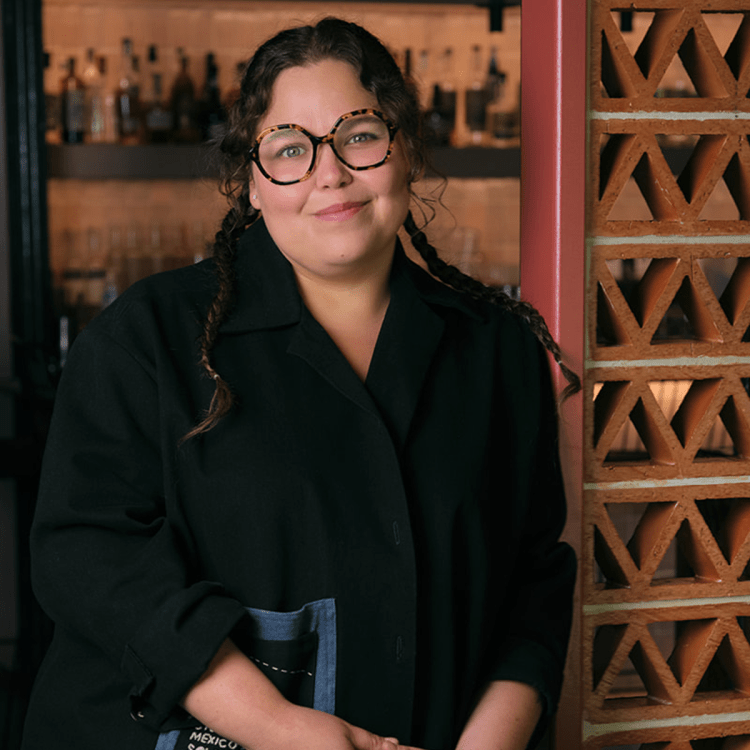
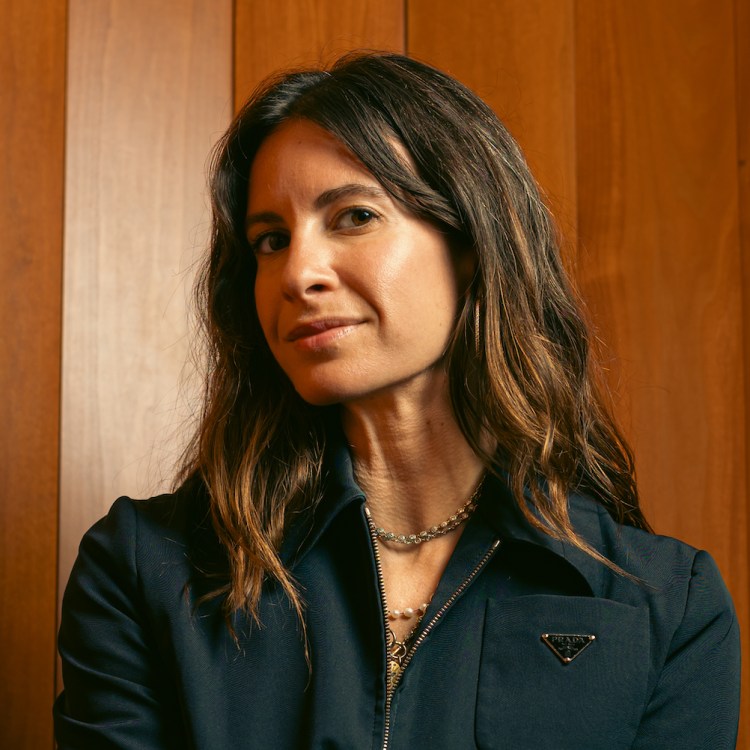
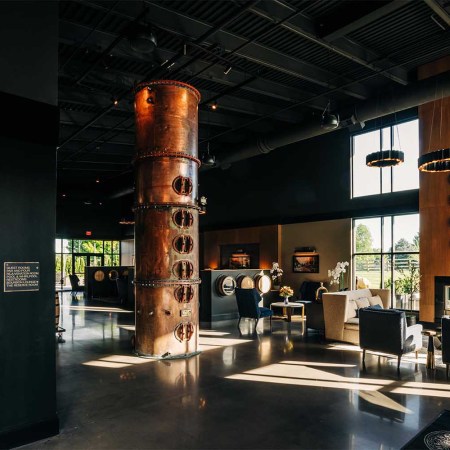
A 113-acre spirits haven just recently renovated, C&K relaunched in 2015 after a 40-year layoff. Now under the province of Master Distiller Marianne Eaves and a few business partners, the Versailles, Kentucky site was originally the home of Colonel Edmund Haynes, who’s been dubbed the “Father of the Modern Bourbon Industry.”
Seems that a 1917 bottle of Old Taylor bourbon was on the dilapidated grounds when Eaves took over. And the Master Distiller — who studied chemical engineering — decided to see if she could recreate the spirit.
While she had no written notes to work from, she was able to utilize modern gas chromatography techniques (basically, separating liquid into different chemical compounds) to take a fair guess as to the century-old spirit’s makeup.
The bad news? While Eaves was able to get a close approximation of the recipe — which apparently features a sweet butterscotch note — the juice is now in a four-year (at minimum) aging process. Until then, you’ll have to settle for Castle & Key’s line of vodka and London dry gins.
Photo: Castle & Key Distillery

More Like This

This article appeared in an InsideHook newsletter. Sign up for free to get more on travel, wellness, style, drinking, and culture..