It’s a strange time to be a luxury automaker with ambitious EV plans. Earlier this year, Lamborghini revealed that it would not move forward with its previously announced electric vehicle, the Lanzador. Other European automakers are proceeding, with Ferrari on track to reveal its first EV next month. The latest wrinkle in the industry comes from Bugatti Rimac, which just announced that a significant stake in the company had changed hands.
A quick history recap: in 2021, Rimac purchased Bugatti, with Porsche retaining 45% ownership of the resulting company. Initial results looked promising, given Rimac’s skill at producing high-performance luxury EVs like the Nevera. But now, Porsche is selling off its stake in Bugatti Rimac, with a group of investors led by HOF Capital set to take over partial ownership of the firm.
According to Bugatti’s announcement, Porsche has technically sold two stakes: the 45% of Bugatti Rimac it previously held, along with 20.6% of Rimac Group. Once the transaction is complete, Rimac Group will control Bugatti Rimac; Rimac will then be a part of what the automaker describes as “a strategic partnership” with both HOF Capital and investors BlueFive Capital. Porsche CEO Michael Leiters said in a statement that this sale indicated that “we will focus Porsche on the core business.”

Croatia Is the New Italy: Driving the Record-Breaking Rimac Nevera
The $2.1 million EV is the world’s quickest production car, but it’s just the start for the emergent automaker backed by Porsche, Hyundai and KiaAs for what this might mean for Bugatti Rimac, an overview of HOF Capital’s current portfolio offers few clues. The company has stakes in several prominent tech companies, including Anthropic and Neuralink, but has also invested in everything from Epic Games to the ubiquitous Blank Street Coffee. It’s also worth pointing out that HOF Capital is not a newcomer to this business; they first invested in Rimac Group in 2022.
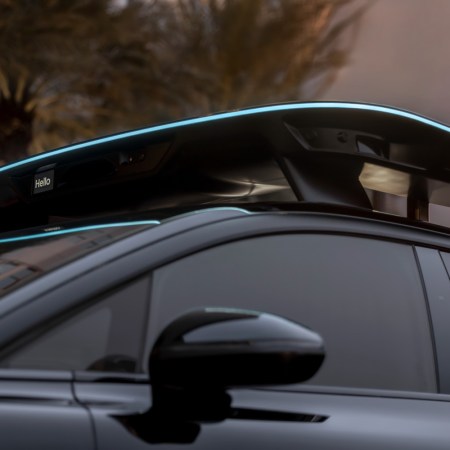
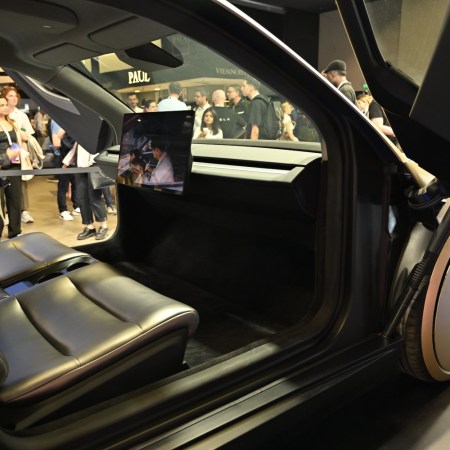
In the same post, HOF Capital also pointed to another element of Rimac Group’s business that drew their attention: the autonomous vehicle company Verne. “Verne’s expansion across Europe and the Middle East” is one of the developments cited in HOF’s discussion of Rimac Group’s future. The future of luxury EVs in Europe may be unclear, but self-driving cars still look like a growing class, and if that continues, this investment could prove timely.

More Like This


We're always on the scene eating, drinking and traveling near and far to bring you the best of what's happening out in the real world. Sign up for IRL now.