A city like Tokyo is rarely described as calm. With its dynamic neighborhoods and buzzing intersections, it’s a place people return to precisely because there’s always something new to see and explore. I’ve been fortunate to ring in the New Year there a handful of times, hitting two birds with one stone by overlapping our family’s holiday travel with my grandmother’s birthday. After years of returning, I can attest that the stretch between Christmas and the first week of January is one of the few moments when the famously bustling capital actually slows down.
In Japan, New Year’s Eve is largely a family affair. Locals head to temples for late-night bell ringing ceremonies or leave town altogether to visit relatives, making for a mellow season. That doesn’t mean the city grows dull. (If you’ve done your research, you’ll know that Tokyo can be anything but.) The city hums with activity, just with a quieter charm. Neighborhoods can feel more local, and it becomes a rare chance to slip into seasonal traditions and see a different side of the city that so many people have come to love.
Below, my tried and true guide to ringing in the New Year in Tokyo.
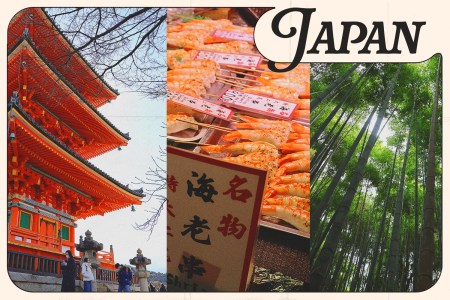
From Desk to Departure: How I Planned My Trip to Japan
Want to see a travel editor’s planning process in action? Consider this your front-row seat.Leading Up to New Year’s Eve
If you’re landing in Tokyo after Christmas, this is your window to catch anything that might operate on reduced hours closer to New Year’s Eve. Think museums (TeamLabs never fails to impress), restaurants, bars and activities you don’t want to miss. Of course, there’ll still be a bunch of places open over the next week, but it’s good to check in advance if that place you’ve bookmarked on Instagram will be one of them. If not, hit it early on your trip.
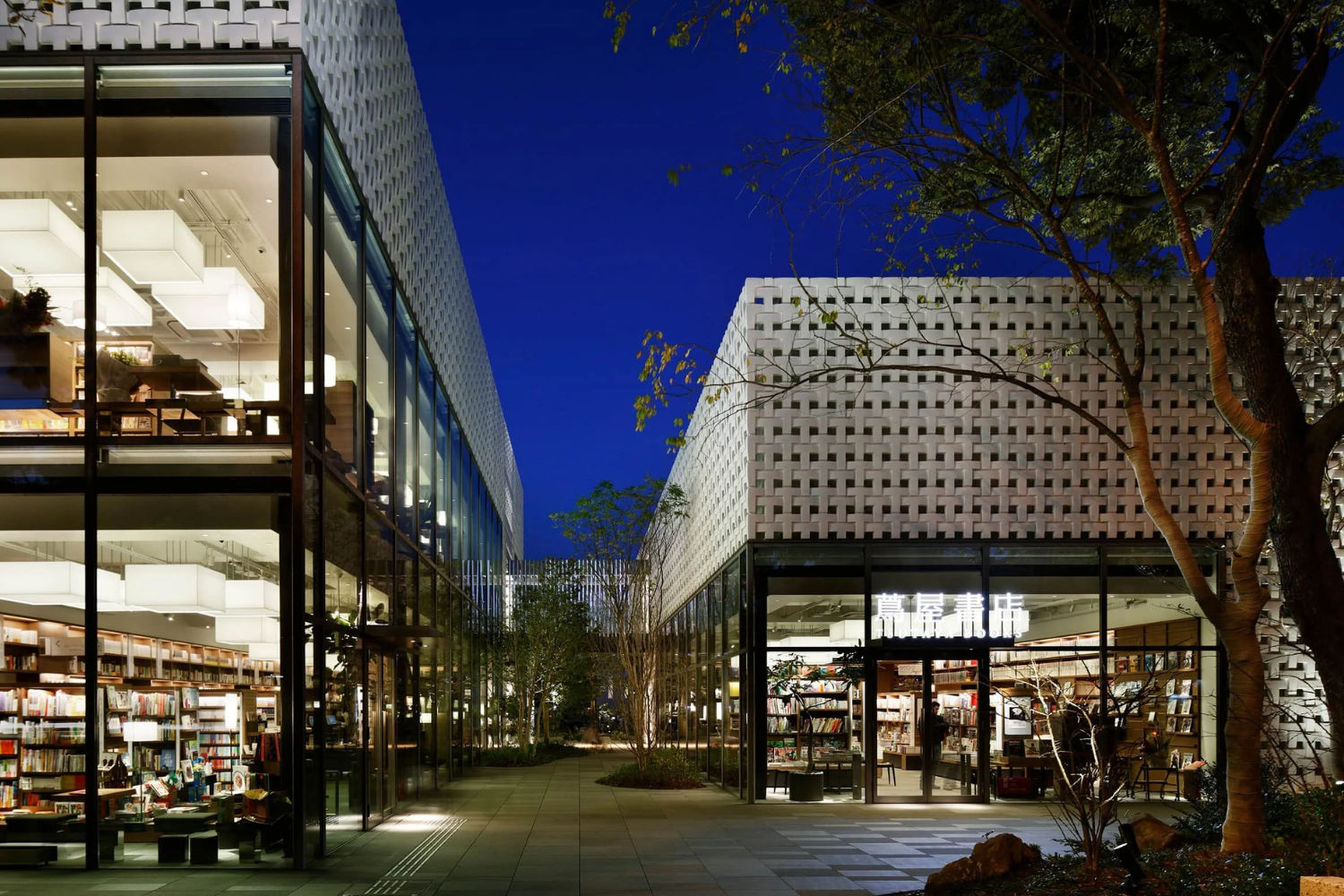
Whenever I’m in town, I always stop by the Daikanyama neighborhood, specifically the beautiful T-Site. The sprawling open-air complex offers a variety of shops and cafes, its central artery being the multi-floored Tsutaya bookstore, a fantastic place to browse magazines and and find interesting memorabilia. Last year, the T-site was in full operation on December 30th, even boasting a bonsai showcase. We closed the night with cocktails at the bookstore lounge, Anjin.
On the Night Itself
Lean Into the Foreignness of Wanting to Party
As modern as the city is, there are still traditions to be respected. So if anyone’s looking to paint the town, it’ll be the foreigners. And that’s not a bad thing — it’s the one time of night when embracing your boisterous Americanness makes sense because there will be others like you.
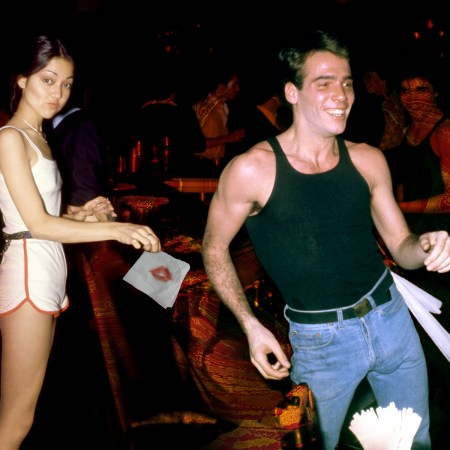
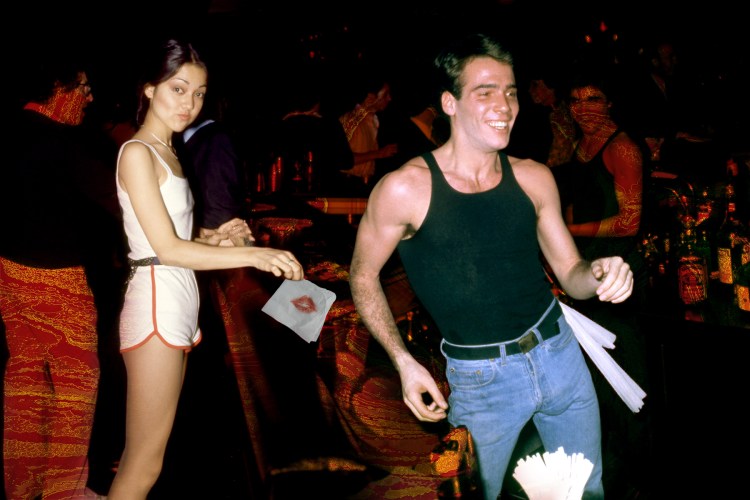
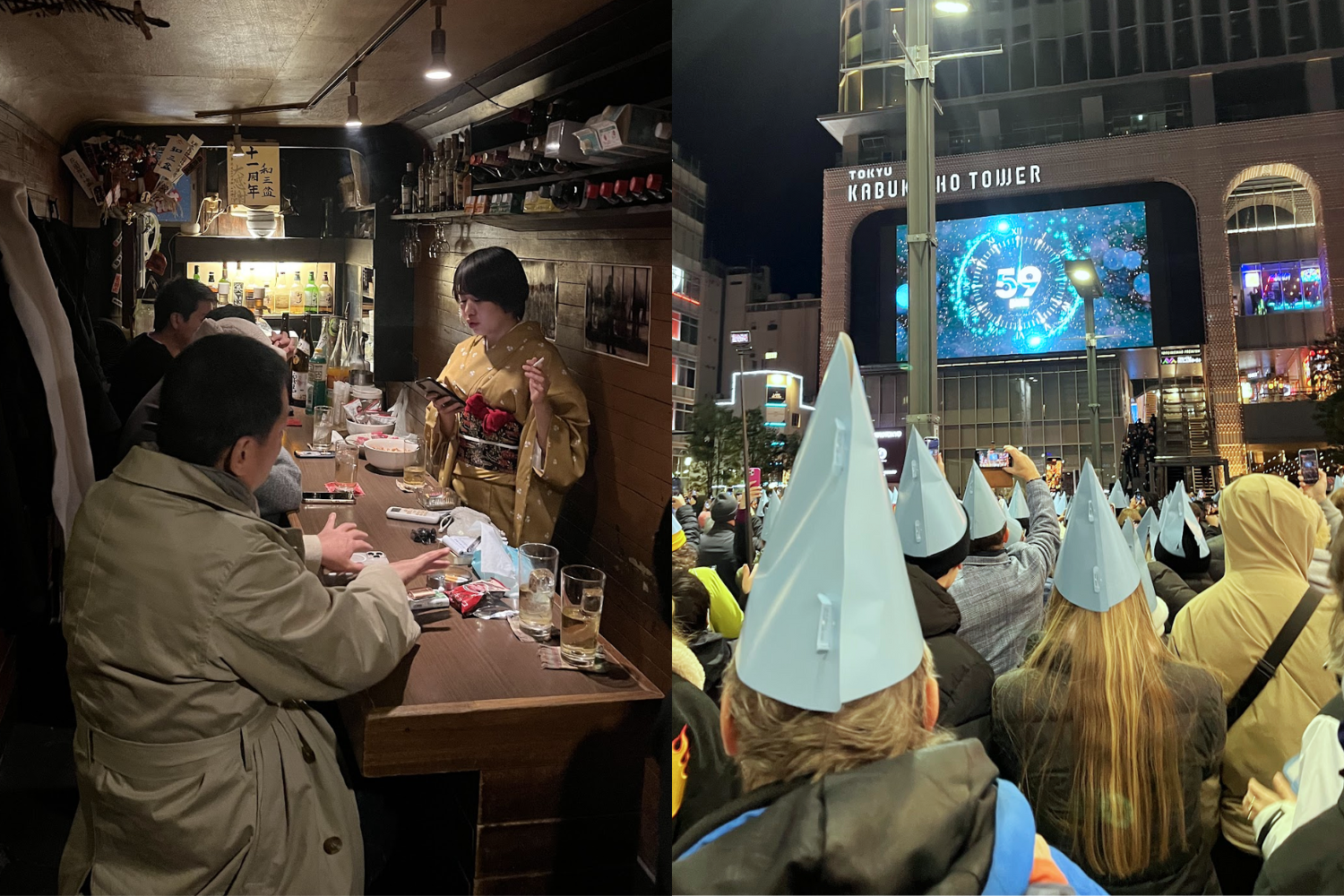
Leading up to midnight, we explored Golden Gai, the Shinjuku warren of narrow alleyways lined with izakayas and micro-bars. While undeniably a tourist draw, New Year’s Eve brings fewer selfie-snapping crowds and more young travelers enjoying informal bar crawls. We ducked into four izakayas before midnight, chatting with other couples along the way, partly because the rooms were so tightly packed.
Find a Countdown, but Manage Expectations
In all my New Year’s Eves in the city, I’ve never seen fireworks. Unless you’re at a place like Tokyo Disneyland, Japan’s strict noise and pollution regulations keep them largely off the table. Still, I’ve never felt the celebrations lacked festive spirit. Countdowns are scattered throughout the city, and your hotel concierge can easily point you toward one. Last year, I ended up at the Tokyu Kabukicho Tower, where they handed out goofy cone hats as we watched the building’s facade tick down to midnight. It’s a tamer affair — there’s no literal bang — but people still join in the traditional jeers. Afterwards, slip out of the crowds and find a quiet bar to toast the night with ice-cold Sapporos.
Go on a Late-Night Temple Visit
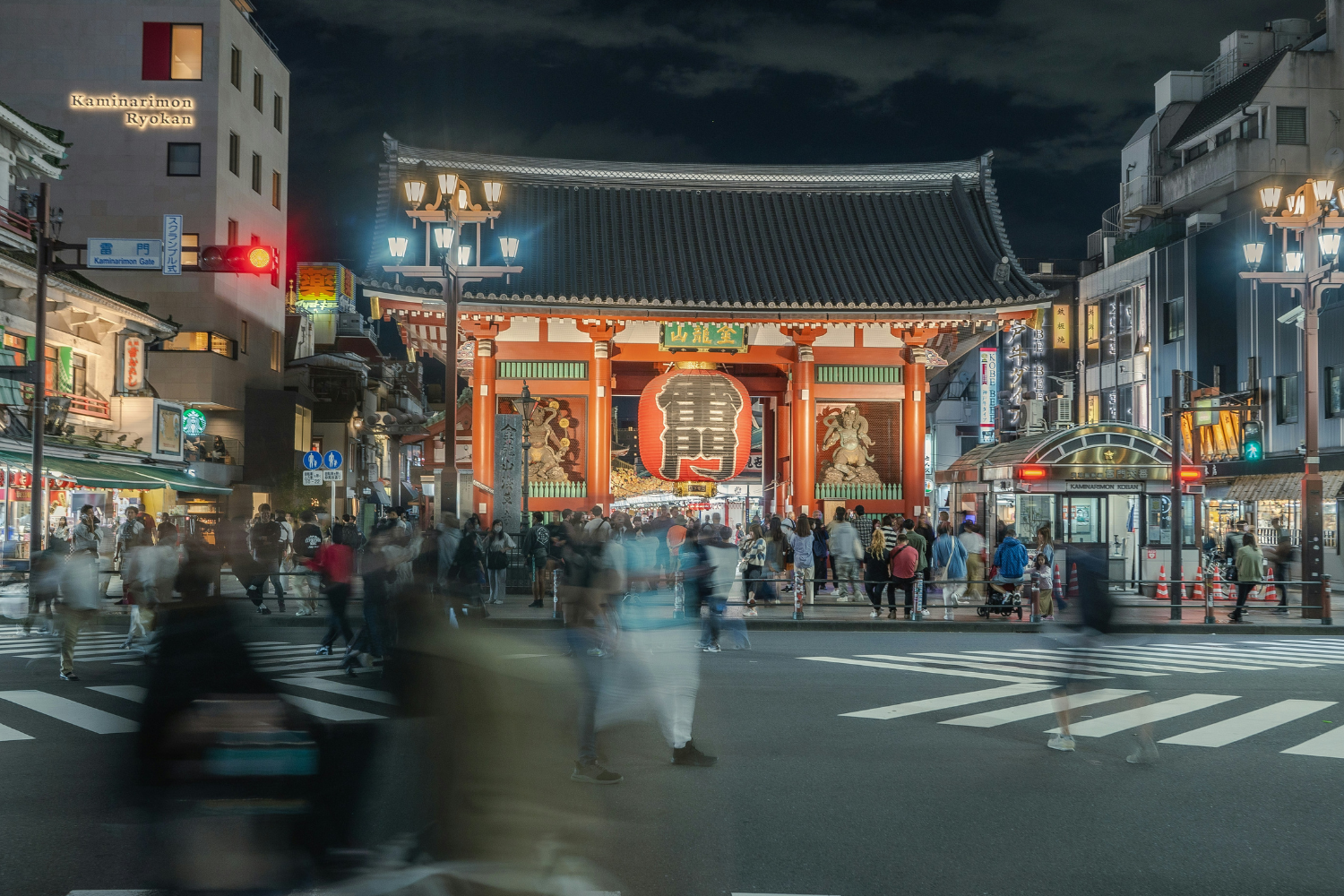
Because of my own aversion to crowds, I’ve never done this. But joya no kane is the most traditional way to celebrate the new year in Japan, with thousands of people heading to the temples to witness the late-night ringing of the bells ceremony. The bells are struck 108 times over the course of several hours to mark the end of the year, and visitors are encouraged to offer their intentions for the year ahead.
Indulge in Expensive Melons
In place of the overpriced countdown party tickets you’d normally splurge on elsewhere, why not treat yourself to something delightfully absurd? Let me make the case for Japan’s luxury fruits. The country is famous for impossibly juicy, perfectly cultivated produce, like winter melons and strawberries that can fetch hundreds of dollars. Although available year-round, they feel especially indulgent when savored as the new year begins. One year when I was a kid, my grandparents and I carved into a premium melon from the comfort of our hotel beds in place of a night out. In all respects, it was pretty sweet.
Get Acquainted With the Wonderful World of Japanese Convenience Stores
Every food item you need to try from a konbiniOn the First Days of January
Shop Super Sales and Mystery Bags
The first days of January are a major sale season in Japan, so much so that there’s a name for it: hatsu-uri. From boutiques to department stores, this is the ultimate time to shop in Tokyo, when you can score major discounts on clothes, electronics, skincare and more.
What’s most special is that many places sell “lucky bags.” Priced at a special promotional rate, these are basically mystery bags because you never know what’s inside them, but they’re typically packed with goodies worth beyond the rate you pay.
Do As the Locals Do
Tokyo’s dining troves are endless, and even in the quiet first days of January, you can still slip into ramen dens and standing sushi bars without a hitch. That said, with more restaurants shuttered for the holiday, it’s the perfect time to explore the city’s department store food courts. Beyond groceries, the basement halls are lined with artfully-curated stalls offering readymade meals, snacks and seasonal treats. Most of my favorite department stores, including Takashimaya Shinjuku and Isetan, resume business on January 2.
I also used the slower days to check out a sento, or public bathhouse. What better way to pass the time than by sitting in a hot tub à la Spirited Away?
Or Check Off the Bucket List
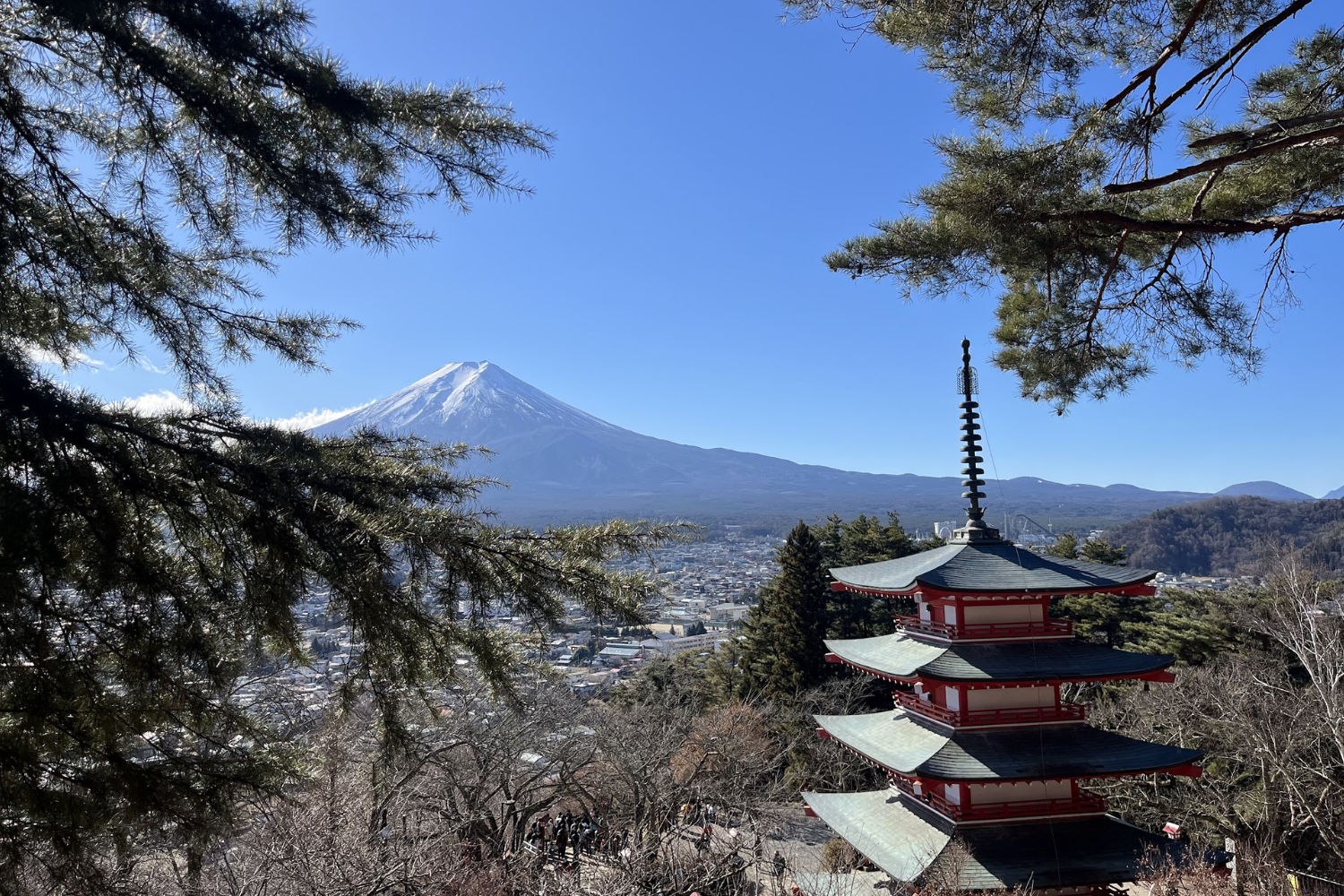
Seeing that the majority of places are shuttered on the first of January, there seemed no better time to finally cross off a bucket list item: Mount Fuji. I booked an Airbnb experience that took us from Shibuya to the site, with viewpoints and stops along the way. While I wouldn’t typically join a tour any other time in Japan, there was something special about spending the first day of the year looking out onto the iconic peak in quiet, early-morning light.

More Like This

We're always on the scene eating, drinking and traveling near and far to bring you the best of what's happening out in the real world. Sign up for IRL now.