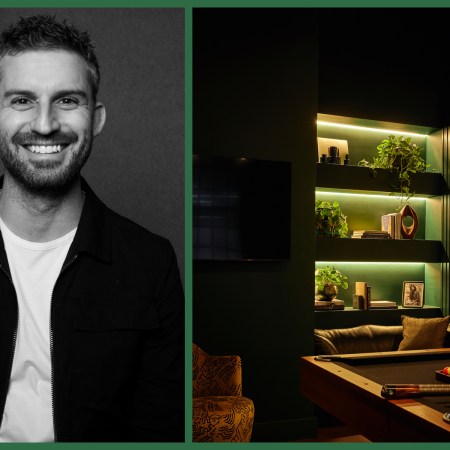
A few years ago, I stumbled on an Instagram account called “Visvim Trading Post.” Visvim is known for its high-quality reproductions of Americana and Japanese folk garments. Through that account, founder Matt Smith sold rare and unique secondhand pieces from the popular Japanese brand. Eventually I bought a shirt. I sent messages back and forth with Matt about other pieces posted on his page. The consignment portion of the business took off, evident from the steady stream of unique pieces rolling in. I assumed sales must have, too.
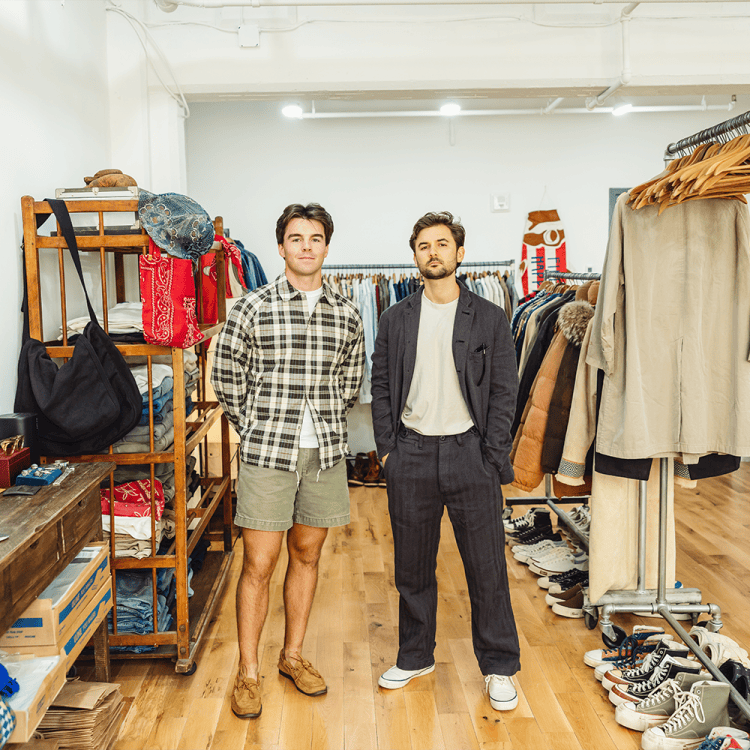
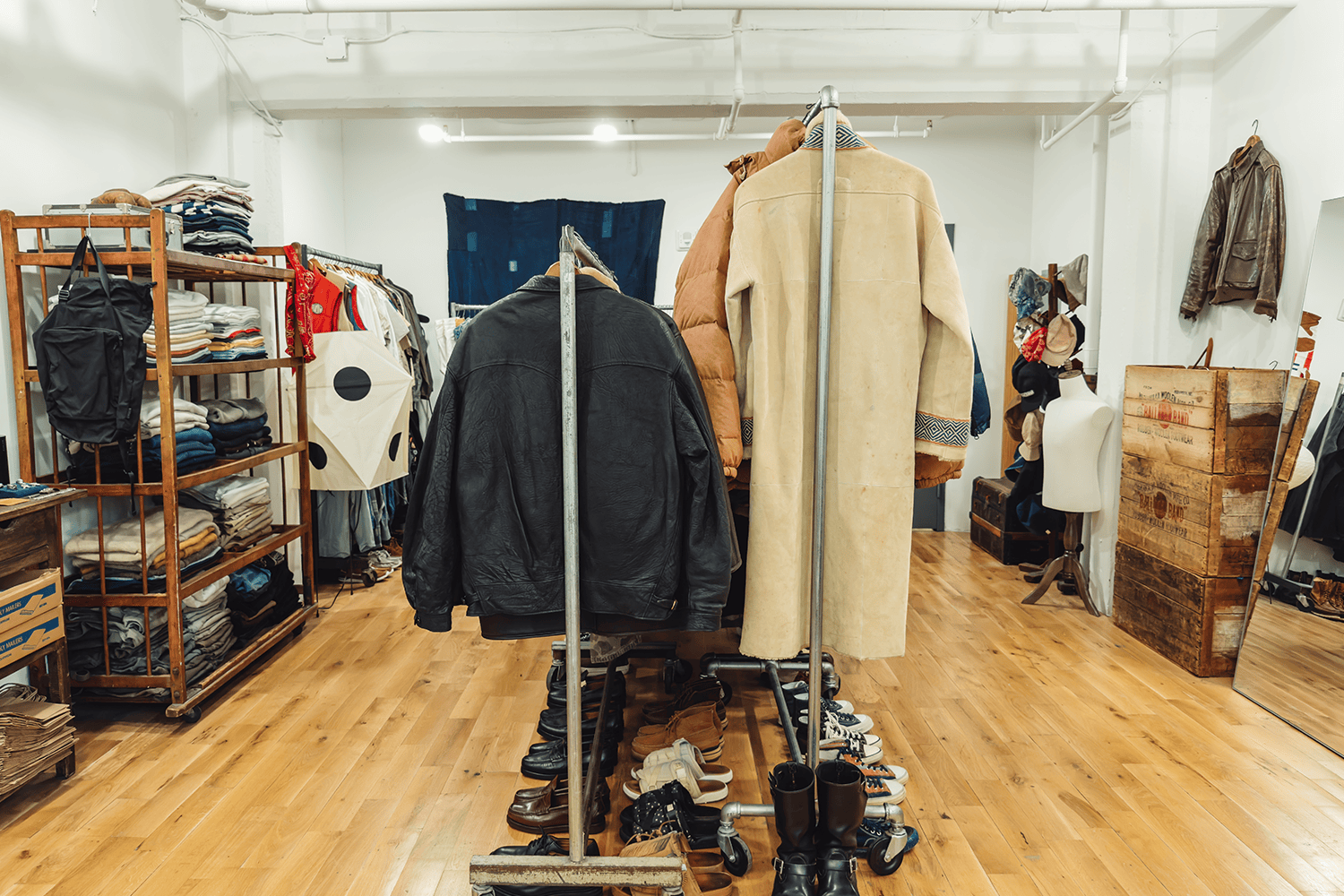
A couple of years in, I noticed a new logo and name. Visvim Trading Post became Overdye. Its inventory expanded beyond solely selling Visvim to a larger roster of crafty, well-made Japanese brands like Remi Relief, Orslow and Auralee. Over DM, Matt explained that a guy named Graeme Styles had joined him, and they were expanding its operation from digital-only to brick-and-mortar with a showroom space in Downtown Brooklyn. I made plans to visit as soon as they were open.
Overdye is genuinely the only place to get brands of this ilk at relatively affordable prices — just search some of these brands on Grailed, eBay or wherever else you do your secondhand menswear shopping and compare. Some pieces are brand new with tags, but even their pre-owned garments are typically in great to pristine condition. Pricing is something Matt and Graeme think about a lot. In an attempt to make a living but keep pricing competitive, the pair recently introduced an entry fee that is meant to compensate the co-founders for the level of expertise and attention customers receive during an individual appointment at the showroom.
In the eight or so months they’ve been open, Overdye has grown even more. The room is packed with product, appointments are consistently booked and interest in consigning and buying has reached previously unseen heights — and there are no signs of the hype slowing down. During a recent visit where I picked up a virtually new Margaret Howell jacket for a fraction of its MSRP, I caught up with the pair to discuss the history of Overdye, how they joined forces and formed a business plan, their advice for young entrepreneurs like themselves, their favorite pieces in the showroom right now and much, much more.
Christopher Fenimore: Can you guys both tell me a bit about your history with style and how you first found an interest in it? At what moment did you realize clothing can be transformative?
Matt Smith: Originally, it was flipping through CCS catalogs with my brothers. I used to watch random fashion videos on YouTube when I was in my teens, just trying to understand how to approach fashion as a dude. I would say the first Adidas Yeezy really made something click inside of me and shifted my whole relationship with clothing. After that, I went down a pretty large streetwear rabbit hole and would even get paid to stand in line for a reseller in Florida.
Graeme Styles: Since an early age, I was invested in skateboarding because of my dad. Eventually, that led me to discover Stüssy (Zumiez era) and later Supreme. I think seeing the whole wave of early 2010s Supreme and the culture around that totally engrossed me, and after, nothing was the same.
CF: Matt, what was your gateway to Visvim? Why did you originally start Visvim Trading Post? And where did Graeme come in?
MS: John Mayer. His music first, and then I became interested in his background and found the brand through that! One day I was randomly listening to an extended interview he did, and Mayer asked the question: Why nobody does a secondhand shop for Visvim? I thought, okay, let me try my hand at that.
After a couple of years of doing Visvim Trading Post, Graeme and I befriended one another through the internet. Eventually, he offered some advice on the shop and started helping out with releases. After a couple of months, we both knew we wanted to introduce a joint project with a more comprehensive scope beyond Visvim.
CF: Why did you both decide to rename the business Overdye? What changed once you did?
GS: Naming a business is not easy. I think we were basically messaging ideas back and forth to one another, and eventually, Matt just blurted out, “Overdye,” and I was like, that will play. We basically wanted our shop to have an easy enough name that connected directly to the through line of craftsmanship that our store represents.
Inside Graphite, a Shoppable, Rare Tennis Apparel Archive
We sat down with Bryson Malone, the prominent photographer who deals vintage tennis gear on the sideMS: I wanted a one-word name with less than three syllables. At first I think a lot of people were upset the Trading Post was ending, while others understood the approach we were trying to take. We got so many questions, like, “So are you no longer selling Visvim? Are you no longer buying product?” and the classic, “What the fuck is an overdye?” But I think as things progressed, our audience got used to what we were trying to do. With that, we saw both a loss of customers who didn’t mess with the new vision, and an influx of new customers who, well… did. At this point, I think we’re now at a happy medium of having OG customers from the Visvim Trading Post days with many new faces who have just found us naturally.
CF: Matt, you walked away from a stable career to pursue Overdye full time. What were you doing before? What was the lead up through transitioning like, and what was it like finally taking that leap to start your own business and run it full time?
MS: I started Visvim Trading Post when I was still in my undergrad for aerospace engineering. As Graeme mentioned, we were doing these side hustles basically as a way to afford our shopping hobby. Then, I was working in mechanical engineering and found myself juggling that, a master’s degree and VTP. I did all of that for three years straight, which completely burnt me out. Luckily, at the tail end of the third year, Overdye started to bubble and that partnership was formed. I was still extremely unhappy with my job for these first two years of Overdye, and the growing work with Overdye started to really take a toll on my mental health.
Eventually, we hit a point where Graeme had been running the showroom here solo for some time and we reached a capacity where it was feasible for just him, and I finally took the leap to move here and do it full time. There was definitely some planning to it; I basically lived with my parents for half a year to build enough of a safety net to take this risk. Every day still feels like we’re transitioning and it’s hard to unlearn that corporate lifestyle, but I am genuinely happier than I have ever been. I would still say we are definitely not comfortable, which is vulnerable to say, but Graeme and I feel like there is no other path except trying to make this a reality. We care too deeply about the project.
CF: What makes Overdye unique?
GS: Looking at our selection after just over two years, I think we arguably have one of the most uncommon curations of a secondhand shop out there. Matt and I, for better and for worse, spend a lot of time thinking about and looking at clothes. With that being said, I think our store offers a distinct position in the market of offering not only classic Japanese Amekaji but also the most contemporary forefront of artisanal craftsmanship. How often do you walk into a store that has Fullcount denim, a 20th-century French Moleskin jacket, an overengineered Acronym messenger bag and a Cottle made-to-order fox fiber/yak wool kakishibu/bengara-dyed fleece… Jeez, that’s a lot of buzzwords. Not to mention, they are all at nearly wholesale price. One thing I have realized kind of recently is that for whatever reason, most people in “menswear” lump a lot of this stuff together subconsciously, but pretty much nowhere besides us exists to see it in one place.
CF: I know you guys have an insane client list and an equally insane consignor list. Do you have any crazy stories you can share about lengths you had to go to to acquire gear?
GS: I flew to Japan on about 48-hour notice to pick up a special batch of consignment from one of our most valued clients. We are talking about $10,000 Visvim leathers and pieces that are still deadstock over a decade later.
MS: Honestly, the craziest story for me is when I started out doing consignment, The Trading Post had probably less than 1,000 followers, and I somehow had people willing to send me a $20,000 lot of some of the rarest Visvim pieces I had never seen before. At that point I started to get scared about not having insurance for the six-figure MSRP collection piling up in my college dorm room.
CF: What’s your favorite piece in the showroom right now? What are you surprised hasn’t sold?
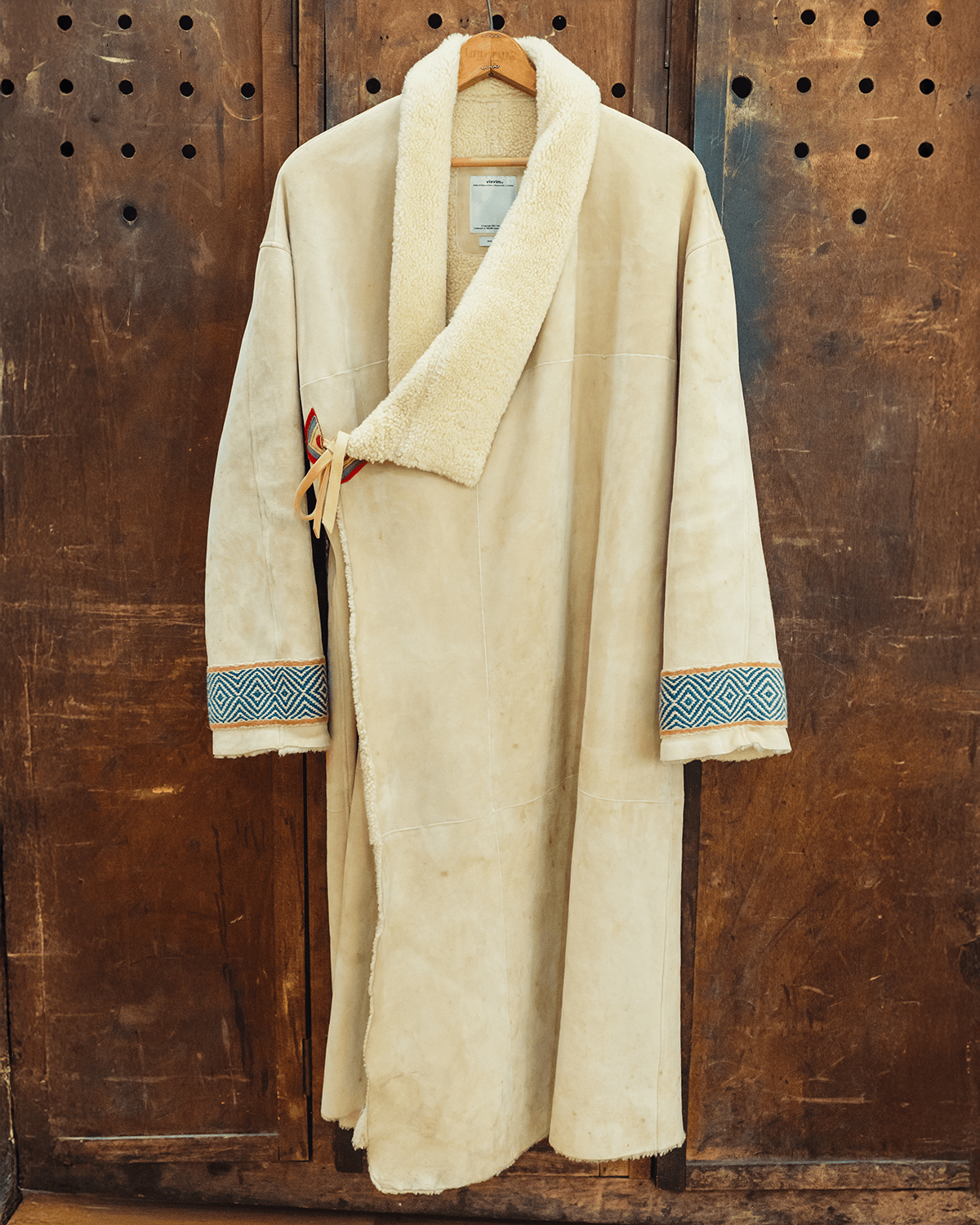
MS: FW14 Lhamo Robe IT — it’s like a snuggie for a caveman. I am equally surprised it hasn’t sold yet, but also not surprised because who needs a full sheepskin robe with a deerskin closure and a handwoven Uzbek tape detail with natural-dyed threads?
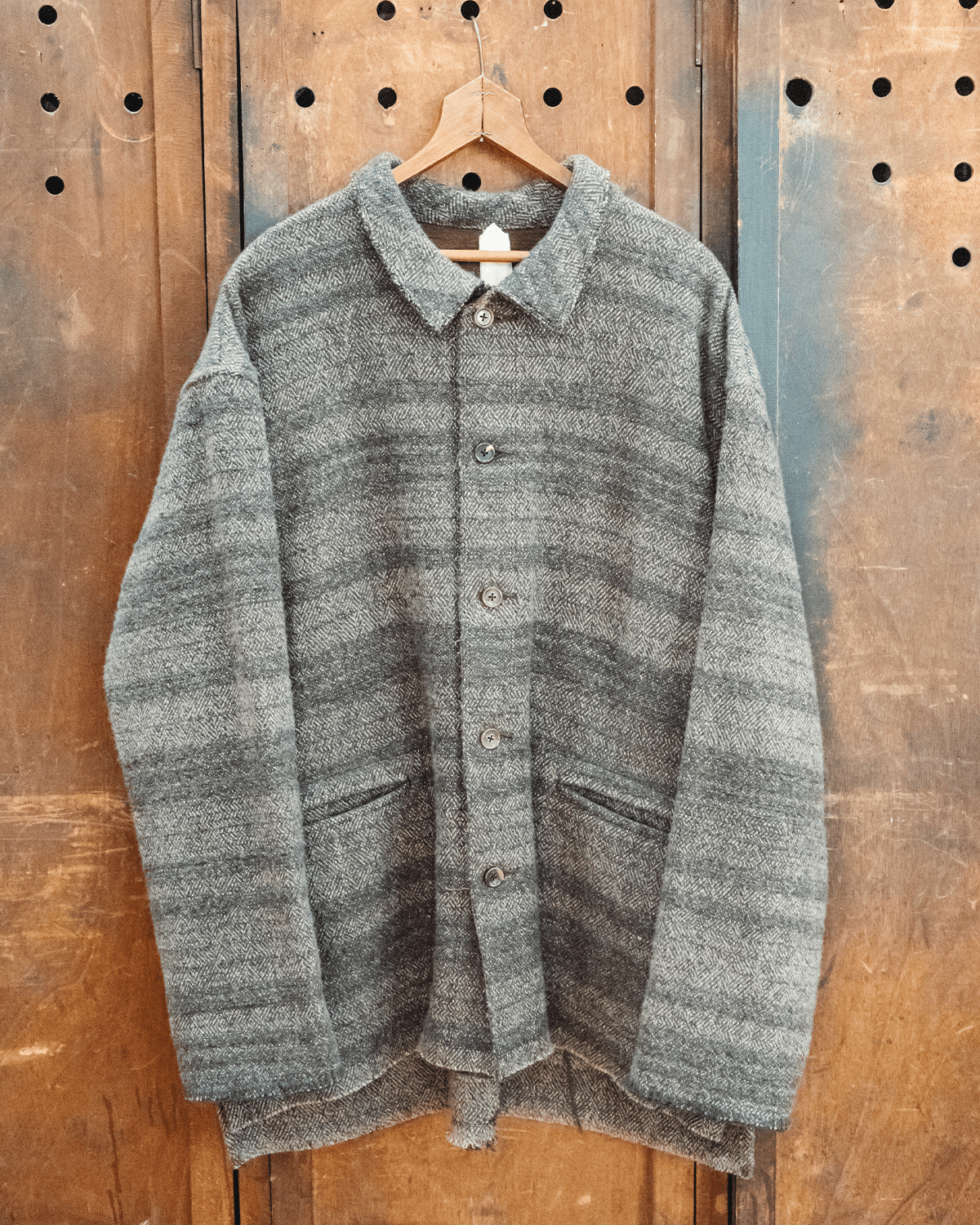
GS: Probably the Cottle Earth Wall Champetre Bouquet Jacket. It’s just such a special garment, every time I see the kintsugi button I am reminded of Toshi telling me that his wife makes those on each and every piece. It’s nice when the garments form a connection and make you think of moments of people. I am always surprised when anything A.Presse doesn’t sell right away. I feel like the brand is everywhere these days.
CF: Do you guys have any advice for young entrepreneurs like yourselves who might not know how to get their business off the ground and running?
MS: Starting is the biggest hurdle. I used to make YouTube videos saying “Welcome to my store,” knowing damn well I was in my parents’ dining room. Oh yeah, and please separate your business and personal bank account!
GS: I think the 10,000-hour advice is real. I have been obsessed with this stuff since I was, like, 12, and now I just feel a bit more like I have something to show for it than before. Looking back, both of us were always reselling something to try and pay for this hobby — this is just a natural progression.
CF: What are some practical things people should know about Overdye, both as buyers and as sellers?
GS: We are consignment only and pay you a heck of a lot better than The RealReal. Equally important for both parties, Matt does completely organic copywriting for each and every garment we list. The goal is for us to be just as much of a digital archive as we are a showroom/store. Our goal is to give as many people as possible these amazing clothes, and with it they all receive the in-depth information of what exactly they’re purchasing.
MS: Our showroom is appointment only. We generally require a 24-hour notice for appointments. We do not spend all of our time at the store, so please don’t ask us at all hours to come in unannounced. Throughout the week, we also post new arrivals on our story that are available for purchase via DM (yes, we can ship it anywhere). I think placing orders through Instagram eludes some people, but try it out. You’d be amazed how seamless it is. Also, consignors always get final say on pricing, but we do always share estimated market value once the item is in hand.
CF: Are there any brands you guys sell now that you’re surprised by? And why?
MS: Comme des Garçons Homme. It’s a world I never dove into because generally Comme des Garçons leans more avant-garde, but some of the pieces in here we felt have a construction and vibe that fits our identity.
GS: Role Club. The brand completely fits our image, but for such a bespoke product I am always surprised when consignors bring it in. It has a pretty extensive multi-year waiting list, and some people receive the shoes and just decide they don’t want them after waiting that long.
CF: What brands are you guys rocking with in your personal lives? What’s exciting you right now?
MS: Yaeca and Kaptain Sunshine. A lot of these brands seem pretty inconspicuous, but I love how practical they are. There are a lot of artisanal brands out there, but it’s hard to find the ones that are actually utilitarian and don’t break the bank.
GS: The Real McCoy’s.
CF: What’s your most recent pickup?
MS: A chore jacket from Maru Sankaku Peke — it’s a sub-label of Studio D’Artisan. They make some great pre-distressed pieces.
GS: I went out on a limb and got a Grizzly Jacket from The Real McCoy’s. Hopefully, I can pull it off.
CF: If you had to wear one outfit for the rest of your life, what would it consist of?
MS: My favorite Visvim Khadi Lumber from FW21, a white Good On T-shirt, my black Fullcount 0105 denim and some Vans Authentics… but they must be the LX44 Reissue.
GS: Big Mac Flannel, Warehouse Loopwheel Tee, Patagonia Stand-Ups and some leather flip-flops or my Hoka ones if my legs are tired from running.

More Like This

This article appeared in an InsideHook newsletter. Sign up for free to get more on travel, wellness, style, drinking, and culture..