Nota bene: All products in this article are independently selected and vetted by InsideHook editors. If you buy something, we may earn an affiliate commission.
I would never call a standard cast iron skillet “pretty.” Even in our modern era of high-end pans with buttery smooth surfaces and bronze seasoning, we’re still mostly talking about a rudimentary piece of cookware: an iron bowl with a flat handle stuck on the side. I could get to “distinguished” or “appealing” if pushed, but that’s as far as I’ve allowed.
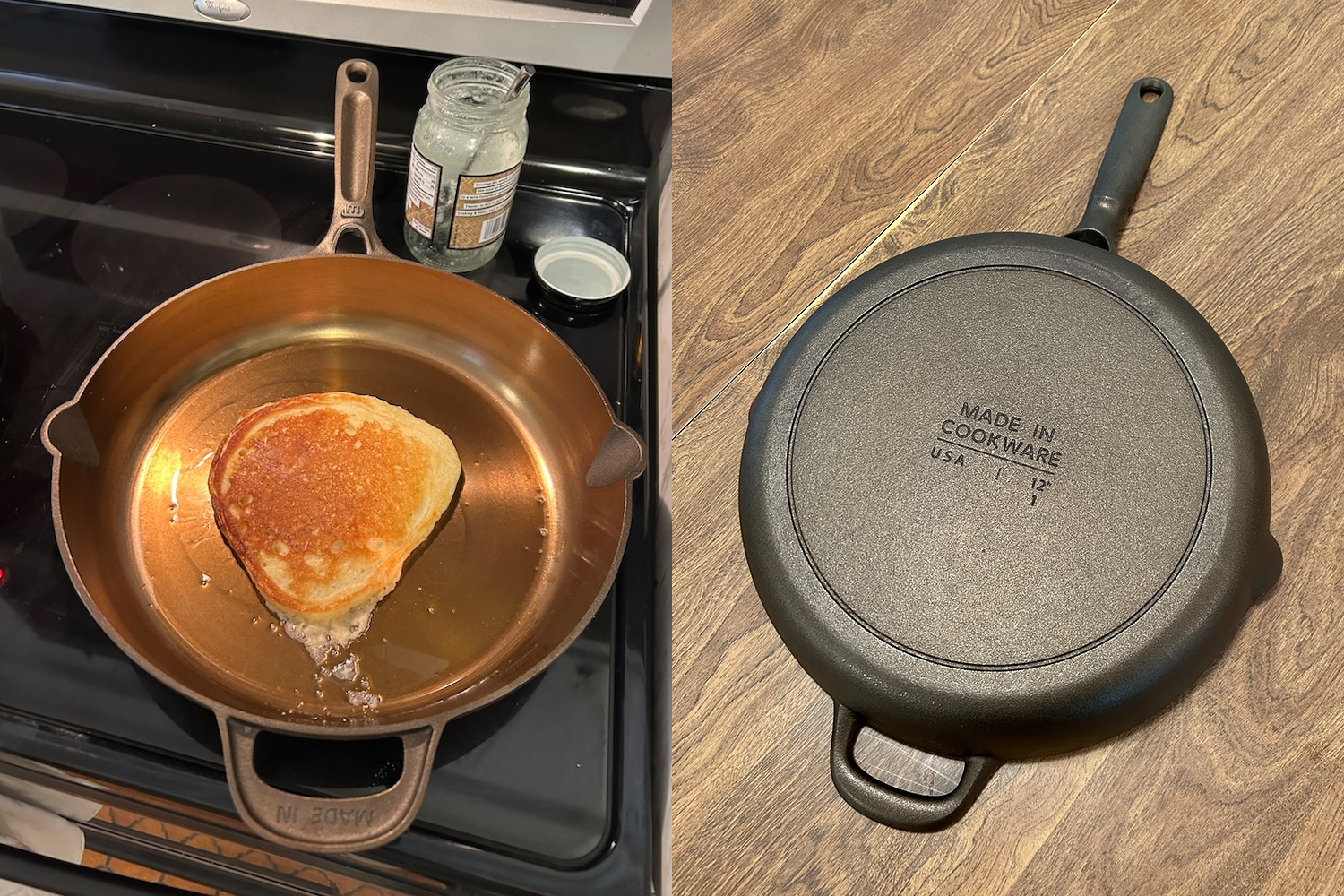
Then I opened up a cardboard box holding one of the first skillets from Made In, and my cast iron vocabulary immediately expanded. “Now that’s a pretty pan” was the only acceptable first impression for this meticulously re-engineered beaut.
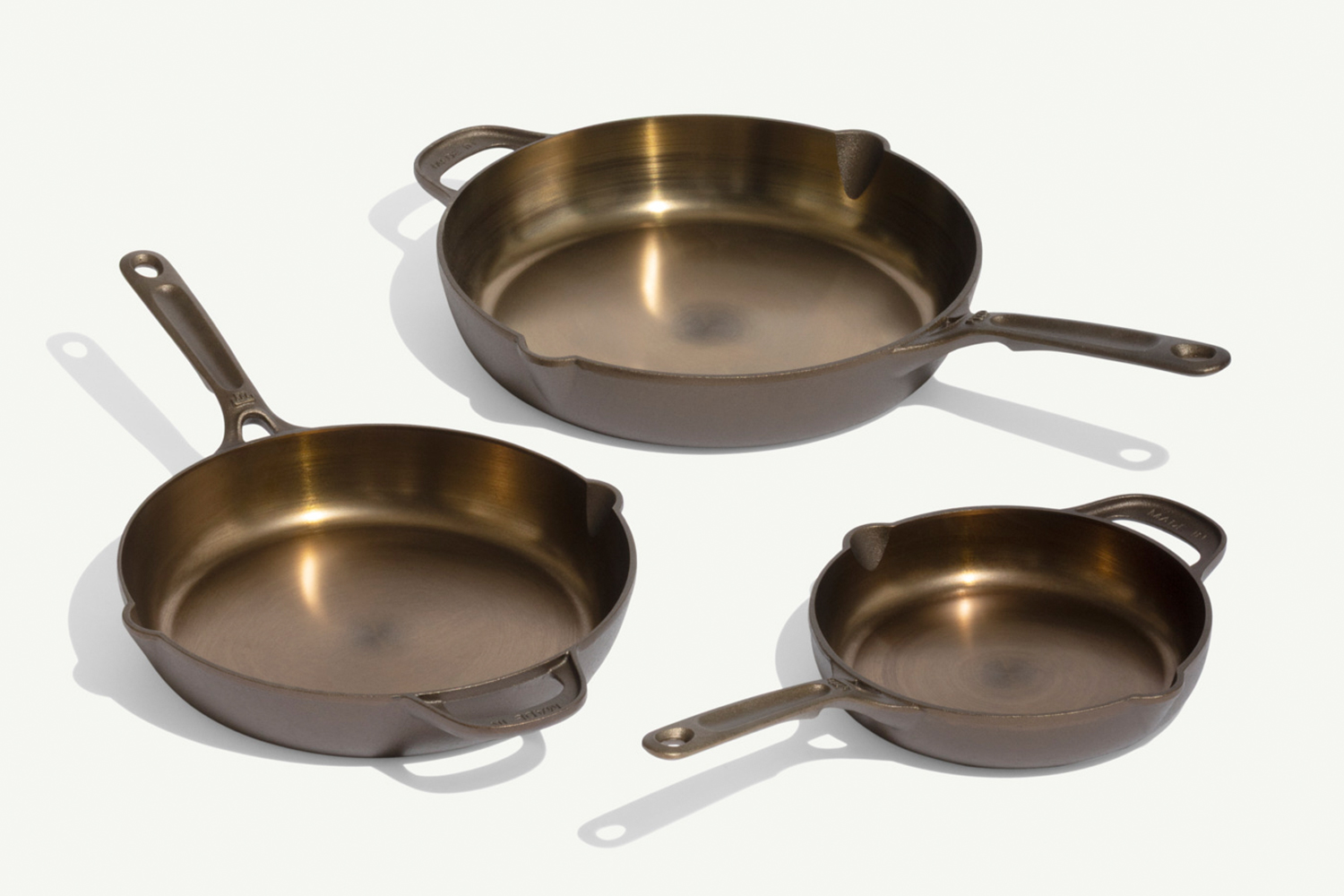
The frying pan, which I’ve been testing for the last couple of weeks, is part of Made In’s new line of American-made cast iron cookware. The 8, 10 and 12-inch skillets, along with a four-quart braiser, six-quart Dutch oven and 14-inch double-handle skillet, went on sale last week exclusively at Williams Sonoma; they’ll be available at the Made In webstore starting June 1.
Jake Kalick is adamant that designing a gorgeous pan was not on his priority list. “We’ve never been the aesthetic-driven cookware brand,” Kalick, the president and co-founder of Made In, tells InsideHook. “We’re a lot more about performance.” Specifically, restaurant performance.
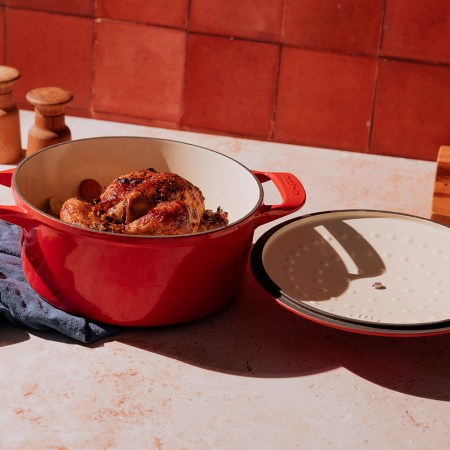
Since its founding in 2017, the mission of Austin-based Made In has been to design pots, pans, knives and other cooking essentials that solve problems for chefs and ease the rigors of commercial kitchens, and thus give home cooks the confidence they’re investing in gear that’ll last. So three years ago, when the company began designing its own cast iron line in earnest (that is, American-made bare cast iron; the company has been selling French-made enameled cast iron for a few years now), the north star was usability.
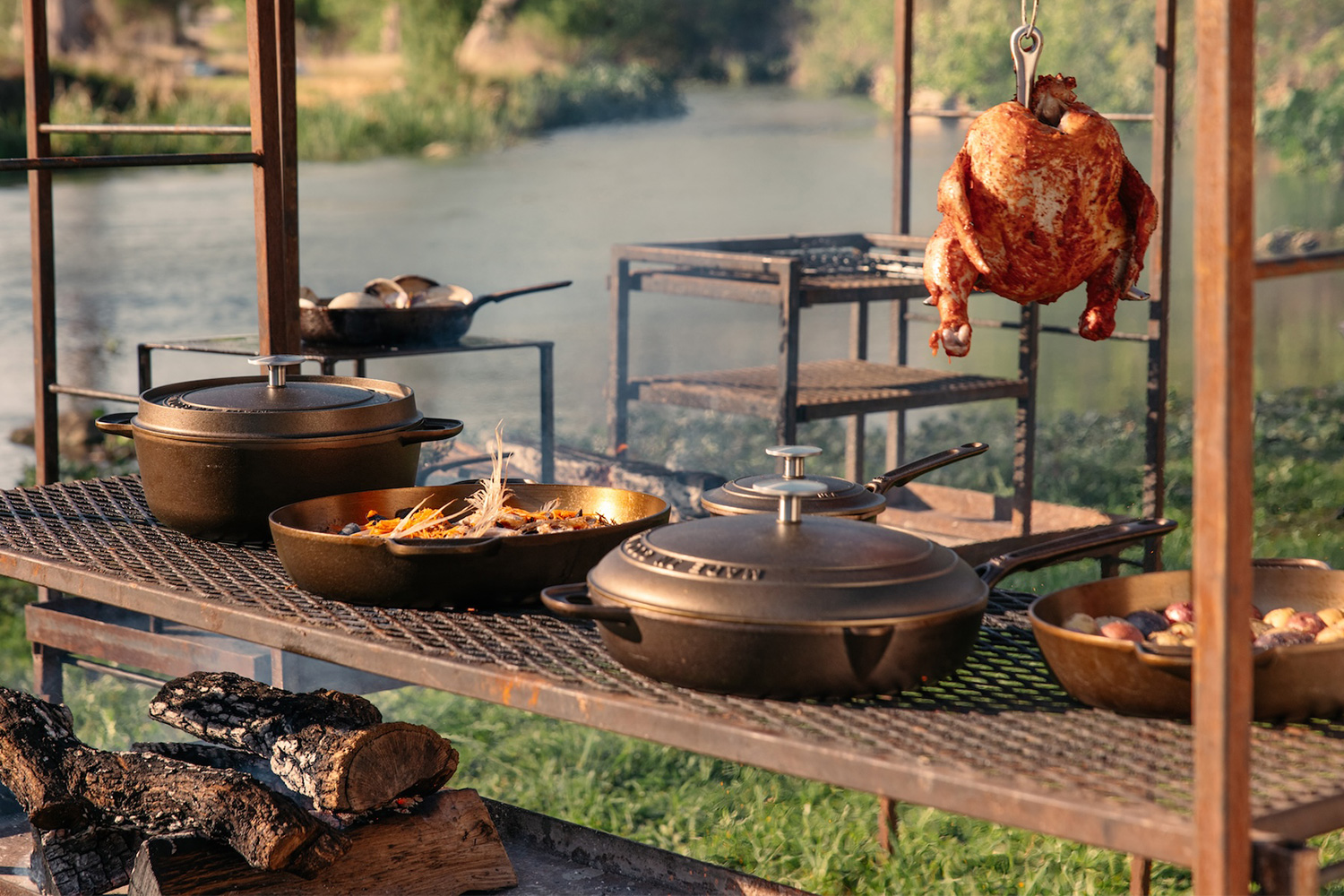
“A lot of the other players out there lean more into the nostalgia of classic cast iron construction, and a lot of the Americana and heritage behind it, which is great,” says Kalick. For Made In, he says their designs were instead chosen based on what’s going to work “in a commercial kitchen night in and night out.”
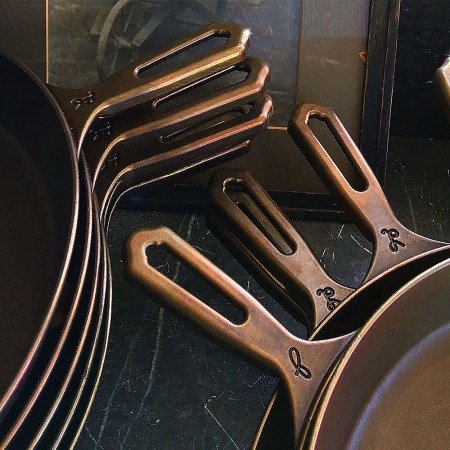
That’s why their Tennessee factory grinds down the walls and base of the skillets, so the notoriously heavy cookware is as light as possible, while still retaining cast iron’s legendary heat retention. (“A lot of the reason why our cast iron is more expensive than a $20 skillet has to do with a lot of the finishing process,” says Kalick. “It takes a lot of time. It takes a lot of hands.”) It’s also why Made In scrapped the traditional teardrop handle, instead opting for an ergonomic “trigger” design, which Kalick says was “a lot more challenging to cast than people would guess,” with its two-prong connection, thumb groove and rest for your index finger. But that was one upgrade they weren’t going to compromise on.
Kalick says one of the best things his company did when designing their first products was to read the reviews of competing cookware brands. “A lot of the competitors’ reviews were like, they’ve had this uncomfortable handle for 50 years,” he says. For his first American-made cast iron collection, he wasn’t about to slap a tiny handle on it, nostalgia be damned.
A lot is riding on this release, not just because cast iron inspires hot takes from certain gear-obsessed corners of the internet, but because Made In’s own fans have been pining for this cookware since the brand’s founding.
“We have a search bar on our website where you can search whatever you want, and it’ll bring up products or blogs or any relevant information,” says Kalick. “The most commonly searched thing is cast iron.”
Now that it’s finally arrived, with more “cheffy shapes” and accessories set to roll out in the next six months, according to Kalick, how do the Made In skillets compare to other artisanal cast iron producers? And how’d my first few weeks of testing go? Let’s dive in.
How Does Made In Compare to Other Brands?
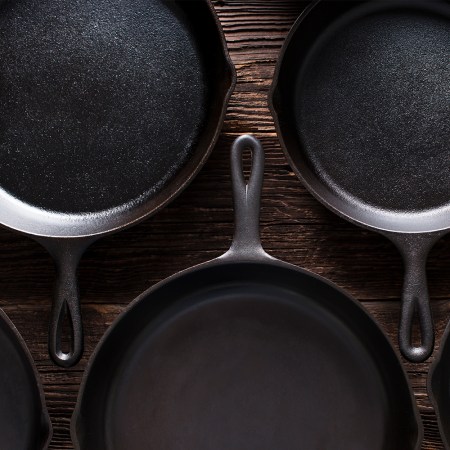
Made In skillets fall into the category of modern, smooth-surfaced cast iron, which includes brands like Smithey, Field Company, Finex and Yeti (formerly Butter Pat). With the exception of Yeti, which uses a proprietary process to achieve its velvety finish, these brands use subtractive processes to level the cooking surfaces, machining their pans down to offer home cooks a close-to-nonstick cooking experience right out of the box. This means these skillets are also more expensive than those made by Lodge, which mass-produces rough pans that need to build up a heavy layer of seasoning before getting that nonstick quality.
The price difference is stark: a basic 12-inch Lodge skillet sells for $37 while the similarly sized model from Made In goes for $200. When you compare to other brands making artisanal cast iron, Made In actually undercuts some of the more popular versions: a comparable Field Company pan sells for $215, Finex for $230 and Yeti for $250.
The State of American Manufacturing, According to 10 Companies
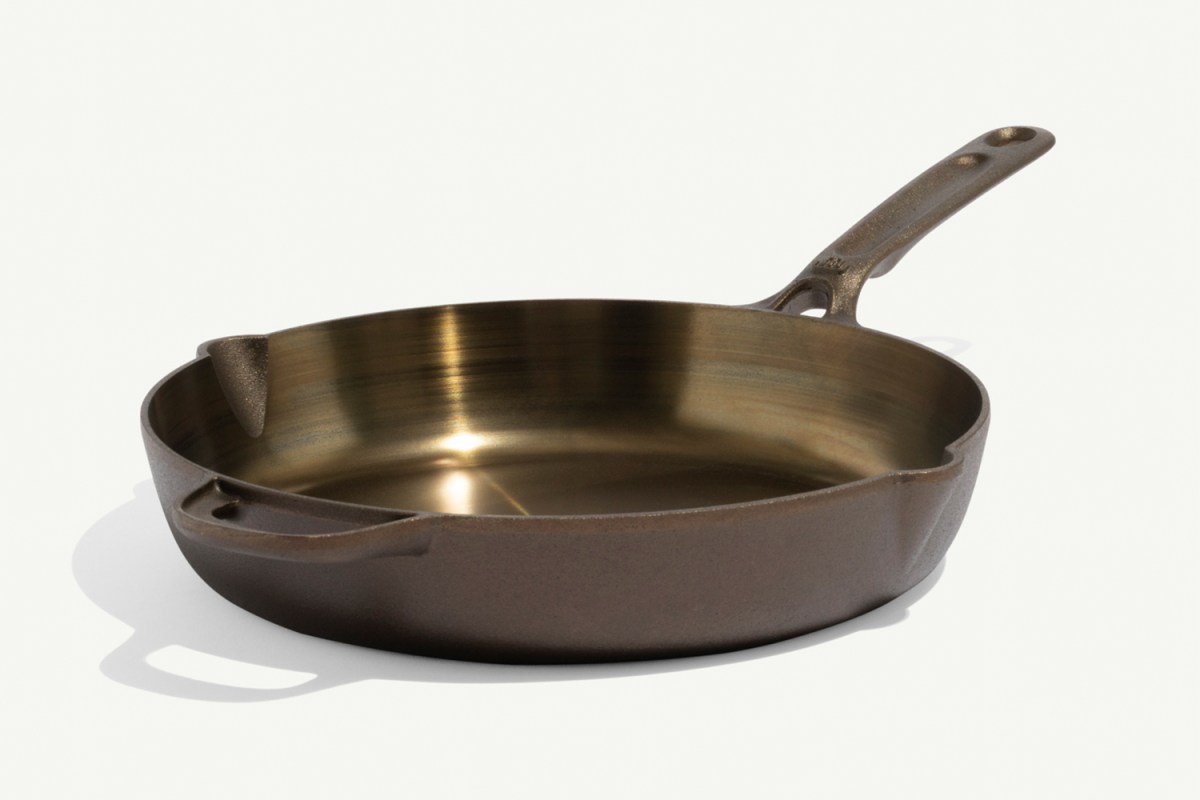
What’s the reality like for U.S. brands making blankets, furniture, cookware and watches? We asked them.The closest match to Made In’s design is from Smithey Ironware, and in some respects, they’re almost identical. The 12-inch Made In and No. 12 Smithey have the same cooking surface (10.5 inches), almost the same weight (9 lbs. vs. 8.7 lbs.) and depth (2.25 inches vs. 2.2 inches), pour spouts on both sides, large helper handles with holes for hanging and main handles that eschew the traditional flat teardrop design.
Where Made In differentiates itself is in the curved sides, which allow for easier basting and cooking with spoons, and the “trigger” handle, which allows your pointer finger to grip underneath and your thumb to rest in a groove on top for a more secure and comfortable experience, especially when you’ve got an oven mitt or towel wrapped around to protect your hands from the heat.
Made In 12-Inch Cast Iron Skillet Specs:
Who Should Buy the Made In Cast Iron Skillet?
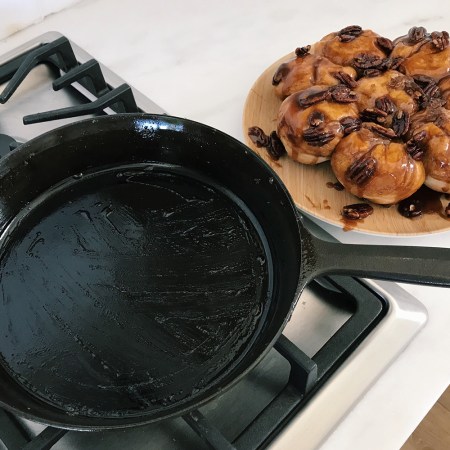
After using my Made In skillet to cook burgers, eggs and pancakes on my stovetop as well as hotdish and salmon in my oven, I’d recommend their skillets for home cooks who want a pan that can go right from the fire to the middle of the table.
If you’re shopping for a versatile skillet that can handle quick Tuesday night steaks basted in herb butter as well as messy, all-day duty on the grill, while also being beautiful enough to take up a spot on a meticulously arranged dinner party table, this is the pan for you. Yes, there’s a little bit of a learning curve if you’ve never cooked with cast iron before, but the design tweaks mean even novices will feel comfortable with the cookware right out of the box. Go with the 10-inch model — it’s the most popular size for a reason, hitting that Goldilocksian ideal where it’s not hogging your stovetop or cupboard space.
On the flip side, I also think Made In’s skillets are a great option to explore for those who haven’t fallen in love with a cast iron pan yet. If you’ve tested cookware that’s too cumbersome, too barebones or not nonstick enough, this is a well-balanced piece of cookware that’s updated a heritage design for the modern era and barely needs any break-in time.
It also became clear quickly in my testing that this is an overbuilt skillet. Admittedly, the large 12-inch design added to this feeling, but if you’re happy with the standard cast iron shape, there’s no need to toss out your current skillet and upgrade to this model. If you are in the market but are looking for something simpler and less imposing, I’d go with Lodge (which is cheaper and more compact) or Field Company (a lightweight, no-frills design with modern nonstick properties).