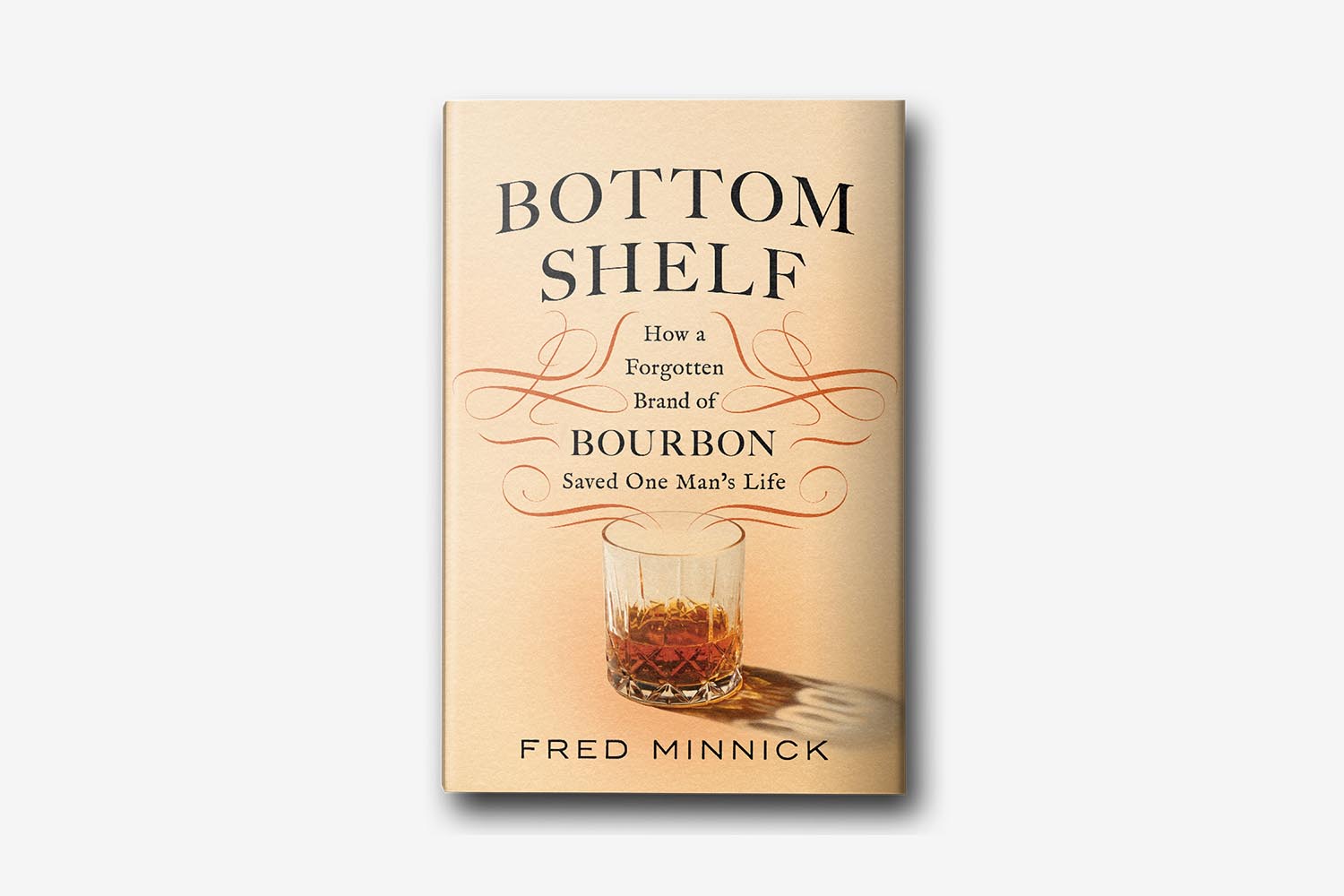
Bottom Shelf: How a Forgotten Brand of Bourbon Saved One Man’s Life is not your typical whiskey book. Author Fred Minnick — one of the most revered tastemakers in the spirits business and a popular whiskey podcast host — presents his two-decade quest to uncover the history behind a seemingly forgotten brand of a once-revered bourbon. “How did Old Crow go from being the preferred bourbon of Mark Twain to $3 shots with a pickled egg at a grungy strip club?” he asks.
But the book is also a personal journey where Minnick, a veteran and army photojournalist, recounts his post Iraq war trauma and a failed suicide attempt. He touches on therapy, mindfulness and family in-between his quest to uncover “the greatest bourbon ever.”
Interestingly, and perhaps counterintuitively for most people, the ascot-clad Minnick credits a lot of his mental health healing to his passion for whiskey. “Learning about bourbon, how it’s made and the history behind it, actually made me want to drink less,” he writes. “I savored it instead of downing it, and bourbon became a sanctuary from my war thoughts early in my career. I obsessed over its history, a deep dive into a niche American truth not taught in schools.”
Not that anyone practicing mindfulness and going to therapy should use whiskey as a beacon. Minnick touches on this below in our recent interview, along with his thoughts on finished whiskeys, his love of jujitsu and why whiskey fan negativity no longer affects him.
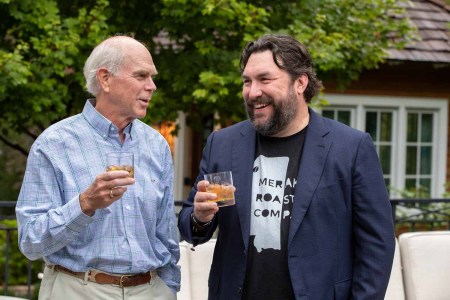
InsideHook: Did you have any hesitation about approaching a personal subject matter?
Fred Minnick: It’s definitely taxing. It’s one thing to get past what you went through. It’s another thing to tell people about it, because you have judgmental eyes upon you.
I’m always very quick to point out that I was in therapy and also a professional taster in spirits. There’s not a therapist in the world who would tell you to leave the therapy room and then go drink. I try to say that over and over again so people don’t use me as an excuse to drink. I’m able to drink bourbon because of the work I put into it. And bourbon is a complement to my life. It is not my life.
I didn’t know your background. What got you into the army?
I looked up to my grandpa, who was in the military. And there was this notion of them paying for my school. But I always had this sense of wanting to serve. I loved GI Joe as a kid, and I love military movies. So it was a pretty natural thing for me. Also, I would say the military welcomes people who, you know, hold firecrackers for too long (laughs).
On the flip side, this book also represents two decades of research on a single brand that you called the greatest bourbon in history. When you finished the research, did it feel therapeutic? Or the opposite?
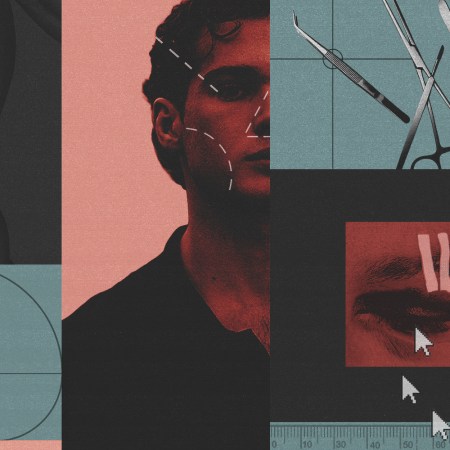
There was a lull for me. I was like, what do I do now? And also right about the time I finished the book, I was going blind in my right eye, and I had to get surgery on both my eyes. So I was out of jujitsu for a couple of months, and then I wasn’t actively tasting. So it was a very interesting year in that I basically completed my life story and then went under the knife for my eyes.
I think if I didn’t love bourbon, if I didn’t have a passion for it, this would be the great time to walk away. But I kind of love it too much to leave it. I love the storytelling, and I love the people in it.
Do you ever drink anything outside of bourbon? Scotch, American single malts, etc.?
I actually did a book on rum. I’m a huge rum head. I like Scotch, too. But on the personal side, it’s rum and bourbon.
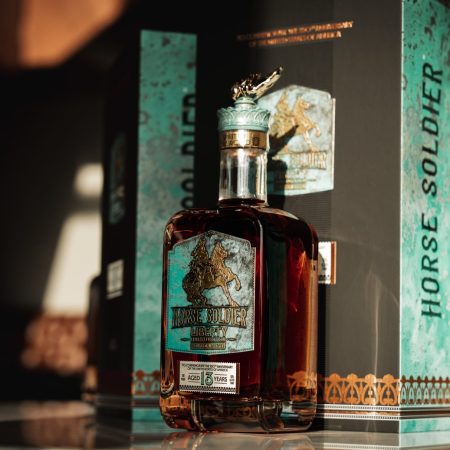
“Pappyland” Will Make You Rethink Everything You Know About Whiskey
Wright Thompson’s tale of the Pappy Van Winkle legacy is both a beautiful affirmation and deconstruction of the cult bourbon mythologyIs there something unexpected you go to for a drink?
Oh yeah, I like pickle juice by itself. And black coffee.
In the book, you say you trademarked “vodka sucks.” Was that a joke?
There was some back and forth with the government. I don’t know where it ended, but I did try to trademark it.
Where do you land on barrel finishing? I feel like you’re a bit of a purist when it comes to bourbon.
I love [finished bourbons], but I think we need to do a better job of defining what that is on the federal side because I think they risk the status of the geographical protection of bourbon. All it takes is for one distiller in another country with a lot of money to come out with something and say it’s bourbon, and it wouldn’t meet our standards of what is bourbon.
Take, for example, Bardstown Bourbon Company’s release Normandie. It will probably finish near the top of my top whiskeys of the year. It’s a straight bourbon finished in various barrels. The key here is that it has Kentucky and straight bourbon on the front of the label. And my fear is that these barrel finishes, while they are awesome and fantastic, are not bourbon, okay? So, in my opinion, bourbon should not be on the front label. It can be used on the back label to describe it, but bourbon’s on the front label because of branding. And I’ve lost the war, you know this. This is what I’ve been debating for over a decade.
You have a website, awards, a whiskey club, this book, a podcast, music festivals, you just had surgery and you practice jujitsu. How exactly do you find time for everything?
I know it looks like I’m busy. The most important thing to me is my family. I’ve turned down some of the coolest things. I turned down a Super Bowl appearance this year because it conflicts with my son’s state wrestling tournament. That’s the priority for me. And there was a moment where I didn’t do that, and it was one of the worst feelings of my life. I can’t ever do that again.
Have you lost friends or colleagues in the business because of your opinions? You talk a bit about how some people say you “ruined bourbon.”
That’s happened. I’ve lost friends, or people I considered friends, because I gave negative reviews. But I’d say for the most part, the large companies are very respectful of what I do. I could give a 15-minute diatribe about something I disagree with Sazerac, and I’ll never hear from them about it. Brown-Forman, same thing. I recently released a video about the three worst whiskeys of the year, and not a single one of those distillers reached out to me. I say positive things, too, and I try to give my case. But I always try to tell people: It’s my opinion, go taste for yourself.

More Like This
We're always on the scene eating, drinking and traveling near and far to bring you the best of what's happening out in the real world. Sign up for IRL now.