Years ago, on a visit to Fenway Park, the group I was touring the space with passed an unexpected part of the stadium: its rooftop farm. Fenway Park might be the oldest stadium in Major League Baseball, but it’s also a facility that grows produce — and helps the stadium as a whole use less energy and deal with rainstorms more efficiently.
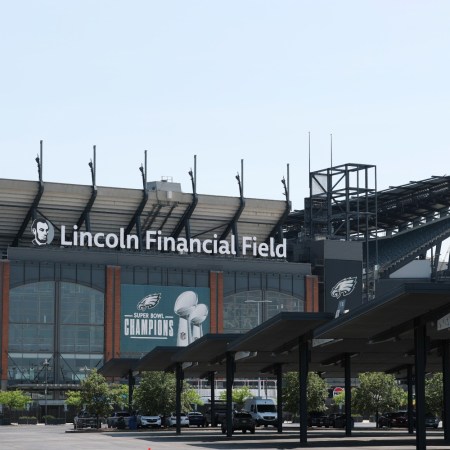
Fenway Park is far from alone in being a major sports venue that’s incorporated different ways to become more sustainable over the last decade or so. The Associated Press’s Isabella O’Malley recently chronicled the efforts of a number of NFL stadiums to reduce their impact on the environment. The article puts the spotlight on Philadelphia’s Lincoln Financial Field, with O’Malley highlighting the stadium’s use of solar power and its concession stands’ decision to sell beverages in aluminium cups.
While Lincoln Financial Field is, as O’Malley described it, “a leader in venue sustainability,” it’s also not the only facility to take big steps in energy efficiency and environmental benefits. In 2019, Ohio State touted the fact that Ohio Stadium — with a capacity of 102,780 — had repeatedly reached a zero-waste status, placing it atop the Big Ten’s rankings for diversion.

Arthur Ashe Stadium Is About to Get Renovated
Some modifications will be in place for next year’s US OpenIt’s understandable that teams and leagues alike would boost what they’re doing to make the world a greener place. Recycling efforts aren’t necessarily going to get sports fans to buy a ticket, but it can give the impression that they’re doing something good by, well, cheering on their favorite team.
There’s also the appeal of something shiny and new — the aluminum cups mentioned in the AP’s article are nicely designed, after all, and they probably keep a drink cooler for longer than their plastic counterparts. This might not revolutionize sports, but it’s a welcome step forward.
Meet your guide

More Like This



The Charge will help you move better, think clearer and stay in the game longer. Subscribe to our wellness newsletter today.