Shortly before writing this article, I noticed the subject line of a newsletter that had recently arrived in my inbox. That subject was equal parts contrarian and provocative, precisely composed to get readers’ attention, even if they disagreed with its premise. Correction: especially if they disagreed with its premise. I could feel the blood rushing to my face before I’d even opened the email. And, just like that, I had experienced the very phenomenon that led Oxford University Press to name “rage bait” their Word of the Year for 2025.
“The fact that the word rage bait exists and has seen such a dramatic surge in usage means we’re increasingly aware of the manipulation tactics we can be drawn into online,” said Casper Grathwohl, President of Oxford Languages, in a statement. “Before, the internet was focused on grabbing our attention by sparking curiosity in exchange for clicks, but now we’ve seen a dramatic shift to it hijacking and influencing our emotions, and how we respond.”
Grathwohl went on to compare this year’s choice to its 2024 counterpart: brain rot. “[T]ogether, they form a powerful cycle where outrage sparks engagement, algorithms amplify it, and constant exposure leaves us mentally exhausted,” he explained.
Another one of the words on this year’s shortlist also tapped into very online behavior: “aura farming.” The third spot on the shortlist is occupied by “biohack,” and it isn’t hard to imagine an article about someone who’s very into biohacking for purposes of aura farming, all packaged in a way that makes for peak rage bait.
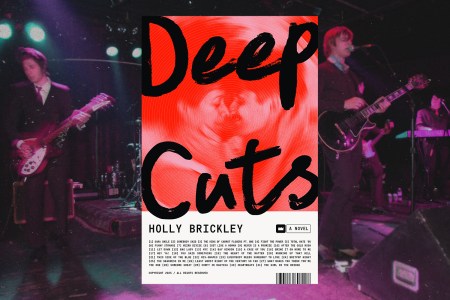
The Novel That Can Bridge the Gap Between Gen X, Millennials and Gen Z
On the surface, Holly Brickley’s “Deep Cuts” is an ode to indie sleaze. Underneath is a nostalgia bomb that spares no one.Oxford University Press is not the only entity naming a word of the year, though Merriam-Webster has yet to name its selection for 2025. Last year, they selected “polarization” as emblematic of 2024. All of which is to say that the world’s experts in verbiage appear to be picking up on a general sense of discontent around the world. Oxford University Press’s discussion of the rise of “rage bait” also points to a growing prominence for the term: according to their announcement, use of the phrase has increased by 300% over the last year.

More Like This



This article appeared in an InsideHook newsletter. Sign up for free to get more on travel, wellness, style, drinking, and culture..