Some of the most popular memes of last year included terms like “6-7” and “Italian Brainrot.” While they went immensely viral, circulating the internet at lightning speed and becoming part of the lexicons of many young people, they also received criticism — so much of it that many social media users attempted the “Great Meme Reset” to fully ditch the brain rot and AI slop and get back to what they loved: funny, high-quality memes.
But even now, at the beginning of March, the future of memes in 2026 feels bleak. Exhibit A: The rise of “baby boo syndrome.”
The concept of “baby boo syndrome” started with a creator named Selena who posted multiple videos of herself dancing to a song called “What You Is” by YoungBoy Never Broke Again, specifically to a line of lyrics saying “She gon’ call me baby boo.” See the reference below.
The lyrics have a rather annoying quality to them, similar to the way that other songs like “Call Me Maybe” by Carly Rae Jepsen, “Fireflies” by Owl City or even “Friday” by Rebecca Black did in their time — songs that gained rapid popularity and, just as quickly, sparked rapid backlash from many due to overexposure to them.
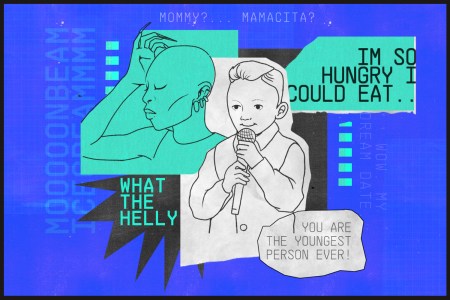
The 25 Best Memes From a Seriously Unfunny Year on the Internet
AI slop and algorithm fatigue threatened to ruin our feeds this year. Thankfully, we had Montoya, Coldplay and Katy Perry.This snippet of song lyrics has since evolved, with well-known dance moves repeated in videos across the platform and mash-ups of it with other songs — hence the name “baby boo syndrome” taking off with fast virality and unexpected versatility.
One user commented: “i don’t know why everyone is making a joke out of baby boo syndrome I SUFFERED FROM IT I FIGHTED SO HARD hol up sorry i’m crying….” (To be clear, there is no actual baby boo syndrome, but many in the comments of these videos like to pretend it is a real disease they have contracted. In the linked video, someone put together a fake news segment about the “millions worldwide” who have been impacted.) More examples include…
…an AI dancing fruit version…
…a Stranger Things fan edit that features another mashup with…”Purple Rain” by Prince, which feels terrible to even have to type…
And last but not leas, a mashup with “Creep” by Radiohead.
If I made a list of every single remix, this article would be unnecessarily long. There’s one to “Party Rock Anthem” by LMFAO, “Wuthering Heights” by Kate Bush and even an ice-cream truck version, a Halloween version and a Beethoven version that you can see here.
When looking at memes from 10 years ago, the landscape looked quite different: There were in-person “challenges” people were doing, like the Mannequin Challenge, plastic water bottle-flipping and the Running Man Challenge. It inspired classics like Harambe, Arthur’s clenched fist and Pepe the Frog. The running theme: Zeitgeisty moments that created viral camaraderie and didn’t feel so tired or impossible to laugh at and understand. That was the essence of a good meme. They were quotable in a way that felt real and natural. Each moment felt like a mini cultural landmark that guided the way for the rest of the year.
Now, they often feel like (at times, artificially) generated ideas that live to feed an algorithm and the young people who are scrolling. (Which is really what they are these days, I guess.) I suppose that this isn’t to say these memes today don’t feel real or natural to the time they’re existing in now, too: It’s sloppy, it’s too digital, it’s rotting our minds. That’s what last year’s “Great Meme Reset” was all about.
The idea was that there would be a cleanse. On the first day of 2026, the internet would finally escape the chokehold-grip on all of its forced trash decorated as humorous memes — with the help of older, more beloved meme recirculation from optimistic social media accounts that wanted to participate — and we’d revert back to a more peaceful time. A time where memes weren’t so brash and dizzying.
In some ways, it worked: People online were mourning 2016 and readapting to analog activities to free themselves from the grips of social media. There’s evidence here that somewhere in a sea of young social media users, there are some who feel something missing. The other end of this spectrum shows something more dreadful.
Can the pendulum switch back? Will a meme ever feel exactly like it did before the pandemic? Who’s to say? For now, the closest we have to a modern-day Harambe is Punch.

More Like This
This article appeared in an InsideHook newsletter. Sign up for free to get more on travel, wellness, style, drinking, and culture..