In the United States, we have been inordinately spoiled for choice when it comes to omakases. The Japanese dining experience is singular: top-notch ingredients, refined craftsmanship and an invitation to trust the process — you literally don’t know what’s coming next! Time and again, European tasting menus have defined our singular definition of luxury dining, and it’s about time we recognized how non-Western food delivers exceptional craft on its own terms.
This Is the Best Thing That’s Ever Happened to the Steakhouse
Across the country, the classic American restaurant is being reconceived with global flavors. I can’t get enough.With so many options now available, it’s easy to feel overwhelmed by a standard formula: 10-seat counters, $100 price points and a rotating parade of fish after fish. How much is too much to pay? Does it matter if one restaurant sources from Japan versus New Zealand? Do I need the caviar and gold flakes add-on to top that fatty tuna? As someone who grew up with an appetite for Japanese cuisine, I spoke to three omakase chefs to get to the bottom of it.
What Is an Omakase?
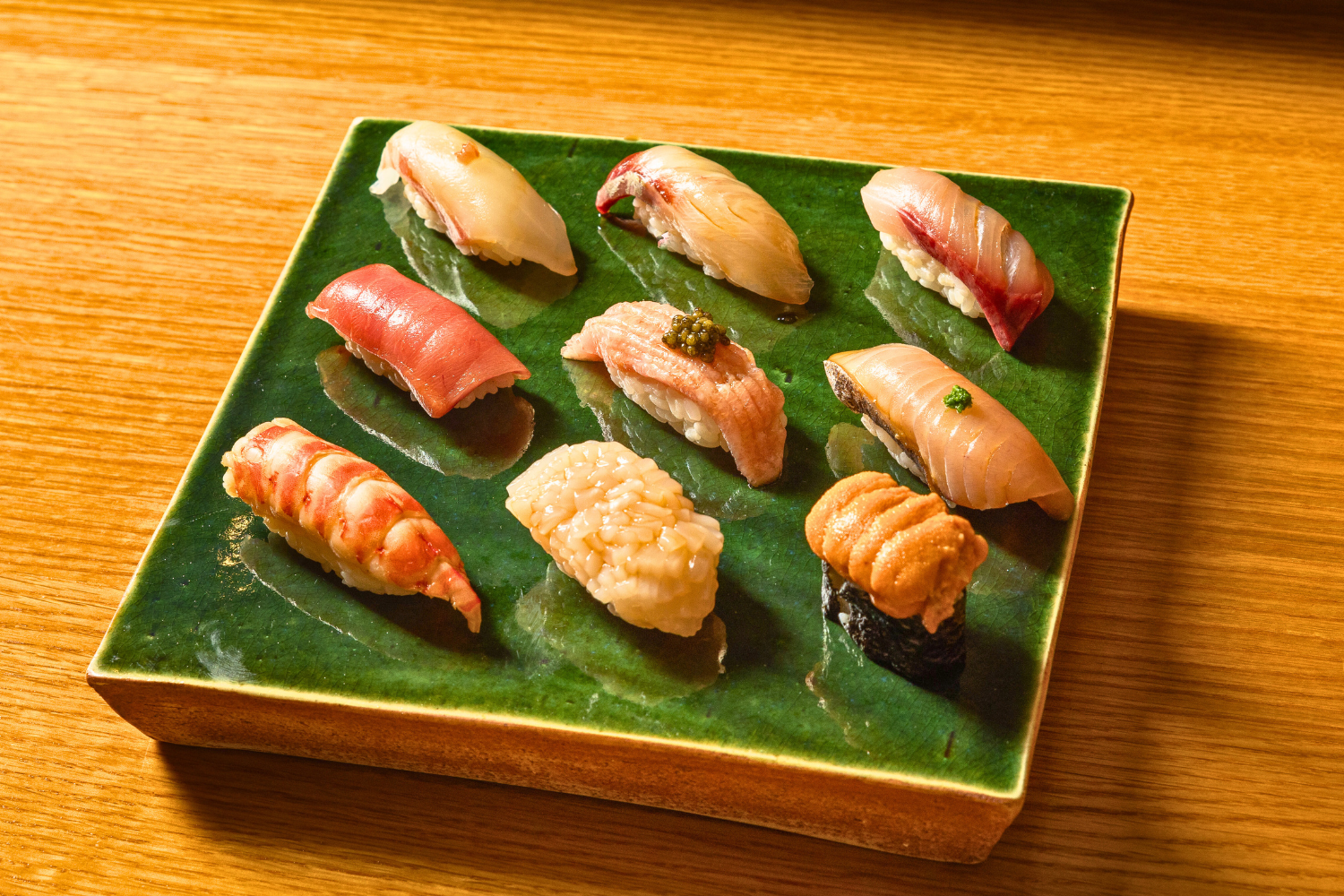
An omakase is different from just any Japanese restaurant and a far cry from your Friday night takeout sushi. Translated to “I leave it up to you,” it’s a premium dining experience that involves a chef’s choice menu where bites are small but plentiful, typically composed of 10 to 18 sushi courses.
Omakases are often praised for fish freshness, but that view misses the point. Most follow the Edomae tradition, where fish is carefully cured, marinated or aged to deepen flavor, umami and texture. This technique-driven process elevates omakases far beyond a simple “slice and serve” experience.
Why Is It So Expensive?
The most hotly-debated question is how much you’re willing to pay. Just like any other fine dining experience, an omakase demands technical mastery and thorough logistics: sourcing pristine fish, perfecting the rice and curating the right accompaniments. Mid-range pricing runs $150 to $250, while luxury experiences can set you back more than $450 a person.
At the one Michelin-starred omakase Shota, chef Cheng Lin reminds us that what guests experience at the counter is the final moment of a much longer process. “My advice to diners is not simply to spend more or less but to understand what you’re paying for,” he says. “Items like auction-quality uni, tuna and seasonal specialties can change dramatically based on weather, catch volume and demand.”
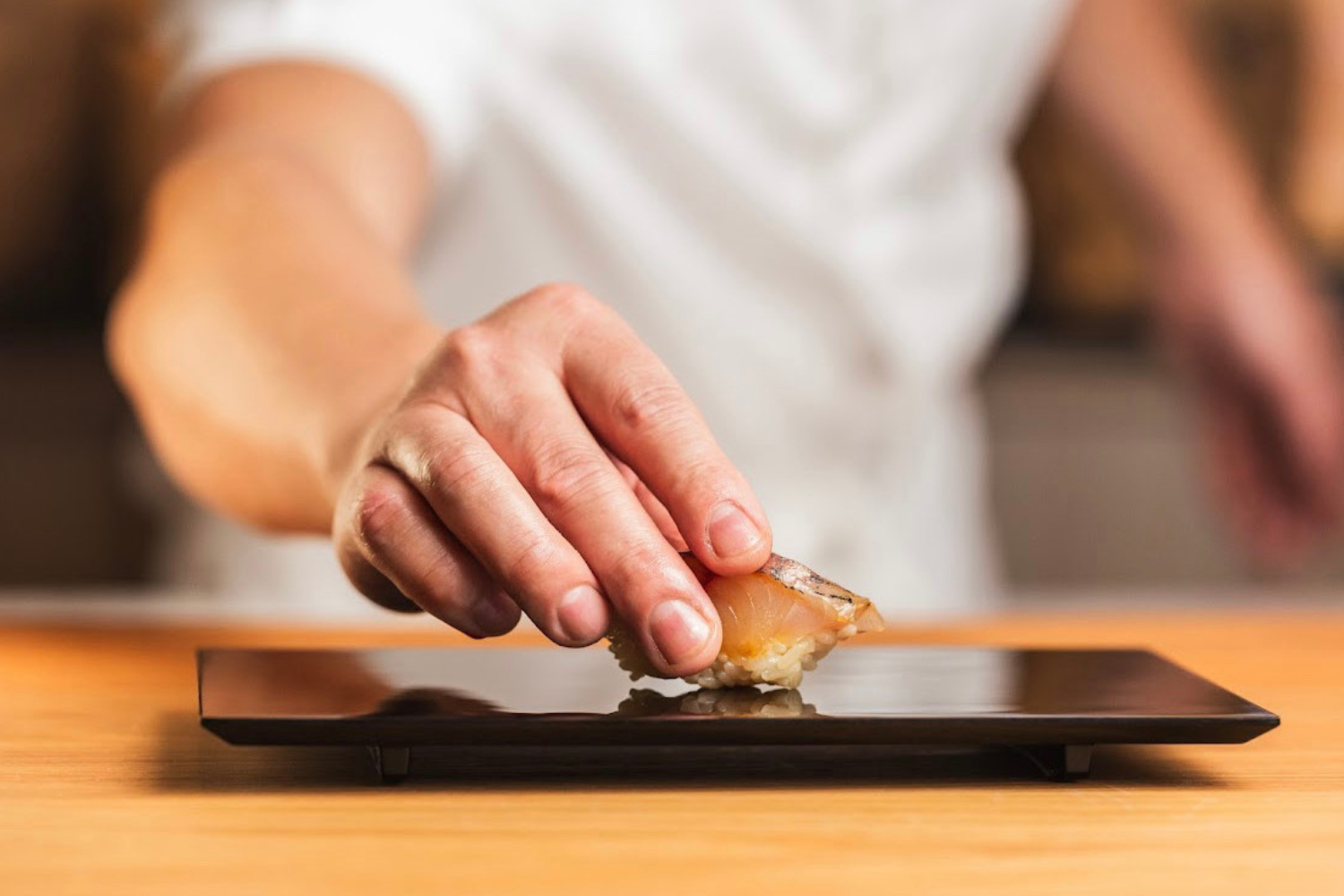
For Chef Lin, a premium omakase is defined by more than luxury ingredients. The team pays close attention to pacing and personal interaction at the counter to guide guests, not rush them. He also emphasizes balance. At Shota, for instance, the team sources a small harvest grain of rice that’s larger and grown without chemicals. “It’s about how every detail is considered, from how the fish is handled and prepared to how each piece is served at the exact right moment,” he says. “In the end, a great omakase should feel worth it at any level.”
Where’s My Fish From, and Does It Matter?
What’s a premium Japanese dining experience without ingredients sourced directly from Japan? Many restaurants credit the quality of their seafood to sourcing from regions across the Asian country. One restaurant, Sushi Ouji, imports high-grade fish that’s rarely available through domestic supply chains twice a week from distributors in Toyosu Market in Tokyo.
“Japan has spent generations refining their system, from temperature control to freezing technology designed to preserve fish at its absolute best,” says Sushi Ouji chef Ben Chen. “If you start with the best fish from Japan, everything else — the knife work, the aging, the seasoning — becomes about respecting the ingredient rather than trying to fix it.”
Get Acquainted With the Wonderful World of Japanese Convenience Stores
Every food item you need to try from a konbiniProvenance is also considered in terms of seasonality. In the wintertime, Lin points out that the colder water makes the fish richer and fattier, which excites him about the seasonal offerings at Shota. In the same vein, he boasts a seasonal offering of kegani (horsehair crab) and uni (sea urchin) at Sushi Ouji.
That isn’t to say that fish sourced elsewhere, like New Zealand or Maine, is lesser. Many restaurants will look outside of Japan when seasonality or quality demand it.
To Go Purist or Modern?
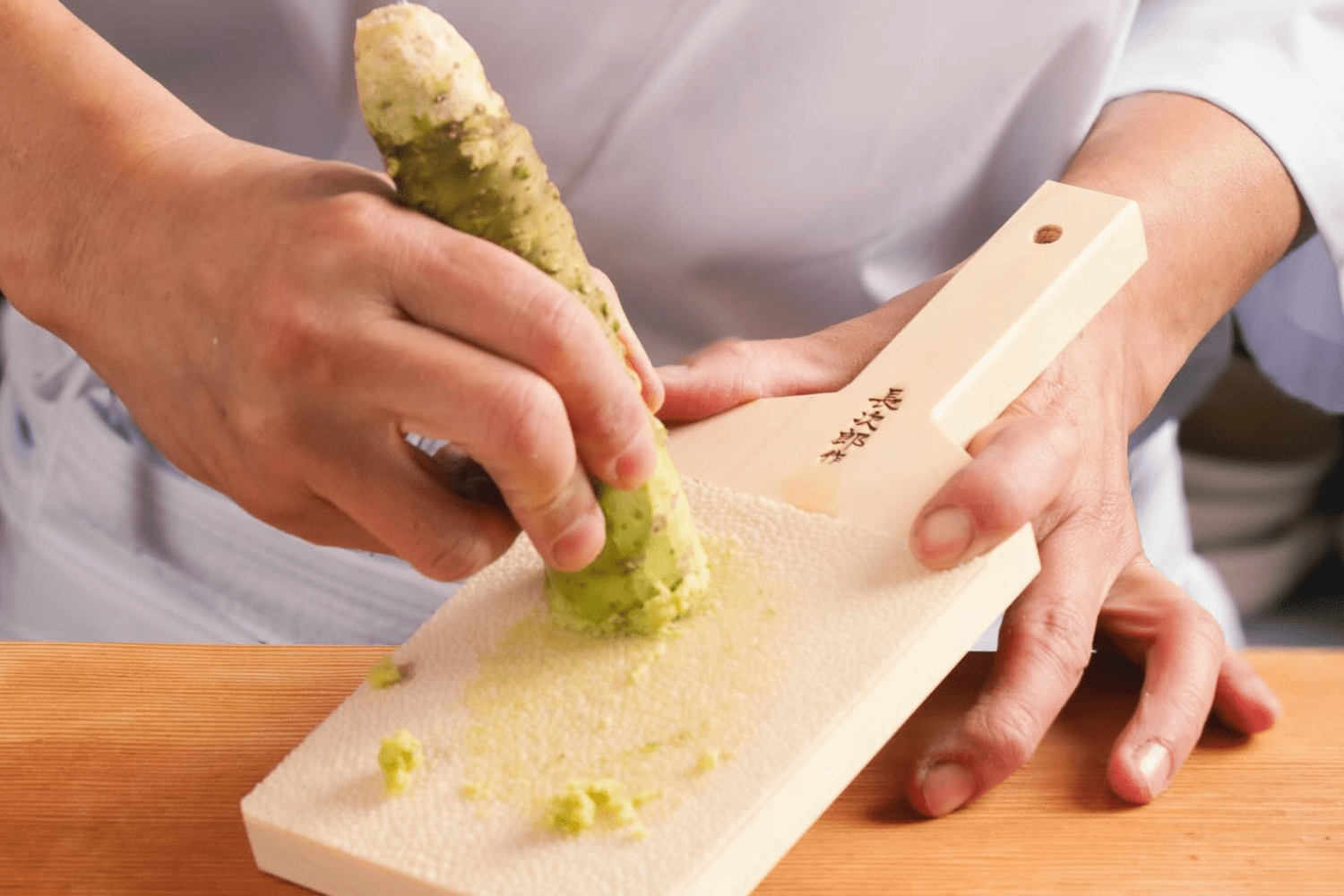
Omakases have taken diverse forms in the last few years. There are “quickie omakases” selling affordable meals in rushed seatings, and ones that close with karaoke sessions and shots. I’ve personally enjoyed Kinjo in Brooklyn’s Dumbo neighborhood for its dedicated lounge where thoughtful cocktails include a Wagyu-washed Old Fashioned.
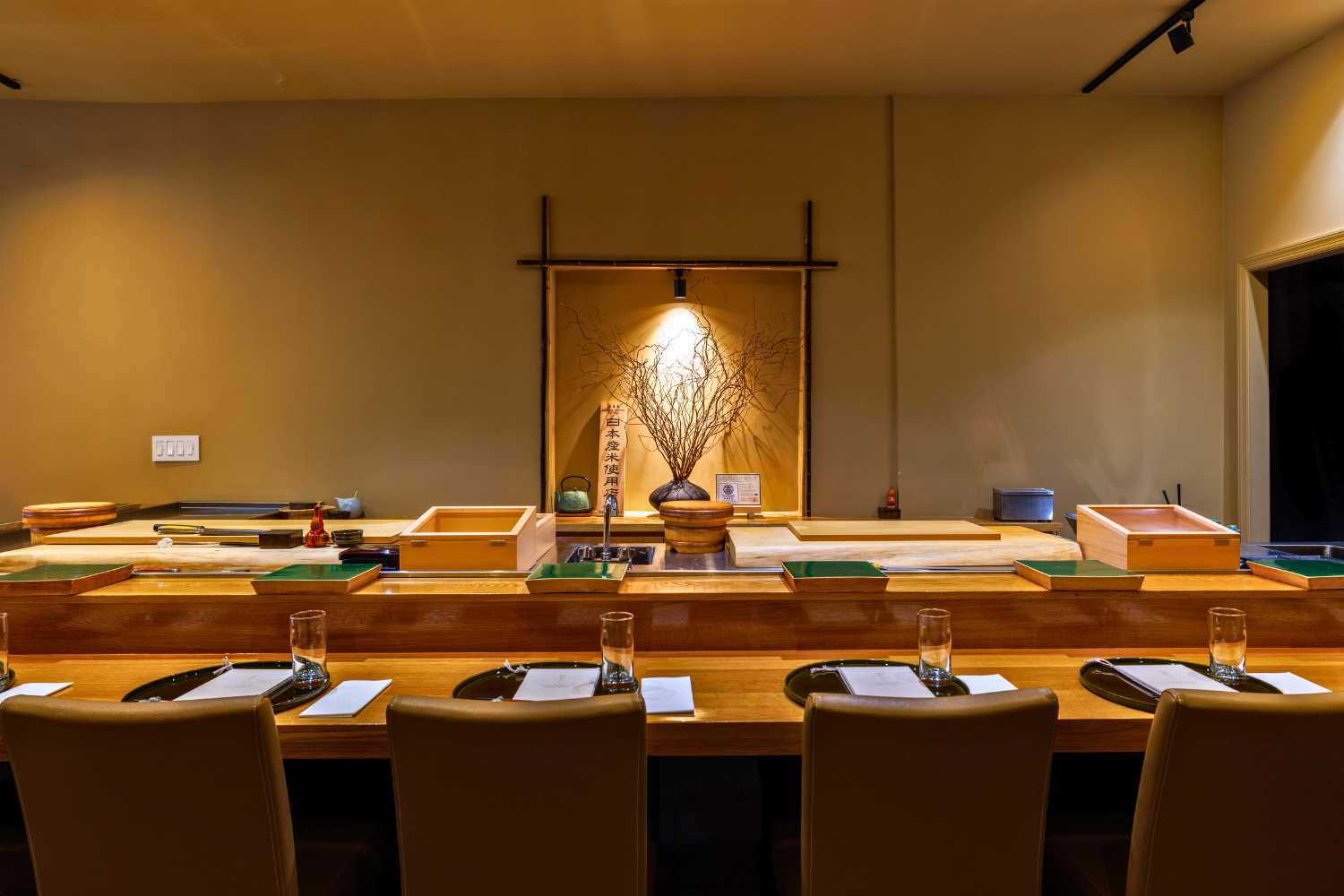
At mid-range to high-end omakases, you’ll find a similar zen-like ambiance that’s more traditional. “When it’s quiet, you notice texture, temperature and even how each piece changes as you eat it,” says chef Nick Wang of Enso Omakase in Williamsburg, Brooklyn. A calm atmosphere, he says, allows guests to slow down and be present. “I come from a family background where seafood and fishing was a way of life, so I rely on intuition to curate things in a way that upholds and respects the fish in its purest form,” he adds. “It’s a practice of art and appreciation.”
At Enso, the traditional approach extends to using 110-year-old ice boxes to preserve fish. “Back in the day, this was just how fish was stored in Japan without fancy refrigeration,” Wang says. “They hold the fish at a gentle, steady temperature. It’s one of those small things at Enso that makes everything more elevated and authentic.”
Would You Like Sake or Wine With That?
Like with any fine dining tasting menu, a carefully-considered beverage program can really elevate an omakase. Sake and wine are most common, but at places like Moody Tongue Sushi in West Palm Beach, Florida, even beer can be thoughtfully paired with fish.
Just like wine pairings, sake is chosen to complement the dish, emphasize a flavor or cleanse the palate. “The drink has to support the fish, not dominate it,” says Kailun Wei, beverage director at Sushi Ouji. Wei is currently hosting beverage pairings by request only but will soon launch an official program. “I think about how each sip resets the palate and how it carries you into the next course,” Wei adds. “When it’s done right, the food and beverage feel like one continuous experience.”
Meet your guide

More Like This

This article appeared in an InsideHook newsletter. Sign up for free to get more on travel, wellness, style, drinking, and culture..