With the Met Gala firmly in the rearview mirror, it’s an excellent time to take stock. Did the annual fundraiser actually deliver on its promise as fashion’s biggest night?
On the whole, the answer seems to be a resounding yes. Despite a general failure to understand the “Fashion Is Art” theme, the glammy, celebrity-packed red carpet was nonetheless full of outrageous designs, and the roster of primo A-list talent — ranging from Chase Infiniti to Bad Bunny — was top-tier. There were massive looks and major flops (both necessary for a successful function) and, as always, some big surprises.
Take, for instance, Public School creative directors Maxwell Osborne and Dao-Yi Chow. The duo designed one of the looks of the night, an upcycled, cropped velvet jacket and trousers with obscenely curvy portions for model Wisdom Kaye. It was essentially a robo-abstraction of the human silhouette. Curiously, they also donned their own form-fitting tailoring and custom-made Timberland boots.
Osborne and Chow weren’t alone. The outsized red carpet presence from the designers behind some of the night’s biggest looks was a notable standout. The attendance of high-ranking creatives from historic maisons and legacy design houses is nothing new or even special. Luxury brands notoriously sponsor the event. Hotshot designers and industry veterans — names even a fashion layman would recognize, like Tom Ford and Thom Browne — have an active hand in the machinations of the exhibition and the Met itself, often as co-chairs, and are invited back annually as routine guests of the Gala.
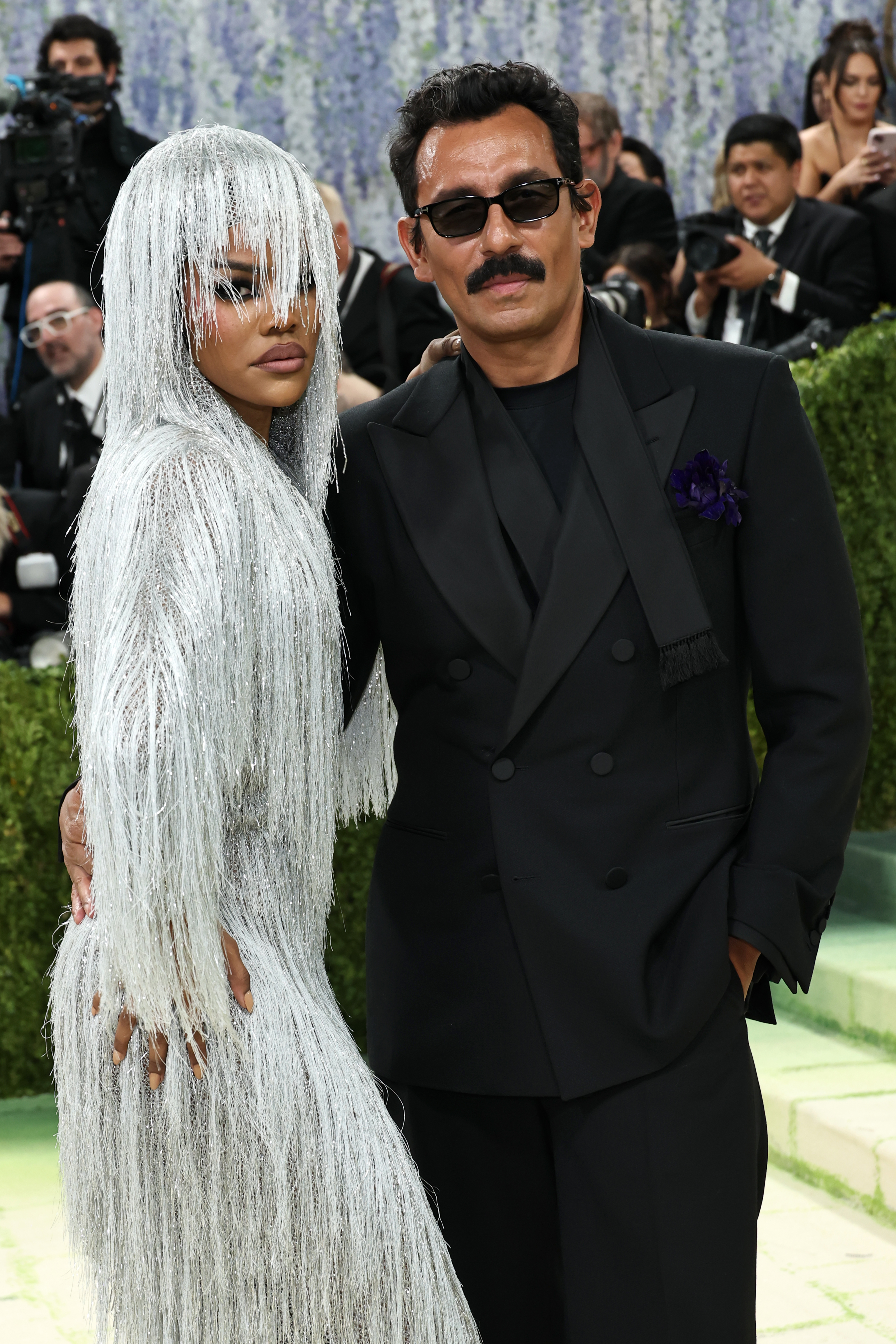
If anything, there’s a storied legacy of designers and their muses walking the red carpet together, with the latter often dressed in the former’s yearly showstopper. (This trend continued this year — Tom Ford creative director Haider Ackermann and Teyana Taylor literally dazzled.)
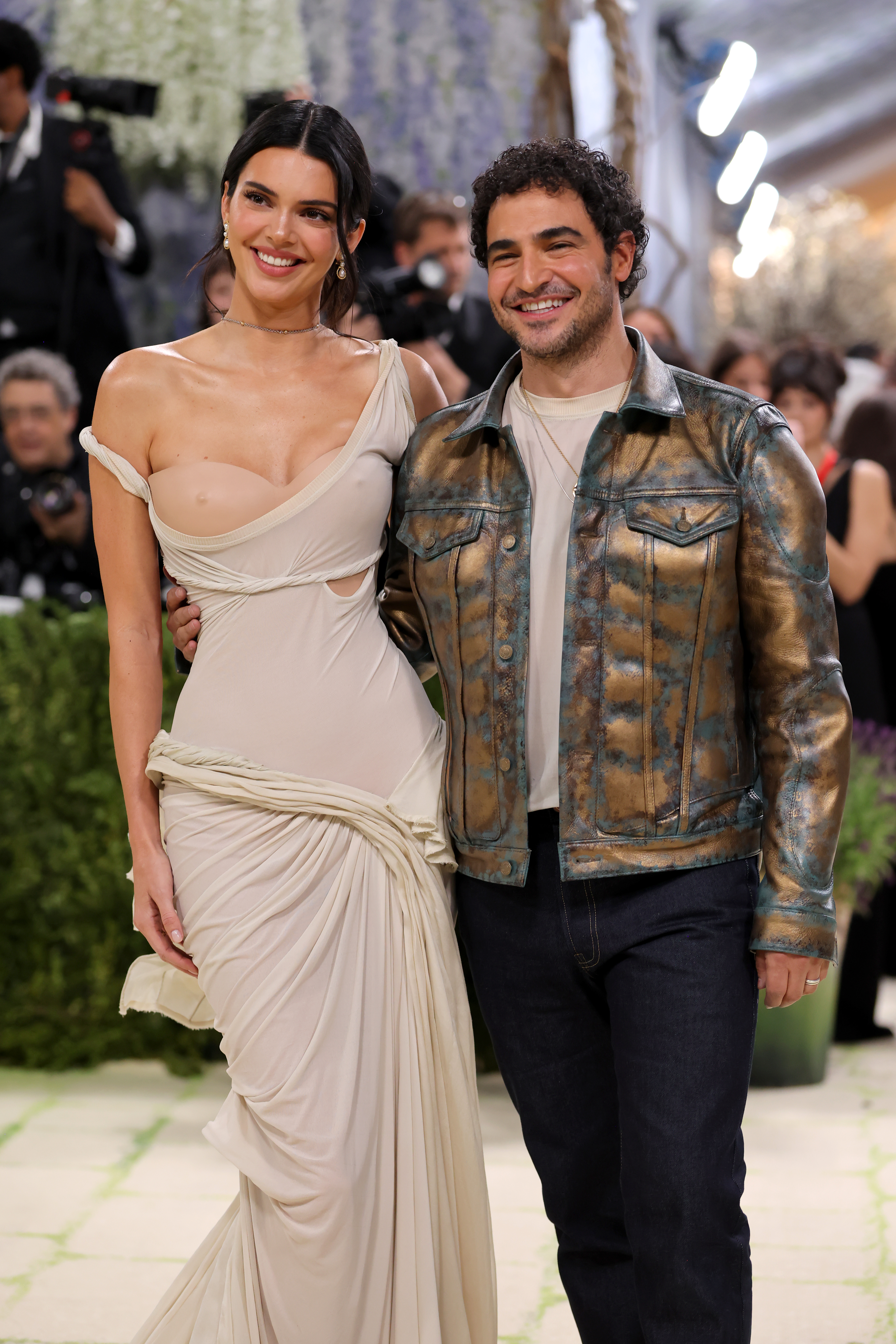
Moreso than in years past, however, the forces behind bringing “Fashion Is Art” to life contributed more than just mindshare. While the fashion designer’s uniform is often intentionally subdued — with exceptions — the looks from this year’s crop of creative visionaries felt more akin to the celebrities they were dressing than the monastic workaholics they’re traditionally understood to be. Case in point: the aforementioned Ackermann’s all-black, double-breasted tuxedo, cut with a perfectly relaxed fit and accompanied by his signature short scarf, was exemplary and one of the strongest suiting looks of the night.
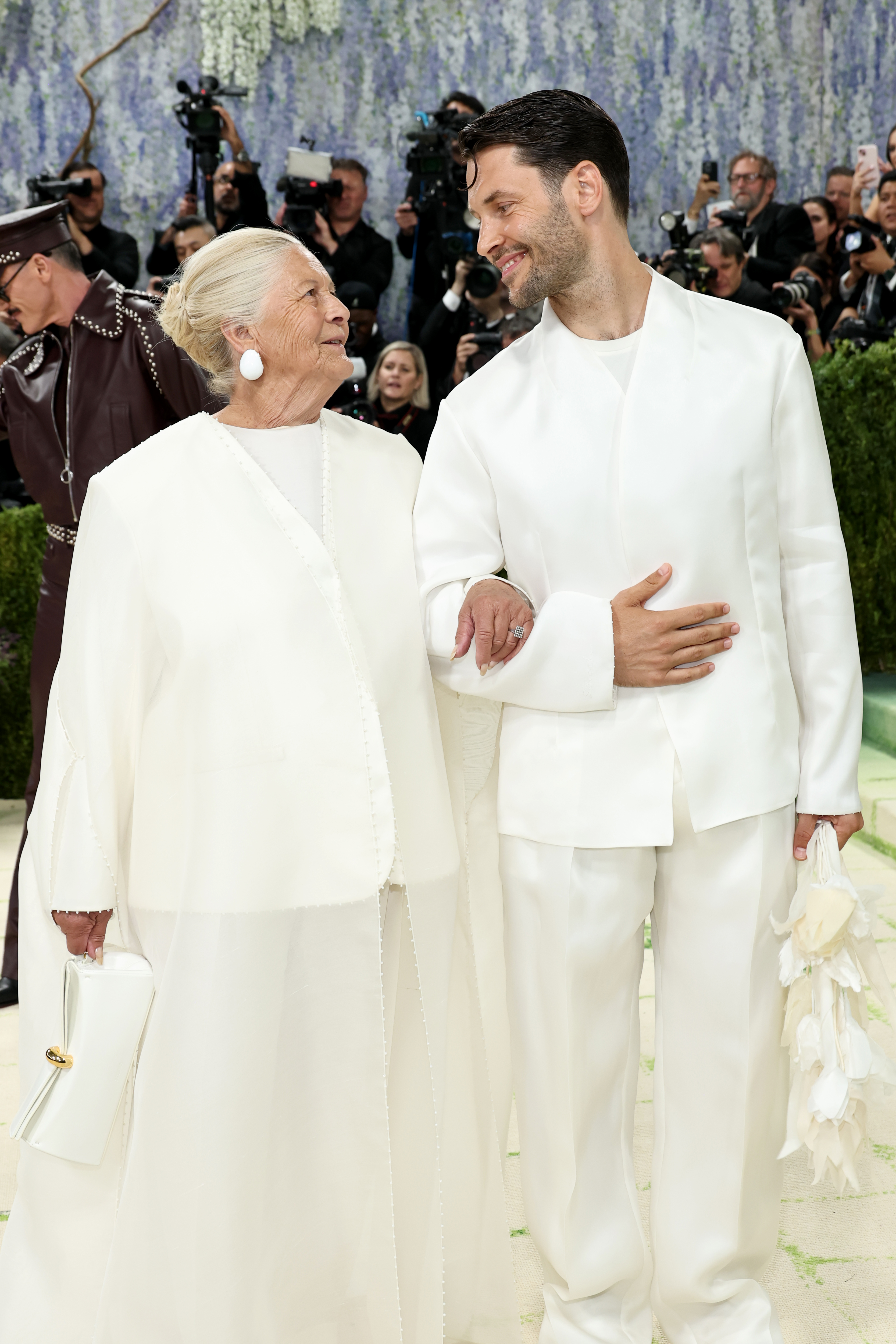
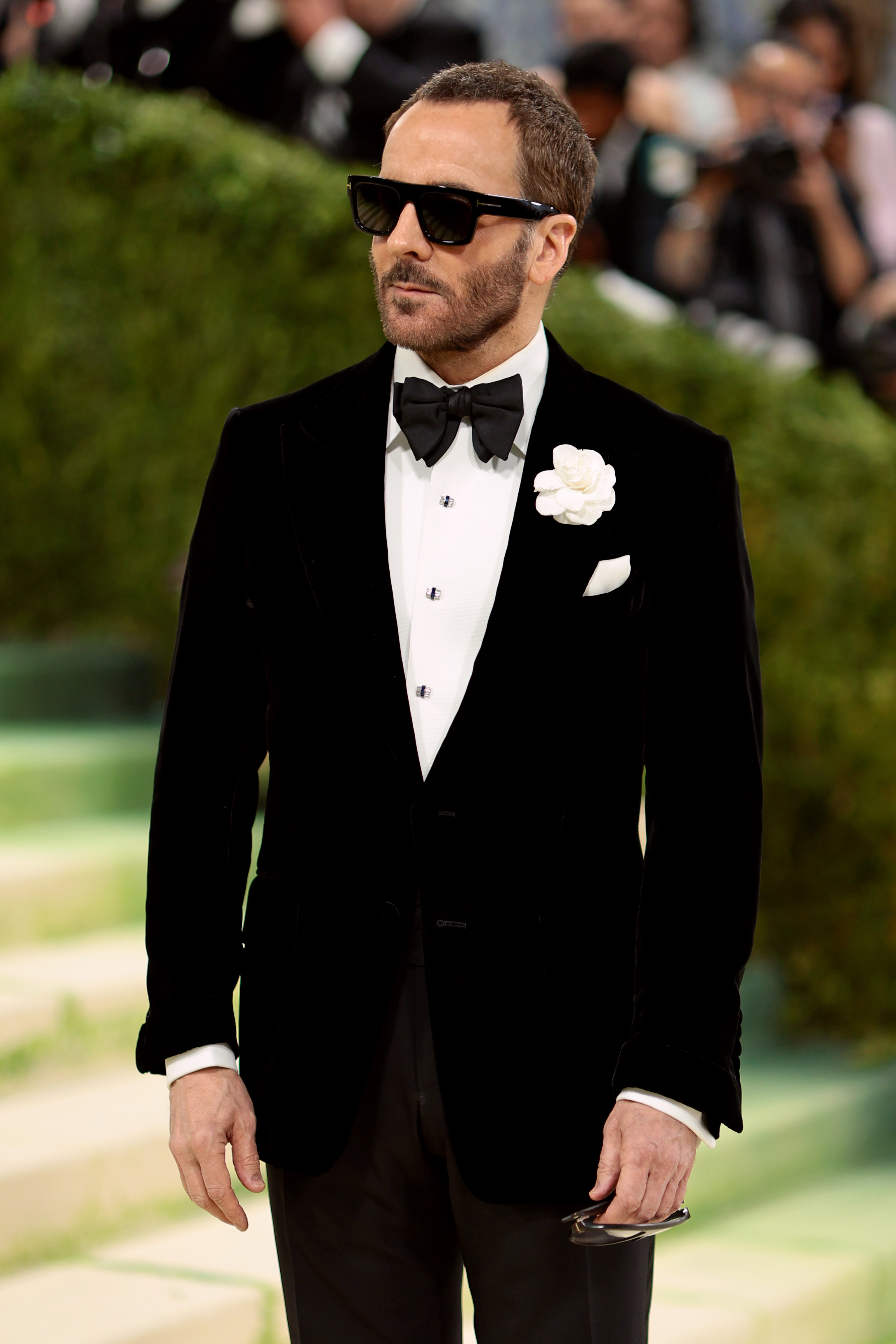
Simon Porte Jacquemus, grandmother in tow, shone in a perfectly tailored, resplendent white suit, reminiscent of Galas gone by. The Loewe boys — Jack McCullough and Lazaro Hernandez, formerly of Proenza Schouler — put on what is best described as a tailoring clinic, with sharp-lined suits, high-shine leather footwear and off-kilter ties. Even in retirement, Tom Ford looked a vision of his signature aestheticism in a dapper velvet dinner jacket and tuxedo accoutrement. (GQ ranked him second on their list of the best-dressed men of the night.)
Perhaps it shouldn’t come as a surprise that artisans with an intimate knowledge of the craft and unparalleled taste can put together a look when called up. (They do this all the time.) Still, it feels telling that, for a Gala even more heavily tied to the designer’s ability to create art than usual, the industry’s best and brightest might take the opportunity to show off a bit. Much has been made about the celeb-ification of the creative director role. Maybe it’s time to turn the tide.

More Like This

The world of men’s style, from the streets of NYC to the showrooms of Milan, run down weekly by writer and photographer Christopher Fenimore.