Over the weekend, I attended BookCon, one of New York City’s largest annual book conferences. There were panels and author signings, immersive exhibitions and vendor booths selling merchandise and other bookish goods. Perhaps the most essential detail worth mentioning here, however, is that this was BookCon’s first year back since the pandemic.
Clearly, a lot can happen during a six-year hiatus. When it comes to the book world, this is evidently true. In 2020, print book sales went up by 8%. Everyone being stuck at home meant there was more time for reading. The momentum hasn’t slowed down — print sales have seen a steady increase year over year since their peak in 2021. And over the past six years, specific digital spaces for readers on social media have emerged. They’re still flourishing, with many of these spaces led by influencers and accounts specifically for books, which in turn has allowed social media to become the driving force for book marketing and sales. Fandoms for new popular book series come together online — book clubs, fanfiction, in-person events — and already zealous readers have become even more book hungry, singlehandedly being credited for starting “a reading revolution.”
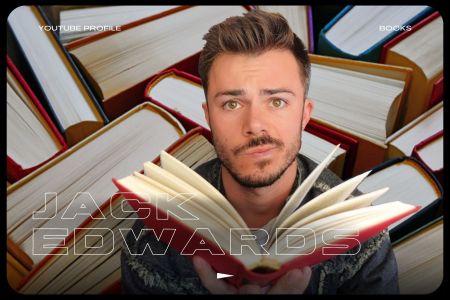
Meet Jack Edwards, the Viral Librarian of Gen Z
We spoke with the internet’s favorite books guy about rising to the top of BookTube and how social media is disrupting the publishing industryAt BookCon, there was no genre discrimination. Regardless of whether it was romance, fantasy, sci-fi or some kind of combination of these, eager fans rallied together to celebrate one combined interest: Their love of reading.
Kristina Rogers, Vice President, BookCon, Star Wars Celebration and Comics Portfolio, ReedPop, said the communities of fans in attendance spanned from romance, fantasy, YA, horror, thriller, literary fiction, comics and indie. For many readers who started reading during this digital book boom, it was a chance to have the same kinds of conversations usually taking place over an app in the same room all together.
“Reading is one of the most solitary things a person can do, and BookCon is what happens when 25,000 people who’ve been doing that alone or in small groups decide to do it together,” Rogers said. “That shift from digital to in-person is incredible and intense in a way that’s hard to describe unless you’re standing in the middle of it.”
Rogers also notes fans have “fundamentally changed” since 2019, and it made for one of the most exciting parts of BookCon’s relaunch. “The core love of books never went anywhere, but the fans who showed up this year have been shaped by six years of BookTok, the romantasy explosion, and a brand new generation of readers who’ve built real identities around what they read,” she said.
“Identity,” in this case, is the perfect word. Reading is transcending hype just within a specific genre. Reading is a lifestyle, and the representation of this was everywhere: eager fans lined up hours before the event opened, waiting in long, crammed lines on a warm city morning. I saw fans rushing for ARCs (advanced reader copies) of books from their favorite authors — these are uncorrected versions of books usually available to journalists or influencers before the publication date — to have that early, exclusive access.

The YouTube Guide to Books
Every channel worth watching on “BookTube,” the best literary corner of the internet, whether you prefer classic literature or modern fantasyAnd like any great event, attendees had their critiques: Some ARCs available sold out in 45 minutes, and some panels and signings required reservations ahead of time, which sold out quickly and were difficult to find. (Rogers said the BookCon team is already deep in the works on fixes for year two.)
Fans were allowed to bring suitcases, and while at first I figured it was for fans traveling from out of town, I quickly realized it was solely to store all the new books they’d acquire through the weekend.
But it was the events at BookCon that also suggested that reading is now even a driving force for socializing. Day one of BookCon wrapped up with a long-awaited Fantasy Ball, a nighttime dance with a dress code — fans dressed up in ballgowns, elf ears, fairy wings and other fantastical characteristics often depicted in novels. There were workshops, book clubs and immersive community events. Major publishing houses set up vendor booths where fans could interact. Other brands (even some that have nothing to do with books) were replicating mini book stores with big shelves and aisles to walk through. It goes to show that there’s a huge audience here that publishers want to associate with, creating relationships that feel more personalized with their readers by meeting them where they are.
It’s events like BookCon where you realize that books have become a life-changing aspect for many people. And it’s clear this love goes beyond a certain topic or genre: Readers are engrossed in reading, and they only want more. As Rogers observed, “The fans waiting hours for the Heated Rivalry panel were having a very different weekend than the ones taking notes in the Olivie Blake room, or the ones lined up to meet Andy Weir, but the depth of connection was consistent across all of them.”

More Like This

This article appeared in an InsideHook newsletter. Sign up for free to get more on travel, wellness, style, drinking, and culture..