The perfect metaphor for the state of America sits parked on the South Rim of the Grand Canyon. As a wildfire rages on the other side of the Colorado River, reducing an iconic lodge to embers and casting an apocalyptic haze over the third-most-visited national park in the United States, a Cybertruck sits abandoned. It belongs to a missing hiker, whose search-and-rescue efforts have likely been stymied by the same severe staff shortages that have hindered wildfire relief on the canyon’s more remote North Rim.
Since its inception in 1916, The National Park Service exists to protect, preserve and celebrate “America’s Best Idea,” uniting us around something all Americans can champion. That rose-colored vision of unity has borne the brunt of the political wrecking ball of late, from unceremonious mass firings of park rangers to the erasure of transgender people from Stonewall National Monument, which is particularly egregious considering the pivotal role that transgender activists, like Marsha P. Johnson, had on the Stonewall uprising.
When President Trump signed the Great American Outdoors Act into law in 2020, it marked the largest national parks investment in more than half a century, funding hundreds of repair and infrastructure projects across the country. Pending an extension via the bi-partisan America the Beautiful Act, that funding could dry up this year. At the same time, the National Park Service has seen a 24% reduction in staff since January, impacting everything from janitorial efforts and visitor center hours to search-and-rescue. Much of that reduction was incited by Elon Musk’s chainsaw-wielding Department of Government Efficiency. It prompted an analysis by the National Parks Conservation Association that found such cuts have jeopardized the National Park Service’s key tenets, as well as a comment from the NPCA’s president and CEO, Theresa Pierno. “It took more than a century to build a world-class park system, and this administration could unravel it in a matter of months,” she said.
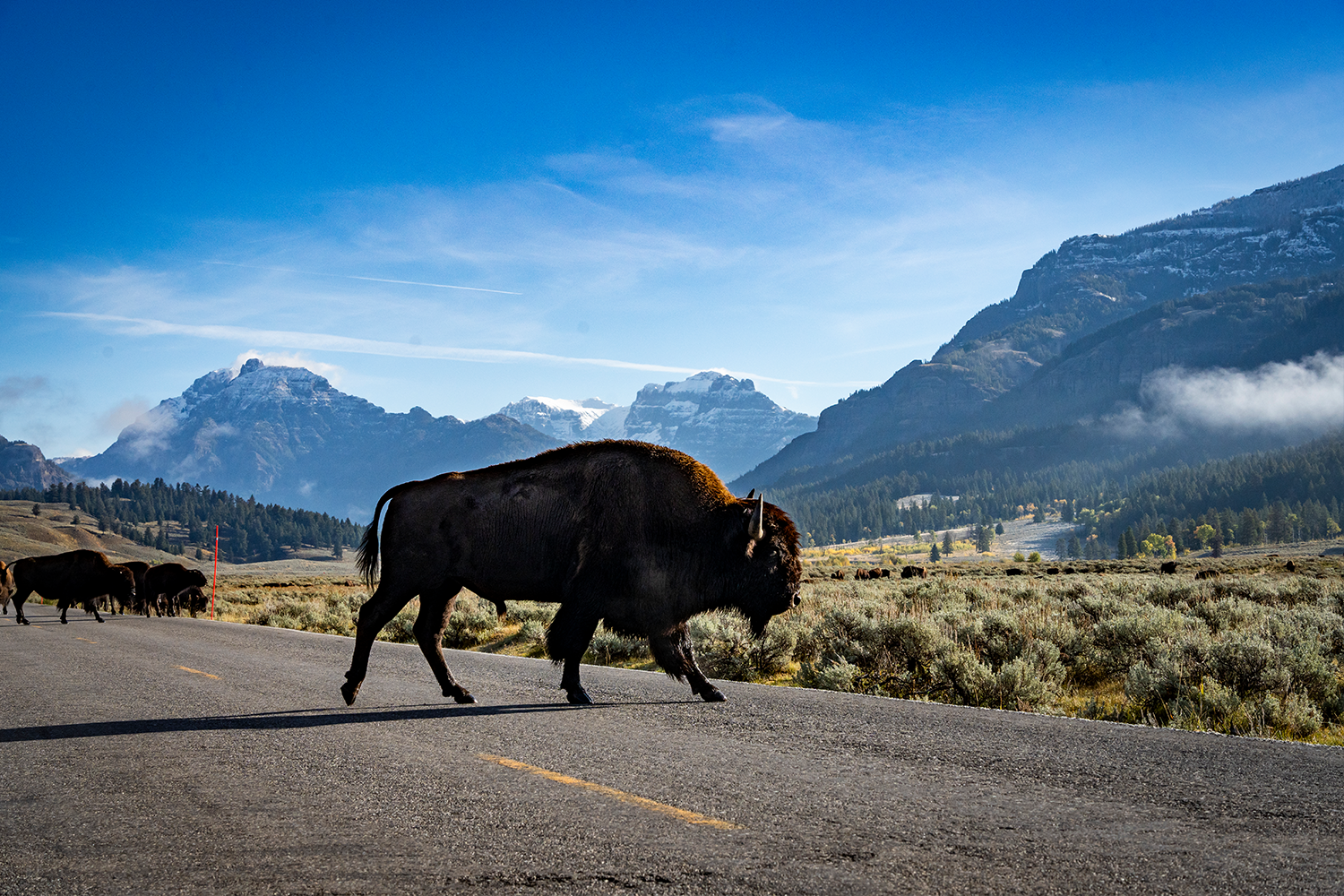
Earlier this year, I felt it for myself. The DOGE cuts were especially palpable at Nevada’s Great Basin National Park, which is home to the oldest trees on Earth and some of the rarest cave formations; its far-flung location makes it a veritable ghost town during any given season. This time, though, the quiet was almost eerie, with diminished hours at the visitor center because of staff shortages and reduced cave tours. Certain park roads and access areas were closed, while the tiny gateway town of Baker (population ~16) looked even more abandoned than usual. I had visited this underrated national park before, but even as faraway and overlooked as it may be, it didn’t feel quite so skeletal as it did this year.
Visitation to national parks, though, persists. We had a wonderful time at Great Basin anyway, and despite diminished staff, national parks are expected to continue breaking records this year. Last year, the National Park Service recorded 331.9 million visits across the country’s 63 main park sites (e.g. Grand Canyon, Great Basin) and other sites (e.g. Stonewall, Golden Gate National Recreation Area). Summer crowds have been seismic, regardless of reduced staff that serve to protect these spaces and their visitors — which means now, more than ever, it’s important to recreate responsibly in America’s national parks.

“One of the best things people can do is spend time on our website or the NPS app,” says Allyson Gantt, NPS assistant regional director for communications and legislative affairs, based in Everglades National Park. Stressing the vitality of preparedness, she notes the app can be used to download park information ahead of time; if you’re in a park without cell service, you can still access resources. She also recommends tapping individual park websites for information about directions, safety considerations, closures, road construction and timely announcements.
After Great Basin, my husband and I returned to Everglades National Park at the tail end of its dry season. The largest subtropical U.S. wilderness and the third largest national park in the contiguous United States, the South Florida park clocks 1.5 million acres of understated — and delicate — beauty. It’s where mangroves defend against hurricanes, where slow-moving waterways nourish millions of Floridians by recharging the Biscayne Aquifer and, like an analogy for the immigration detention facility north of the park, where alligators tangle with invasive pythons.
The Most Underrated Hikes in America’s National Parks
You’ve probably heard of Angel’s Landing and Half Dome, but what about Alkali Flat and Blue Mesa?I’ve visited Everglades four times, and I was curious what it would feel like amidst America’s current shambles. It turns out that even a park as colossal and intimidating as Everglades can operate on all cylinders and safely welcome guests who prepare ahead of time. Its website made clear, with up-to-the-minute updates, that small wildfires were slowing traffic on the main park road and that an inordinate drought meant our planned “wet walk” was likely to be pretty dry. Knowing what to expect ahead of time helped us to rationalize expectations and make any adjustments. Park rangers at the Ernest F. Coe Visitor Center were exceedingly helpful, as were employees and guides with Flamingo Adventures, the concessionaire operating in the coastal Flamingo area. We stayed at Flamingo Lodge, overlooking Florida Bay, and counted alligators on a fascinating backcountry boat tour. Everything was fantastic, thanks to managed expectations, devoted park rangers and the aided benefits of a concessionaire.
“People don’t quite know what to expect of the Everglades,” Gantt says. “For myself, when I first moved here, there’s that image of dark, dank forests with snakes practically dripping from the trees. It’s not at all that. It’s bright and open and sunny, with grasslands dotted with forests. And snakes are pretty special if you get a chance to see one.”
That awe is what keeps people flocking to national parks in record droves. And that tourism — as important as it is for local economies — needs to be managed, now more than ever.
“What we’re doing is working with the park service to make sure people can come in and have that iconic experience,” says Todd Walton, director of marketing and sales at Yellowstone National Park Lodges, part of Xanterra Travel Collection. “There are a lot of things that are a moving target with the park service, like staffing. But we have a great relationship with our teams and all of the national parks where we operate. So as soon as we know something, we can convey to our visitors if there will be a change in any expectations. We’re offering all of our adventures, so my biggest suggestion to people is to plan ahead and prepare.”

As the concessionaire of national parks like Yellowstone, Death Valley, Glacier and Grand Canyon, Walton describes Xanterra’s role as helping people to experience national parks in a responsible way. “If the gates are open, we’re gonna be providing the best service and legendary hospitality we can,” he says. “That means the restaurants are open, hotels are open, campgrounds are open, retail stores are open. People can come experience the national parks in a way that makes sense to them with our operations at 100%.”
Emphasizing sustainability as a core tenet for Xanterra, “Leave No Trace” is an important philosophy for concessionaires, visitors and national parks alike.
“Before you go into Yellowstone or any other federal land, plan ahead and prepare,” says JD Tanner, director of education at Leave No Trace, a nonprofit that pioneers science- and research-based solutions for the protection of the natural world. “Especially during a time like this year where we’re seeing some significant staff shortages. Not only are you looking to maximize the comfort for yourself and your group, but we’re also looking to maximize our safety.”
Ahead of time, this means visiting park websites and calling visitor centers to ensure you don’t show up to find a trail closed or campgrounds inaccessible. In the parks, this means disposing of waste properly for the betterment of the environment and to alleviate the strain on a skeleton staff who may not have the means to stay on top of all the litter. This means minimizing campfire impact, respecting wildlife and taking precautions. “We want to prevent things like search-and-rescue issues, especially if we have staff shortages where search-and-rescue may not even be available in some areas,” Tanner says. “Make sure you know the regulations, the weather conditions and that you’re prepared for those hikes.”
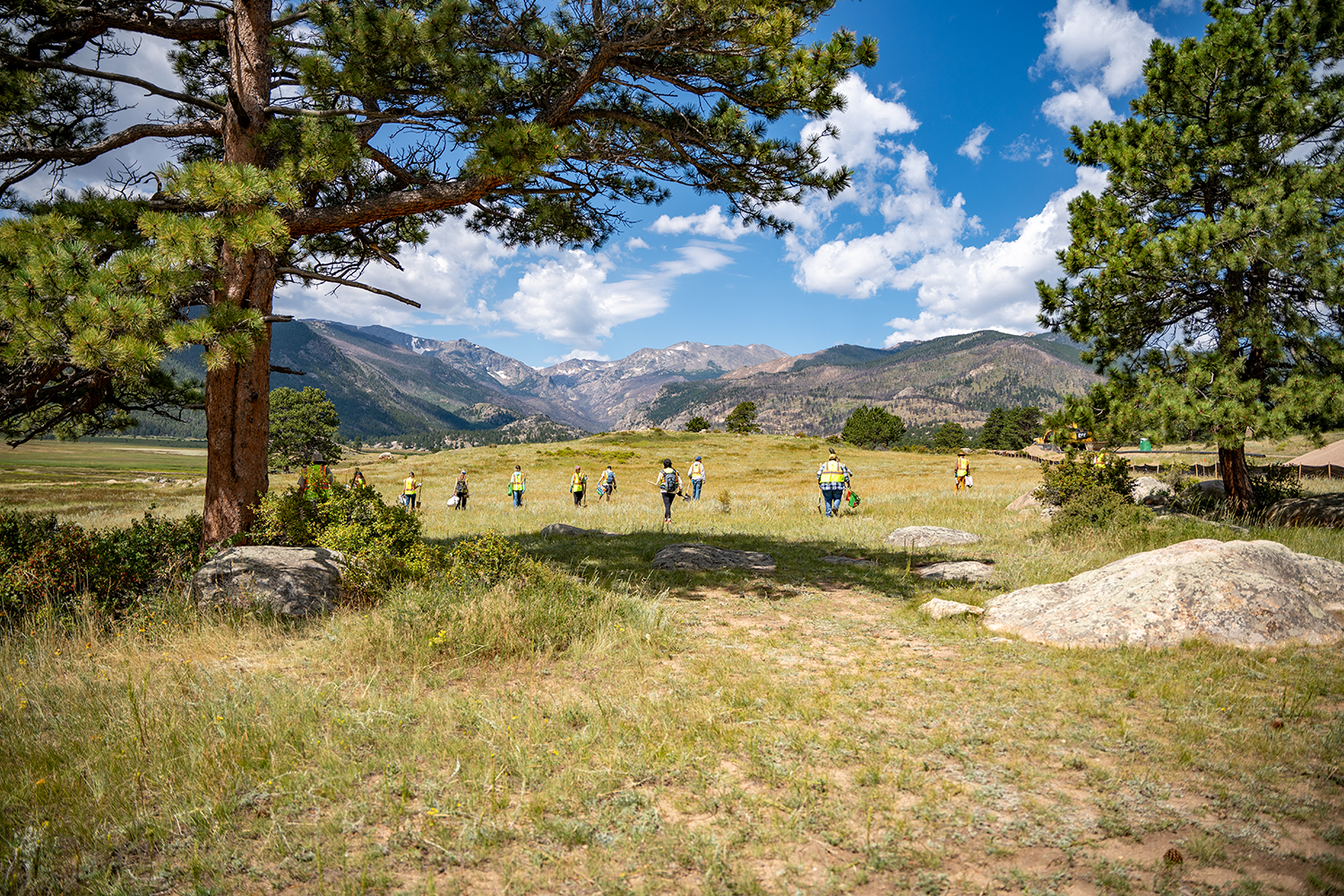
Tanner encourages travelers to visit national parks but also do your part. Along with following Leave No Trace principles, conservancy programs, like the Rocky Mountain Conservancy, work with the National Park Service to promote stewardship. Outside of Rocky Mountain National Park, the conservancy offers voluntourism — like trail restoration and invasive plant removal — around Estes Park as a way to encourage responsible recreation.
Efforts like these, along with responsible tourism that starts with planning, are keeping America’s national parks beautiful, safe and sustainable — for the rest of this year, the rest of this administration and for generations to come. Despite the strains imposed upon national parks, people are still showing up and speaking out (as evidenced by a 12-foot Elon Musk statue, proclaiming “Now With Longer Lines Thanks to DOGE Cuts!,” making the rounds at national parks out west and similar protest billboards outside of Cuyahoga Valley National Park in Ohio).
“Our purpose and our mission is timeless,” Gantt says. “National parks offer places to recreate, a place to learn and a place to connect, either individually with the park or with the people you’re visiting with. It’s an opportunity to connect to our story and our heritage as Americans.”
Go visit a national park, but maybe leave your Cybertruck at home.
Meet your guide

More Like This
This article appeared in an InsideHook newsletter. Sign up for free to get more on travel, wellness, style, drinking, and culture..