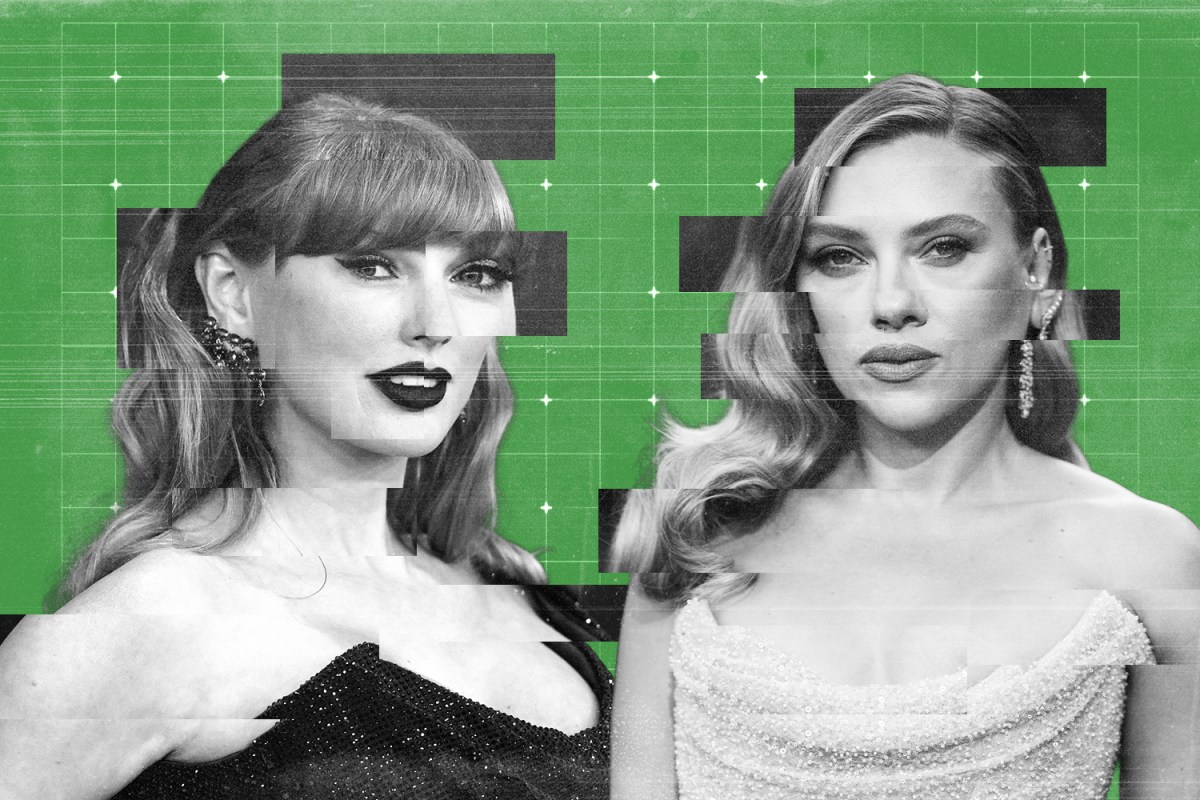
If you’re still on X, you’re probably familiar with Grok, Elon Musk’s integrated chatbot. Grok can fact-check, retrieve relevant information, generate images and spark entertaining conversations. Grok Imagine was released this week to Apple users, and it’s capable of turning AI-generated images into short videos using four different presets, one being “spicy.” So, of course, people are now using it to make inappropriate deepfake nudes, targeting celebrities like Taylor Swift and Scarlett Johansson.
In an article published by The Verge, news writer Jess Weatherbed tested Grok Imagine’s spicy filter after generating images using the test prompt “Taylor Swift celebrating Coachella with the boys.” Over 30 images popped up, some where Swift was already wearing some scantily clad outfits. She picked a photo of her in a silver skirt to transform into a “spicy” video, where she tears off her clothes and dances in a thong in front of an AI-generated crowd.
AI-Generated Books on Amazon Are Hurting Authors and the Publishing Industry
Don’t buy AI copies of already-written books on AmazonDeadline tested the app a few hours later, using neutral prompts that would place celebrities on the red carpet. The first celebrity they tested was Johansson. It generated many photos of her in elegant dresses on the red carpet, and when they went to convert it to a “spicy” video, the chatbot blocked it with a “Video moderated” message. When attempting the same thing on other photos, however, it worked — Johansson was flashing her underwear on the red carpet.
It made similar videos for other actresses like Sydney Sweeney, Jenna Ortega, Nicole Kidman and Kristin Bell, with varying results as to how similar they actually look to the stars. It worked for men as well: both Timothée Chalamet’s and Nicolas Cage’s AI personas were hanging out on the red carpet shirtless.
As you can imagine, there are a lot of legal issues that come with this, especially around celebrity AI-generated content, like defamation, privacy concerns, copyright and unauthorized use of likeness. Last year, Taylor Swift was the subject of other sexualized AI-generated images that spread over X, and after another surge of AI-generated photos that show her endorsing President Donald Trump ahead of the 2024 election, she shared more of her feelings regarding AI content — in addition to endorsing Kamala Harris for president.
Back in May, the first federal law against AI deepfakes went into effect. The Take It Down Act will make knowingly posting non-consensual intimate imagery, including AI deepfakes, a federal crime. There are two other proposed bills being presented: The NO FAKES Act, which will protect performers’ likeness, and the No AI FRAUD Act, which would make it illegal to create an AI-generated image of a person without permission.
There’s three other presets available for use when converting images to video on Grok AI: custom, normal and fun, and it’s unfortunately unsurprising to see this filter be the one that’s ultimately seeming like the most popular of the bunch. Musk highlighted in a tweet that the platform usage is increasing by roughly 50% per day, and for the next few days, it’s completely free to use. Eventually it’ll only be available through a SuperGrok subscription or Premium X+ subscribers at $30 per month.
But in case you needed to be told: Participating in using this feature is really gross and weird. It makes you seem kind of creepy and disturbing, so you definitely should not actually use it.

More Like This
This article appeared in an InsideHook newsletter. Sign up for free to get more on travel, wellness, style, drinking, and culture..