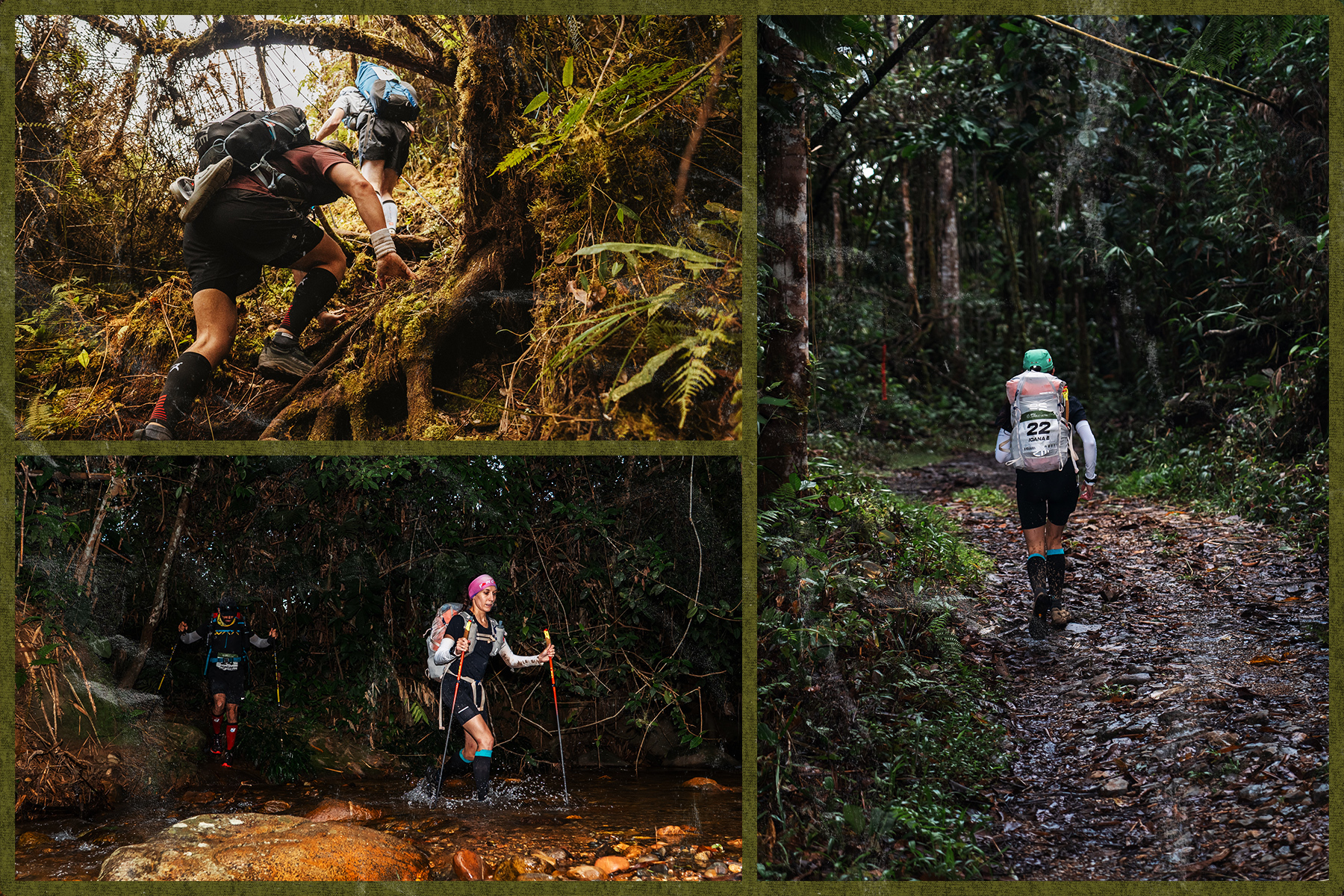
Would you like to pit yourself against the wildest place on the planet? How about a multi-day test of your mettle, endurance and ability to not get eaten alive by snakes, caimans or jaguars? Boy, do we have an event for you. Taking place every May, the Jungle Ultra, a self-sufficient 143-mile race through Peru’s Manu National Park, offers all of that and more.
“The jungle is the harshest environment. Humidity can be 70 to 100%. Everything is trying to eat you. There are bugs climbing on you. It’s very hostile,” says Ioana Barbu, 36, who podiumed in Peru after taking on her first-ever ultramarathon in the same race last year.
Breathtaking humidity? You betcha. Permanently wet clothes? Say no more. A chance to truly feel like you’ve done something significant while replicating scenes from Predator? You’ll get that in spades. Dangerous, yes. But it does sound kind of fun…right?
Whichever jungle you’re thinking of heading off to, bashing out an ultra in the midst of vines, rivers and flesh-eating bugs is no easy feat even for the most seasoned athlete. Which is why we asked those in the know what you can do to keep your suffering to an absolute minimum.
Consult Some Professionals
First thing’s first: if you’re looking to run an ultramarathon in a jungle, it’s best you consult a medical professional. Not a psychiatrist, exactly, but a sports physiotherapist who can help you get in the zone.
Both Barbu and James March, 24, who ran this year’s Jungle Ultra to raise money for multiple sclerosis, began by offering their bodies up to science, letting local universities monitor them in extreme labs replicating heat, altitude and humidity.
“I did heat acclimation, where you run in a heat chamber at 104 degrees for an hour or two to prompt your body into physiological adaptation,” Barbu explains.
March, meanwhile, was able to exercise in a chamber replicating 50% humidity. “I did a mixture of cognitive drills and high-intensity stuff on the bike and treadmill,” he explains. Amazingly, it only takes a week for our bodies to adapt to these kinds of conditions.
“Being in an actual jungle is completely different to training,” says March, “but it definitely helped. I would recommend you do all of the adaptive training you can.”
Accept That It’s Going to Be Gross…and Wet
As with any race, it’s vital to try out your gear beforehand. That said, given the humidity, there are some rather gross things you can’t control.
“Because it’s a self-sufficient race, you need to be aware that things will rub and you will have skin sores,” says Barbu. “Anywhere that rubs in your training, like your back, tape it up.”

Inside Scotland’s Most Beautiful (and Brutal) Trail Race
The Highland Ultra is a 78-mile odyssey through rugged terrain — and ends with a pint at Great Britain’s most remote pubAnd that’s not all: as race director Kris King, who organizes other endurance events as part of the Beyond the Ultimate series, told the competitors, running in a rainforest means you’re going to be very wet.
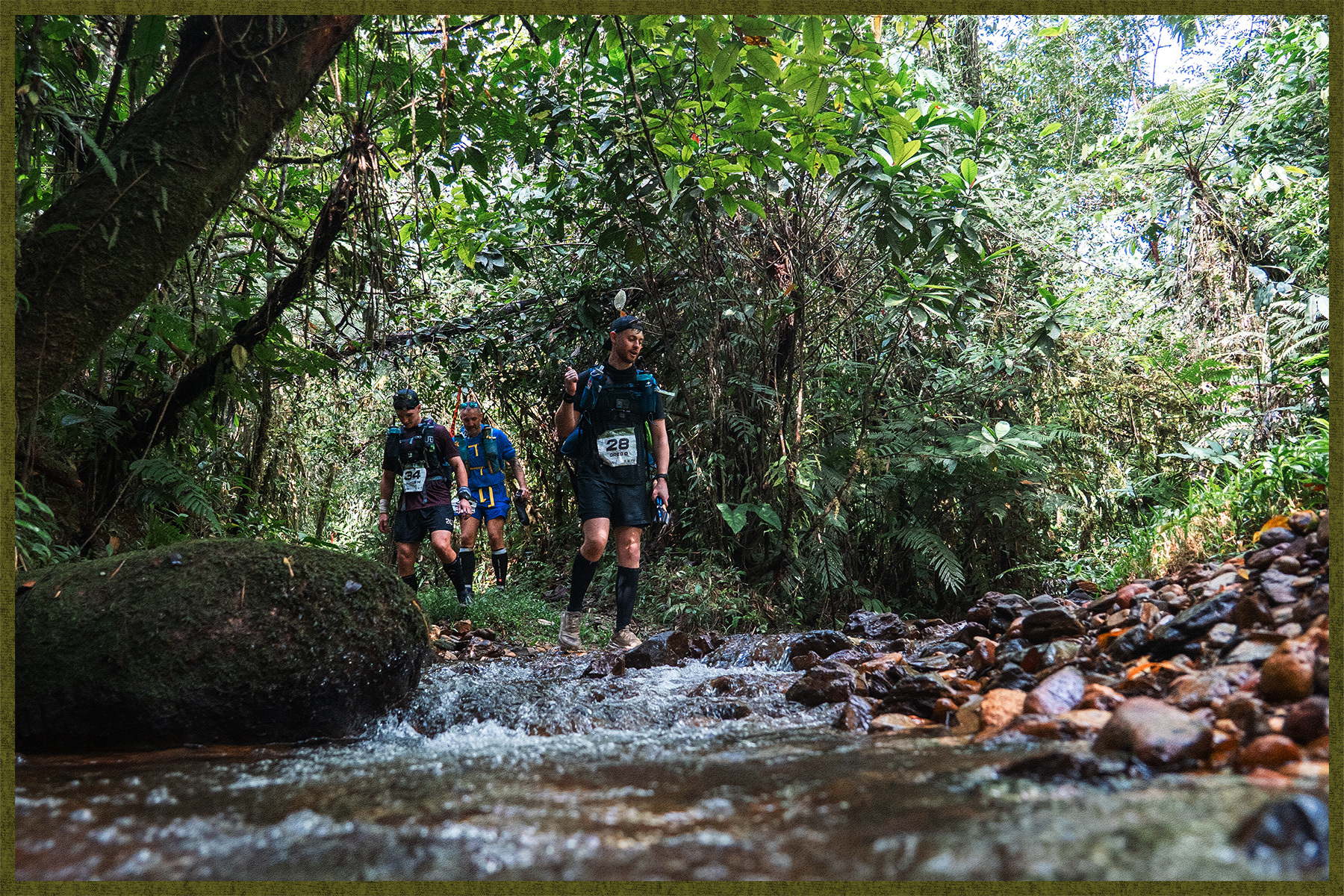
“I’ve done ultras in the desert where you’re sweating, but it evaporates instantly,” says Barbu. “The jungle is the complete opposite.” There’s not much you can do about it, either. “You just have to accept that none of you is going to be dry,” she says, though she did invest in some dry bags for her gear.
“You want to look at shoes and clothes that are lightweight but warm and breathable so they’ll dry as quick as possible,” March advises. “You need good drainage because you’re in and out of rivers.” And while other competitors changed socks each day, March chose to save space and stuck with just two pairs. “You’re just going to get wet again straight away,” he shrugs.
Be in the Clear
Humidity also means drinking a lot more than normal, and topping up electrolytes when you can. In the Jungle Ultra, the race marshals were extra strict, with medics asking some rather personal but life-saving questions at checkpoints.
“It’s a bit too much info, but they’d ask you if you went for a wee, and what color it was,” Barbu laughs. “Clear is great; if it’s caramel or a really dark color, that’s very bad.” The issue being, of course, that if you were to faint or pass out in the jungle, rescue is several hours away.
“Keep your purifying tablets handy,” says March. “Mine weren’t easily accessible, and I wasted a lot of time at various rivers looking for them.”

What’s Worse: Panthers or Ants?
“The environment is absolutely incredible,” says Barbu. “You see some amazing wildlife like butterflies, monkeys with babies on their backs, sloths. I did see a snake and ran away from it at speed.”
March, meanwhile, saw a caiman, a relative of the alligator, slide into the river just ahead of his own crossing. “You are definitely always on your toes,” he says. “You can hear stuff in the bushes beside you. You might not see it, but it sees you.”
The key to remember is that panthers don’t really want to hang out with a loud bunch of runners, so as long as you’re not aggravating them, it’s best to just crack on and let the order of the jungle remain intact.
That said, there are some creatures you can’t ignore. “There are these big ants that crawl up you if you stop to grab something,” says Barbu. “You can’t just brush them off, it takes a good smack. I had arm sleeves on and they’d bite me through it.”
All of this, despite insect repellent being a must on the kit list. “They absolutely loved me, even though I was drenching myself in repellent,” Barbu laughs. “There’s really only so much you can do. Part of it is: ‘Well, we are in the jungle!’ You try not to dwell on it.”
Don’t Touch
The best rule for being in the jungle is don’t touch. Anything. No weird mushrooms. No brightly colored plants. No vines covered in sharp barbs. Just keep your hands to yourself.
“It’s a prime environment for bacteria,” says Barbu. “Because the route is so vertical, you’re slipping around and you don’t know what you’ve touched. The biggest danger is what you might accidentally do to yourself.” The solution? Always sanitize your hands.
The Jungle Ultra requires you to pack your own hammock, which makes sense when you’re trying not to come in contact with flora and fauna, but it can add unwelcome pounds to your backpack — so gear up with caution. But interestingly, Barbu says that despite the jungle noises, sleeping in a hammock, with her legs naturally elevated, worked wonders for recovery.
Don’t Get Ahead of Yourself
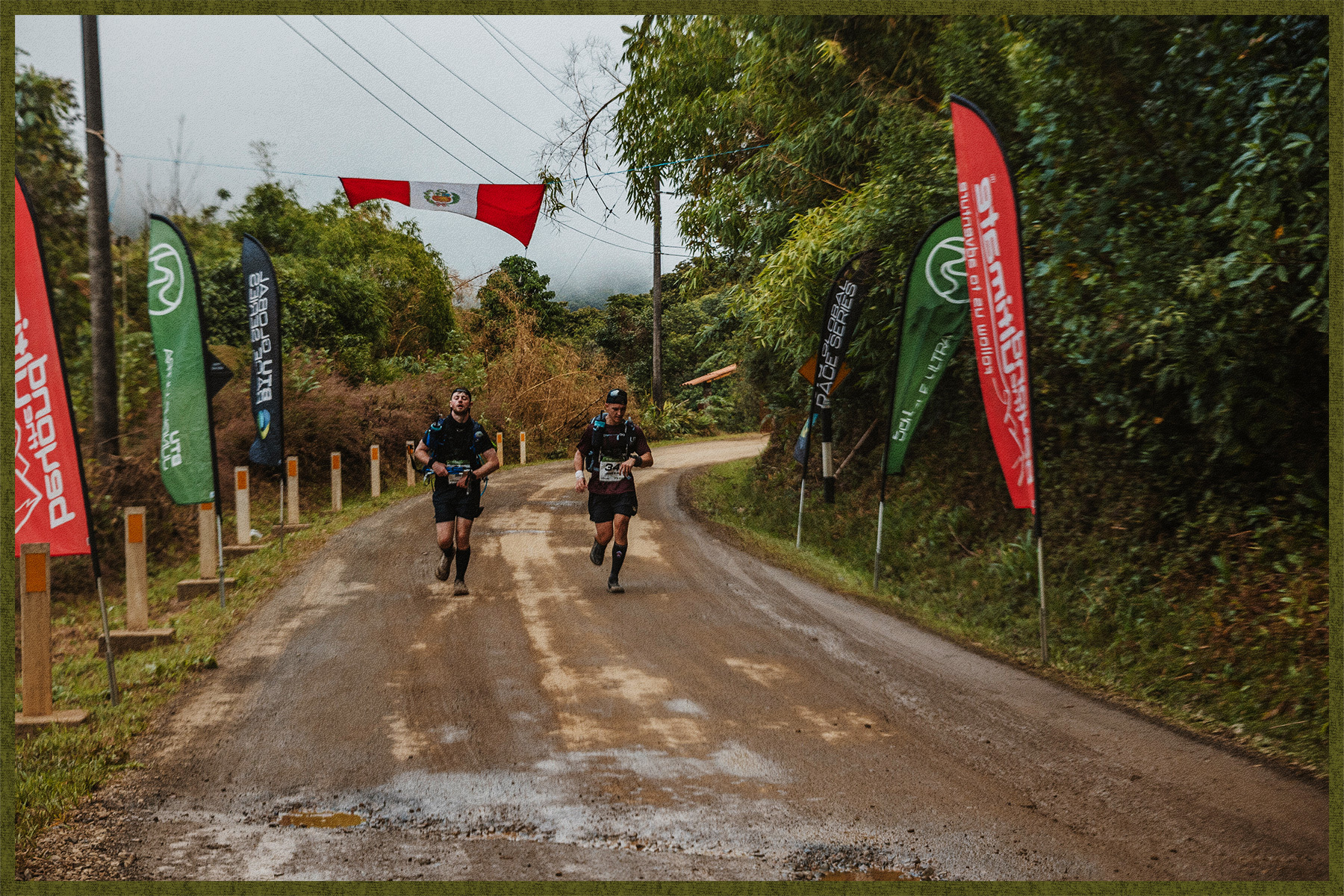
The jungle is possibly the most hostile environment on earth, so it pays to stay relatively close to fellow competitors, just in case anything goes wrong.
“They would warn us, ‘It’s nine miles to the next checkpoint, so if you don’t have that in you, don’t go,’” March remembers. If you do get lost, there’s no guarantee you’ll come out again.
“Because of the tree coverage, your GPS tracker could struggle and might be four miles off, for example” says Barbu. “Or it could die entirely.”
Keeping your wits about you might not only help you win the race, but it could save your life, too.

More Like This

Twice a week, you'll find proven advice and tips, expert interviews, deeply reported features and personal essays on living better — for however long you’re here. Subscribe to Champ now.