“That’s just mountain life — everything breaks around here,” a Matterhorn hotel worker mutters as I watch a porta-potty descend via helicopter to replace the public restrooms that stopped working.
Candidly, this wasn’t the picture of luxury that everyone had painted about Zermatt. I had never been to the Alps before, so prior to this trip, I was operating within the confines of everything I haphazardly associated with the region: rock overhangs, chic skiers, fondue parties, hyper-efficient train travel.
All of that does reign true. But somewhere between the nude saunas, fine dining, cold plunges and clubs tucked behind cheese shops that I did experience, there was a level of restraint and routine fueling the luxury that people associate with Switzerland and Austria. And I loved it.
It wasn’t that people weren’t indulging. They were. The food was second to none. Everyone was eating well, drinking well, skiing, staying in beautiful hotels and spending entire afternoons in spas. But they didn’t seem particularly interested in doing the most just for the sake of doing the most.
The practice of fueling your body with the best food, wellness practices and daily rituals is nothing new to Germanic countries. Because they don’t take more than they need, overconsumption is not the style. It’s more about the fine details of everyday life.
It’s the car-free policy in Zermatt that encourages people to walk everywhere. It’s the seasonal ingredients Hotel Krallerhof uses to populate its ever-changing dinner menus with an emphasis on longevity. It’s sitting at the same table every night and seeing the same faces. It’s getting into a sauna where everyone is naked and nobody thinks twice about it. And I can confidently tell you this all became abundantly clear the second I stepped off the plane and into Zurich airport.
The Efficiency of Swiss Train Tavel
“How long are you here for?” the customs lady asks me. I’m sweating. There’s nothing inherently scary about the way she’s speaking to me — she just means business.
“Two nights, three days. Then I head to Austria.”
“No miss, how long in total? I have to clear you for all of Europe.”
“Oh, sorry! Then I guess five nights total.”
“Good. Go.”
I run — straight through the airport to the connecting train station, which acts as a hub to the rest of the country.
Trains in Europe are a known powerhouse. They run on time and take you virtually anywhere. The only experience I had with them previously was riding the Eurostar from London to Amsterdam. Now that my proper train virginity has been taken, all I have to say is they’re fantastic. The Amtrak can, respectfully, kick rocks.
You can purchase train tickets on an app or at the stations in person. When you do, you may receive your actual tickets and something that looks like a ticket but is a reservation for your train. These are two very different things. This confused me, and my confusion angered a ticket conductor, so make sure you have both. And print them out, if you can. But don’t fold them because that is also an infringement.
Once you’re on, the train is smooth and serene. Seats are yours to choose, and everything is, obviously, very clean. Switzerland, as I came to learn, is a pretty high-trust society, and that shines through in little ways. People trust you not to litter, so you don’t. And they don’t in return. Crazy how that works. Garbage cans are everywhere, and everyone is silent. Most people were lugging skis with them as we made our way towards Zermatt.
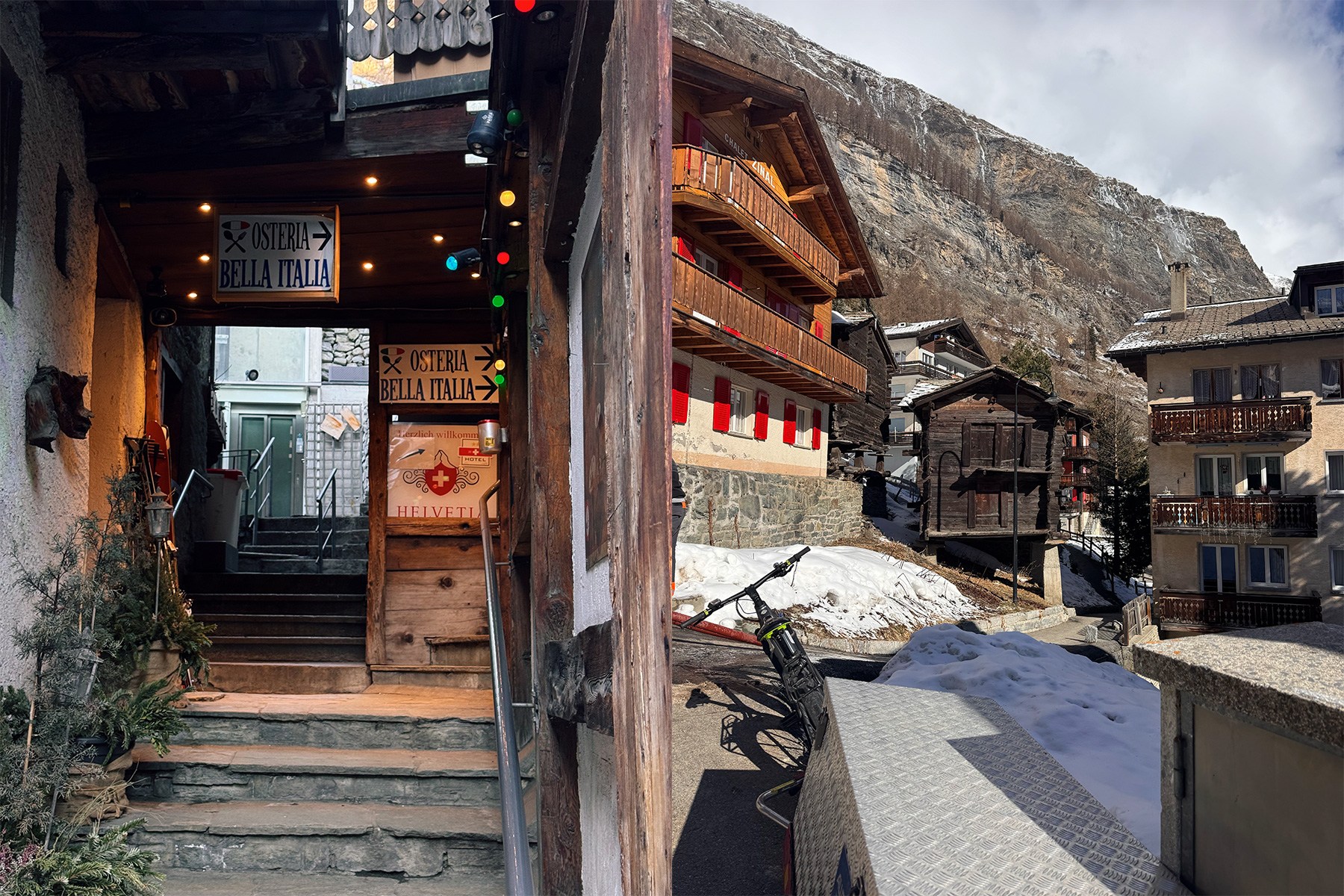
Passing through the Swiss countryside looks as you’d imagine. There are small wooden cottages, rolling green hills, sprawling lakes and the Alps in the far distance, which soon engulfed our train car. As you approach the mountain range, it truly feels like you’re descending into a wall of ice and snow. It’s as close as I’ve ever felt to being somewhere unearth-like.
How an Unhurried Vacation Can Soothe Your Brain
PTO is precious, and the science is simple: your best trips are the ones where not much happensZermatt: Where to Stay and What to Know
You get off your ultra-modern train car to take a more dated locomotive into Zermatt. It’s slow-moving and winding as you rail, quite literally, on a cliff’s edge towards the valley below the Matterhorn.
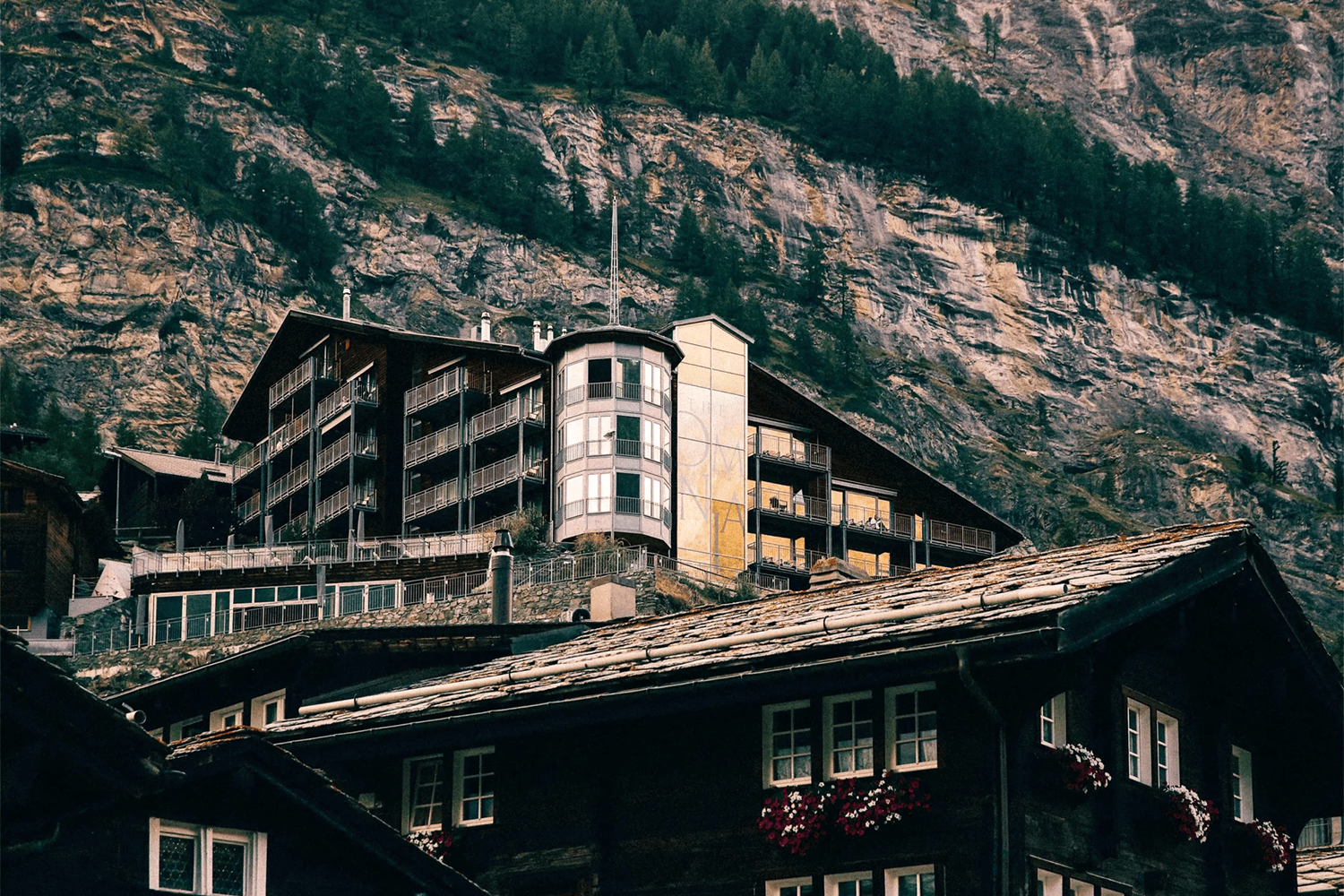
Historically, Zermatt was a remote agricultural community, which is almost entirely eclipsed by the ski haven and mountain-climbing mecca it is today. It’s a car-free town, so if you’re driving, you can only go so far as Täsch, which sits three miles away, and then you must shuttle or taxi. In lieu of cars, people walk. Everywhere. There are also electric buses and small electric buggies that are used by hotels to pick up and drop off guests.
The hotel I was staying at, The Omnia, picked me up from the train station in a small royal-blue shuttle. We drove into town, passing mostly tourists on their way to the ski hill, and entered into a cave, which all felt very James Bond. The buggy dropped us off in this underground dugout that had built-in ski gear lockers and crates of food ready to be brought up to the hotel kitchens.
The second you emerge from the cave elevator, you’re welcomed with warm nuts, olives and a glass of prosecco. The property is owned by the same family behind USM Modular Furniture. As you can imagine, the interior of the hotel mirrors the sleek, minimalist vibe of the brand because it’s the only furniture they use there.
Given the intentional design and small size of the hotel (30 rooms to be exact), it feels like you’re staying in the mountain home of your mid-century minimalist friend. It features an indoor-outdoor pool that overlooks Zermatt and hosts a restaurant that made me forget most hotel food I’ve had before.
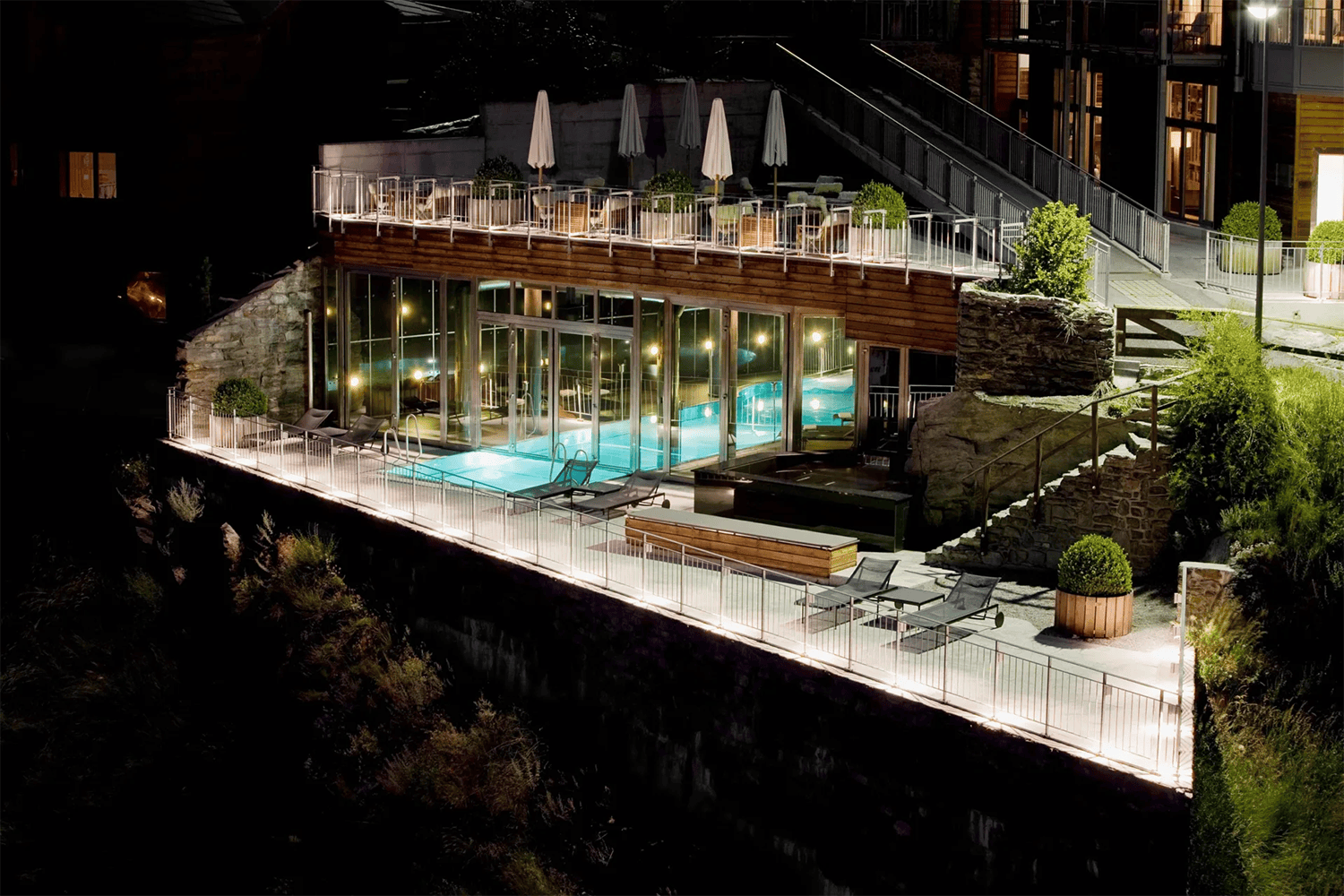
While the property itself was most impressive in its calm and refined effect, the hospitality made all the difference. Most of the staff speak four languages and are ready to help you with anything you need. They pre-booked my dinner reservations ahead of arrival and gave me their best recommendations for both must-do activities and lesser-known adventures.
Going up the Matterhorn is a must. There are several trails you can trek, or, like me, you can take the leisurely Gornergrat Bahn. It’s a train that careens you upwards, and you have opportunities to get off and sightsee or sled down sections of the mountain.
At the very top, the air does feel thin. I never experienced something like that before and thought I was going semi-crazy, but no. Just prepare yourself. But you will be rewarded with a stunning museum that takes you through the history of mountaineering and explores the flora and fauna of the mountaintop.
As you may have guessed from my opening anecdote, bathrooms up here are limited, and they break often. I learn this the hard way because the public restrooms are out of order, so I have to purchase mulled wine at a hotel to use their facilities, which also broke down. I am rescued by the porta-potty brought up via helicopter for the laypeople to use. All this to say: go before you go.
On level ground, if you are looking for a more traditional Swiss-meets-nightlife experience, head to Chez L’Ami Sami (opened seasonally), recommended by the staff at Omnia. It’s a quality cheese shop by day and a speakeasy by night. You enter the bar through a hidden door that looks like a wall of cheese — it’s magical.
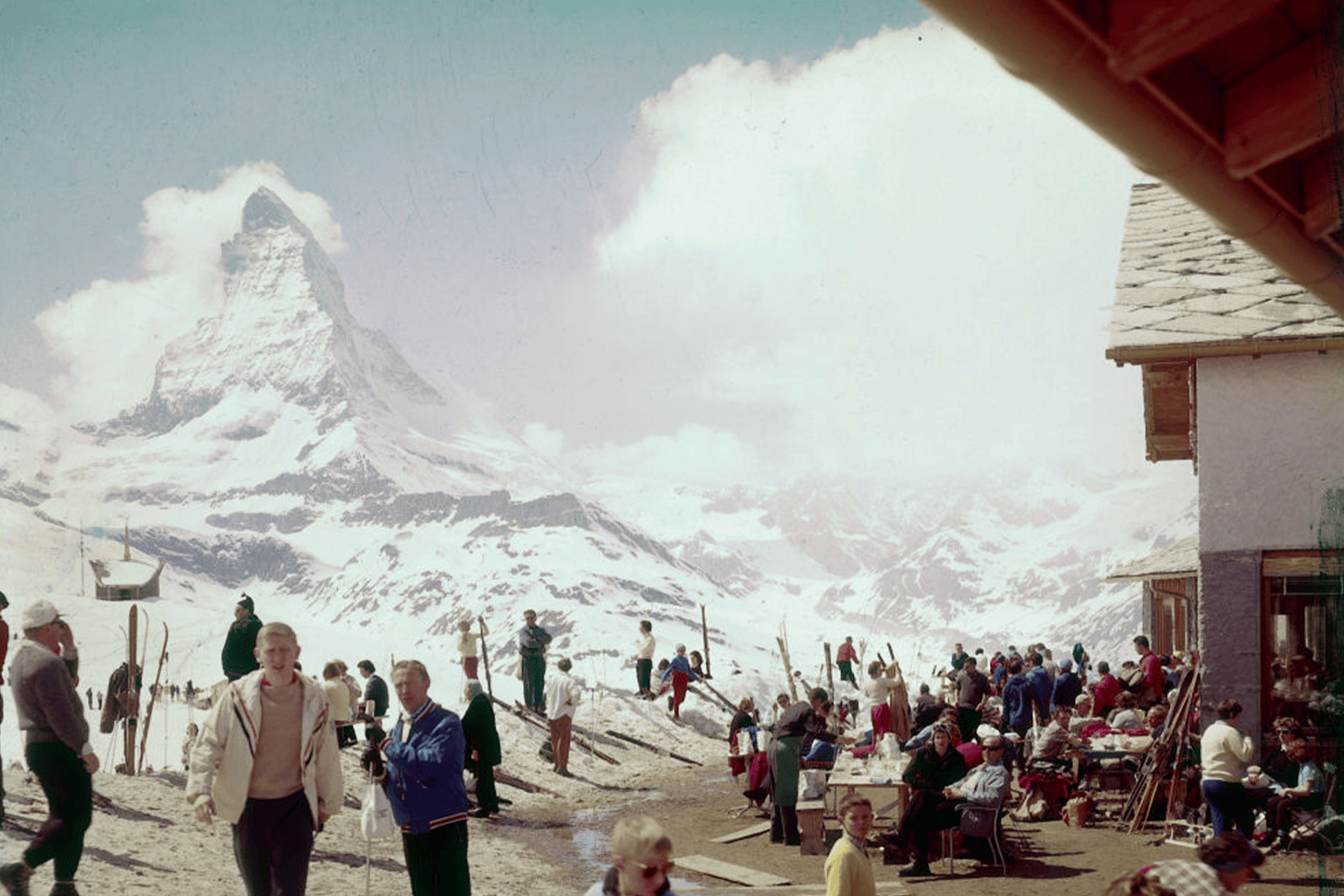
If you’re there during ski season (which is actually year-round), it goes without saying you have to hit the slopes. It’s some of the best skiing in the world, for good reason. You’ll encounter off-piste areas that feel like the main attraction, and shredding through fresh powder while looking at the Matterhorn is something you won’t forget.
After two days spent walking the streets of Zermatt in the morning, afternoon swims in the hotel pool and eating and drinking my way through the ever-changing menus at The Omnia restaurant, I checked out, rehashed my train journey back to Zurich and headed toward Austria.
Leogang: Where to Stay and What to Know
After crossing an international border via train, mingling with loads of Italians who boarded mid-route and enraging yet another ticket officer with my confusion, I offload into Leogang. Following a desolate car ride, I arrive late to Hotel Krallerhof.
If you’ve seen Nine Perfect Strangers, you may have caught a glimpse of what this property has to offer. Its famous spa facilities were featured in an episode, but that’s really just the tip of the iceberg. If The Omnia is my cool, minimalist mountain friend, then Krallerhof is my yoga instructor who never seems to age.
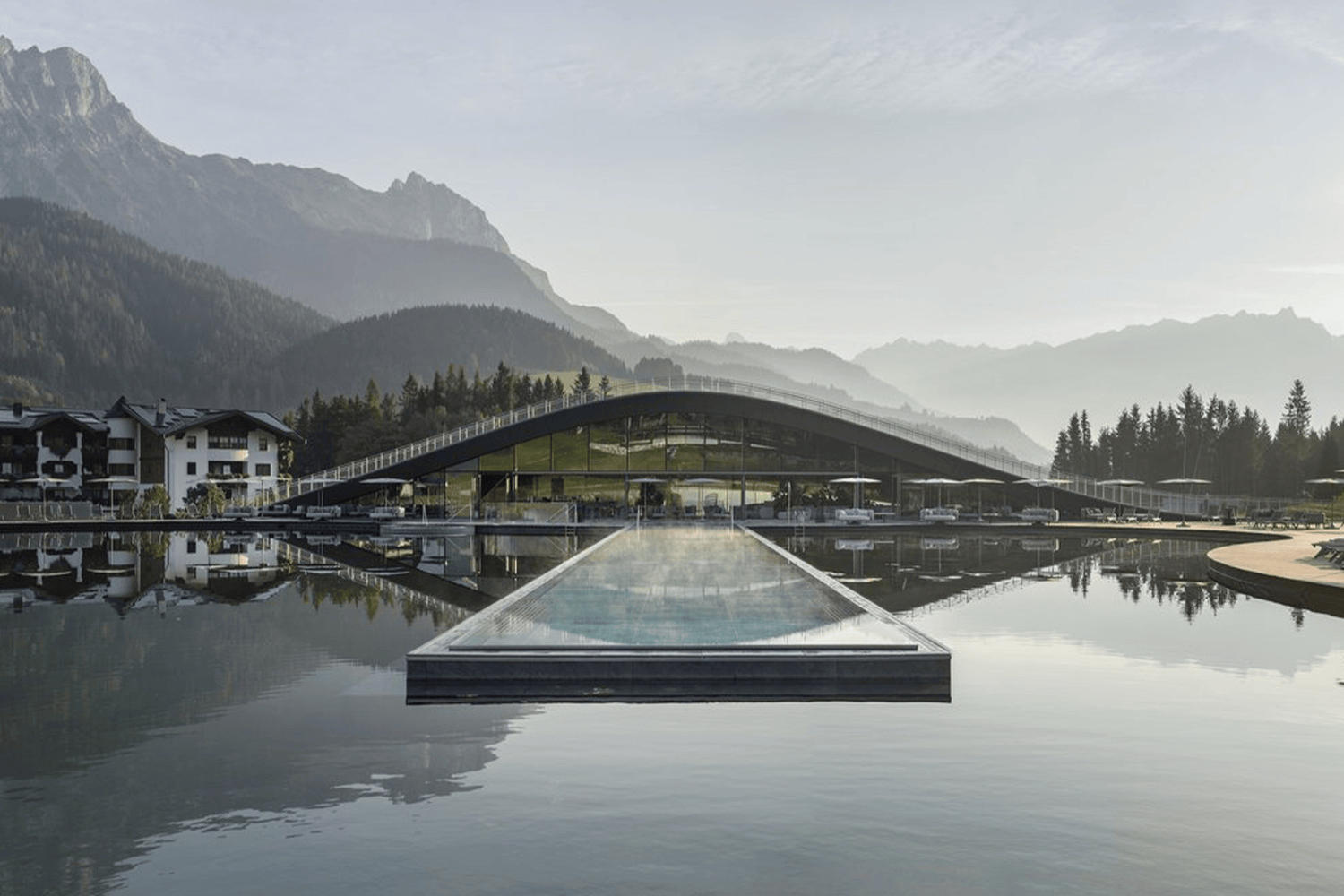
The hotel is nestled at the base of a ski hill, far from any major town strips. You will need a car to get there, but once you arrive, there’s a clear distinction between the outside world and the mindfulness mothership you’ve just boarded.
Krallerhof’s entire philosophy revolves around providing guests with wellness practices they can keep implementing post-vacation. From the second you arrive, you’ll see people walking around in robes, looking as chilled out as ever, with surround sound spa music. Every small detail is meant to foster a calm day and a restful sleep. The property is huge, with sprawling wings (some made for families, some not), multiple spa facilities and restaurants. It’s amenable to exploration, especially if you aren’t traveling offsite.
I start my days by heading to breakfast, where there are classics like eggs and fresh-pressed juices, but you also have the option to dine from their longevity menu — think legumes, fiber, lean protein, clear broths. The offering is meant to make healthy eating accessible and delicious, and I can vouch that it is.
You’ll sit at the same table for each meal during your stay, a practice meant to foster a sense of community with fellow guests. You’ll see the same faces each night and be routinely greeted by a member of the family that owns the hotel.
Meals aside, you’re here for the spa. I was there for three nights, but I could have spent another 10 trying all the different services. The star of the show is a grand outdoor heated pool that’s submerged in a lake, so you can swim laps while looking up at the mountains. There are a variety of cold plunges, warm (read: extremely hot) saunas and relaxation zones to enjoy, alongside a lengthy list of treatment offerings.
I tried cryotherapy, which felt like I was going to be frozen Han Solo-style, as well as red light therapy. Both left me feeling slightly scarred but very rejuvenated. If those kinds of treatments aren’t your vibe, the hotel also offers daily fitness classes and more routine spa offerings like facials and massages.
In the saunas and plunge pools, almost everyone is nude. There will be signage that reads “no textiles,” which means you have to strip before entering. But everyone here is more than okay with nudity. It doesn’t feel weird or creepy — no prying eyes, everyone just letting it hang out. So go ahead and be nude.
In the evenings after dining from the regular menu, which changes every night, or from the aforementioned longevity menu, you’ll be sent to bed with a glass of magnesium powder, meant to promote a night of deep sleep. I’m not sure if it was a placebo effect or if the magnesium was indeed doing its job, but I fell asleep each night within seconds of drinking it.
Now It’s Your Turn
After three nights spent rinsing and repeating this wellness cycle, it was time to leave Austria. I returned, first, to the bustling streets of London, and then to New York. My post-trip clarity brought with it some sadness for the mecca of consumerism I returned to. Not to bash New York — there’s a reason it’s referred to as the greatest city. But there’s something to be said for sitting in the luxury of your life without vying to optimize it all. And that is the true art of the Alpine journey.

More Like This
We're always on the scene eating, drinking and traveling near and far to bring you the best of what's happening out in the real world. Sign up for IRL now.