The first rule of island-hopping in Greece: make sure you get on the right ferry.
I learned this the hard way as I stood in the luggage hold of the Seajets Champion Jet 2 bound for Paros, when I should have boarded a catamaran 10 minutes later to Ios. I could blame the chaos of the Naxos port that morning — thousands of people waiting for boats on just three slips — or my travel companion being overly confident in choosing the right vessel. But no one in our six-person party bothered to even ask if we were getting on the right ferry. Luckily for you, this is a mistake that’s easy to avoid.
It wasn’t all bad. Our little detour ended up being a blessing — without it, I probably wouldn’t have been able to visit Paros’s former medieval capital, Lefkes, or have a meal in the port town of Parikia. But I thought it would be wise to kick off this guide with the most obvious, useful piece of advice.
Other than that, my trip to the Cyclades, a collection of islands in the southern Aegean Sea, was a dream. I spent nine days total on Naxos, Paros and Ios, and three nights on each, which I think is the minimum amount needed to absorb the distinct scenery and culture of each place. Aside from the ferries and how many PTO days to use, let me tell you how to make the most of your own Greek island-hopping trip, from transportation and lodging to the best places to eat, drink and experience.
Why This Trio of Islands
When I first started to plan this trip, I sought the advice of my cousin and uncle, who are frequent travelers to Greece, about which islands to hit. They both recommended Naxos and Paros for their beauty, food and culture, and because they’re less touristy than the obvious spots like Santorini and Mykonos — though they are both rising steeply in popularity. Chatting with the front desk manager of the Hotel Fotilia in Paros, she said this summer was by far the busiest she’s ever seen the island.
My original plan was to visit Naxos and Paros for three to four days each because they’re so close together, a mere 16 miles apart, or a 20-minute high-speed ferry ride. Ios is a smaller, party-focused locale, but it hit my radar late in 2025 when I met with the Michalopoulos family who owns Calilo, a secluded, design-forward resort on the island’s quiet, southeastern edge. I added it to the itinerary, a choice I’m thanking my past self for now, as visiting Calilo alone is worth a trip to Ios.
Naxos and Paros both have airports, so it makes sense to place them first and last so you can fly in and out of Athens (although my uncles took a three-hour ferry from Paros to Athens and said it was quite pleasant). If you’re decidedly not a boat person, like me, this is your best bet.
When to Go (and When to Book)
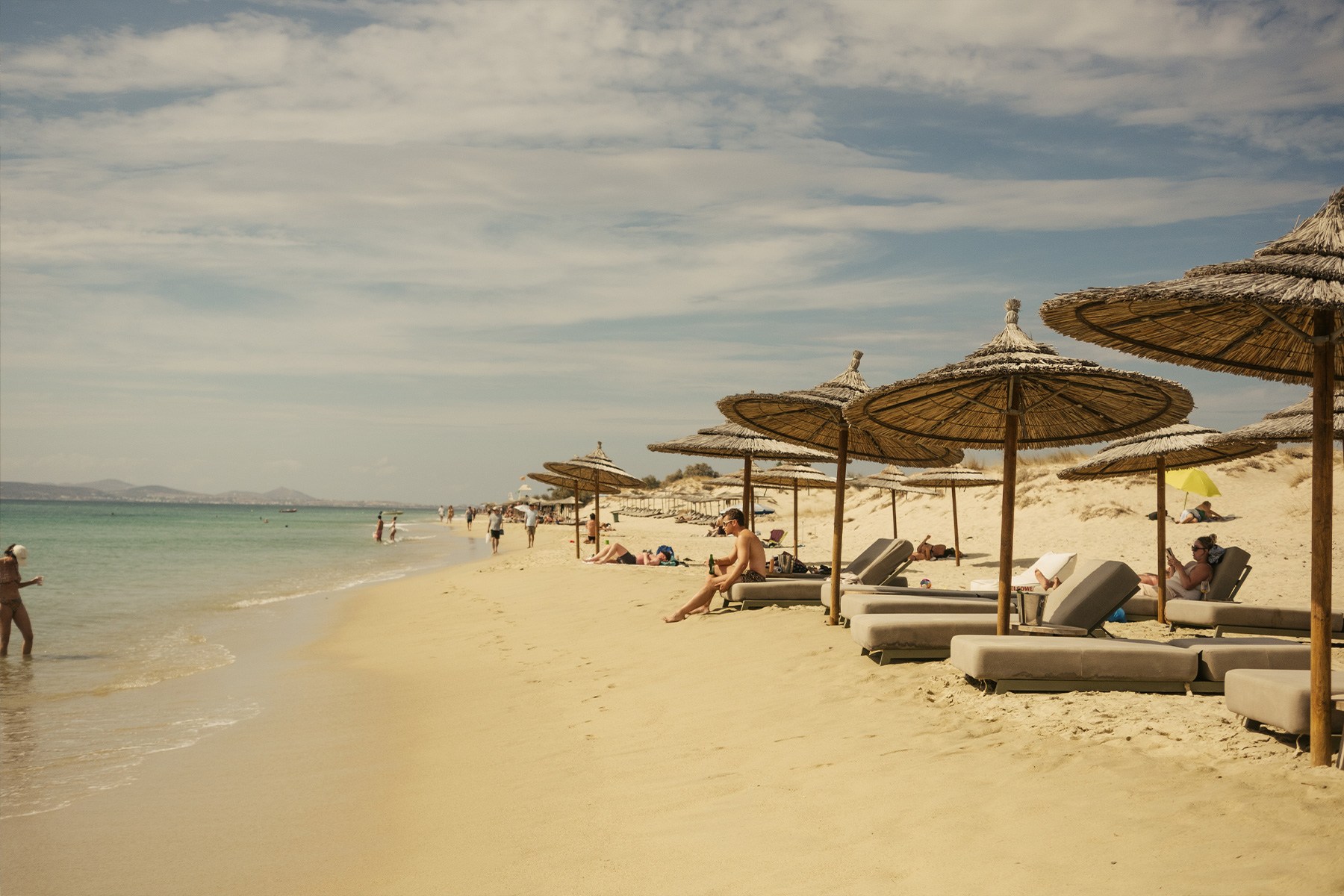
May and September are your best bets for a trip to the Cyclades. Yes, the water will be colder (though I prefer the descriptor “refreshing”), but the crowds will be significantly thinner and with fewer children to boot. But stores will be open, restaurants will be lively and the weather will be glorious.
I got back from my trip in late September, so part of the reason for writing this guide now is a desire to get everything down while it’s fresh in my mind. But the other reason is that, if you do want to plan a trip to the Cyclades in May, you should get started now — it’s not even too early to start thinking about September. Case in point: I booked my hotel in Paros in March 2026 for a late-September stay, and we snagged the last two rooms.
Now, for the fun part.
Naxos
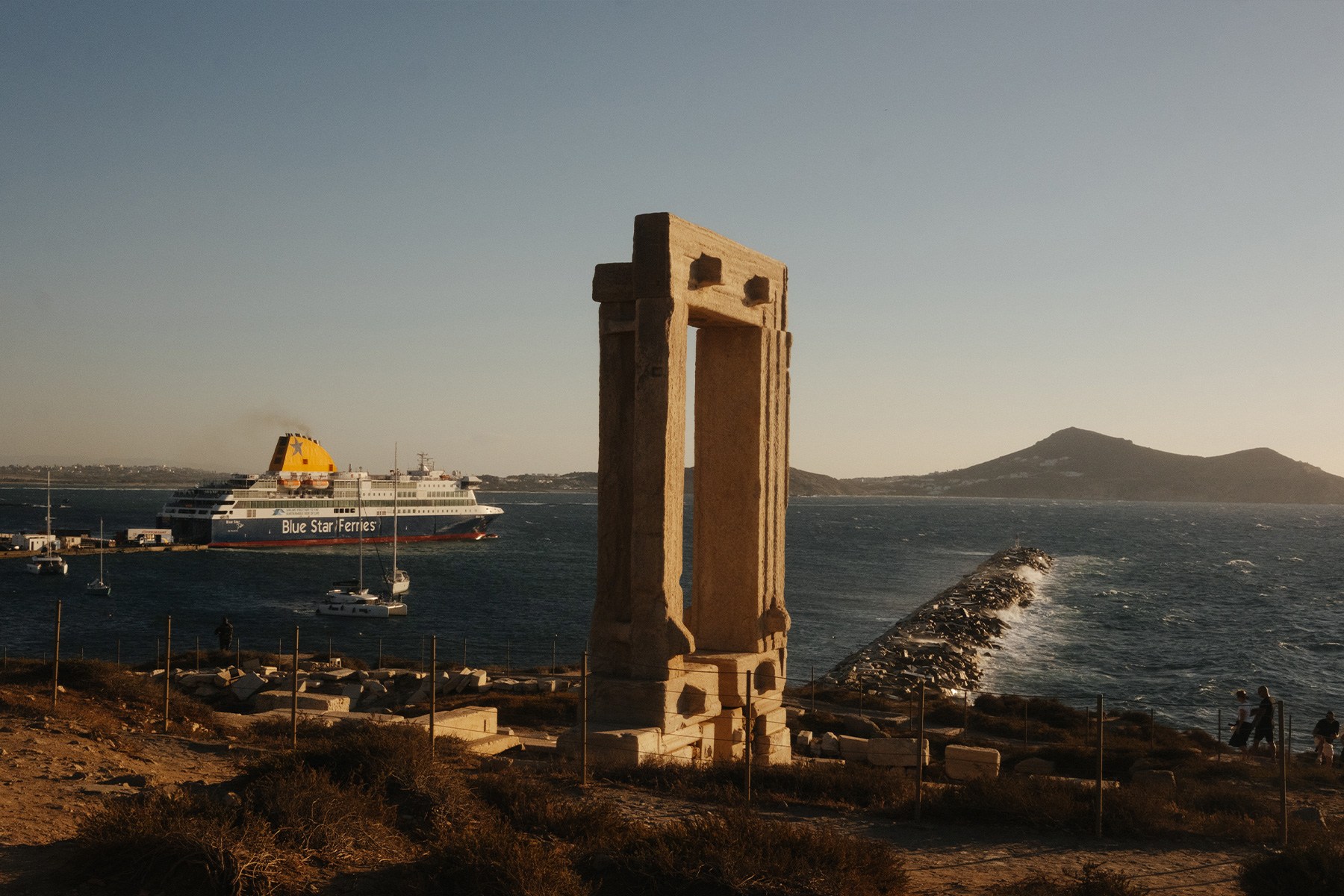
It’s an easy 30-minute flight from Athens to Naxos, the largest island in the Cyclades. Naxos is unique in one major way: they have been farming for thousands of years. Whereas other islands have to import nearly everything, Naxos is known for its potatoes, cheese and meat. Its beef is prized in Athens, often drawing higher prices than the same cuts grown on the mainland. And because there’s so much industry on Naxos, a fairly large population lives there year round, so it never completely goes quiet in the off season.
There are usually taxis waiting in the parking lot of the Naxos airport. We were lucky enough to snag one, but next time I’ll have my hotel book a pickup, just in case.
Shortly after we piled into the cab, we arrived at Sundunes, possibly the most beautiful hotel in all of Naxos. The whitewashed property is accented with earth tones, sun-drenched spaces and cacti laden with fruit. Our room had my ideal layout: a huge closet when you first walk in, cushy king-size bed, spacious sitting area and large private patio. The walk-in shower felt like a cave, save for the window that let in a ton of natural light.
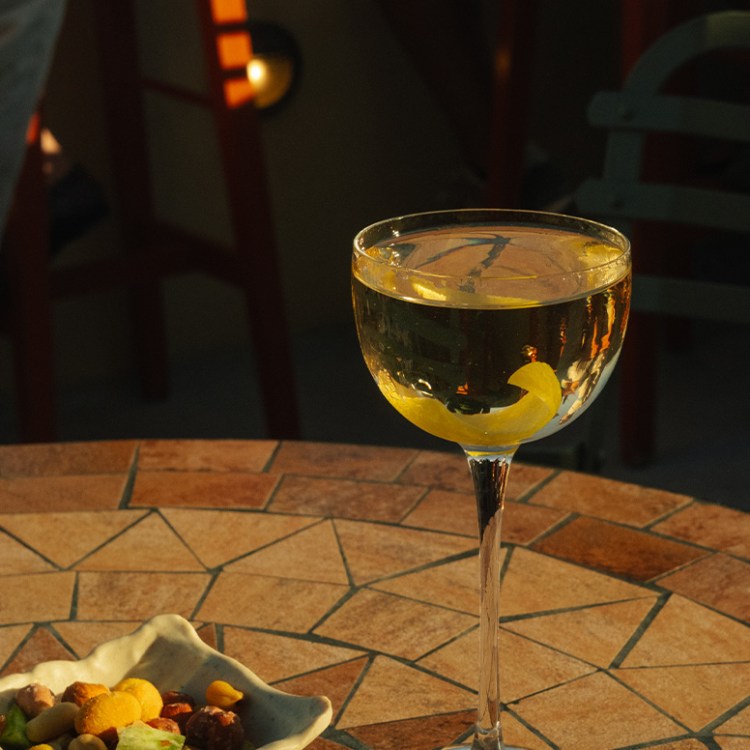
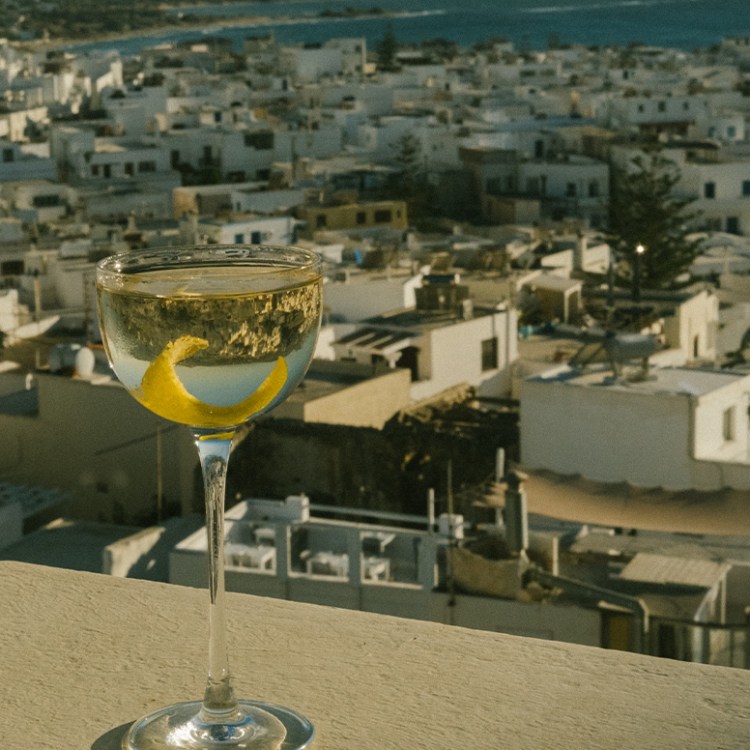
On our first night, we ate at hotel restaurant Apano, a rooftop eatery that offers panoramic views of the sea. Going up for a sunset drink is a must. After Martinis under the pink and red sky, there was plenty of Naxian cheese, homemade taramasalata (a creamy spread made with cured fish roe, olive oil and either bread or potatoes) and local wine. But my favorite meal was breakfast. The homemade offerings changed every morning, but the savory and sweet pastries were a highlight.
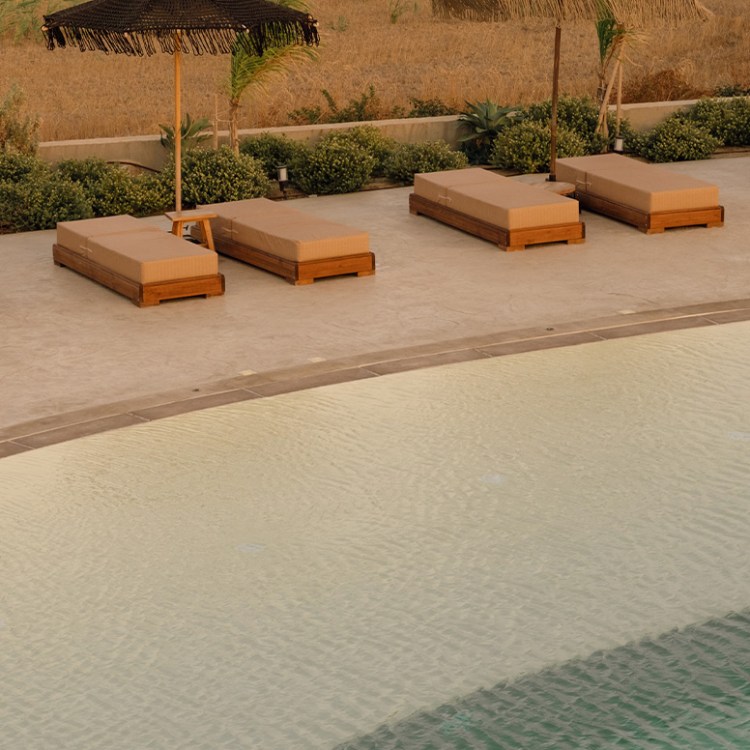
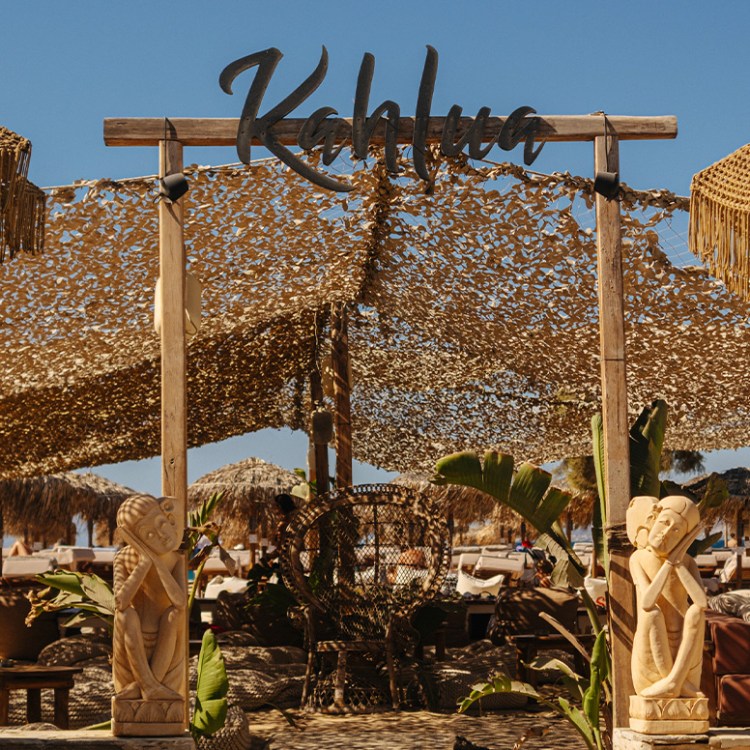
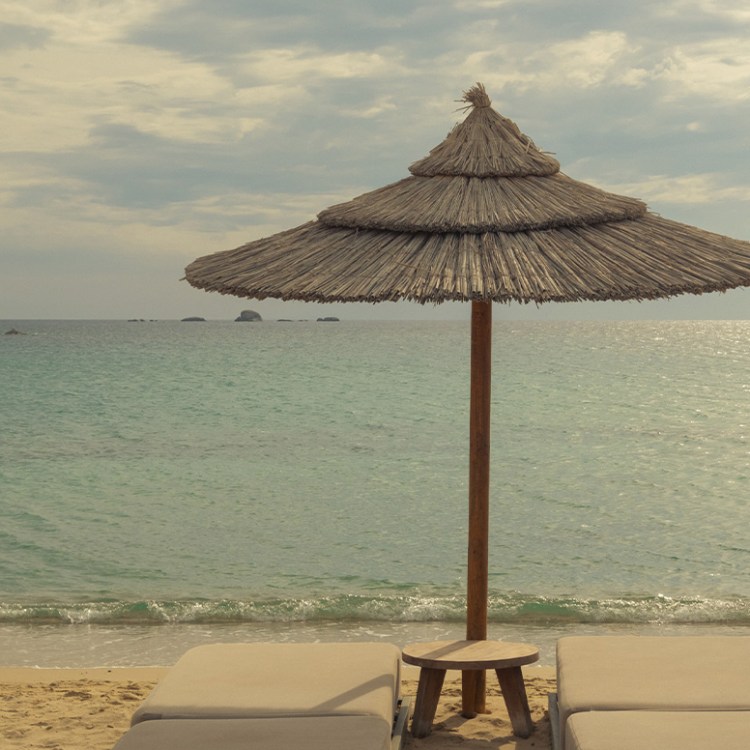
Sundunes’ pool was too frigid for my taste, but I thoroughly enjoyed their beach setup. The sea is calm and blue, and the area is quiet. If you want a more energetic vibe, you can head to Agios Prokopios, which is lined with beach clubs. My party loved Kahlua Jungleroom for the spicy Margaritas and friendly service. Just don’t forget to bring a towel — beach clubs in Greece do not provide them.

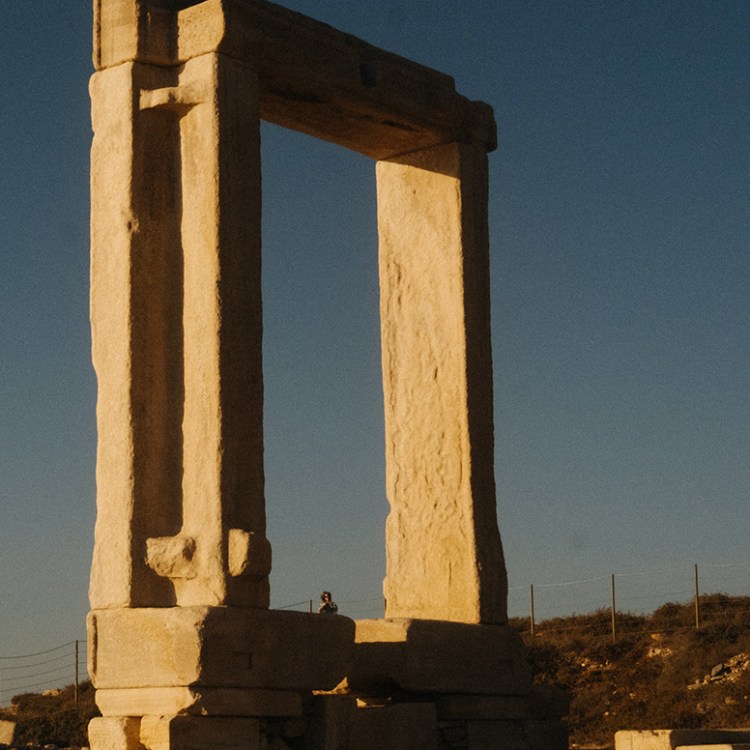
Naxos’s most iconic landmark is the Temple of Apollo, a project devised by the tyrant Lygdamis in 530 BC that was meant to be one of Greece’s most illustrious buildings. But Lygdamis was overthrown, and the project was never completed, so all that remains is the giant doorway that faces Delos, Apollo’s birthplace. The massive piece of marble, a marvel of ancient architecture, is at its most glorious at sunset. You have to walk across a stone wall of sorts to reach it, and Naxos is famously windy, so you might get splashed with seawater on your way. Wear appropriate shoes.
You can get lost in the winding back streets of Naxos Chora, popping into shops and taking in the scenery. Wandering up through the Venetian Kastro, a walled quarter above the port, is a must. There you’ll find a Catholic cathedral, a rarity on the Greek islands. After exploring, take a load off at Avaton 1739, a rooftop wine bar and restaurant that offers sweeping vistas of the city and the port below. Plan to be there at sunset for the best view.
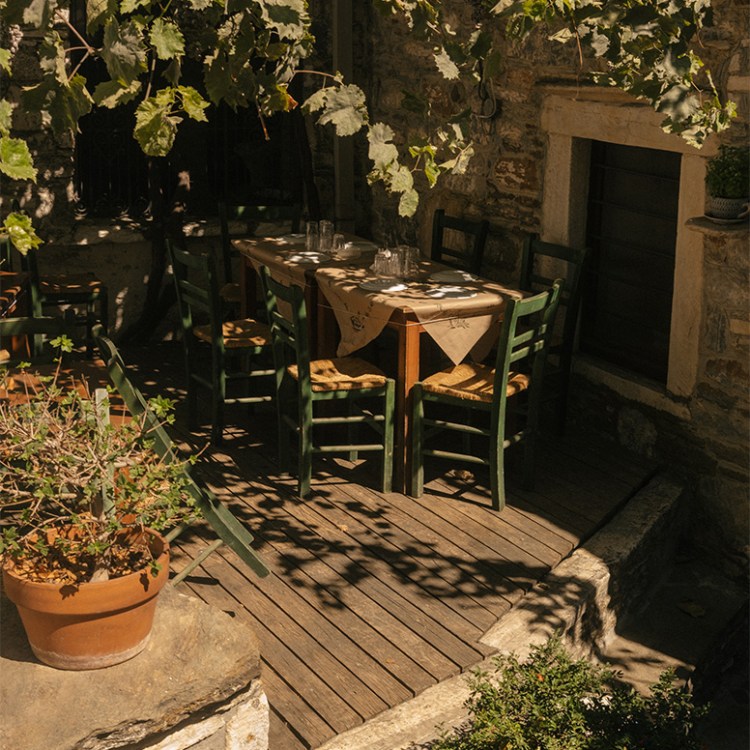
I had one of my favorite meals of the trip at Taverna Naxos, which is known for classic Naxian cooking. If you can, grab a seat in the lush courtyard (the seaside tables aren’t too shabby, either) and feast on stuffed tomatoes and peppers, calamari and the succulent goat, served with salad and those famous fried Naxian potatoes. If you’re looking for a more casual meal or late-night takeout, To Spitiko has the best gyros and souvlaki. It was suggested to me by the bartenders at Cherry, a new and delightful cocktail bar across the street. Order their cheeky Cornstar Martini with vodka, passion fruit and a popcorn-infused vanilla syrup.
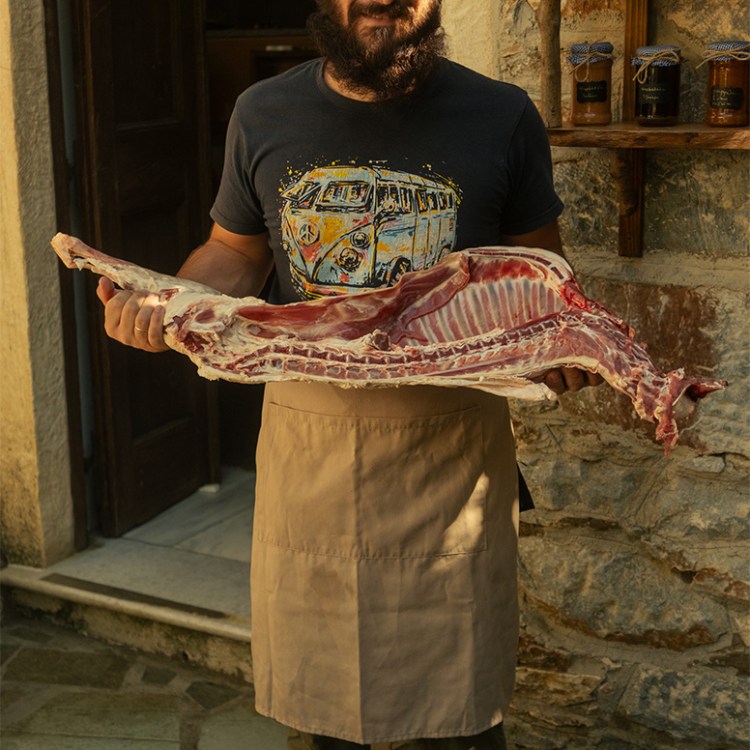
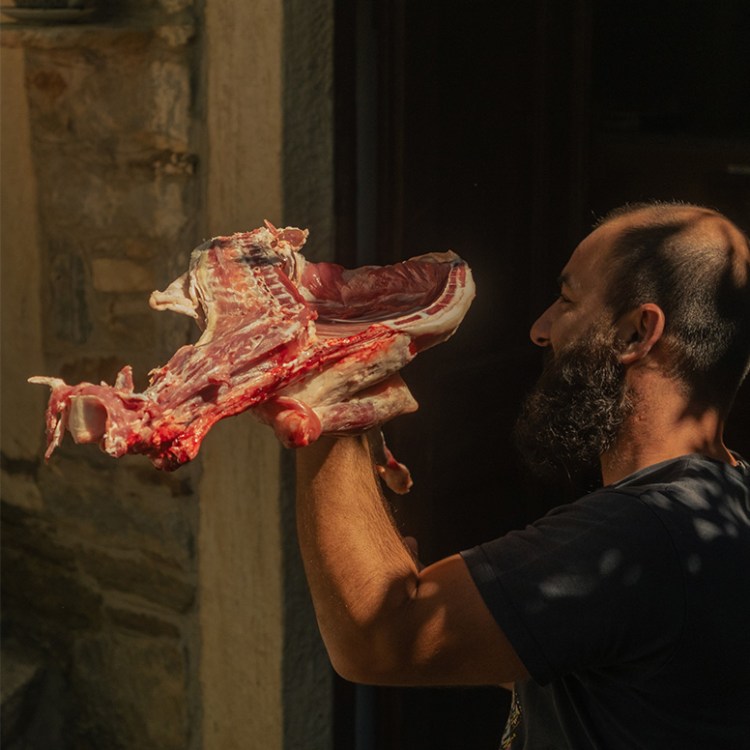
If you do one thing on Naxos, take a tour with Naxos Premium. Our group opted for the Heritage & Flavors Tour, and our guide, Petros, took us to corners of the island that tourists rarely get to visit. Our first stop was the Monastery of Fotodotis, built in the 12th century. Then we entered the tiny village of Danakos, which has a population of just 90 people and the only drinkable spring on the island. There we sat under an ancient tree, sipping traditional Greek coffee and snacking on homemade spoon sweets, fruit that’s been candied in sugar syrup. After a woman welcomed us into her home to learn about traditional loom weaving, we went to a local restaurant where the family cooked us far and away our best meal of the trip: homemade cheese, grilled stuffed peppers, Greek salad, meatballs and lamb, which was proudly presented to us by the chef before he butchered it for our meal. We had wine and tsipouro (a pomace brandy similar to grappa), and my uncle and I Greek danced in the streets. It’s an afternoon I’ll remember for a lifetime.
Ios
After three nights on Naxos, we hopped on a ferry to Ios and arrived at the port after dark. Our driver from Calilo met us as we disembarked, and we quickly piled into a van bound to the other side of the island. If you get carsick, those winding, hilly roads will not be your friend, so plan accordingly (a scopolamine patch and steady influx of Gin Gins did the trick for me).
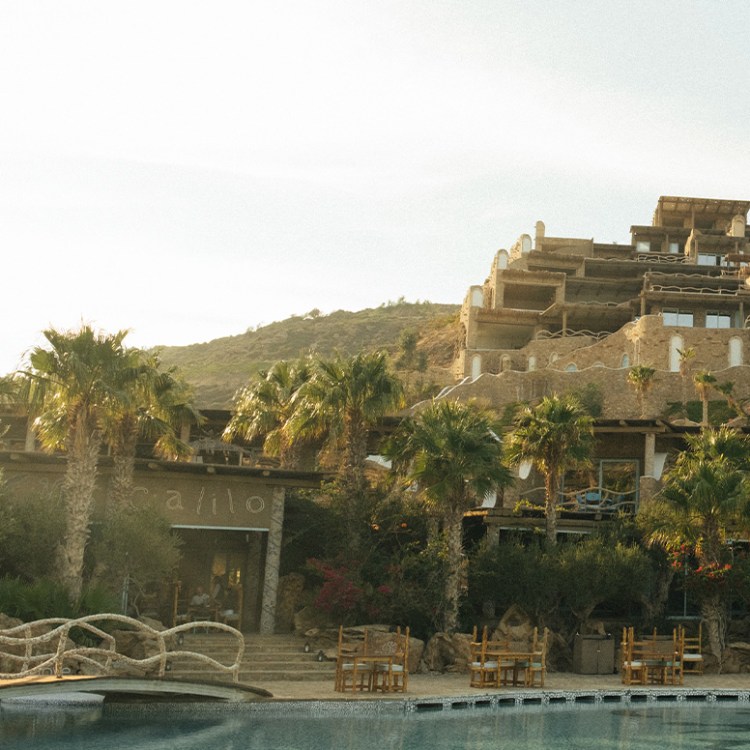
I’ve been lucky enough to travel to some truly stunning resorts during the course of my career, but never in my life have I seen anything like Calilo. There is artwork and beauty at every turn, from the sculptures that greet you as you walk through the grand entrance to the stone and tile mosaics on the walls of every room.
The first thing you’re confronted with when you enter the lobby is Calilo’s “worry pit,” which is set into the mosaic stone floor. Look inside the cavity and you’ll see mirrored walls, a giant rotating sculpture of a person holding heart-shaped balloons and scraps of white paper littered throughout. Guests are encouraged to write their worries down and toss them inside, never to think about them again (or, at the very least, until the end of vacation). It was a ritual I performed daily.
You won’t leave Calilo during your stay, mostly because there’s no reason to, but also because it’s remote. The property is carved from the island’s native rock that overlooks a secluded cove on Papas Beach and is surrounded by 1,000 acres of steep, rocky slopes and ancient olive trees, all of it protected land.
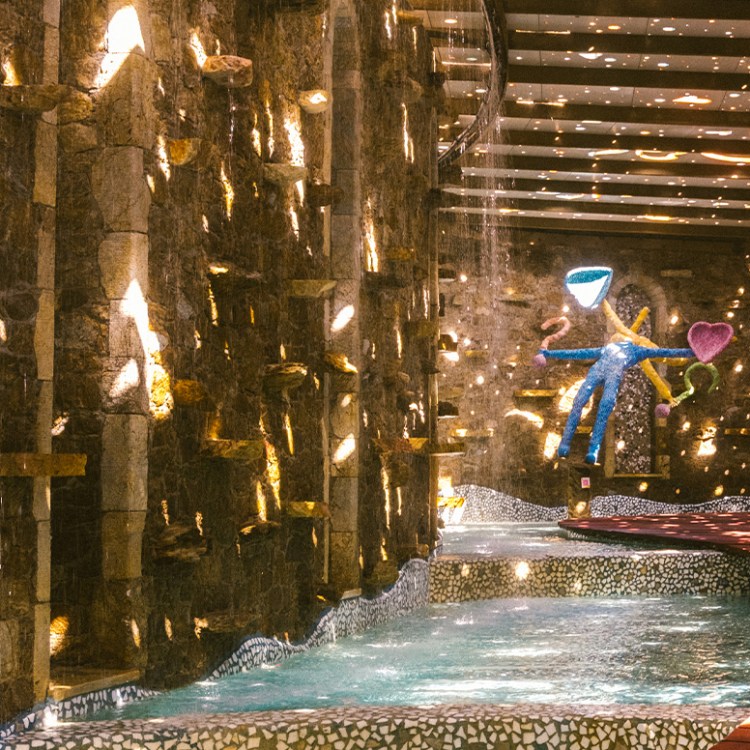
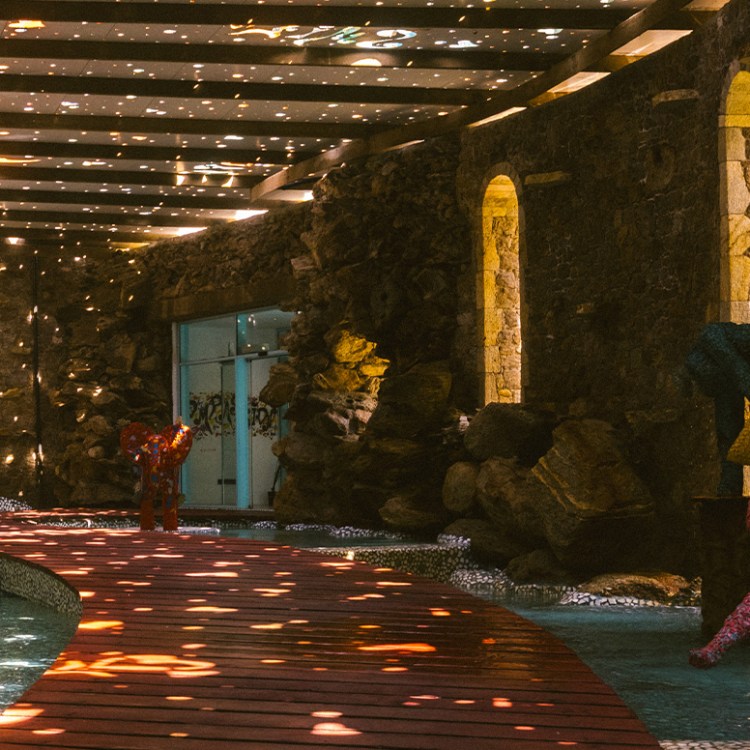
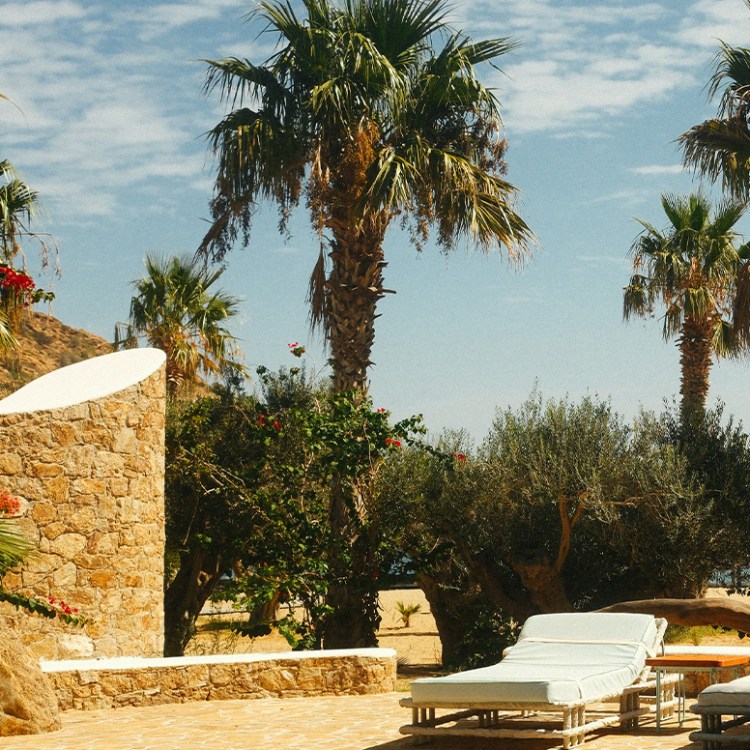
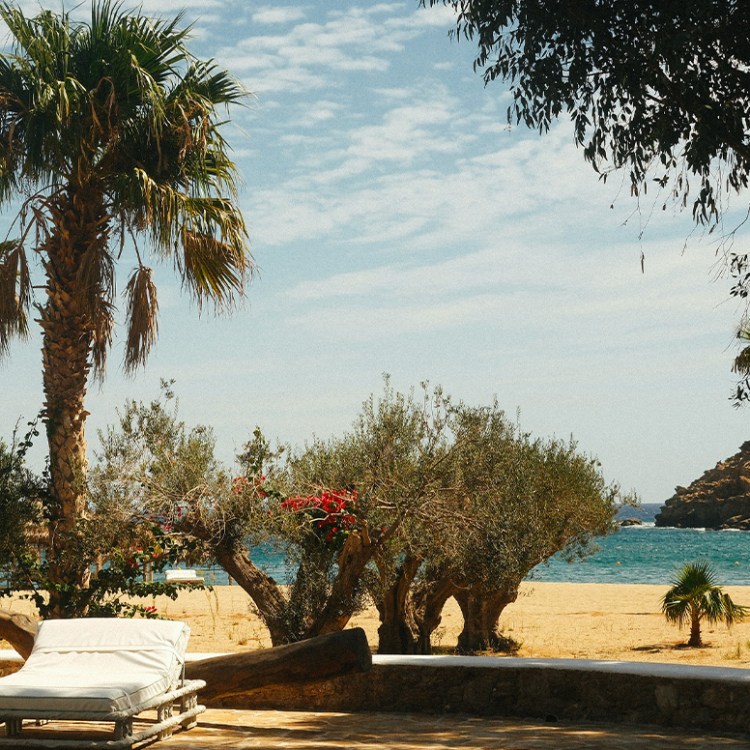
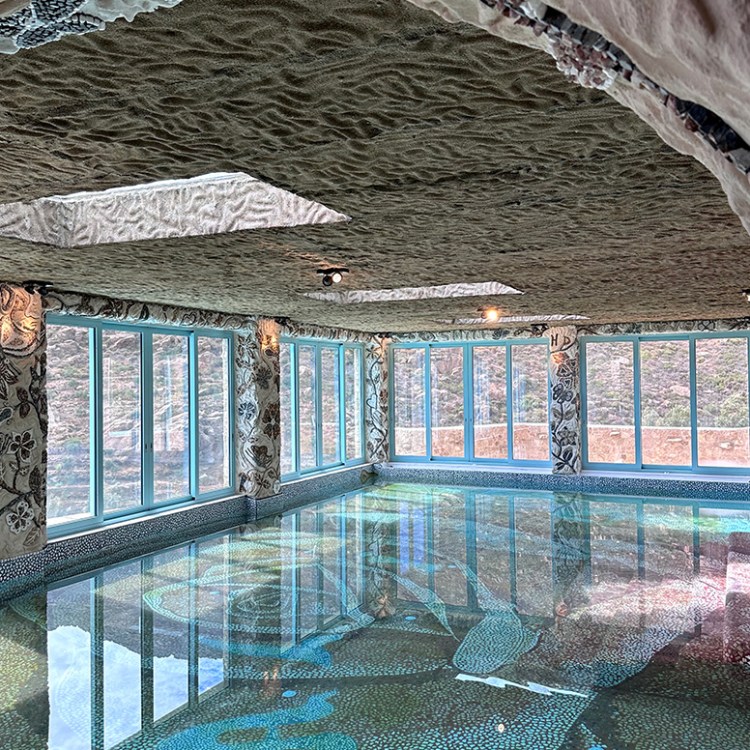
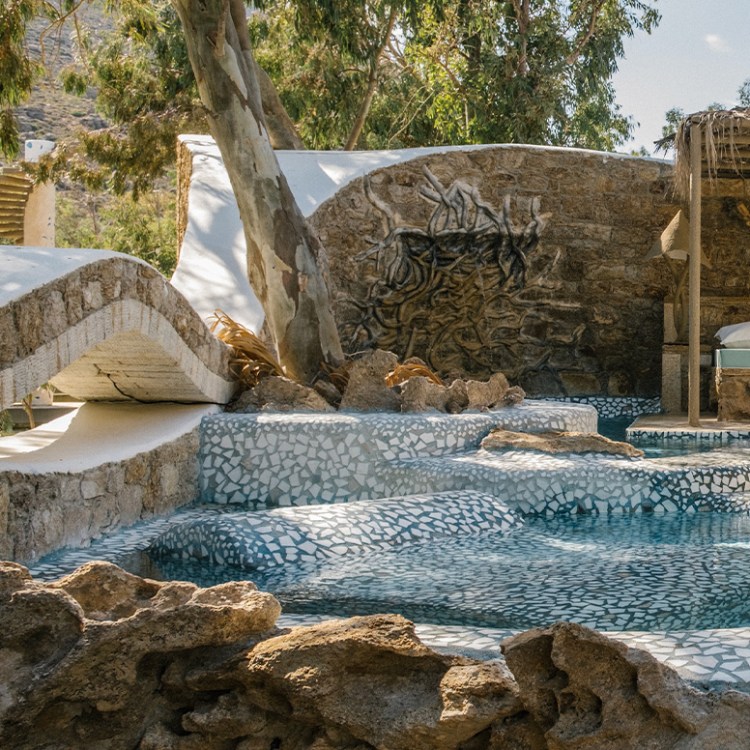
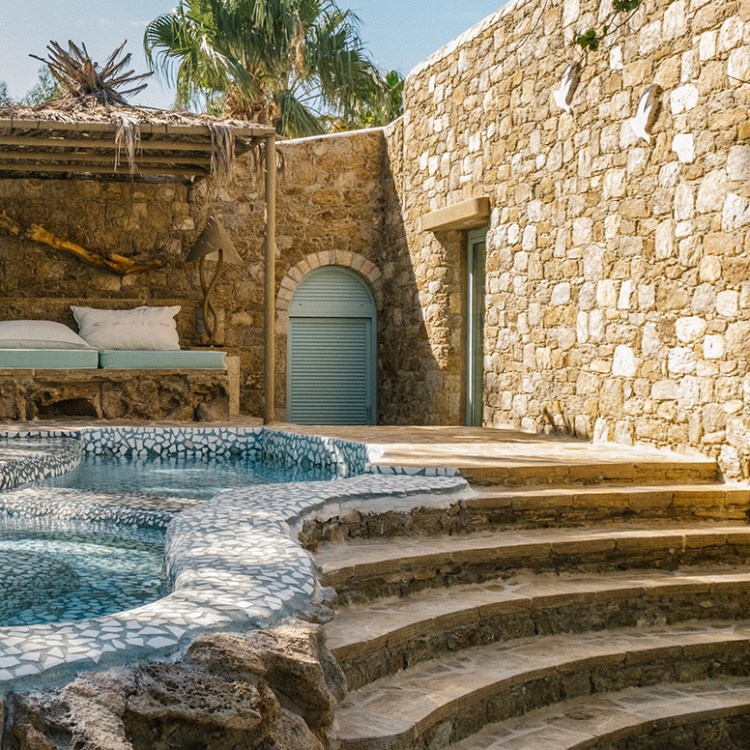
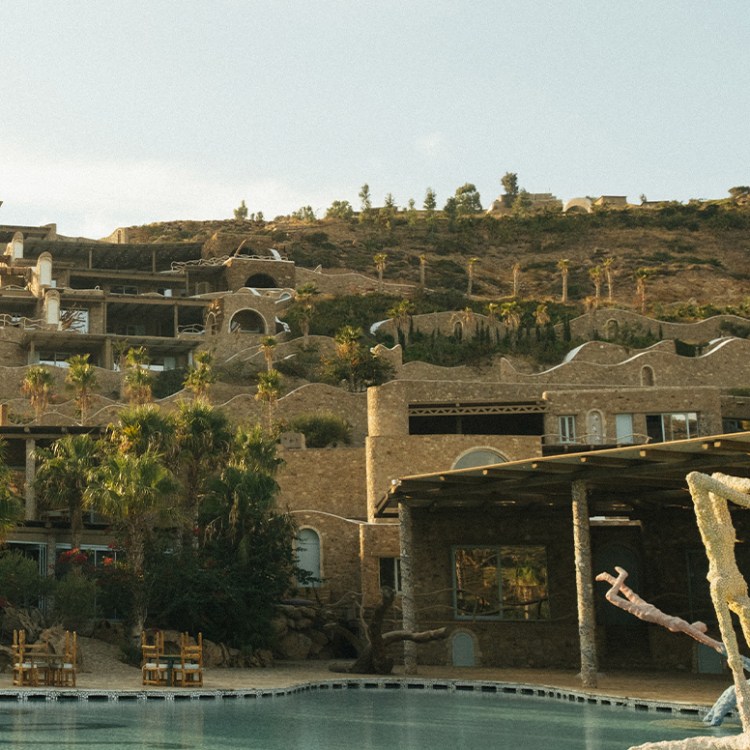
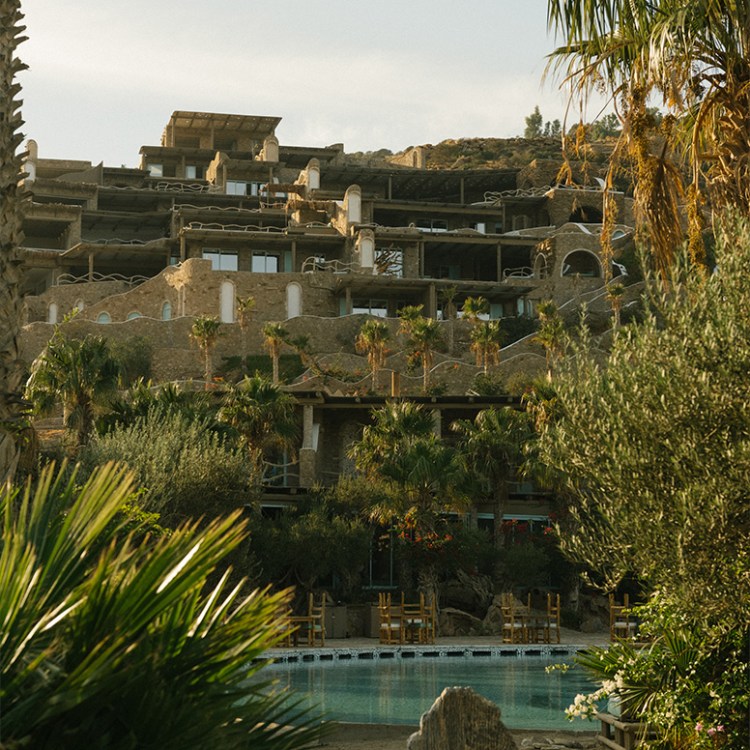
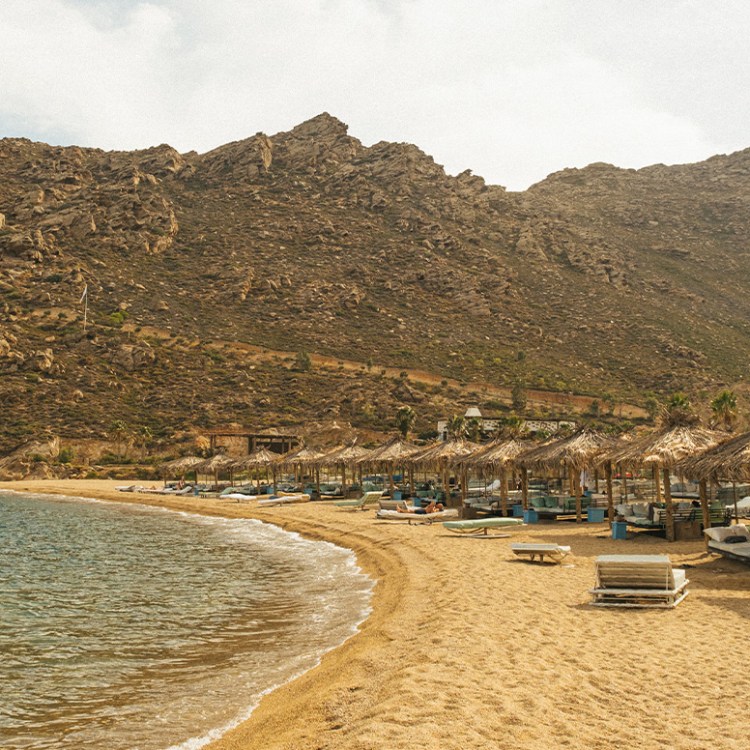
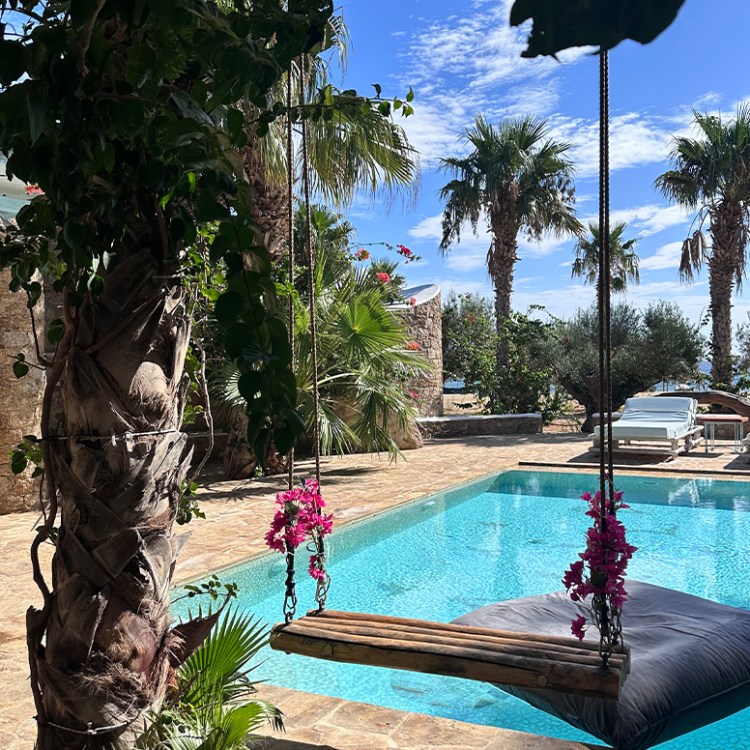
Not one single detail of the resort has gone unnoticed, and not a single expense spared. We checked into the On the Beach Suite, a sumptuous room with marble floors and native rocks adorning the walls and ceiling. The centerpiece of the room is a giant marble soaking tub inlaid in the floor, but my favorite element was our private outdoor space, which featured two pools (one with a waterfall and in-water lounger), a natural rock shower and thatched bed, perfect for afternoon naps.
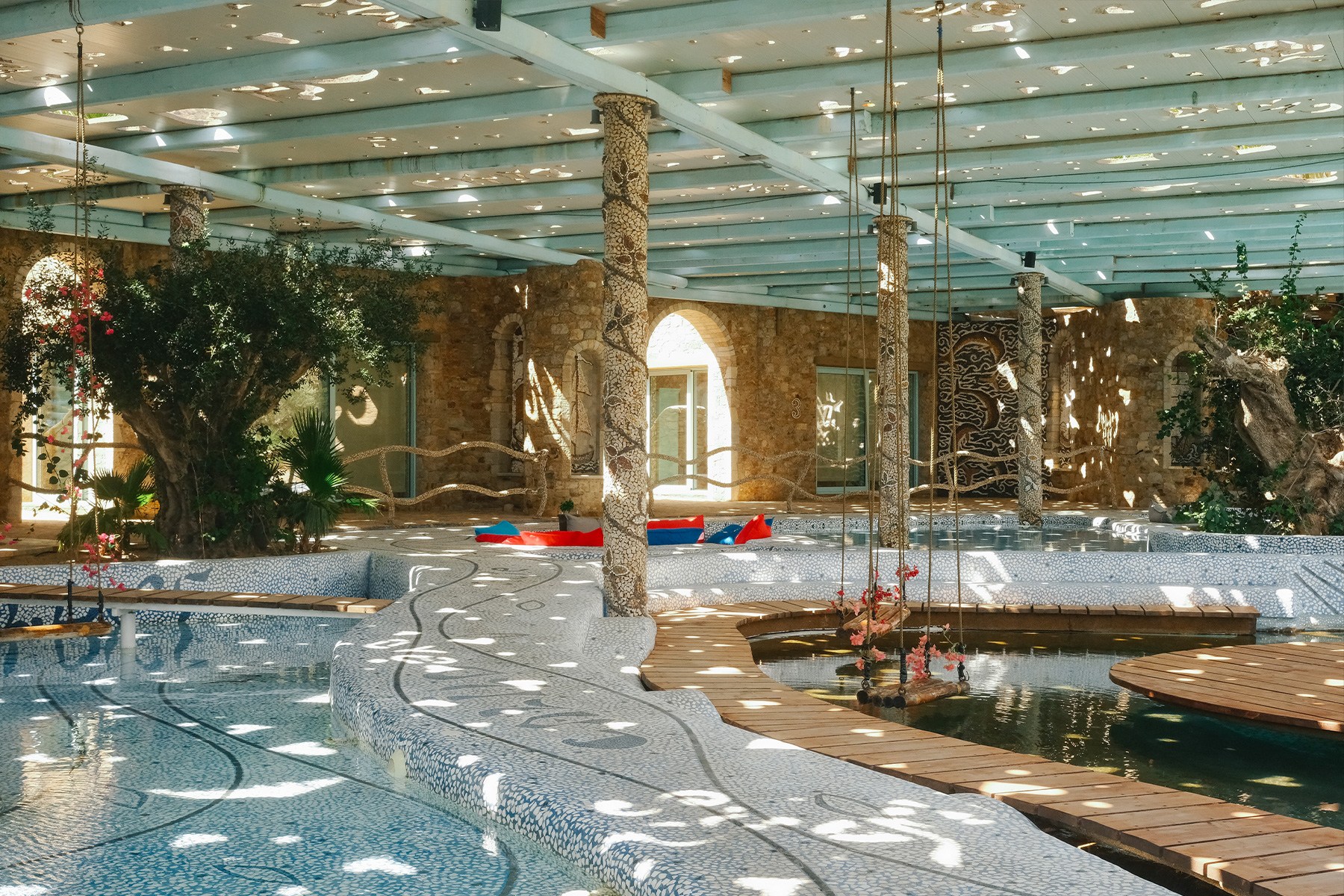
There are two restaurants at the resort: Calilo Restaurant and Ches. The former is where you’ll have the spectacular breakfast every morning (everything from homemade pastries and eggs to the coconut custard I ate every day), along with more casual lunches and dinners. The best seats in the house are the outdoor tables, sunken within the property’s 11,000-square-foot, blue mosaic-tiled pool (don’t worry, you won’t get wet), so make sure to reserve one of those in advance, at least once. Ches is the property’s fine-dining restaurant, which features a multi-course meal with wine pairings. Each dish is inspired by a different Cycladic island, and I loved that all the wines we had were Greek, too.
The Italian Seaside Town That Still Feels Like a Secret
Tucked along the Ligurian coast, Noli is a charming medieval town with sandy beaches, excellent seafood and an easygoing Italian rhythmI found myself at the gym every day because it was the grandest I’ve ever seen with its marble floors and mosaic walls. Flooded with natural light, the indoor pool reminded me of something you’d find in an ancient Athenian palace. But the real star is the spa. My husband and I opted for a couples massage; the massage tables in the partly open-air room were situated under a large tree with water rushing below. We went back the next day for traditional bathing treatments in the hammam.
Calilo was not an easy place to leave, but our ferry to Paros beckoned. Before boarding, we spent a few hours in Gialos, Ios’s port town — much of it at Agora Center, a shop that sells everything from handmade crafts to clothing and jewelry. In other words, an ideal place to buy little souvenirs. Olive Land was another intriguing spot, selling all manner of tchotchkes made from olive wood. Before boarding the ferry, we had a leisurely dinner at Peri Anemon, where gyros and souvlaki were touted as the best in the area by the owner of Agora Center. I opted for the rotisserie chicken, which was flavorful and juicy.
Paros
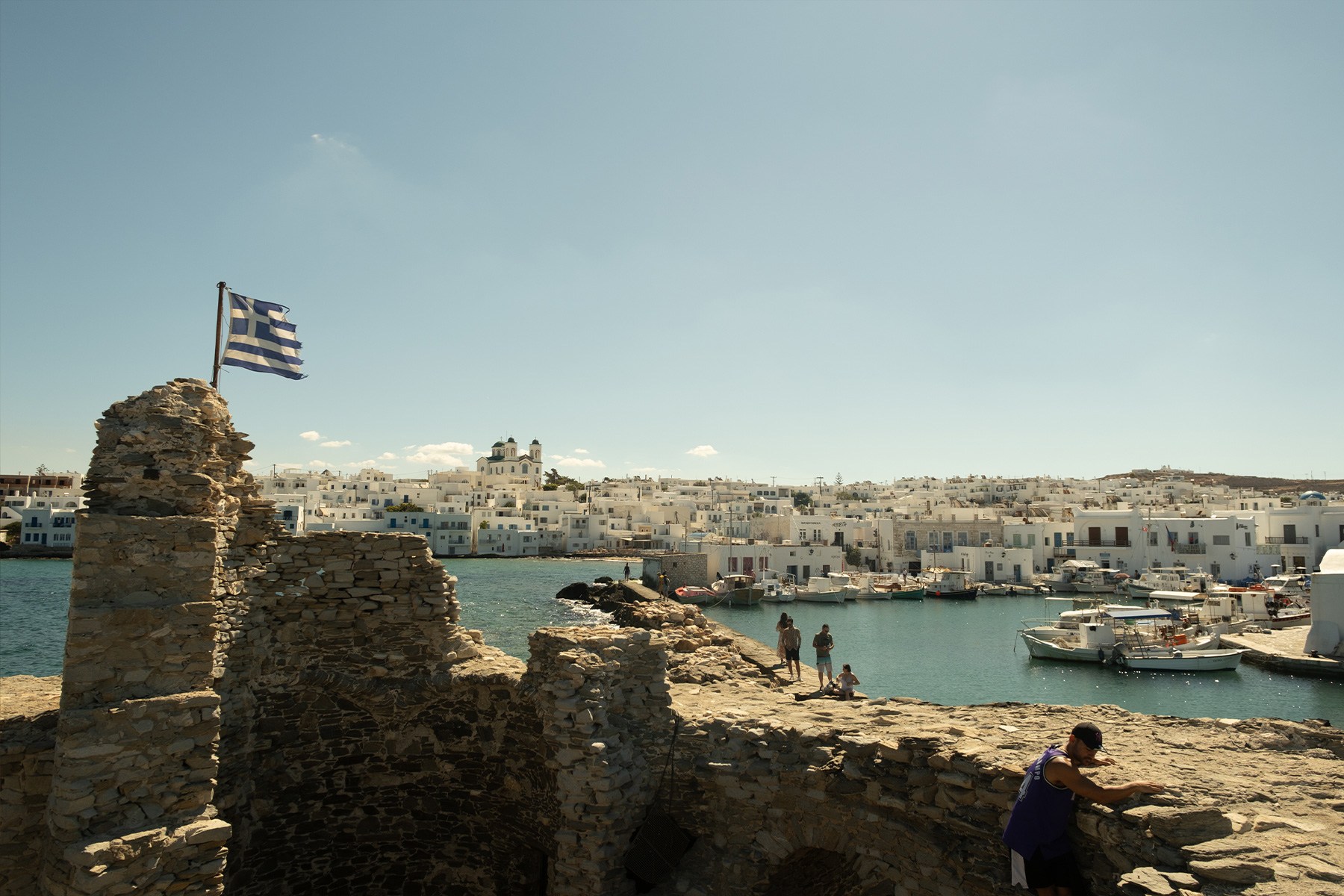
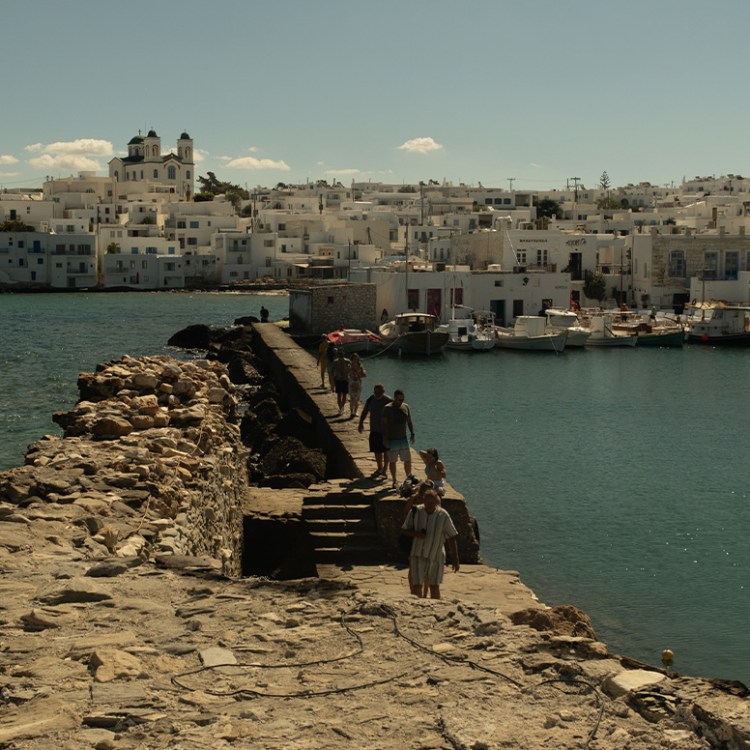
Staying in Naousa on the north shore of Paros is a quintessential Greek island experience with its whitewashed buildings, tightly wound streets packed with shops and restaurants, and views of the water from basically anywhere. My party stayed at Hotel Fotilia, a family-run property with a fantastic pool and cozy rooms. You can even opt to sleep in an old lighthouse, which my uncles booked and loved. They said the three-story space, all connected by a spiral staircase, was unlike anything they’ve experienced before.
Not only was the staff friendly and helpful with local suggestions, but the hotel couldn’t have been positioned more perfectly: far enough on the hill that it was serene but only a two-minute walk into the action of Naousa. And there is a lot of action in Naousa. The streets were bustling with people, even in late September — another reason to visit in the shoulder season.
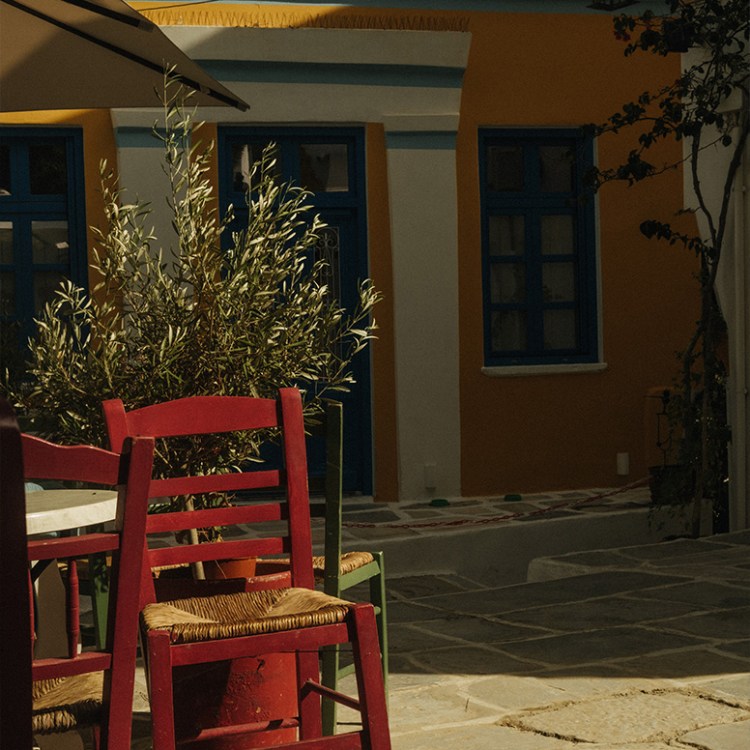
There are shops everywhere you turn with something for everyone, and there are just as many places to eat. Souvlaki Kargas is worth the wait (and there will be a wait) for gyros and, naturally, souvlaki. Τ’ Ανείποτα is a nice place to have lunch, sitting at one of the small outdoor tables. Order a bunch of snacks to share, like eggplant salad, dolmathes (rice-studded grape leaves) and marinated anchovies. Yemeni is a hot table, so make a reservation in advance, and you’ll be rewarded with Parian cooking using local ingredients, many from the restaurant’s own farm. A couple people at my table enjoyed the orzo with beef, while I dug into octopus with fava puree and cherry tomato confit. They specialize in Greek wine and the staff is very knowledgeable, so try a couple glasses of something new.
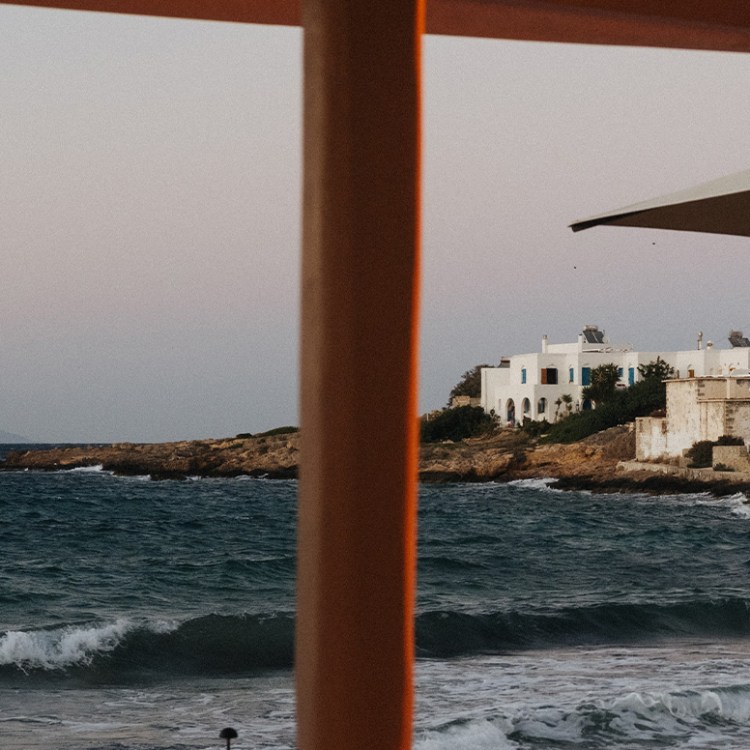
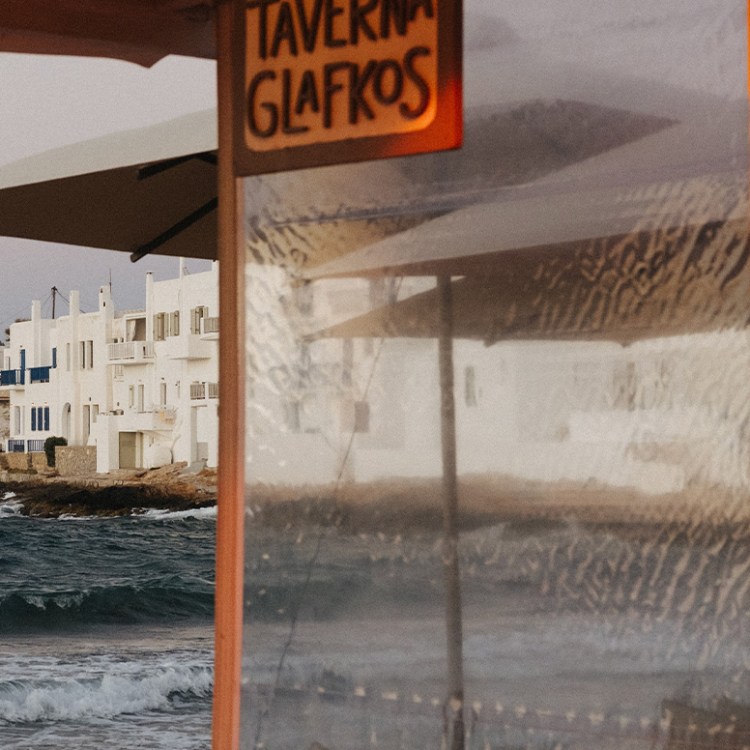
Glafkos Taverna is probably the most beautiful restaurant we visited, situated right on the Aegean. The grilled sardines were meaty and bright with a squeeze of lemon. Be aware, the restaurant takes limited reservations. I walked in the night before, asked nicely and scored a table, so give it a try.
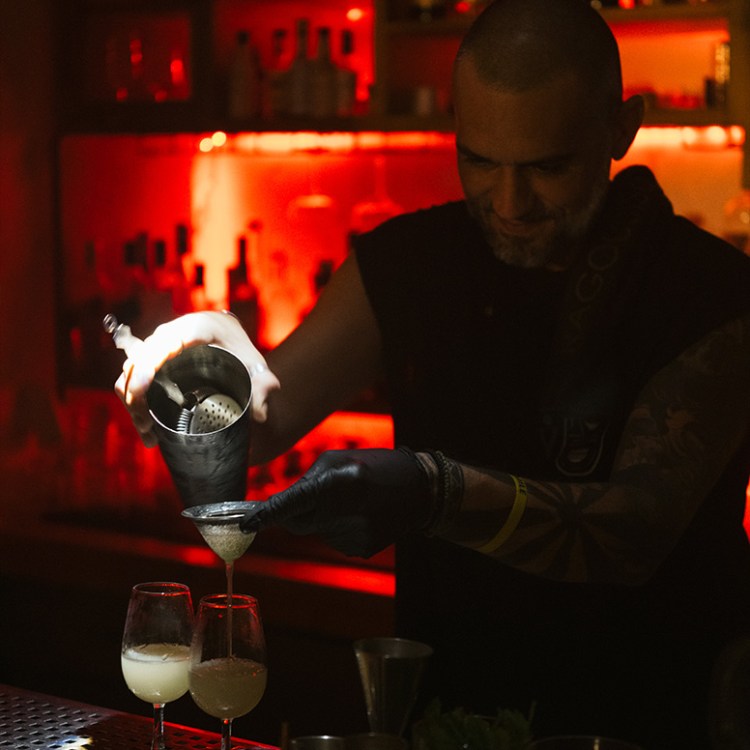
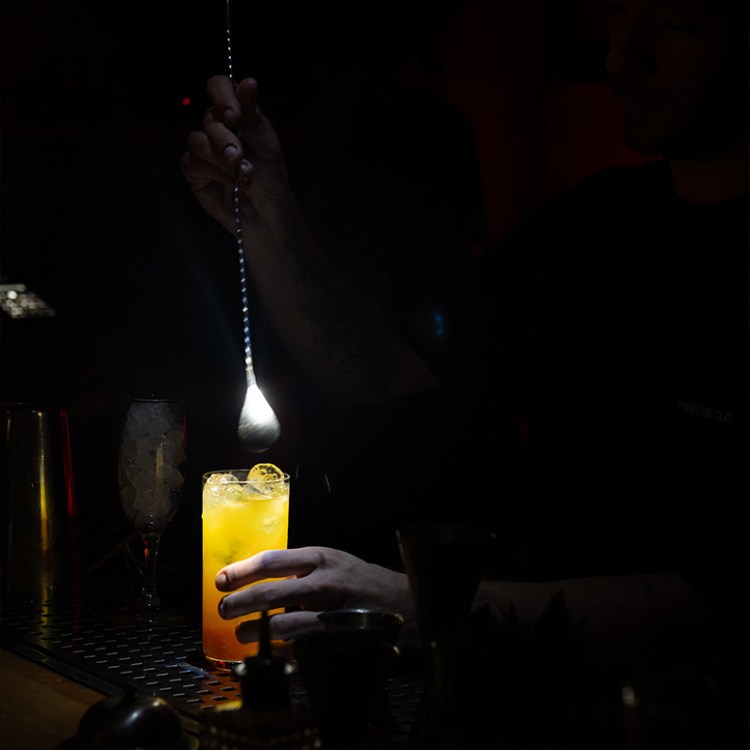
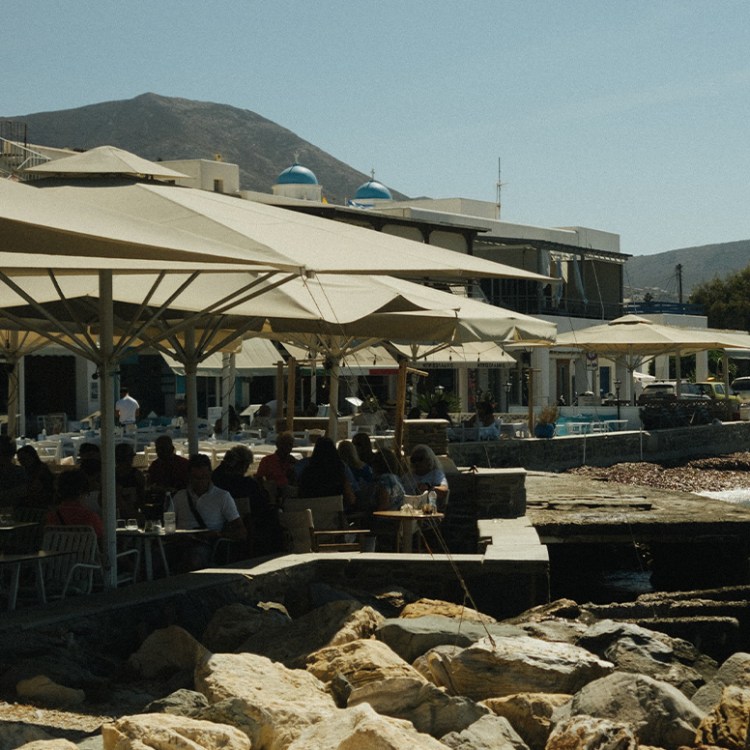
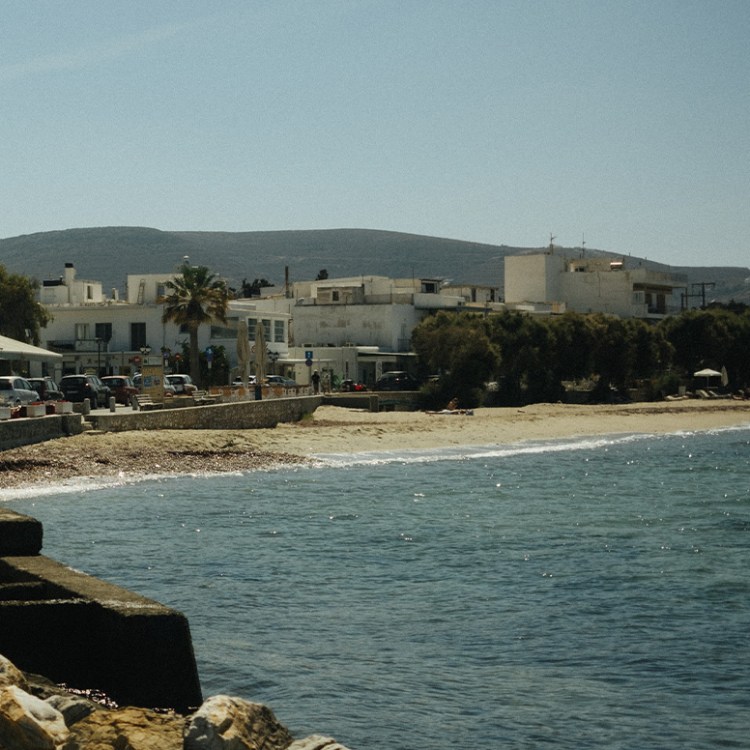
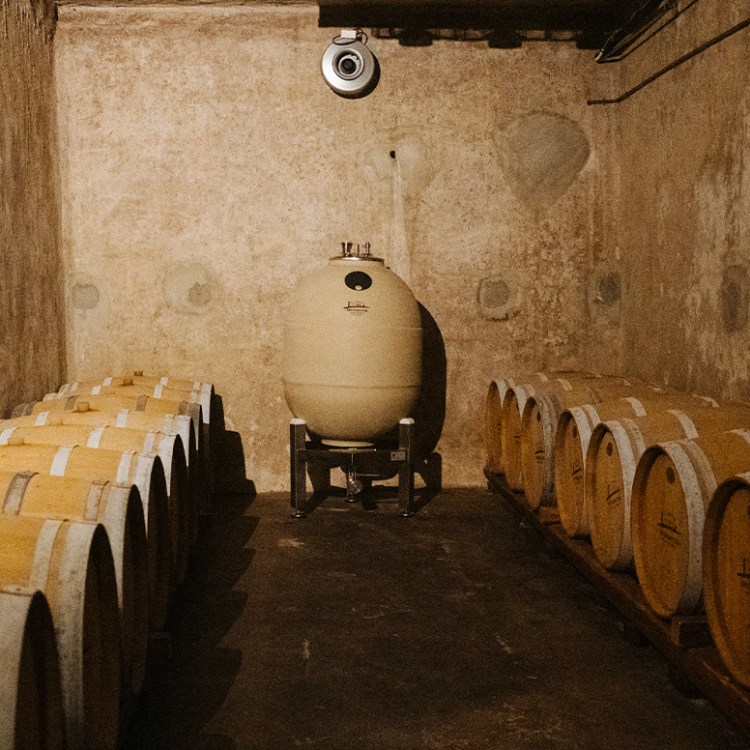
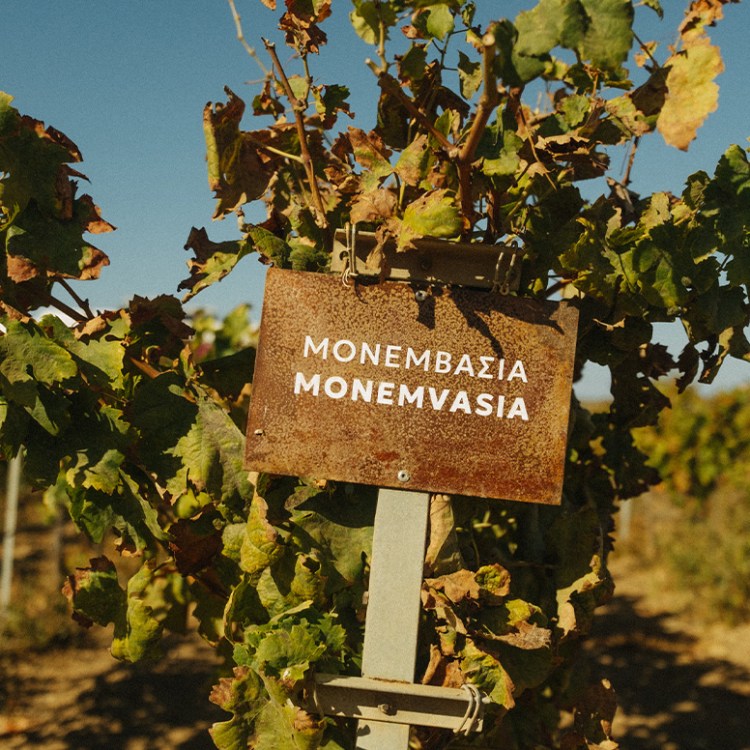
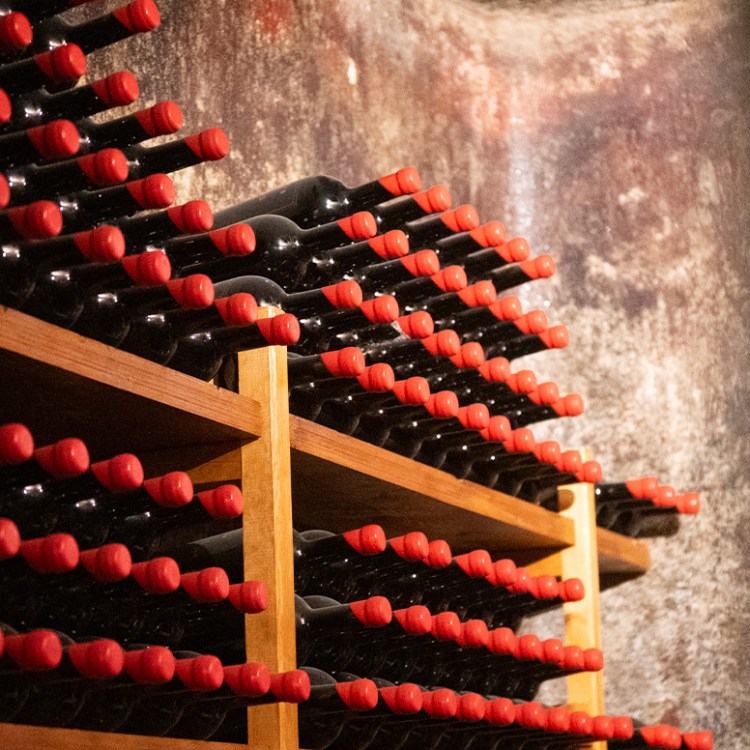
There are some stellar wineries on Paros, and luckily Moraitis Estate is right in Naousa. We wiled away an afternoon there with a tour of the cellars and vineyard, followed by a tasting. Our guide, Sissy, was so much fun to talk to about Moraitis wines and wine in general. We learned about how the winery operated in its first decades and got familiar with the grape varietals they use, including why they work so well in that climate and soil. Naousa has plenty of great bars, but we ended up at Trickster every night; it was recommended to us by Nikos from the award-winning cocktail bar Baba Au Rum in Athens. The drinks there are incredible — a mix of fun flavor combinations that are somehow perfectly balanced. Tiki and tropical cocktails are the specialty; try the Mai Tai or banana-tinged Old Fashioned.
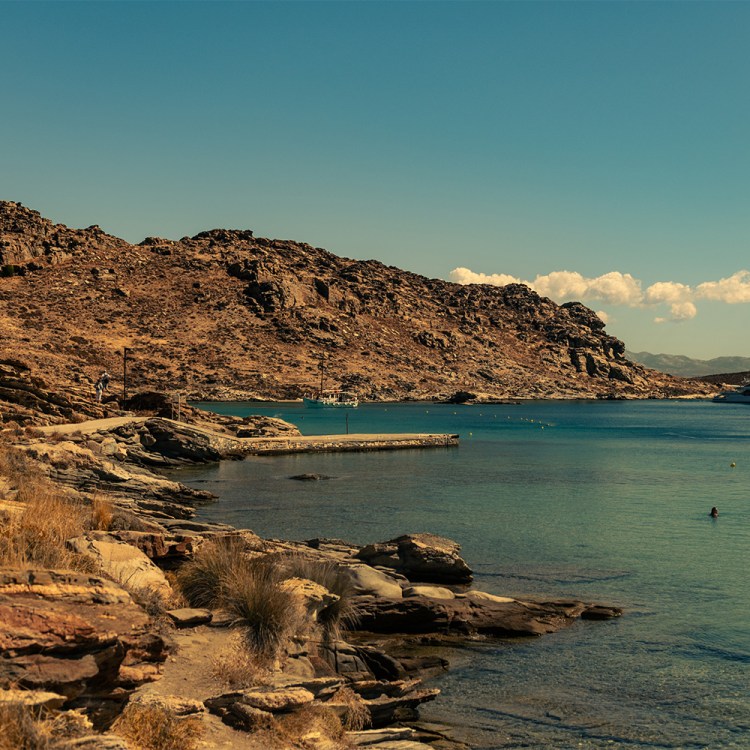
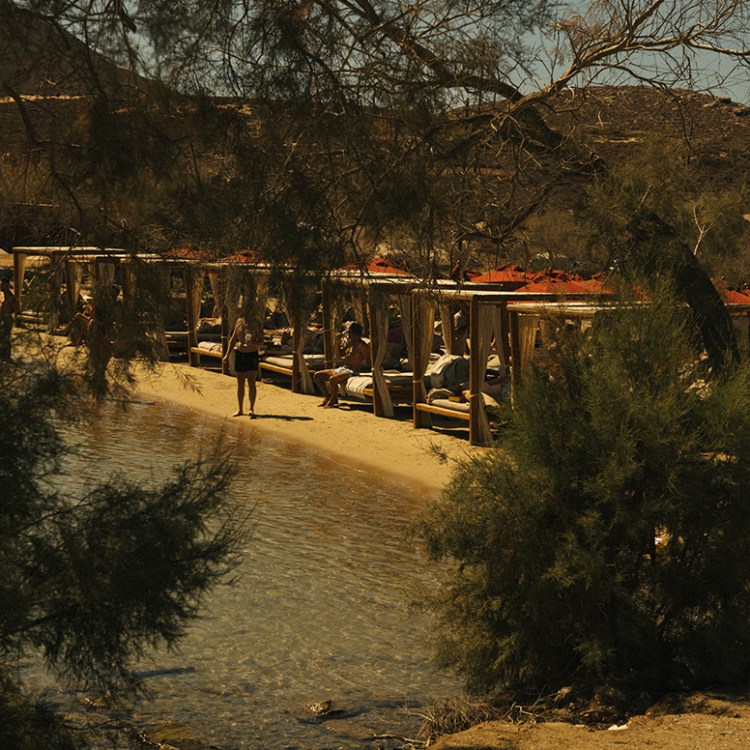
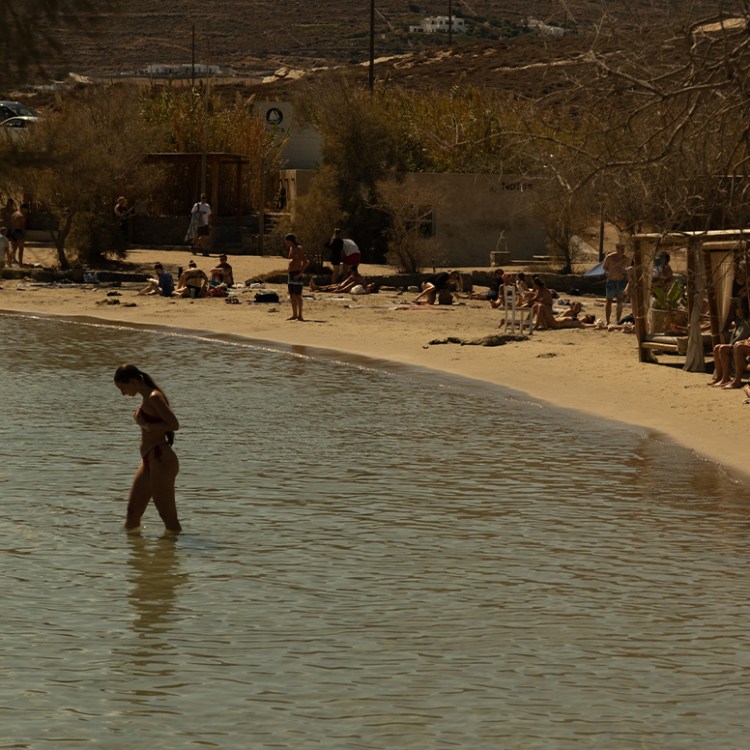
While there is a small beach in Naousa, the best idea is to jump on a boat for the 15-minute ride to Monastiri Beach, where the calm, azure water doesn’t get deeper than waist high in the swimming area. There’s only one beach club at the destination, and I suggest making a reservation in advance to ensure you snag the seat you want. Then all that’s left to do is drink a glass of Greek wine and enjoy a vibey set from the DJ.
Even if you aren’t staying in Parikia, Paros’s port town, take a few hours to explore the area. This happened for us automatically when we got on the wrong ferry and had eight hours to kill before the next boat to Ios. If you have your luggage with you, like we did, Hotel Kontes is right across from the ferry slips and will store it for a small fee.
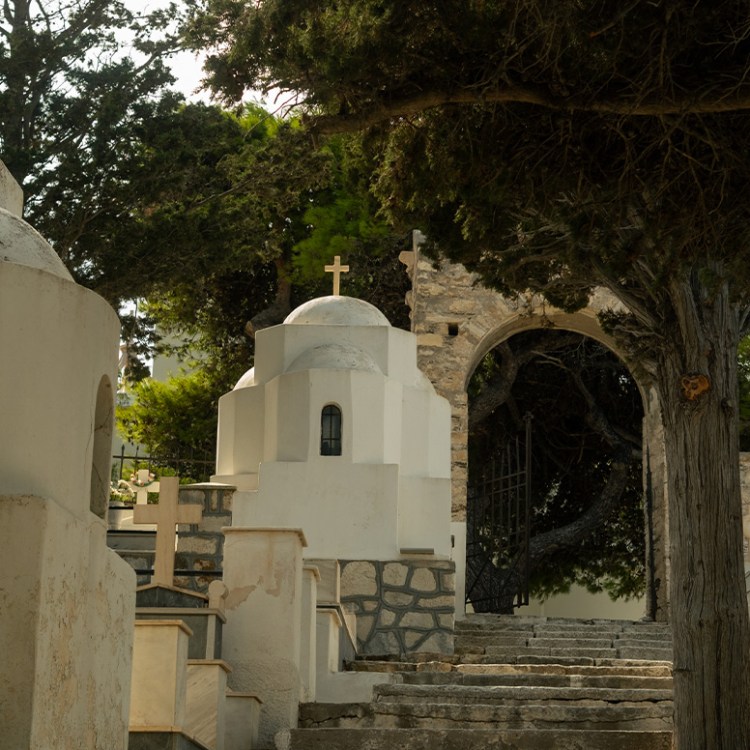
While Parikia isn’t as charming as Naousa, there are plenty of shops and sites to occupy your time. The Church of Panagia Ekatontapyliani is one of the oldest in Greece, and beautifully constructed with Parian marble. When hunger strikes, grab a seaside table at To Mortari for fresh seafood or Exesion for a mix of Mediterranean and Middle Eastern cuisine.
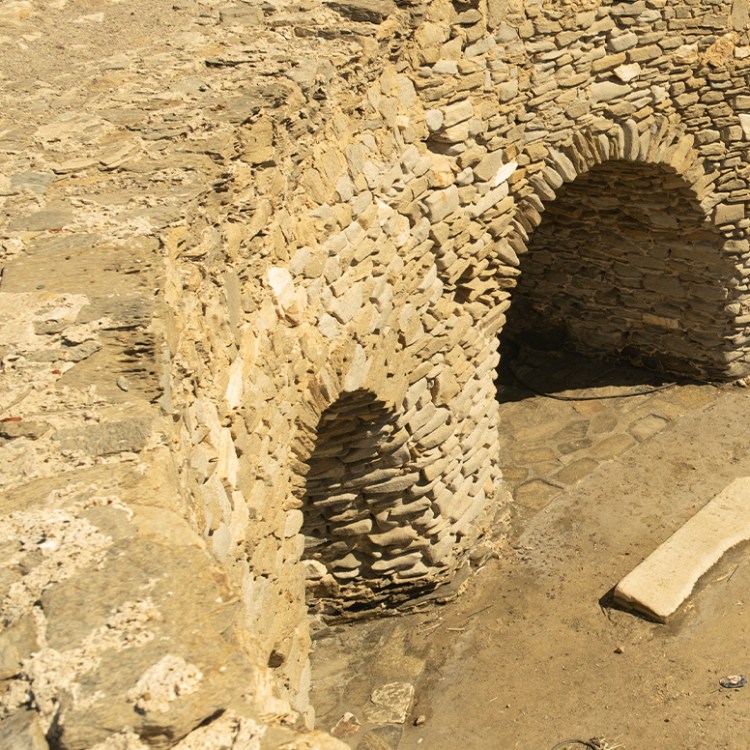
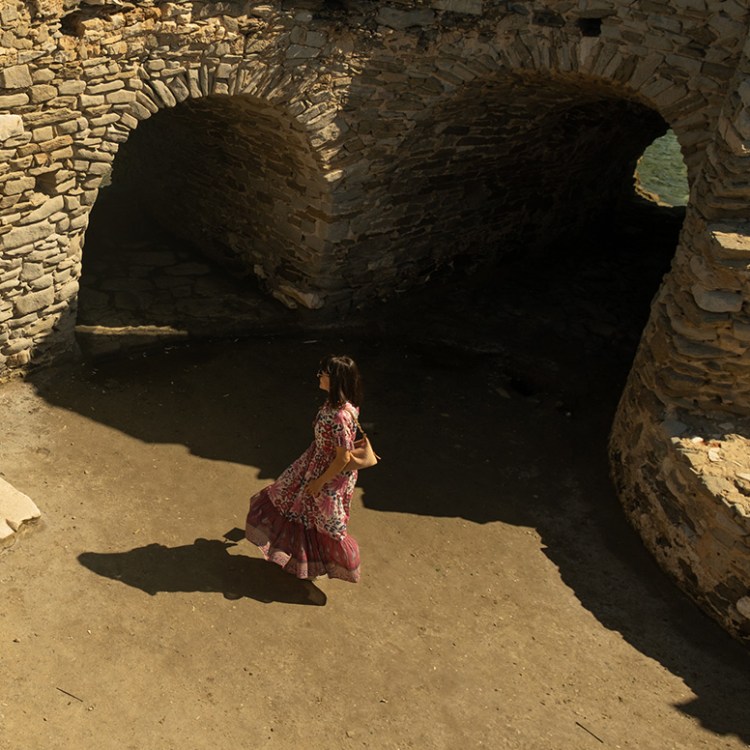
One of my favorite excursions in Paros was to Lefkes, a maze-like village that was once the medieval capital of the island. We rented a four-wheeler from Loukis and drove about 30 minutes to the town, where we had to park outside the walls of the city because cars can’t wind through the ultra-narrow, hilly streets. We spent about 90 minutes exploring, taking in the charming shops and blooming bougainvillea trees around every corner. Make sure to find the Old Square, usually referred to by locals as Palia Plateia. Snag a shaded seat under the large tree and order a freddo espresso — a double shot shaken or blended with ice and optional sugar to give it a cold, frothy texture — from one of the cafes.
As I was sitting there, sipping the only iced coffee I actually like, I found myself thanking my uncle for mixing up the ferries. You can plan your travels as much as you want, but often the best moments are the spontaneous ones.
All photos by Max Schwartz

More Like This


We're always on the scene eating, drinking and traveling near and far to bring you the best of what's happening out in the real world. Sign up for IRL now.