Innovation drives the whiskey market but rarely does it happen at the point of distillation. Finishing barrels, maturation length and mash bill are all commonly adjusted variables, while the still type has largely remained a binary choice between pot and column or some hybrid of the two.
Enter the three-chamber still, a costly but effective relic of pre-Prohibition distillation. In the past 10 years, the number of three-chamber stills in the world has ballooned from one to four. Distillers across the country have found themselves drawn not only to the historic nature of the three-chamber still but also to the quality of whiskey that it produces.
“Whiskey is getting boring, at least the bulk of it is,” says Matt Strickland, master distiller for Pennsylvania’s Iron City Distilling. Iron City unveiled its three-chamber still in November 2024, one piece in Strickland’s quest to recreate pre-Prohibition whiskey once made in the area. “Part of moving the category forward is about making whiskey exciting again, and three-chamber distillate is exciting.”
The origins of this three-chamber revival date back to Ann Arbor, MI, around 2004. Todd Leopold (of Leopold Bros. distillery) found himself hosting several graduate students at his brewery and distillery, students who he later discovered were digitizing the University of Michigan library. “They figured out real quick that I’d give them beer if they brought me cool stuff,” Leopold recalls with a laugh, noting that he’s always been interested in old production practices for malt, beer and spirits. Eventually, those students brought Leopold a pre-Prohibition survey of 31 different distilleries, noting the stills, recipes and other specifications used.
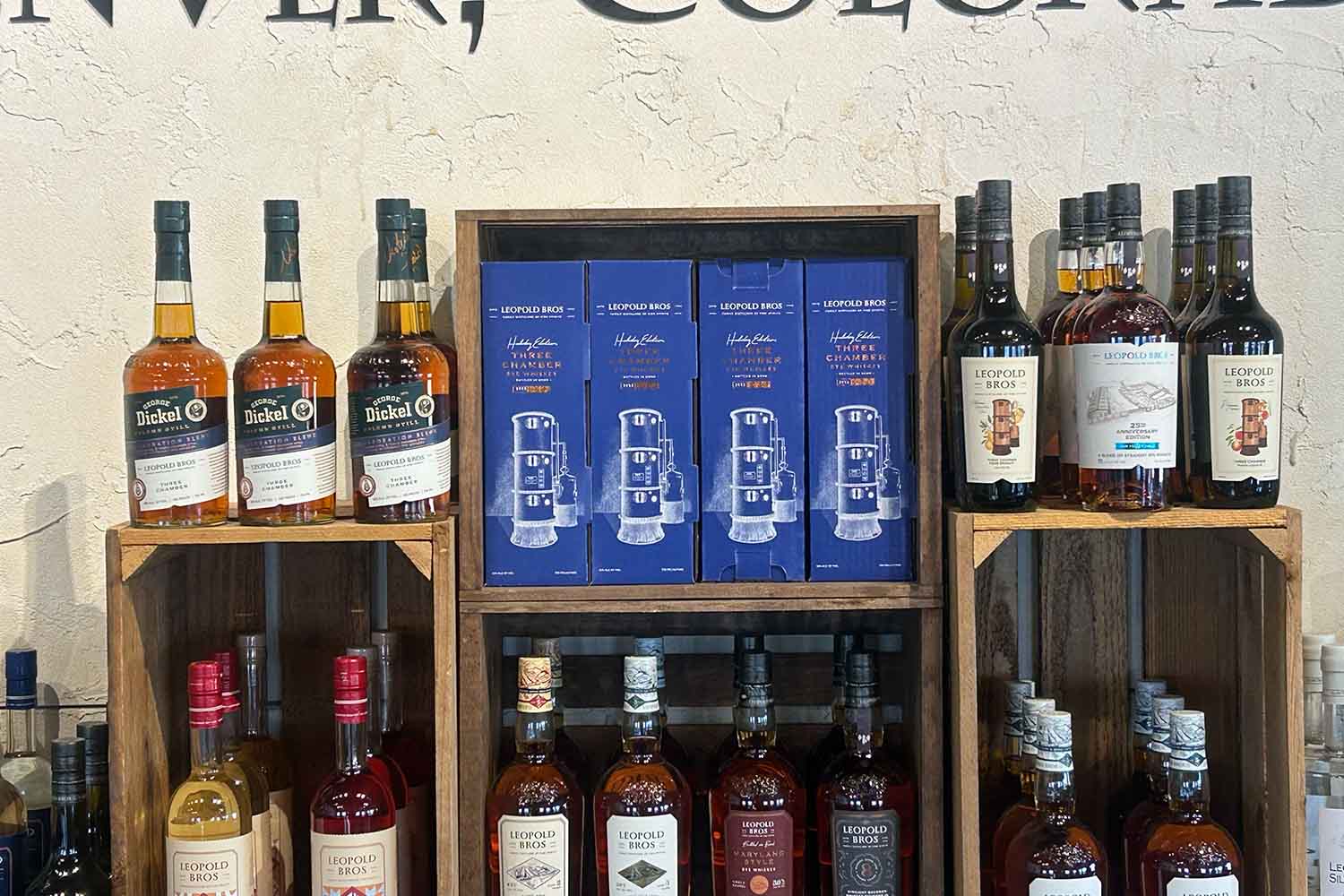
“All the rye producers, except for one, used the chamber still. And I’m like ‘What the hell is the chambers still?’” Leopold says. “I asked some of the legacy distillers and they didn’t know what it was.”
Thus, Leopold began decades worth of research, enlisting the help of whiskey historians to better understand what this thing was, how it worked and why it disappeared. In 2008, Leopold Bros. moved its distilling operation to Colorado, but Todd’s dream of installing a three-chamber still wouldn’t be realized until much later.
He began working with Vendome to manufacture the still in 2018. Part of the problem was that Vendome had never built one before. Leopold remembers getting a call from the still fabricator expressing some trepidation that they couldn’t guarantee the viability of what they were sending him. Another issue: It was going to be fundamentally inefficient, starting with the allocation of materials.
“If you took this copper and turned it into a column [still], you’d get about 200 to 300 barrels a day,” says Leopold, standing in front of his three-chamber still called Three — not for the number of chambers, but because it was the third still they installed. “And we get two. So, it’s a hundred times more effective.” (That said, the three-chamber releases are worth it, and there’s also an excellent Dickel and Leopold Bros. collaboration you should try.)
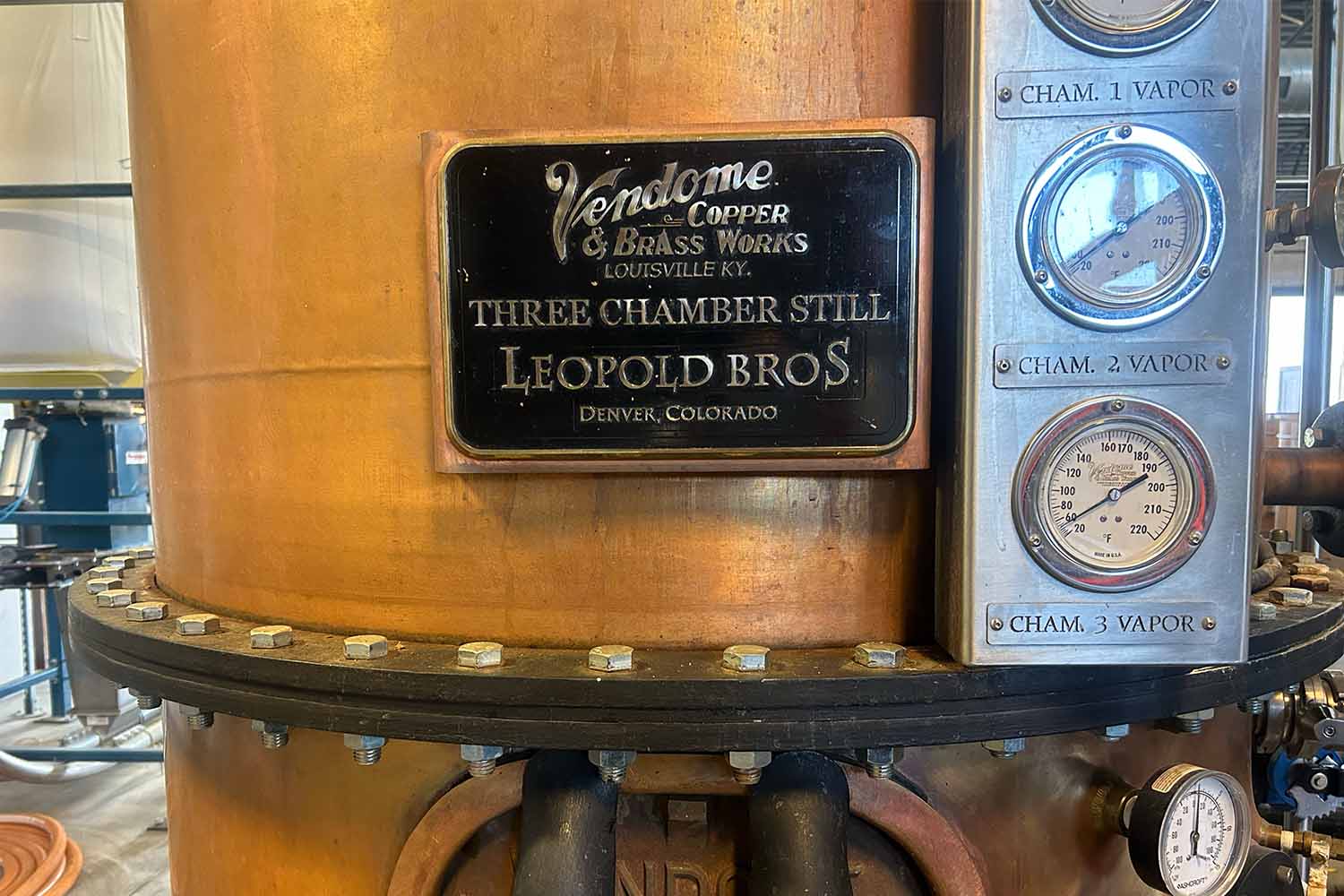
This, in part, explains why the three-chamber still fell out of favor. From a cost and resource perspective, it’s wildly inefficient. Not only is the yield relatively low, but the stills also require an abundance of steam and labor. “The amount of labor that goes into these things — honestly, on paper, they’re an accountant’s worst nightmare,” Strickland says. “They’re incredibly expensive upfront, and the utilities that go into them are absolutely insane.”
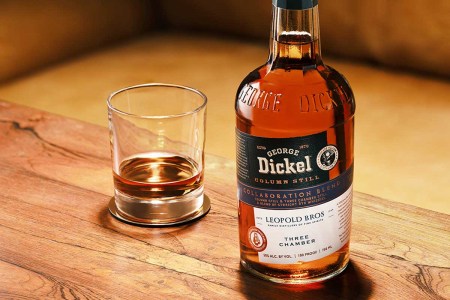
George Dickel’s Latest Whiskies Offer Bold Nods to the Past
How the Tennessee distillery helped revive a historic style of rye and reinvented an aggressively aged favoriteSo, why do it? The answer is in the whiskey itself, which Leopold says has additional oils, aromas and flavors. This is because the three-chamber still can reach 230 degrees, about 30 degrees hotter than a pot still, and acts as a pressure cooker as well as a still.
“I’ve always believed that the best whiskeys are made from inherently inefficient processes,” says Royce Neeley. Kentucky’s Neeley Family Distillery is the latest to install its three-chamber still, posting the equipment (what they call The Icon) to Instagram on December 16. Neeley visited Leopold and Strickland, as well as one in the West Indies, while designing his own.
“I’ve been able to try all these different distillates coming off these other three chambers and, to me, the product is pretty unbelievable,” Neeley says. “It’s unlike any other distillate out there. You don’t get a chance in Kentucky to be the first in hardly anything distilling-wise. To be able to be the first one to bring the three-chamber still back to Kentucky since at least the 1880s, I wanted to take the opportunity to do that.”
Neeley met with Vendome six separate times when designing and building his three-chamber still, contrasted with just one meeting when they built his pot still. He anticipates getting The Icon up and running in the next month or two. “I’m going to pretty much live with it at that point,” he says. He credits Leopold for bringing it back into the public consciousness, saying he would have never known what one was or how to operate it were it not for him.
Leopold, meanwhile, is somewhat overwhelmed by the movement he’s started. “I didn’t invent it, and I sure as hell don’t want to take credit for it,” Leopold says. “I’m excited because this is what we were hoping would happen, that it would be a rebirth of these stills. The only thing we were hoping to be was first.”

More Like This
We're always on the scene eating, drinking and traveling near and far to bring you the best of what's happening out in the real world. Sign up for IRL now.