Chronograph.
We hear this word all the time in the watch world, but where does it come from? Turns out it’s Greek: transliterated, you get khronográphos from khronos, meaning “time,” and gráphō, meaning “to write.” So, a chronograph is essentially a “time writer.” Early versions did actually “write” the elapsed time with a pen-like instrument. But it was Louis Moinet’s 1816’s invention that constituted the first true, modern chronograph — somewhat unbelievably, this handheld timepiece featured a movement that beat at 30 Hz, giving it the ability to measure time down to 1/60th of a second. (For some perspective, the average contemporary movement beats at 4 Hz.)
Modern chronographs aren’t all that different from Moinet’s invention of some 200 years ago: now largely wrist-borne, they allow the user to measure elapsed time and “record” it on the dial via the use of “pushers,” or buttons, that protrude from the case. Generally, a chronograph features two pushers: depress the top pusher, and the chronograph is started. A second push will stop the chronograph, allowing one to read the elapsed time on the watch dial. A push of the lower pusher resets the chronograph.
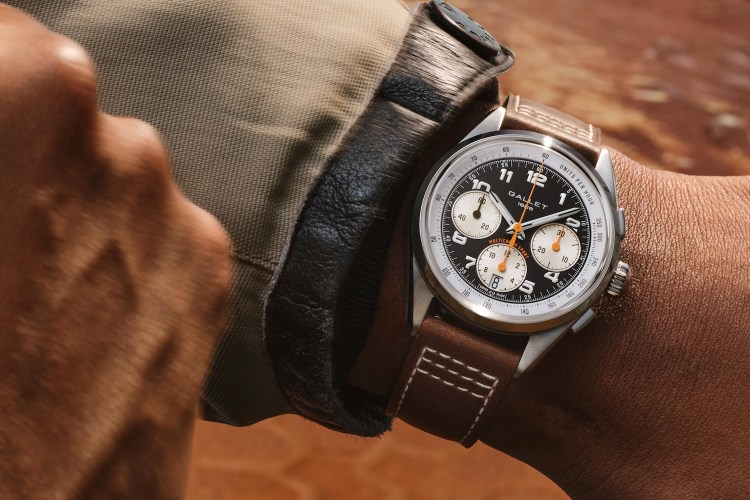
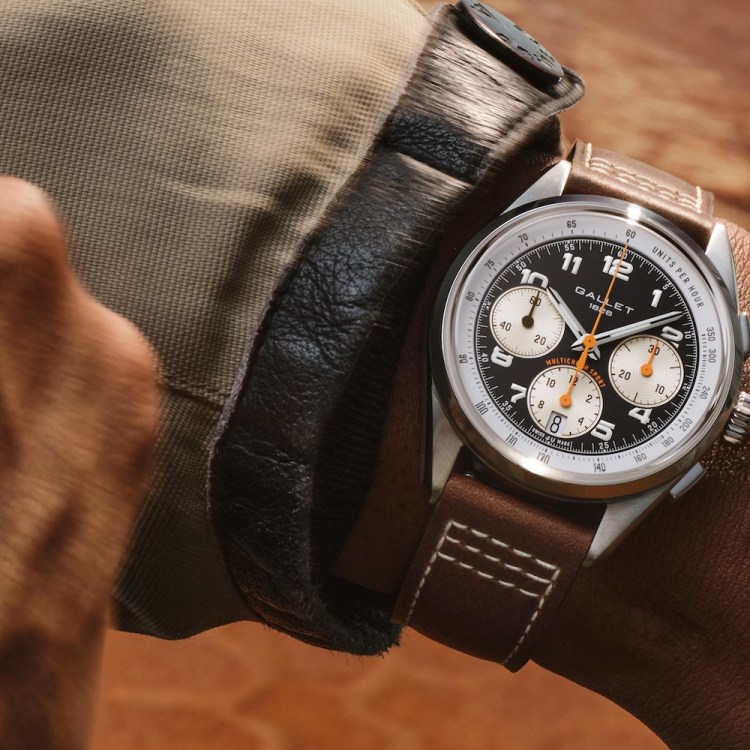
You may notice that the central seconds hand on a chronograph is immobile until you engage the top pusher — this is because this is the chronograph seconds hand, not the “running” seconds hand that is constantly moving. (The running seconds hand is often relegated to a subdial, as it’s less important than the chronograph seconds hand.) The other subdials — also called “sub-registers” or “totalizers” — are where you read the elapsed minutes and hours. On a dual-register chronograph, it’s common to see one sub-register for passing seconds, and another for elapsed minutes, often up to 30. On a triple-register chronograph, a third sub-register is added for elapsed hours, often up to 12.
A History of the Chronometer, the Gold Standard of Watchmaking
How a highly misunderstood term has influenced watchmaking for centuriesIn the 19th and 20th centuries, chronographs were extremely useful, seeing as they were just about the only practical way to record elapsed time. Horse races, artillery barrages, hot laps — all were once timed using handheld or wrist-worn chronographs. During the Apollo 13 mission, American astronaut Jim Lovell famously timed an engine burn in order to reorient the Lunar Excursion Module back with Earth and save his crew. Pretty gnarly.
These days, of course, our phones time just about anything with significantly higher resolution than that of the common mechanical chronograph, rendering these largely obsolete. However, this has done virtually nothing to diminish their appeal in the minds of the mechanically inclined — or those simply interested in accumulating status objects. After all, how many Rolex Cosmograph Daytona wearers understand how their chronographs actually function, let alone use them? The answer, at least in the U.S., is very likely: not too many. But the Rolex Daytona is arguably one of the top five most beloved and popular luxury watches in the world, with waitlists stretching years into the future. Go figure!
Whatever the reason for your interest in a chronograph, we applaud you. Here, we’re going to cover some key terminology, and then get right into what we feel are some of the best chronographs to buy, from affordable to… not so affordable. So strap yourself in and get ready to time that engine burn.
Key Terms
Pushers: Small buttons that protrude from the case and allow the wearer to start, stop, and rest the chronograph. There are “pump” pushers that do not screw down, and “screw-down” pushers — threaded like a screw-down crown, they allow for increased water resistance.
Monopusher: A chronograph that uses a single pusher for start, stop, and rest duties. Willy Breitling invented the dual-pusher chronograph, which improved upon this design, in 1934.
Totalizer: Also called a sub-register or a sub-dial, this small dial within the larger watch dial shows running seconds, elapsed minutes, elapsed hours, or other timing information.
Rattrapante: Called a “split-seconds” chronograph in English, the rattrapante features dual central seconds hands and allows the user to time two events simultaneously.
Flyback: A chronograph in which a single push will stop and rest the chronograph, allowing for the timing of successive events, such as laps.
Automatic Chronograph: Until 1969, all chronographs were hand-wound. The Calibre 11, El Primero, and Caliber 6139 were some of the earliest automatic chronographs.
Tachymeter: A scale often found around the periphery of the dial — or on the bezel — of a chronograph that allows the user to calculate speed.
Telemeter: A scale often found around the periphery of the dial — or on the bezel — of a chronograph that allows the user to calculate the distance between an object and the observer.
Pulsometer: A scale often found around the periphery of the dial — or on the bezel — of a chronograph that allows the user to calculate pulse.
Clutch: A type of coupling connecting the chronograph to the gear train for the watch’s main timekeeping. A “horizontal clutch” is slimmer and more common, while a “vertical clutch” is more often found in higher-end chronographs, and makes for smoother chronograph operation.
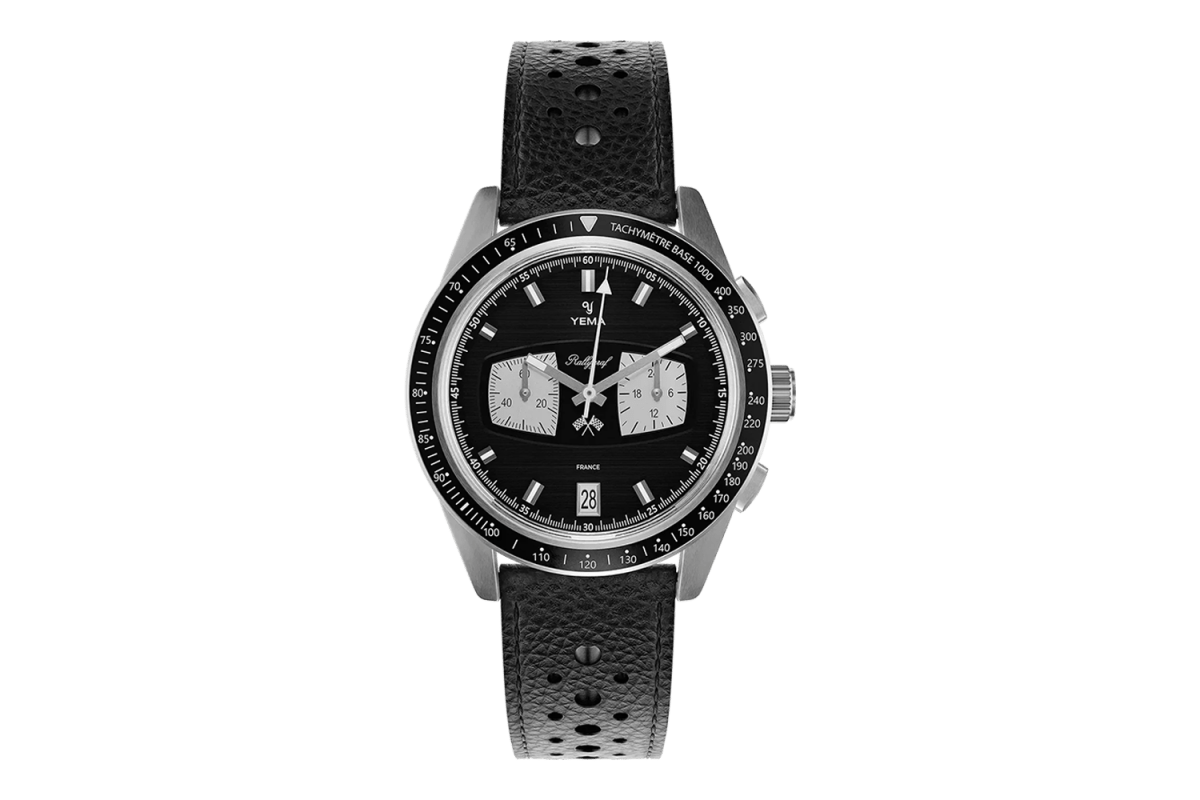
Based upon vintage mechanical Rallygraf chronographs from the 1960s, the Rallygraf Meca-Quartz II Reverse Panda offers an affordable entry into the automotive chronograph world via its use of a Seiko Meca-Quartz movement, which combines quartz-powered timekeeping with a mechanical chronograph module. The Reverse Panda edition offers a familiar black-dial-with-white-subdials colorway, but adds several unique twists in the form of tire-like horizontal striations; trapezoidal subdial shapes; and a handy date window above 6 o’clock.
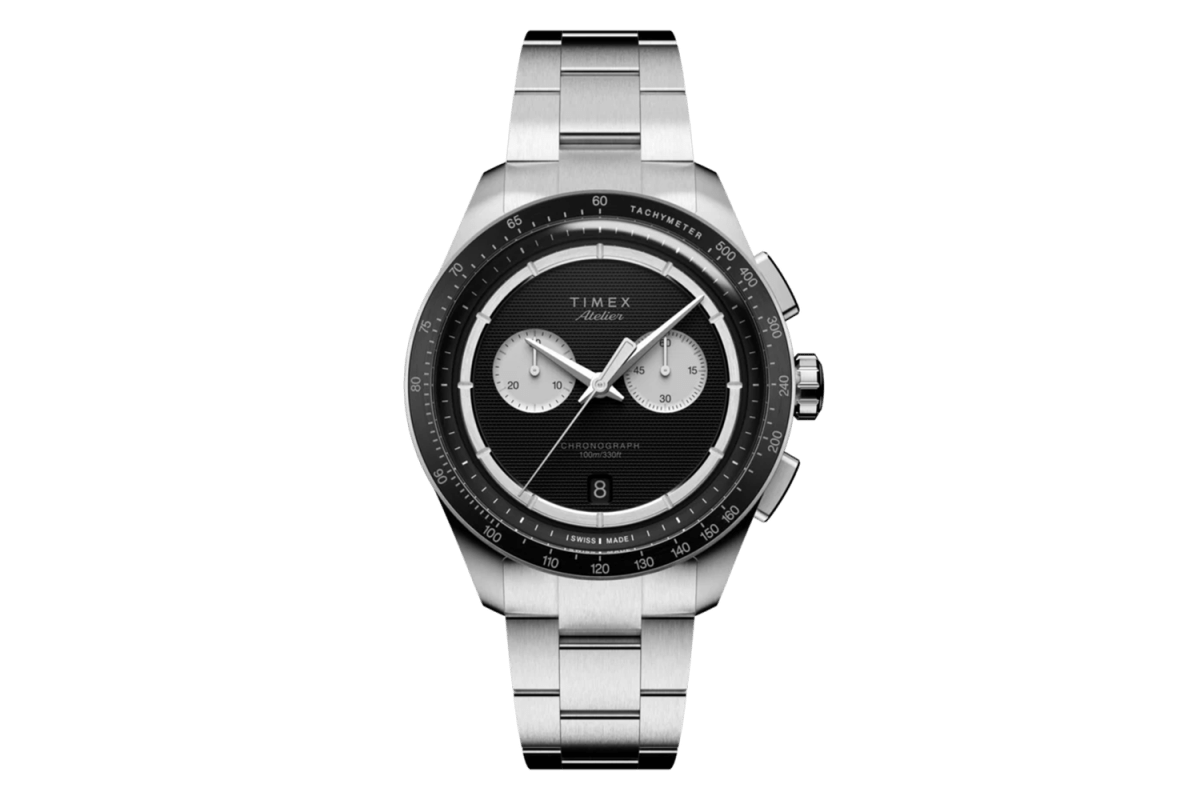
Stemming from Timex’s upscale Atelier program, the Chronograph Quartz M1Q consolidates several classic midcentury racing chronograph features into one watch: there’s the tachymeter-scale fixed bezel; the black “reverse panda” dial with silver chronograph registers; the stainless steel construction. But even for well under $1,000, you’re getting your money’s worth with this affordable quartz-powered ticker — the case, you’ll notice, is partially skeletonized, while the dial features a cool guilloché pattern for added texture.
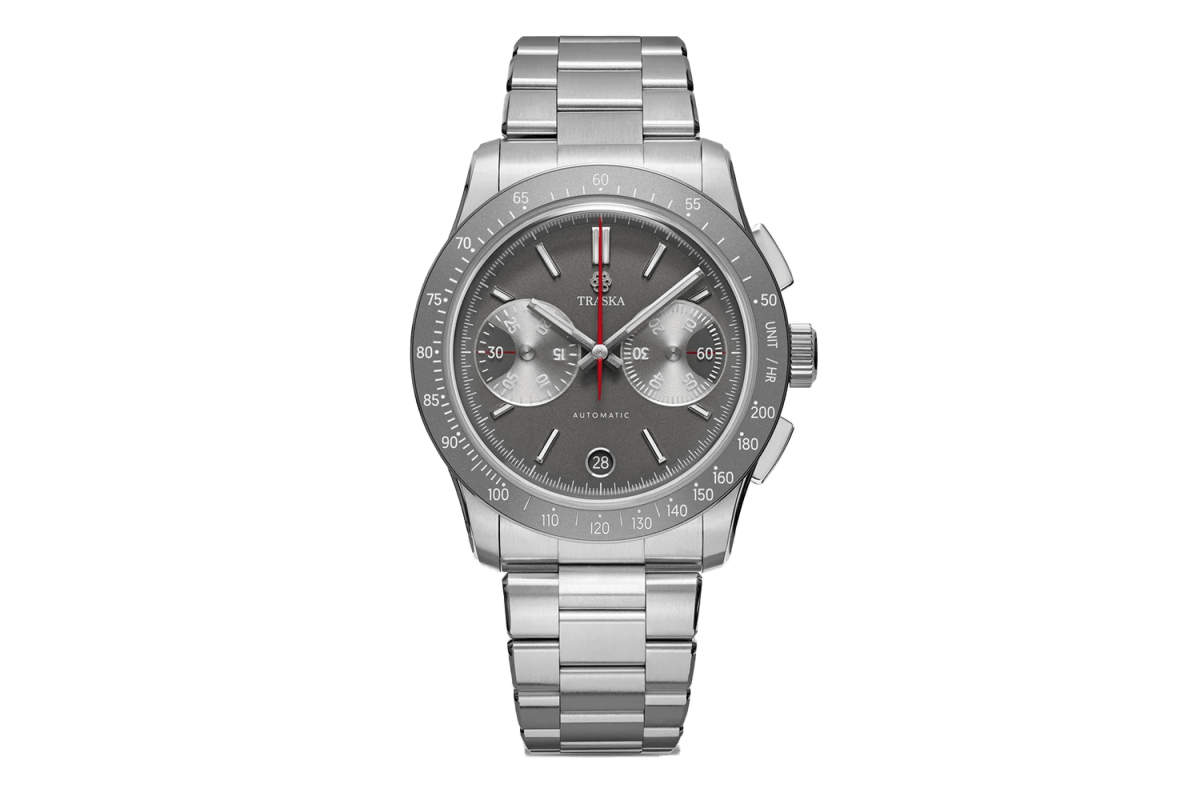
Seiko’s cal. NE86 is an affordable automatic chronograph movement with column wheel activation and a vertical clutch — features that die-hard collectors love. The trouble? Even some years since its debut, not many brands use this movement. Traska, based in Jacksonville Beach, Florida, is one of them. Its Chronograph, currently available in two colorways, makes splendid use of the NE86 and pairs it with a handsome dial featuring a unique sundial system: rather than conventional hands, it uses rotating discs to indicate elapsed minutes and running seconds. For $1,650 on a steel bracelet, we think it’s pretty tough to beat.
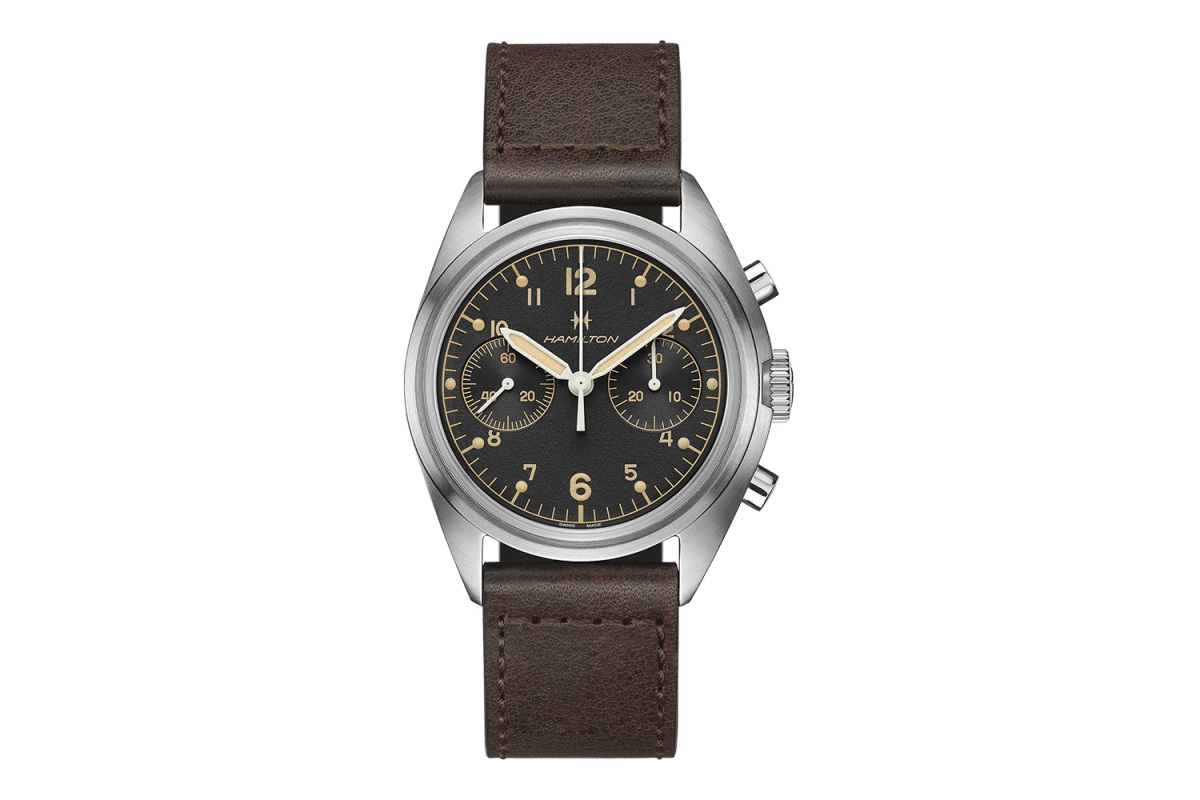
Styled after a watch issued to RAF pilots in the 1970s, the Hamilton Khaki Aviation Pioneer Mechanical Chrono is such a spot-on recreation, you’d be hard-pressed to tell the original from the current iteration. Well sized at 40mm and featuring vintage-colored lume, it looks like a museum-grade piece of vintage militaria — but the hand-wound Hamilton cal. H-51-Si beating away inside makes use of a silicon balance spring and features an impressive 60-hour power reserve. Strap this baby on — and add a good scarf — and you’ll be ready to take to the skies!
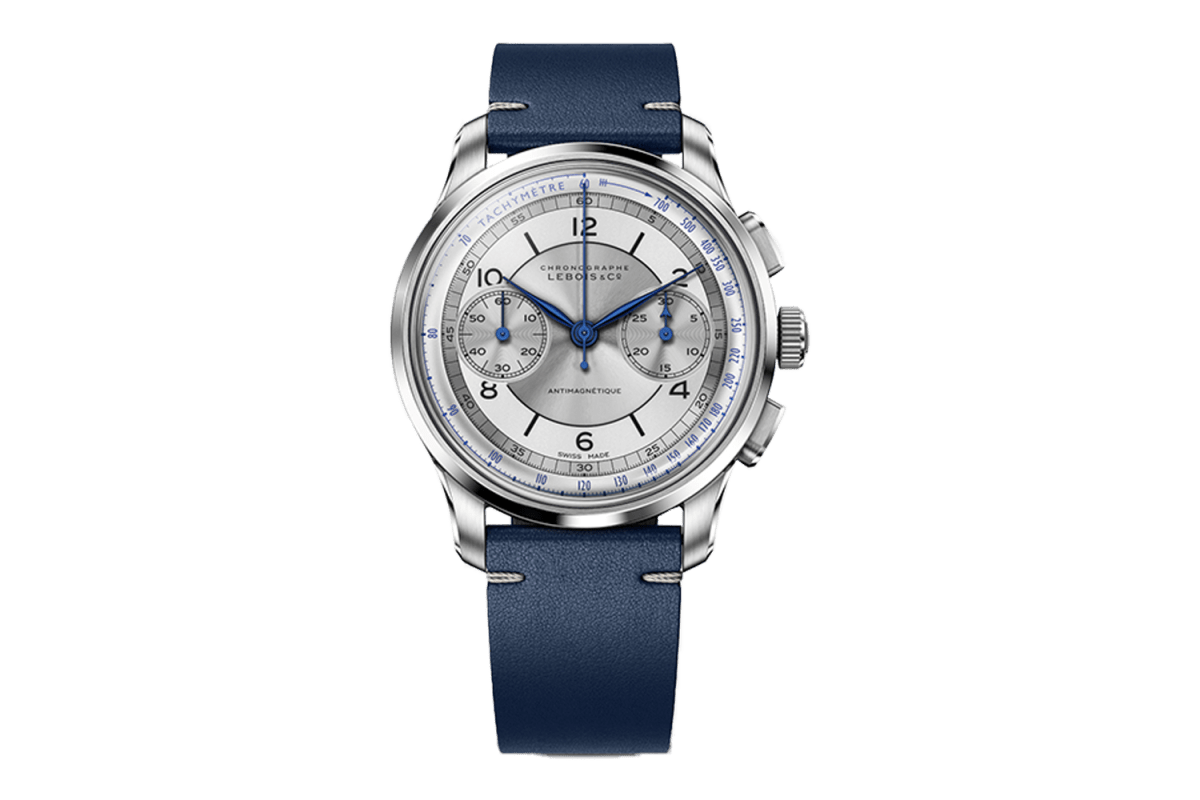
Revived by Dutch entrepreneur Tom van Wijlick, Lebois & Co. is a historic Swiss watchmaker that went under during the Quartz Crisis. Today, the firm makes several beautiful versions of its Heritage Chronograph, each of which is informed by vintage designs. For a particularly versatile piece, we’d recommend the Sector Chronograph ref. 324.442, which employs classic 1930s design language across its multi-tone silver, white and blue dial. Powered by a hand-wound La Joux-Perret chronograph caliber customized for Lebois & Co., it’s one of the most interesting options at this price point.
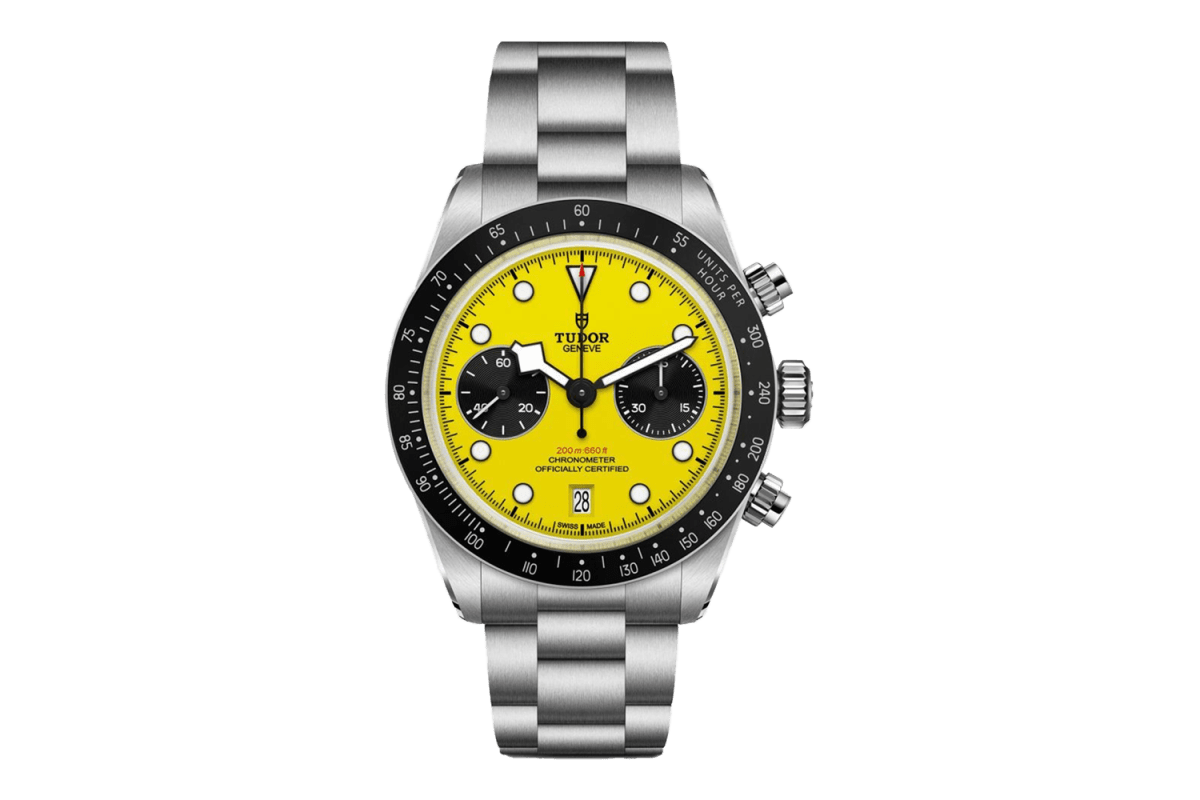
While the panda- and reverse panda-dialed Black Bay Chrono has long been a collector favorite, its relatively large 41mm diameter and tall case height meant that it wasn’t comfortable on all wrists. The new Black Bay Chrono 39, however, is significantly more manageable while losing none of the robust character of its larger sibling. Powered by an in-house manufacture movement and water resistant to a whopping 200m, this is a serious tool despite its sunny yellow dial color. (No doubt more run-of-the-mill colorways will be released in the future.)
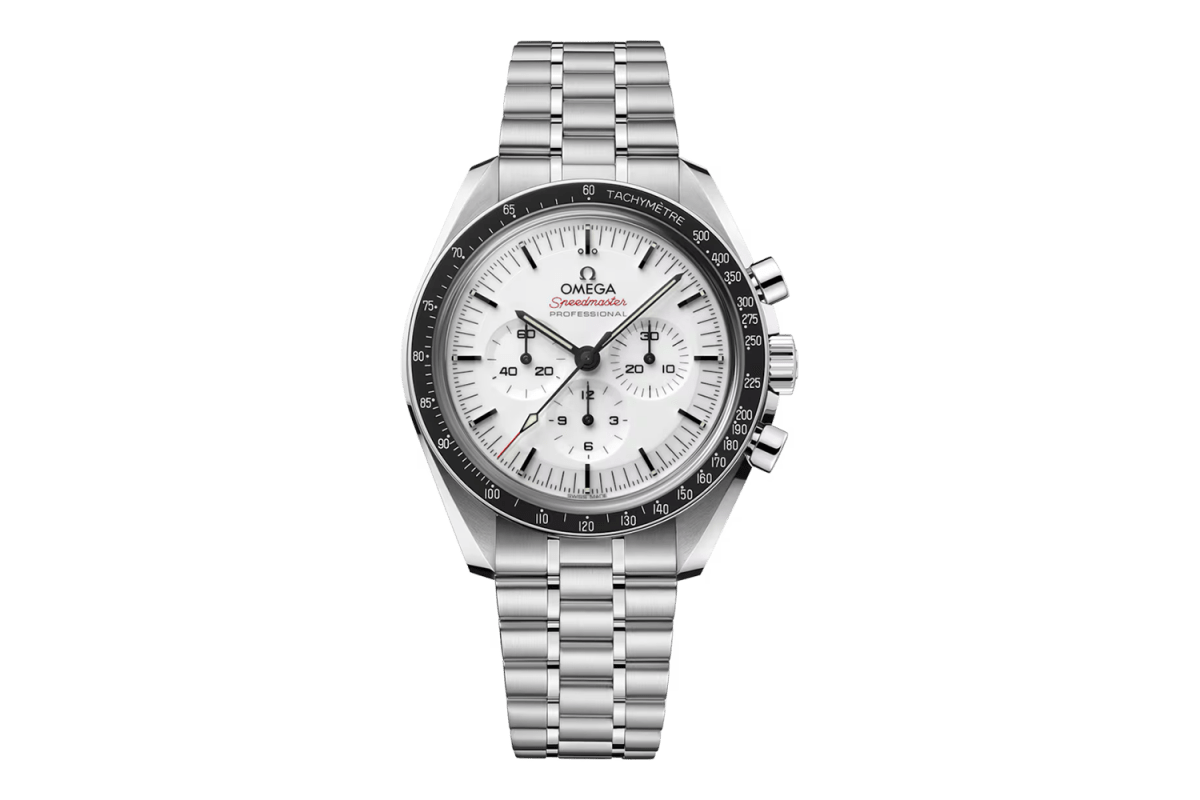
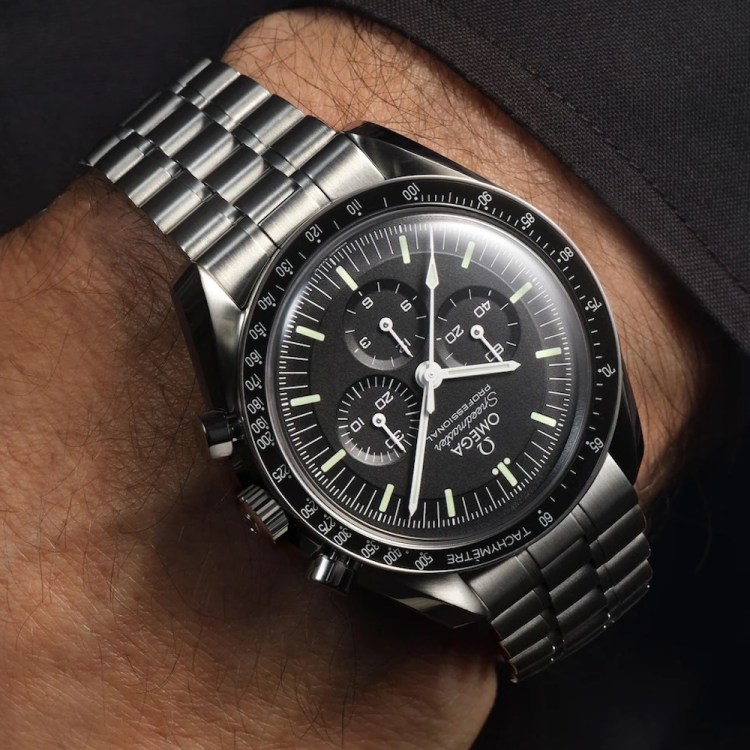
Given its famed association with NASA — it was the first watch worn on the surface of the Moon, after all — it’s no surprise that the Omega Speedmaster Professional is consistently at the top of the watch-buying public’s mind. Produced in several configurations and available at various price points, the Speedy is a perennial horological favorite, and deservedly so: Legible, practical, handsome, and widely available, it’s simply a winner of a wristwatch, and one of the best chronographs ever made. (And the contemporary bracelet that accompanies the cal. 3861-equipped references is a vast improvement over the last generation’s.)
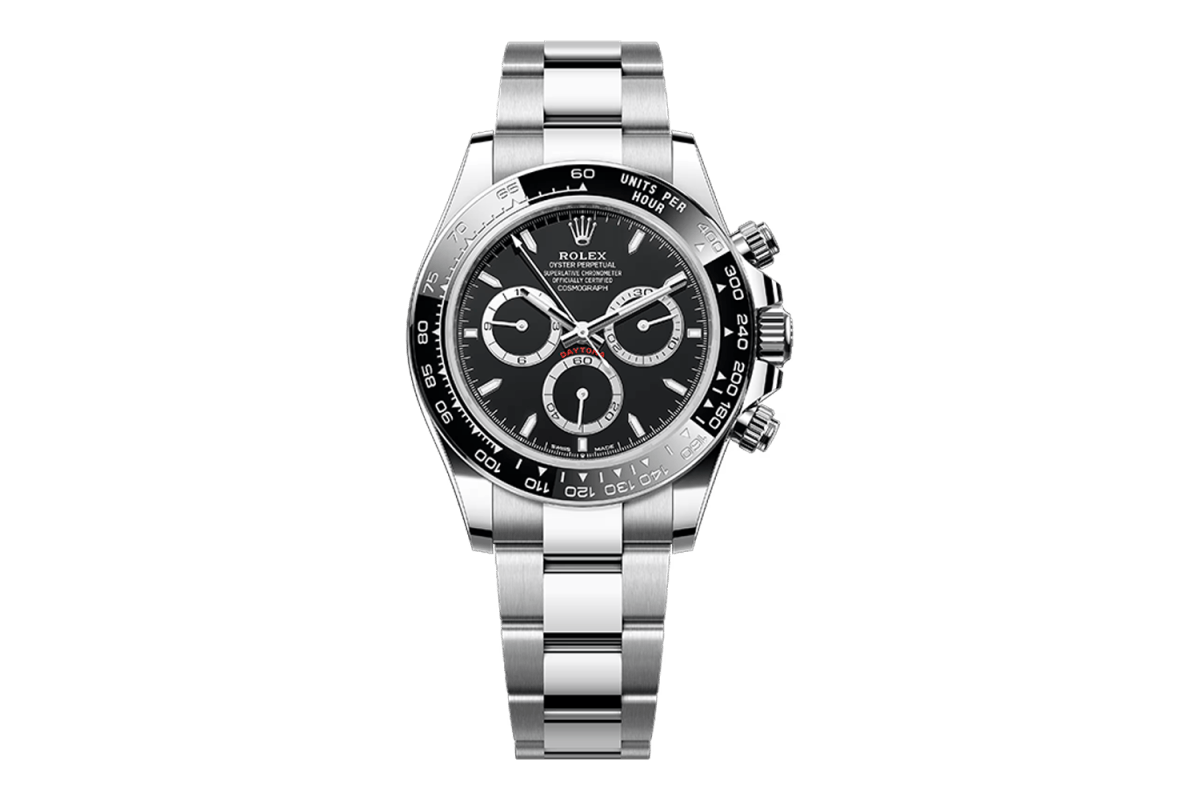
Duh. The world’s most famous chronograph — excepting, of course, the Omega Speedmaster — the Cosmograph Daytona was born in the early 1960s following Rolex’s sponsorship of the 24 Hours of Daytona in Florida. Of course, it was far from Rolex’s first rodeo as far as chronos were concerned; the brand had been making them for decades already in various guises. Today, the Daytona is difficult to acquire at retail, and vintage hand-wound examples sell for tens (and sometimes hundreds) of thousands of dollars. The contemporary, automatic version features the latest materials and an excellent, in-house Rolex movement in the form of the Calibre 4130.
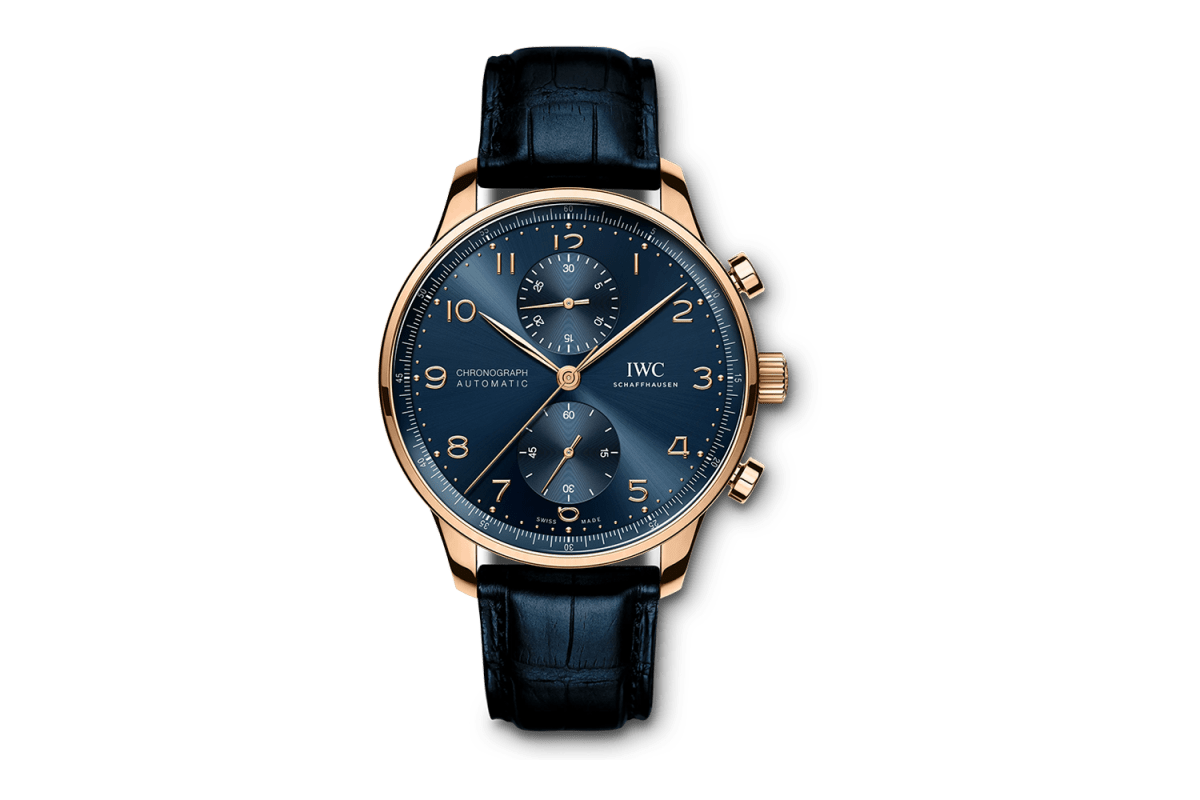
Not all chronographs are tool watches. Take the IWC Portugieser line — beautiful to behold, these timepieces are made for an evening out on the town, or as an accompaniment to a finely tailored suit at the office. This particular model features the collection’s classic up-down configuration, with the totalizers placed at 12 and 6 o’clock, plus a stunning 18K gold case, an in-house movement, and a mesmerizing blue dial in a sunray finish. If you’re looking for a pilot’s watch, IWC has plenty of those — but classics such as the Portugieser shouldn’t be overlooked.
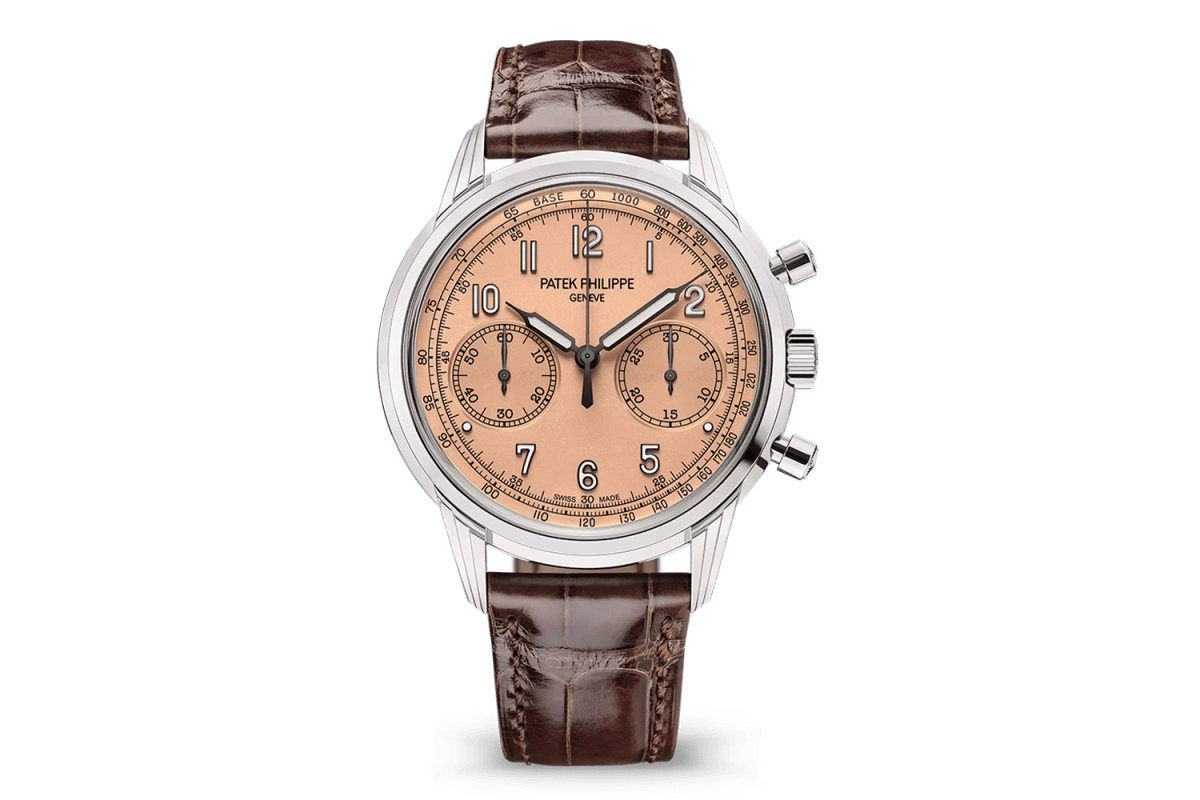
In the mid-20th century, Patek Philippe designed some of the most beautiful chronographs the world had ever seen. Thankfully — it still does! Though its 41mm diameter is significantly larger than that of the maison’s previous chronographs, the ref. 5172G-010’s rose-gilt opaline dial is a thing of undeniable beauty. When combined with a white-gold housing, stepped lugs and a stepped bezel, and the Patek Philippe cal. CH 29-535 PS hand-wound movement — which is visible via a sapphire caseback — there’s simply no denying Patek’s continued command of the chronograph world.

More Like This

The world of men’s style, from the streets of NYC to the showrooms of Milan, run down weekly by writer and photographer Christopher Fenimore.