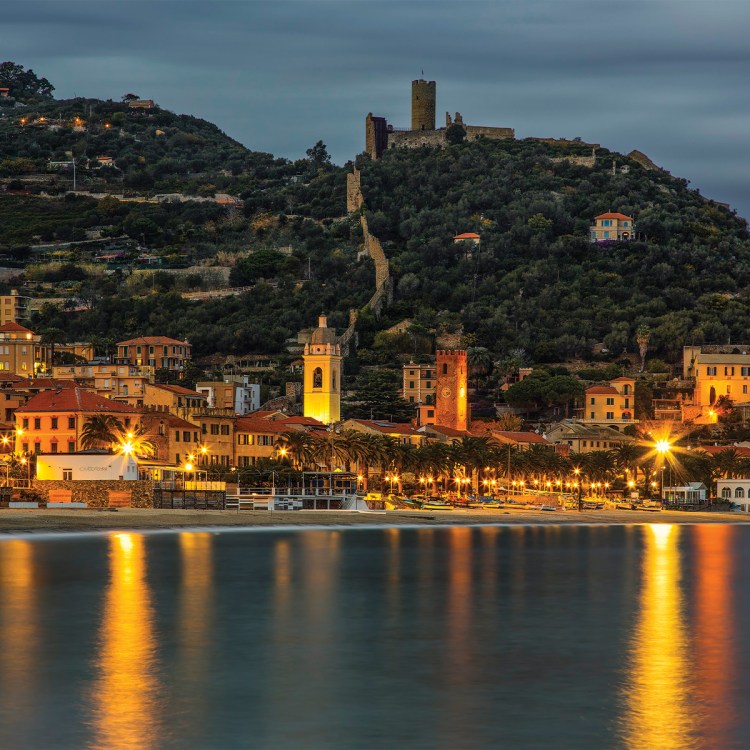
Even successful attorneys can have unfulfilled dreams. As Diane Lukac approached retirement, she discovered an opportunity to fulfill just such a lifelong goal.
“It was always a dream to live in Europe one day,” the former New England attorney says from her new home in Tuscany. “When the time came, we gave it some thought as to where we might want to do that and decided to buy our home in Italy.”
In a post-COVID era, even the more remote developments in the traditional American retirement enclaves from Florida to Arizona are struggling to maintain high-end home inventory. The most desirable regions of Europe offer attractive options for those looking to flee that listings crush, and U.S. buyers needn’t become full expats to take advantage.
To enable their Italy move, Lukac and her husband decided operating with a property-management company would make the path smoother. They chose Great Estate, a European real-estate service that specializes in working with international buyers.
“We went into the process with a lot of questions as to how to search for and purchase a home in Europe,” Lukac says. “Working with Great Estate gave us a resource to talk to whenever we needed those answers.”
However, like many Americans who are interested in the expat lifestyle, whether they’re fleeing high prices, the country’s volatile political climate or something else entirely, she looked across the Atlantic in an era of tension between the U.S. and the European Union. With headlines reporting tariffs, President Trump’s disagreements with NATO and anti-tourism protests in major capitals, home shoppers have to ask if now is a good time to buy on the continent.
According to Lukac and others, if you have the money and the will, any perceived political resistance will melt away. In its place, American buyers will find a growing real-estate apparatus hoping to turn the expat-curious into bona fide European homeowners.
“We Can Be at Peace”
While some potential U.S. buyers might worry about the reception they’ll encounter during and after making their overseas move, Angeleno A.J. Jain found no such wariness or hostility when he and his wife bought a second home in France within Les Bordes Estate of Saint-Laurent-Nouan in central France.
Jain explains that the specters of homelessness and crime in his native L.A. led him to consider a home in Europe. Business trips to Paris put Les Bordes, and the prospect of a luxurious French lifestyle in the countryside, on his radar. Jain now splits time between the U.S. and France.
“Our goal was to become global citizens,” Jain says. “When I came to Les Bordes, what I noticed was there were people from all over the world here. Everyone is speaking their own language, and speaking English. We found a friendly environment, while living in the big cities in the U.S. had us worrying about safety. It’s like the shackles are unleashed, and we can be free there. We leave our doors unlocked. We can be at peace.”
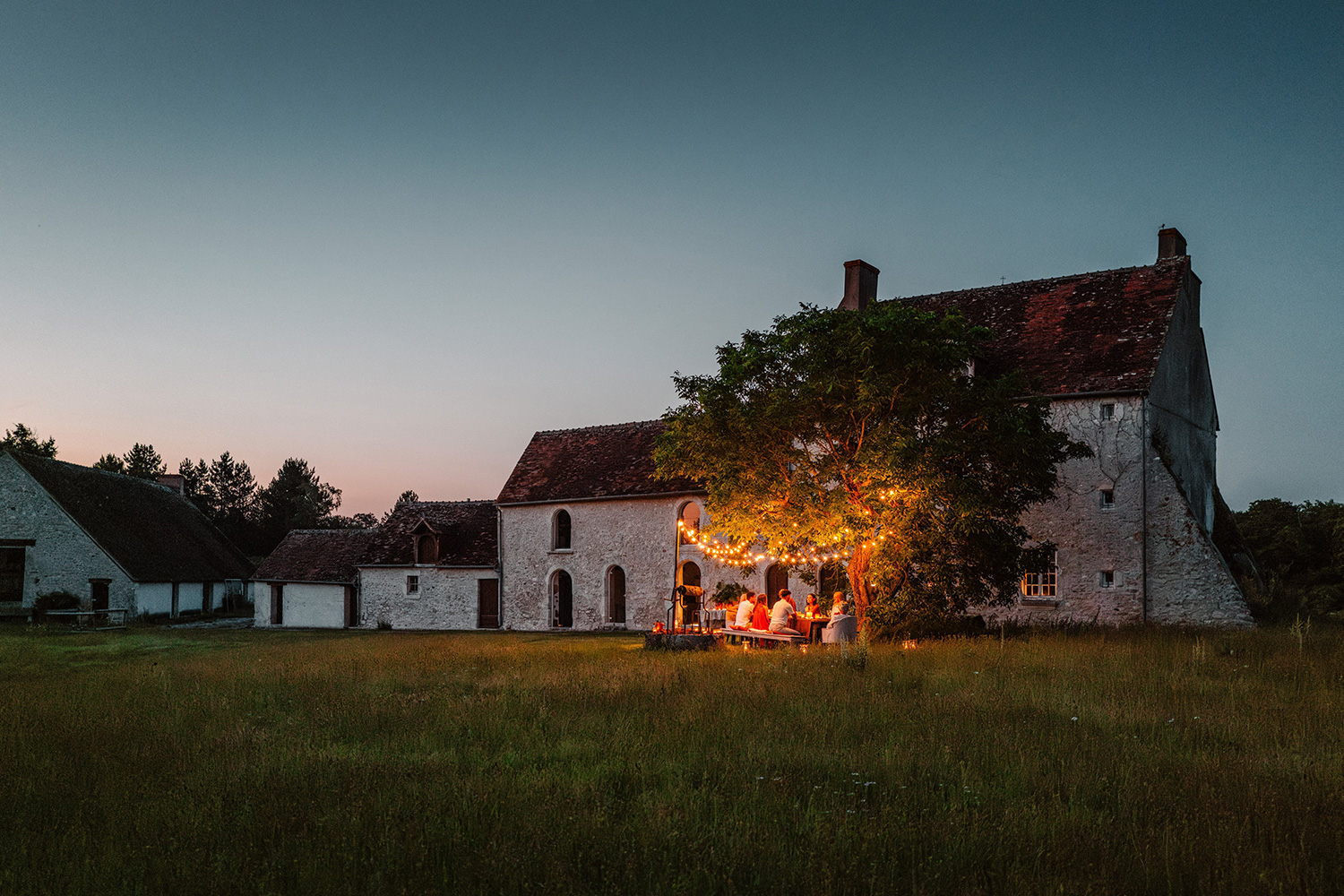
Still, the process of buying a European home wasn’t entirely peaceful. Jain confirms there are policies and bureaucracy to work through in the E.U. as there would be if buying a retirement or second home in any state in the Union. A key consideration is properly handling taxes and fees, and whether the buyer wishes to reside in Europe full-time.
“There are definitely realities you have to work out,” Jain says. “Of course, you must keep in mind the value of the dollar against the Euro. And, if you want to split time between a U.S. home and Europe, you can either buy the house and just leave it empty when you’re away the entire time or have part-time tenants if the community has a rental scheme.”
Since the E.U. frowns on trusts in real estate, Jain says he just put the house in his name and leaves it safely empty when not in residence. A foreign buyer must file a tax return in the E.U. country in question stating you bought the home in the first year of ownership. Beyond that, some communities include additional utility taxes and other fees. Homeowners renting their European properties some of the time can get their VAT (Value Added Tax) refunded.
“Once we knew where we wanted to buy, the challenge was trying to find the right accountant that knows this scheme,” Jain adds. “We found that essential to make sure we were up to date with all payments involved.”

Welcome to the “Weirdest Capital City in Europe”
Everything to see, do, eat and drink in SkopjeJump Through Hoops, Land in Paradise
In Greece, data compiled by the real-estate firm Savills notes that the country granted around 3,900 residence permits to U.S. citizens in 2024 for vacation and retirement homes.
A particularly lavish destination for a few such Americans has been Costa Navarino, a sprawling resort and housing community along the Peloponnese peninsula of Greece. Home to its own beach, a harbor and four championship golf courses designed by some of the biggest names in the game, Costa Navarino’s ongoing housing developments include villas starting at €6.4 million (or about $7.5 million).
Lefteris Tassoulas, the senior commercial director of real estate at Costa Navarino, says they welcomed the first American buyers in 2022 and today have five such owners in the community, with interest from Americans growing steadily.
His elevator pitch? “[The Mediterranean] has a combination of great weather and rich culture with access to high-quality affordable healthcare.”
Our goal was to become global citizens. When I came to Les Bordes, what I noticed was there were people from all over the world here. Everyone is speaking their own language, and speaking English.
– A.J. Jain, who splits his time between the U.S. and France
Tassoulas reports that U.S. citizens can buy property in Greece with no special requirements or restrictions. If the investment reaches €250,000 to €800,000, they can qualify for Greece’s Golden Visa Program that offers a five-year residence permit to non-E.U. citizens.
“To get started, Americans interested in buying in Greece (or anywhere in the E.U.) should work with a trusted law firm to guide them through the legal and tax steps smoothly,” he adds.

American Enrico Diancoli agrees with Tassoulas’s legal advice and urges home shoppers from the U.S. to research the role of a notary in the E.U. real-estate buying process. In 2024, the Floridian purchased his second home at Argentario, a golf and luxury-living community on the Italian promontory that bears its name. He insists that finding a worthy notary was essential to completing the purchase.
“It’s Europe, and everything is more complicated there than in the U.S.,” Diancoli says. “In the U.S., you would just go with a real-estate agent to handle most aspects of buying a home. In Europe, they go with a notary. It’s important to find a good one because bureaucracy is a big thing there, and you need to have the right people on the ground.”
While the stateside understanding of the term refers to a professional licensed in the official certification of legal documents, a notary in the E.U. home-buying world has multiple key functions. He or she provides legal and procedural advice to both buyer and seller; monitors all compliance with the preparation and registration of paperwork; collects all taxes; handles the funds in escrow; and finalizes the deed. The notary even saves copies of all relevant contracts and other documents for many years after the deal is done.
Diancoli is in the hospitality business himself, and he suspects one thing that might intimidate some American homebuyers looking at Europe is the question of trust. Whether shopping long distance online and by phone, or with boots on the ground, it’s difficult for a foreigner to know who’s reliable amidst the selection of notaries and accountants. He recommends looking for help in Europe’s major cities, even if buying a home more out in the wilds.
“For example, in Italy you can find good people with references in Rome, Florence or Milan,” Diancoli explains. “You’ll want to make sure they speak English because they need to explain the process to you in detail. You can also find other American buyers already living in the communities you’re looking at who’ll assist you with finding professionals to handle all of the paperwork.”

Welcome to Your European Dream
From Italy to France to Greece, each of the American buyers queried insists the warning of widespread anti-American resentment doesn’t reach the culturally diverse communities inviting U.S. buyers. All are welcome, they say — if they can afford entry.
“We’ve had everyone from equestrians to local bakers invite us in, hoping to show our children their work and their lives,” Jain says. “It’s exactly the kind of cultural education we were hoping for when we made this move.”
Back in Tuscany, Lukac will tell the curious that she found the buying process easy in the end, and she’s so happy in her new Italian villa that she’s reluctant to name the town she calls home.
“We worry that we’ll be flooded with Americans if word gets out.”
Correction 4/20/26: A previous version of this article quoted Valia Vanezi from Costa Navarino. The quotes should have been attributed to Lefteris Tassoulas, Senior Commercial Director, Real Estate.

More Like This




We're always on the scene eating, drinking and traveling near and far to bring you the best of what's happening out in the real world. Sign up for IRL now.