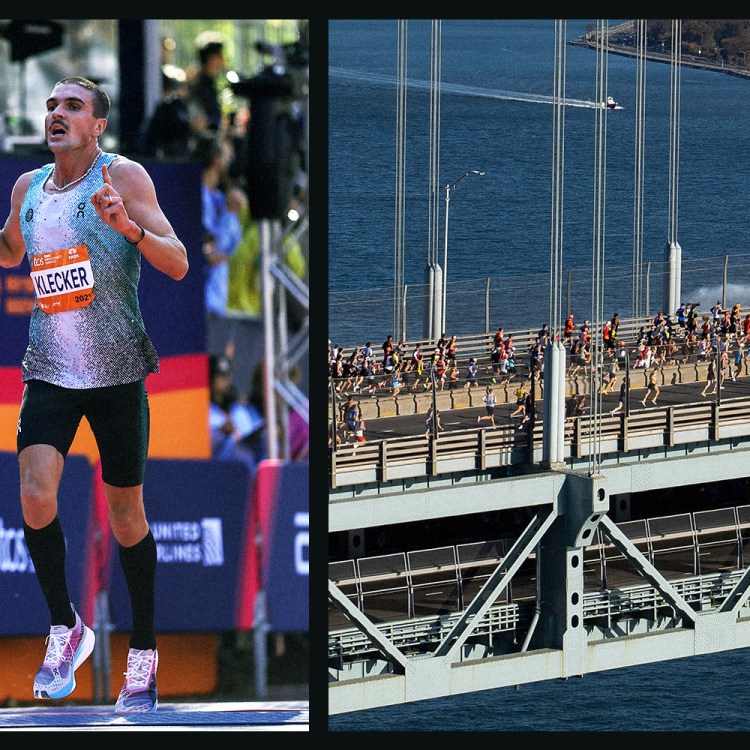
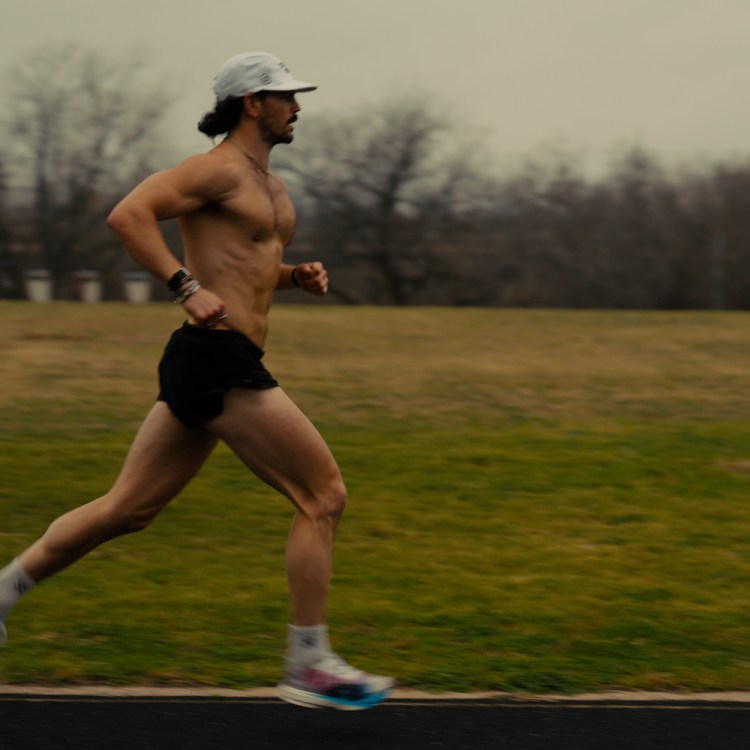
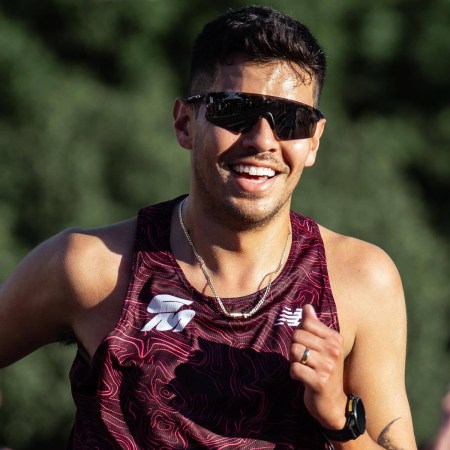
Welcome back to Playbook, a Q&A series where I ask successful guys about their wellness philosophy. This week I’ve got Joe Klecker, an elite marathoner repped by On and Suunto. An Olympian and one of a handful of Americans to break 13 minutes in the 5K, Klecker made the leap from track racing to the road in 2025. He’s off to a glittering start: 2:10:37 at the New York City Marathon last year (second American, 10th overall) and a PR of 2:05:56 at the Boston Marathon this spring. Now he’s locking in for another scamper through the five boroughs.
Tanner Garrity: When you ran the NYC Marathon last year, did any part of the course give you specific trouble?
Joe Klecker: The hardest part mentally on the course was the Bronx. I was running alone there. There were many turns so it felt very long. But by staying focused I was able to see people and run them down once I got to Fifth Ave.
What’s something you learned about racing during Boston this year?
The importance of speed. For New York a year ago, I focused so much on the strength and endurance that when moves were made, I was unable to respond in the race. Training for Boston we did more speed which helped me feel more responsive in the race. That’s a feeling I hope to carry into New York this year.
You live and train in Boulder, Colorado. Is there a workout you do there that always gives you a good sense of the shape you’re in?
Because we train at altitude mostly on dirt roads, I never get a sense of the times I can run from training, but this being my third marathon build I can compare workouts and long runs to past builds. By hitting higher mileage and running all my workouts equal or faster than a year ago, I’ve built a lot of confidence over this 12-week marathon build. Which excites me for what I could be able to do on race day.
How many hours of sleep do you need the night before a big race?
Sleep’s hard before a big race because of the nerves, but I’ve found that when I feel very confident I’m ready to go, I’m able to sleep well. With the early wake-ups for these races though that is often only six to seven hours.
Aside from sleep, what’s one component of your recovery routine that you think makes a big difference?
I prioritize protein and carbs immediately following training. With the high mileage we run it’s easy to get worn down over time when you’re slightly under-recovering from every run. By focusing on hitting my macronutrient numbers I’ve found that my body responds to the training much better.
After a long week, what’s a comfort activity that always resets you?
I usually enjoy walking my dogs, or just getting outside to do something that doesn’t involve training.

More Like This
Twice a week, you'll find proven advice and tips, expert interviews, deeply reported features and personal essays on living better — for however long you’re here. Subscribe to Champ now.