Sharon Tate never getting murdered by members of the Manson Family in 1969 is Quentin Tarantino’s version of Al Gore winning the presidency in the year 2000. Tarantino is so enamored with the golden age of show business that in his 2019 film Once Upon a Time… in Hollywood, he rewrites history by way of Cliff Booth, a stuntman, general fixer and folkloric American hero played by Brad Pitt who, by nature of being in the right place at the right time, manages to kill off all the would-be Manson killers in cartoonish fashion, averting disaster and keeping Tarantino’s sun-kissed dreams alive for just a little longer.
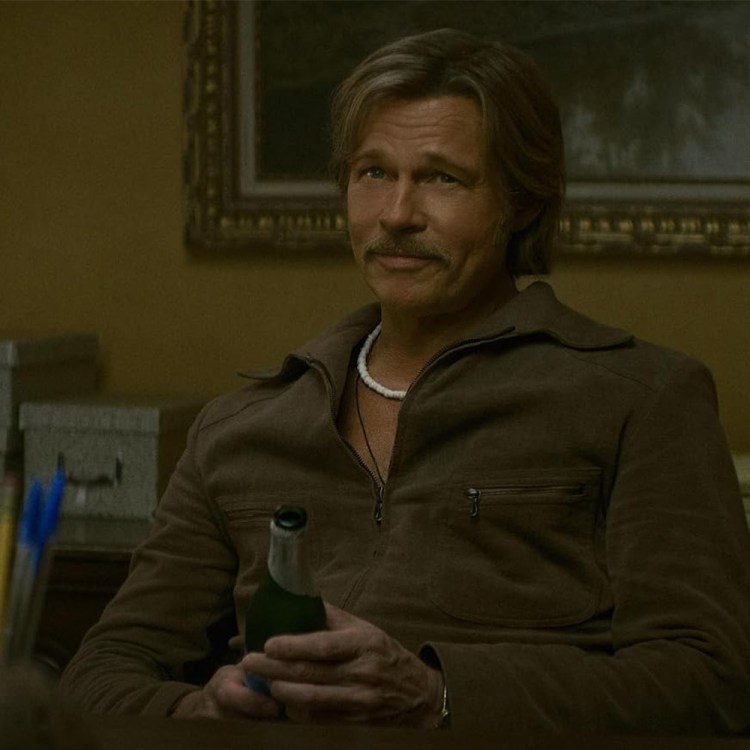
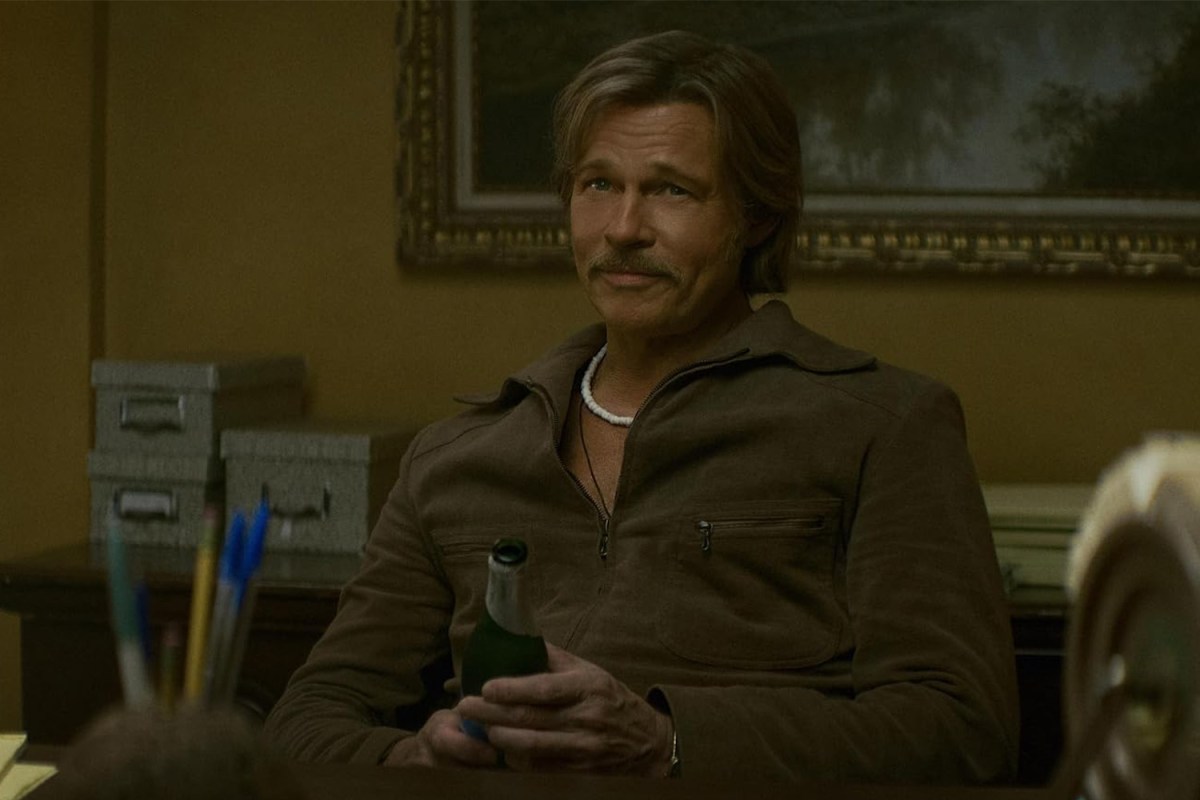
If the world of that film’s sequel, The Further Mis-Adventures of Cliff Booth, teaches us anything, it’s that all he did was delay the inevitable. The Hollywood we encounter this time around is a little worse for the wear. Rick Dalton, the aging, insecure star of the first movie, played by Leonardo DiCaprio, has decamped to Australia to act on small-town network TV, and Sharon Tate, though still alive, is mostly an afterthought, appearing in commercials here and there, her star not bright enough to keep the dreaminess of Hollywood alive through the ‘70s. Booth returns a little more haggard but just as relaxed, sporting a Burt Reynolds mustache and working as a projectionist at the New Beverly Cinema, one of the many odd jobs that he seemingly does out of pure love of the game. In the film’s opening scene, he changes film reels like a smooth operator, with the kind of coolness one might feel when they swipe their MetroCard and walk through the turnstile in a single continuous motion or stop the microwave right before the timer hits zero and unleashes that grating beep. In the first movie, Booth tackled these mundane tasks looking spry, fun and sexy, scaling a rooftop to fix an antenna with the agility of a Jackie Chan character and cracking a beer on the roof shirtless, exuding the masculine aura of a Paul Newman character. This time around, however, our cool-handed hero looks bored. His movements are rote, performed without much amusement or fanfare by a purposeless if competent man, who, with each passing day, stares down the barrel of his own obsolescence, just as Dalton did in the first movie. The colors are drab, and the muted efficiency of these opening sequences tells us that the magic has fizzled.
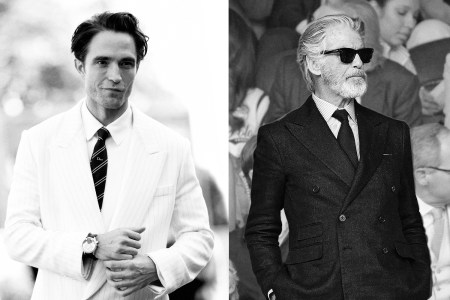
Robert Pattinson Is the New Bond. But There’s Still Room for Pierce Brosnan.
Here are 007 reasons why we can, and should, have two BondsA large part of this tonal shift can be attributed to David Fincher’s direction of Tarantino’s script. This unlikely pairing of two auteurist forces never quite amounts to more than the sum of its parts, resulting in a film whose idiosyncrasies are either obviously one or the other’s. You could sense Fincher’s cold efficiency and propulsive rhythms clashing with Tarantino’s desire to linger in the moment and let scenes breathe, resulting in a film with emotional beats and intentions that can often feel muddled. Thematically, however, this creates an interesting tension between the cynic and the romantic and their views on Hollywood amid its cultural decline. Despite Fincher’s and Tarantino’s differing beliefs and methods, they both seem to want to find a way to continue loving the forces they’ve given their lives to.
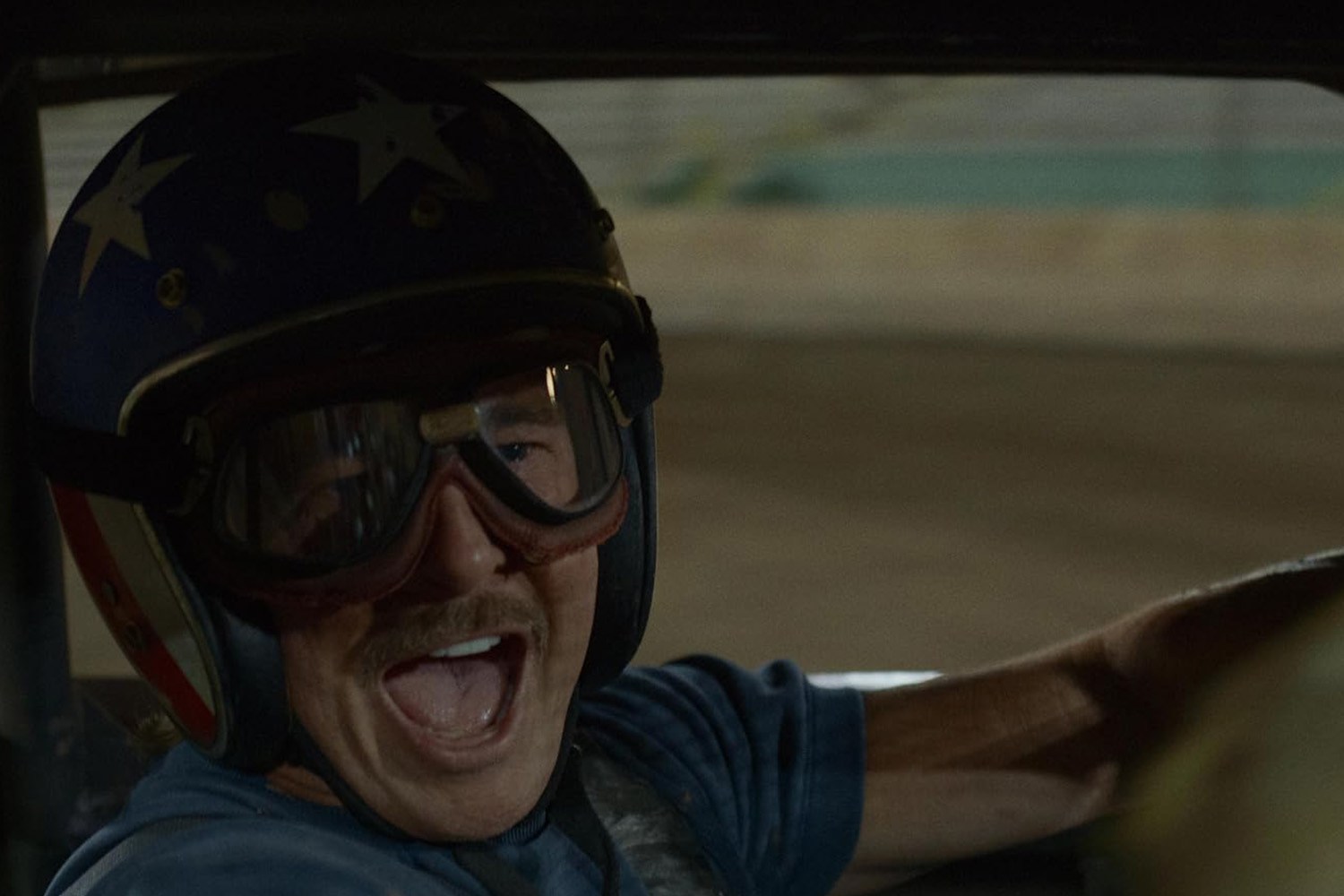
Historically, Fincher holds the characters of his films with some level of disdain. From the insecure, pesky Mark Zuckerberg played by Jesse Eisenberg in The Social Network to the dopey, self-victimizing “wife guy” Nick Dunne played by Ben Affleck in Gone Girl, he’s got an interest in excavating the psychology of outcasts. You could almost sense, in watching this film, that on some level, Fincher wants to correct course on the reputation of Cliff Booth as the kind of humble, American alpha male so legendary that he whooped Bruce Lee’s ass on a studio lot. This time around, Fincher turns that coolness on its head, applying his trademark sleekness and efficient camerawork to Booth’s movements to create an alienating coldness. In the opening scene, after he closes up shop for the night, Booth handles a shady business deal in the theater, where after some mild disagreement, he gracelessly shoots a man, killing him in cold blood. There’s no fanfare, no silly theatrics, no flamethrowers, hardly an emote from Booth’s face (but that might just be a product of Pitt’s botox). The scene is handled mechanically and without emotion, introducing us to a different version of the man Netflix loved so much it commissioned a $200 million sequel just on him. His effortlessly cool, masculine demeanor now looks more like macho nihilism as he bangs himself up for no good reason, even when he’s got a beautiful movie agent and ex-film critic (Elizabeth Debicki) pining after him. Concerned about his well-being and penchant for danger, at one point in the film, she asks him why he does the things he does, and in classic male fashion, he deflects, claiming that none of it is that deep.
The issue is not that he’s probably lying but that he’s being completely honest. The fact that he is exactly the same person that he was eight years ago is precisely why his attitude feels a little pathetic now. He’s a living myth, full of stories about fighting off the Manson Family and killing Japanese soldiers as a teenager during World War II. Tarantino’s version of Booth is an ode to a kind of all-American journeyman who’s lived many lives and accumulated endless stories that play exceptionally well told over a drink at the bar. Fincher, on the other hand, is willing to ask what that guy does with himself after all the stories and joshing around in the past. In a Hollywood that no longer requires his services, the banal pleasure-seeking is all that’s left for him, chasing a good time and another story, never changing, never growing.
To give him some credit, you can’t blame Booth for not wanting to change with the times. Since the events of the first film, he has acquired a reputation for being a kind of fixer, in part due to his heroism against the Manson Family in 1969. It’s this skill set, and not his stuntman bona fides, that has movie star Charlie Peters (Scott Caan) inquiring about his services. Peters is a hot-tempered, impish television star with a knack for recklessly endangering his own stuntmen during takes, and his insecurity, arrogance and short stature make him a natural antithesis of the capable yet modest Cliff Booth. Without giving too much away, Peters has gotten himself into hot water with a pair of Filipino hitmen and seeks Booth’s services to get him out of the mess he has created. Booth begrudgingly agrees to do so, mostly out of care for Peters’s wife, Toni, an actress who also happens to be his old fling.
The soulless, transactional nature of mercenary labor has long been an interest of Fincher’s. His 2023 film The Killer reduces the bloody world of hitmen and contract killing down to a world of routine and thorough logistics. Mank, Fincher’s biography of Citizen Kane screenwriter Herman J. Mankiewicz, is all about transcending the nameless life of an uncredited writer when one believes they have made their masterwork. Even Fight Club, despite being known as a canon work for angsty male teenagers, is really about finding fulfillment outside of the soulless grind of white-collar life. In The Further Mis-Adventures, Cliff Booth is similarly lost and looking for similar things. Very little rattles his consistently even-handed attitude — not large sums of money, beautiful women throwing themselves at him or near-fatal accidents at the demolition derby. The only person who riles him up, and even causes him to fan out, is Hot Rod Harrison, a Heisman winner and blaxploitation film star played by Yahya Abdul-Mateen II. While Booth initially agreed to handle Peters’s dirty work for a huge sum of money, upon hearing that his favorite movie star had been kneecapped by the Filipino hitmen he must deal with, he got so angry that he forgoes payment and sought out to avenge him for no charge. All of a sudden a switch has flipped, and he’s finally found his purpose: to be an enforcer and patriot for the American filmmaking machine. What ensues is a quintessential Tarantino showdown, replete with spaghetti Western flash, martial arts choreography and plenty of violence.
In a way, Fincher’s own career bears some similarities to Cliff Booth’s. He’s an acclaimed director and obsessive perfectionist who has spent his whole career directing other people’s scripts. To be this kind of mercenary in modern-day Hollywood means sifting through shitty IP and remakes in the hopes that something out there will seem exciting. Maybe he was attracted to Tarantino’s script because he saw something of himself in there, someone looking for purpose in a movie ecosystem that either bets on blockbusters or small-budget smash hits like Obsession. Perhaps he’s asking himself the same question as the star of his movie: Is there still room for a guy like me?

More Like This
This article appeared in an InsideHook newsletter. Sign up for free to get more on travel, wellness, style, drinking, and culture..