If a bar blasts its music so loudly that you can’t hear the person next to you, management hates you. Yes, you, the guest. They want you so frustrated at the prospect of speaking that the only thing left to do with your mouth is drink. Why? So you drink faster. So you spend more money.
At 27, I already have minor hearing issues from five years behind a high-volume bar, so every time I go out, I wonder: Will management hate me tonight?
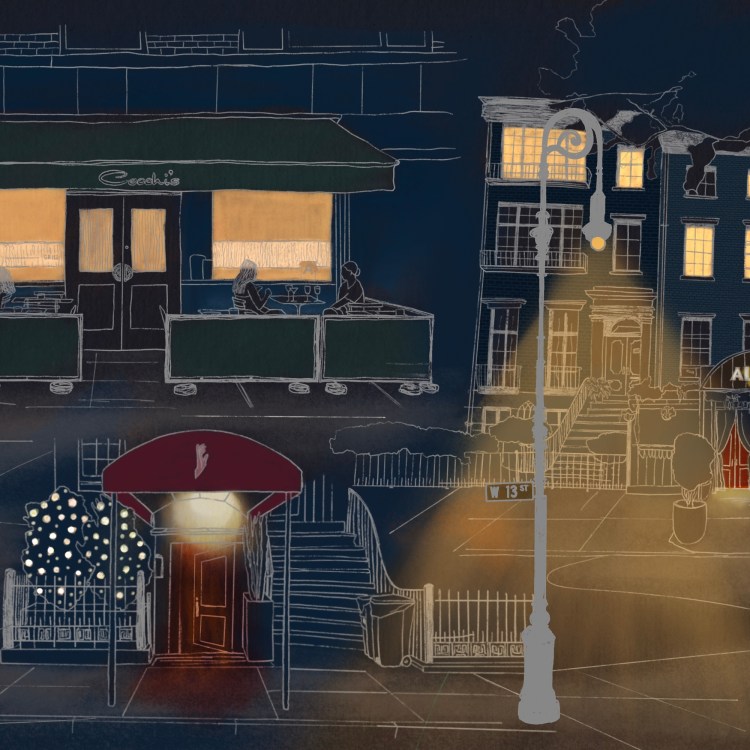
New York loves a micro-neighborhood, and the stretch of West 13th Street between Sixth and Seventh Avenue has the potential to be one of the best locations for a night out. If you work in this industry, you already know Cecchi’s — it’s where we service folk go when we’re off-duty (for the strong cocktails and occasional freebies). Alice is an Italian seafood dinner spot in theory and a house party in practice (you’ll find out what I mean soon enough). And People’s, open since early 2025, has a door people scheme to get past. The best part? They’re all within 30 steps of each other.
A full night out in this city usually means a car-service tab: West Village to SoHo to the Lower East Side, then Brooklyn afters, then the ride home to — if you’re like me — Queens. So I spent eight hours on one block to prove you can do it all without getting in a car. And, hopefully, I’d save my eardrums.
Cecchi’s
My friend Seth and I arrive at clubby Cecchi’s on a Saturday night. Every table is full, and there’s a row of people waiting for barstools. We’re greeted by maître d’ and assistant general manager Cristina Banderas and sommelier Rob Oppenheimer (aka “Uncle Rob” to his friends), both of whom I’ve known for years.
Cristina informs me that I can take pictures, but “the less flash the better” and no guests’ faces, “in case they are having a clandestine meeting with a lover.” For a restaurant whose owner once told Vanity Fair that he wants people to “fuck in the bathroom,” this tracks.
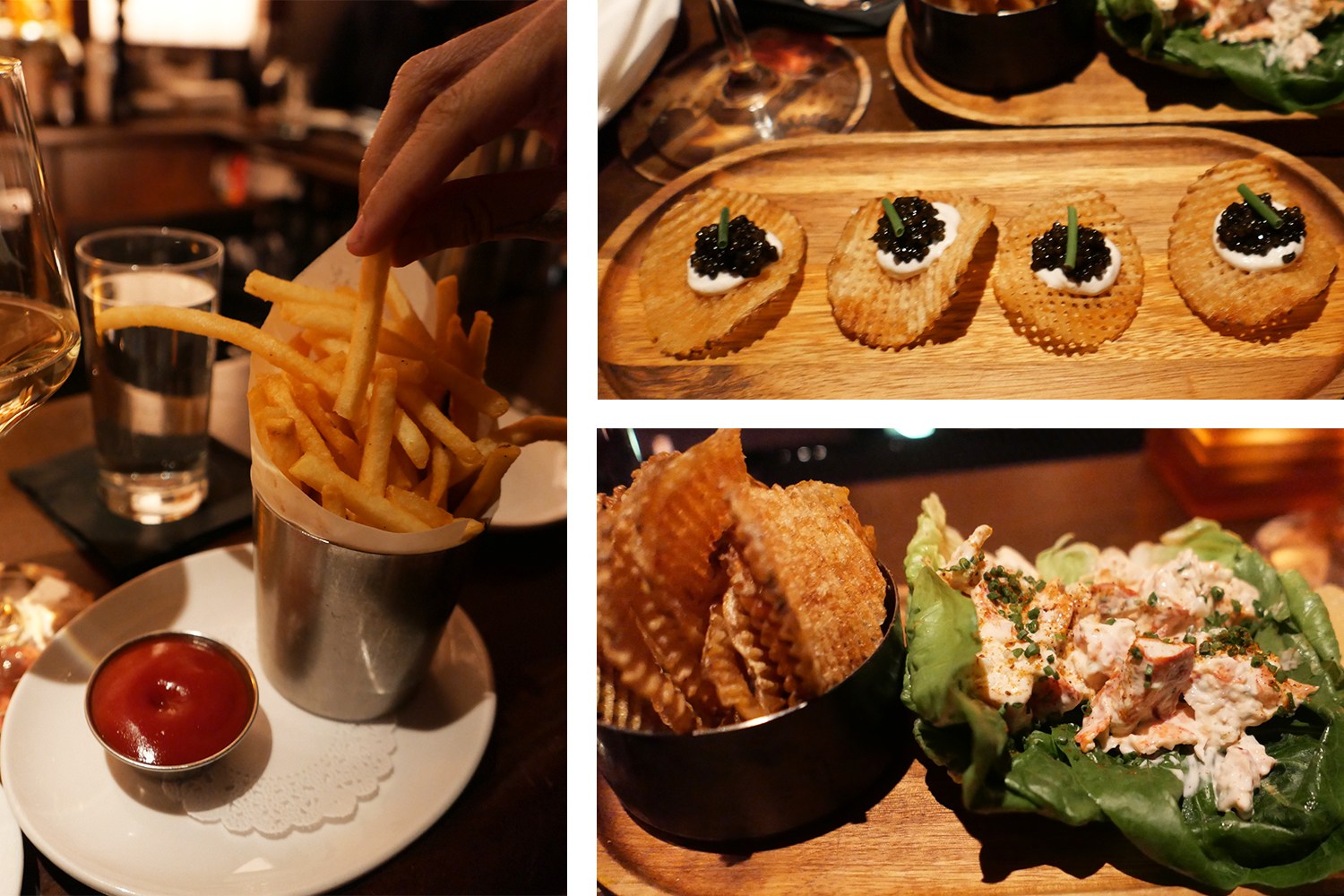
Bartenders Stanley and Emma ply us with Champagne and bar snacks (chips with caviar, lettuce-wrap lobster rolls and fries that rival McDonald’s long-standing reign as The World’s Best French Fry). It’s then that I realize Cecchi’s doesn’t play any music, which is something I hadn’t realized due to the din of overlapping conversations.
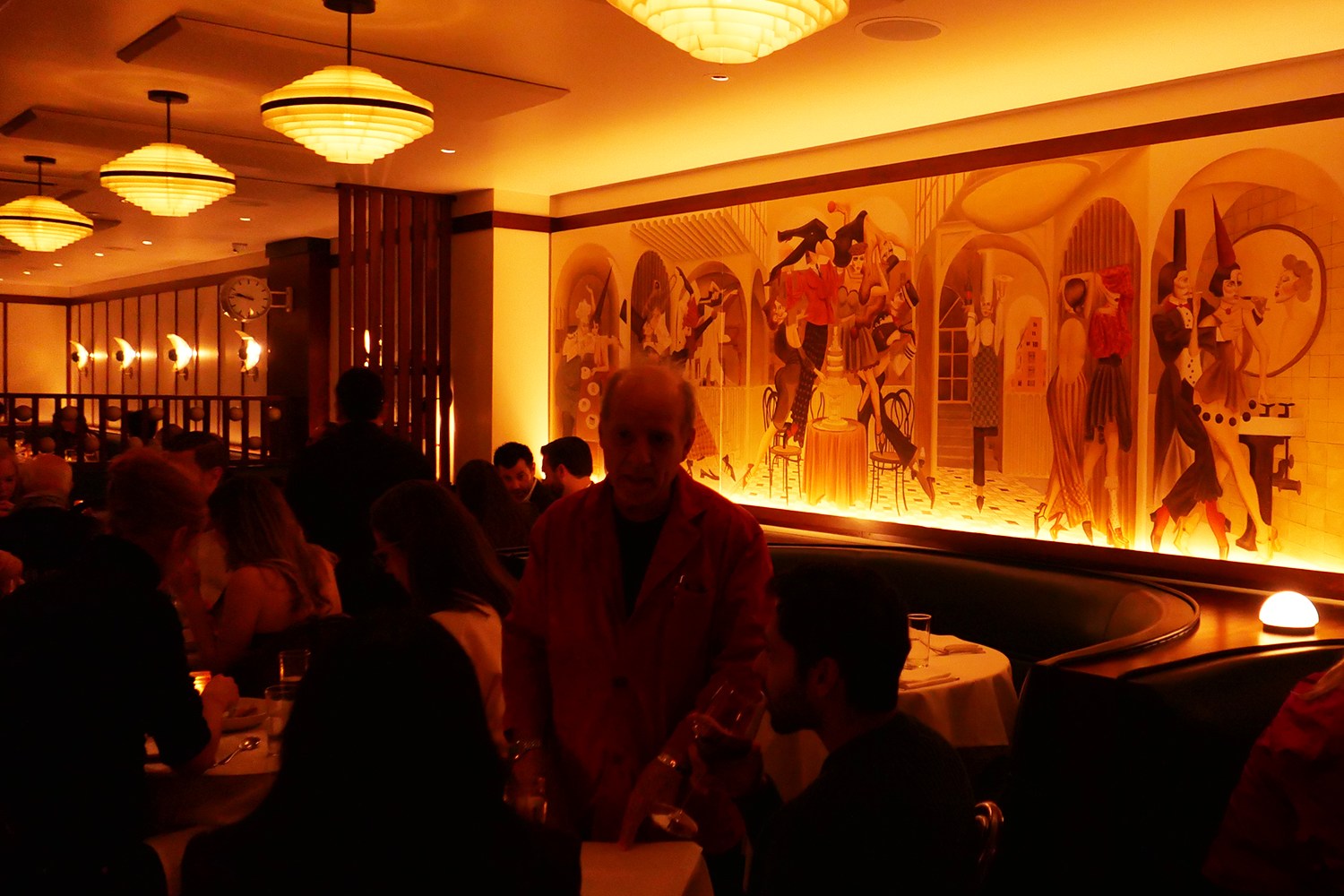
Uncle Rob shows me the murals lining the main room, by Puerto Rican painter Jean-Pierre Villafañe; whenever Villafañe comes in to dine, Uncle Rob says, he sits in the booth beneath his own work. Michael Cecchi-Azzolina, author of Your Table Is Ready and aforementioned proponent of guests fornicating in his bathrooms, took over the former Cafe Loup space a little over three years ago, keeping only the bar.
“He’s an old-school restaurant guy,” Uncle Rob tells me. It shows. The staff greet everyone by name. There are navy leather banquettes, and white-tablecloth tables sit close enough that you can hear the next table’s gossip. Not a QR code in sight. The crowd fits, too: older regulars joking with industry kids, everyone in their Saturday best, nobody in a rush. Many are faces I’d just served the night before, including a young woman named Joy, who’s heading to Nine Orchard after dinner (“I want to be tucked into bed by midnight”). An art dealer and his companion stop to chat on their way out. She was a Cafe Loup regular.
“One day, Loup was closed like that,” she says with a snap of her fingers. “I heard an employee did something bad.”
As for settling rumors, Loup was closed not due to an employee, but something much more commonplace: the restaurant was seized by the New York State Department of Taxation and Finance due to unpaid taxes.
Then there’s Britney, another regular of mine. “So weird to see you out of your element,” she tells me with a stilted smile and blank eyes. When I mention People’s, life floods into her face. Or maybe it’s just social-climbing adrenaline.
“I can never get in there, can you help me?”
Do I grimace? Maybe. I’m not sure I’ll get in myself. Britney lingers anyway, and eventually, two other women join her. Later, after a young woman’s hair catches fire on a candle (her group of girlfriends were horrified, throwing water at her), I ask for the check. Emma passes me a bill with all of Britney’s drinks on it. Four Grey Goose Martinis. I swallow a gasp, then quietly tell Emma those girls aren’t with me.
I have witnessed the lady-grift plenty: a woman sidling up to a man at a bar, paying him as little attention as she can get away with and sticking her drinks on his tab. From the other side of the bar, I’ve never had to care how that might feel; so long as the bill is getting paid, why would I care whose card gets swiped? I am brave enough to admit that it took my Britney experience to empathize with this plight that’s particular to the male experience (just how do you do it, guys?).
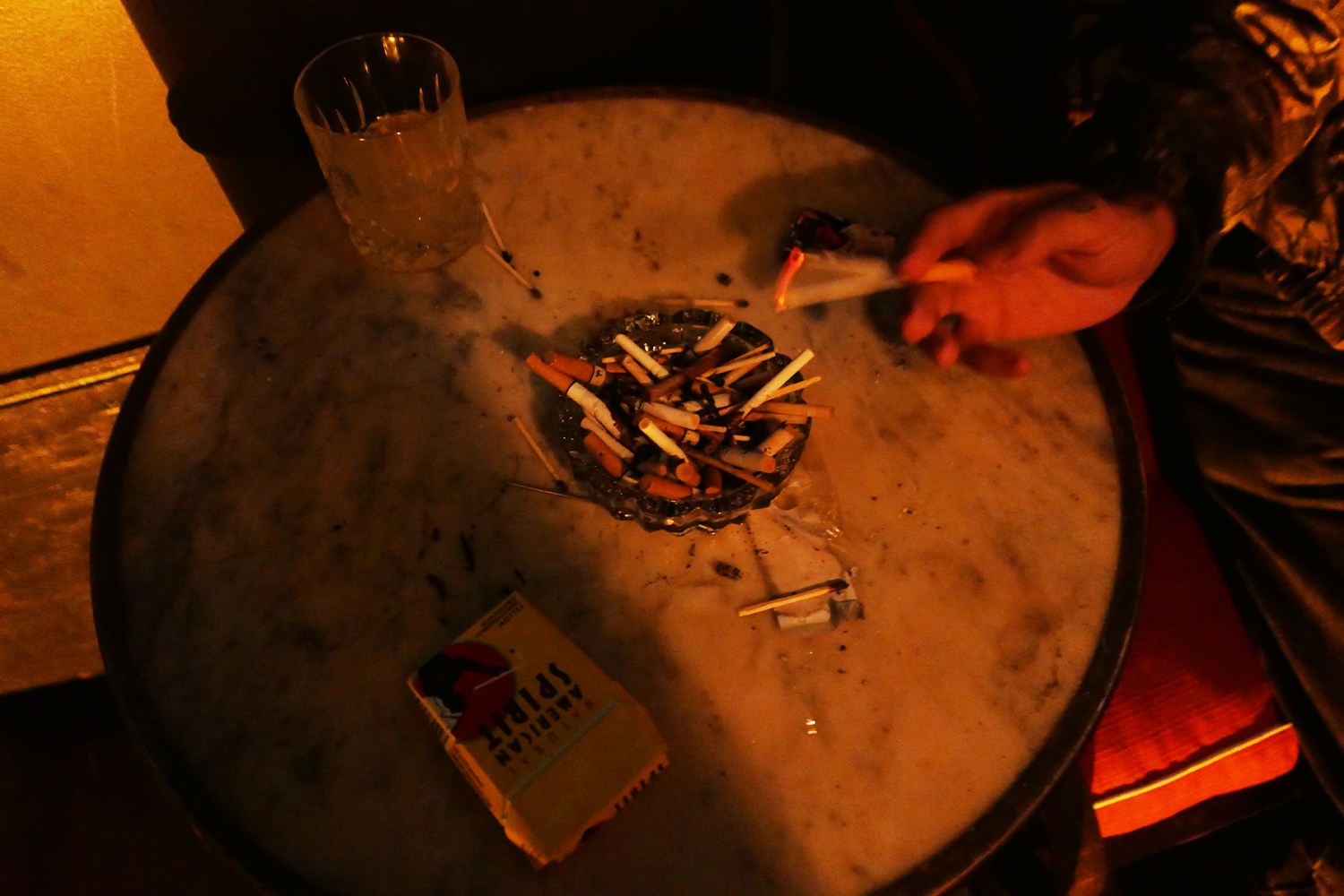
Seth and I walk through Cecchi’s double entrance and proceed to chain-smoke our way 30 steps down the block to dinner.
Alice
Alessio Morosin, Alice’s gracious Italian maître d’, greets us enthusiastically. From an American, it might feel like too much. From an Italian man, one with a well-tailored suit and breezy smile, it feels just right. God knows I love an air kiss. He takes my coat and promises to “work his magic” to get us the best table in the house.
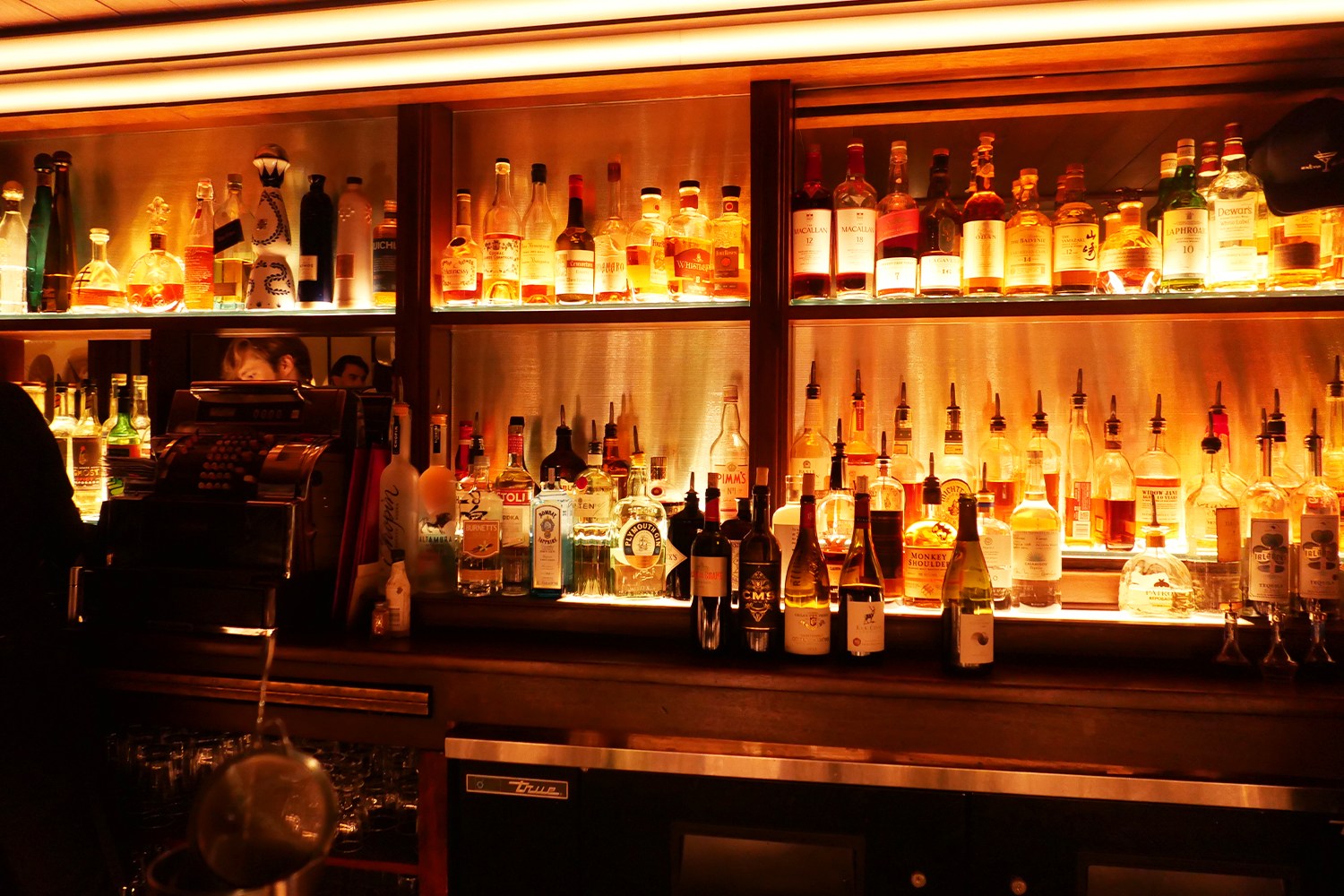
A Scottish server, Faheem, leads us to a middle room hidden behind dark velvet curtains: a bar. Thank goodness. The music here is perfect — low and jazzy, curated but not obnoxious, just loud enough that the people next to us can’t hear what we’re saying.
“Everyone who works here is either hot, Italian or both,” Seth says, eyeing a server who looks like an off-duty Hercules. “There’s smut in the air.”
I’m inclined to agree. Diners whisper and giggle into each other’s ears. Faheem takes our order while twirling my hair in one hand, his other arm around Seth’s shoulders — harmlessly flirtatious, and clearly a fixture of the place.
After apps — branzino crudo and fried calamari, delicious — owner Waél Deek joins us, leaning over our big wooden table beneath a spray of reed grasses. He’s got a busy weekend ahead, and he’s tired.
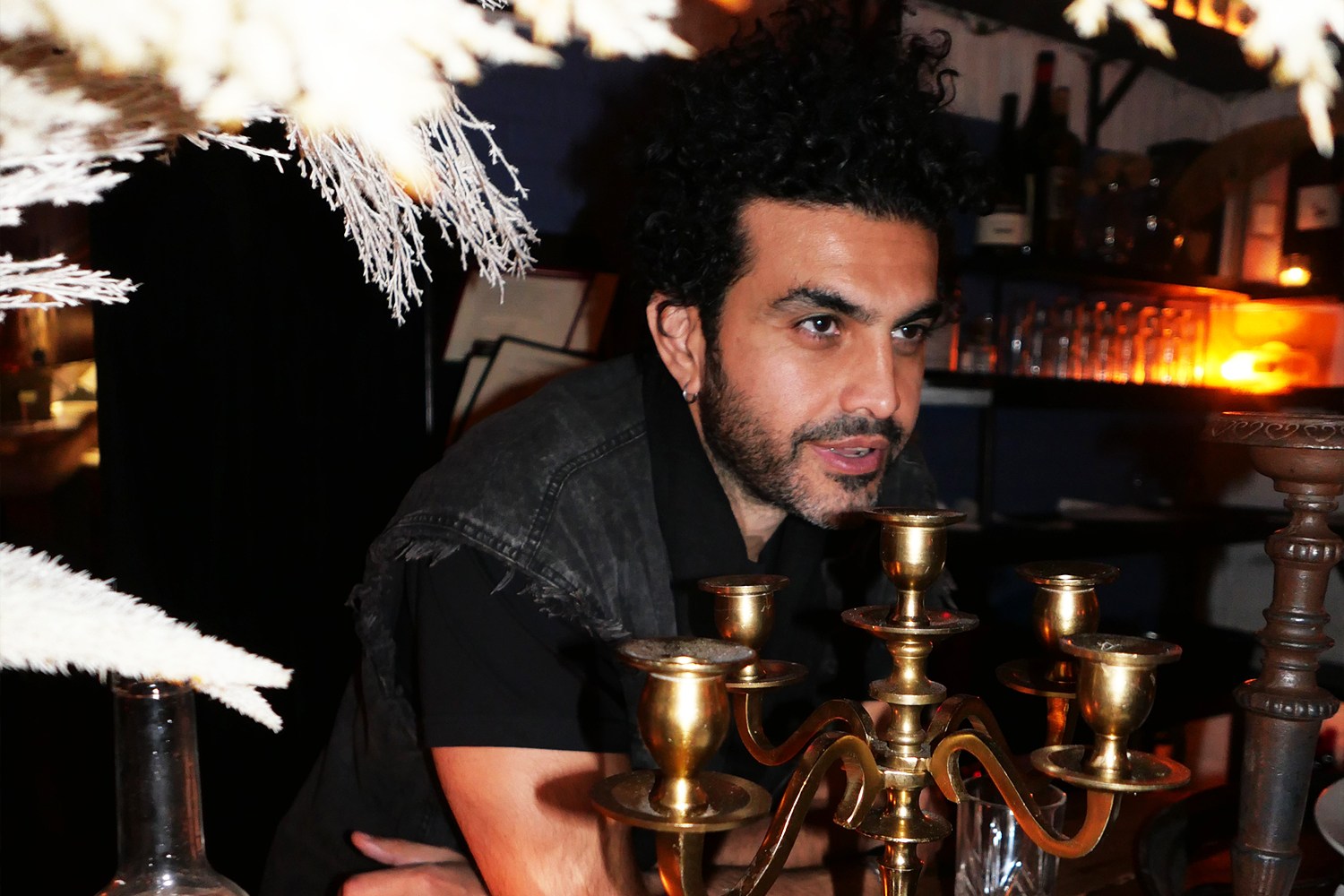
“But I started this restaurant as a place to relax,” he says. “This is where I can play my music and kick back. I wanted it to feel like a respite to everyone else the way it is for me. It’s an extension of myself, that’s the only way I can describe it.”
Taking in Waél — black denim jacket with cut-off sleeves, big scarf, easy slouch — and then the room, I can see what he means. He designed Alice himself, almost entirely with vintage and salvaged pieces: church pews lining the walls, golden pineapple cocktail shakers, antiques rescued from restaurants that didn’t survive COVID. The walls are a deep electric blue, the ceiling black. Each room feels like an elevated version of someone’s house, just dimmer, sexier, cozier. In the back dining room, at least 30 live plants hang from the skylight.
“I planted all of those myself,” he tells us as we crane our necks.
Later, out front over cigarettes with the staff, I tell Waél what this story is about.
“I started it,” he laughs, referring to the draw of West 13th. “We opened November 20, 2020, Cecchi’s opened a few years later, now People’s.”
The three are a family of sorts: Cecchi-Azzolina comes to Alice for dinner, Waél sneaks off to People’s for a drink, and some People’s staffers are Alice alums. When I mention Britney, Waél chuckles.
“Guests are always asking me to bring them to People’s,” he says. “It got to a point where women I didn’t even know were acting like they knew me so I would take them.”
People’s is the work of Margot Hauer-King, daughter of London restaurateur Jeremy King, and her partner, documentary filmmaker Emmet McDermott. In early 2025, they took over the townhouse that was once home to Edith Gregor Halpert’s Downtown Gallery and skipped a public opening entirely, instead sending reservation links to about 300 friends in art, fashion and film. Entry is still by referral, and somebody has to enforce that. That job, Waél tells me, belongs to a man named Frankie.
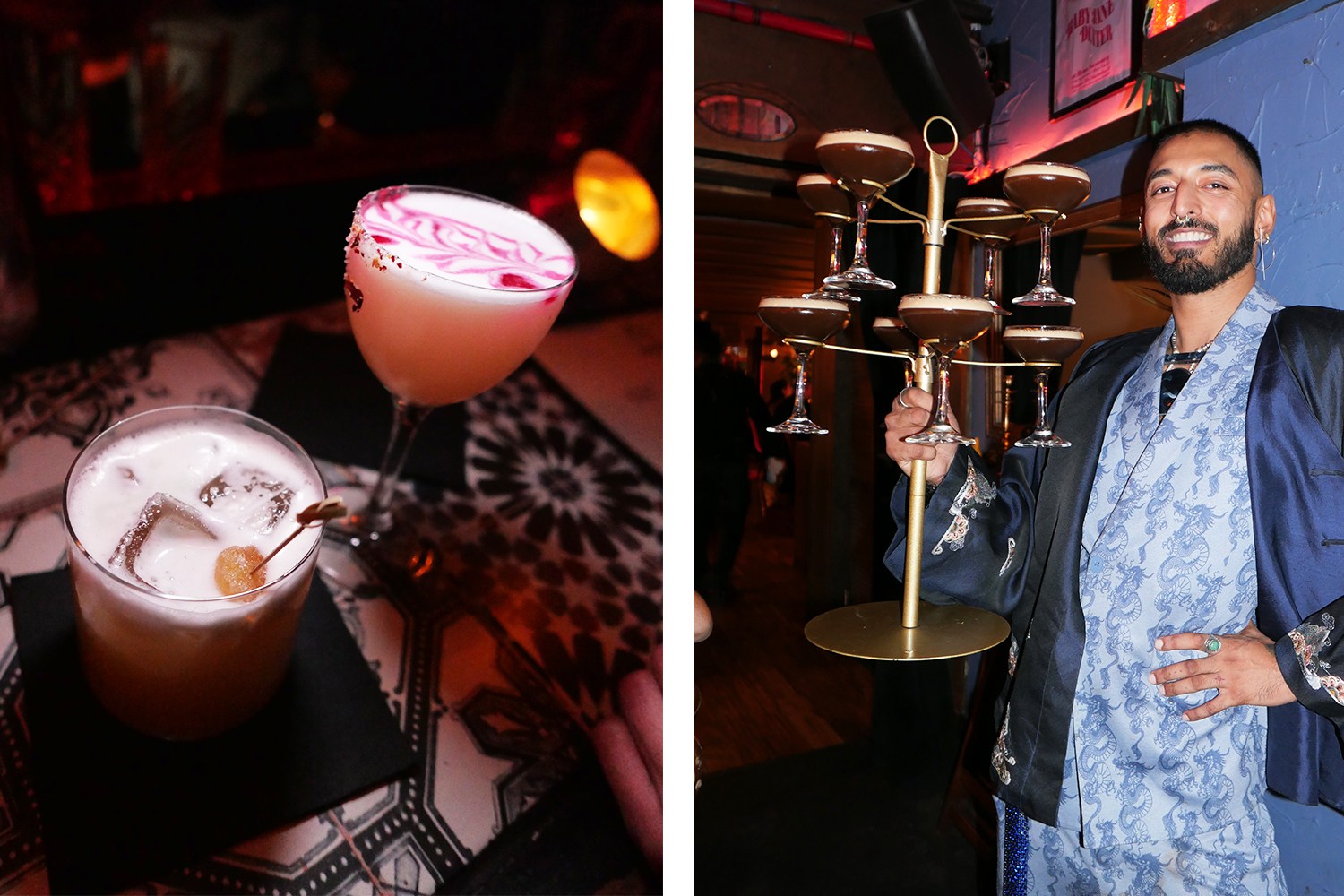
Around 11 p.m., the dining rooms clear out and a DJ starts playing house music, a little louder but totally tolerable. We all huddle in the bar and close the curtains.
“Ahem,” Faheem announces. We look at him expectantly, drinks in hand. “Well, cheers!” Glasses clink. The room looks to him again, as if awaiting a speech.
“That’s all,” he says. “Continue with your business.”
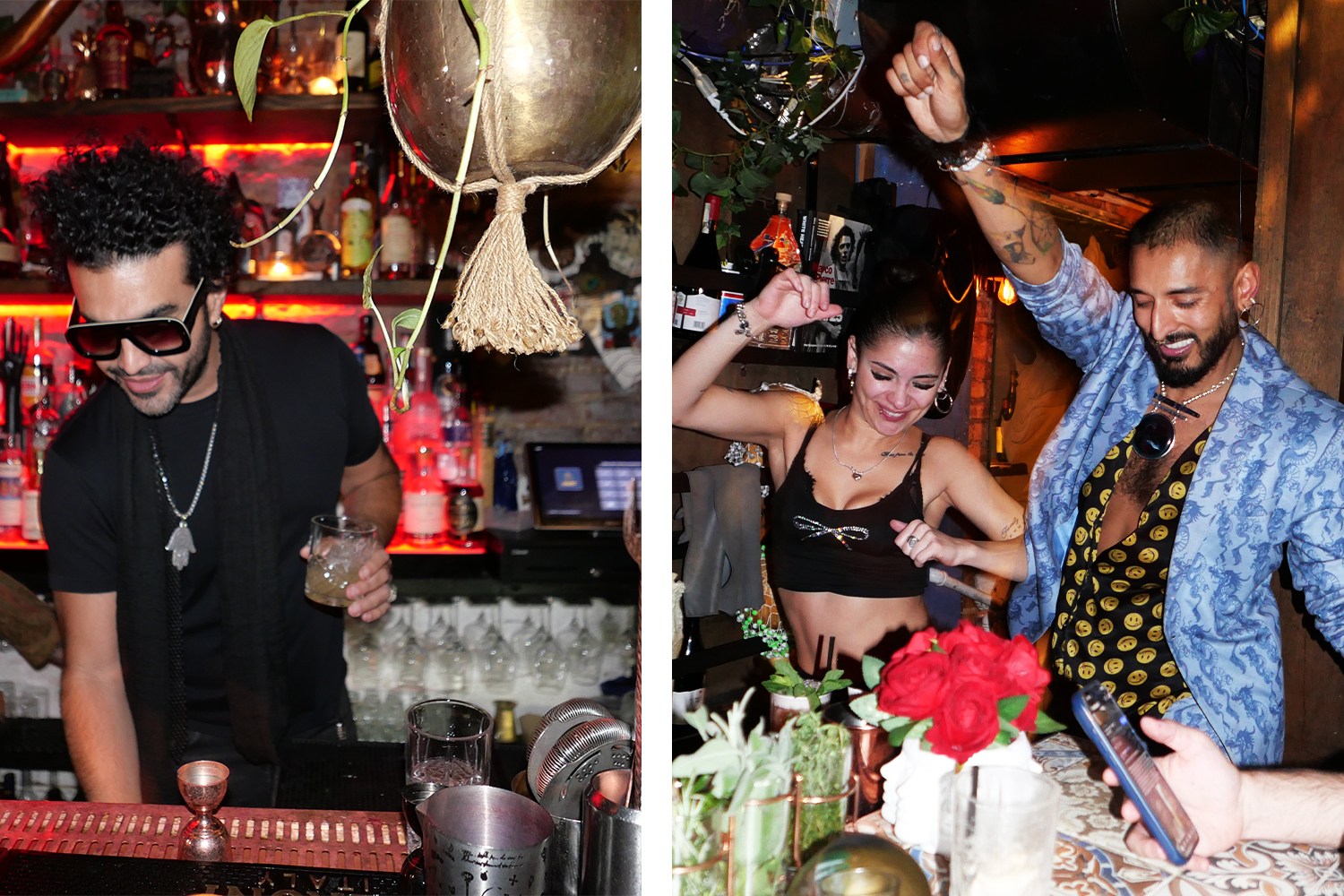
It’s rare that a restaurant-turned-lounge can make a slow night feel anything but awkward, but the staff are authentically enjoying themselves — dancing, drinking and singing. So are we. Around midnight, we head for the infamous People’s.
People’s
I’d talked to multiple people to make sure I could get in, and we still struggled. In People’s defense, I pulled up with four other women and one gay man.
Some 30 people crowd the door. Two men are working it: a small man in a little beret (Frankie, I presume) and Jay — six feet, with a quarterback’s build, a sharp black suit and long hair tied back. He’s handsome, but right now he’s stone-faced. My name isn’t on a list, and we are promptly denied.
Mid-huddle, Jay taps Seth. “You and her can come in,” he says, pointing at a friend of mine we’ll call Claire.
Seth is suddenly the key to entry, which confuses us both; we’re conditioned to think a club wants more women in the room than men. We decide I’ll take Claire’s spot. We kill our darlings, and the darlings take it well, heading home. I trail behind Seth, hoping the swap isn’t a faux pas.
“Me and her,” he tells Jay and Frankie. Frankie gives me the once-over and — wordlessly (and begrudgingly? I can’t tell) — nods. Down the rabbit hole, through the keyhole and into wonderland we go. It only took 30 minutes.
NYC’s Beloved Cafe Gitane Is Back. A Former Waitress Wonders If It Can Escape Its Shady Past.
The Nolita bistro has reopened on East Broadway under a new partnership. A one-time employee returns to find the same banquettes, the same couscous and some unfinished business.People’s first room is a low-ceilinged front parlor with an original fireplace and, at least on this particular night, bodies packed shoulder to shoulder. The bar is a hulking slab of wood repurposed from an antique French bookshelf, and behind it is Fish, a massive, handsome guy with signature shoulder-length brown hair, formerly of SoHo’s Mother’s Ruin. Like children sprinting to their mother after a scrape at the park, we run to him, ready to lick our wounds. He pours us Lambrusco shots and Champagne.
While we’re cheersing, security escorts out a man in khakis and a polo, dressed like he took a wrong turn on the way to a corporate happy hour. Two blondes in cocktail dresses, all highlights and full glam, scamper after him, then double back, ducking behind a wooden column. One clutches a little blue purse to her chest.
“What happened?” one asks.
“It’s just so crazy in here,” the other replies.
She’s right. Bodies slam into bodies, and any opening is instantly claimed.
“Everyone here smells so good,” Seth says. “It smells expensive.”
We shoulder our way into the velvety, dark “dance floor” room, where the DJ plays what I can only describe as pop-house (a subgenre I just invented) at a very normal volume. My ears silently thank him.
The back room in People’s doubles as a gallery, a nod to the Downtown Gallery that once occupied the building: white walls, a skylight overhead, a dark, backlit bar, its bottles aglow. A few of the canvases (at the moment, anyway) are nudes, pale bodies against moody backgrounds. One, on the right wall, is Marcel Alcalá’s Performer in Counter Pose (2023), a lilac-skinned nude wearing emerald over-the-knee boots, painted in the L.A. artist’s flat, folk-inflected style. Artwork rotates quarterly, and all of it is for sale, as People’s General Manager Ryan Gilead tells me. Performer in Counter Pose will run you $12,000.
Everyone is doing one of three things, drink in hand: making out, dancing casually or whispering into someone’s ear.
“Wait,” Seth says. “More than half the room is gay guys and their hags.”
We burst out laughing. We are, after all, one such pairing. Spinning around, I bump into Joy from Cecchi’s.
“What happened to being tucked into bed by midnight?” I ask.
“The night took me, and it won,” she laughs, dancing with a handsome man in a white shirt. They look like they’re in love, but when we joke that they might kiss, he tells us he’s gay. Seth and I double over.
“That’s the real New York love story,” Seth says.
Finally, two seats open up on a velvet banquette, next to perhaps the only straight man present, sitting with a group of beautiful young women (including Ellie Williams). The man worked at Rose Bar before the pandemic.
“Doors should be hard to get past,” he says. “A tough door just makes people wanna get in more. Plus, real New Yorkers go where their friends go, not where some bullshit TikTok made by a tourist who’s been here once says we should go.”
By that logic, everyone in this room is a real New Yorker. Sure, I made it in narrowly, but I am inside, aren’t I? I tend to act as though we’re beholden to some mythical nightlife rules or omniscient Party God, but the people in these rooms are the ones shaping the nightlife caste system. There must be a top, there must be a bottom (no pun intended). I fear where I rank in the pyramid.
On the way out, we stop by Fish’s bar as promised.
“Did you have fun?” he asks. We nod, oh yes, so much, totally.
“Was it worth it to kill off your friends to get in?” he says, smirking. We hesitate. He revises: “What if your friends were actually evil?”
“Well, then yeah, it was totally worth it,” Seth tells him.
Drinks, dinner, dancing, zero car services (well, except the one back to Queens) and my eardrums intact. West 13th is my new favorite block in New York.

More Like This

We're always on the scene eating, drinking and traveling near and far to bring you the best of what's happening out in the real world. Sign up for IRL now.