Spend enough time around New York City and you’ll start to notice something: notches in the ears of some of the city’s feral cats. There’s a reason for that: it’s a way to show that they have been neutered or spayed. This is a practice used elsewhere as well, and it’s a useful way of keeping the feline population under control. But cats aren’t the only animals whose populations cities seek to manage.
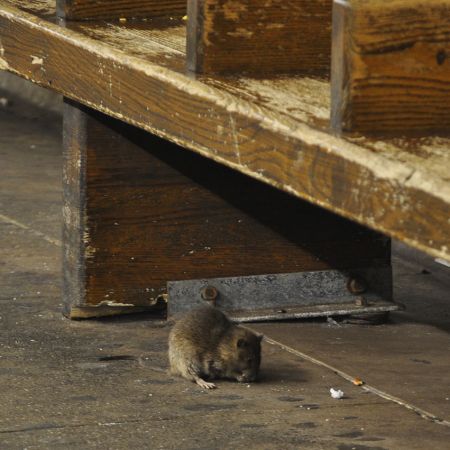
As NPR’s Ari Daniel reports, Somerville, Massachusetts — the city with the highest level of population density in New England — is experimenting with a program to reduce its own rat population. The initiative comes from Sam Lipson, the Senior Director of Environmental Health for neighboring Cambridge. As Lipson told NPR, the program currently being tested in the two cities involves a drug that will temporarily sterilize female rats.
“You need to have a steady supply or diet of this in order to have an effect on the local population,” Lipson told NPR. He explained that this is not a catch-all solution, but is instead designed to work in tandem with other methods to reduce the overall rat population in the area.
There are plenty of reasons for local governments to want to control their municipalities’ rat populations, from preventing rats from being an invasive presence in homes to mitigating the spread of disease from rats to humans.
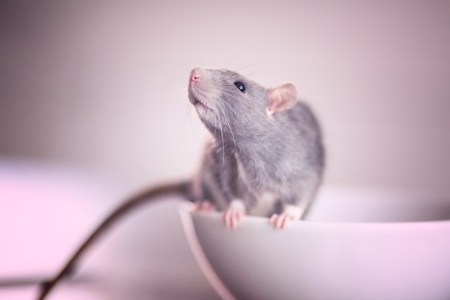
Turns Out Rats Can Conduct Blind Wine Testings
The implications go far beyond wine, howeverAs for other ways to keep the rat population down, the ongoing mayoral race in New York City has seen one solution proposed: could the power of feral cat colonies be used to address the presence of rats in urban spaces? Earlier this fall, Hell Gate’s Nick Pinto noted that a large-scale municipal cat-versus-rat program has yet to be tested. It could be an opportunity — or it could wind up like the Simpsons episode where Springfield used gorillas to eat snakes.

More Like This


This article appeared in an InsideHook newsletter. Sign up for free to get more on travel, wellness, style, drinking, and culture..