With advances in transportation, it’s become easier than ever to visit nearly any point in the world that you might imagine. That’s the good news; what complicates the matter is the challenge of visiting a new destination ethically, in a way that is respectful of local residents, the ecosystem and the history of the region. It’s an ethos that’s taken root in Hawaii, where a system of regenerative tourism is now in place.
Can that ambitious plan survive a broader challenge to the region’s tourism? That’s the question at the heart of a new report by Sara Kehaulani Goo at The Washington Post. Goo explains that regenerative tourism has a number of benefits for visitors and locals alike, including “increasing in-state tourism business ownership and addressing the cost-of-living crisis.” And in theory, doing so can also result in visitors getting a deeper appreciation for the place they’re visiting.
As Goo details, there are a few obstacles to making this initiative stick — many of which are economic. The Post cites a recent decline in visitors relative to last year, along with a more substantial drop in travelers from Japan making their way to Hawaii. Earlier this year,The Guardian reported that the state is planning to raise taxes on some aspects of tourism as a means of responding to the environmental effects of travel to and from the state.
There’s also the matter of the Maui wildfires, the rebuilding efforts around which provide an opportunity to reimagine certain aspects of local tourism — but which are a logistical challenge in their own right.
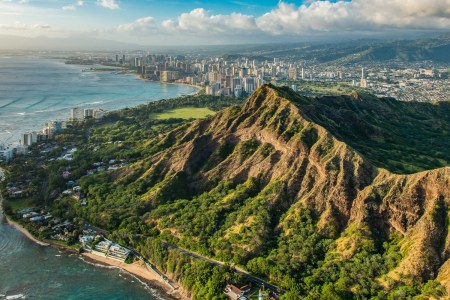
A New Hawaiian Law Could Reduce Short-Term Rentals
One local government has already made changes as a resultIn a 2020 article on regenerative tourism in The New York Times, Purdue University’s Jonathon Day explained the importance of this approach. “Regenerative tourism says, let’s make it better for future generations,” Day told the Times. But it isn’t always easy to make a more ambitious, long-term project work out — and it remains to be seen if this bold initiative will succeed at all of its goals.

More Like This


We're always on the scene eating, drinking and traveling near and far to bring you the best of what's happening out in the real world. Sign up for IRL now.