As a Southerner, I’ve grown up going to pig pickins in my native North Carolina, two-stepped my way through honky-tonks as a current Texan and disguised myself in full regalia during Mardi Gras as an occasional Louisianian. As a travel writer by trade, I’ve made a point of dissecting the various corners and pockets of the region. So it was strange that, until recently, I had such a prominent blind spot in my travels: Jackson, Mississippi.
I initially thought I had simply re-entered familiar territory when I arrived in Jackson and was reacquainted with the South’s trademark hospitality while checking into The Orchid Bed & Breakfast. Built in 1888, the dwelling was designed for a major in the Confederate army, whose family owned enslaved people; today, it’s one of the city’s many Black-owned businesses. The inn felt quintessentially Southern, with hardwood floors, stained-glass windows and a permeating stillness.
Feeling my appetite get the better of me, I stashed my belongings and made my way to Stamps Super Burgers. A glorious scent drew me to an unassuming building on the corner of a residential street, where a long line of customers posted along the perimeter. I ordered the Double Super Burger then found an empty spot on the wall to wait. Cooks shuffled behind the grill, patties sizzling on a large range, sending up plumes of smoke that hung in the air. When my name was called, I was handed a comically huge metal tray with a tower of meat, cheese and buns. I welcomed the incoming food coma with each bite.
Old-School Diners and Iron Horse Fires
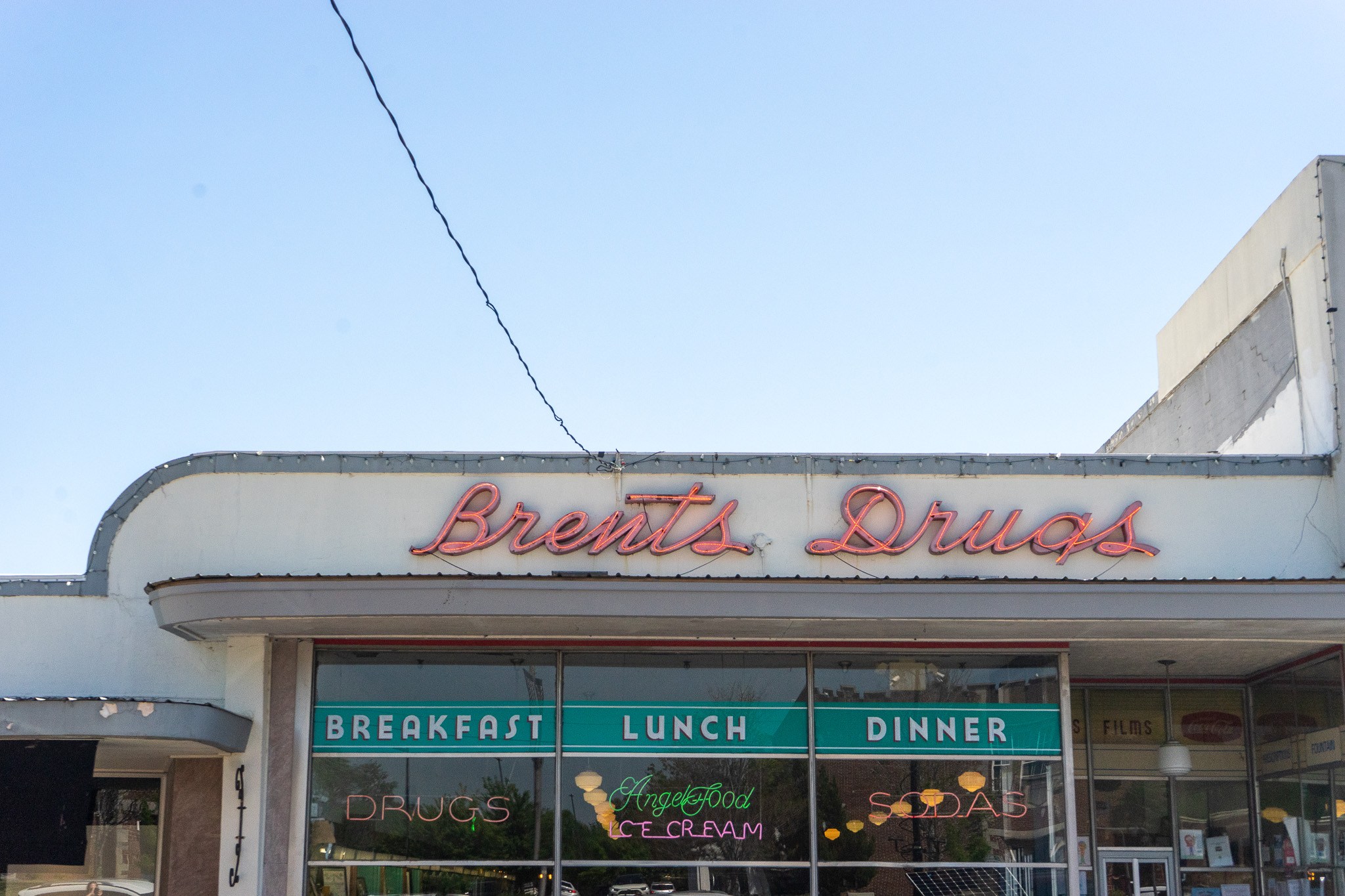
For breakfast the next morning, I headed to Brent’s Drugs, one of those old-school diners that you’re grateful still exists the second you slide into a teal booth. Open since 1946, Brent’s feels like stepping into a time capsule — Art Deco aesthetic, photographs dating back eight decades and a long chrome-accented counter lined with cushy, round stools.
This was no time for restraint, so I ordered a heaping portion of eggs, sausage, biscuits and gravy, then washed it all down with a sugar bomb known as the Ginger Finger, a milkshake made with vanilla ice cream, ginger syrup and Butterfinger. (Daytime is hardly the only time to visit — come evening, the front section closes to reveal The Apothecary, a speakeasy where dim lighting and creative cocktails make for an ideal nightcap.)
After a bit of meandering, I followed up my decadent breakfast with brunch at the Iron Horse Grill. I was feeling sluggish, but an animated man sporting a fedora and rocking out covers on a keytar pulled me right out of my stupor. Stories on the paper menu told about the fires that had twice consumed the Jackson landmark since its 1906 opening — the most recent, in 1999, led to a closure of 15 years. Yet here I was, refueling inside the unkillable Iron Horse. The massive brick building also houses the Mississippi Music Experience upstairs, where a maze of hallways lined with detailed wax figures — Muddy Waters, Elvis Presley, Jimmie Rodgers, Robert Johnson — tell the story of the Magnolia State’s deep musical legacy.
Blues in the Wild
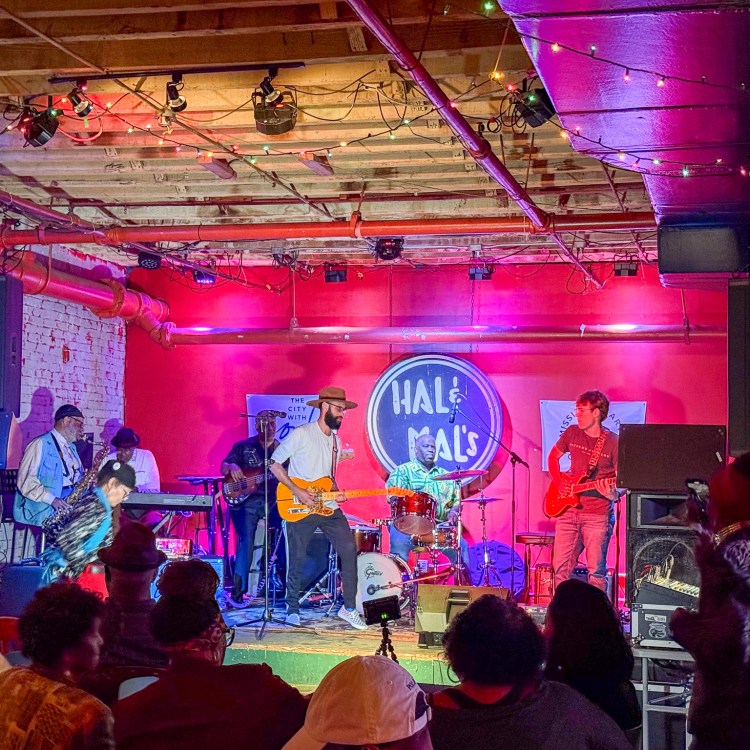
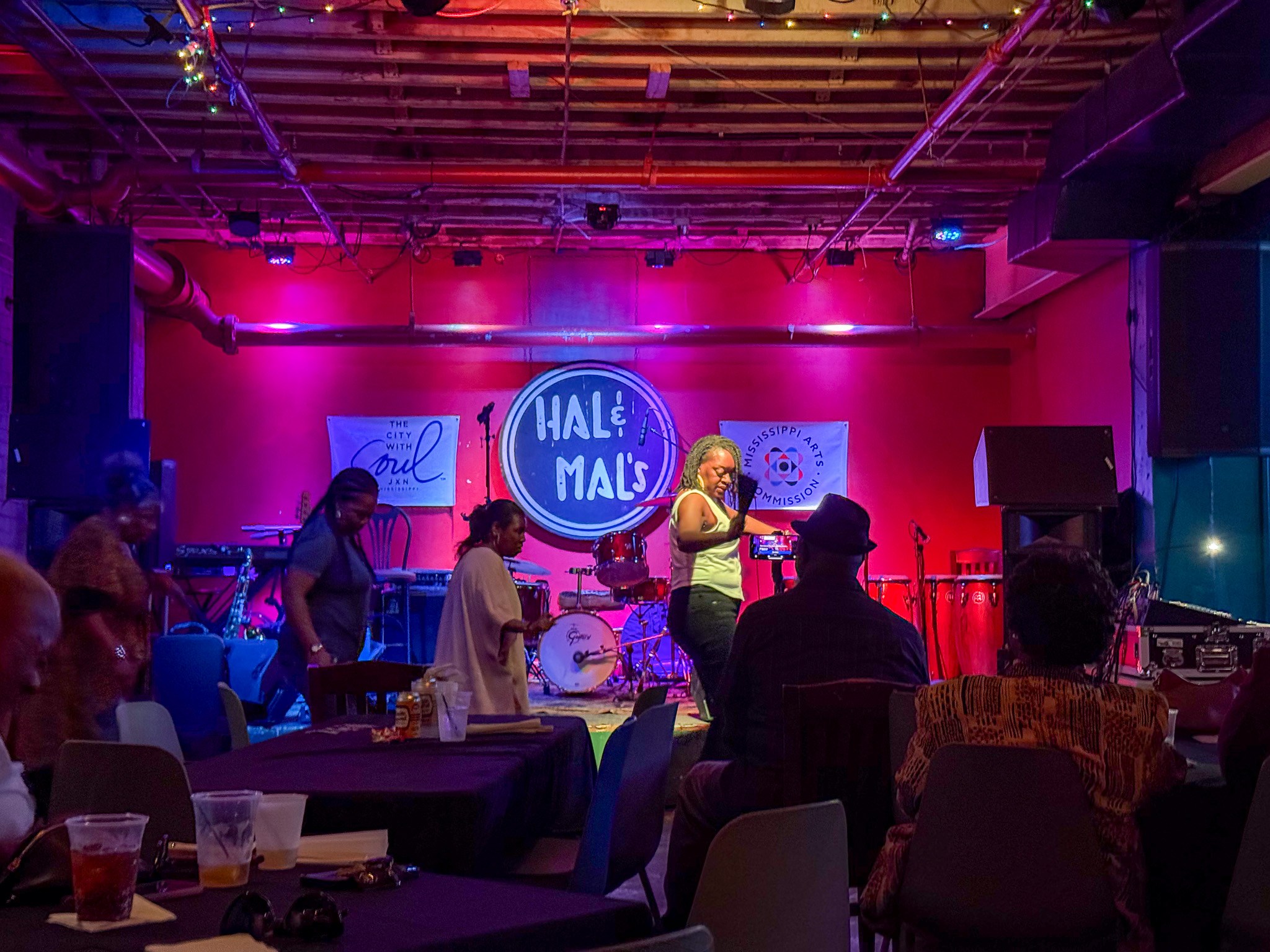
Certain corners of the South possess a rare kind of magic: a collision of irreverent creativity and the wonderfully unexpected. In Jackson, I happened upon that alchemy at Hal & Mal’s. Checkerboard floors, neon signs, vintage photographs and concert flyers covered every square inch of real estate on the walls of the restaurant, where a trivia night was underway. But exiting to the right, I found a raucous younger crowd belting karaoke in an adjoining lounge, which extended into an outdoor patio.
After poking my head outside, I went back to see what awaited in the unchosen path to the left, and happened upon a “Blue Monday” jam, which has been held weekly for the past 20 years. Blues in the wild — now this is what I came for. A little cadre of dancers popped their clack fans in unison to the music.
The Most Beloved Bar in New Orleans Is Still the Real Deal
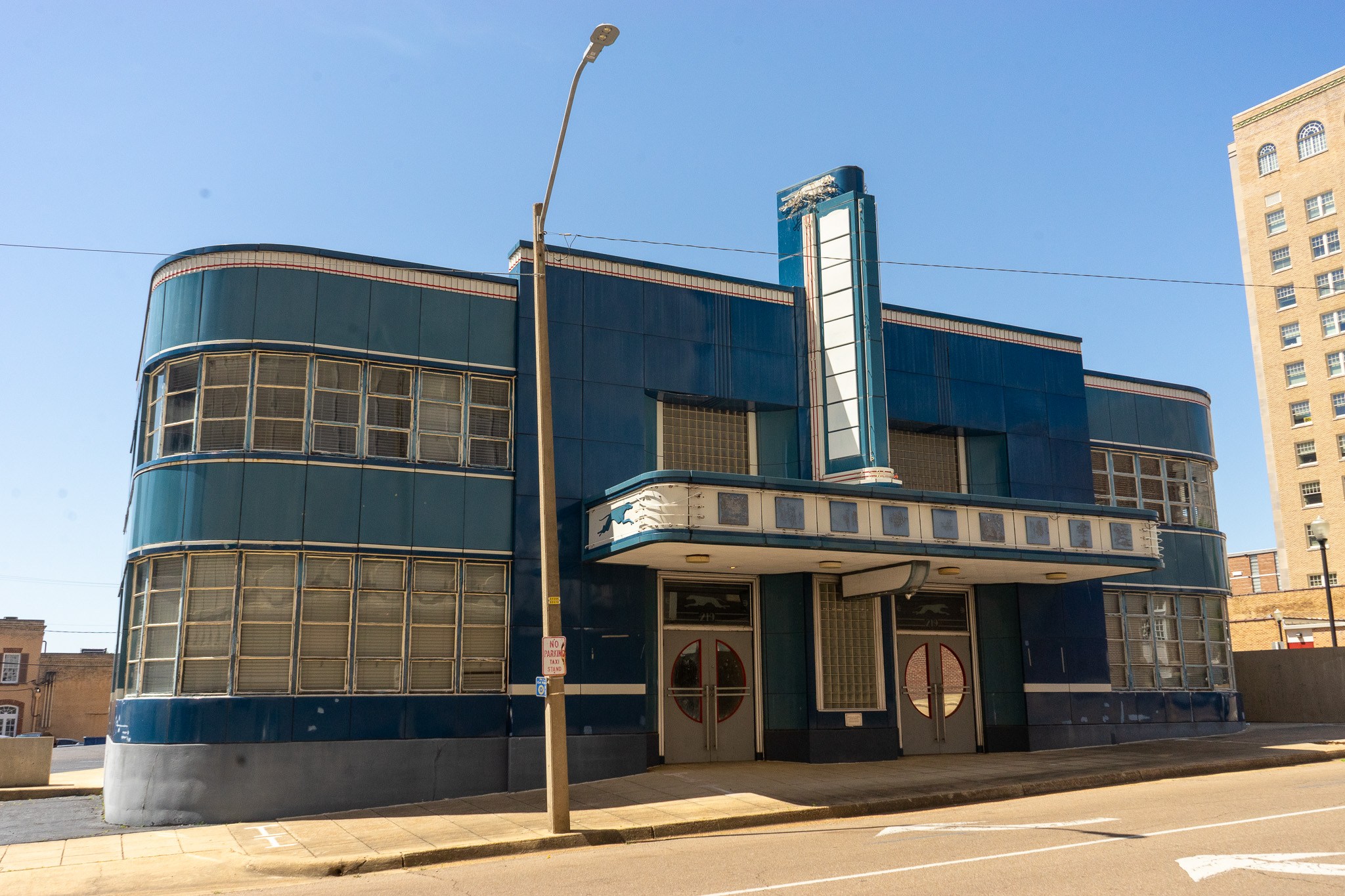
Erin Rose has been serving frozen Irish Coffees just off Bourbon Street for 25 years. We asked bartenders why it remains a local favorite.As I cruised around Jackson, mid-century and Art Deco buildings kept catching my eye. Several had signs nearby, in three varieties: generic history markers, or stops on the Mississippi Blues or Freedom Trails. After repeatedly passing one arresting dark blue structure, I finally gave in and stopped for a look at its curves and walls of glass block. Spotting a placard near the entrance, I learned this was the very Greyhound bus station where the Freedom Riders arrived in the spring of 1961.
“More or Less Always Under Attack”
Appropriately, my next stop was the twin museums covering Mississippi history and civil rights. I arrived early, ready to spend an afternoon.
As a white man, racism is something I’ve never felt the full weight of myself. So strolling through the museums, it was difficult to imagine myself in a scenario where I’d have to guess the number of beans in a jar just to be able to vote, a tactic once used to prevent Black people from casting ballots in the Jim Crow era. Even harder was walking through the area dedicated to Emmett Till, who was brutally murdered at the age of 14 by a white lynch mob, and seeing several graphic pictures of his body at his funeral — open casket, at his mother’s insistence, to show what had happened to her son. The intensity of these exhibits slowed my pace, and the day’s closing announcement, hours later, caught me totally by surprise.
It wasn’t just the discordance of American ideals of liberty and equality set against segregation, lynchings and the brutality of slavery that set me on edge. What unsettled me most was the sense of how commonplace the attitudes behind those acts were. I reflected back on the Freedom Riders — how even the simple act of taking the bus could be deadly. While I saw dates like 1825, 1925 and 1965, my mind kept returning to the 2020s. I thought of Black Lives Matter and the murder of George Floyd, and how I wouldn’t be surprised to see displays on those topics occupying these same walls one day.
Later, I parked within the Farish Street Historic District, a prominent Black neighborhood and a seat of entertainment and political organization that was added to the National Register of Historic Places in 1980. I snapped photos of the former home of Trumpet Records and the Alamo Theater, two more stops on the Mississippi Blues Trail, before heading into the COFO Civil Rights Education Center at Jackson State University.
I met Dr. Robert Luckett, the director of the facility and also a professor of history at the school. He gave me a brief rundown of the different groups active during the civil rights era — the Student Nonviolent Coordinating Committee, Southern Christian Leadership Conference, Congress of Racial Equity and National Association for the Advancement of Colored People — who had used the space to coordinate activities.
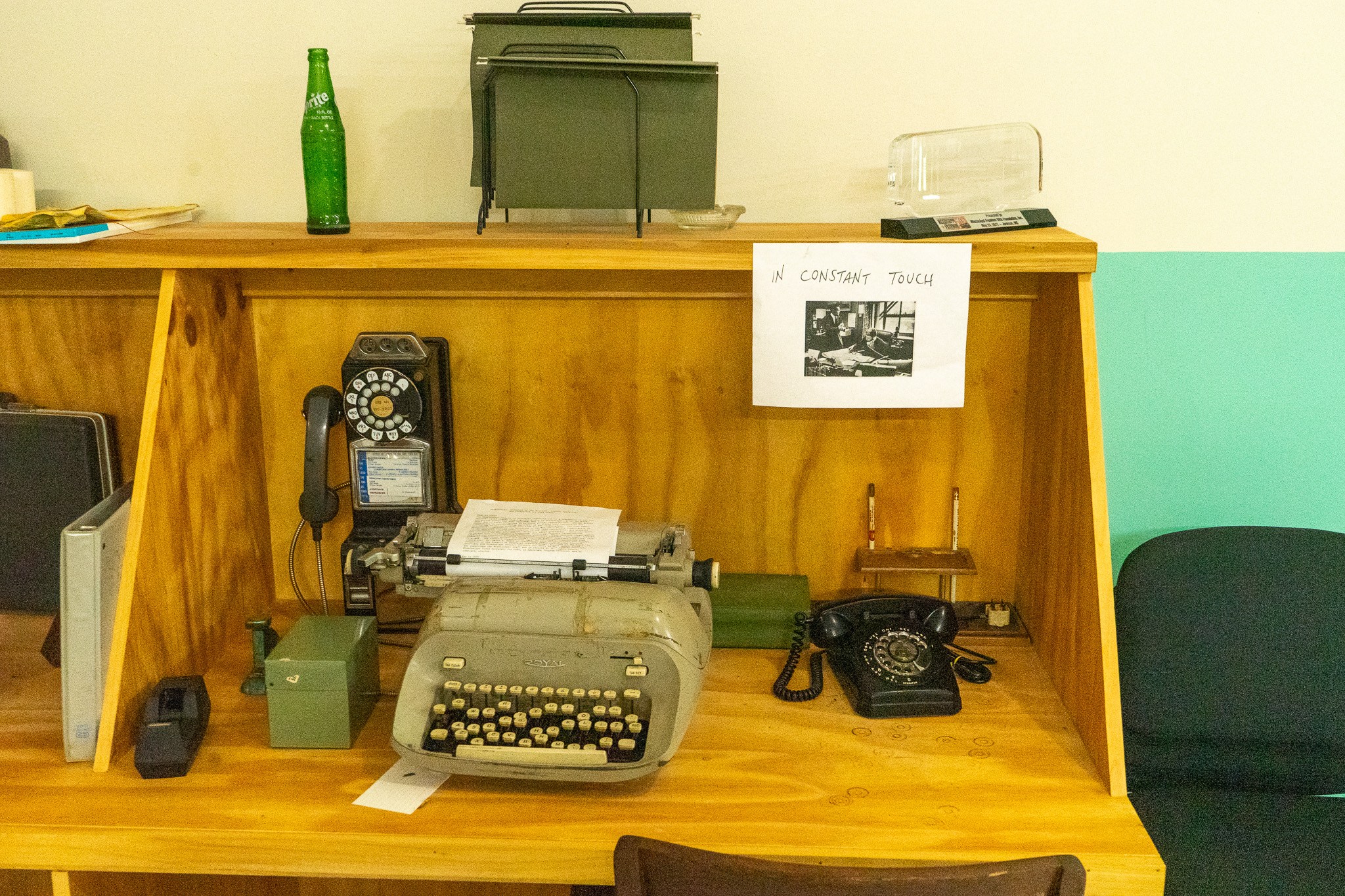
We walked by a wooden desk with an old typewriter and a sign reading “IN CONSTANT TOUCH.” Dangerous work in the field required hourly calls into the office, while those answering meticulously recorded whatever was reported back. This was the unseen machinery of the civil rights movement — behind the marches and speeches, a focused, deliberate, organized effort that was humbling and inspiring in equal measure, all in an age before smartphones and the internet. Like many others of my generation, I first studied this history in school, but I’m still shocked by the stories left out of the watered-down version I grew up with.
Dr. Luckett drove the point home: my presence in that building 60 years ago would have meant risking my life. “More or less always under attack” was his appraisal of the facility since it opened. Today, those struggles continue, but now in the form of threats to funding and political attempts to erase or rewrite the truths it preserves.
By now, this was no ordinary trip to another languid corner of the South. All roads out of the past led back to the present.
America’s Most Important Stories
My last stop, the one I’d been circling without quite realizing it, was the Medgar and Myrlie Evers Home, the former residence of the civil rights activist who was gunned down in his driveway in 1963 by a white supremacist. As the first Mississippi NAACP field secretary and a formidable organizer, Medgar Evers and his family were constant targets of harassment and threats. His single-story teal and brick house hid a degree of forethought I’d have missed without the tour guide’s captivating account: It sits mid-block rather than on the corner, limiting possible attack angles; the roof used rough stone instead of shingles, so the family could hear any would-be assailant overhead; there was no front door — the only entrance was on the side next to the pull-up garage.
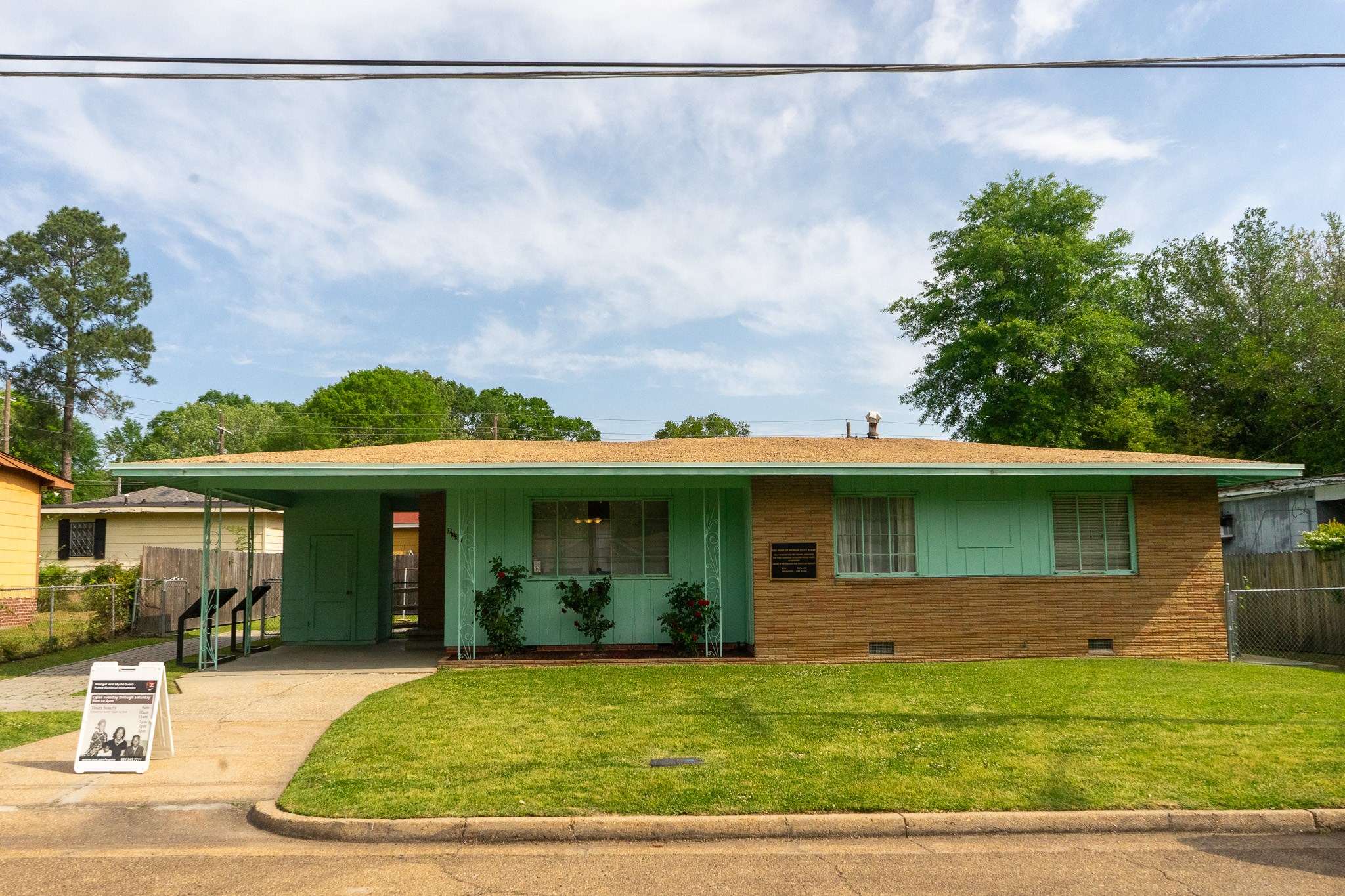
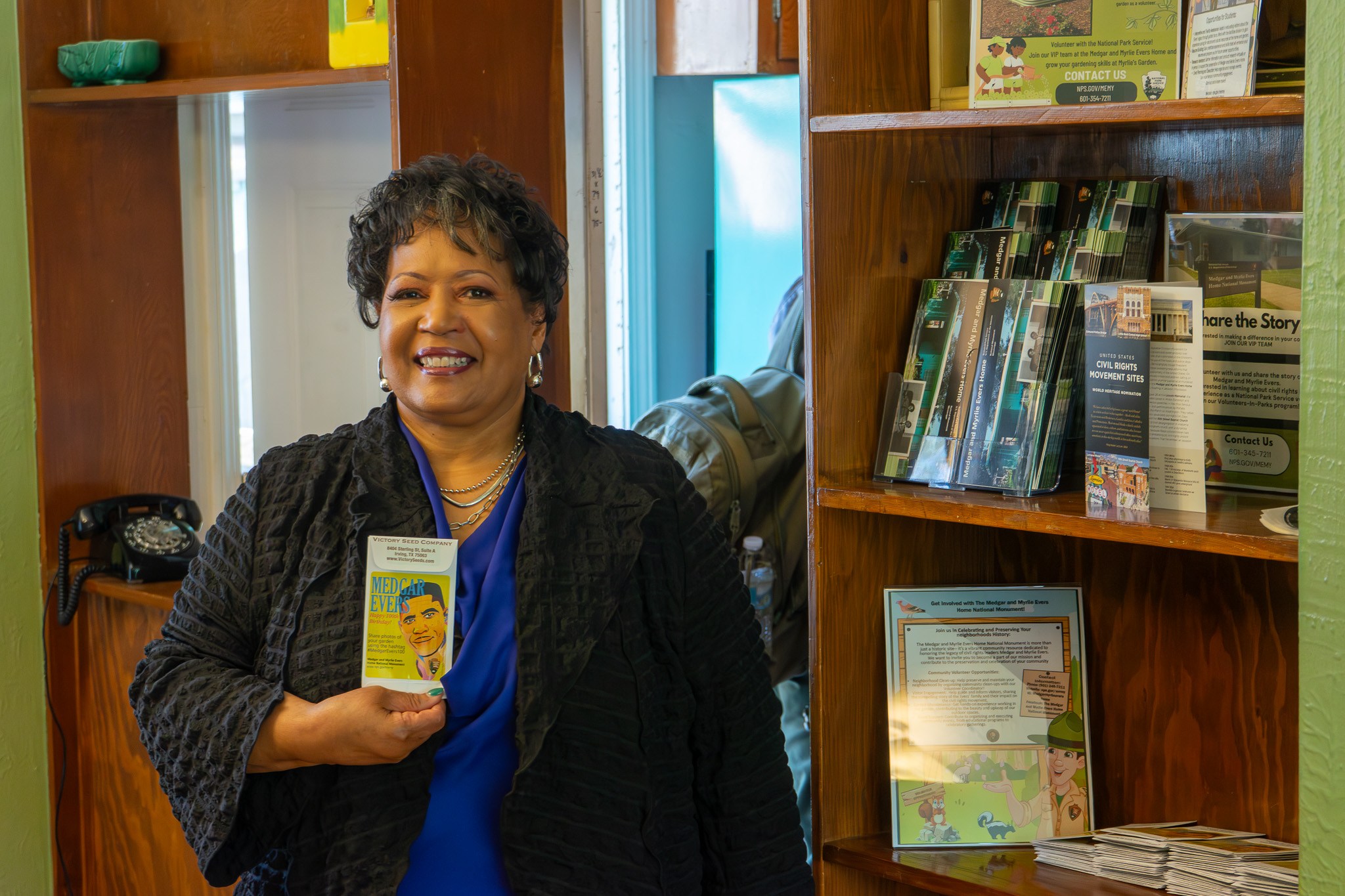
Reena Evers-Everette, Medgar’s daughter, who was only eight years old and in that very house the day her father was assassinated over six decades ago, also happened to be there that morning. As she greeted me and my group, she handed out vegetable seeds in a small pouch bearing her dad’s likeness — a symbolic gesture celebrating what would have been his 100th birthday.
Born as I was in 1986, I’d always considered the civil rights movement of the ’50s and ’60s a bygone era, distant in a way that felt purely historical. When I introduced myself and shook Reena’s hand, that history came alive in a way it never had before, and all those years of distance closed in an instant.
Jackson turned out to be far from another ordinary Southern destination despite all my years exploring the region. This trip hasn’t stayed with me in the time since simply because I received an experience only the best destinations are capable of giving, with changed perspectives and expanded worldviews. It wasn’t just because the city felt like the South in miniature with all of its culture and complexities. Jackson stays with me today because it feels like America’s most important stories run through it. On the country’s 250th birthday, the city perhaps offers the strongest context to our nation’s present moment, especially because, despite all the tragedies and trials of the past, there flows within it an unceasing undercurrent of hope for the future.
This history still rhymes. Whereas flagrant tactics like bean counting were used to suppress the vote decades ago, the Cost of Voting Index currently ranks Mississippi dead last for ease of voting in the U.S. Here, there is no online voter registration, no early voting whatsoever, and strict voter ID and absentee ballot requirements. Despite all of this, hope still finds a way — last week, Mississippi’s senate race was officially called for Scott Colom, who will be the state’s first Black senator since 1881.
At the airport a few hours later, I pulled out Reena’s seed packet, which was still in my pocket, her father’s face rendered on the front with some small instruction about the time it takes to grow something. My flight was boarding, but I wanted to sit in that moment for just a little bit longer. For the first time in days, I resented having somewhere else to be.

More Like This


We're always on the scene eating, drinking and traveling near and far to bring you the best of what's happening out in the real world. Sign up for IRL now.