Nota bene: All products in this article are independently selected and vetted by InsideHook editors. If you buy something, we may earn an affiliate commission.
Done right, strength training is a cerebral practice. It requires the patience, form and focus of gentler activities like yoga or tai chi. That’s why you’ll hear trainers use phrases like “mind-muscle connection,” “time under tension” or perhaps “kinesthesia.” They want you to honor and engage with your neuromuscular network — to feel the reps, not rush through them.
I’ve found that phones can get in the way of all that, just like they disrupt everything else these days — work brainstorms, family dinners, even our beloved sports teams. A study by researchers at the University of Texas at Austin found that the mere presence of your phone in a room limits your brain power. So how might a phone impact your muscle power?
I’ve certainly dabbled in fitness apps in the past — from Centr to Hevy to Peloton — and if one works for you, keep at it. I know those in-ear coaches are light years ahead of where they used to be, and if you’re trying to get a routine off the ground or keep one going, the right app could prove invaluable. But when I bring my phone to the gym these days, I’m not using a fitness app. I’m usually just hunched over, poking at texts or articles in-between sets on the lat pulldown machine.
So aside from my daily mobility routine with Pliability (which I knock out via AirPlay on my apartment TV), I’m looking to analog my fitness routine this year and prioritize neuromuscular feedback. The only piece of “tech” I’ll be using alongside my strength workouts is a trusty stopwatch.
Get Yourself a Stopwatch
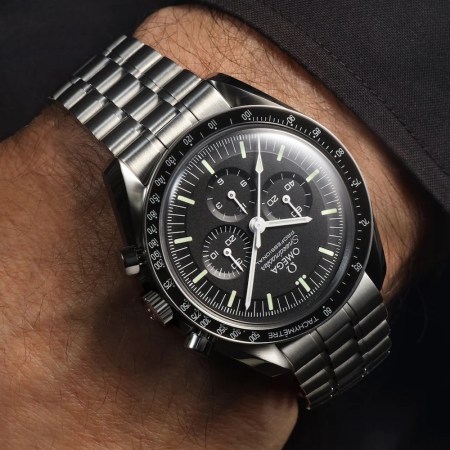
I have a Timex Ironman, the one that retired Navy SEAL Jocko Willink posts every time he wakes up at 4:30 in the morning. (Though my alarm doesn’t hold a candle to that.) It’s an absolute classic, the exact watch that’s been used to train Olympians and special forces going back decades.
When I got my hands on one again a couple months back, I was shocked to remember how many hours I spent running with an Ironman on my wrist. Long before the GPS watch era, back in my cross-country days, I’d put down 50 miles a week with only a timer to track them. (In those days, mile markers were assumed knowledge, passed down by captains.)
You could run with an Ironman again (or swim with one), if you’re trying to go as analog as possible again. I think that’d be pretty badass. But I’m too Strava-pilled now to attempt anything like that. I’ve been using my stopwatch for the gym, and specifically for full-body exercises that blend strength and mobility.
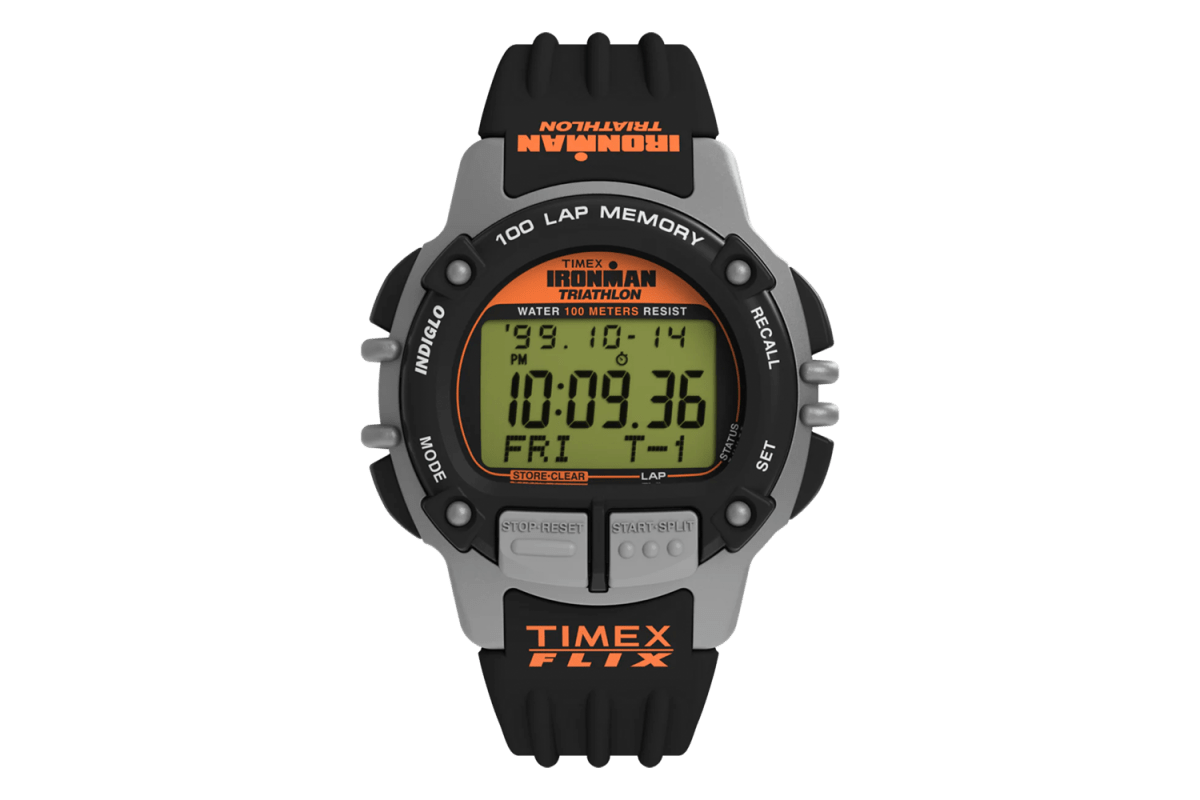
The Stopwatch Workout
Here’s a simple and versatile stopwatch workout I did while traveling the globe a few months ago. You don’t need much — just the stopwatch, a mat or patch of grass, and a bit of mettle.
You’ll see a few isometric exercises on there — also known as timed muscle contractions — because they lend themselves so naturally to a stopwatch workout. These static holds have the power to lower your blood pressure while strengthening major muscles groups like your thighs, glutes and core. For good measure, I’ve also added a few minutes of dynamic exercise across a few movement patterns: push, pull and core.
Most importantly, this workout will force you to stay fully present and on task. Plus, the timed nature of it all builds resilience. It wouldn’t surprise me if many of us can glean a better workout from 10 minutes with a stopwatch than 60 minutes with a phone.
Here’s the full rundown:
- Plank: 90 seconds
- Mountain Climbers: 60 seconds
- Air Squats: 60 seconds
- Wall Sit: 90 seconds
- Fast March: 90 seconds
- Push-Ups: 60 seconds
- Snow Angels: 90 seconds
- Bicycle Crunches: 60 seconds