What we’re drinking: Buffalo Trace Prohibition Collection #3
Where it’s from: Buffalo Trace Distillery is a family-owned company based in Frankfort, KY, dating back to 1775. It’s the longest continually operating distillery in America. The distillery is currently home to Blanton’s, Pappy Van Winkle, Eagle Rare, W.L. Weller and the annual Buffalo Trace Antique Collection.
Why we’re drinking this: I flew down to Buffalo Trace in the fall of 2023 to check out the property’s experimental Warehouse X and Warehouse P. I was able to preview the first release in the inaugural Prohibition Collection, which was launched in October of that year.
The five bottles in the ongoing collection, now in its third iteration, are an homage to the whiskeys that were legally produced and sold at the distillery during a time when the 18th Amendment prohibited most production, sale and transportation of alcohol in the United States. But you could buy booze if you had a medical prescription, and six distilleries were given licenses to continue producing “medicinal” whiskey. One of those was George T. Stagg Distillery in Frankfort, KY, which is now known as Buffalo Trace Distillery.
Review: We Tasted Through the New Buffalo Trace Prohibition Collection
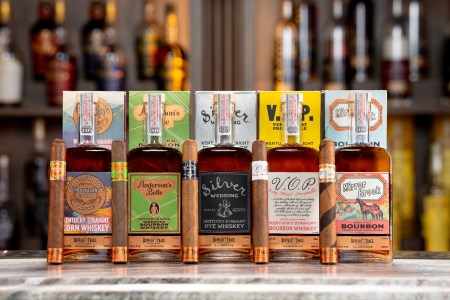
The second iteration of this collection pays homage to the distillery’s legal “medicinal” whiskeys of the early 20th centuryThis year’s collection honors five historic brands bottled under president Albert B. Blanton’s leadership at the Stagg Distillery, including Henry Watterson, Kentucky River, John G. Carlisle, Walter B. Duffy and Cove Spring. Each expression draws influence from the original branding and packaging of those obscure and most likely forgotten labels discovered in the distillery’s archives.
“The Prohibition Collection gives us the opportunity to bring important chapters of our Distillery’s history back to life,” said Buffalo Trace Distillery Master Distiller Harlen Wheatley in a press release. “Each year, we uncover stories, brands and whiskey traditions that might otherwise have been lost to time. By reimagining these historic whiskeys, we honor the resilience, ingenuity and determination that carried this distillery through one of the most challenging periods in American whiskey history and helped shape the legacy we continue today.”
Notice the word “reimagining.” These are not historically accurate recreations of old whiskeys, nor are they meant to be. Rather, they’re a tribute. The 375ml bottles are housed in a custom wooden display case with archival imagery from the distillery’s history, with the accompanying cartons featuring the prescription cut-out once used by physicians to authorize medicinal whiskey purchases.
Admittedly, there’s nothing quite as out there as last year’s Old Fashioned Mountain Corn, a 110-proof Kentucky straight corn whiskey that proved to be a little divisive among the whiskey crowd (I liked it). But there are some stories and some good whiskeys here. Let’s dig in, with the loose ranking below.
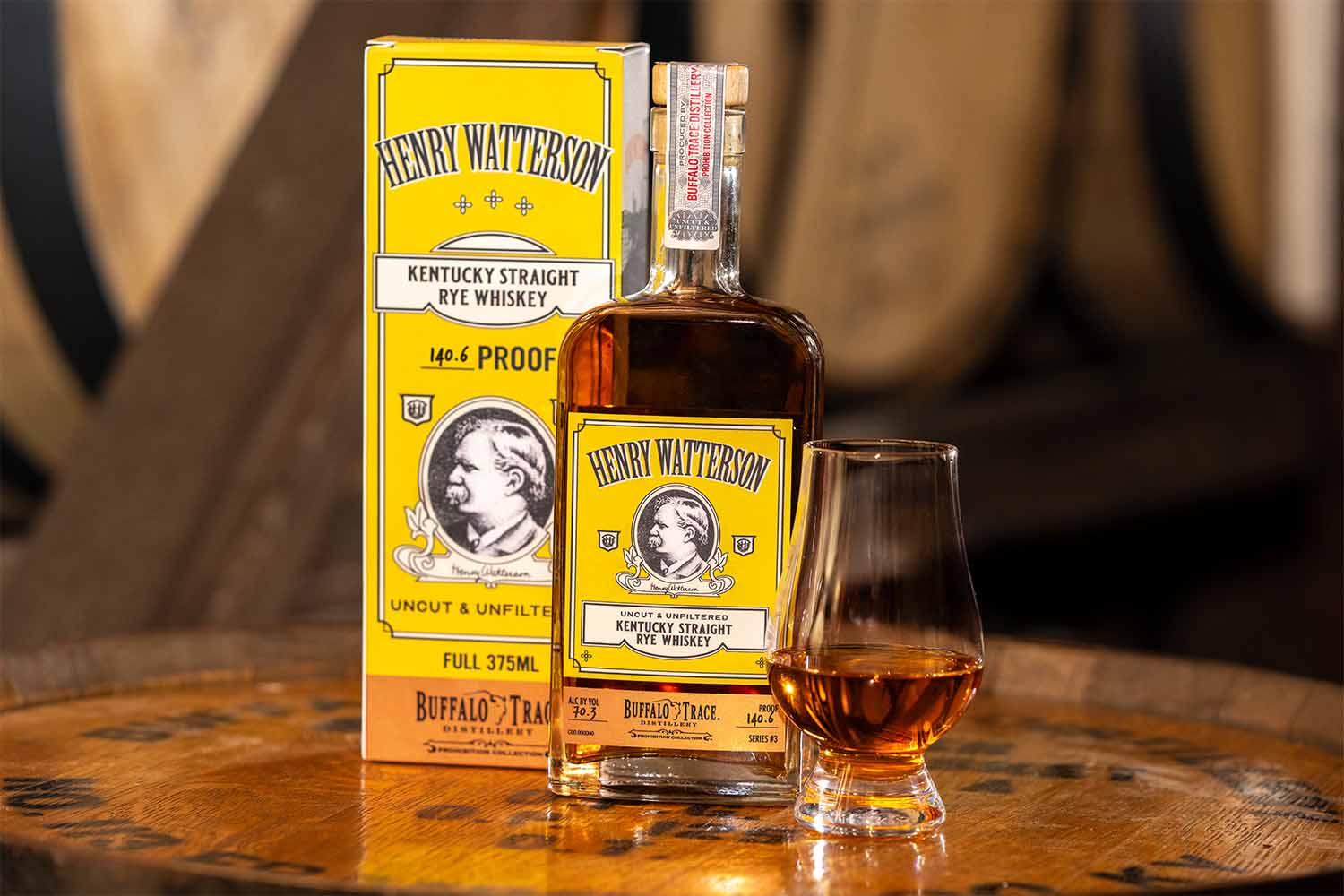
Henry Watterson: Bottled uncut and unfiltered at 140.6 proof, this Kentucky Straight Rye Whiskey offers notes of cherry, leather, tobacco, mint, an herbal rye spice and a bit of caramel sweetness. It’s surprisingly balanced and highly sippable for such a staggeringly strong ABV.
Walter B. Duffy: A blend of 10- and 14-year-old Kentucky Straight Bourbons bottled at 107 proof, the honey and citrus notes dominate here, working nicely with butterscotch tones and hints of baking spices and graham cracker.
Cove Spring: A wheated bourbon bottled at 120.2 proof, Cove Spring offers notes of lemon, orange, caramel, marshmallow and gentle oak spice.
Kentucky River: A 100-proof blend of Kentucky Straight Whiskeys, this one offers a pretty straightforward and rather smooth hit of vanilla, malt, caramel, lemon zest and pastry.
John G. Carlisle: A 100-proof Kentucky Straight Bourbon, this easygoing sipper offers hints of apple, cinnamon, vanilla, pear and sandalwood with a bit of mint and rye spice.

The Spill by InsideHook
Want more whiskey coverage? Subscribe to our drinks newsletter (it’s free).
Fun fact: Each bottle has a story, but the most interesting one belongs to Henry Watterson, and not just for the hazmat-level proof of the rye. A congressman, Pulitzer Prize-winning journalist and editor of the Louisville Courier-Journal for 50 years (as well as, admittedly, a “reluctant” participant in the Confederate army), the colorful Watterson once shared the following recipe for a Mint Julep: “Pluck the mint gently from its bed, just as the dew of the evening is about to form on it. Select the choicer sprigs only, but do not rinse them. Prepare the simple syrup and measure out a half-tumbler of whiskey. Pour the whiskey into a well-frosted silver cup, throw the other ingredients away and drink the whiskey.”
Where to buy: The Buffalo Trace Prohibition Collection #3 was recently released in limited quantities through Sazerac’s United States distributor network. If you find it in a store, the suggested retail price is $999.99, but I’m seeing prior years going anywhere from $200 more to three times as much. Good luck!

More Like This
We're always on the scene eating, drinking and traveling near and far to bring you the best of what's happening out in the real world. Sign up for IRL now.