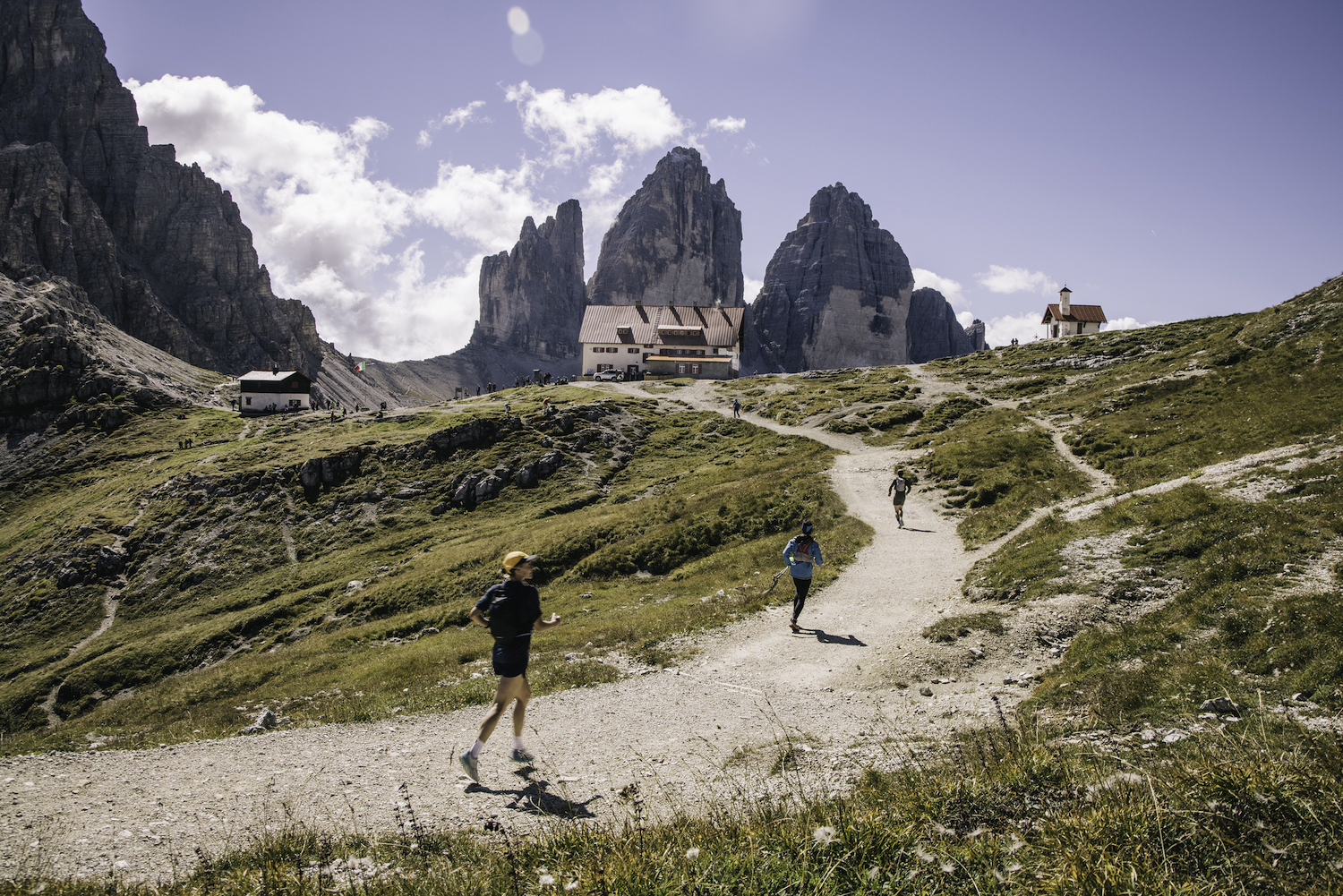
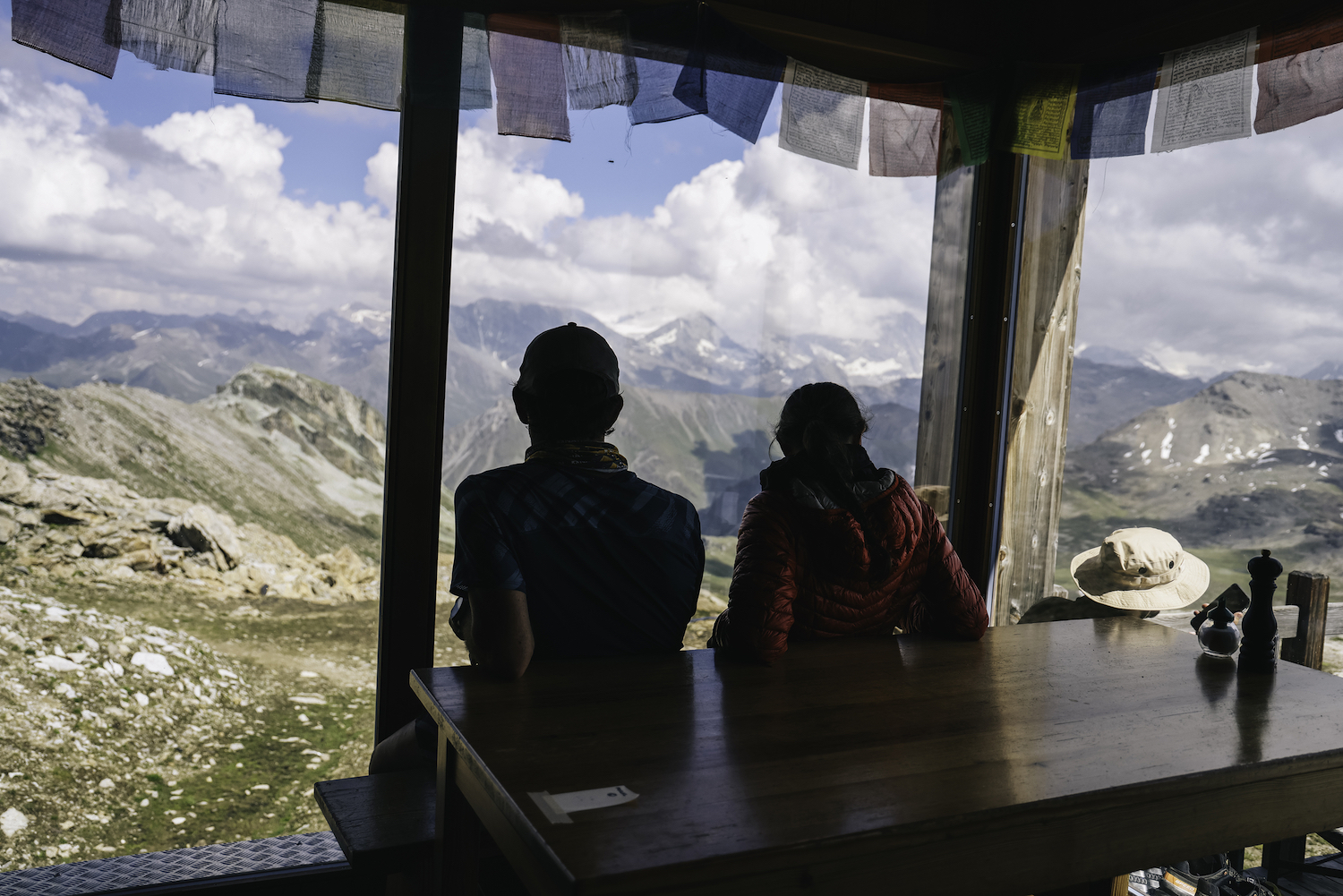
Sometime in the late 2010s I became obsessed with hut-to-hut running trips. Perhaps I was just getting old and didn’t want to sleep on the ground anymore, but I think the bigger reason was that they encompass so much of what I love about travel in a single package.
They’re physically demanding and require ample training, they allow me to see huge swaths of terrain in a short period of time, and they cultivate a unique connection with the local culture, allowing me to meet hut owners and eat traditional dishes after a long day of pounding the trail.
I’ve written about a few of these trips in the past (the Swiss Alps and Japan), but that’s just the tip of the iceberg. There is a nearly infinite array of possibilities, from Bhutan to Greenland to Ecuador, and even some closer to home in the U.S. and Canada. As trail running continues to grow as a sport, I imagine this list will only expand with it, connecting new regions, ranges and huts by foot.
Hut-to-hut running trips typically cover between 20 to 30 miles each day, although it’ll vary on the vert, the technicality of the trail and your end goals. With a small pack, snacks, poles, trail shoes and good fitness, you can see so much more of a mountain range than you could backpacking, all while sleeping in a bed at night. Here’s a breakdown of the most important things I’ve learned through dozens of running trips around the globe, with hopes it’ll help you get out on one of your own.
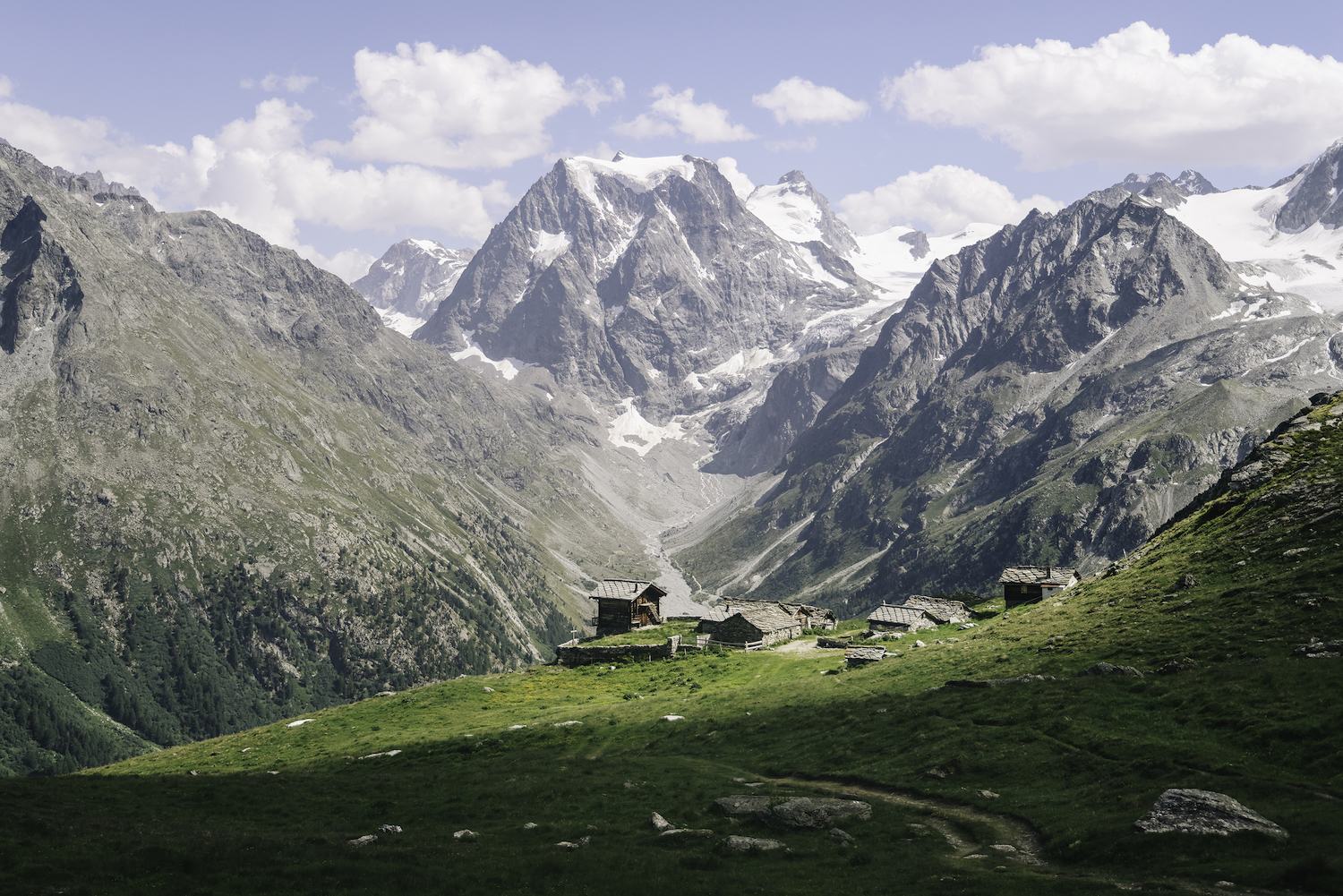
Pivot in Philosophy
For those familiar with backpacking, thru-hiking or even fastpacking, hut-to-hut running trips will require a mental shift from the slow grind of a two-mile-per-hour pace to a much faster tempo. On a backpacking trip, your mind often wanders during the long, slow miles, but trail running demands more attention to the next few steps on the trail, forcing you to be in the present. That immediacy is a big reason I love it a hut-to-hut.
On top of that, hut-to-hut trail running provides a newfound freedom — you know for a fact that a warm meal and bed are waiting for you miles ahead, as opposed to a tent and a long night on your back. This freedom also translates to tangible physical lightness; you get to trade a 50-plus liter pack for a running vest that is 20 liters or less. Instead of fighting pain in your shoulders and hips, you’ll have to train your lungs and quads for the adventure.
Logistics, Mapping and Routes
To maximize your fun, remember that minimalism is your friend. Every gram you carry is a tax on your vertical gain, so I recommend you strip your kit to the absolute essentials. I limit myself to a 20-liter pack or even less, relying on a versatile set of layers and accessories. I’ll get into the key pieces below, but my rule of thumb is if you’re uncertain if you’ll need an item, you can probably leave it at home.
Because you’re relying on huts to eat, sleep, dry out gear and occasionally dodge storms, pre-booking is essential, especially in places where bunk space is a finite resource. I view this as trading the physical burden of carrying more gear for the admin work of a spreadsheet. When I start building a new route, I start by mapping out all the huts in the area and visually linking them together, to see all the possibilities on one map. Then I check to make sure they have beds available, so I’m not building a route that’s doomed to fail. (As hut-to-huts trips get more popular, this process now starts in the winter.)
When looking at trails online, it’s sometimes hard to assess how technical they are, but a good proxy is the vertical gain and relief. Because very few trail miles are the same — a mostly flat jog across an alpine plateau takes a fraction of the time and effort as a steep, scree-filled climb up a mountain pass — I double check the vert on tools like Gaia and OnX, to make sure I’m seeing similar numbers.
If you don’t want to build your own route, you can always pick one that is established already. These might be a little busier, but are mostly plug-and-play. Some of my favorites include:
- Old Ghost Road in New Zealand: The longest continuous singletrack in the country
- GR20 in Corsica: Widely lauded as the hardest route in Europe
- Cotopaxi in Ecuador: A hacienda-to-hacienda that mixes dirt roads and trails
- Sunshine Coast Trail in British Columbia: Canada’s longest hut-to-hut route
- Northern Alps in Japan: An incredible mix of ridgeline running, ramen and onsens
- Via Valais in Switzerland: Lesser-known than the nearby Tour de Mont Blanc but just as beautiful
- 10th Mountain Division Huts in Colorado: A unique and historical way to see the Rockies
- Arctic Circle Trail in Greenland: It crosses the largest part of the country that is in fact green
- O-Trek in Chile’s Patagonia region: Mixes glaciers, forests and rugged mountain passes
- Annapurna Circuit in Nepal: You’ll be at high altitude and stay at tea houses along the way
- Lofoten Traverse in Northern Norway: A hybrid route that is perhaps the most remote on the list
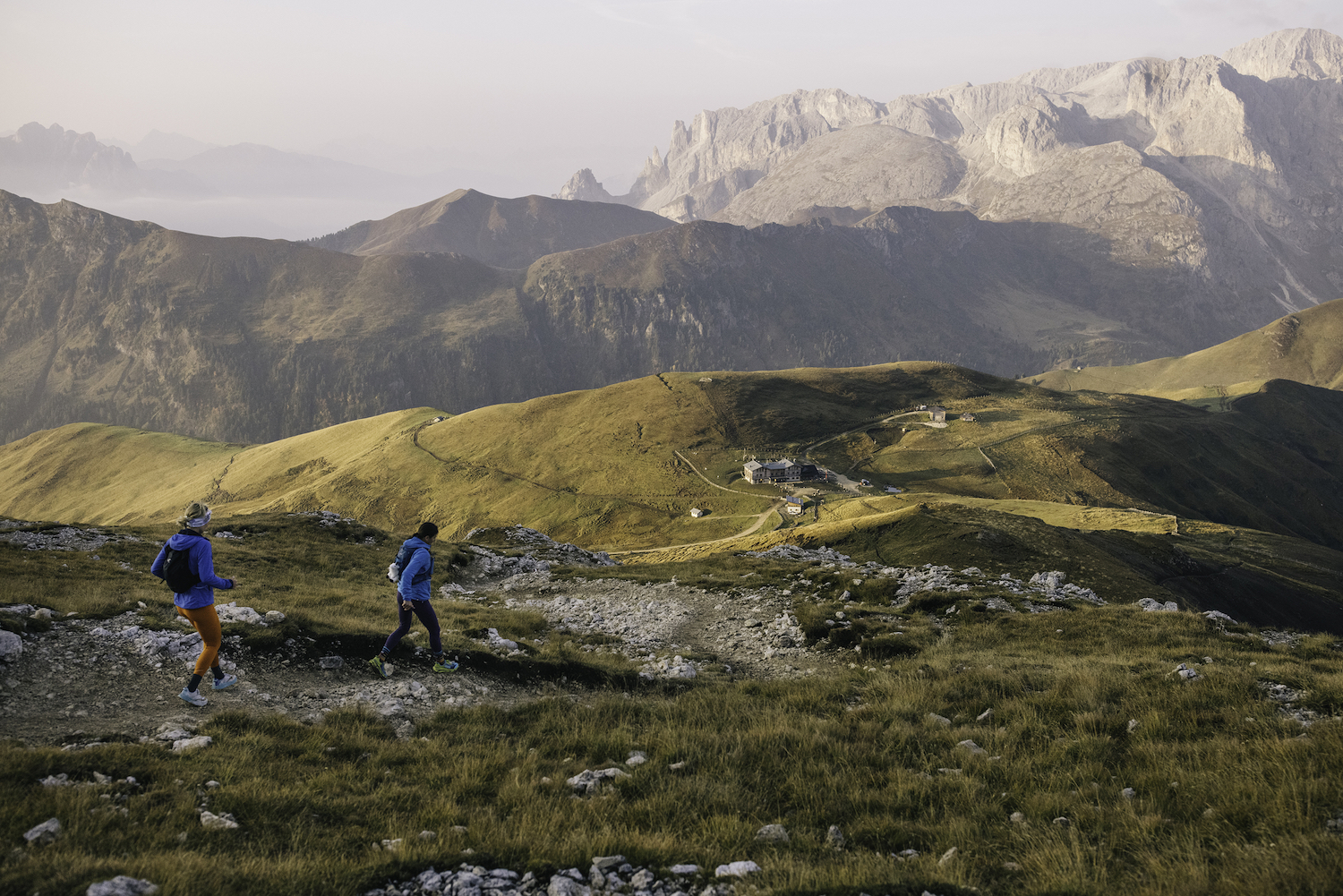
Safety, Durability and Training
In places outside the hyper-connected European Alps — like the huts of New Zealand’s Great Walks or the refugios in Patagonia — it’s important to pay attention to the gaps between huts, which will dictate how many snacks you’ll need to carry in your running vest. As I’m building a route, I make sure to mark natural exit points as well, in case of bad weather or injuries, because trail running carries a higher risk of rolled ankles and fatigue-related falls. Knowing your next possible exit helps inform how risk-adverse you need to be. This isn’t a perfect formula, but does make me more aware of storms, time of day, etc.
In regions with less developed hut-to-hut cultures, like parts of the Balkans, the Andes or Scandinavia, it’s common to take a more hybrid approach, utilizing a mix of mountain huts and small village hotels to bridge the gaps between wilderness areas. This allows you to continue moving fast and light, without circling back to the same area you’ve already visited. Plus, visits into town often end up being the most fun and genuine moments of a trip.
Last but not least, training for hut-to-hut running trips is much less about raw speed than durability and fatigue management. It doesn’t matter how fast your first day goes, but it does matter that you’re able to complete the entire route. This means your primary goal should be to condition your muscles to handle repetitive loading of high-mileage descents. Training should prioritize time on feet over speedy splits, which means back-to-back long runs and more singletrack, to get used to the terrain you’ll be running. A strength routine with exercises like Bulgarian split squats and step-ups will also help you prepare well.
What It’s Like to Run the Nakasendō, Japan’s Ancient Postal Route
The highs and lows of running from Kyoto to Tokyo with a pair of OlympiansEtiquette, Language and Cultural Differences
In many places, navigating the cultural landscape requires as much caution and respect as the difficult terrain. In some mountain cultures, from the rifugios of the Dolomites to the mountain huts of Japan, there is an unspoken code that boots stay in the mudroom and indoor slippers are mandatory, and quiet hours begin around 9 p.m. Also, while you might arrive with a runner’s high, it’s important to honor the slower pace of the hut.
Language barriers are best bridged by showing effort, even if what you try to say isn’t perfect. Learning a few words beforehand — like “thank you,” “water,” “beer” and “hello” — can go a long way in connecting with locals. I also have an offline translation app to help communicate, but the most important piece of advice I’ve learned is to stay humble and be willing to laugh at yourself. Smiles and laughter are universal.
In many places, mountain huts are still surprisingly cash dependent. Some have modernized, but many remote outposts lack stable satellite connections for credit-card processing, or are just stuck in their ways. Therefore, make sure to carry enough local currency to cover a few nights, plus a buffer for emergency supplies or a beer. Most places have a “half board” system that includes dinner and breakfast, which is fairly standard across Europe and parts of South America. If you have dietary restrictions, you should tell them well ahead of time.
In that vein, fueling for hut-to-hut runs combines the meals you have at huts with the nutrition you carry during the day. In Europe, breakfast often consists of meats, cheeses, bread, yogurt and muesli. During the day I’ll have a carb mix in my water, as well as snacks, gummies and gels, while sometimes stopping at a hut along the way for coffee, strudel or even a full lunch.
Rarely will you bring a stove on a hut-to-hut trip, so it’s nice to have a few high-fat foods, like nut butters, dried fruits and dense bars as a contingency. While some huts have small shops to buy snacks, they are expensive and pretty limited. Always ask if you can drink the water in huts, with many of them having bottled water to purchase. I also bring a small filter, to fill up flasks in streams throughout the day.
How to Pack for a Running Trip
As you get closer to the trip, it’s time to think more about gear. On a stout climb, a small weight penalty will add up, so again, I’m ruthless about what I bring. I’m happy to wash clothes in the sink, share toothpaste and reuse the same pair of socks everyday if it helps me have more fun on the trail. I keep a set of “hut clothes” in a ziplock (so they stay dry no matter what) and use a second set for running every day, with no extraneous layers. This keeps my pack light and nimble enough for a true running gait.
In my running pack I try to distribute weight evenly, keeping the heaviest things close to my back to minimize bounce. I also carry most of my snacks in the front, to even out the weight and make them more accessible on the fly. I carry a small dry bag with electronics, a first-aid kit and a tiny bag with toiletries. Ideally the total weight is 10 pounds or less, but it depends on the huts and amenities they offer.
Here’s a snapshot of the exact gear I bring along.
My Favorite Hut-to-Hut Gear
Nota bene: All products in this article are independently selected and vetted by InsideHook editors. If you buy something, we may earn an affiliate commission.
Mountain Hardwear Stretch Ozonic Rain Jacket: Hut-to-hut trips can be hard on gear, so it’s important to have a durable rain jacket that’s also comfortable to wear while running, even on long days. The Ozonic has proved itself again and again over the last four years.
Sea to Summit Silk Blend Sleeping Bag Liner: While most huts offer blankets and pillows for guests, some of them ask you to bring your own liner, which cuts down on laundry. Even if they don’t, it’s a lot more hygienic to bring your own. This silk blend is incredibly light and comfortable, perfect for hut trips.
GU Roctane Protein Recovery Drink Mix: Recovery is key on a long hut-to-hut route, and while part of that is enabled by delicious local food and a good night of sleep, I find these small pouches make a huge impact for the next day. They’re quick to mix with water and easy to carry, even on big trips.
Garmin InReach Mini 3 Plus Satellite Messenger: While some trips have service all of the time, I don’t like to risk it. Carrying an InReach allows me to check in with friends and family — or in an emergency, call for rescue. This new model also allows me to send voice notes and photos, which is a big upgrade.
Salmon S/Lab Adventure 20 Running Pack: On trips where I need a little extra space — colder regions, for instance, or fewer huts where I need to carry more food — I love the Adventure 20 for its voluminous design. For slightly smaller trips, I love the Norrona Senja Econyl70 15, which has less bounce while running.
Leki Ultratrail FX.One Superlite Poles: As most hut-to-hut days include 5,000 feet or more of gain and loss, a good pair of poles can really help reduce the fatigue on your legs. The FX.Ones are easy and quick to stow away when not needed, and feel incredibly light while in use.

More Like This

Twice a week, you'll find proven advice and tips, expert interviews, deeply reported features and personal essays on living better — for however long you’re here. Subscribe to Champ now.