Like everyone else in the universe, I’ve been bit by the Heated Rivalry bug. It’s consumed my every waking thought, and I’m not mad about it. Even though the show debuted back in November and I finished the HBO Max series nearly a week ago (yes, I was dreadfully late to the enthrallment), it’s the only topic of discussion existing on my social media feeds. This is thanks to something that’s rapidly gained popularity with the show’s discourse: “fan edits.”
If you’re not familiar with what Heated Rivalry is, here’s a quick recap. It’s a six-episode television series based on the Game Changers books by author Rachel Reid, which are all about different queer ice hockey romances, focusing on male-male relationships. Heated Rivalry is the second book in the series, which is what the television show mostly focuses on thus far. Montreal Metros player Shane Hollander (Hudson Williams) and his rival, Boston Raiders player Ilya Rozanov (Connor Storrie), endure a secret — and spicy! — love affair while competing against each other professionally, ultimately enduring an enemies-to-lovers relationship that’s quite addicting, to say the least.
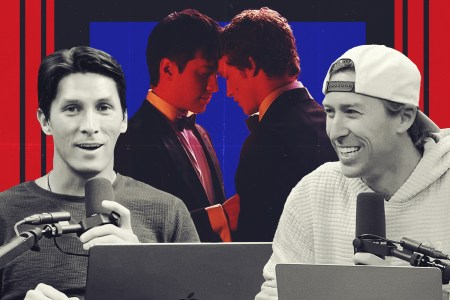
Even Straight Hockey Bros Are Obsessed With “Heated Rivalry”
Podcasts like “Empty Netters” are embracing the gay romance, and it’s restoring my faith in humanityGranted, the show’s been around for less than two months, and the last episode aired the day after Christmas, so there hasn’t been much time for the discourse to really dissipate yet — especially while viewers anxiously await a new book that focuses on these two main characters and a guaranteed season two coming likely in early 2027. There’s still so much to look forward to, and season one was only six episodes, which isn’t a lot. What else are eager fans supposed to do in the meantime?
The answer is fan edits. These videos are put together by people who then post them on social media, collaging different scenes and dialogue from the show, all set to a chosen song. They evoke different emotional responses and serve various purposes. A fan edit is almost like a mini trailer, and it can be created for a number of reasons, like adding emphasis to one specific scene or highlighting a relationship between characters. A few examples, below.
This edit shows clips of the characters playing hockey, building up the rivalry they have in the show, while slowly introducing snippets of the attraction they have toward each other, set to the song Maneater by Nelly Furtado.
This one takes a slightly darker approach, editing together clips where they’d been separated to Sign of the Times by Harry Styles.
This one is pretty much just a thirst trap for one of the main characters.
And this one presents a more romantic spin, highlighting some of their most popular moments as a couple throughout the series.
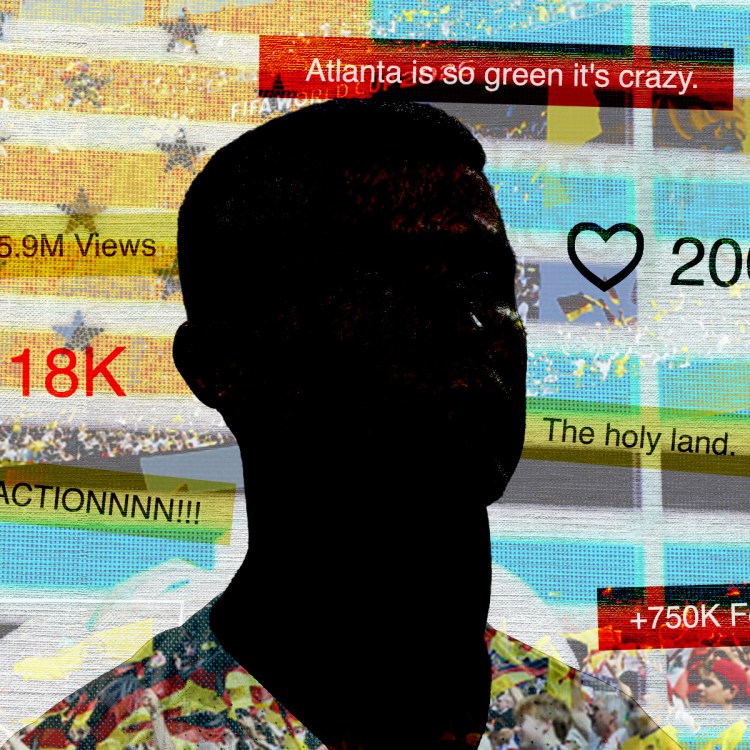
These videos are getting millions of views and likes. According to TikTok data, fan engagement around the show surged on TikTok. There are more than 370k posts using the hashtag #heatedrivalry, with posts growing by “an average of 48% week over week from premiere to present,” according to their communications team.
Fan-made social media videos have existed for many other things before Heated Rivalry. If there’s a movie or show you’re utterly obsessed with, you’re almost guaranteed to find a well-edited video for it on almost any app with video sharing ability. They perform well, and brands know it: Back in October, Lionsgate actually started hiring TikTok fan video editors to help market movies, monopolizing on their virality and how many millions of views these videos often get. From Creed to Stranger Things, you can find a fan-made video for just about anything.
Paul Booth, a professor of media and pop culture at DePaul University who researches fandom, explained via email that with a show like Heated Rivalry, it’s in the “hot spot for fan edits” because of the “drama, tension, strong character dynamics and hot guys.” However, he said people have been re-editing video since the ‘70s and were digitally making “fanvids” in the early 2000s. Fan video editing has existed and evolved for more than 40 years. The thing that’s changed is the speed and research.
“Today, social media has made it easier and faster to create fan edits — it’s given fans easy tools to edit video clips, add music and share,” Booth says. “Platforms like TikTok and Instagram really pushed this forward because short, snappy edits fit perfectly with how we scroll now and fit their algorithms. It’s basically the same impulse: fans wanting to celebrate or reimagine their favorite stories, but now it’s faster and way more shareable.”
Mads, a 26-year old creator who requested anonymity and goes by the username @madheartter on TikTok, says they’ve been making fan edits since 2012, which can take somewhere between two to three hours or six to seven hours, depending how “experimental” it is. They also said they’ve seen members of Gen Z and Gen Alpha say they find it hard to watch films or TV and prefer TikTok, attesting to the increasing popularity of short-form content.
“As fan edits have become shorter (rarely on TikTok will you find a whole song edited, which is a departure from YouTube editing years ago), I think they’re able to grab young viewers’ attention and even encourage them to watch film and TV they might otherwise pass over because of the sheer volume of content they consume,” Mads explained via email. “In that way, fan edits can serve a similar purpose as movie trailers for younger generations.”
When I asked Booth about what consuming this kind of short-form content says about younger generations and what it means to be a fan today, he said fandom has always been “participatory, communal and engaged” and conversations about being “too engaged” have existed for decades.
“What I’ve found in my many years of researching fans is that popular media tends to get concerned about fans being “too engaged” only when it’s a text that isn’t considered meaningful,” Booth says. “So, for instance, no one is talking about how sports fans create highlight reels. We don’t think they’re getting too engaged with real sports players. But when it’s a fiction show aimed mainly at a younger audience (and mainly female fans creating content online), we get into the realm of ‘negative’ experiences.”
Booth also shared how fandom could evolve from here.
“Fans are often early adopters of new technology and new platforms,” he says. “We’re already seeing edits, fanfic, podcasts and even TikTok role-play accounts. Next could be AI-driven fan content or immersive experiences where fans create whole alternate storylines. Basically, as long as there’s tech that makes creating easy, fans will use it to make the stories they love even more personal.”
This all certainly feels plausible, especially after asking Mads if they noticed a shift in making fan edit videos on social media, pre- and post-Heated Rivalry.
“If you asked me a couple weeks ago, I wouldn’t say there’s been much of a shift,” they say. “But I’ve now seen my fan edits played on the big screen in LA clubs with crowds of people yelling the lyrics to the song, so I’d say we may be heading towards a new frontier.”
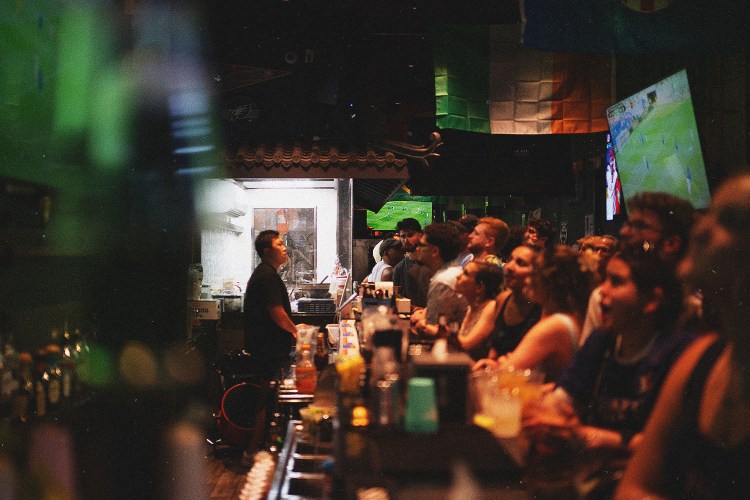
Yes, fans can now go to themed Heated Rivalry club nights where DJs play viral fan edits from social media in the background. Club 90s, which throws themed events with a nostalgic feel, is currently hosting Heated Rivalry dance parties and is set to do a U.S. tour in the next few weeks, with several major locations already completely sold out.
Going out to enjoy a themed club night isn’t exactly anything over the top, but the compelling part of this is the fan-made edits debuting on major screens in clubs with hundreds of people. “Closest thing we have to world peace,” one of the top comments on the above video said. They’re not entirely wrong. People evidently want to come together and celebrate their favorite viral videos.
No matter how old you are, one thing’s for certain: Regardless of what it is you’re a fan of, you’ll always have a close community to celebrate with you. It seems that’s one of the constants of fandom, no matter the era or how society evolves and changes.
Meet your guide

More Like This
This article appeared in an InsideHook newsletter. Sign up for free to get more on travel, wellness, style, drinking, and culture..