Nota bene: All products in this article are independently selected and vetted by InsideHook editors. If you buy something, we may earn an affiliate commission.
A new front just opened in the water bottle wars.
On Tuesday, Stanley 1913 launched the Vitalize Collection, a line of shaker bottles, totes and backpacks that it hopes will grow the 113-year-old company from a drinkware titan into a full-fledged lifestyle brand. The expansion mirrors one that Yeti took in 2017 when it introduced its first line of bags, a product category that has now expanded into a pillar of its business.
While the mission statements behind these brands differ, the bags themselves, featuring pouches, belts and dividers that can accommodate the companies’ overbuilt cups and tumblers, are similar in design and ultimately competing for the same buyers. (Stanley made it clear they’re focusing on winning over male customers with this brand extension.)
Stanley’s Vitalize line is also hoping to ride the wellness wave currently sweeping the U.S. The two main bags are named the Macro Method Backpack and Macro Method Tote (macros being a buzzy dietary concept in the era of MAHA’s food pyramid remodel), while the Shaker Bottle is designed to keep your protein intake as consistent as your hydration (you can even store your protein powder in the small, transparent storage container that screws into the bottom).
It appears the launch has struck a chord: at the time of writing, six of the 15 Shaker Bottle colors have already sold out — which is par for the course for a company whose Quencher tumblers are famous for causing skirmishes at Target.
While Yeti’s bag collection has expanded to cover a lot of ground in the last decade (the current lineup is split between everyday, travel and outdoor), the focus has always been on building totes, backpacks, duffels and luggage that can withstand the elements. That mission is baked into the brand’s beginnings as a cooler company, but also tied into more recent developments, like their 2024 acquisition of Mystery Ranch, a company celebrated for its load-bearing, backcountry-friendly backpacks, which has led to new products like the Skala Hiking Pack.

How I Work: Yeti’s Bill Neff Believes in the “Vulnerability of Being a Beginner”
The head of marketing at the outdoor gear giant chats about how fly fishing taught him that lesson, and reveals the “kiss of death” that plagues his nighttime routineWhen I spoke with Yeti CMO Bill Neff last year, he said that people still didn’t think of bags when they thought of Yeti, but it was something they were working hard on. Based on the most recent sales data, it seems it’s finally starting to pay off: While the first nine months of 2025 saw a 4% decrease in drinkware sales at Yeti, the company was buoyed by a 7% sales increase in their coolers and equipment category, which was “primarily driven by strong performance in bags, soft coolers, and hard coolers.” Of course Stanley would want in on that diversification.
So, how are the bags themselves? Let’s take a look at how Stanley’s new Vitalize bags compare to Yeti.
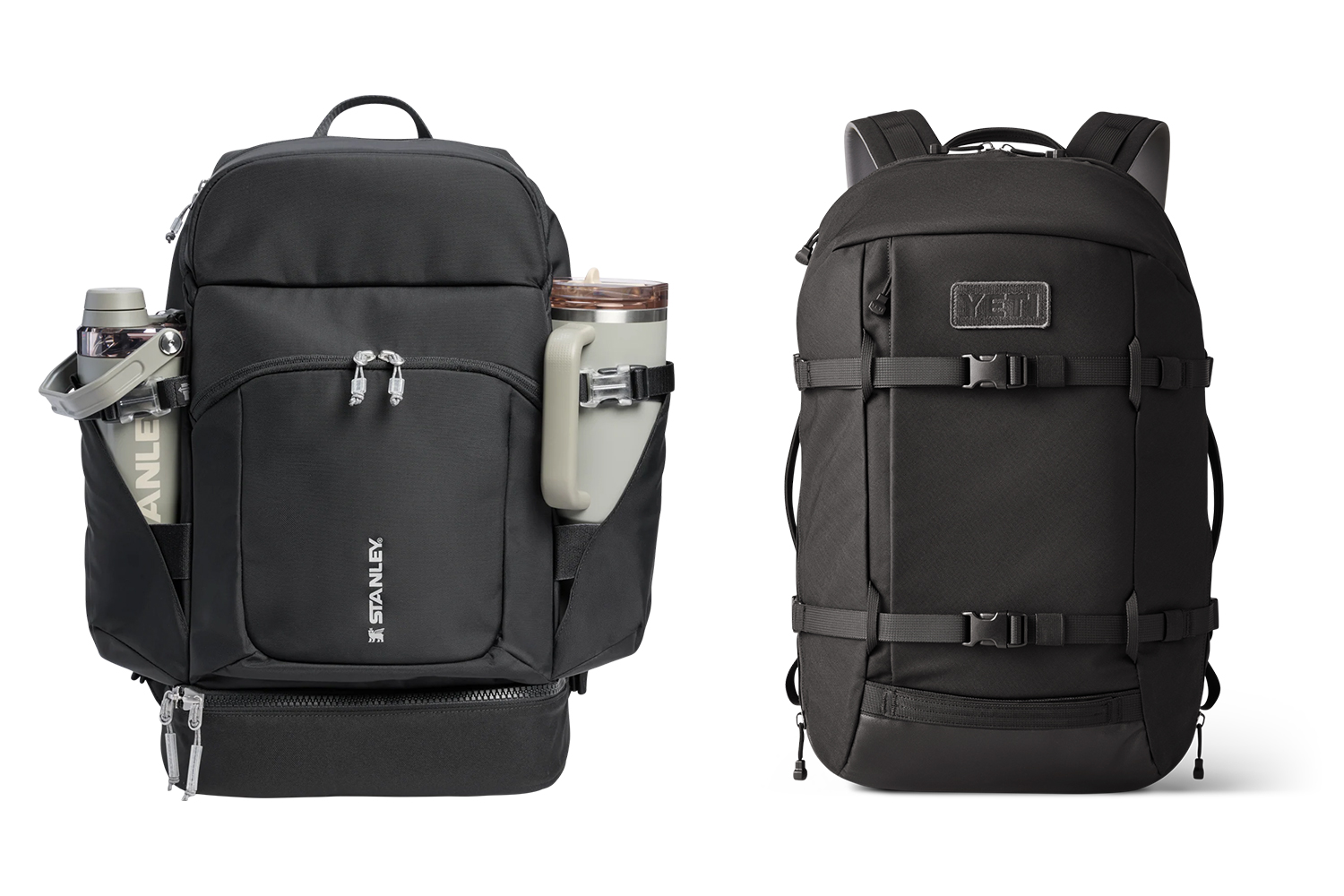
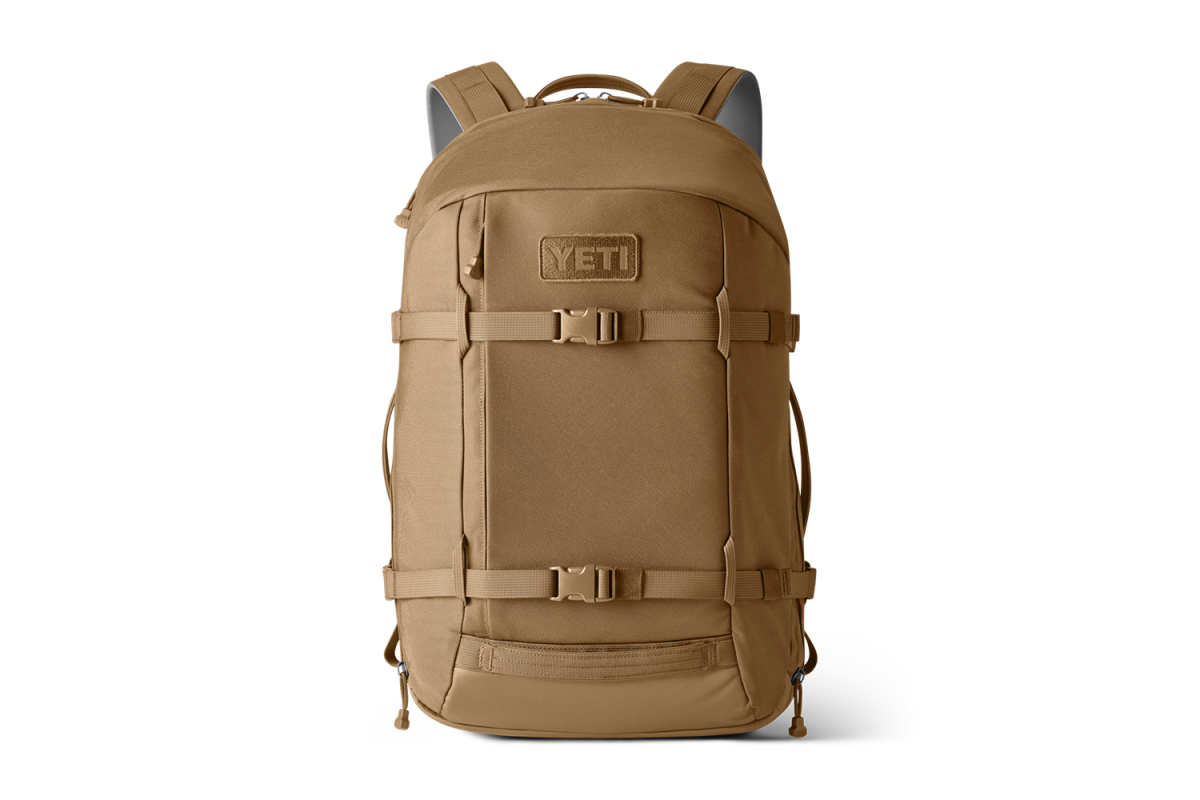
Backpack: Stanley Vitalize Macro Method vs. Yeti Crossroads Carry-On
I got my hands on the Stanley backpack in black, and I also own a Yeti Crossroads pack in the 22L size, so I was able to compare them in person, and they are striking in their similarity. They both have zip pockets on the top of the bag and laptop sleeves inside, their padded shoulder straps are almost interchangeable, and they even both use Duraflex Stealth plastic buckles.
That said, the intended use cases also shine through in each design. The standout features of the Stanley pack are the two pockets on the side, which add a belt to what is usually a simple slide-in design on backpacks — this was created specifically to accommodate the company’s viral, handle-equipped Quencher tumblers, many of which have a straw sticking out instead of a sealed top. But the materials make this feel like a casual daily backpack, whereas the Yeti Crossroads, while labeled as good for “everyday chores,” feels much tougher thanks to features like a wraparound padded laptop sleeve, a thicker back panel, water-resistant sealing along the zippers, tougher zipper hardware and a more durable exterior nylon material.
Consequently, that also means the Yeti is more than double the price for comparable sizes (the 27L vs. Stanley’s 29.2L size).
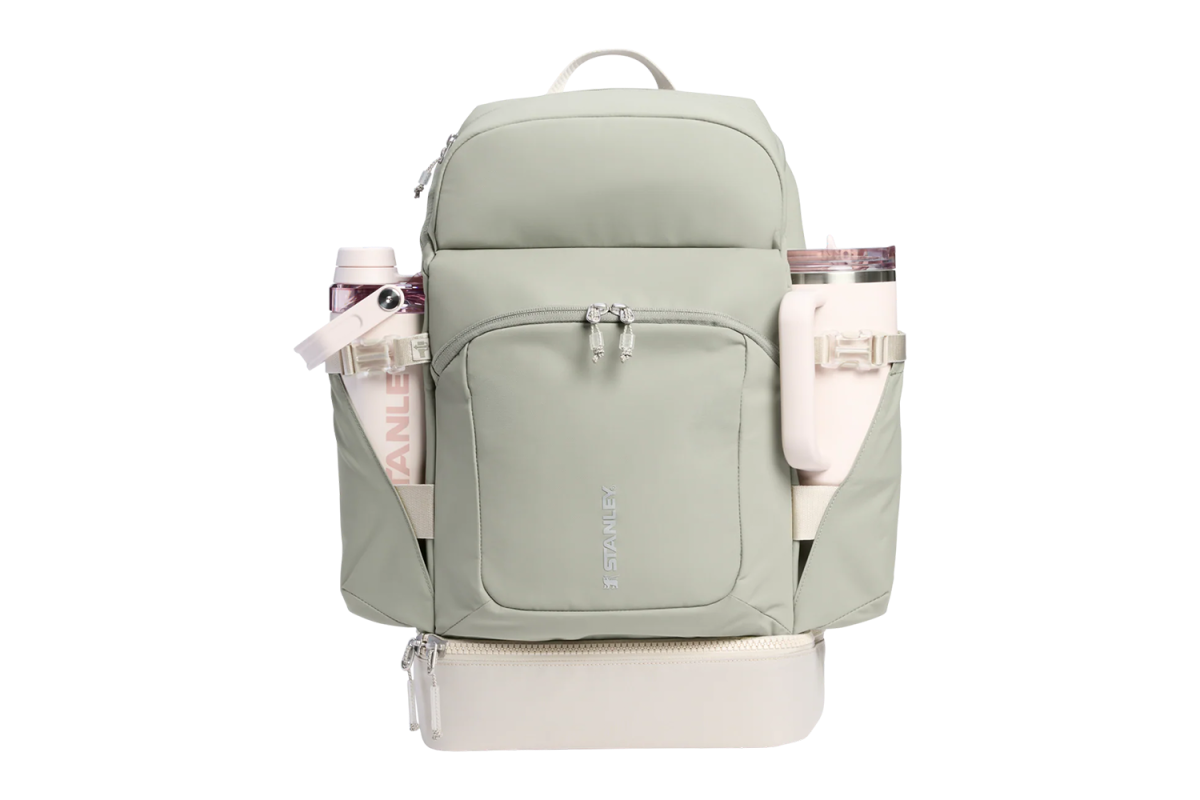
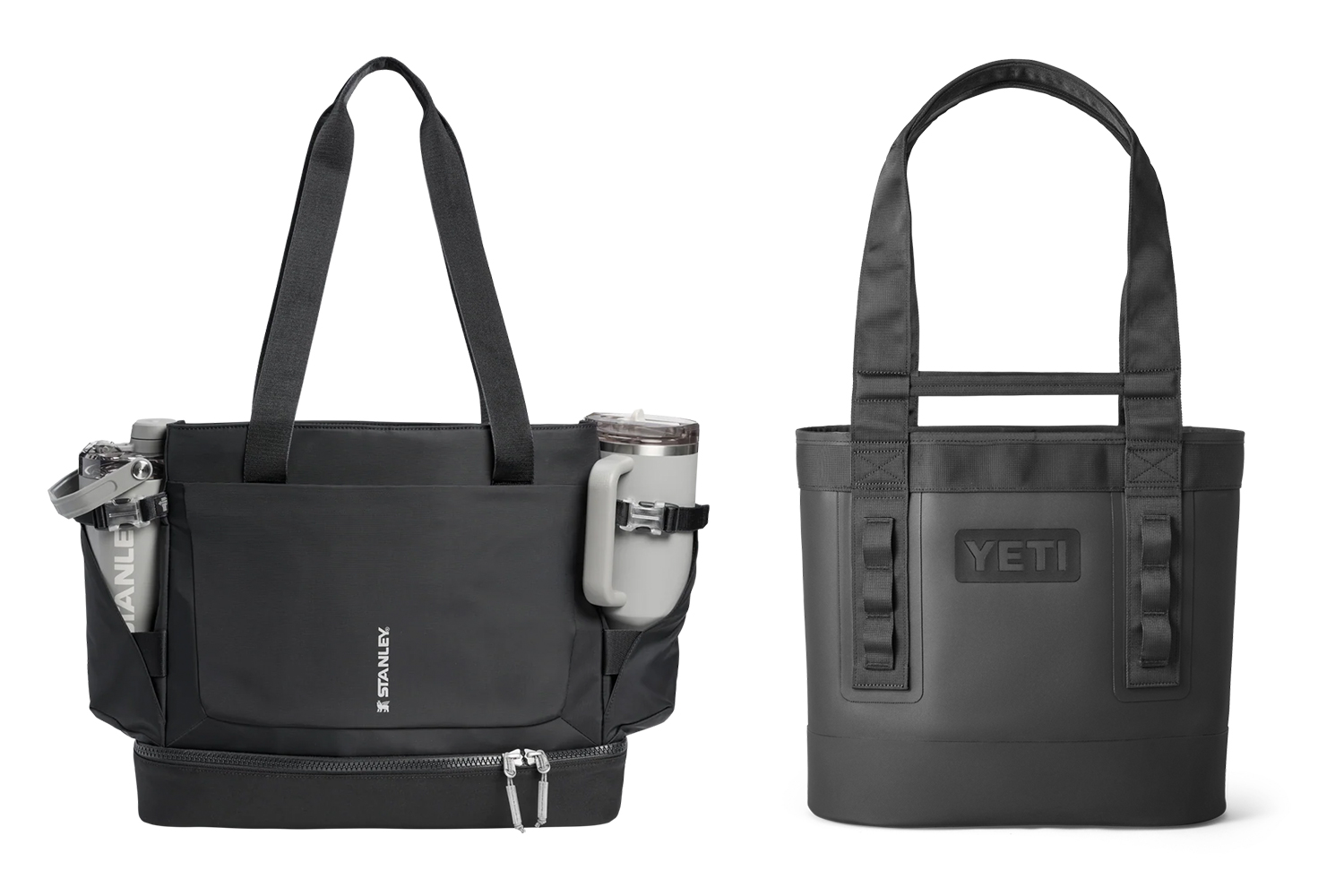
Totes: Stanley Vitalize Macro Method vs. Yeti Camino Carryall
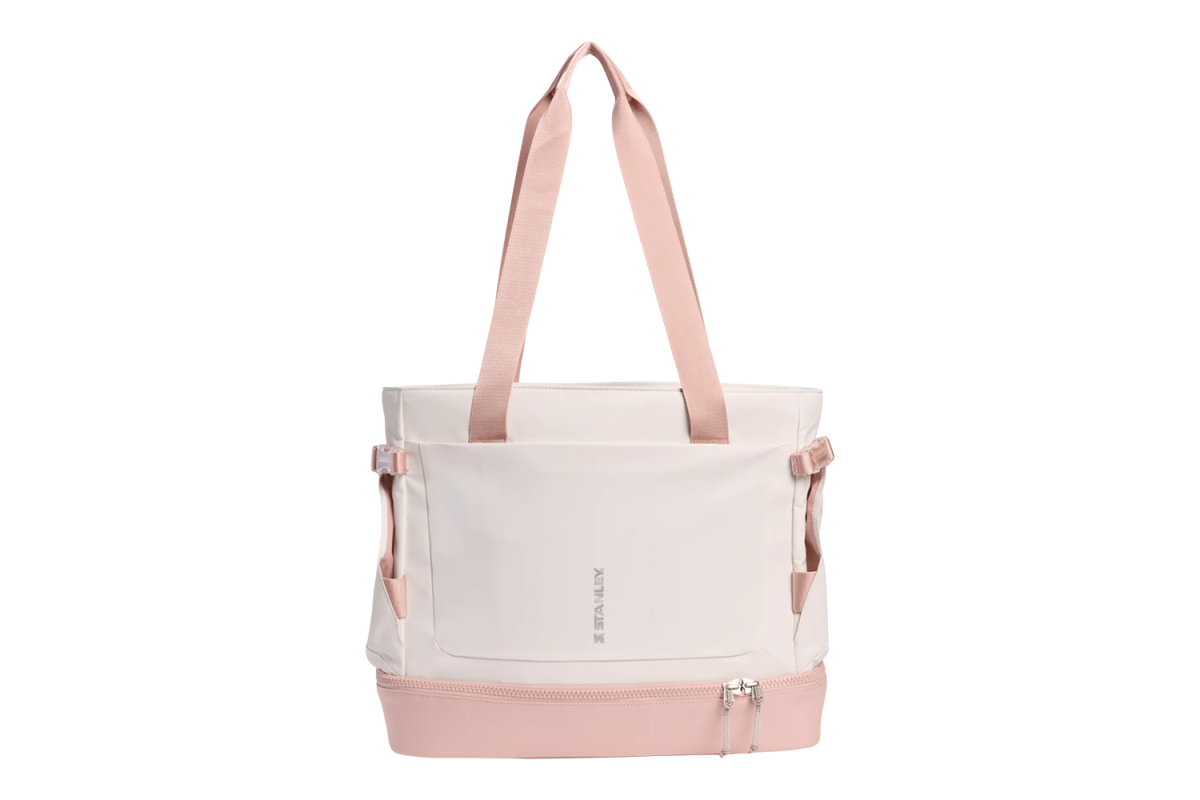
I own a Yeti Camino, but I haven’t seen the Stanley tote in person, so I can’t compare them as well as the backpacks, but there are still some clear differences to note. While the Stanley Vitalize bag has some fun upgrades to the standard shoulder-carrying design — like the same belted side pockets as the backpack — it is still a classic day bag. You could bring this to both the office and gym, no problem, thanks to the zippered main compartment, laptop sleeve and expandable, zippered bottom portion where you could stow your lunch apart from the stuff you don’t want to smell like tuna salad.
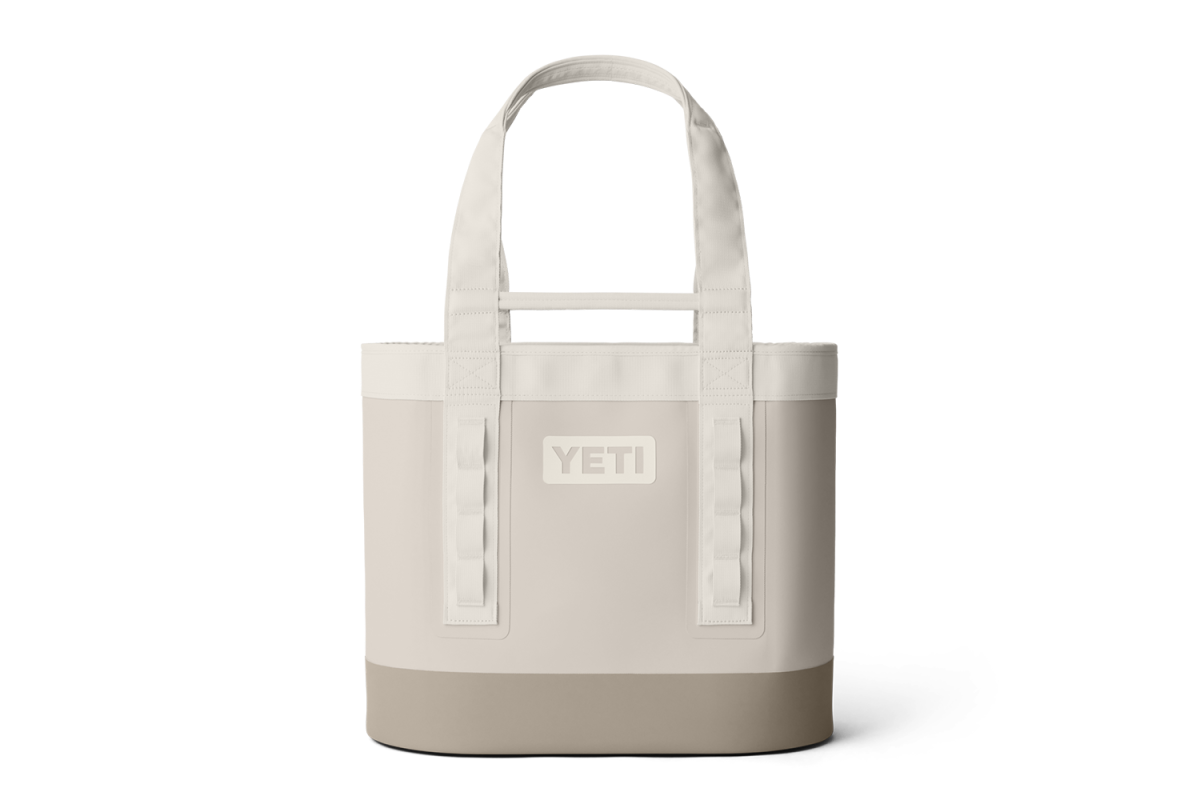
Meanwhile, the Yeti Camino feels more like a “soft bucket,” to steal a phrase from the company’s cofounder. It’s designed to be an adventure bag — for the beach, camping, fishing, worksite — with a molded bottom, puncture-resistant shell and waterproof design that you can wash out with the highest setting on your garden hose nozzle. As such, it’s not really office-appropriate in the traditional sense, but on the flip side it is finding fans far afield from Yeti’s original intentions, as moms on TikTok recently proved. Their wide array of color choices, from “venom” green to “power pink,” also show Yeti’s tapped into this newfound mass appeal.
The sizes differ greatly here, but the Yeti is still more expensive no matter what. The Macro Method Tote is 26.1L ($110), while the Camino is available in 20L ($130), 35L ($150) and 50L ($200).