I’ve never been much of a gambler. In 2022, when FanDuel launched in New York and was dishing out promotions too good to be true, I tried signing up, ran into an error while entering my personal information and never signed up again. Aside from the occasional poker night, game of pool or on-the-spot bet on a Knicks game, I’ve managed to steer clear of a pastime that currently seems to be part and parcel of American life.
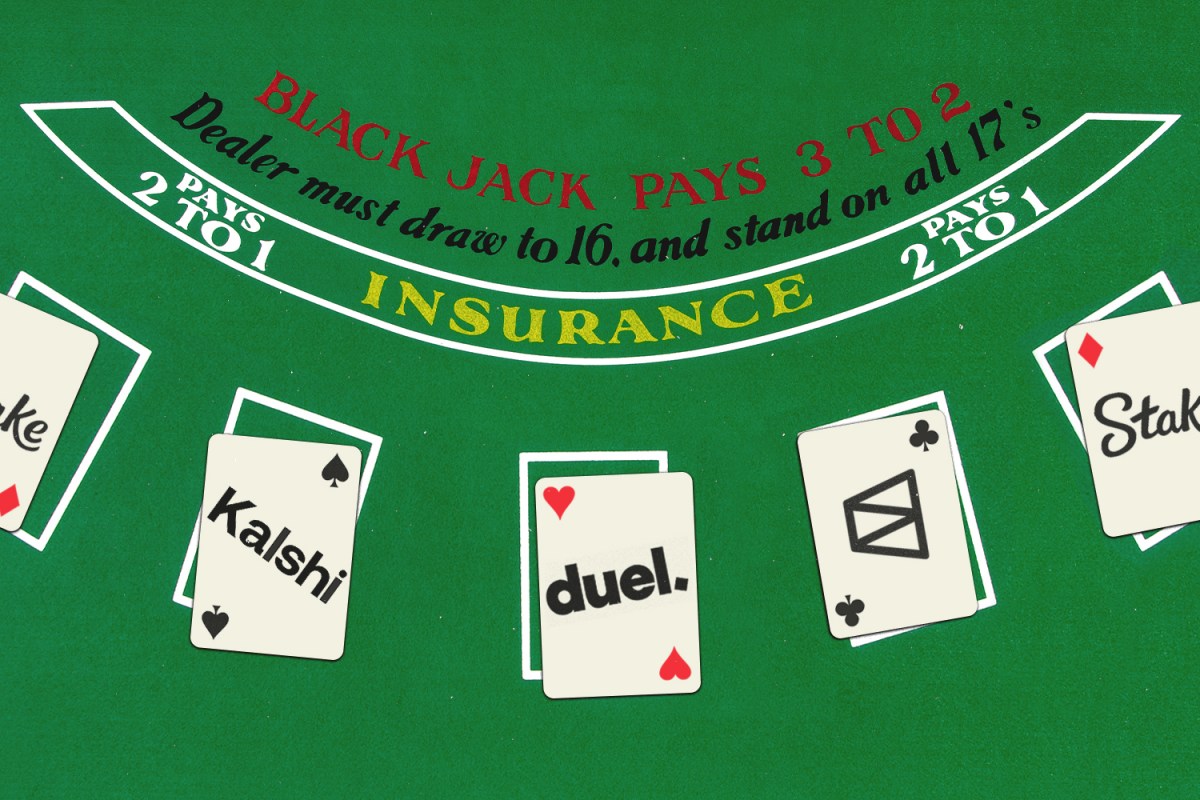
There’s never been a better time to be a gambler. In the olden days, you used to have to drive to the casino, the racetrack, your local bookie or underground cockfight to risk it for the biscuit. These days, the options are endless and all within palm’s reach. Advancements in technology and how we receive and process information mean you can bet on almost anything without ever leaving your bed. Online sportsbooks like FanDuel, prediction markets like Kalshi and Polymarket, and online casinos like Stake are all vying for your dollars and attention with marketing strategies correlated with how above-board they are. The sportsbooks are the most regulated and normalized, and have found their way into almost all mainstream sports media.

What a Two-Week Digital Detox Does to Your Brain
It’s time to trade in your attention deficit for your “authentic self.” This science-backed intervention will help.Look at any basketball athlete podcast and you’re bound to find a FanDuel or BetMGM watermark in the corner, and the ticker at the bottom of SportsCenter in the morning has become a place where you can learn how to place your money instead of what highlights you missed. The prediction markets, currently existing in a murky legal area that allows them to skirt both gambling taxes and age requirements, opt for a digitally native approach, paying creators to make fake, scripted videos of them winning big or manufacturing viral clips and cashing in on the clout. The founders of Stake funnel advertisements through Kick, the streaming platform they own, monopolizing the streamer market by having creators like Clavicular and Adin Ross play slots all day long. With so much of the market seemingly accounted for, how is a gambling company supposed to distinguish itself from the pack?
Big-name gambling companies and prediction markets are quite familiar with pushing out nonsensical advertisements (I dare anyone to make sense of Timothée Chalamet’s Kalshi campaign from this past June). And yet, in a warped way, the Chalamet campaign did make some kind of sense. In the attention economy, where everything seems to be a bit, taking Gen Z’s closest thing to a leading man and putting him in a few everyday-turned-surreal scenarios might just make for the type of scroll-stopping content an upstart brand requires.
Enter Duel.com‘s Surrealist Nightmare
I’m not sure the same can be said about Duel.com, the online casino for whom randomness clearly isn’t enough. A few months ago, I started seeing viral clips of its online blackjack stream on my timeline, where the game was secondary to what was going on with the dealers themselves. One video featured the rapper Lil Pump popping bottles next to an elderly woman. Another featured an Andrew Tate look-alike performing splits and some more heinous acts not worth describing here. Its official Instagram account is composed of videos of a large, costumed SpongeBob named “Freakbob” performing sexual acts against other blackjack dealers, including a sleepy old man, OnlyFans model Bonnie Blue and a costumed gorilla. It’s hard to tell whether they’re AI-generated, and there’s little public information on its partnerships aside from one with Andrew Tate.
Ossi “Monarch” Ketola, the 28-year-old founder of Duel, maintains a mysterious profile, his Instagram account being a mix of AI-generated photos of him on private jets with celebrities and promotions for Duel Arena, a combat sports event backed by the crypto casino whose most recent event in Orlando came under fire for the deluge of Nazi imagery inside the arena. Around October of last year, he was banned from X for repeated racist language and hate speech, claiming that this was part of a larger conspiracy against the launch of the “zero edge” games of his crypto casino. It’s examples like this and those on his Kick stream, where he plays slots with an infant in his arms, that make me believe he’s exerting a fair amount of creative control over the content that gets out there. The shock jock tactics, from the videos of actors in Nazi uniforms and the garb of right-wing mass shooters, are all geared toward promoting his casino Duel, whose ostensible benefit is its zero house edge, meaning more wins for the customer. Though, when I checked the description of their site, they seem to have not quite figured it out yet.
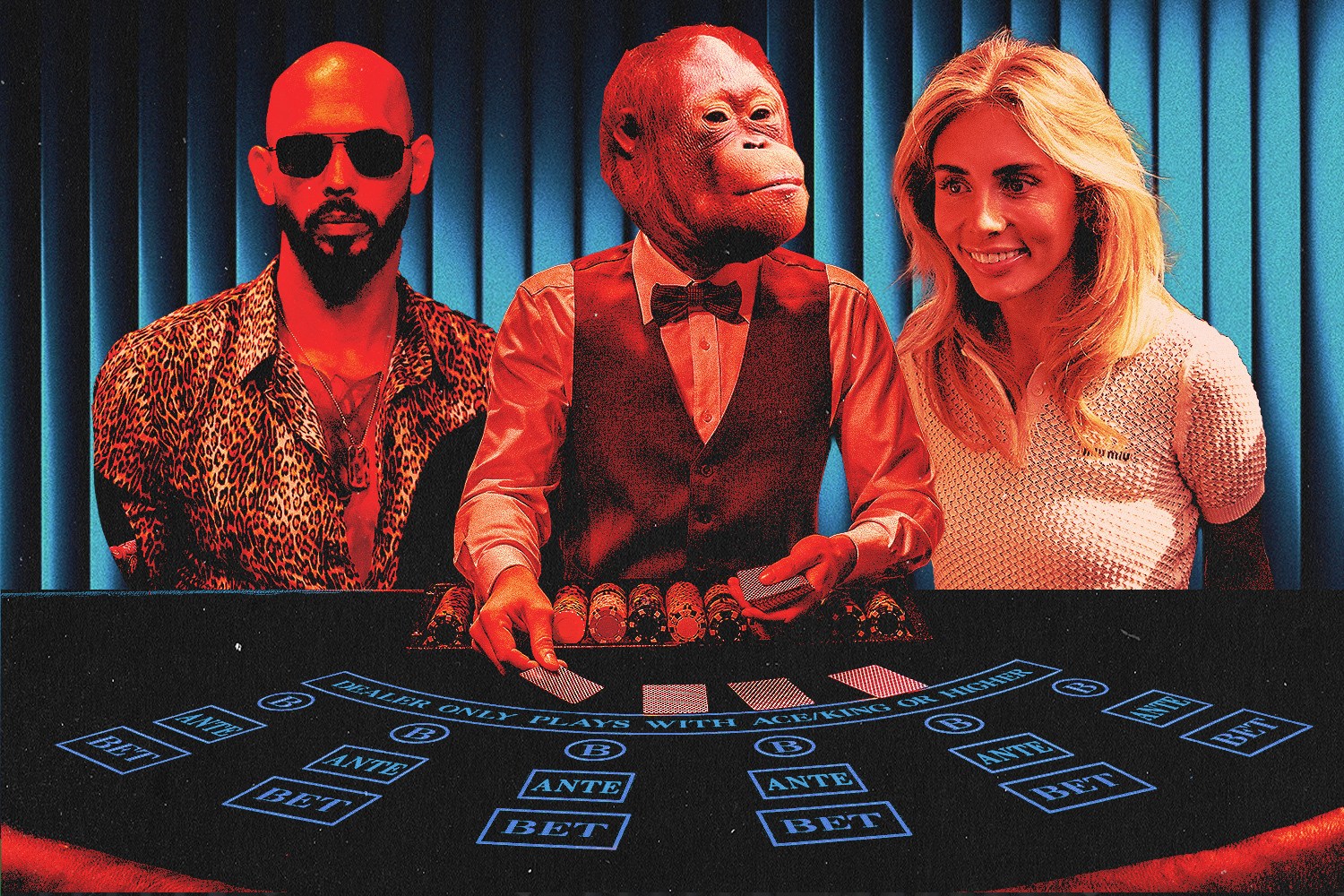
While going down the rabbit hole of twisted clips, I found myself mesmerized and repulsed, yet confused as to how this was meant to convert people to users. I just wanted to know who these were for. Duel has seemingly taken over the lane of “online casino for groypers,” the term for very online, very far-right Nick Fuentes supporters. Silly me for thinking Stake and its Clavicular patronage had that covered. Much of the sponsored or original content I encountered in the morally dubious world of online crypto casinos seemed completely divorced from the idea of winning, or even betting at all. Meta AI Glasses creators playing casino games on their phones before approaching women in public are just one of the strange ways people are including gambling ads in their videos. Much of it is completely divorced from meaning and logic and has a numbing effect on the viewer as their feed continues rolling along.
Unsurprisingly, the sensation that this gambling brainrot creates is not dissimilar to that of actual slot machine technology. In the introduction to her 2012 book Addiction by Design, Natasha Dow Schüll describes “the machine zone” as a sort of sedative state induced by the vibrant, addictive and approachable form of slot games:
“You can erase it all at the machines — you can even erase yourself,” an electronics technician named Randall told me. Contradicting the popular understanding of gambling as an expression of the desire to get “something for nothing,” he claimed to be after nothingness itself. As Mollie put it earlier, the point is to stay in a zone “where nothing else matters.”
Later in that passage, Schüll continues:
“As machine gamblers tell it, neither control, nor chance, nor the tension between the two drives their play; their aim is not to win but simply to continue.”
Where else have we seen this toxic relationship between machine and user, where the addictive technology lulls us into a trance and we are no longer sure what we’re looking at, why we’re looking at it or what we’re supposed to get out of it, and yet we subconsciously feel the urge to keep going? To see what the next spin, the next reel, the next short will get us? The gambling ads conjure similar effects to the thing they’re trying to promote, whipping us into a kind of anesthetized goonstate. The issue with such logic, if you’re the one paying for all of this, is if we’re so paralyzed by what we’re seeing, how are we supposed to make those extra clicks? To eventually convert into users?
The other weekend at a Harrah’s Casino in Joliet, Illinois, I joined a blackjack table for the first time. After a few hands, I eventually went up triple what I had bought in. Instead of walking away a champion, I stayed on the table, because the night was young and I thought I could rake it in against the house. After the tides quickly turned and I lost everything, I watched my girlfriend play electronic roulette, while fake dice rattled in a nearby Bubble Craps machine. Everything felt like the slots: mindlessly pushing buttons on screens, winning some, losing some, prolonging the state of play. Once we left, I had no way of feeding into the belief I held that I could win it big with just one more go. I had no material way to get back into the goonstate of gambling, because there were no games on my phone. This is probably the way things should be.

More Like This
This article appeared in an InsideHook newsletter. Sign up for free to get more on travel, wellness, style, drinking, and culture..