What does it mean to discover genetic material from an iconic artists who’d been dead for years? In the recent book Wild Thing: A Biography of Paul Gaugin, Sue Prideaux discussed how the discovery of several of Gaugin’s teeth have prompted some historians to rethink what they believed about the artist’s life. What, then, would the implications be of having DNA from one of the Renaissance’s most famous and influential minds?
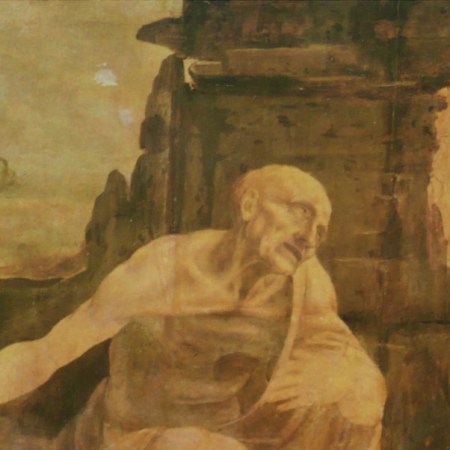
That question isn’t exactly rhetorical. As Sascha Pare reports at Live Science, a group of researchers have discovered DNA in a drawing believed to have been made by Leonardo da Vinci. This doesn’t mean that the DNA belongs to da Vinci, however — only that it is genetic material. (In other words, we’re not quite at The Da Vinci Clone status yet.) But the idea of a work of art containing DNA from someone who has been dead for centuries is still a big deal.
Earlier this month, a group of scientists published their findings on bioRxiv. They argued that these findings “demonstrate the feasibility as well as limitations of combining metagenomics and human DNA marker analysis for cultural heritage science.”
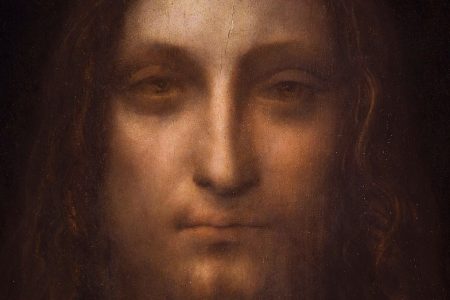
New Documentary Reopens Debate Over da Vinci’s “Salvator Mundi”
Is it Leonardo da Vinci’s work? New reports offer conflicting answers.As Richard Stone writes in Science, some ambiguity about whether the sketch used in the study — Holy Child — is the work of da Vinci or someone else in his orbit. The study also analyzed other genetic materials from members of da Vinci’s family; the scientists found evidence of a family connected to an ancestor hailing from Tuscany.
Science‘s analysis of the paper notes that there is one other wrinkle here: da Vinci’s gravesite was destroyed and he has no known descendents. But for now, this is closer than science has gotten to identifying the legendary artist using only DNA. It’s a fascinating combination of art history and scientific advancements.
Meet your guide

More Like This
This article appeared in an InsideHook newsletter. Sign up for free to get more on travel, wellness, style, drinking, and culture..