The Drinking Culture of the Philippines
Where tropical flavors meet lush landscapes, joy and community thrive.

To celebrate the incredible drinking cultures of Asia, we dove deep into eight different countries to get to know a little more about what’s in their glasses and how it got there in the first place. Click here to see them all.
The Philippines have no shortage of paradise imagery to sell you. There are 7,600 islands of staggering beauty, from turquoise-hued beaches and sweeping mountainscapes to dense urban sprawl. Centuries of Spanish, Japanese and American rule left behind a complex cultural inheritance but also a rich blending of influences that are still visible in language, architecture and food.
Yet, it isn’t the past that defines the culture today, but its people. Ask anyone who’s been to the Philippines, and they’ll tell you Filipinos boast an effortless, if not boisterous, joy toward life, despite the inequities that mark a developing nation. That blend of resilience and exuberance shapes not just the country’s outlook but the way Filipinos come together.
Togetherness, at the end of the day, is the core of Filipino culture. It’s why Sunday lunches at my grandmother’s house stretched into the evening, why neighbors rally together after typhoons and why fiestas remain the highlight of every town’s calendar. That same instinct carries into drinking. Although there are world-class spirits (thanks to local mega-brands Don Papa Rum and San Miguel Brewery) and the cocktail scene is increasingly lending new sophistication to tropical flavors, the nuances of the glass still matter less than the company around it. For the everyman, drinking is but a chance to gather, linger and be joyous.
Iconic Beverages That Define the Culture
San Miguel Pale Pilsen
It’s impossible to talk about Filipino drinking culture without mentioning the pale lager that monopolizes the country’s beer industry. Endearingly dubbed “San Mig” by locals, the brewery was founded in 1890 under Spanish rule and remains the everyman’s default pour. It’s light-bodied and faintly sweet, with just enough bitterness to stay crisp in the tropical heat.
Weng Weng
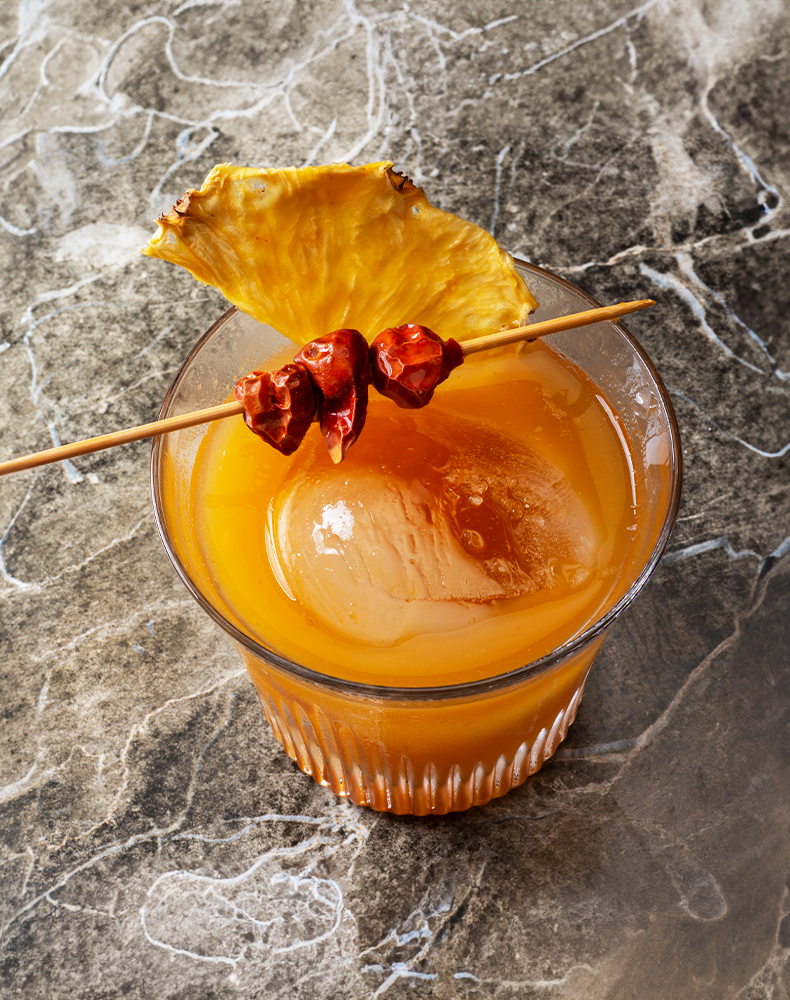
Filipinos, whether they like to admit it or not, love to get hammered. Enter weng weng, a party cocktail reminiscent of a Long Island Iced Tea. The drink combines five or more spirits and deliciously masks them with a blend of tropical fruit juices like pineapple and mango. The origin of its name is debated, but the most fitting theory is that “weng weng” mimics the sound of an ambulance siren on its way to collect anyone who’s had one too many.
Plus, the Homemade Thing
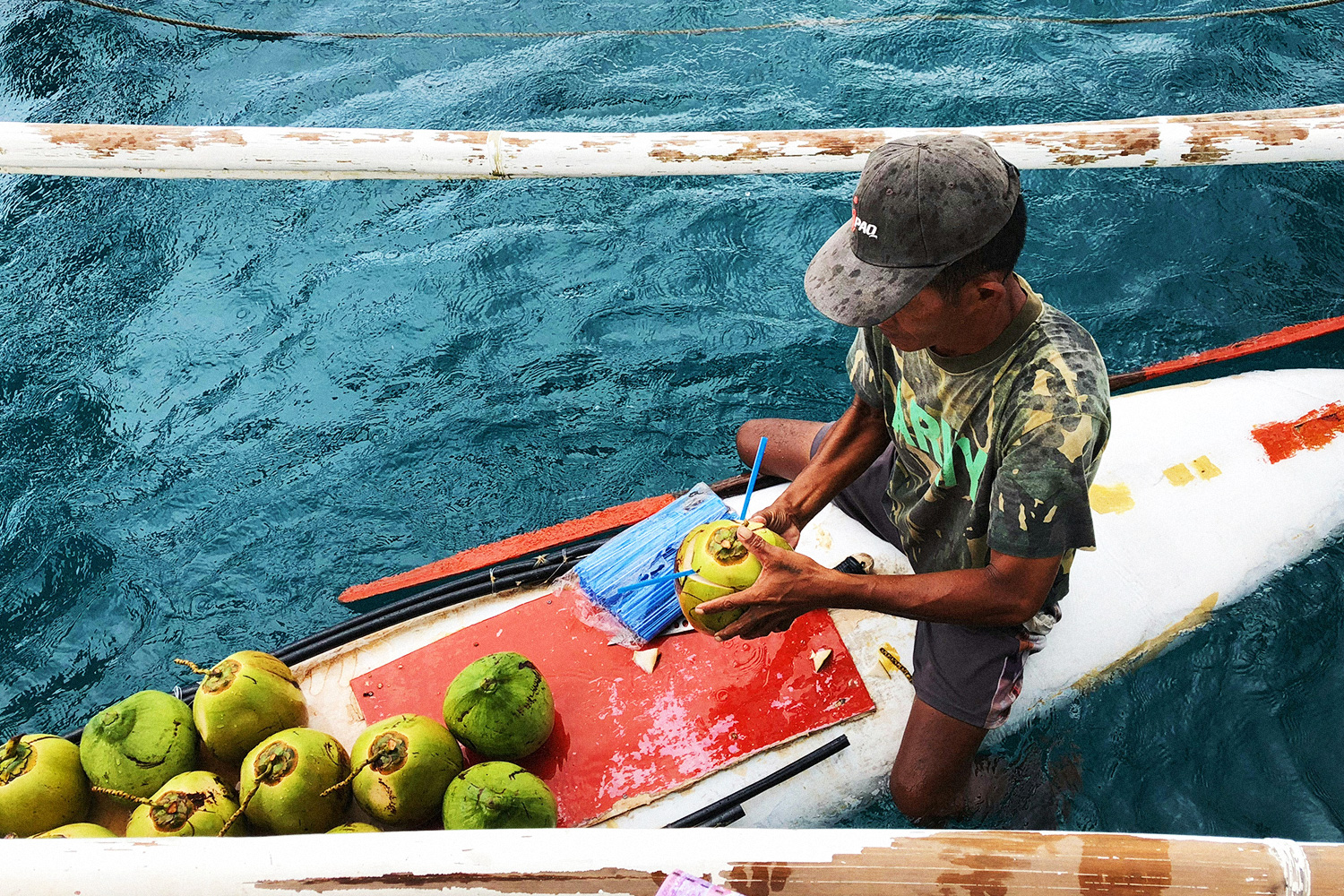
The country’s lush landscape, abundant with tropical fruits and palms, has fueled local ingenuity for centuries. Tuba, a palm wine made from the fermented sap of various palm trees, predates Spanish colonization and even traveled to Mexico via the Manila galleon trade. Further distillation transforms tuba into lambanog, which continues to be a provincial staple. When the Spaniards arrived, they called it vino de coco (coconut wine) or vino de nipa (nipa wine), though it’s not technically wine. Fiery and rustic, it holds a reputation for being dangerously strong and remains deeply tied to rural tradition.
Yearly Events Around Drinking
While there aren’t festivals that formally revolve around drinking, libations punctuate various cultural and religious festivities called fiestas. Towns and provinces host them annually during a season that typically celebrates a town’s feast day or patron saint. These community festivals convert entire public spaces into massive street parties with parades, costumes, street vendors and concerts during the course of several days. Households host friends and families for all-day communal feasts that, of course, offer an excuse to drink and eat the day away. Some of the biggest ones include Cebu’s Sinulog in January, Davao’s Kadayawan in August and Bacolod’s MassKara in October.
Drinking Snacks
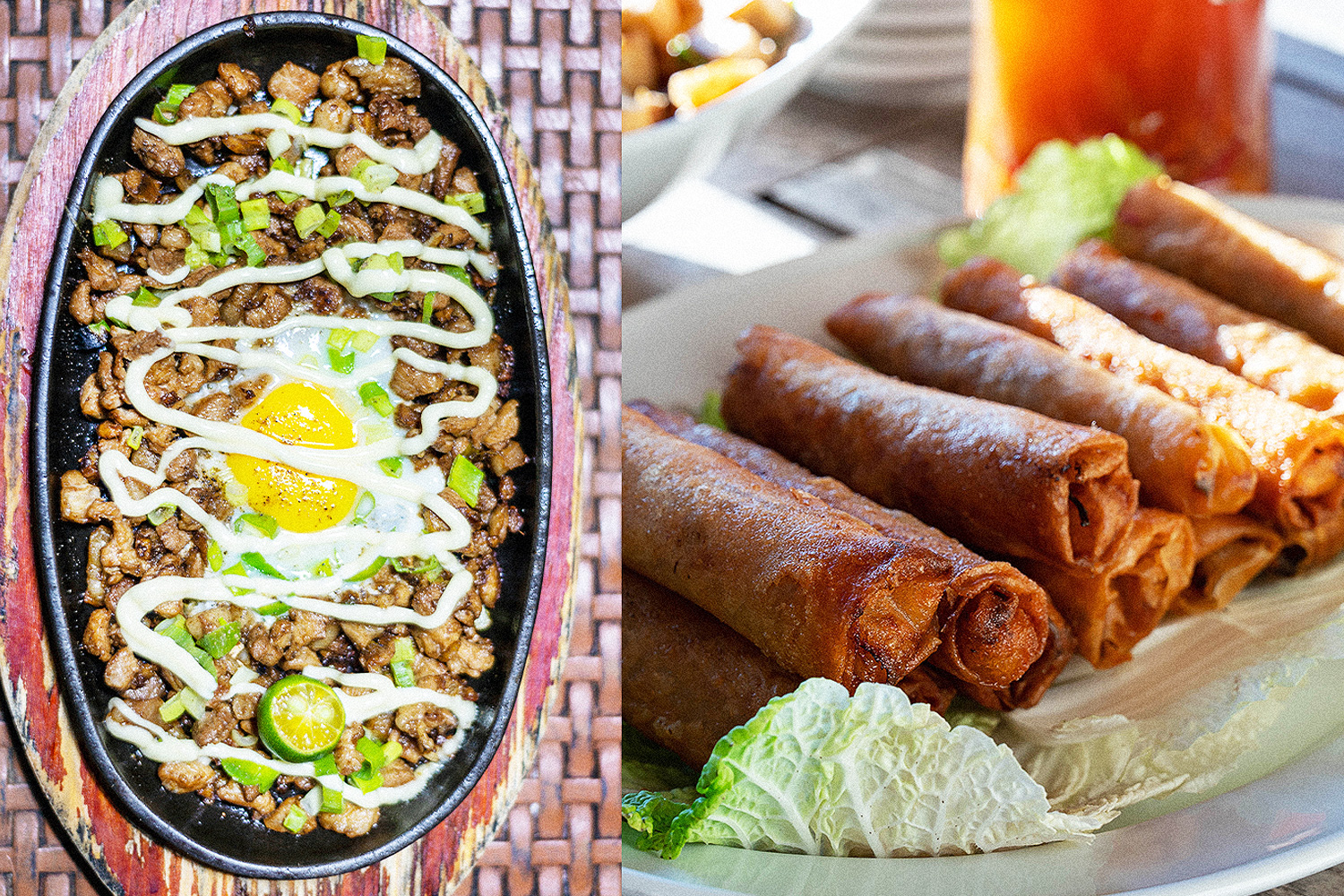
Pulutan is non-negotiable when drinking. Meaning “to pick up,” it refers to the snacks served alongside alcohol, often fried, salty and unapologetically oily. Think bowls of chicharon (fried pork rinds), calamares dipped in spiced vinegar or the cult-favorite Boy Bawang (crunchy garlic corn). But pulutan isn’t limited to finger food — it can just as easily be heartier fare like inihaw na liempo (grilled pork belly), sisig (minced pork on a sizzling plate), lumpia (fried spring rolls) or kilawin (Filipino ceviche).
Iconic Bars Around the Country
Growing up with a dad active in Manila’s food and beverage scene, my weekends often meant tagging along to bars — mocktail in hand — without realizing I was witnessing the dawn of the Philippine craft cocktail movement. One of those spots was Blind Pig. Opened in 2011 and modeled after New York’s legendary Milk & Honey, the bar is often hailed as the godfather of the local cocktail scene. My earliest memory there was sipping a deep purple, spritzy NA version of a berry cocktail and being so impressed that they used metal straws. Ah, the good ol’ days of being 12 in one of the country’s best bars.
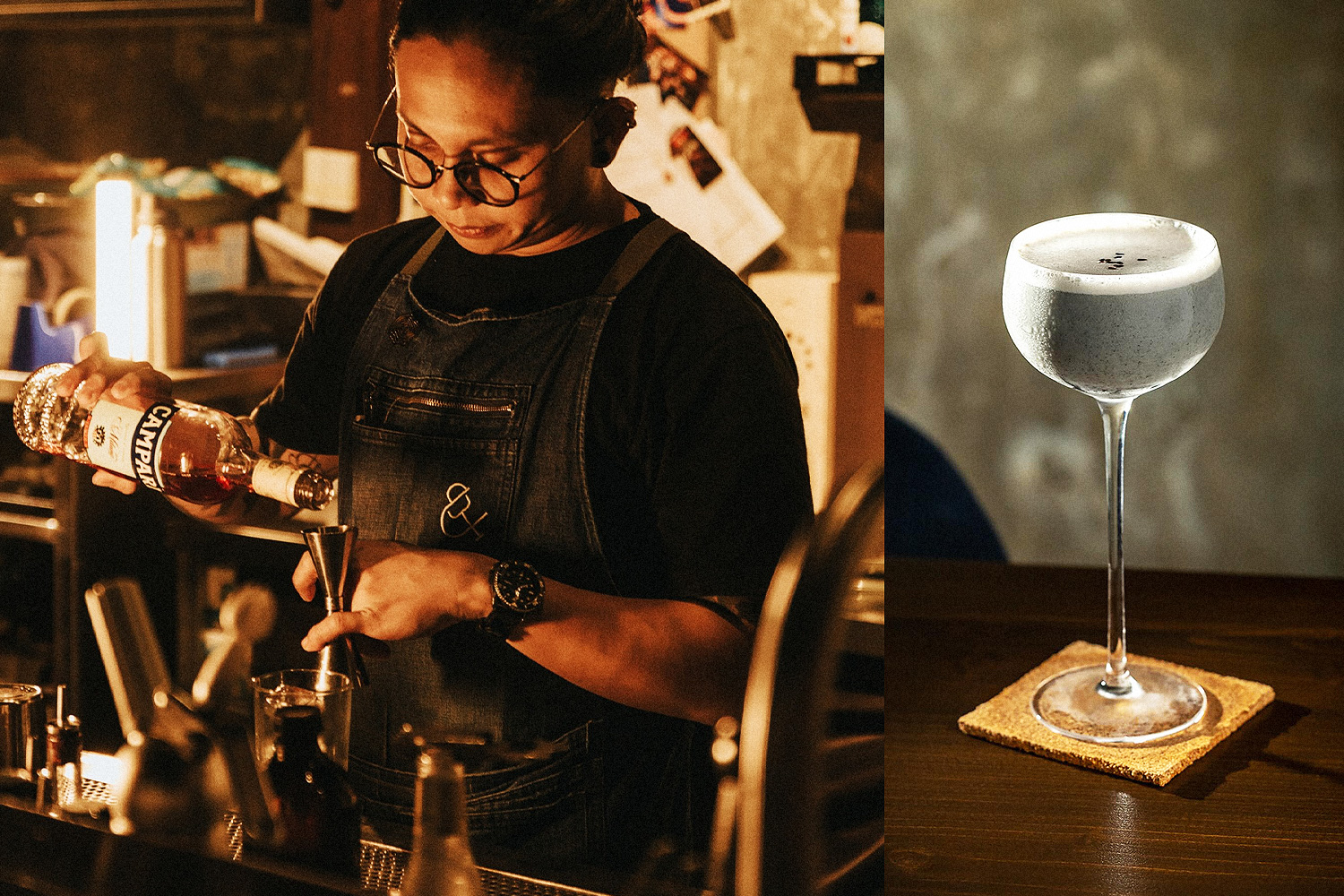
The Curator was the first Philippine bar to break into the prestigious Asia’s 50 Best Bars list in 2016, a distinction that cemented its place in Manila’s drinking history. True to its name, everything here is considered. By day, the front space runs as a third-wave coffee shop. Come evening, the back room glows to life with some of the city’s sharpest cocktails.
Boracay beach bars
Perhaps the most famous beach in the Philippines, Boracay is renowned for its white sand shores and once-notorious party scene. Before 2018, there was even a season called Batch Bora, when newly graduated high school students would descend on the island to drink the days away. A massive year-long cleanup has since tempered the revelry, but its beach bar-hopping culture remains a defining nightlife draw for both locals and tourists alike.
If you spot finance bros and couples filing into a 7-Eleven under a bank office, you’ve found Bank Bar. Hidden behind the convenience store’s stockroom doors, the dressy cocktail bar offers plush interiors, inventive drinks and a crowd that’s equal parts corporate and cool. Since opening in 2015, it’s become a staple of Manila’s speakeasy scene.
Rules for Drinking Like a Filipino
1. Host and attend inumans: An inuman — from the root word “inom” meaning “to drink” — is a gathering that revolves around alcohol. It’s essentially like throwing a party but can be as casual as a few friends sitting around a table to talk over beers. These sessions are a pillar of Filipino social life, whether it’s college classmates bonding at the university’s local bar, cousins catching up or childhood friends reuniting. It’s important to know that inuman sessions often take a turn. Someone might start playing the guitar. There might be heart to hearts (the guys are sensitive here, okay!). You could be forced into karaoke. Welcome the chaos.
2. Know your opponents: The country is made up of 82 provinces, and some are renowned for their “hightol” locals (shorthand for “high tolerance”). My stepdad is from Bacolod, a southern city famed for partying until sunrise, and he proudly lives up to his locale’s reputation. Other heavyweight provinces include Batangas, Cebu and Iloilo. I, however, fall squarely on the opposite end of the spectrum as a self-professed “lowtol.”
3. Respect the tagay: Street culture demands you partake in the tagay, a ritual that involves a communal shot to be passed around. To refuse your round is to be a buzzkill, so even a polite sip is a respectful gesture to the rotation. It’s as much about camaraderie as it is about getting drunk together.
Cocktail Recipe
Weng Weng
.5 oz. vodka
.5 oz. gin
.5 oz. white rum
.5 oz. blanco tequila
.5 oz. brandy
.5 oz. bourbon or whiskey
1 oz. orange liqueur (triple sec or Cointreau)
2 oz. pineapple juice
2 oz. mango juice or orange juice
1 oz. grenadine
Orange slice, for garnish (optional)
Maraschino cherry, for garnish (optional)
Fill a tall glass with ice cubes. Pour in the spirits and mix. Add the orange liqueur, then top with pineapple and mango juices. Slowly drizzle grenadine into the glass. This will sink and create a layered, sunset effect. Stir gently and garnish with an orange slice and a cherry.