On the first morning on our transnational trek, my wife and I walked down a quiet road and arrived at a border in just a few minutes. The unstaffed crossing was deserted, marked by a small roadside stone, and Swiss and Liechtenstein flags flapping in the breeze. After posing for a picture, we stepped onto a path and started to hike. Over the next three days, we planned to cross an entire country.
But don’t be impressed. A public bus could have taken us in 30 minutes.
Instead, we planned to follow the Liechtenstein Trail, which zigzags across the tiny nation, going out of its way to cut through each of its 11 municipalities. About the same size as Washington, D.C., and home to fewer than 40,000 people, Liechtenstein’s one of the least-visited countries in Europe — which is exactly why we came. I’d like to say I was traveling coast-to-coast, but that wouldn’t quite be accurate given that Liechtenstein is one of the world’s two double-landlocked countries. (The other is Uzbekistan.)
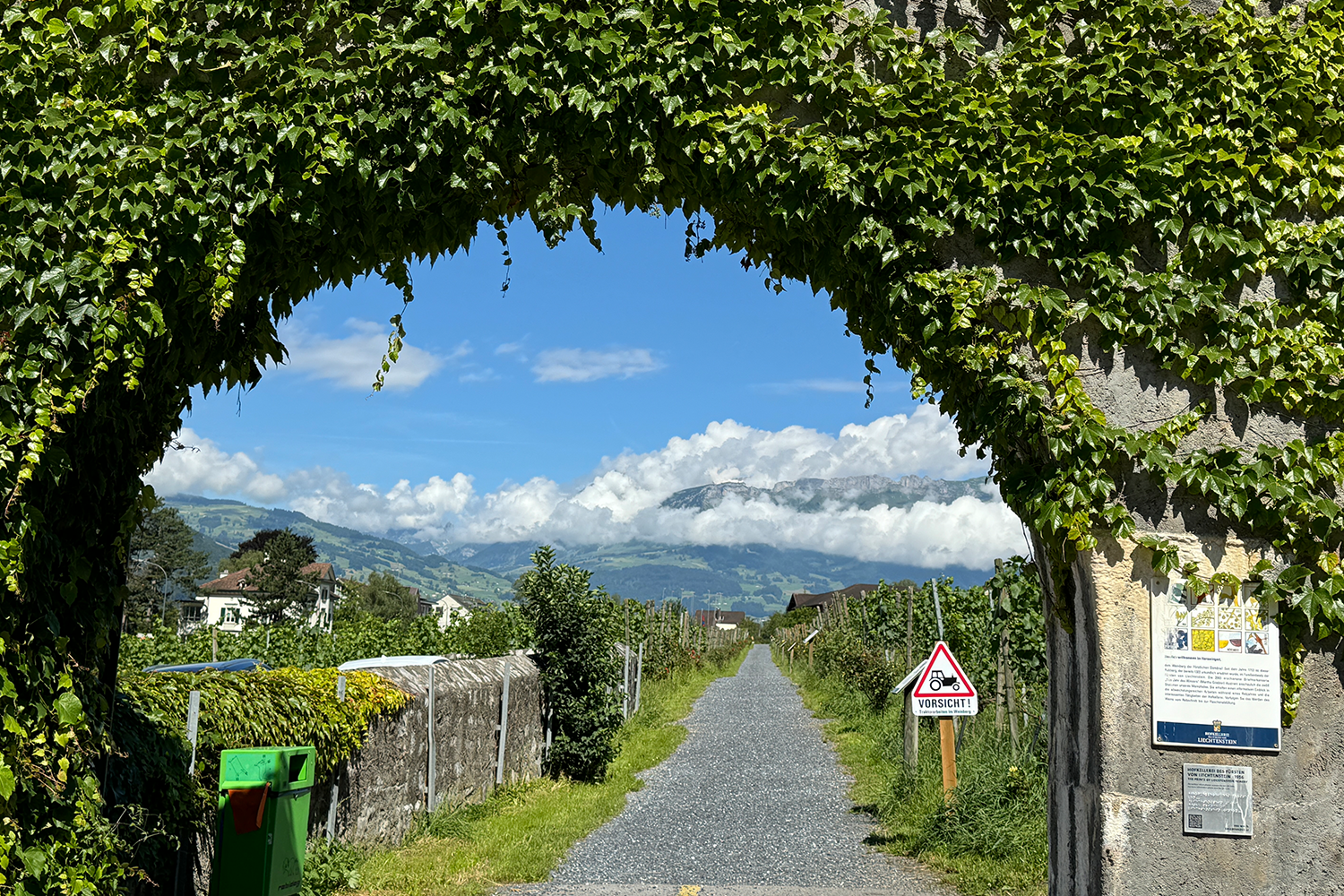
However, the 47-mile hiking and e-biking trail’s a wonderful way to visit a corner of the Alps tucked between Switzerland and Austria. It’s a secluded landscape where in early summer cow bells and church bells ring across meadows so emerald green they look Photoshopped.
With a luggage service transporting our bags inn to inn, we were free to marvel at the scenery and absorb the tranquility. Liechtenstein has one of the world’s lowest crime rates, and as far as I could tell it has no stray dogs. The one piece of litter I saw over three days was a broken bottle at a bus stop, and I’m pretty sure it was gone by the next morning. It’s a place where the fire hydrants sparkle, suggesting that it might be someone’s job to keep them polished.
There’s a reason, of course. The micro-nation is fabulously wealthy and ruled by one of the world’s richest royal families. It’s a quiet, quirky backwater with more jobs than residents and more millionaires per capita than any other nation. But it’s so overlooked that the Swiss army has accidentally invaded two times in the past 50 years. (The intruders apologized each time, blaming the mistake on a wrong turn. The country’s leaders graciously accepted the explanation.)
Visiting Carnarvon Gorge: Australia’s Great Prehistoric Hiking Destination
With ancient art, prehistoric plants and hidden canyons, Carnarvon Gorge offers hikers an unforgettable Garden of Eden experience.The citizens convey the same carefree attitude. One afternoon I met Moritz Voigt, a 21-year-old student and tuba player in a traditional brass band that performs at weddings and Carnival celebrations. Like everyone else born here, he had met the country’s acting ruler at a ceremony the year he turned 18. He described Hereditary Prince Alois as friendly, but formal. Liechtenstein’s not a bad place to grow up, he told me. “It’s a cool country.”
I was beginning to agree.
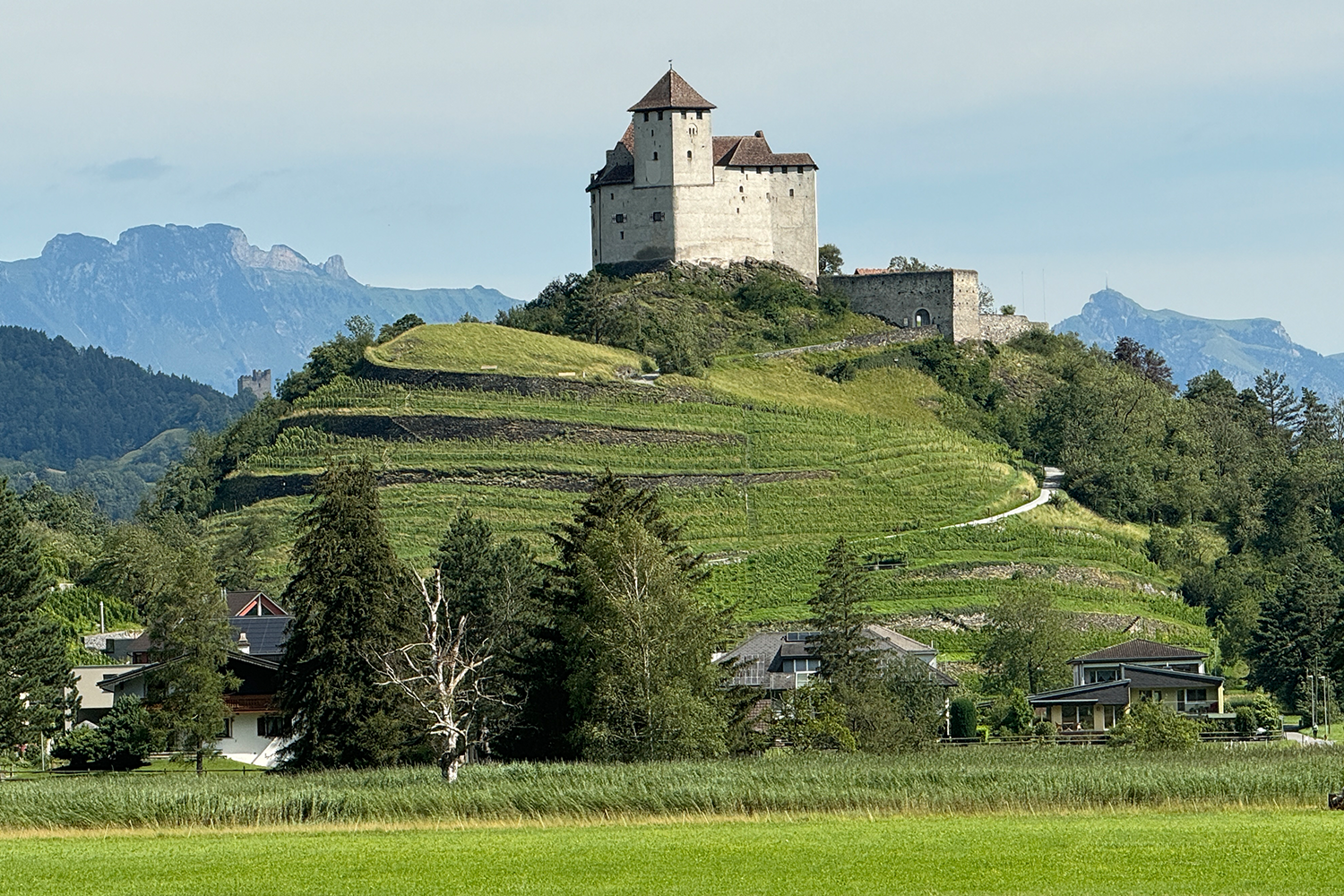
Our first morning’s hike took us along a dirt road through farm fields and to a castle I had seen the previous night. At dinner I had ordered white wine and asked the restaurant owner if it was local. He smiled as he poured my glass. “It comes from right over there,” pointing to an ancient stone tower a few blocks away surrounded by a tiny vineyard.
Today we stopped at the castle to enjoy a view of the town of Balzers. Our trail would lead through every village, and almost every park. We’d cut through suburban-style neighborhoods with BMWs in driveways and then follow wooded mountain paths. An app provided navigation and trail highlights, making it almost impossible to get lost.
That day we saw no other hikers, and arrived in the hamlet of Triesenberg by afternoon to a catch a bus to our hotel for the night. The driver was on a break, but when she saw us she hopped out of the vehicle to offer a quick walking tour of the town square. Only then did we board the bus to the Malbun ski village.
Before settling into our hotel, I led my wife to a chairlift for a surprise I had arranged. As the chair reached the mountaintop, an attendant paused the lift, and placed a wooden table in the middle of our seat. It was piled with Swiss cheese, dried meat, fruit and a small bottle of wine. The indulgence, called the Culinary Chairlift, fortified us for the next half hour as we floated up and down the Alps.
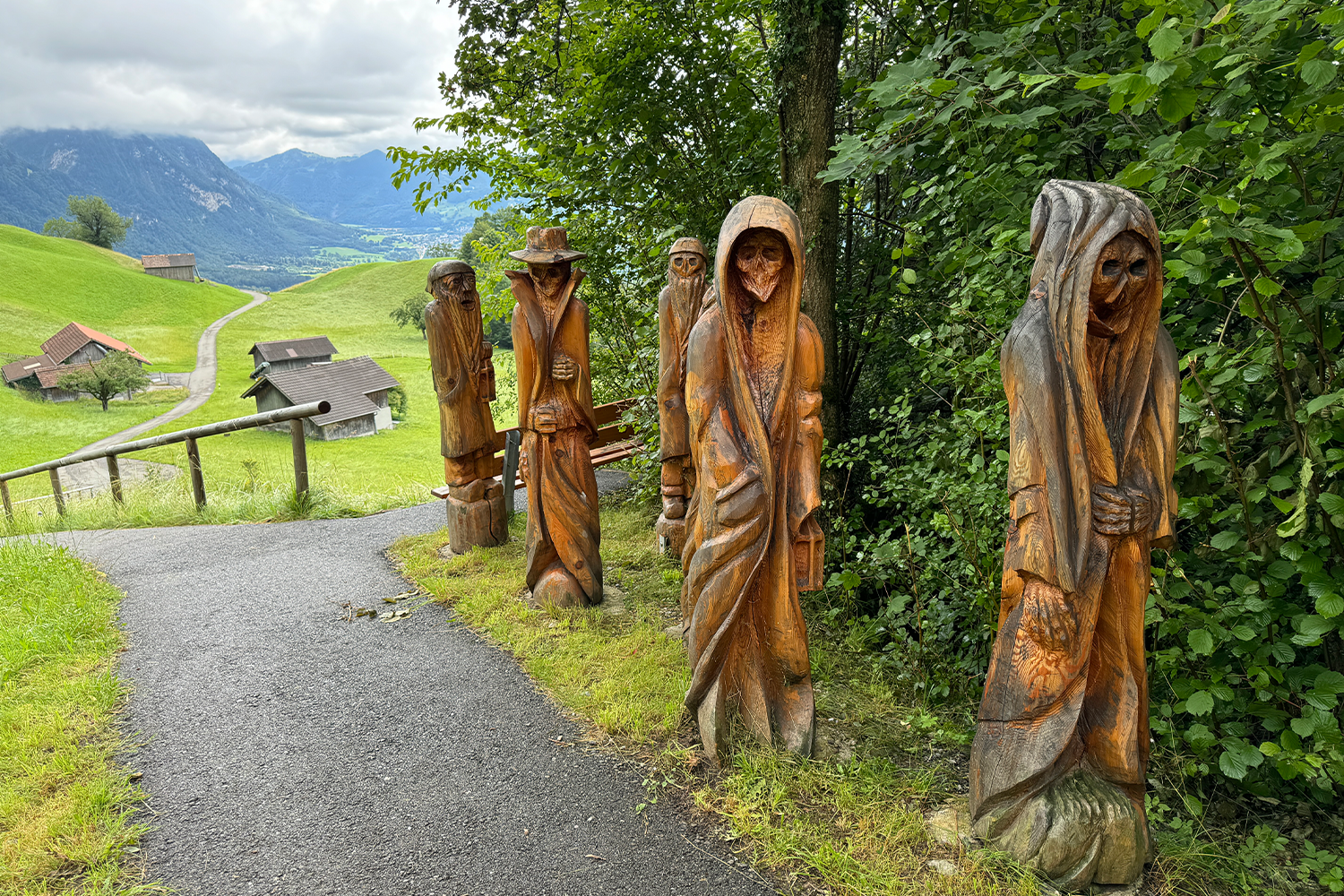
As beautiful as the scenery was, it hasn’t always been so welcoming. The Walser people, a Germanic tribe that has lived here since the 1300s, considered the woods menacing. The next day’s hike led through thick larch and pine forests, passing creepy wooden statues of monsters and lost souls. Trailside signs recounted folk tales filled with witches, ghosts and fairy people.
It might have been spooky, except we seemed to have found our own fairy godmother, who called out as we crossed a street. It was our bus driver from the day before, leaning out of her window to check on our progress across the country.
Today’s hike passed another castle, this one belonging to the Liechtenstein royal family. It also owns forests and real estate across Europe, a private banking company and one of the world’s most valuable private art collections. Unlike other kingdoms, the monarch’s role is not ceremonial. The prince retains control over the country’s government, and can veto any laws its parliament passes. Passing by the castle front entrance, I saw no guards or security in sight. It was tempting to knock on the door and say hello.
Our destination that night was the capital city of Vaduz, population 5,700. Like everything else in the country, it’s miniaturized, with a downtown core of perhaps five square blocks. If tourists come, this is where they generally go. Most arrive in the morning, and head to the visitors center, where they can pay three euros to get a souvenir stamp in their passport. Then they wander off to the city’s few attractions.
Top spots include a surprisingly absorbing postal museum — for years Liechtenstein has made extra money by churning out colorful stamps for collectors — and a slightly disappointing royal treasure chamber, a haphazard collection of paintings, jewels, a royal crown and a moon rock. It felt like the prince had cleaned out his garage and put the contents on display.
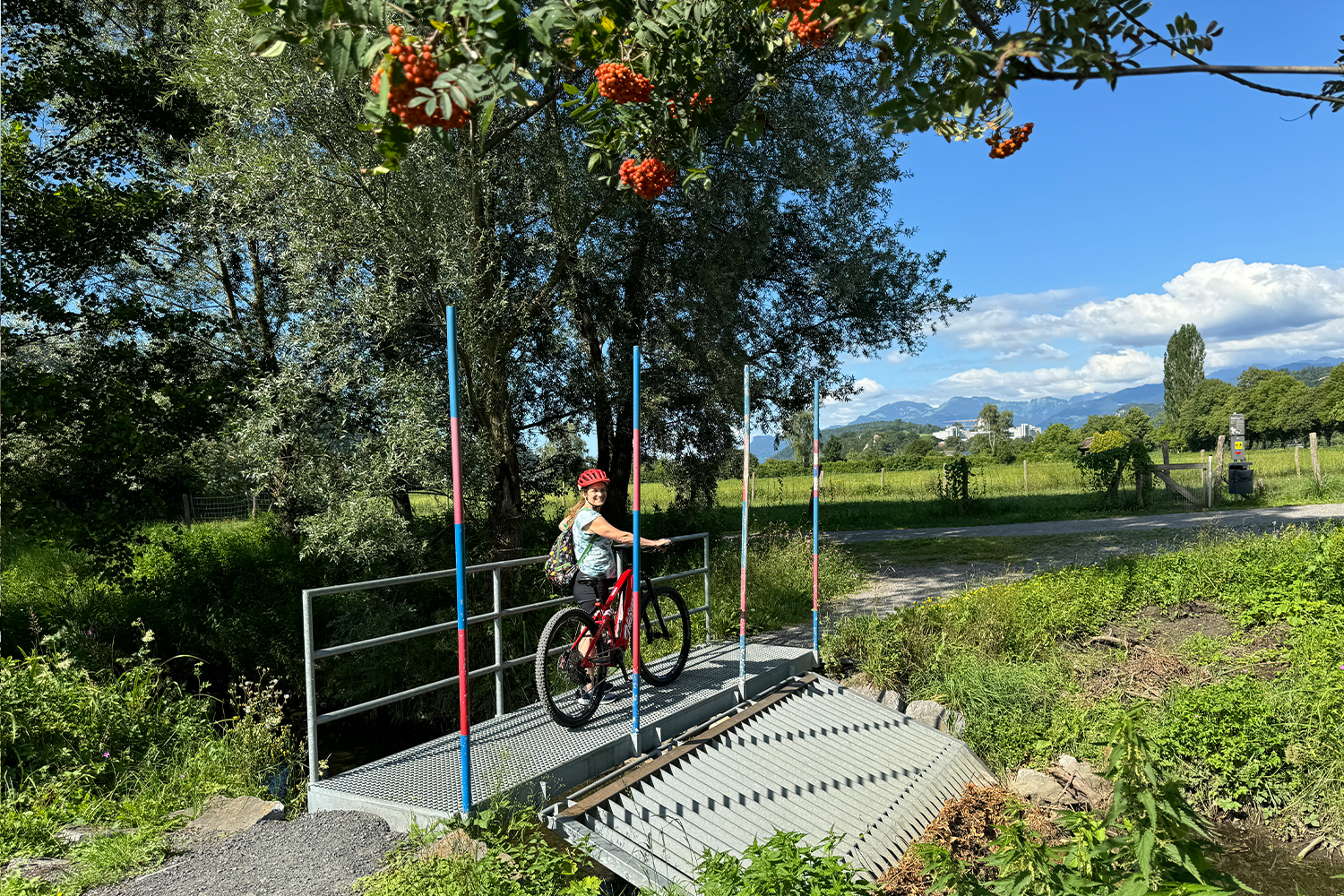
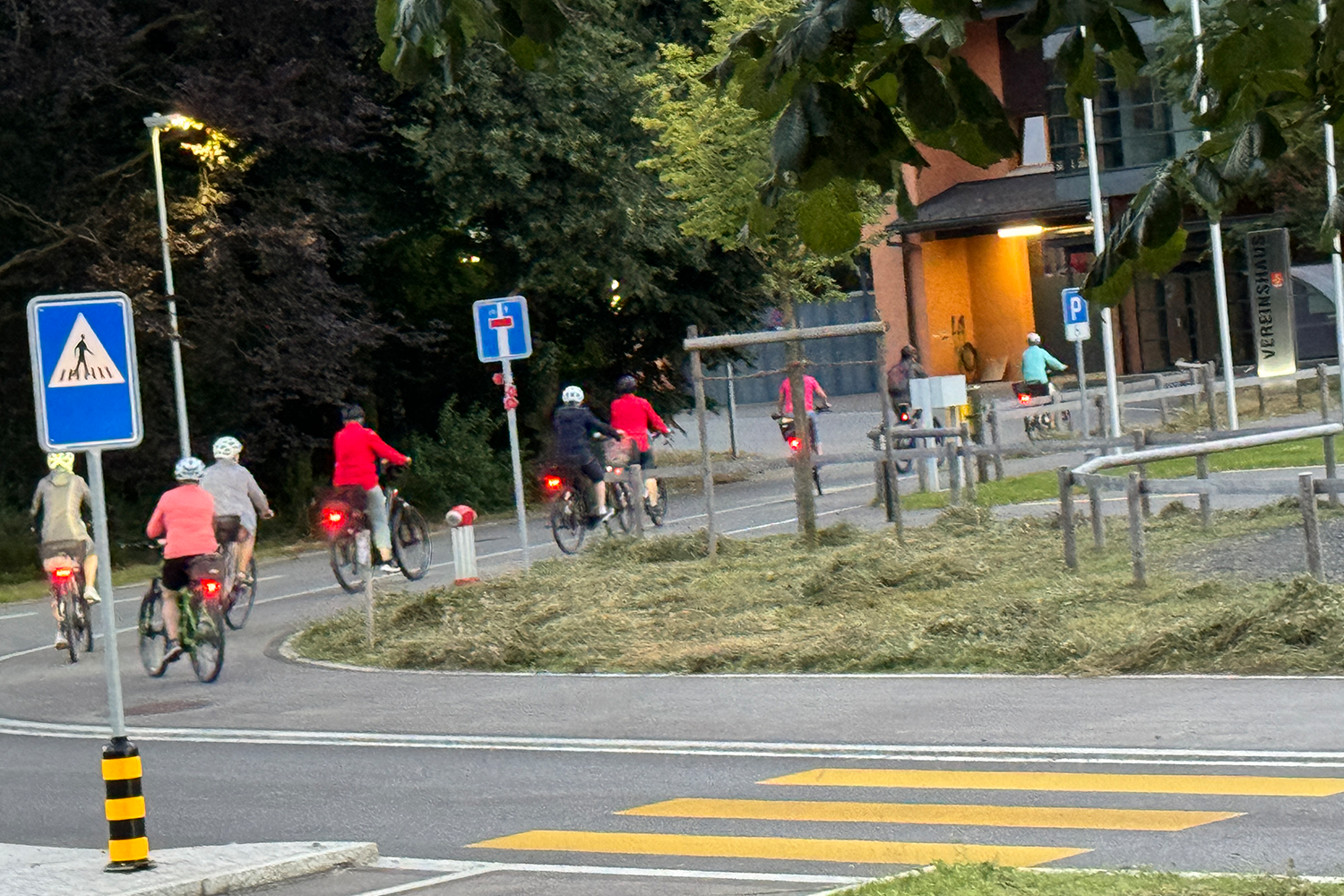

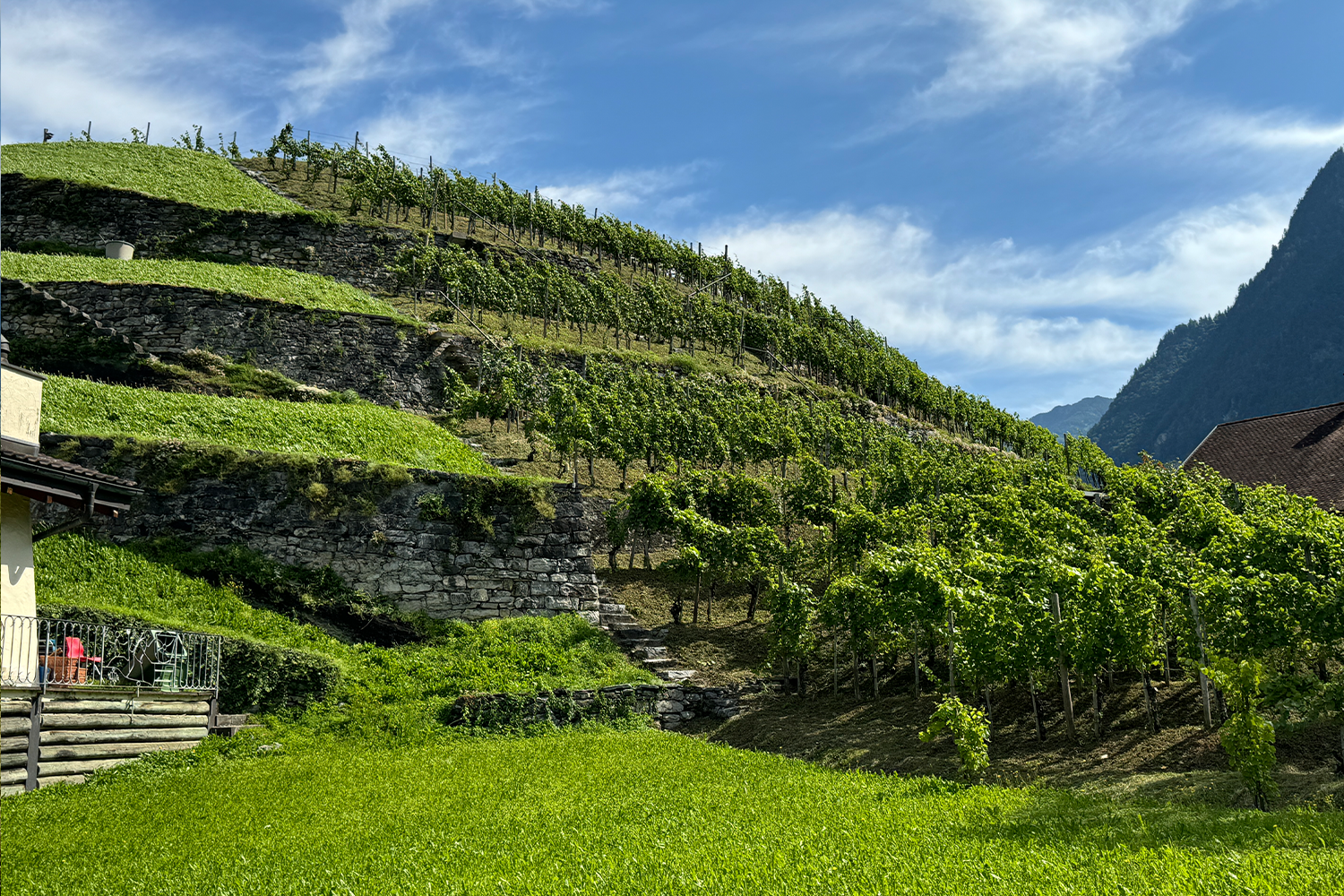
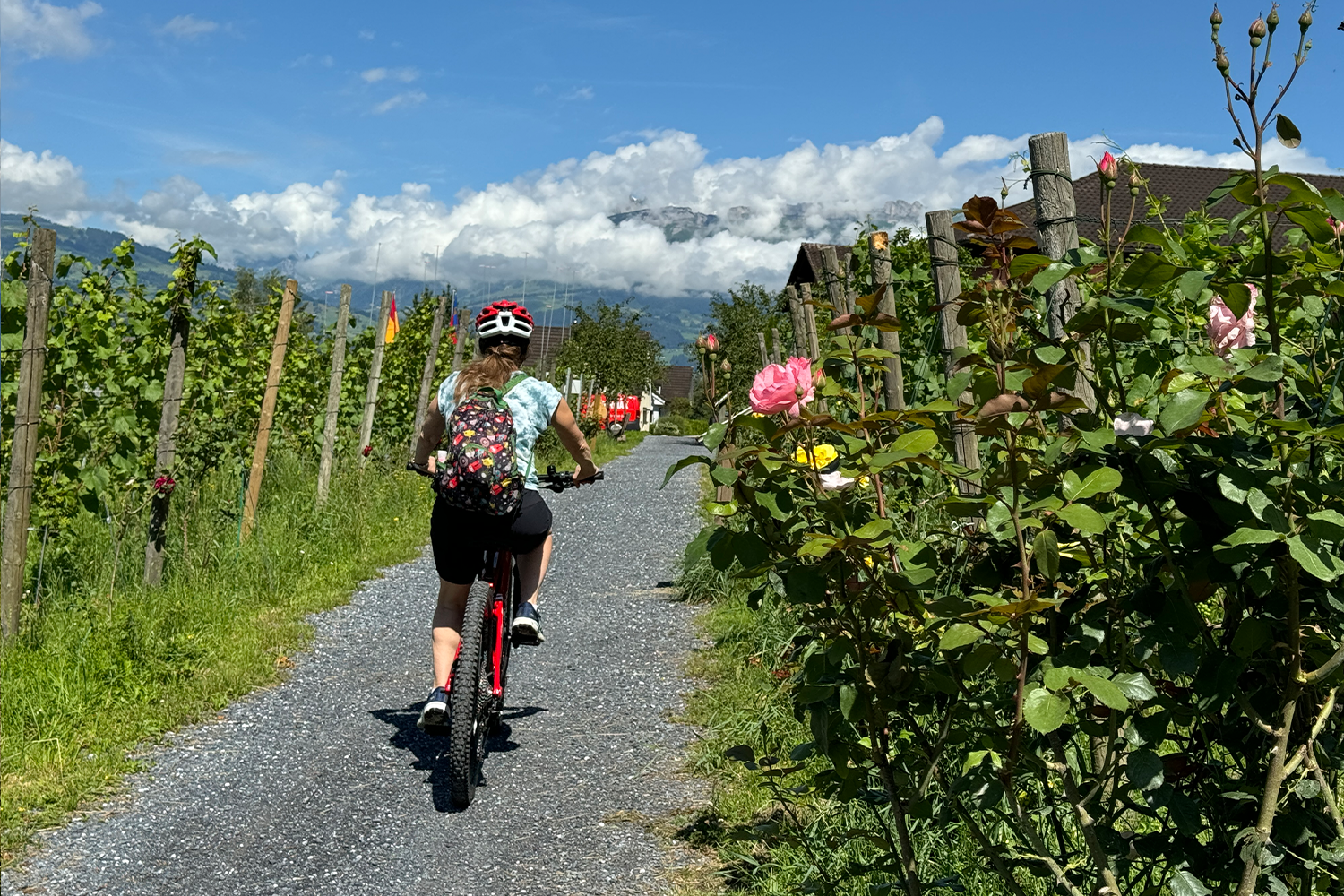
On the last day, we picked up e-bikes for the final push across the country. The trail led through neat rows of Pinot Noir vines and blooming roses. The Romans made wine here 2,000 years ago, and since 1712, the Prince of Liechtenstein Winery has been at it too. It seemed rude not to stop for a taste. Like Switzerland, Liechtenstein limits its wine exports, keeping most for itself. After a few sips, I understood why.
Back on e-bikes, our journey continued through villages and countryside. A trail bisected wetlands, passing a flock of storks and a man atop a small ladder hand-picking cherries from weathered trees. But not everything was tranquil. With all the day’s detours, we were behind schedule.
Leaving Liechtenstein without crossing the entire country seemed unthinkable, so I mapped out a shortcut, skipping a few village loops and heading directly north. An hour later we arrived at another international crossing, again facing two flagpoles, one flying the now-familiar Lichtenstein blue and red banner, and the other, the red and white stripes of Austria.
Triumphantly, we crossed the border. And then suddenly, like in one of the forest folk tales, the magic disappeared. The Austrian town of Feldkirch is hardly distressed, but compared with neighboring Liechtenstein, it was a letdown. Suddenly, there was traffic, litter and what felt like a layer of urban grubbiness.
Looking back at my wife, I realized our mistake. Already I missed Liechtenstein.
Liechtenstein Trail packages start at about $750 (660 Swiss Francs) per person for a three-night tour, including hotels, luggage transport and some meals. Liechtenstein is a 90-minute train and bus ride from Zurich.

More Like This
We're always on the scene eating, drinking and traveling near and far to bring you the best of what's happening out in the real world. Sign up for IRL now.