
Welcome to Watchword, a series in which we break down key terminology to help you better understand the lay of the horological land. In this entry, we examine the history of the chronometer, the designation for a particularly accurate timepiece.
How accurate does a mechanical watch need to be, really? In an era in which even the cheapest quartz watch can outperform a hand-finished Swiss movement, the pursuit of chronometric precision can seem almost quaint.
Your smartphone syncs itself to atomic time. A $30 digital watch will likely keep more accurate time during the course of a year than a six-figure perpetual calendar. And yet, for more than two centuries, few words in horology have carried as much prestige as “chronometer.”
Despite its liberal use in modern watch marketing, the term has a very specific meaning: a watch whose movement has been tested and certified to meet a prescribed standard of accuracy. Though today the word is most commonly associated with Swiss wristwatches and the Contrôle Officiel Suisse des Chronomètres — better known as COSC — its roots stretch back centuries to the age of maritime navigation, scientific competition and the near-obsessive pursuit of mechanical precision.
The original chronometers weren’t wristwatches at all but rather “marine chronometers,” extraordinarily precise shipboard clocks developed in the 18th century to solve one of navigation’s greatest challenges: determining longitude at sea. Most famously associated with English clockmaker John Harrison, these instruments needed to maintain exceptional accuracy despite humidity, temperature fluctuations and the constant motion of a vessel. A clock losing even a few seconds per day could place a ship miles off course after weeks at sea.

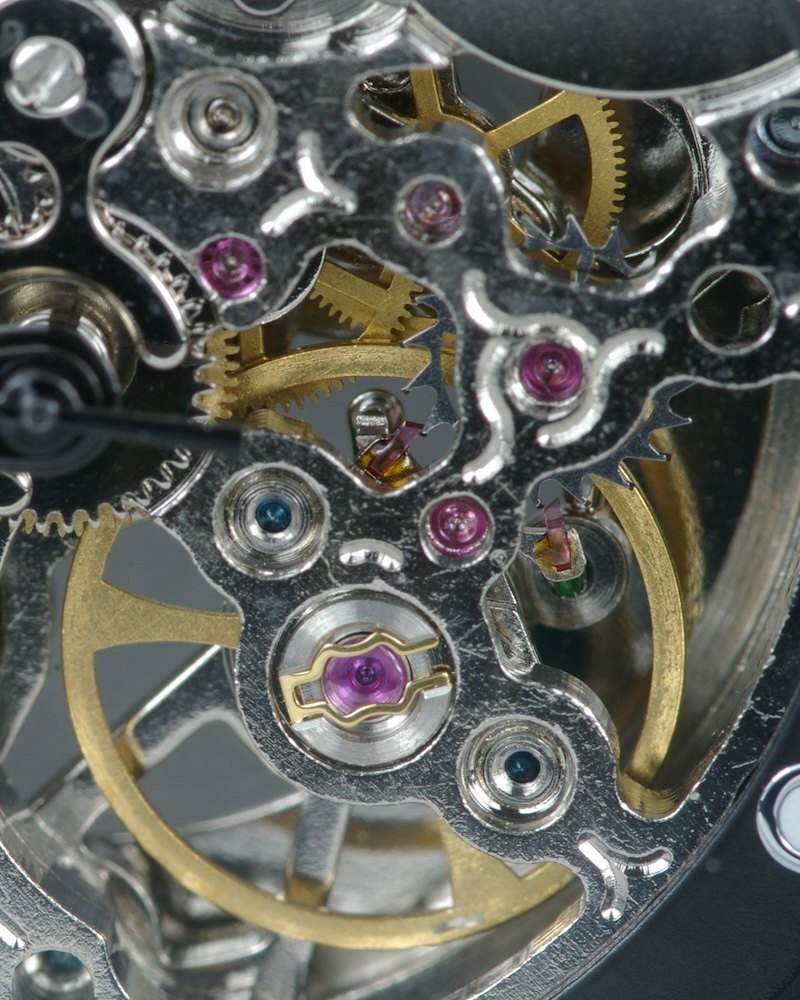
That challenge helps explain why precision was so difficult, and so revered, in mechanical watchmaking. Unlike quartz watches, which regulate timekeeping via the oscillation of a battery-powered crystal, mechanical watches rely on an intricate system of springs, gears and an oscillating balance wheel. Gravity affects the balance differently depending on the watch’s position, temperature changes can subtly alter the dimensions of metal components, lubricants degrade over time, and shocks and vibration interfere with consistent operation. For centuries, the challenge wasn’t merely building a watch that ran, but one that ran consistently, regardless of whether it sat dial-up on a dresser, hung vertically in a waistcoat pocket or crossed the Atlantic aboard a rolling ship.

An Insider Visit to Omega’s Swiss Headquarters, the Mecca of Watchmaking
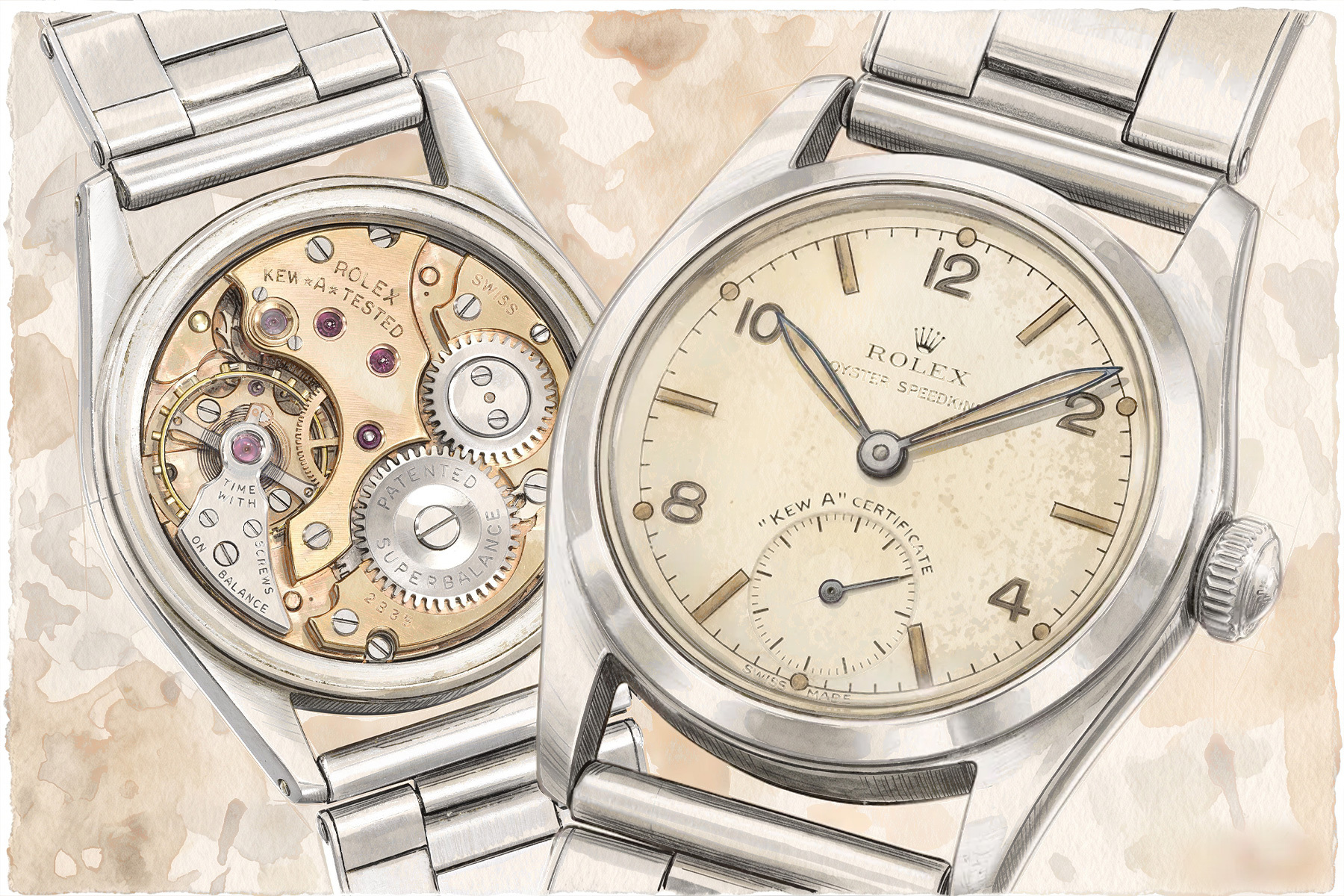
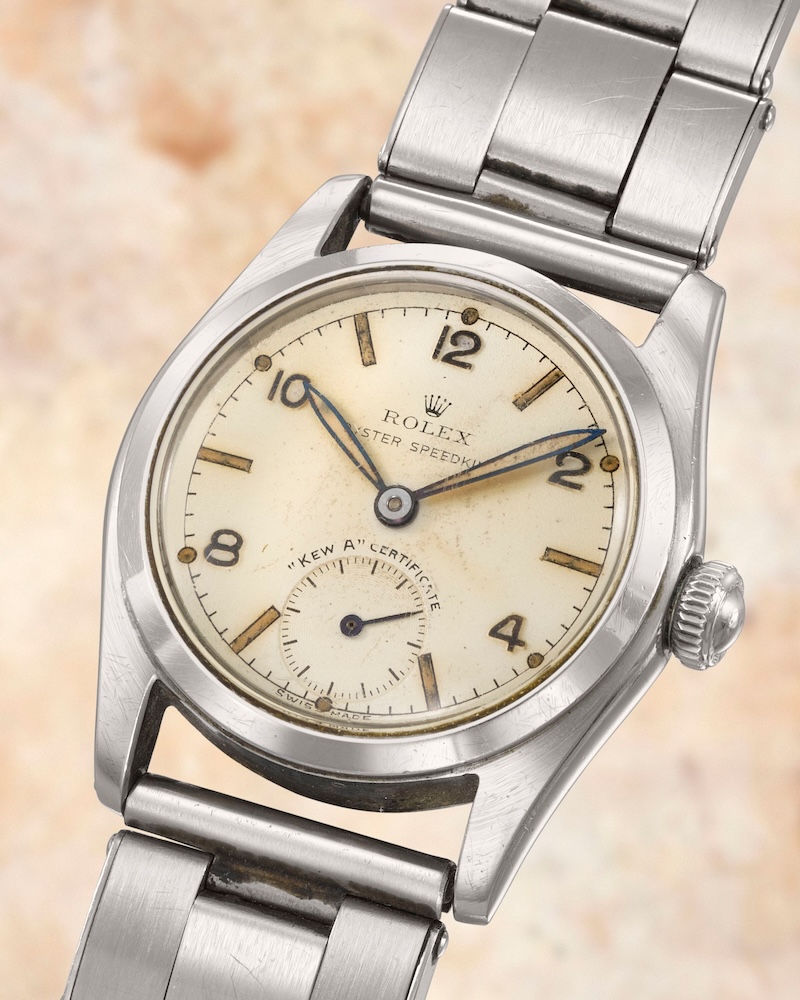
Ever wonder how a Speedmaster is made?By the 19th century, “chronometer” had become a term reserved for the highest grade of precision timekeepers. As portable watchmaking improved, observatories and testing institutions began holding chronometer trials to evaluate pocket watches and, eventually, wristwatches. In Britain, the Kew Observatory’s famed “Kew A” certificates became a mark of elite precision in the late 19th and early 20th centuries, while observatories in Geneva and Neuchâtel — as well as the observatory at Besançon in neighboring France — conducted rigorous timing competitions that pushed manufacturers toward ever-greater accuracy.
These observatory trials were brutally competitive. By the mid-20th century, they had become less a scientific exercise than a horological arms race, with brands devoting enormous resources to the pursuit of precision records. Specialized “competition chronometers” were often hand-adjusted by elite réglage departments and optimized solely for observatory performance rather than commercial production. Some were never intended for sale at all.
Manufacturers such as Rolex, Omega, Longines and Zenith became particularly associated with chronometric competition. Omega’s Constellation line, introduced in 1952, was explicitly designed to celebrate the brand’s observatory successes, while Zenith spent decades refining high-performance calibers for Neuchâtel and Geneva trials. Girard-Perregaux also became closely associated with high-precision chronometry in the 1960s through its high-frequency movements and observatory-certified calibers. By the late 1960s, the best competition watches were achieving astonishing levels of precision for purely mechanical devices.
Then quartz arrived.
The advent of battery-powered quartz technology in the late 1960s effectively rendered traditional chronometer competition obsolete almost overnight. A quartz oscillator vibrating at 32,768 Hz simply outperformed even the most finely adjusted mechanical balance wheel. Mechanical watchmaking could no longer compete on pure accuracy, and the observatory trials that had once defined horological prestige gradually disappeared.
In their place emerged a more standardized and industrialized approach to chronometer certification. In 1973, Switzerland consolidated several regional testing laboratories into COSC, the Contrôle Officiel Suisse des Chronomètres. Today, COSC remains the best-known chronometer authority in the industry.
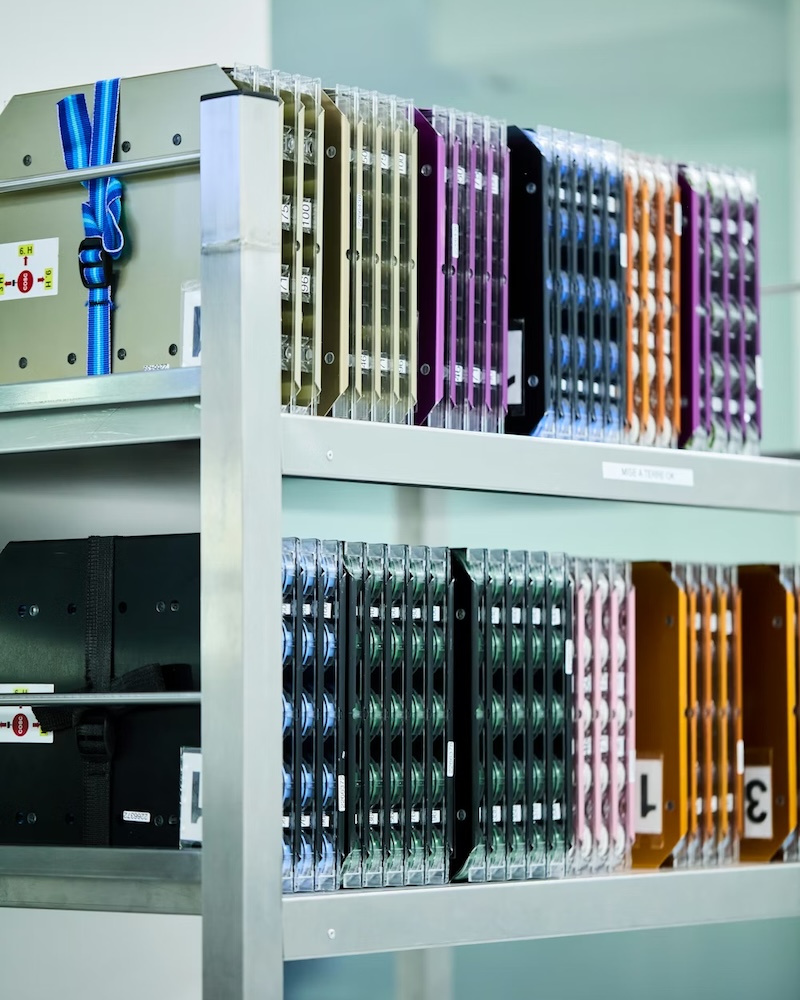
Under COSC standards, a mechanical movement must maintain an average daily rate of between -4 and +6 seconds per day over 15 days of testing in multiple positions and temperatures in order to earn certification. Importantly, COSC certifies uncased movements rather than finished watches, a distinction often lost in marketing copy. The term “chronometer” itself is also legally protected in Switzerland and may only be used on watches meeting official certification standards.
Still, enthusiasts often point out that COSC certification is not necessarily the final word in precision. A non-certified watch can easily outperform a certified one in daily wear, while the observatory trials of the mid-20th century were in many ways substantially more demanding than modern industrial testing. In practical terms, even a mechanical watch running several seconds fast per day is already remarkably accurate by historical standards. Today, chronometer certification serves as much as a statement of manufacturing seriousness as it does a practical guarantee of accuracy.
No brand has done more to popularize the designation than Rolex, whose “Superlative Chronometer Officially Certified” text has appeared on dials for generations. In recent years, however, manufacturers have increasingly sought to exceed COSC standards through proprietary testing regimes and new forms of certification.
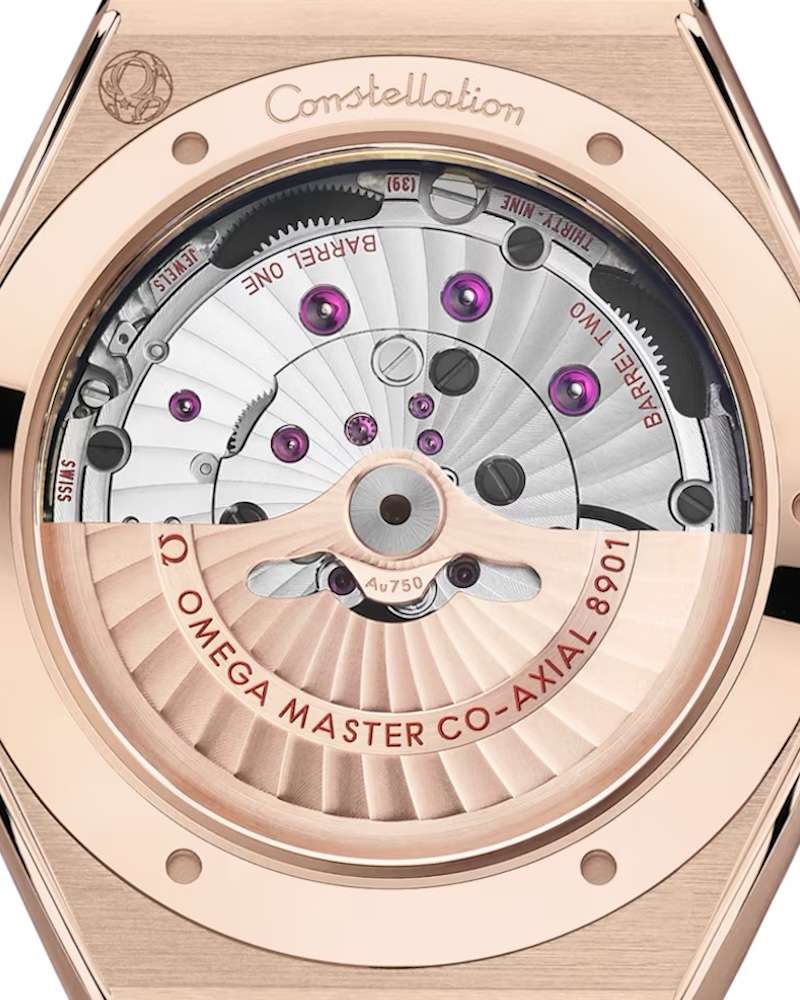
Omega’s “Master Chronometer” program, developed in partnership with the Swiss Federal Institute of Metrology (METAS), tests fully cased watches not only for accuracy, but also for water resistance, power reserve and magnetic resistance up to 15,000 gauss. Tudor now subjects certain models to the same METAS testing, while Grand Seiko maintains its own in-house standards that frequently exceed traditional Swiss chronometer tolerances. Breitling, meanwhile, has long emphasized COSC certification across the vast majority of its production.
The irony, of course, is that none of this is strictly necessary anymore. The world no longer depends on mechanical precision for navigation, astronomy or scientific measurement. Mechanical watches survive because people love them, because tiny oscillating machines remain emotionally compelling even in the digital age.
And that, perhaps, is the enduring appeal of the chronometer. Long after quartz rendered the pursuit of mechanical precision functionally obsolete, chronometer certification remains one of the last direct links between the modern luxury wristwatch and the serious scientific instrument it once aspired to be. A chronometer is not merely a watch that tells time but one that has proven — under scrutiny — that accurate time telling still matters.
More Like This


The world of men’s style, from the streets of NYC to the showrooms of Milan, run down weekly by writer and photographer Christopher Fenimore.