
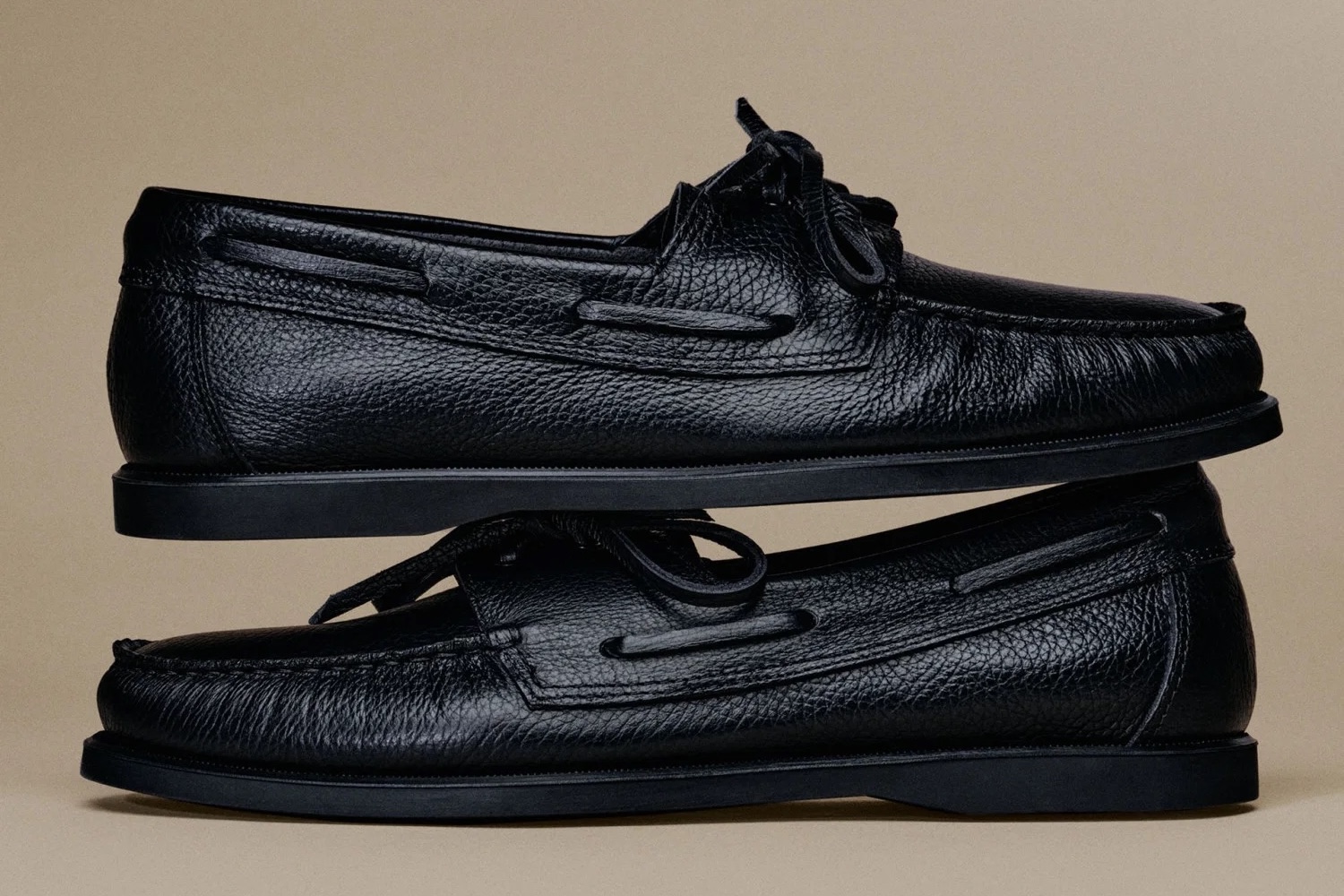
The boat shoe has been around for nearly a century, and few pieces of footwear inspire stronger feelings. It’s iconic, but also a little divisive. Some guys swear by it; to others, it still conjures images of a certain kind of fratty Northeast privilege. Every few years, it is declared dead, with it only to return a handful of years later in a slightly new form. Sort of like Terminator 2’s T-1000. Which all begs the question: why has the humble yet polarizing deck shoe come to represent such a specific strain of American style?
The history of the boat shoe is inseparable from the story of Sperry, which introduced the original model, the “Top-Sider”, in the 1930s. Like many great American invention stories, it begins with an unlikely moment of inspiration.

The modern boat shoe is credited to Paul A. Sperry, an avid sailor who grew up between New Haven, Manhattan and France, attended both Taft and Dartmouth and came from a family whose roots in New England stretched back to the 17th century. (It would be hard to construct a more WASP-y origin story if you tried.)
Sperry owned a Nova Scotia sailboat called the Sirocco, and during one outing, he slipped on the deck and fell overboard. At the time, boating footwear was far from advanced. Most sailors wore canvas shoes with crepe rubber soles or rope-soled espadrilles, neither of which offered much grip on wet decks.
According to Sperry lore, the inventor’s inspiration came from his cocker spaniel, Prince, who seemed to have no trouble running across icy ground. Upon examination of the dog’s paws, Sperry noticed the network of grooves and cracks that helped create traction. Inspired, he took a penknife to the rubber soles of his shoes and carved similar slits into them.
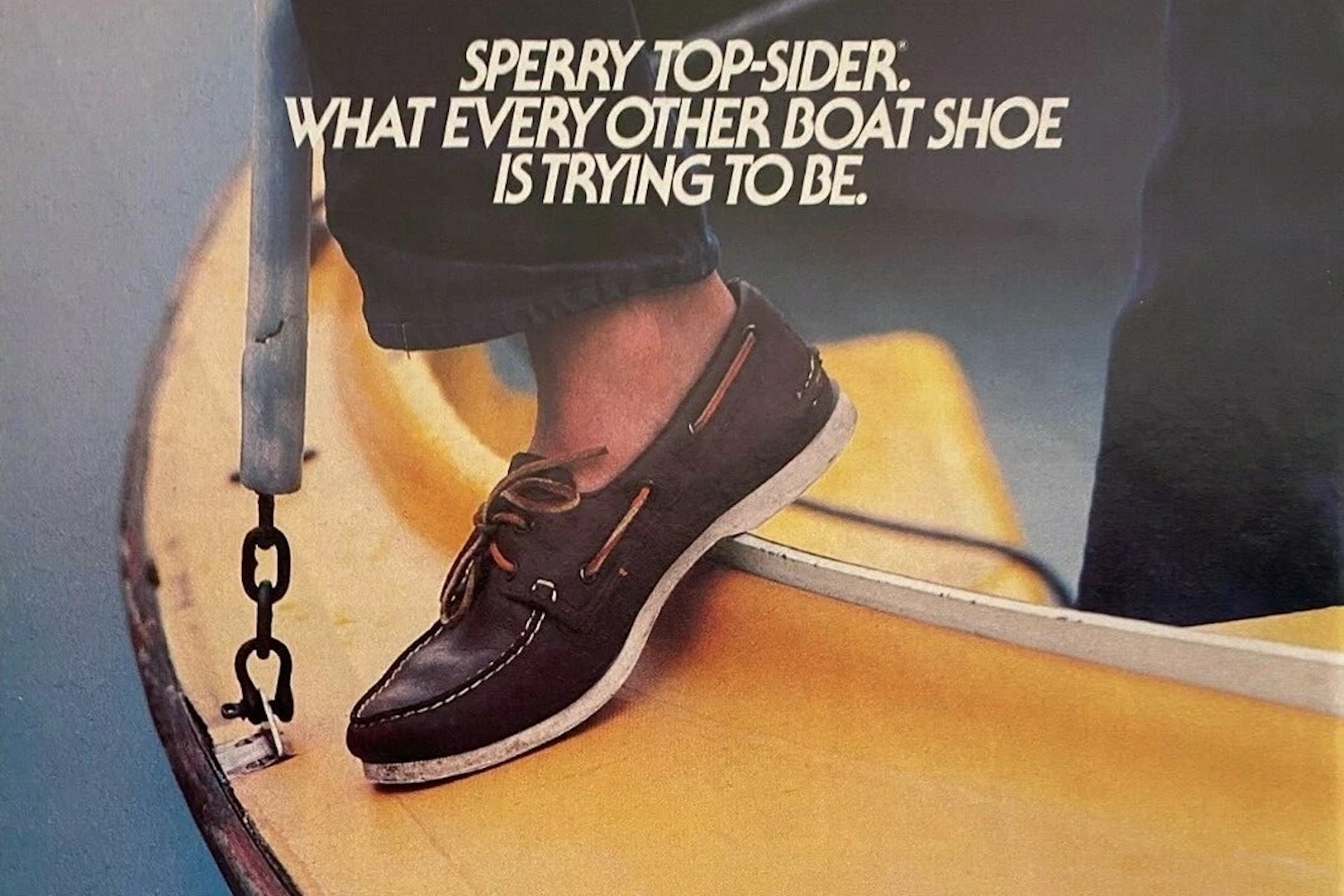
The resulting herringbone pattern, which channeled the dispersed water and increased friction, created a high-traction sole perfect for slippery conditions. After refining the idea, Sperry patented and sold the first Top-Sider in 1935. The design paired the siped rubber outsole with a leather upper and a low profile suited to life on deck. Sailors quickly embraced it for its practicality and its reputation spread throughout the boating world.
The shoes caught on quickly, first sold via direct mail to members of the Cruising Club of America before drifting into larger retail channels. At first, Sperry himself wasn’t interested in wholesaling, but Abercrombie & Fitch kept sending in orders until he finally relented and started filling them.
The design gained even greater credibility when the United States Navy adopted the shoes during World War II, issuing them to sailors as part of their off-duty uniform. What began as a clever fix for slippery decks had suddenly become standard equipment for life at sea — and the foundation of one of the most enduring footwear styles ever made. (Legend even has it that a young John F. Kennedy wore Top-Siders during his time commanding a U.S. Navy boat in the South Pacific, which would explain his penchant for them in his later years.)
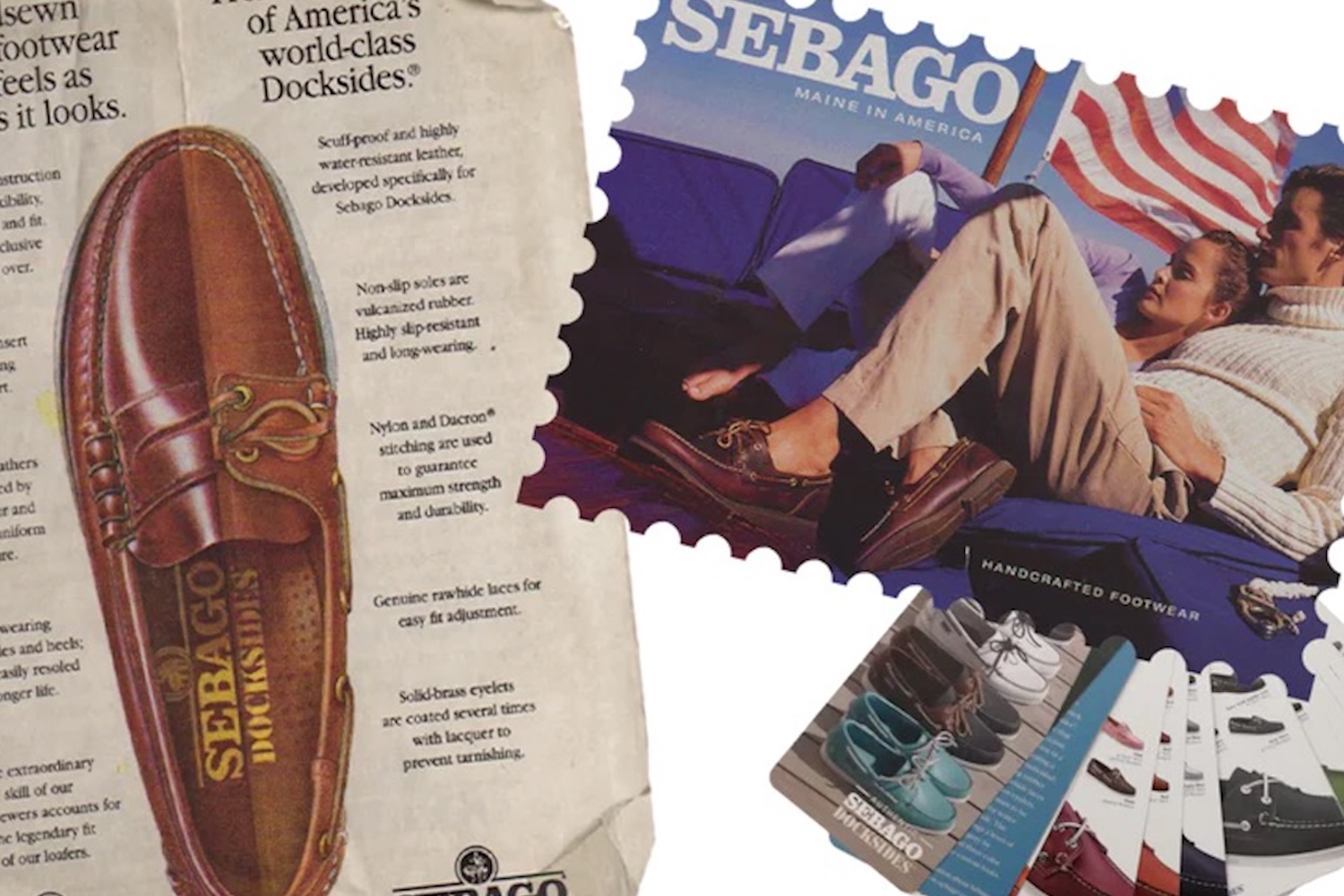
By the postwar years, other shoemakers were producing their own versions. Maine-based Sebago eventually introduced its “Dockside” model in 1970. Around the same time, Paraboot introduced its own version after receiving a commission from the French Navy.
These adaptations helped transform the boat shoe from a purely functional sailing shoe into a staple of coastal Northeast American style. The formula – low-cut leather upper, rawhide lacing, and a grippy rubber sole – proved remarkably durable, spawning endless variations from heritage shoemakers and fashion brands alike. Pop culture helped along the way. Paul Newman wore them frequently, and Gilligan spent nearly every episode of Gilligan’s Island in a pair.
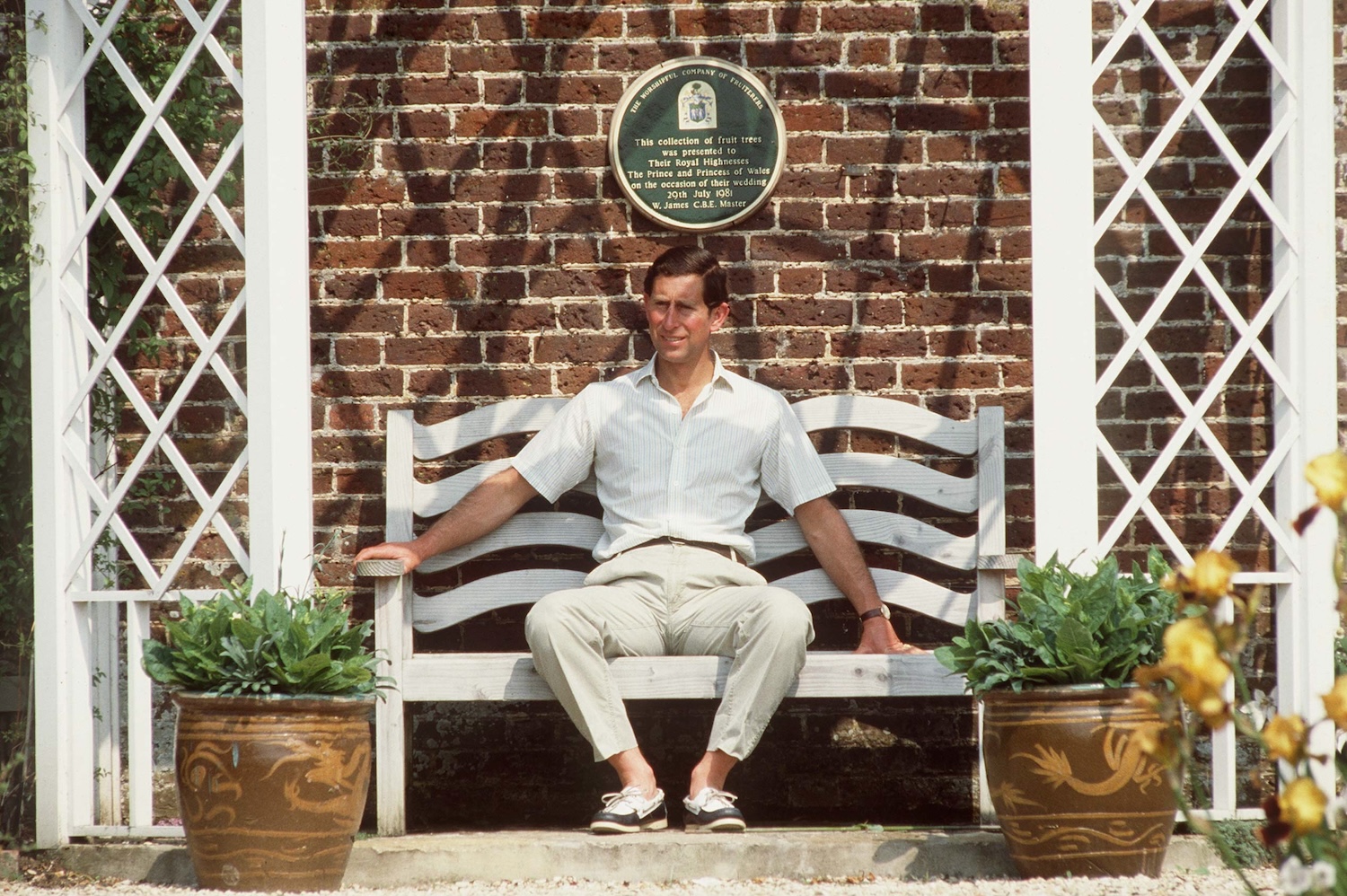
By the 1980s and ’90s, brands like Ralph Lauren, Tommy Hilfiger and Nautica had embraced the nautical aesthetic, promoting a leisure-class sailing look that included boat shoes to a new generation of well-heeled consumers. The 1980 cult classic The Official Preppy Handbook even declared Top-Siders “the automatic choice with khakis,” even so far as to put a pair on the book’s cover.

Sperry himself never stopped tinkering. Over the course of his life, he registered more than a dozen patents, with the Top-Sider becoming by far his most enduring creation.
Part of the reason the boat shoe inspires such strong opinions is that it became shorthand for a very particular kind of American privilege. By the late twentieth century and the ‘00s, the shoe was tied up with the codes of East Coast prep – khakis, polo shirts, sailing clubs and summers in Nantucket.
For some people, that easy heritage and easy, relaxed elegance is the appeal. For others, it carries a whiff of exclusion and privilege. Vampire Weekend flipped the look on its head, with frontman Ezra Koenig – a Jewish kid from New Jersey – and Rostam Batmanglij, an Iranian-American, playfully working with the codes of WASP style: polo shirts, chinos, and, of course, boat shoes.
Few shoes sit so squarely at the intersection of practicality, class signalling, and nostalgia, which might explain why, like a lot of prep staples from Oxford shirts to blue blazers, designers keep rediscovering them.


Fast-forward to the mid-twenty twenties. After quietly drifting out of favor, the boat shoe had seen enough downtime that designers wanted to experiment with it again. Miu Miu debuted a bleached leather boat shoe in Spring 2024, which was soon followed by the likes of Jacquemus, Prada, Saman Amel and The Row. Jonathan Anderson’s much-anticipated Dior menswear debut last summer had us all declaring that prep is back. It, of course, included his take on a boat shoe.
The boat shoe’s modern appeal lies in the subtle refinement of the classic style. Myles Pereira, a creative strategist based between London and Dubai and a frequent boat shoe-wearer, says he prefers a more streamlined interpretation of the style – something closer to a loafer than a traditional deck shoe. His go-to pair is a black version from Bally. “I love the resurgence of boat shoes in a more elegant and less traditional style,” he says. “For me, the best tend to feature a low vamp, a slightly narrower profile, and I’ll always lean toward an option with a slimmer, more dressy sole.”
That approach reflects how many people are styling them today. “I wear them as I would a loafer,” Pereira says. “With almost anything, but mostly denim and a dress shirt. Occasionally, I’ll do a blazer and T-shirt, but there’s nearly always a soft-formal element to keep things balanced.”
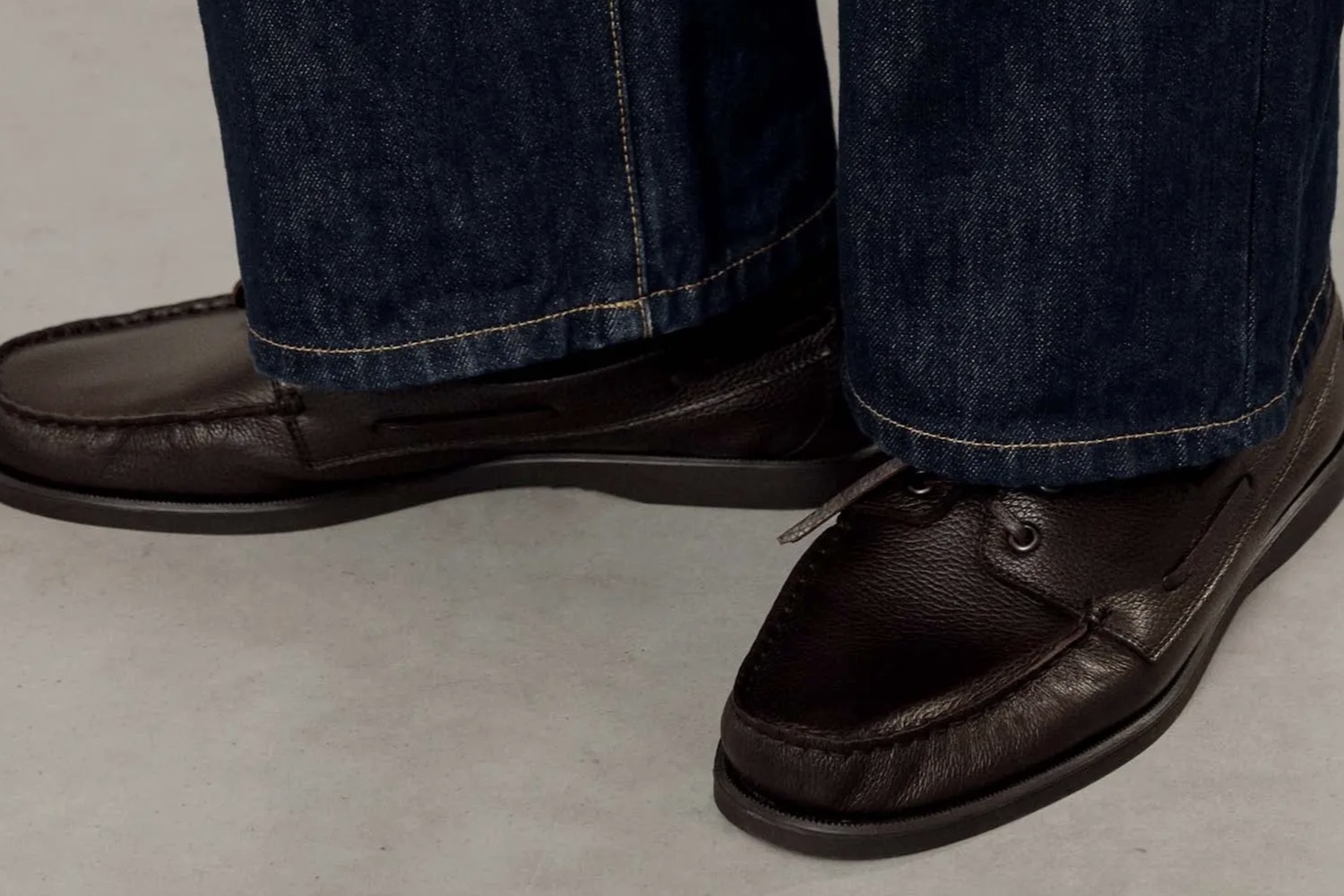
Brands are responding in kind. For Morjas, a Stockholm-based footwear brand that has built a cult following for its elegant takes on established silhouettes, the goal was not to reinvent the boat shoe, but to refine it. “It’s a silhouette that comes with a very fixed idea of how it should look,” says Jack Ladow, the brand’s head of communications. “That made it interesting to revisit.” The new approach was subtle with cleaner lines, tonal colourways, softer Italian leathers and the removal of the traditional white sole in favour of something more understated.
For Ladow, the brand’s boat shoe has become a personal favorite because of its ease. “At its core, it’s a slip-on built on a soft rubber sole, which makes it practical. It works across most situations without feeling overdone, and it’s one of those styles I can reach for without really having to think about it.”
As for the boat shoe’s cultural context, he sees those well-worn American tropes as part of the appeal – but notes they don’t carry the same weight across the pond, where it’s easier to take the shoe at face value. “It can be seen simply as a relaxed, well-shaped moccasin rather than something tied to a particular lifestyle,” he says.


Meanwhile, under new ownership, Sperry has been experimenting with collaborations and new interpretations, including partnerships with the likes of Todd Snyder and Aritzia. In a particularly fitting full-circle moment, Abercrombie & Fitch — once the retailer that badgered Sperry into wholesaling, and Paul Sperry had sold his line of duck decoys to in the an earlier career of his in the early 1920s — recently released a collaborative capsule with the brand featuring several updated boat shoe silhouettes aimed at a younger audience, one that’s frequently interested in achieving an “old money” aesthetic.
For Sperry, that balance between heritage and evolution remains top of mind. “The enduring appeal lies in the authenticity of the original design,” says Jonathan Frankel, president of ALDO Product Services, which oversees Sperry in North America, adding that collaborations like the one with Abercrombie are about bringing that legacy into a more modern context.
Other heritage players remain active as well. Paraboot continues producing its versions in France, while Sebago — now owned by an Italian group — has pushed its classic American aesthetic into Europe through collaborations with Denmark’s NN.07.
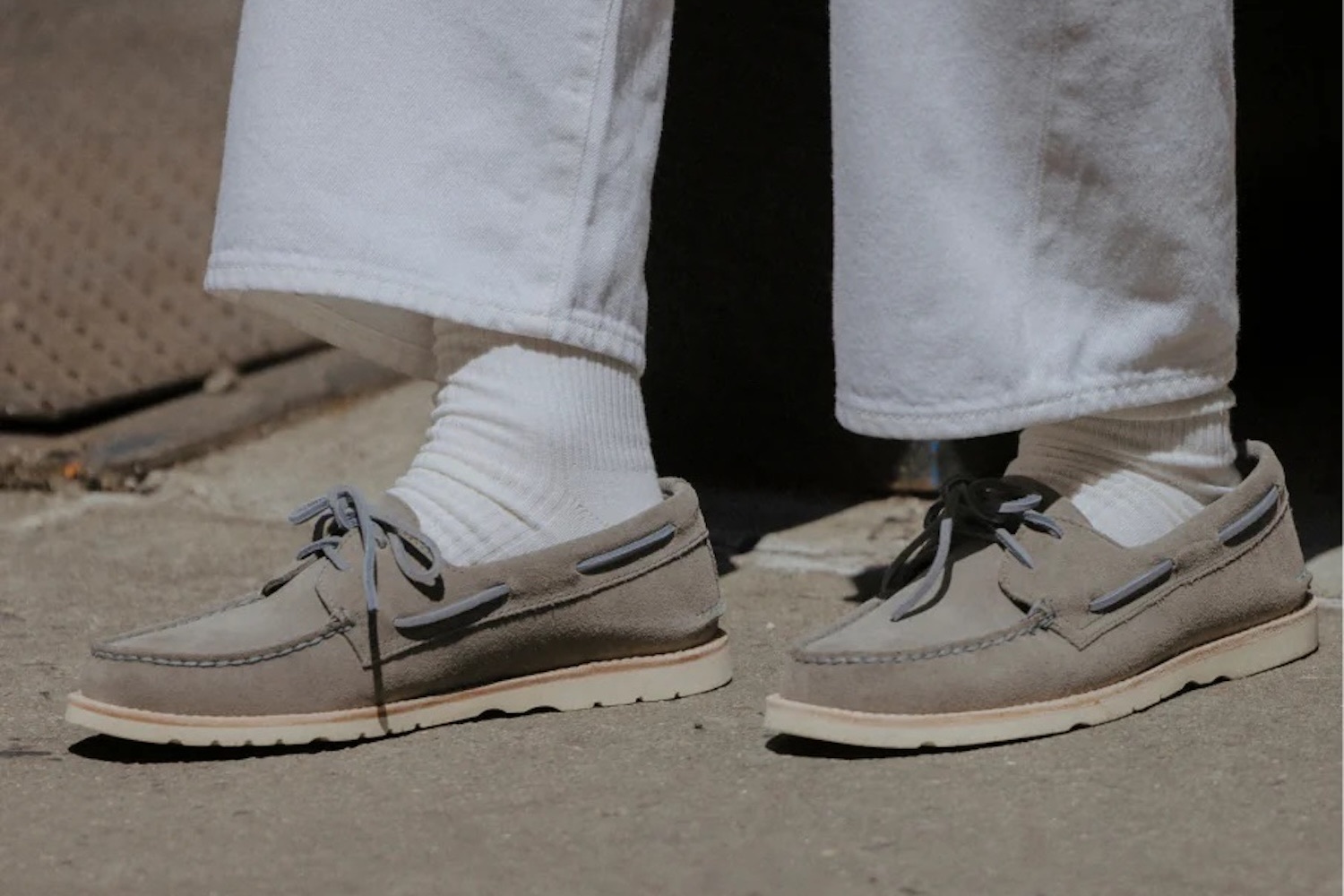
Today’s interpretations often look quite different from the originals: chunky lug soles, exaggerated silhouettes, European loucheness. Are they truly boat shoes without the distinctive white herringbone soles? That’s a matter of debate.
Nearly a century after Sperry first carved those grooves into those soles, the boat shoe remains a simple, practical style that somehow says a lot about the guy wearing it, be they the frontman of an indie rock band, an actual Connecticut sailor or just a guy who wants something easy to slip on in the summer months. Either way, if the past hundred years are any indication, the boat shoe will keep drifting in and out of fashion like the tide, waiting for the next generation to discover it.
More Like This




We're always on the scene eating, drinking and traveling near and far to bring you the best of what's happening out in the real world. Sign up for IRL now.