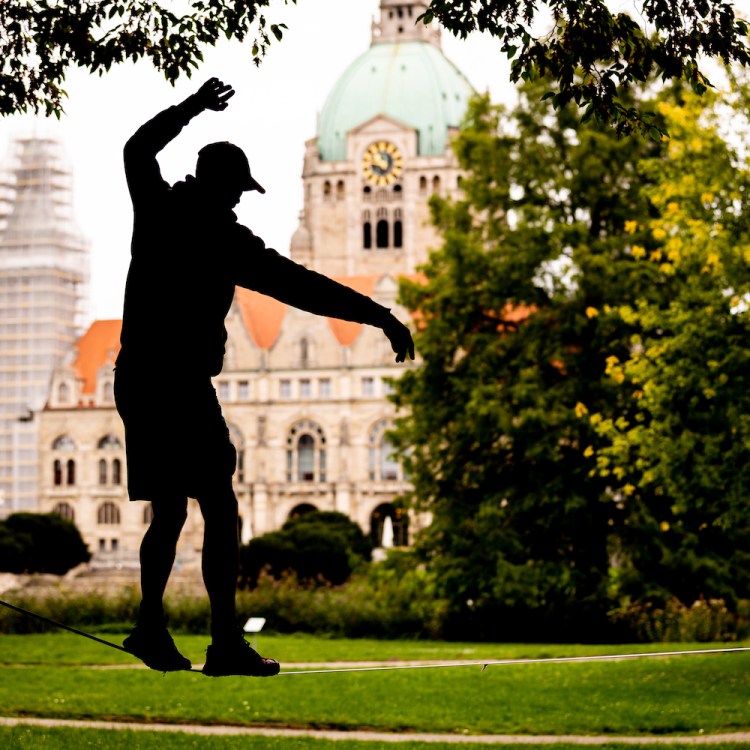
When you think about the goings-on inside an average church, you might envision a sermon, a reading from the Bible or a song or two. Something that’s less expected would be, for instance, a guided group meditation — and yet meditation has been showing up in a growing number of religious contexts where you might not expect it. That, at least, is one of the big takeaways from a recent Associated Press investigation by Luis Andres Henao and Deepa Bharath.
As Henao and Bharath point out, “Christian, Jewish and other religious congregations across America” are making use of practices more commonly associated with “Buddhism and Hinduism” — including meditation. In some cases, the AP reports, this is done as part of an interfaith effort across religious lines; in others, it involves revisiting centuries-old (or older) traditions for a new generation.
There’s plenty of tradition for this. Within Christianity alone, works like The Cloud of Unknowing describe a sacred practice that sounds more similar to meditation than one might expect from a medieval Christian manuscript. The Catholic monk and writer Thomas Merton, meanwhile, sought to create a dialogue between his own faith and Buddhism. (There’s a reason a collection of Merton’s translations of the philosopher Chuang Tzu has an introduction by the Dalai Lama.)
Does One Hour of Meditation Equal Eight Hours of Sleep?
It sounds too good to be true. Let’s discuss.Meditation instructor A.J. Alvarez sees little contradiction to the wide appeal of this practice. Alvarez told the AP that people across religious beliefs — or without any such beliefs — could “connect to meditation because meditation taps us into something universal, something deeper than belief systems or doctrines.” And if that can improve mental well-being along the way, it’s an added bonus.

More Like This



Twice a week, you'll find proven advice and tips, expert interviews, deeply reported features and personal essays on living better — for however long you’re here. Subscribe to Champ now.