From Desk to Departure: How I Planned My Trip to Japan
Want to see a travel editor’s planning process in action? Consider this your front-row seat.

I’m a planner. My partner, decidedly not.
That dynamic was on full display when we visited Japan together for the first time. More than a decade ago, he spent a couple months in Tokyo for work but skipped most of the touristy stuff. Me? I’m all for a little sightseeing, as long as it’s done thoughtfully, respectfully and not at the expense of the people who actually live there. As one Redditor on r/JapanTravelTips once put it: “Japan is a huge tourist destination. You should just skip Japan altogether if you’re worried about being a tourist.”
And for the record, Japan is a lot. Despite being smaller than Texas, it’s packed with things to see, do and — arguably most importantly — eat. Which is why I approached our itinerary with the kind of care most people reserve for wedding planning or moving house. I tapped industry friends, scoured reviews and cross-referenced more “best of” lists than I’d like to admit. What follows isn’t just the result of that legwork — it is the legwork.
To be clear, this isn’t an expert’s guide to the Golden Triangle, and I’m no local. It’s simply the real trip I planned and took, using the same resources I rely on whenever I travel. So if you’re plotting a two-ish week trip to Japan filled with standout meals, great hotels and cup-filling experiences, you’re in the right place. And if you’ve ever wondered what goes on inside a travel editor’s brain, even better.


You could spend two whole weeks in Tokyo and still barely scratch the surface. It’s one of those rare places that doesn’t just live up to the hype — it exceeds it. We flew direct from Newark into Haneda Airport, which is conveniently only about 20 minutes by Uber from our first hotel, TRUNK. (A small miracle after a 14-hour flight.)

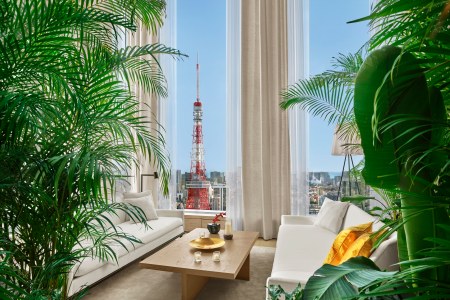
What It’s Like to Spend a Weekend at Tokyo’s Best Hotel
In the cradle of the city’s “Tiger Gate,” find a stay that’s comforting and mesmerizing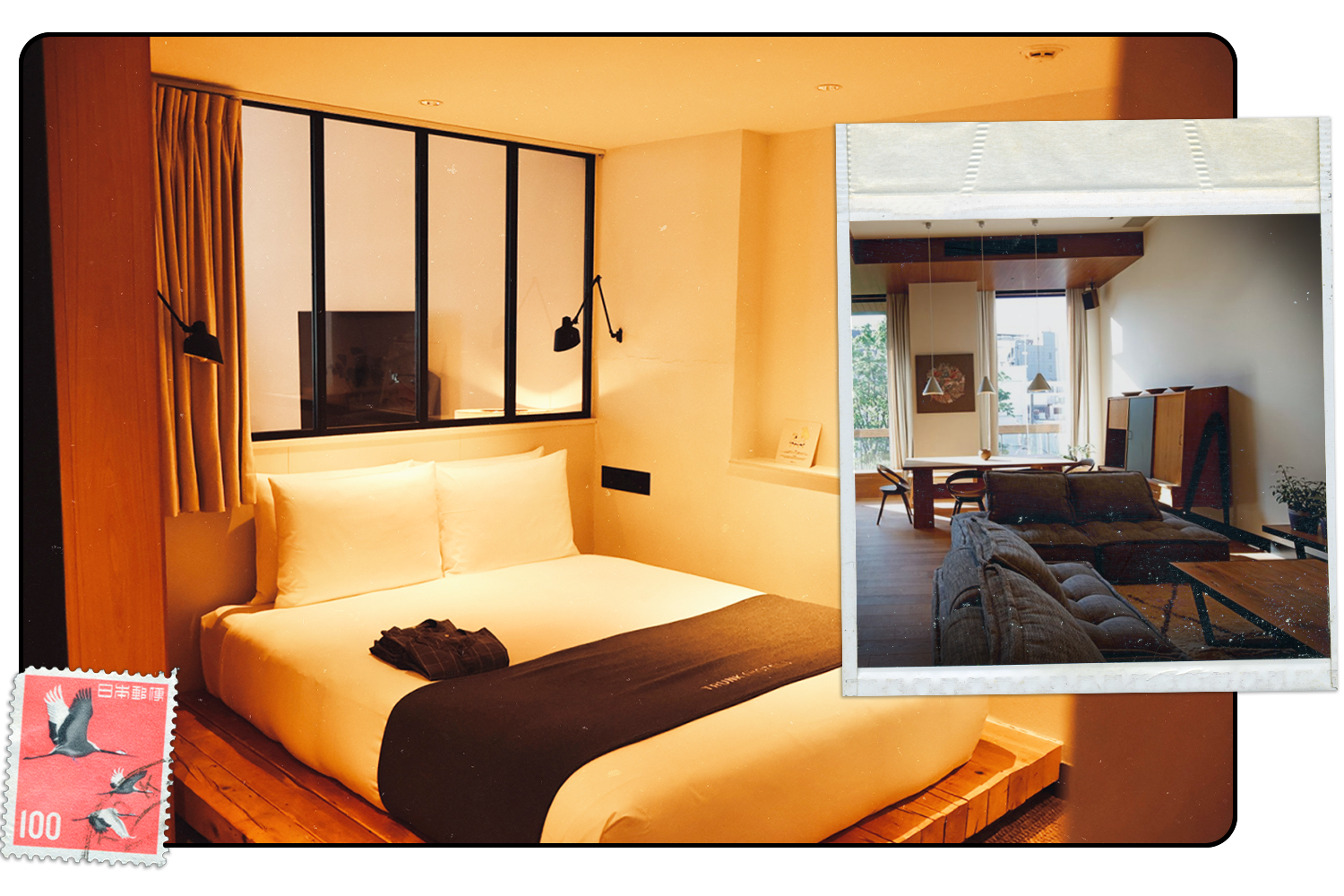
TRUNK Hotel (Cat Street)
An aesthete’s dream, TRUNK hits that sweet spot between stylish and effortless. Think earthy minimalism, really good coffee and a lobby that doubles as both a co-working space and lively bar scene. It’s luxe without ever feeling stuffy.1
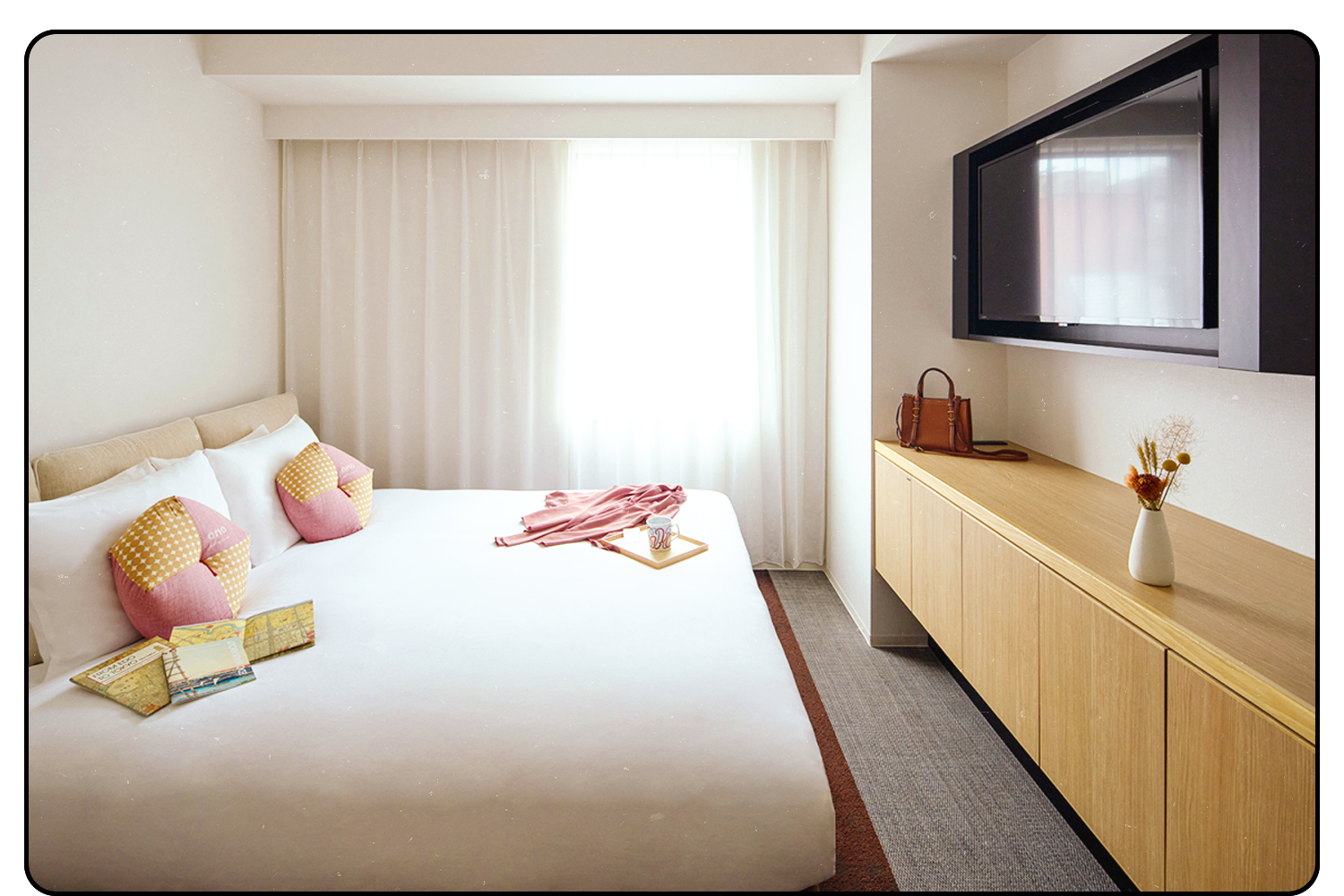
OMO3 Tokyo Akasaka by Hoshino Resorts
A sleek, compact hotel in a surprisingly peaceful corner of central Tokyo. It’s budget-friendly but doesn’t feel cheap, and the vibe is more neighborhood-local than tourist-heavy. 2
Admittedly, I hadn’t come across TRUNK before planning this trip, but it immediately stood out when I was digging through hotels that consistently impressed reviewers — including verified Michelin Guide guests, who rate it a 19.5 out of 20. After spending time there, I can say without hesitation that it’s one of my all-time favorite hotels. Celebrating my birthday in the Dining Suite is a core memory, thanks in no small part to the team’s thoughtful touches.
This is exactly the kind of property I flag when planning a trip: carefully vetted, stylish and smartly located, among other things. If you’re wondering where I started when I began plotting my Japan itinerary, it’s a mix of trusted guides, review cross-checking and a lot of note-taking. TRUNK is a perfect example of that process paying off.
Condé Nast Traveler called OMO3 Tokyo Akasaka “the best it gets for cheap digs souped up with cheerful service and great access to the surrounding neighborhood and beyond.” And they’re right. What makes OMO properties stand out is their programming, which leans heavily into the local neighborhood, a feature I always look for when planning a trip. It’s the kind of place that turns a convenient, well-priced stay into a mini-immersion in the area, giving you a sense of place without the guesswork.
Our 7 Favorite Hotels in All of Tokyo
From affordable hidden gems to opulent urban retreats, Tokyo has it all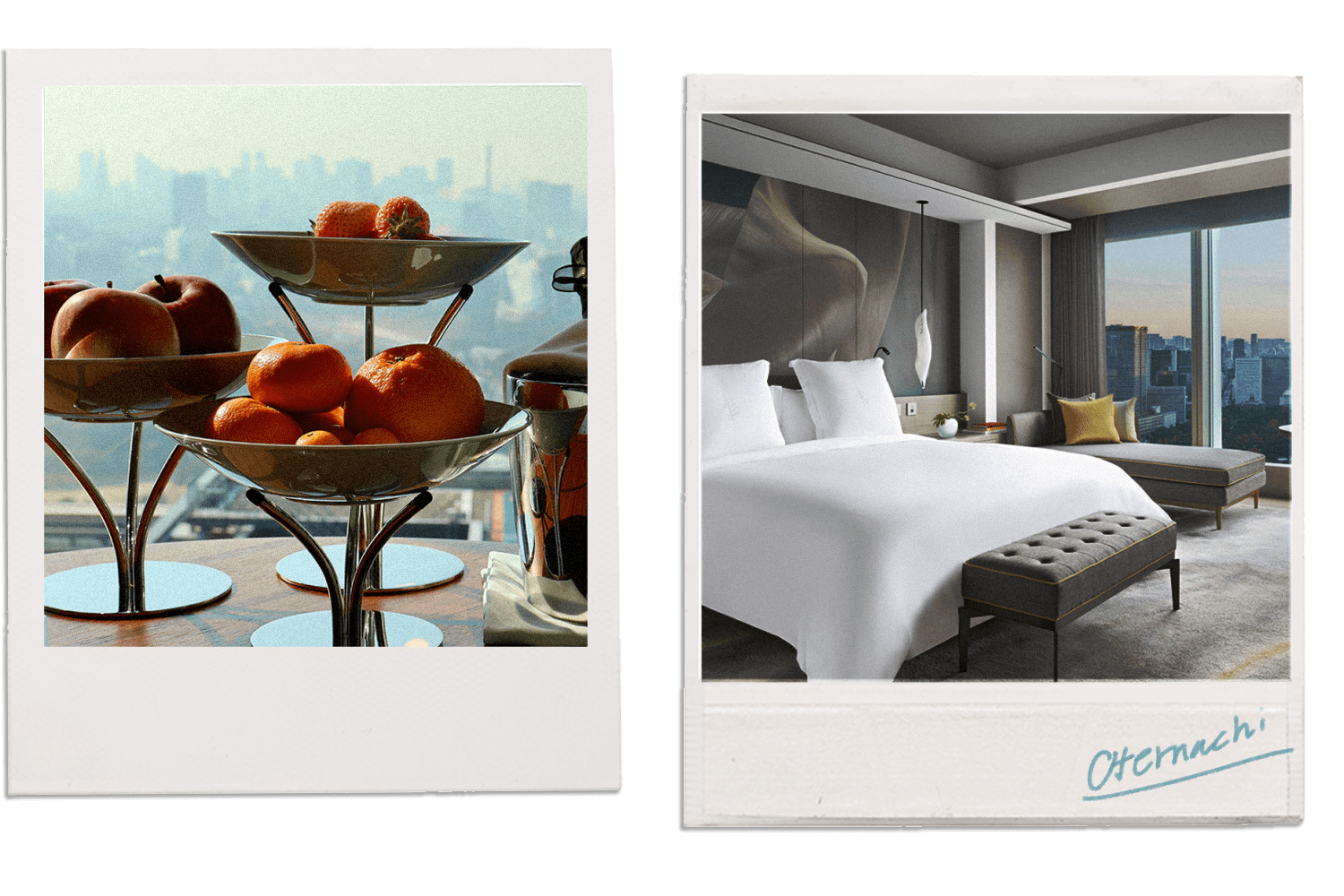
The Four Seasons Tokyo at Otemachi
Polished, luxe and deeply relaxing. As you can imagine, the service is on another level. It’s everything you’d expect from The Four Seasons, and with panoramic views of Tokyo that extend as far as Mount Fuji. And that’s to say nothing of the on-site food and beverage concepts (for now). 3
For the last night of our trip, I had originally booked an airport hotel, thinking that after two weeks of traipsing across Japan, we’d be tired and appreciative of Haneda’s proximity. But at the last minute, I pivoted and booked The Four Seasons Tokyo at Otemachi (not to be confused with its neighbor, Four Seasons Hotel Tokyo at Marunouchi), and I cannot overstate how grateful I was for that decision. Forbes calls it a four-star property — which, by definition, means “an exceptional property, offering high levels of service and quality of facility to match” — and it absolutely lives up to that.
When I plan trips, I often leave a little room for last-minute upgrades like this.


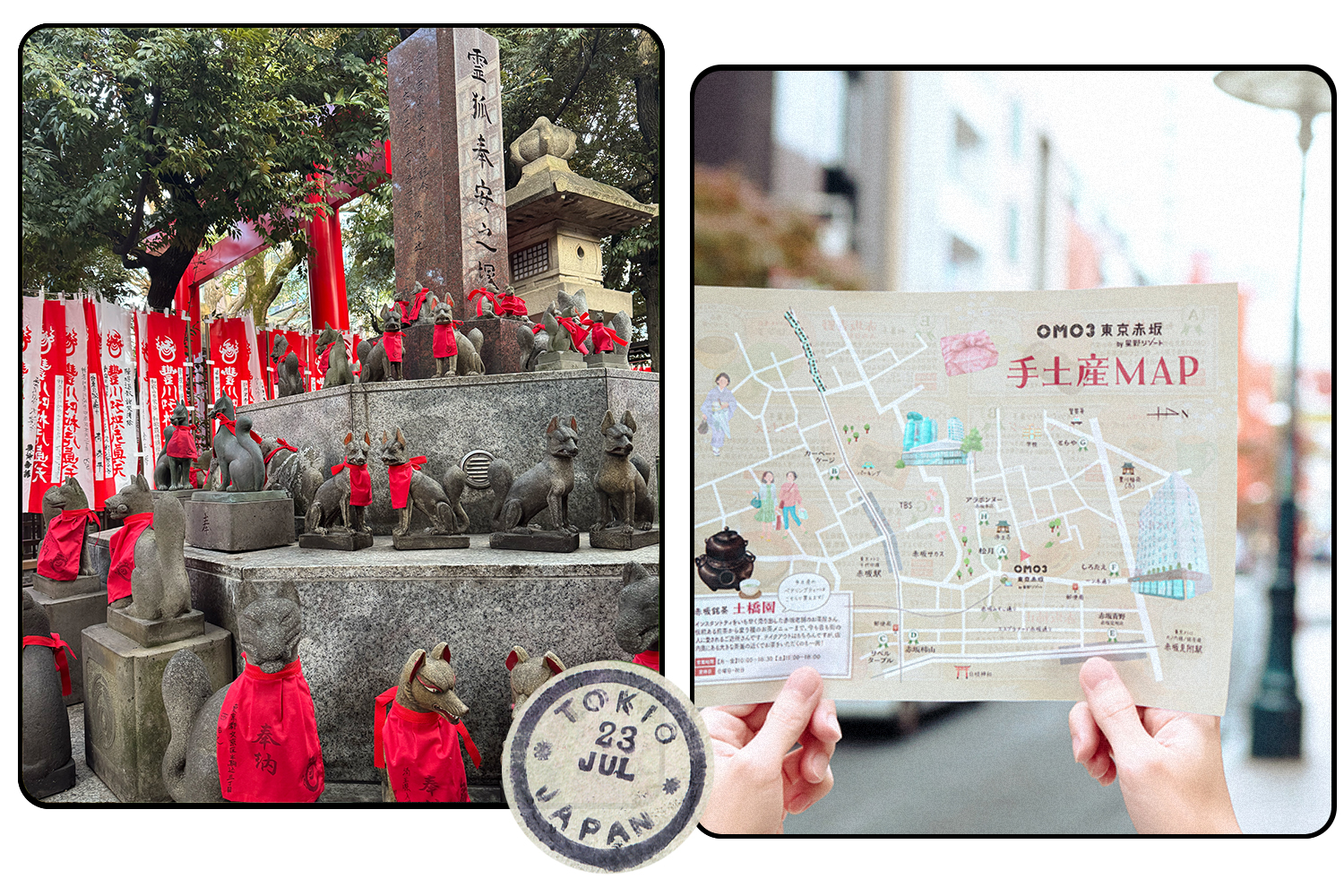
If you stay at OMO3 Tokyo Aksaka, make sure to take full advantage of the free programming. One standout is this guided walk through the alleys, shrines and quiet corners of this pocket of the city. It’s a small but immersive way to get a real feel for the neighborhood, far beyond what you’d notice on your own.4
OMO, in my opinion, has some of the best on-site offerings out there. While hotel-sponsored activities can sometimes veer into the kitschy, OMO hotels lean niche and hyper-local. As one TripAdvisor guest put it, “The free guided tours of the local area really helped with settling in and seeing some hidden gems.”
We tried the Amazing Akasaka Walk, which takes you to spots most tourists wouldn’t know to visit — including Norainu, where the proprietress, a former geisha, greets you with homemade drinks. It was basically an OMO crash course in the neighborhood, and we loved it so much that we signed up for a second tour later in the week.
For anyone mapping out a trip, experiences like this are really good jumping off points: Local immersion built right into the hotel stay, making it easy to see and do more without extra planning stress.

teamLab Planets
TeamLab is “a Japanese digital art collective,” established in 2001 by Toshiyuki Inoko. Yes, it’s everywhere on Instagram, but it really is that immersive and surreal.5
I’m not afraid to admit that being a travel editor hasn’t made me immune to social media or whatever’s trending at the moment. TeamLab had been flooding my feeds for years, so a visit was all but inevitable. I mean, here’s a fashion influencer I’ve followed for a decade discovering TeamLab Planets earlier this year. Here’s Kim Kardashian.
In other words, I was influenced. Luckily, it very much lived up to the hype. And when I’m planning, I usually sprinkle in experiences like this, the ones that are almost impossible to ignore online but are genuinely worth it in person.
Ameya Yokocho
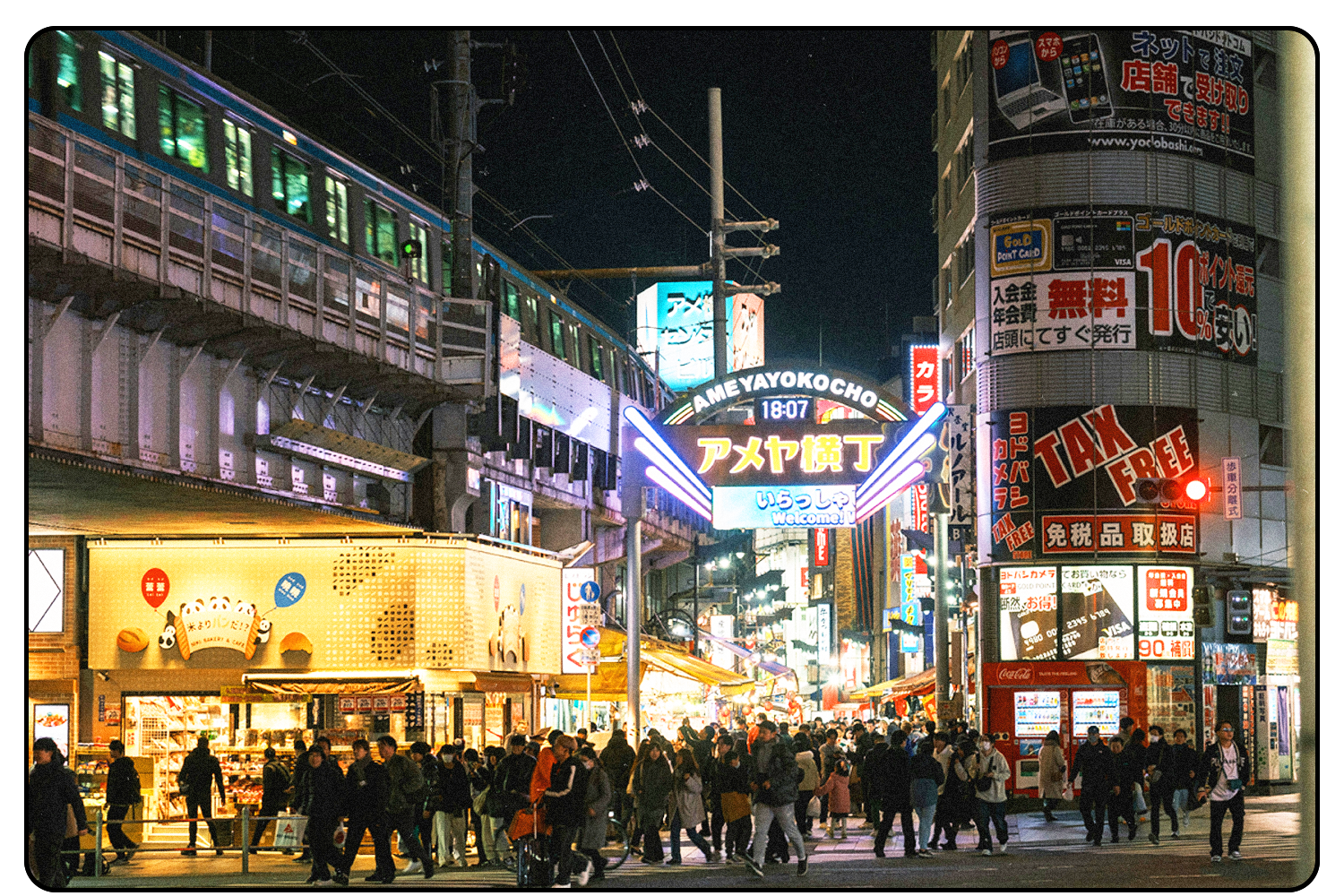
A bustling outdoor market full of vintage shops, local snacks and electric neighborhood energy. Don’t miss the chocolate purveyor practicing tatakiuri, aka auction-style selling. It’s a fun way to experience the market and its unique character.6
I love a market and will cram as many as possible into an itinerary. You can learn so much about a culture just by wandering its stalls. Take Ameyoko, for example. According to the Japan National Tourism Organization, “Ameyoko became a huge marketplace after World War II. It started as a black market, selling many things that people who worked for the Occupation forces would get from the soldiers.”
For planning purposes, resources like this, plus videos from outlets like Matador Network, are a great way to get a feel for a market before you go — what to expect, where to focus your energy and what hidden gems might be worth seeking out.
Mori Art Museum
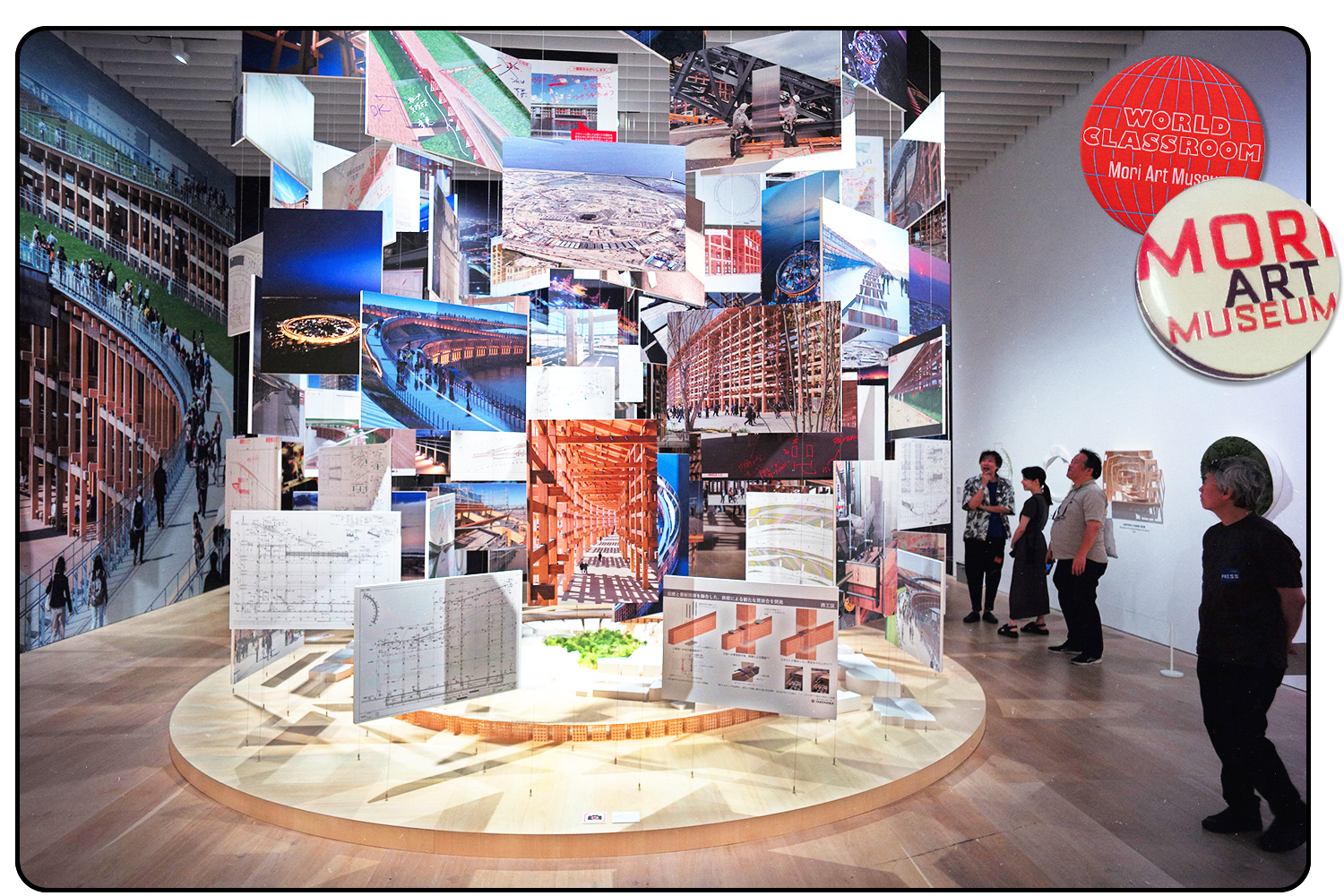
A hub for contemporary art, the museum’s rotating exhibitions spotlight cutting-edge works from Japan and beyond while often exploring cultural and social themes. It’s the kind of place where you can get a sense of the country’s current creative energy in a single visit.7
While in Tokyo, I spotted the Mori Art Museum’s “MACHINE LOVE: Video Game, AI and Contemporary Art” exhibition on Instagram. Normally, video games and AI aren’t really my thing, but this show was genuinely spectacular. Unfortunately MACHINE LOVE closed in June, but if it’s any indication of the caliber of the museum’s current and future installations, I’ll be making a point to stop by every time I’m in Japan.
I rely heavily on previews like this — museum Instagram feeds, exhibition calendars and reviews — to decide what’s worth carving into an itinerary, especially when time is limited.

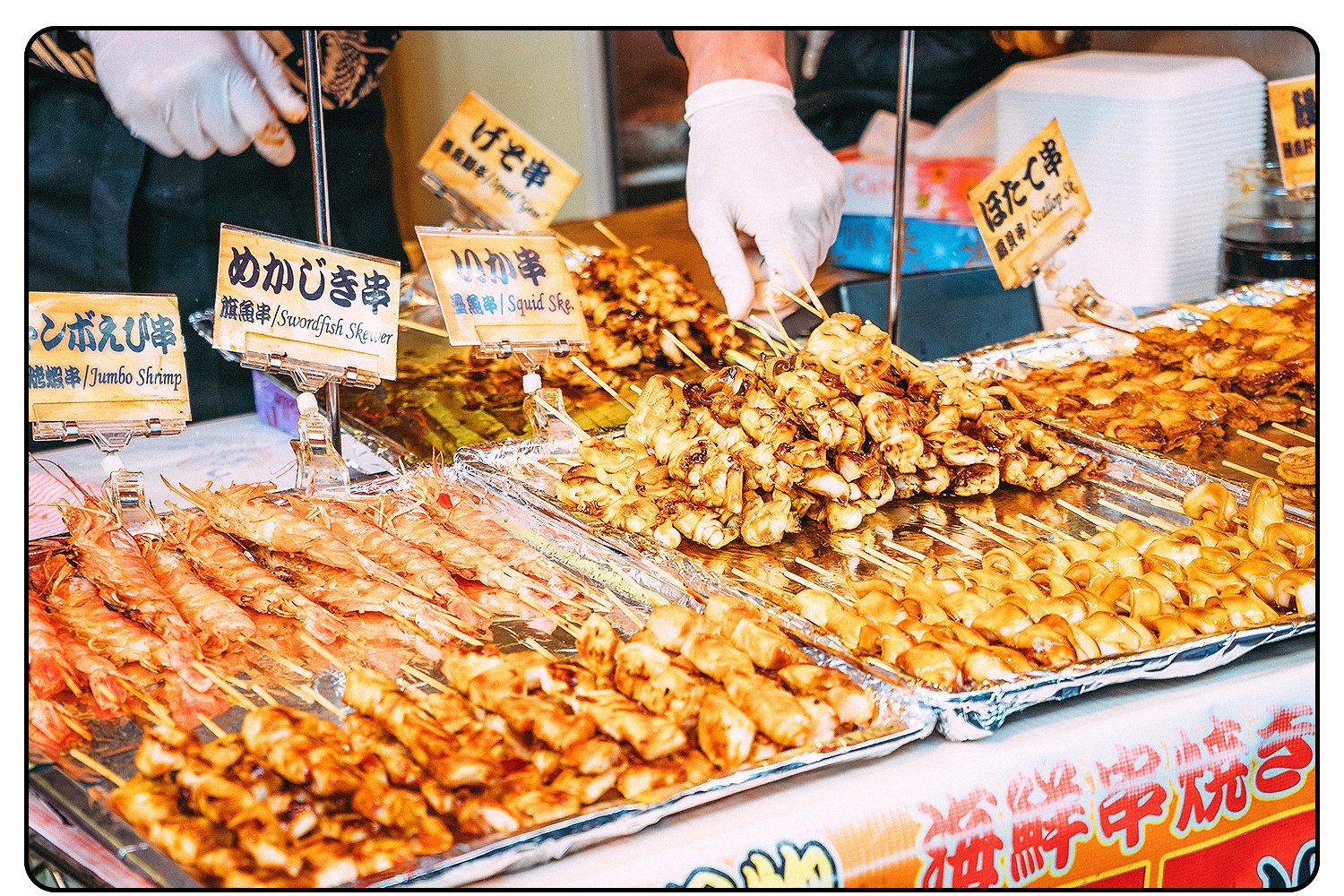
Tsukiji Market
A slightly chaotic but essential sensory overload. Tsukiji Market is Japan’s oldest and most famous fish market, and it delivers on its reputation. Go hungry — the fresh seafood and atmosphere make it a full-on experience.8
It’s worth noting that over the past decade or so, Tsukiji Market has become very touristy — according to many Japan travel-related Reddit pages, too touristy. That said, InsideHook contributor Jake Emen still calls it one of the best food markets in the world, and I trust his judgement. Guides like this from Travel + Leisure are the sort of resource I use to plan a visit deliberately, helping figure out when to go, what to focus on and how to avoid the worst crowds.
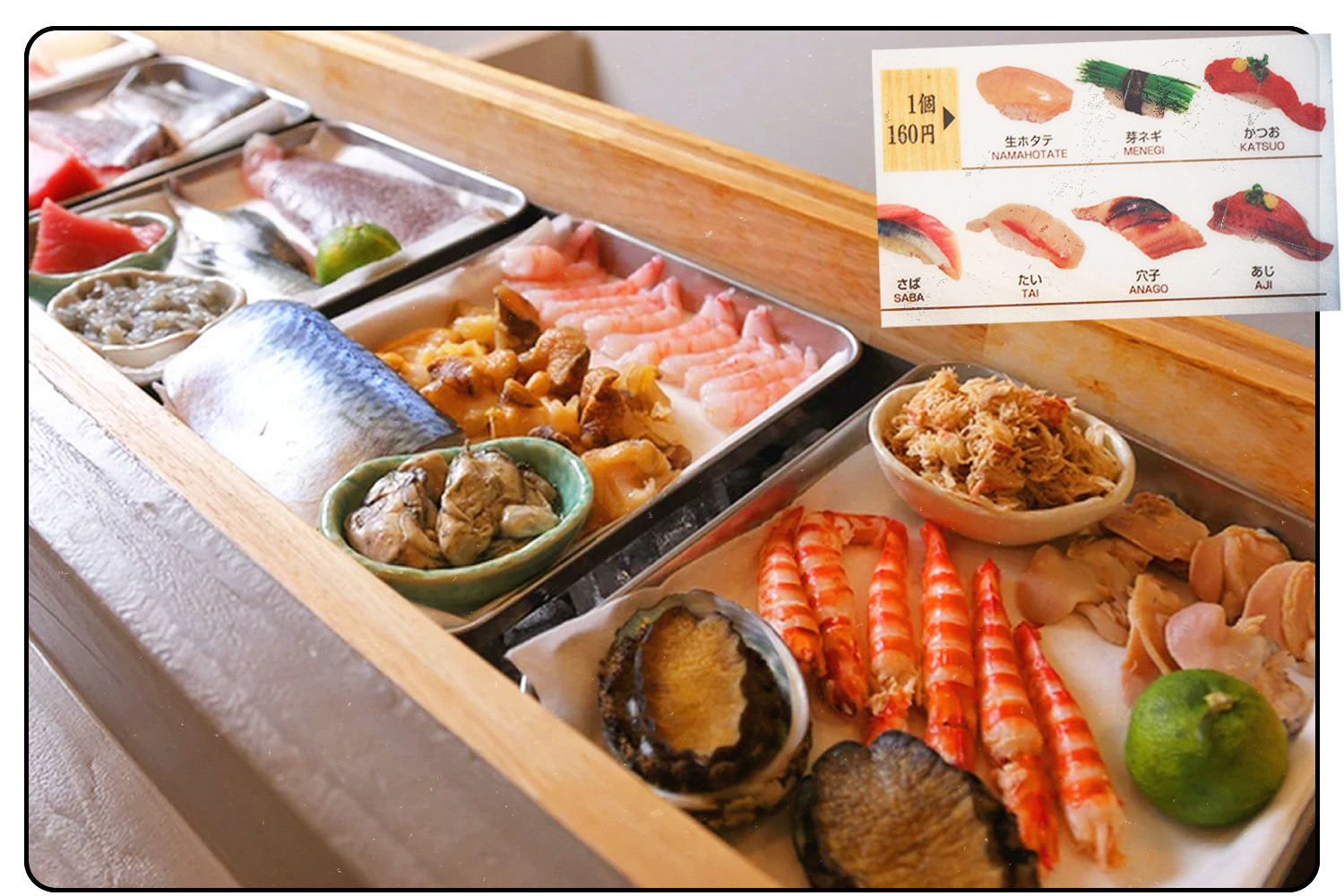
Tachiguizushi Sushikawa
A stand-up sushi bar that manages to feel elevated, intimate and refreshingly unfussy, where the focus is entirely on you, the quality of the fish and the craft of the chef.9
In my quest to find a traditional omakase that wouldn’t break the bank, I came across Tachiguizushi Sushikawa in the Michelin Guide. At just more than $100 a person, it felt like a steal, and for the first 45 minutes or so, we were the only ones there, turning the meal into an almost private dining experience.
Using guides like Michelin is my go-to way to uncover spots that balance quality, authenticity and value, the kind of places that make a meal unforgettable without the sticker shock.
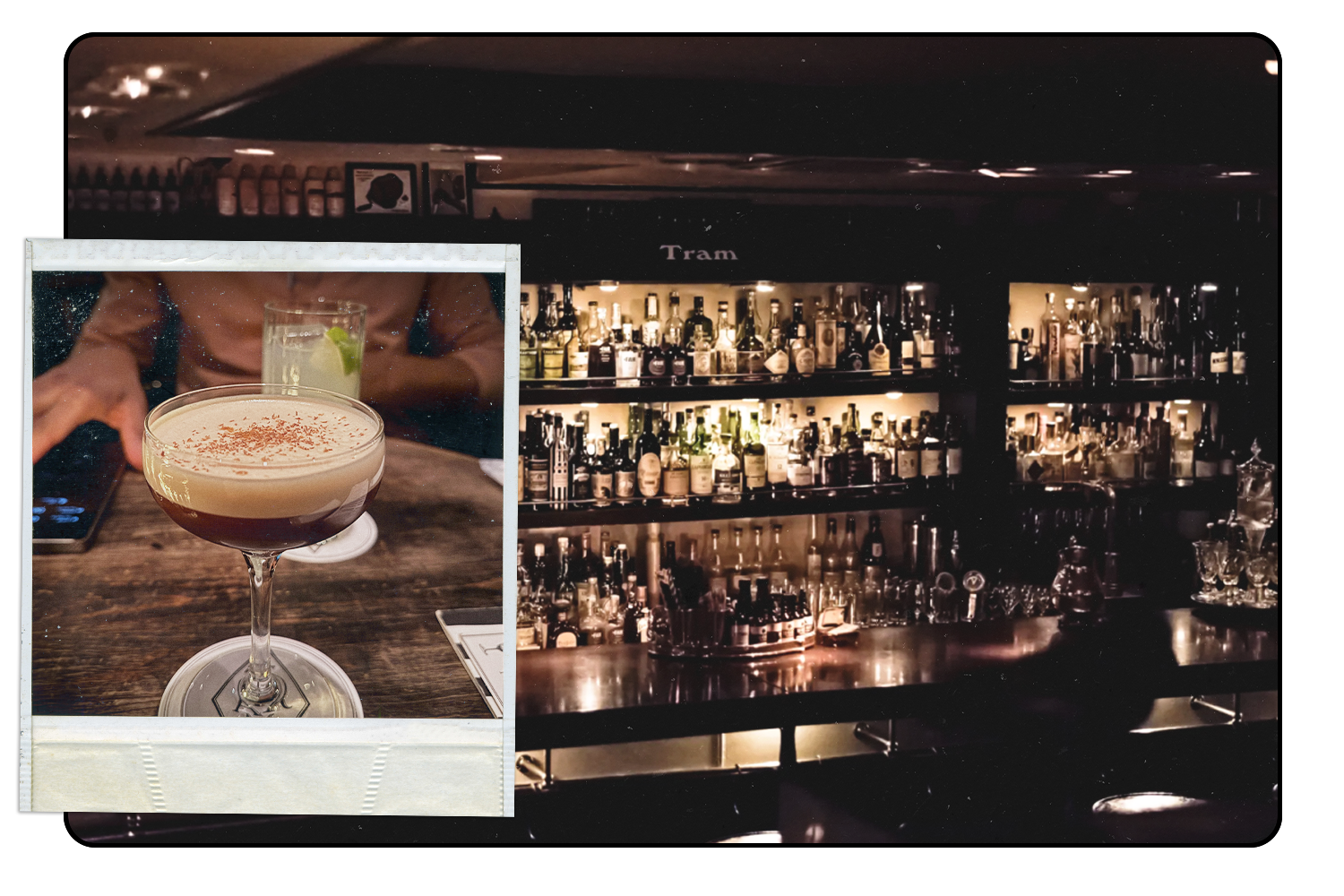
Bar Tram
Bar Tram is a dark, almost-intensely intimate, absinthe-forward bar with serious mood. It’s the perfect spot for a nightcap.10
I discovered Bar Tram on the 50 Best Discovery list, alongside its sister bar, Bar Trench, another absinthe-focused spot. That was enough to pique my interest, but the real seal of approval came from our senior editor Amanda Gabriele, who is basically the foremost authority on cocktails.
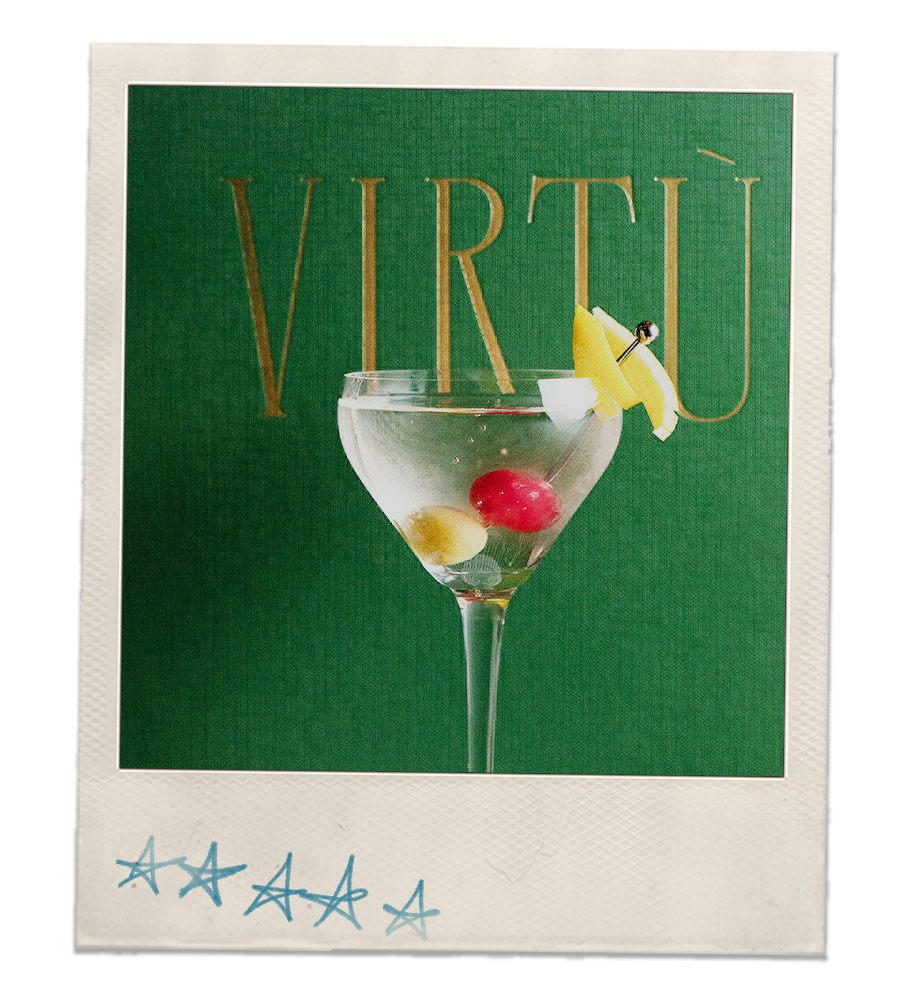
Because we were staying at The Four Seasons, Virtù was a no-brainer. The bar has racked up accolades on top of making Asia’s 50 Best Bars list, and I can confirm it’s an absolute banger. Both the bar snacks and the cocktails — La Geisha, in particular — are unmatched. Staying on-site made it easy to take full advantage of the hotel’s offerings, from Virtù to the other restaurants, without having to plan extra trips across the city.
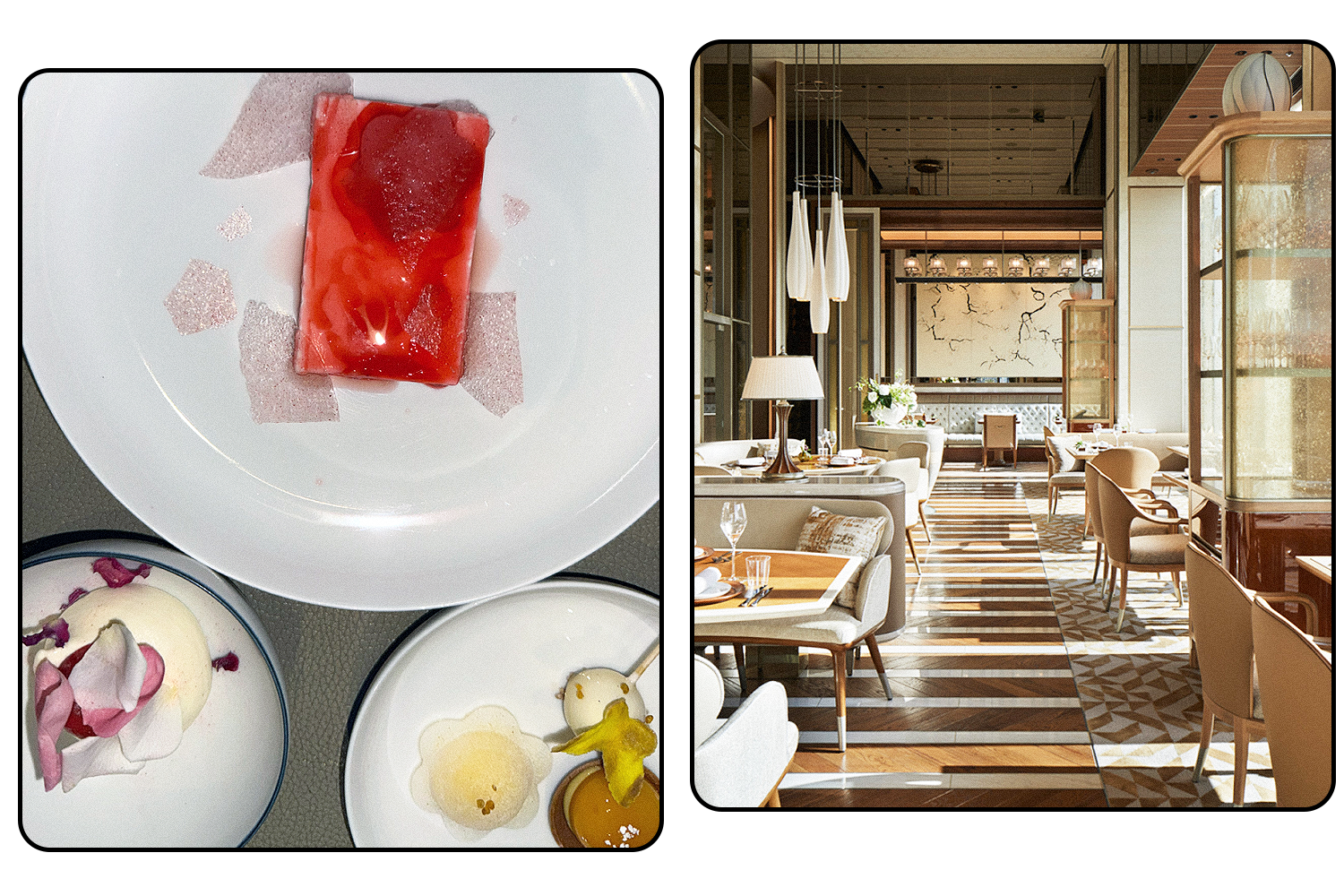
I’d done enough research to know that est is essential dining while staying at The Four Seasons, or anywhere nearby, really. And honestly, I still think about that meal to this day. It’s the kind of restaurant that turns an already-great trip into a truly memorable one.
Take the JR Tokaido Shinkansen (Nozomi/Hikari) from Tokyo → Kyoto
(2.5-3 hours)
If you’re planning to hop between cities, a JR Pass is your golden ticket. It makes traveling from Tokyo to Kyoto, Osaka or beyond seamless — no juggling multiple tickets or scrambling at stations. It’s convenient, stress-free and after a couple of long-distance rides, it pays for itself. Plus, there’s something undeniably fun about pretending to be a regular bullet-train commuter, even if only for a few days.


Kyoto rewards a little foresight. With so many temples, gardens, markets and hidden alleyways, a loose plan helps you make the most of each day without feeling rushed. Even with careful research, you’ll still stumble across surprises because the city is full of moments that aren’t in any guidebook, and that’s exactly why mapping out your must-sees alongside a few open-ended wandering days is essential.
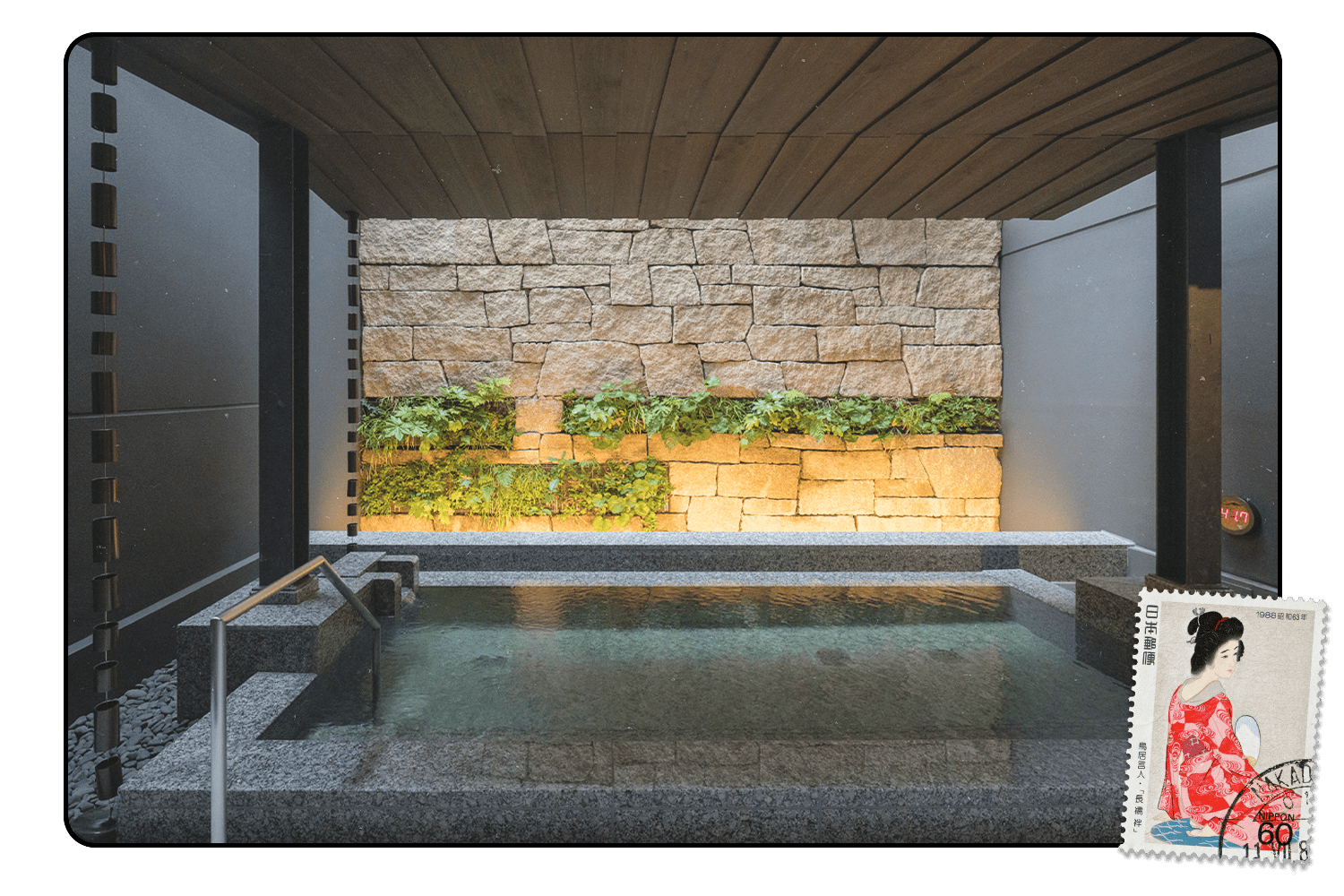
Banyan Tree Higashiyama
A luxurious retreat in the heart of Kyoto, offering sweeping views and impeccable design. Built on the grounds of a former ryokan, the 52-room Banyan Tree Higashiyama carries that legacy forward, with traditional touches thoughtfully integrated into every detail.13
I remember reading a flurry of “First Looks” in 2024, right after Banyan Tree Higashiyama opened, and immediately adding it to my list. As expected, it’s an absolute dreamboat — if we hadn’t been in Kyoto, I could’ve happily spent the entire day in my room, which even came with its own private onsen. And that’s before you even get to the rest of the amenities, which are just as thoughtfully-curated.
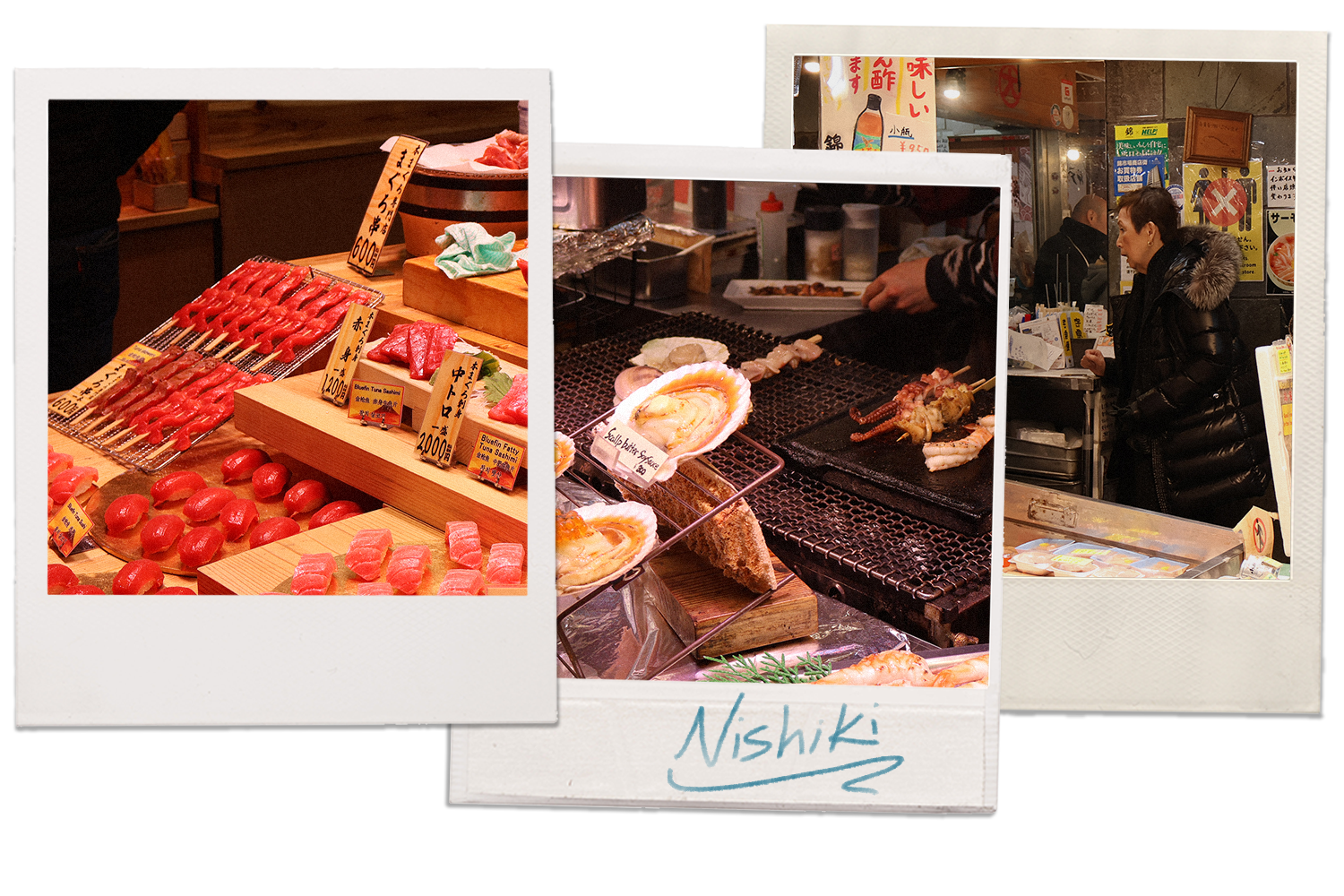
Nishiki Market
Nishiki Market is equal parts touristy and essential. Go for the pickles, stay for the mochi and drool over everything else the market has to offer — from fresh seafood to local snacks, it’s a feast for the senses.14
Nishiki is another heavily touristy market, but as one Redditor on r/JapanTravelTips put it, “Yes it’s full of tourists but it is also full of good food and neat crafts. 100% worth checking out. Make sure to try the tako tamago.”
I often look to Reddit when planning trips because the firsthand tips and nuanced perspectives from travelers who’ve recently been there are invaluable for knowing what’s worth your time and what to skip.
A Foodie’s Guide to Kyoto, Japan
From tempura to gyoza, exploring this ancient city is a culinary adventure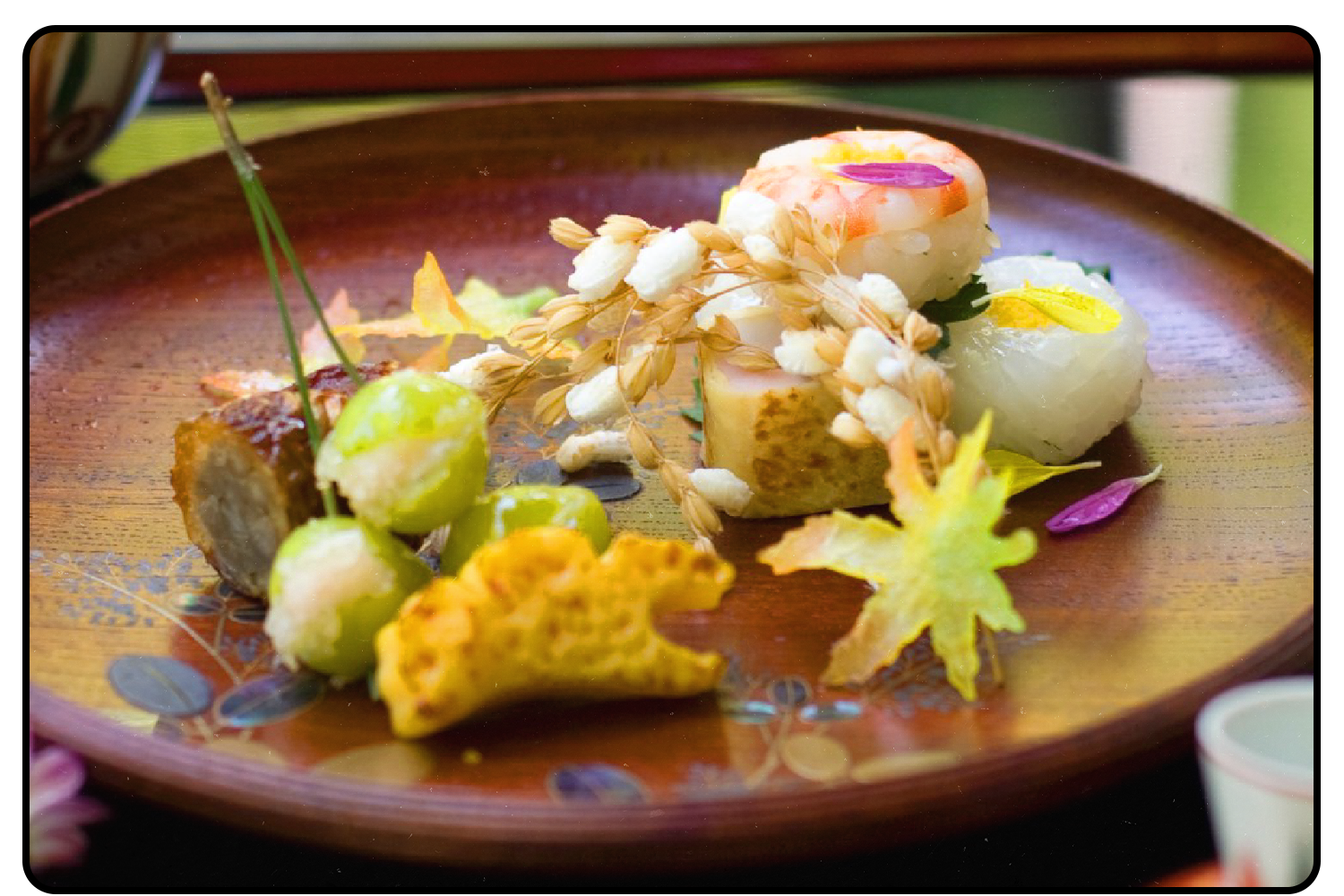
Whenever we travel, we always aim for one “splurge meal.” Kyoyamato, a two-star Michelin restaurant I discovered while planning, definitely fits the bill. But it’s more than just a splurge — the experience is unparalleled from start to finish: the setting, the service, the presentation, the flavors. We were treated like royalty, and ate like it, too.
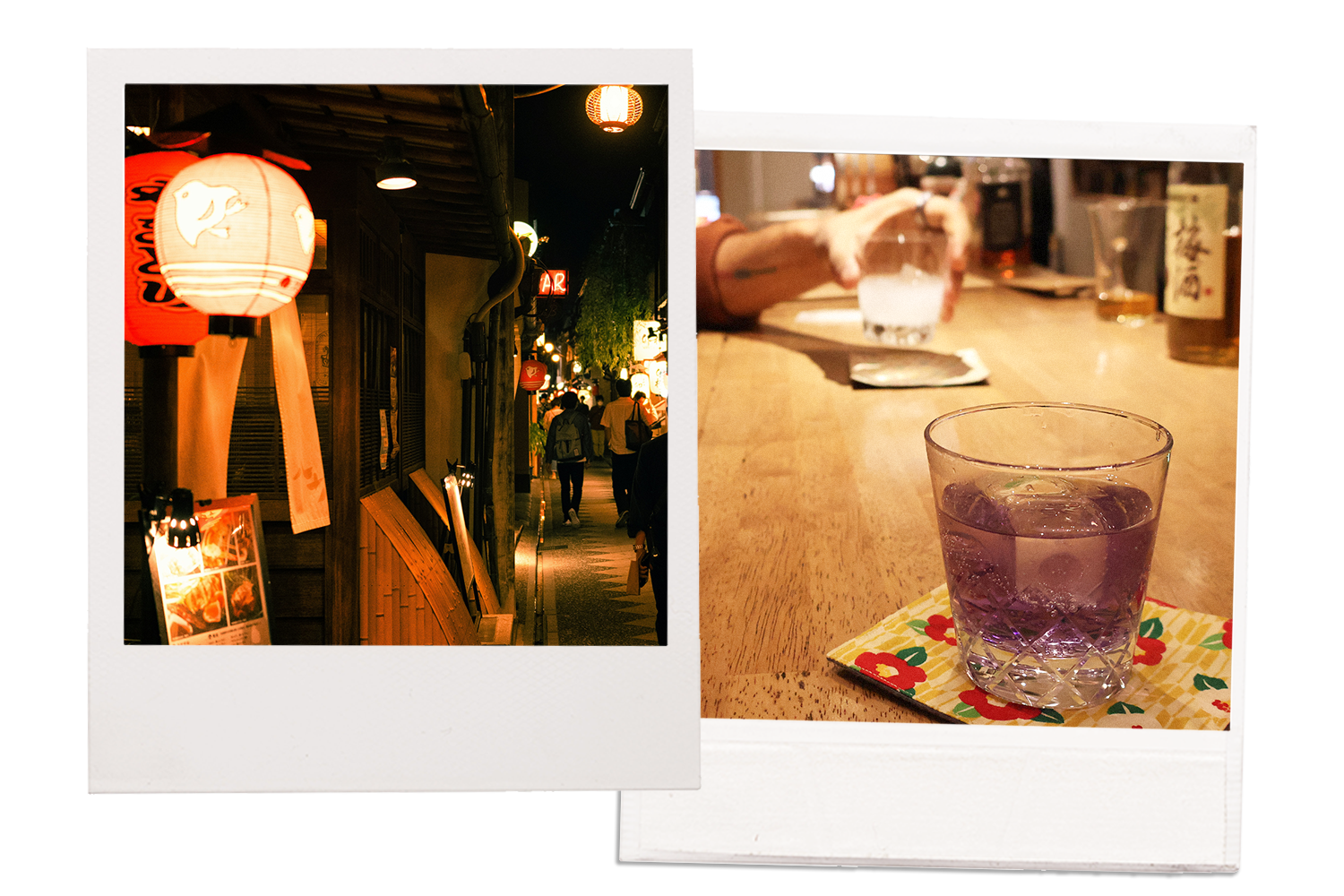
Pontocho Alley
Pontocho Alley is full of tiny bars, glowing lanterns and old-school Kyoto vibes. It’s the kind of narrow street where every turn feels atmospheric, perfect for after-dinner drinks.16
I’d heard Pontocho described as a hub for nightlife in Kyoto. Going there for after-dinner drinks turned out to be a good call, especially because some reviews painted it as “just a long alley of a bunch of expensive ass restaurants.” For our purposes, it was perfect, particularly the bar serving birthstone-inspired cocktails.
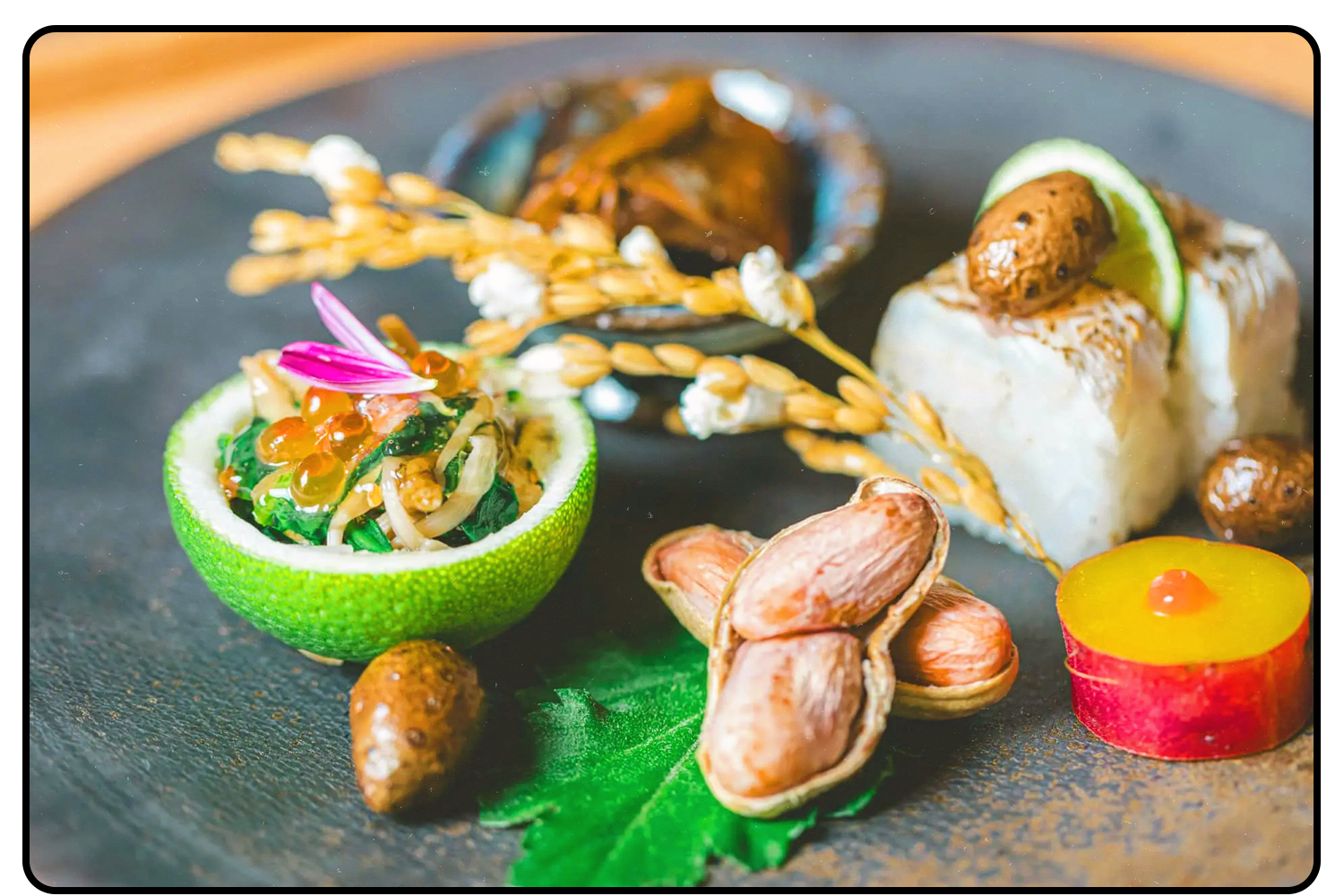
During our stay at Banyan Tree, we ate at Ryozen every day. You can go for a traditional Japanese kaiseki course menu or opt for the counter chef table with a grill — either way, it’s an experience. It’s also another aesthete’s dream. I ended up ordering the red wine glasses they stock before we’d even left the dinner table on our final night.
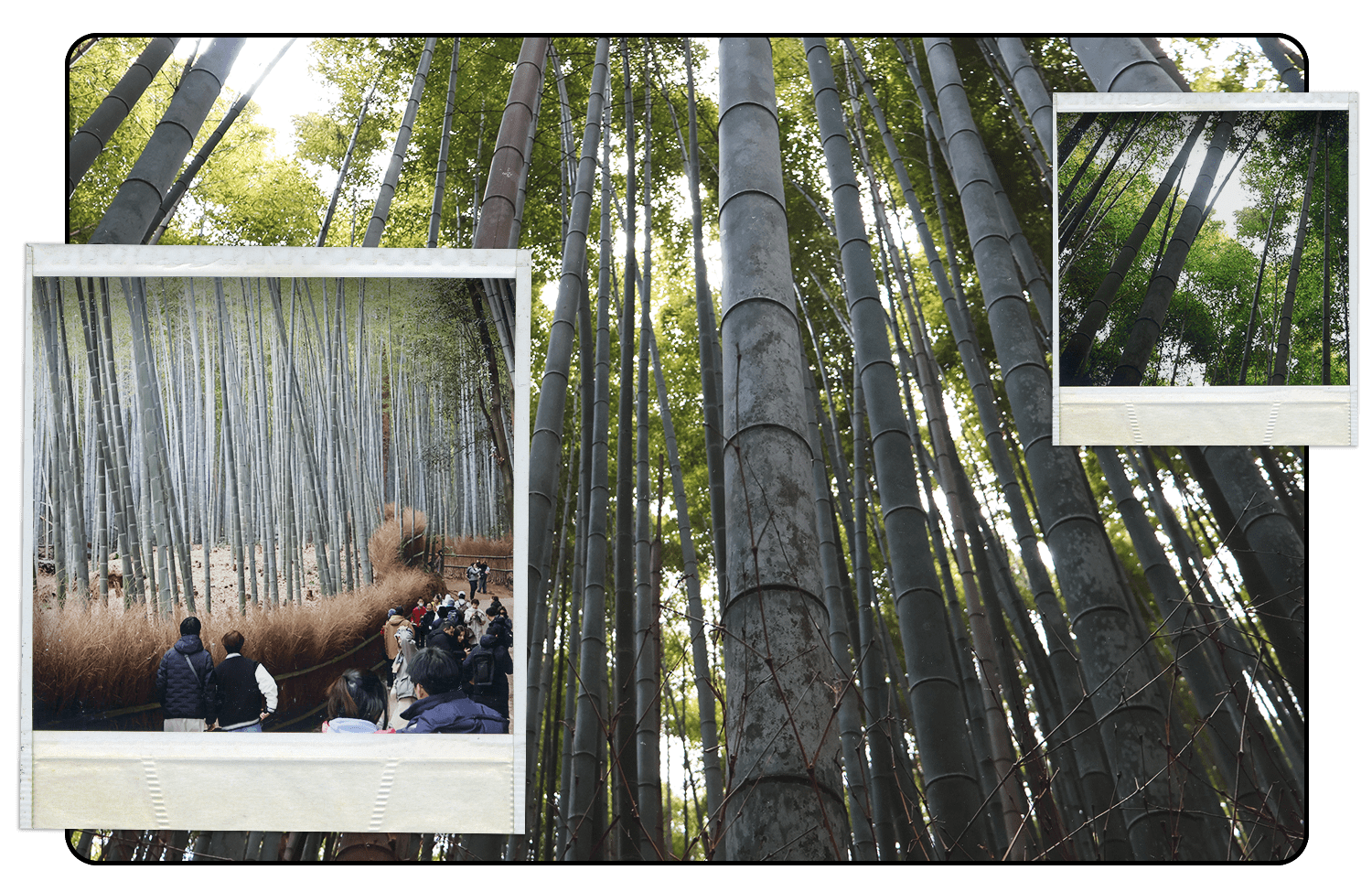
Arashiyama Bamboo Grove
Arashiyama Bamboo Grove is an iconic walk, even with the crowds. The towering stalks and dappled light create an almost otherworldly effect and makes it worth braving the throngs for at least a few minutes.18
If you’ve spent any time on Instagram planning a Japan trip, you’ve definitely seen the Arashiyama Bamboo Grove. And yes, it’s everything people say — busy, smaller than you might expect — but it’s still beautiful and fun to photograph. At the very least, you can reward yourself with a coffee on the other side.
Kyoto Imperial Palace
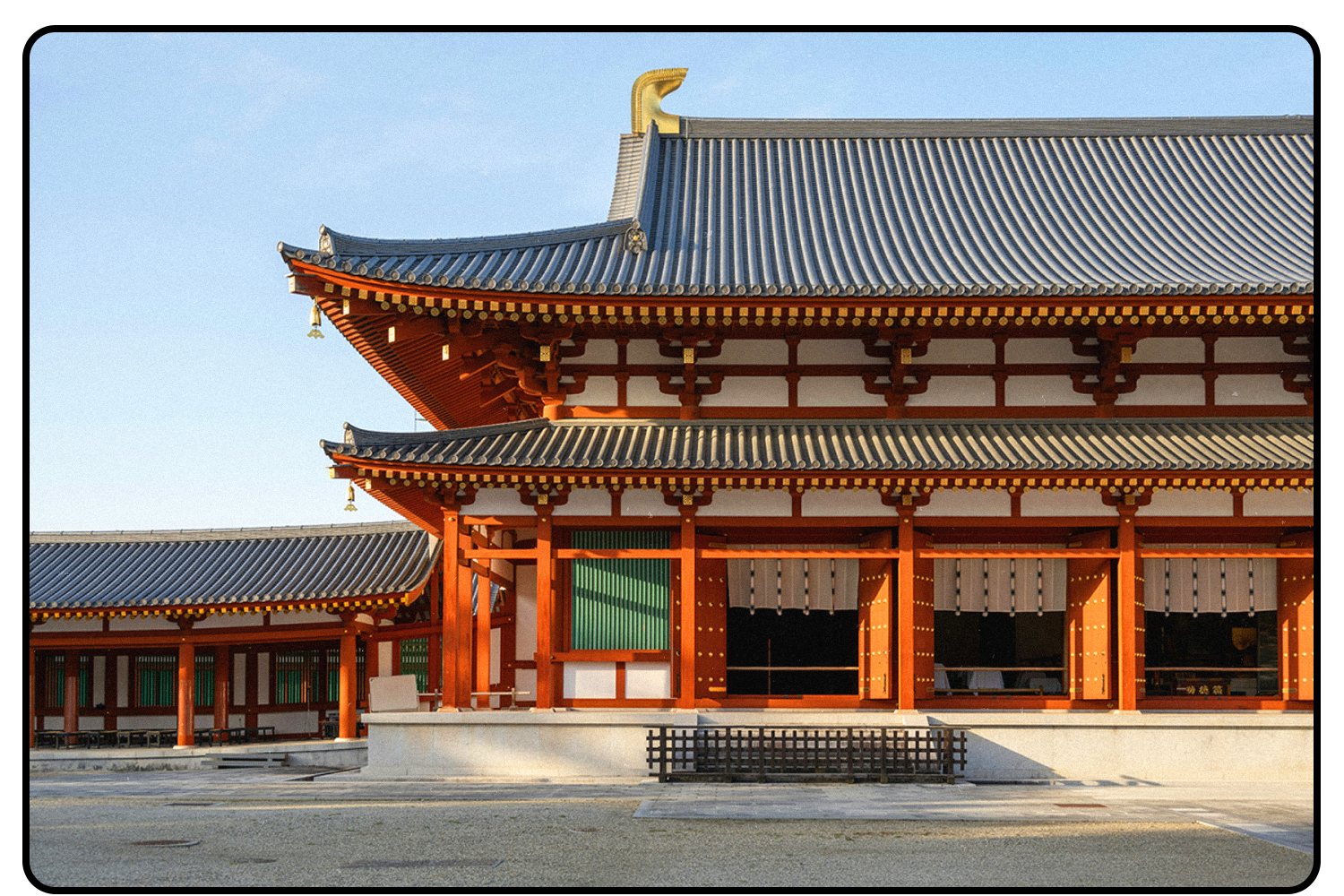
Grand, serene and steeped in history. The palace itself is impressive, but the surrounding park also offers a number of perfect spots to take in the city’s storied past.19
History buffs would be remiss not to make time for the centuries-old Kyoto Imperial Palace. The palace itself is impressive, but the grounds are just as remarkable. It’s the biggest park in central Kyoto — beautiful, expansive and peaceful. Resources like this guide from Lonely Planet are great for getting a sense of what to see and how to make the most of your visit.
How to Spend a Perfect Weekend in Kyoto
The bounties of Japanese culture and cuisine await in Japan’s former capital city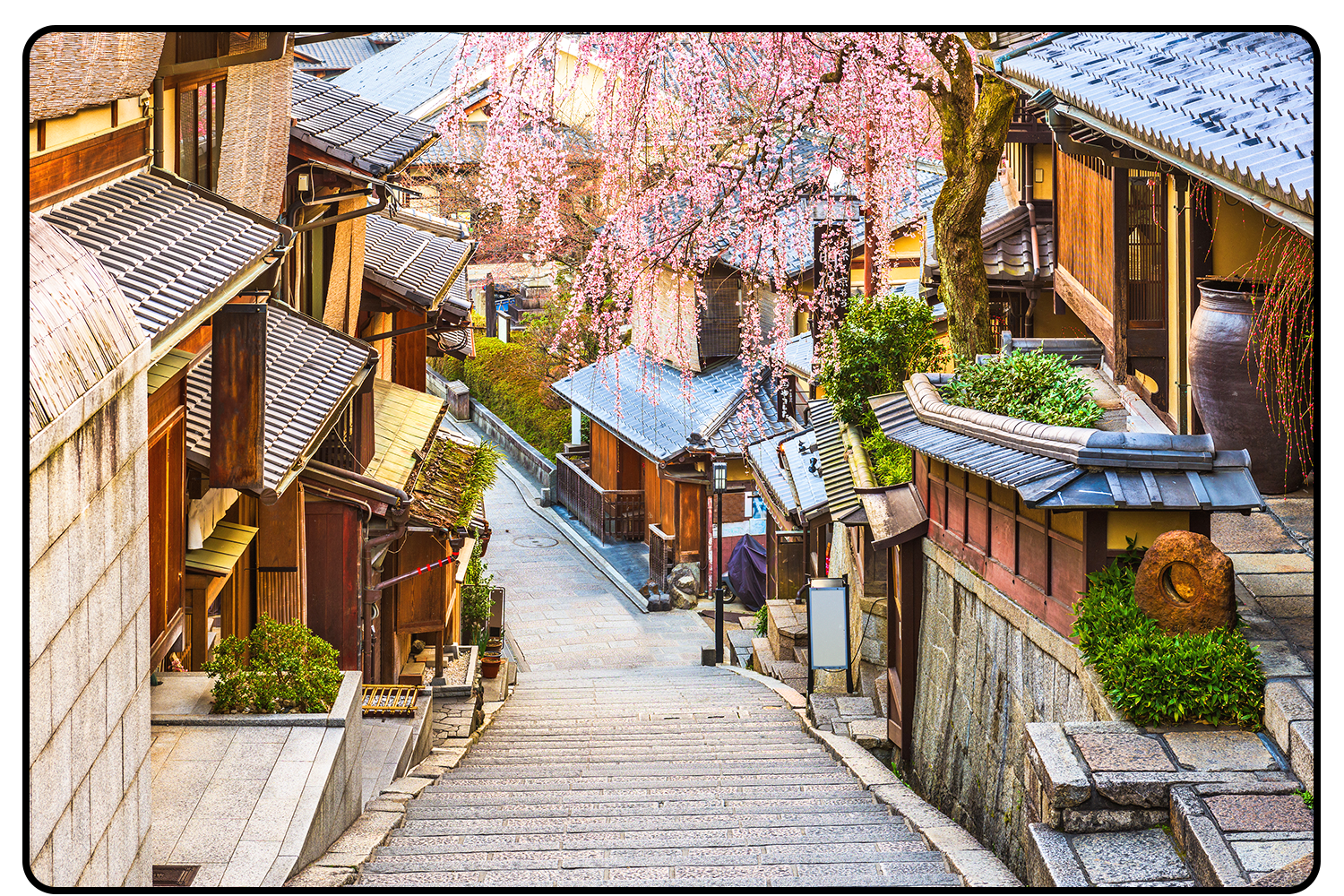
Ninenzaka + Sannenzaka
Two historic streets near Kiyomizu-dera lined with shops, cafes and artisan stalls. Their winding paths capture the essence of old Kyoto, making them perfect for exploring.20
Ninenzaka and Sannenzaka are two of Kyoto’s most iconic streets, perfect for a leisurely stroll. Cobblestone paths, traditional shops and teahouses make it feel like stepping back in time. Instagram-worthy, yes, but also genuinely enjoyable if you go early before the crowds arrive. I paired a visit here with a quick look at travel resources like a Kyoto City tourism website, which highlights must-see stops along these streets and helps plan your route so you don’t miss the hidden gems tucked into the alleyways.
Kiyomizu-dera Temple
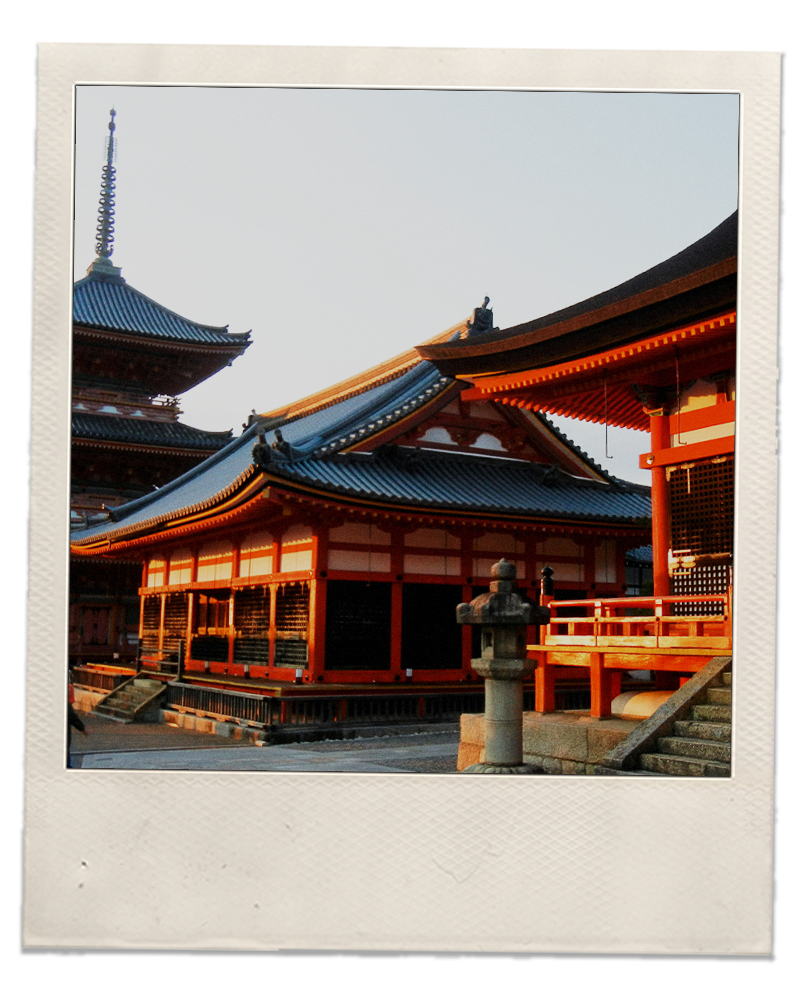
A sprawling cliffside complex offering sweeping panoramic views of Kyoto. The wooden terraces, intricate architecture and surrounding forests make it one of the city’s most famous attractions.21
Visiting all of Kyoto’s temples would likely take years — there are more than 1,600 — so if your schedule is tighter, you have to be intentional with your picks. Kiyomizu-dera is a smart choice. It’s centrally-located so it doesn’t eat up your day, and Travel + Leisure Asia lists it as one of 12 must-see attractions in Kyoto. For planning, resources like this help narrow down priorities.
Gion District
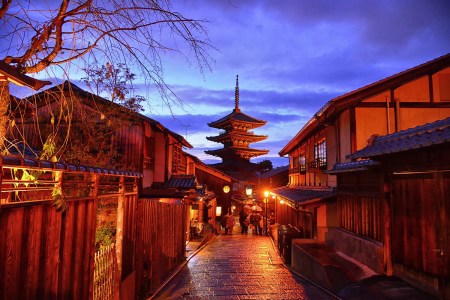
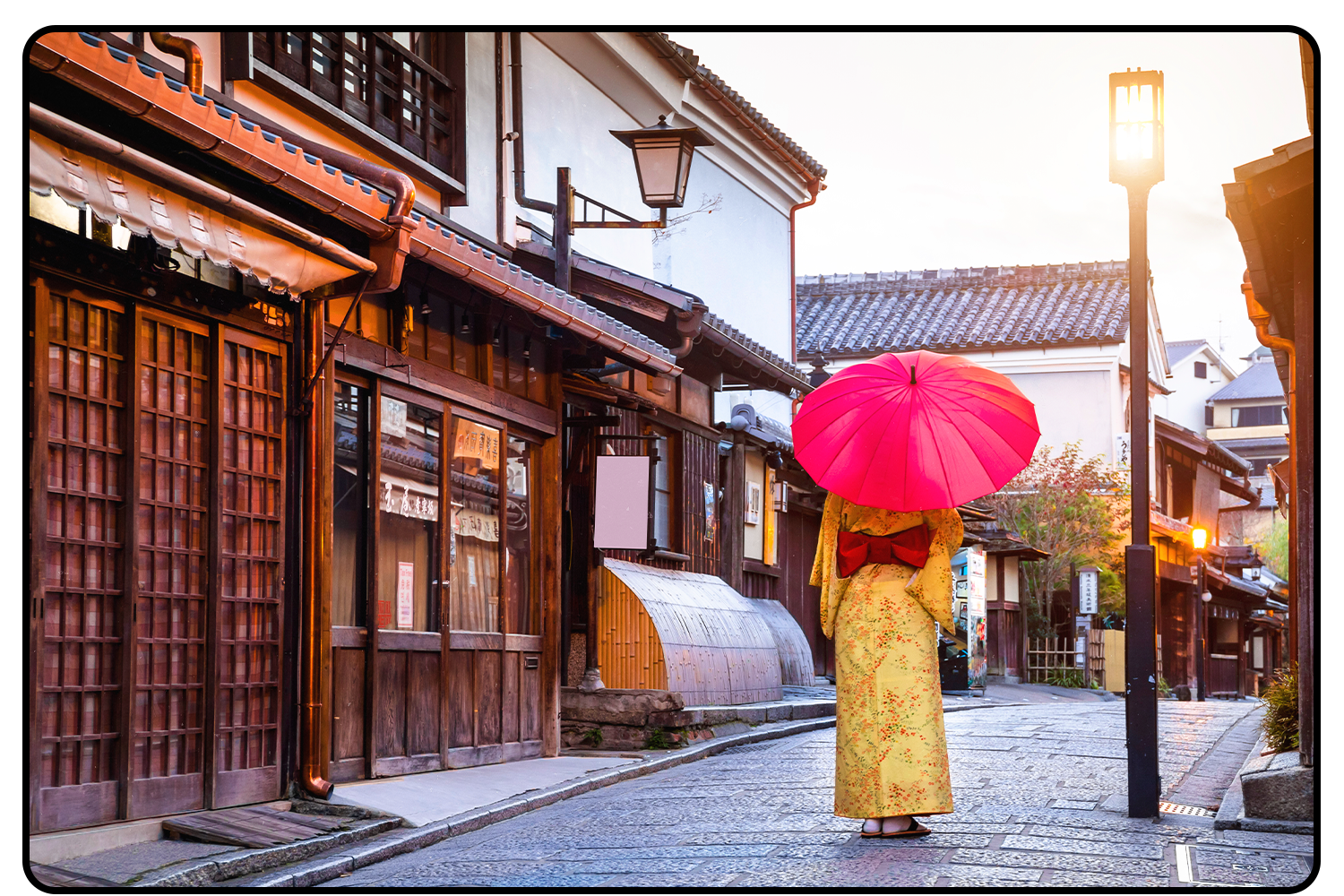
Gion District is Kyoto at its vibiest, especially around sunset. Lantern-lit streets, traditional wooden machiya and glimpses of geisha on their evening rounds make it a quintessentially Kyoto experience.22
The Gion neighborhood is famous for its geisha culture and preserved-in-time vibe. I first took note of Gion while editing this piece by Jake, though this Michelin guide piece dives a bit deeper and offers more granular tips for exploring the area. It’s the kind of thing I rely on when I want both context and practical guidance for a neighborhood stroll.
Fushimi Inari Shrine
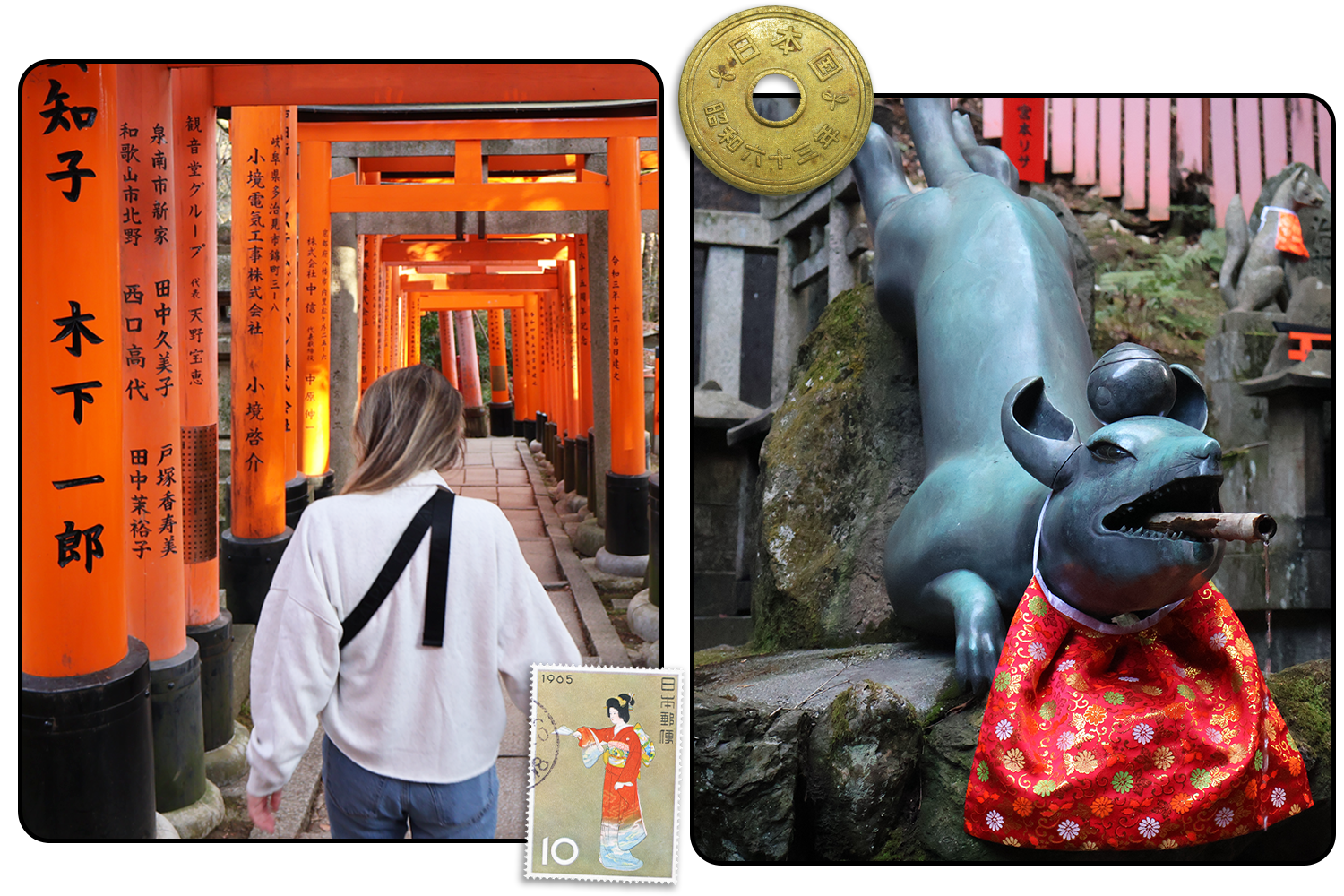
Fushimi Inari Shrine and its famous torii gates are every bit as magical in person. Walking beneath the seemingly endless rows of bright orange gates feels pretty surreal.23
I’d venture to guess this is one of the most Instagrammed attractions in all of Japan, but given its cultural significance, I wanted to see it for myself. The trick is to climb to the top — the higher you go, the thinner the crowds. By the time we reached the final shrine, we were virtually alone.
If you have a little extra time, Tofuku-ji Temple is nearby and far less crowded, with gorgeous gardens that make it well worth the detour. I usually utilize maps and local guides to pair these spots efficiently so you get the best of both without backtracking.
Take the JR Tokaido Shinkansen (Nozomi/Hikari/Kodama) from Kyoto → Osaka
(15-30 minutes)


Osaka blends history and modern life in a way that is distinctly its own. We spent the shortest amount of time here, so this portion of the itinerary is a little threadbare. But having a plan can balance cultural landmarks, like temples or museums, with the city’s signature shopping and food scenes, letting you get the full spectrum in a short visit. For a deeper dive, I highly recommend reading Lindsay Cohn’s food guide — it’s the ultimate reference for discovering the city’s standout bites.
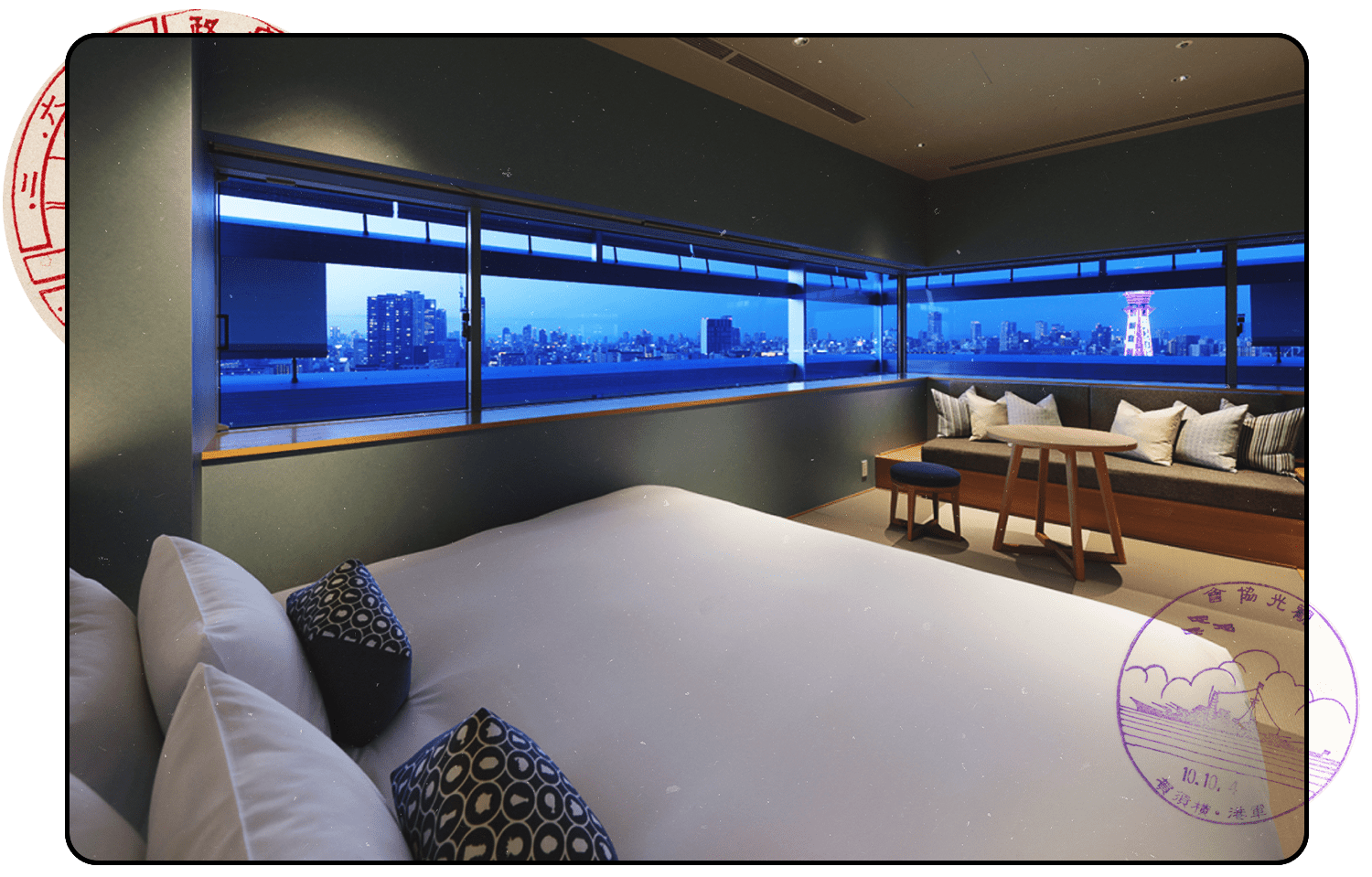
OMO7 is playful, modern and a convenient home base for exploring. The property captures the spirit of the Namba district, blending vibrant local energy with thoughtful guest amenities.24
Whereas OMO3 is considered one of Hoshino’s “basic” hotels, OMO7 is a full-service, conveniently-located property set on a lush 7,600-square-meter lawn with all the fixings. I loved a number of the little touches here: the self-service amenity wall stocked with yukatas, the Pikapika light show and, of course, the brand’s signature immersive experiences. On top of that, they offer a free shuttle to Universal Studios, which is a handy perk if that’s on your agenda.
A Foodie’s Guide to Osaka, Japan
Eat your way through “Japan’s Kitchen” like a local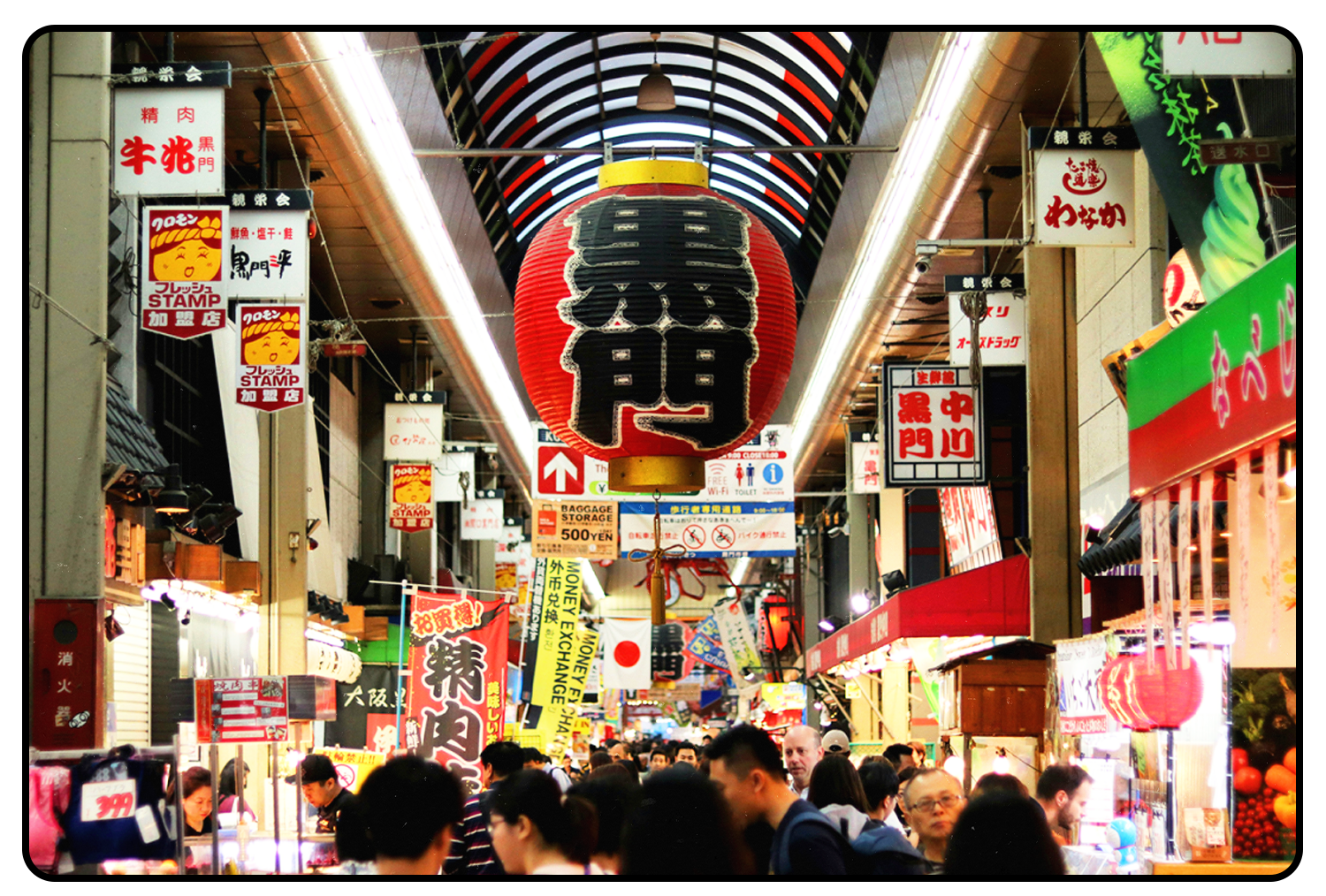
Kuromon Market
A street food heaven packed with flavors, sights and smells. Osaka Maimon Sushi is a stand out for its fresh ingredients and expertly crafted bites — a perfect pitstop amid the market’s chaos.25
Kuromon Market is a street food paradise, and planning your visit definitely helps you make the most of it, so map out a few must-try stalls. That said, also leave room to explore, as there’s something new to try at virtually every turn.
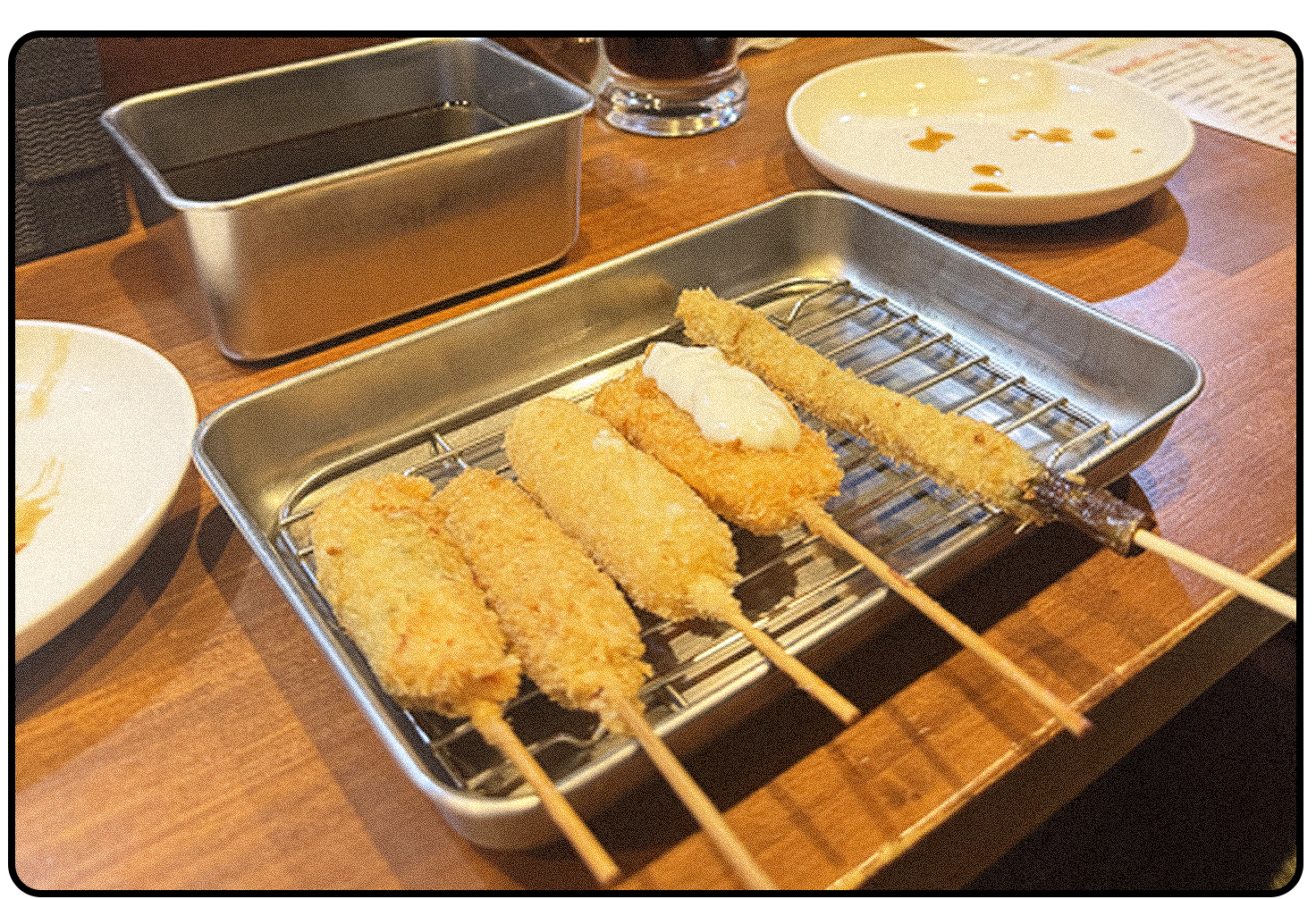
We probably never would’ve found Taisho if it weren’t for OMO7’s Binge on Kushikatsu Tour, a deep dive into retro-funky Shinsekai followed by, quite literally, a kushikatsu binge. I’m so glad we did. From the outside, it’s relatively nondescript, but inside we had one of our most memorable meals — fried items in quantities I won’t even attempt to tally, all while chatting with the owner. Experiences like this really underscore the value of curated tours.
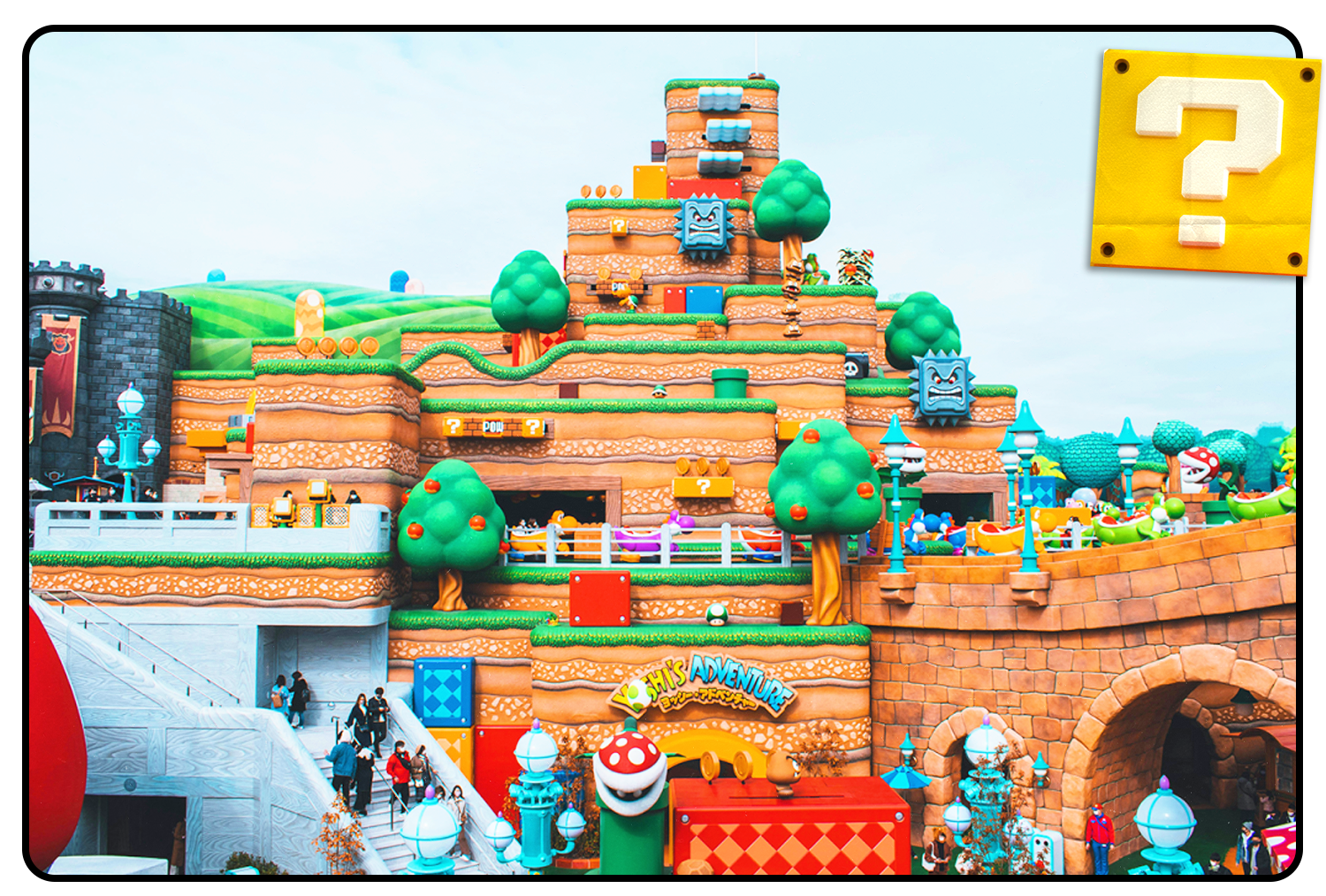
Universal Studios Japan
Ridiculously fun, especially if you’re a theme park fan. With timed tickets, there’s no stress at the gates, letting you get straight into the rides.27
This was a relatively last-minute decision, but at the time, it was the only Nintendo World — and that was reason enough for us. The express pass is well worth the splurge and honestly necessary if you want to make the most of your visit without spending half the day in line.
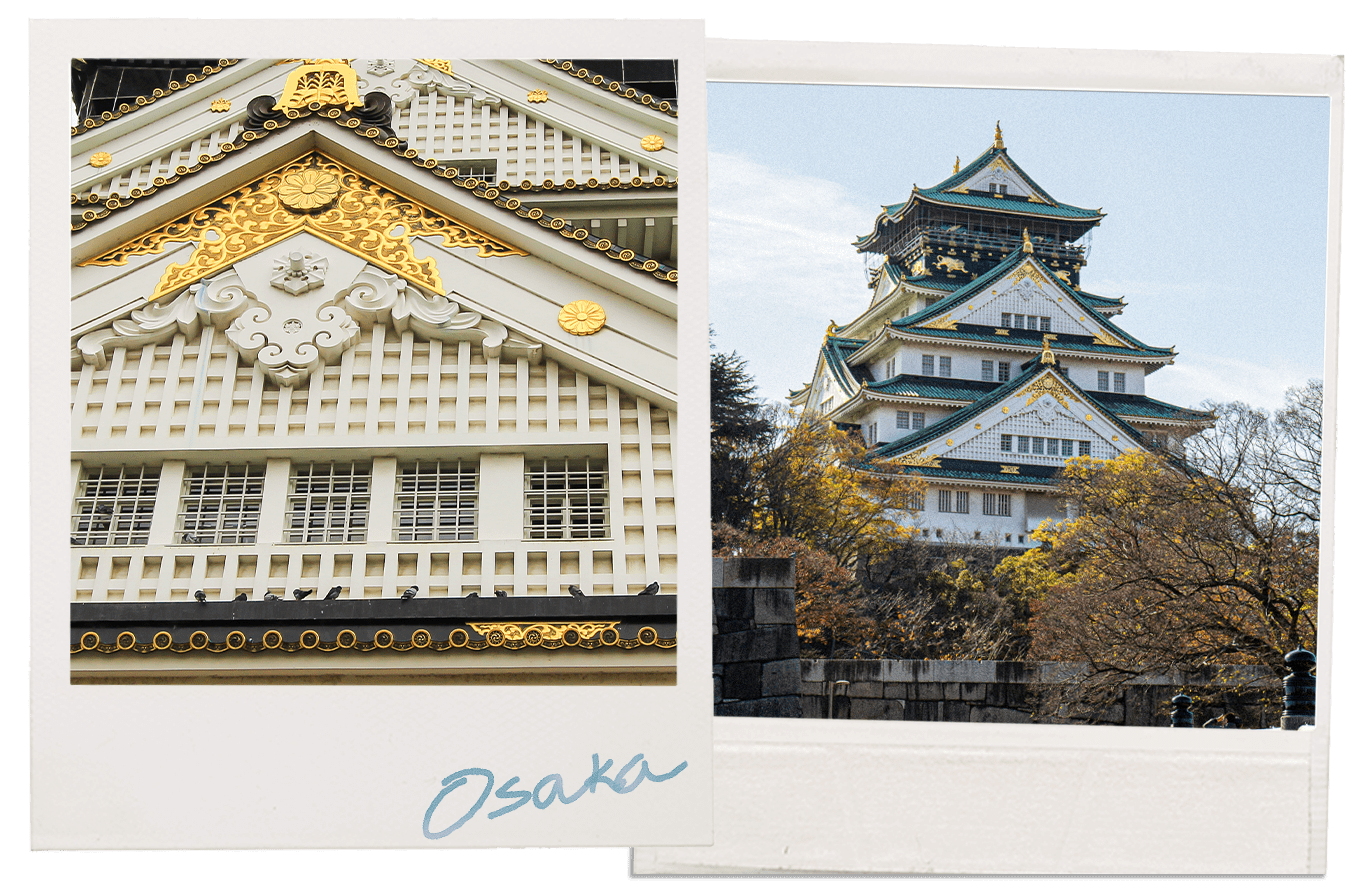
Osaka Castle
Impressive, photogenic and steeped in samurai history. Even if you don’t go inside, the architecture makes it a striking landmark.28
Osaka Castle shows up on nearly every first-timer’s guide to the city, and even if you don’t go inside, it’s worth seeing up close because it’s an architectural marvel. If you do step inside, you’ll find more than 10,000 artifacts, including samurai gear, making it a surprisingly deep dive into Japan’s history. I like to check guides and museum resources ahead of time so I know which floors or exhibits are worth prioritizing.
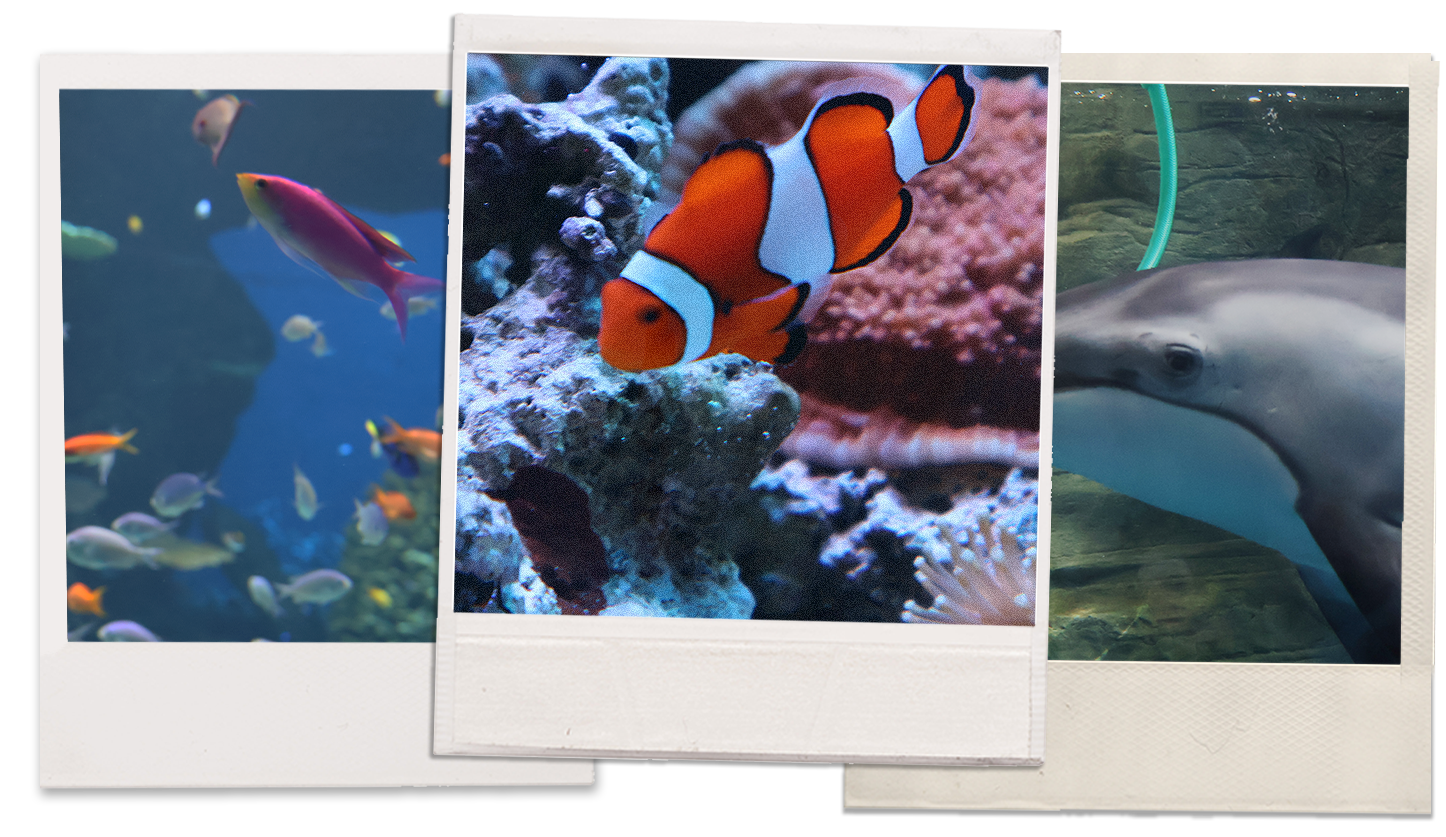
Osaka Aquarium
Once the largest aquarium in the world, it can get crowded, but the sheer scale and variety of marine life make it a memorable stop. (Spoiler: There are whale sharks.)29
When it was first built, the Osaka Aquarium Kaiyukan was famously the largest aquarium in the world. It’s since been surpassed a few times, but a colleague who lived in Shizuoka swore the whale sharks alone made it worth a visit. I’ll admit that this was the place where I felt most overwhelmed by crowds. But, like at Fushimi Inari, they eventually thin out. And yes, the whale sharks are legitimately impressive. Pro tip: Arriving early or later in the day can make a huge difference in your experience.
Take the JR Tokaido & Hokuriku Shinkansen (Hikari
+ Kagayaki/Asama) from Osaka → Nagano
(3.5-4 hours)

Nagano is equal parts mountains, onsens and unexpected treasures. Plan your highlights, like snow monkeys and temples, but keep space for spontaneity — a quiet café or hidden shrine can easily become the day’s best memory.
The next few items on our itinerary came courtesy of the Nagano Tourism Board, a thoughtful mix of spots spread across a few cities in the prefecture. I have access to resources like this through my job, but honestly, all tourism boards have websites that are wildly underutilized by most travelers. So the next time you’re scrambling for trip ideas, start there. You’ll often find insider tips, suggested itineraries and local experiences that don’t make the usual guidebooks.
Matsumoto Jujo
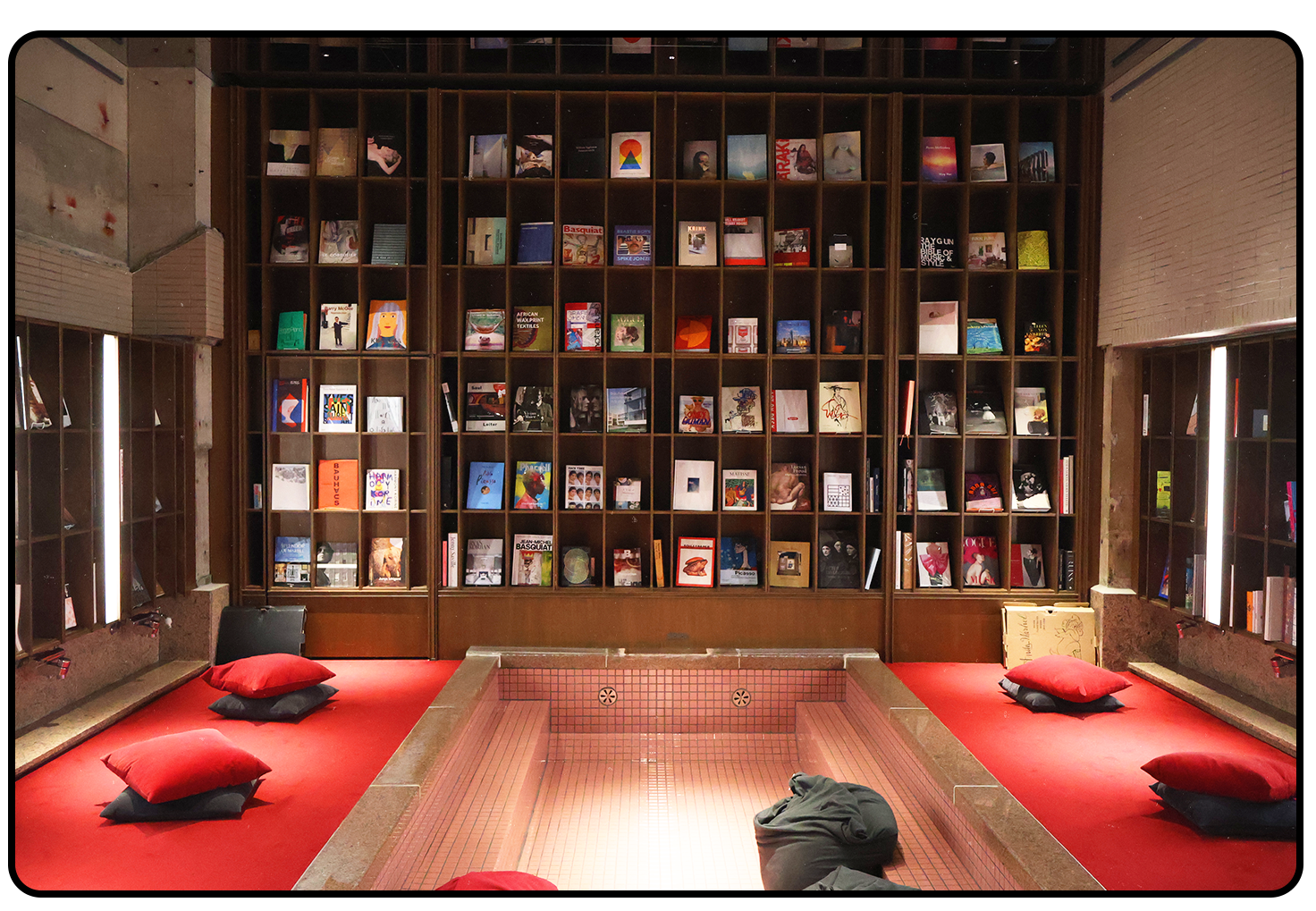
Matsumoto Jujo is a modern ryokan that pairs warm hospitality with excellent cuisine and beautifully-appointed rooms. It’s a standout stay in the region.30
Matsumoto Jujo is one of the most outstanding hotels I’ve ever stayed at. The rooms are impeccably appointed — ours even came with a private onsen — and the design is utterly dreamy. The restaurant is incredible (more on that later), but the real showstopper is the bookstore tucked off the lobby. Once a public bathhouse, it’s been fully renovated into a multi-level space stocked with more titles than you could possibly read, though I spent an inordinate amount of time trying anyway.
Fuchinobo Temple Stay
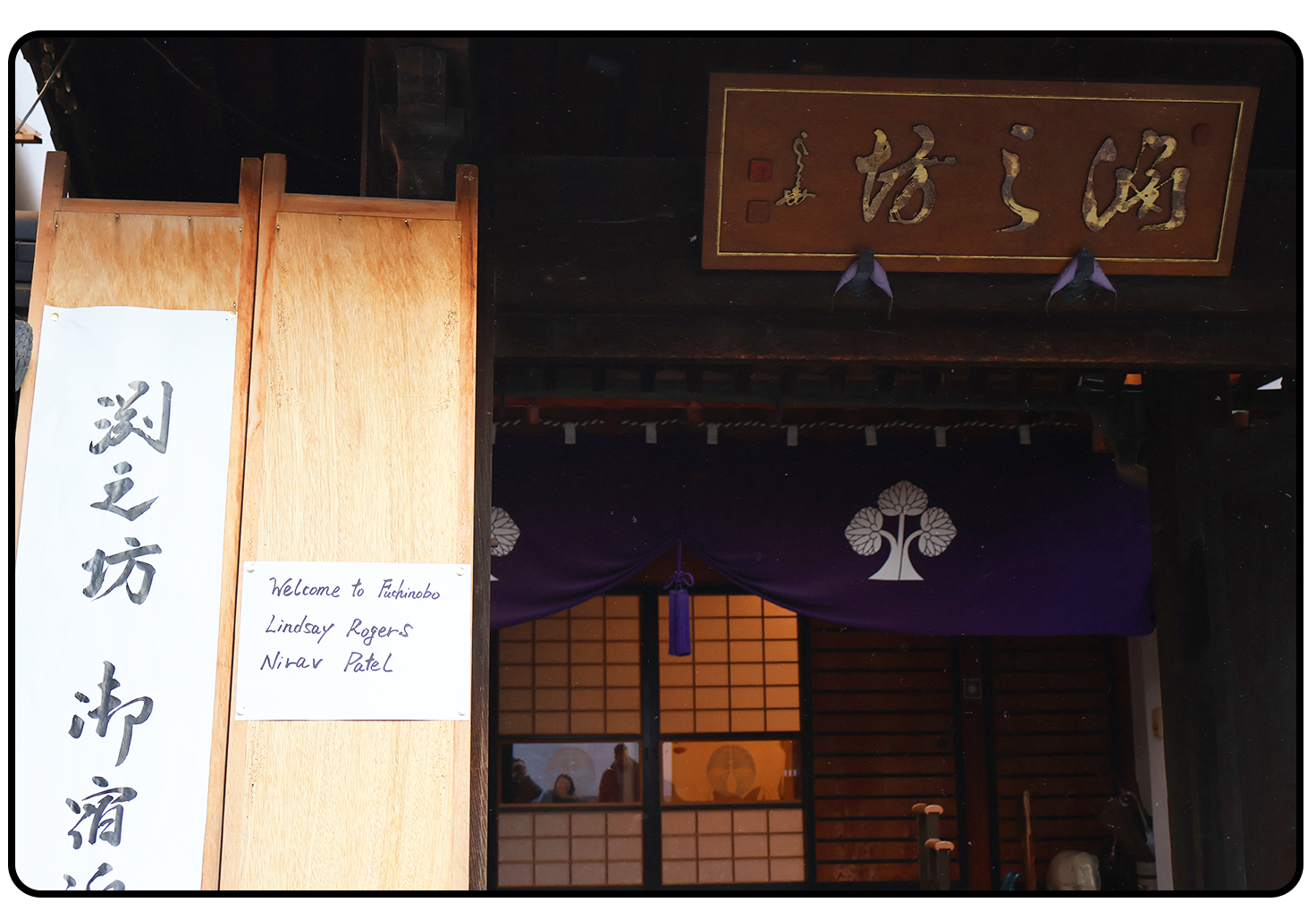
As traditional and authentic as it gets, from sleeping on tatami mats to enjoying vegetarian meals prepared by the monks and joining the morning service.31
Our stay at Fuchinobo was both insightful and deeply pleasant. In 2022, Rakuten Travel named it one of the top 10 National Temple Lodges nationwide, and it’s easy to see why. It’s no-frills — you sleep on a tatami mat with a mattress pad on top — but the monks are incredibly attentive. We were served every meal in our room (all vegetarian, following Buddhist tradition), enjoyed the onsens on the ground floor and then attended the morning service, Oasagoto, at the main hall of Zenkoji Temple. Experiences like this are why I take the time to tap trusted travel resources when planning because they make it possible to find stays that are truly culturally authentic.
Hikariya Higashi
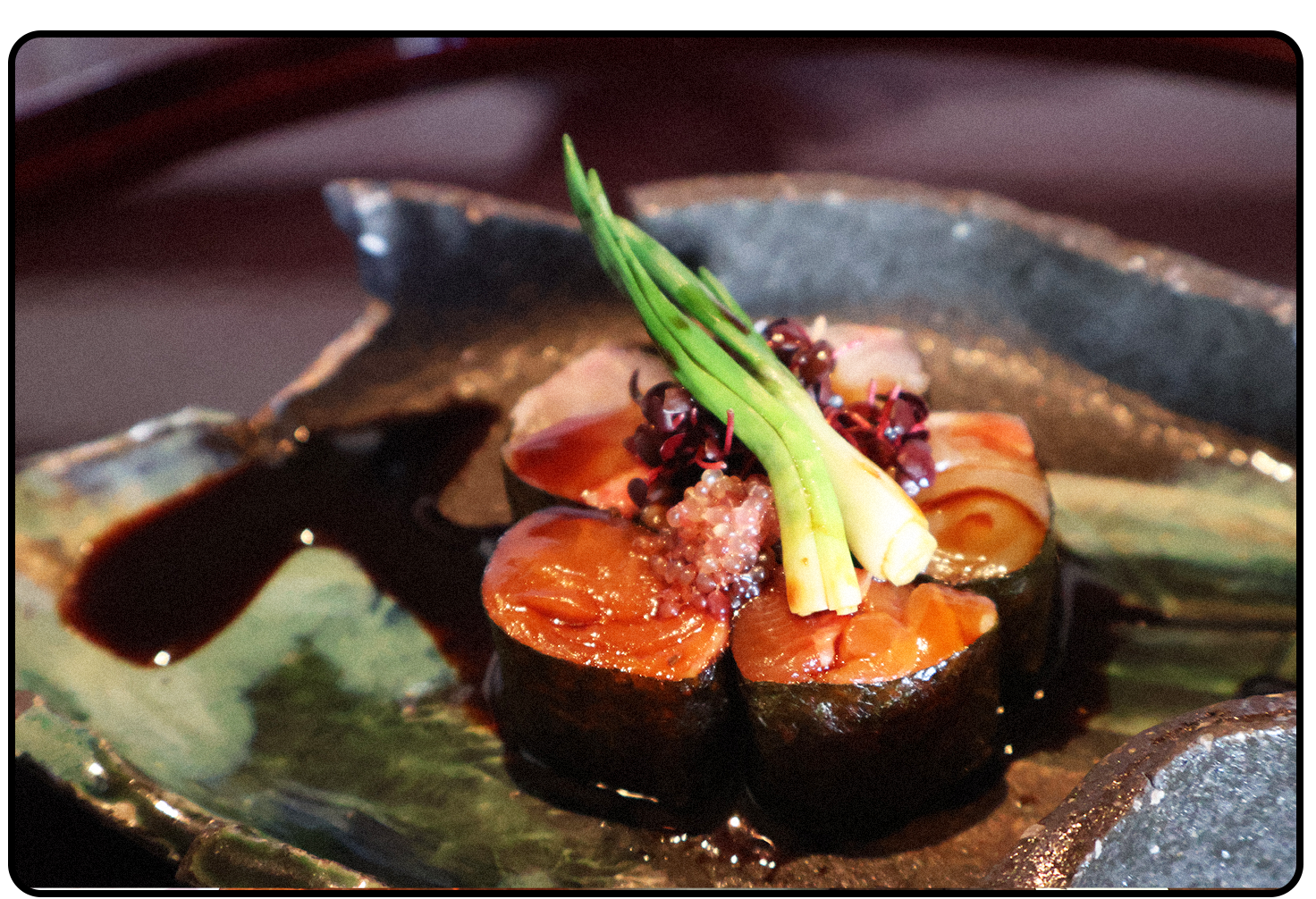
A historic building in an unreal backdrop. Its traditional coursed meals offer a taste of regional flavors that are perfectly in tune with the historic setting.32
Hikariya Higashi is housed in an Edo-era building, built in 1885, at the foot of the Northern Alps. The traditional coursed meals feel perfectly in step with the surroundings, making it one of those spots that’s as much about the setting as it is the food. Again, local guides and hotel websites are key in uncovering places like this that might otherwise fly under the radar.
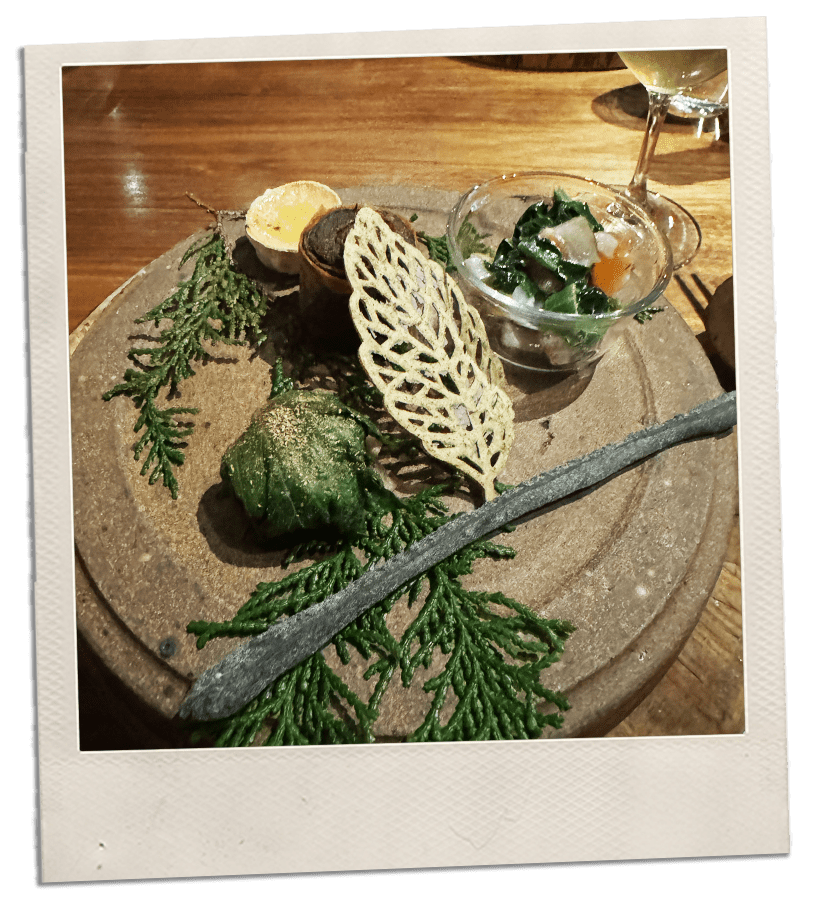
(367) Sanrokunana
The on-site restaurant at Matsumoto Jujo, offering a rotating menu that highlights the seasons and local ingredients.33
Sanrokunana serves a pre-fixe, wood-fired menu, with dishes that the restaurant says reflect “the ever-changing climate of the Shinshu region” and highlight foods “that expose you to the two additional elements of culture and history.” It’s a very interactive experience and the kind of meal I seek out whenever I travel, one that goes beyond just taste to tell a story.
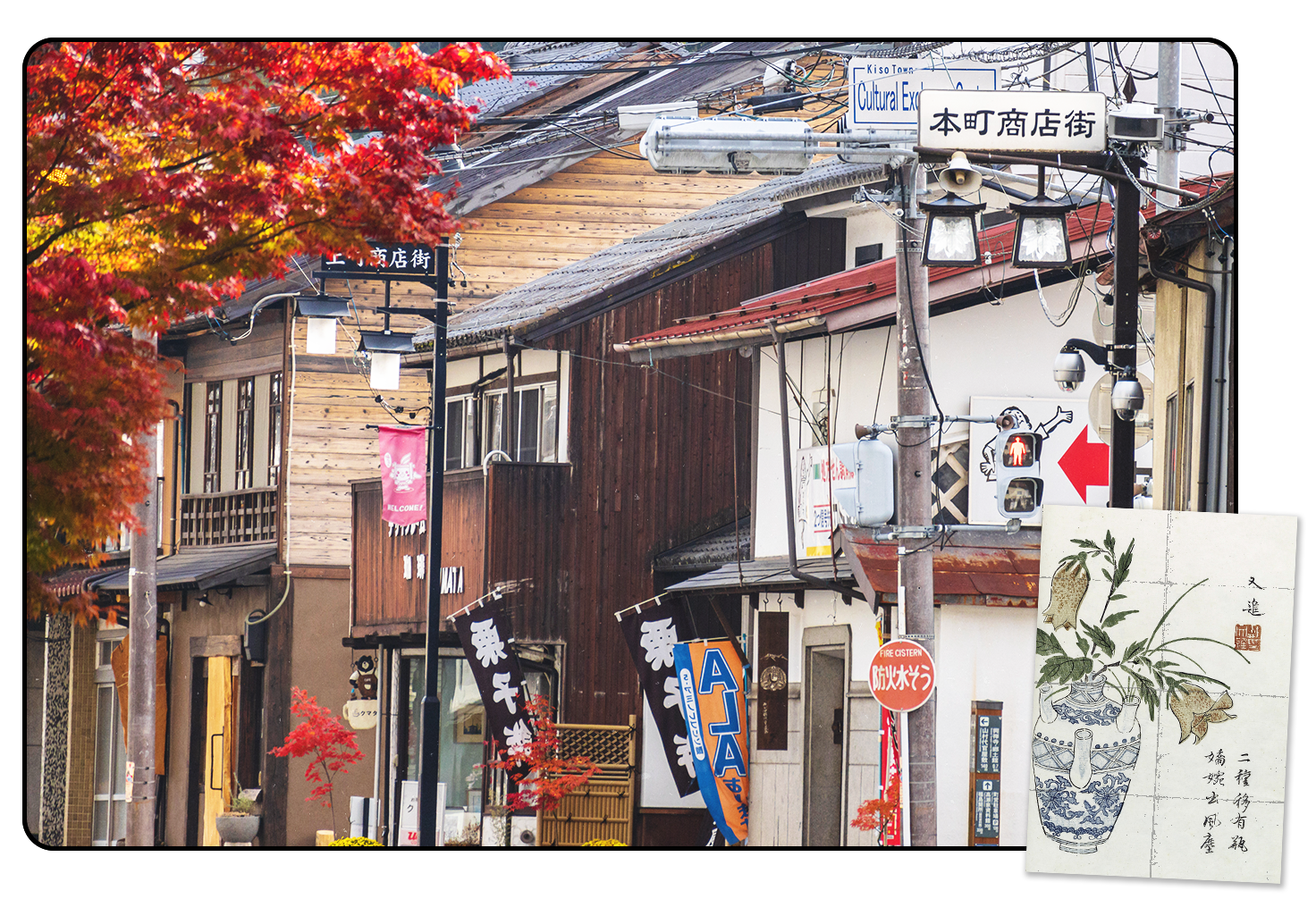
Kiso Fukushima
Kiso Fukushima is rustic, quiet, scenic and gives you a deep appreciation for the region’s natural beauty.34
Kiso Fukushima is the kind of town that makes you feel like you’ve been transported back in time. Nestled in the Kiso Valley, it’s famous for its preserved Edo-era streets and charming inns. Wandering the area, you can get a real sense of traditional Japan, from wooden merchant houses to quiet temples tucked down side streets.
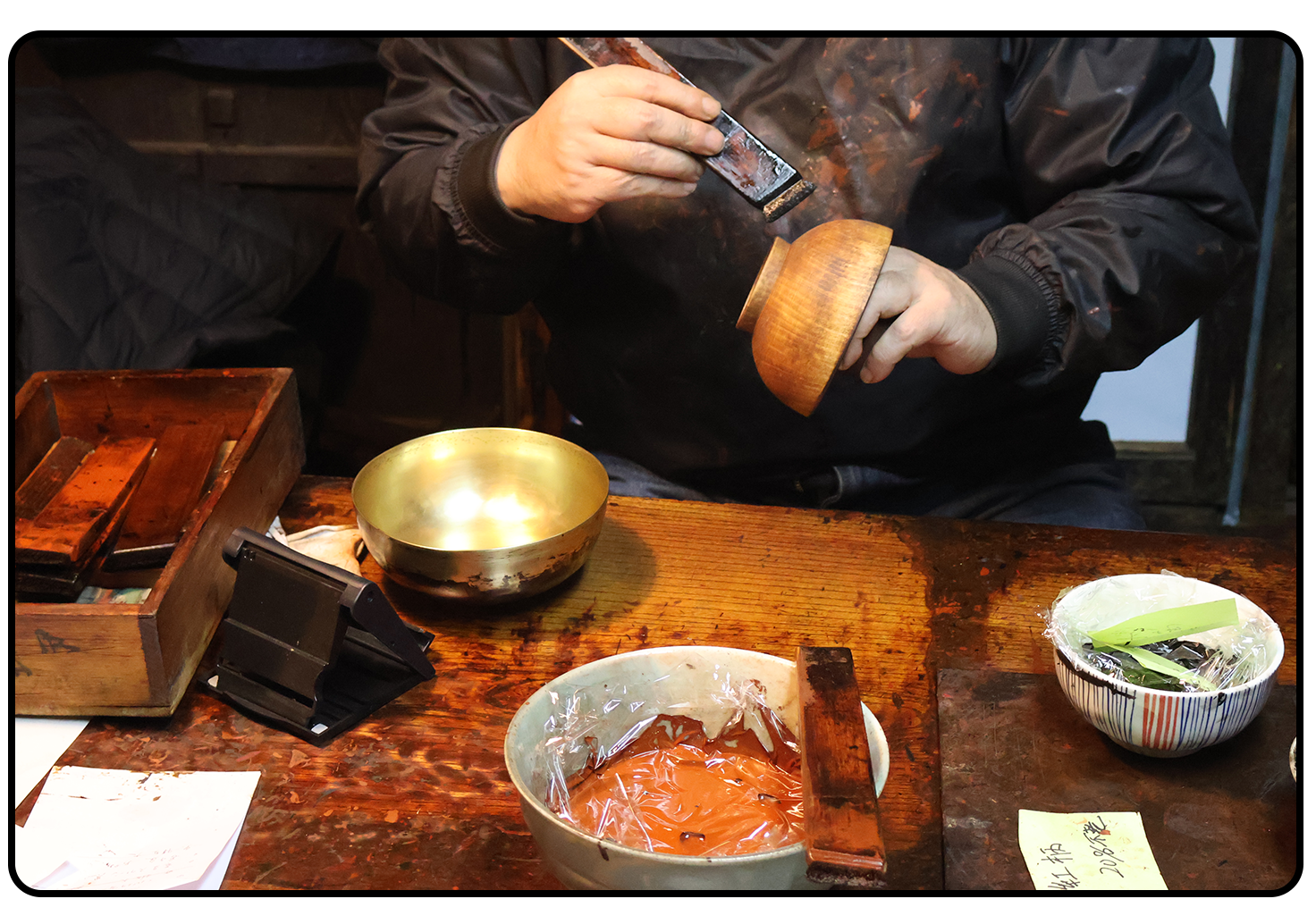
Kiso Hirasawa + Narai Post Town
Historic Edo-era towns that feel frozen in time. Strolling their streets provides a tangible glimpse into Japan’s past.35
Kiso Hirasawa and Narai post town are two highlights along the historic Nakasendo Trail. Hirasawa charms with its quiet streets and traditional wooden houses, while Narai has a livelier energy full of shops, teahouses and local crafts. If time allows, I like to grab a historical account of the post towns I’m visiting from a bookstore. A little context goes a long way.
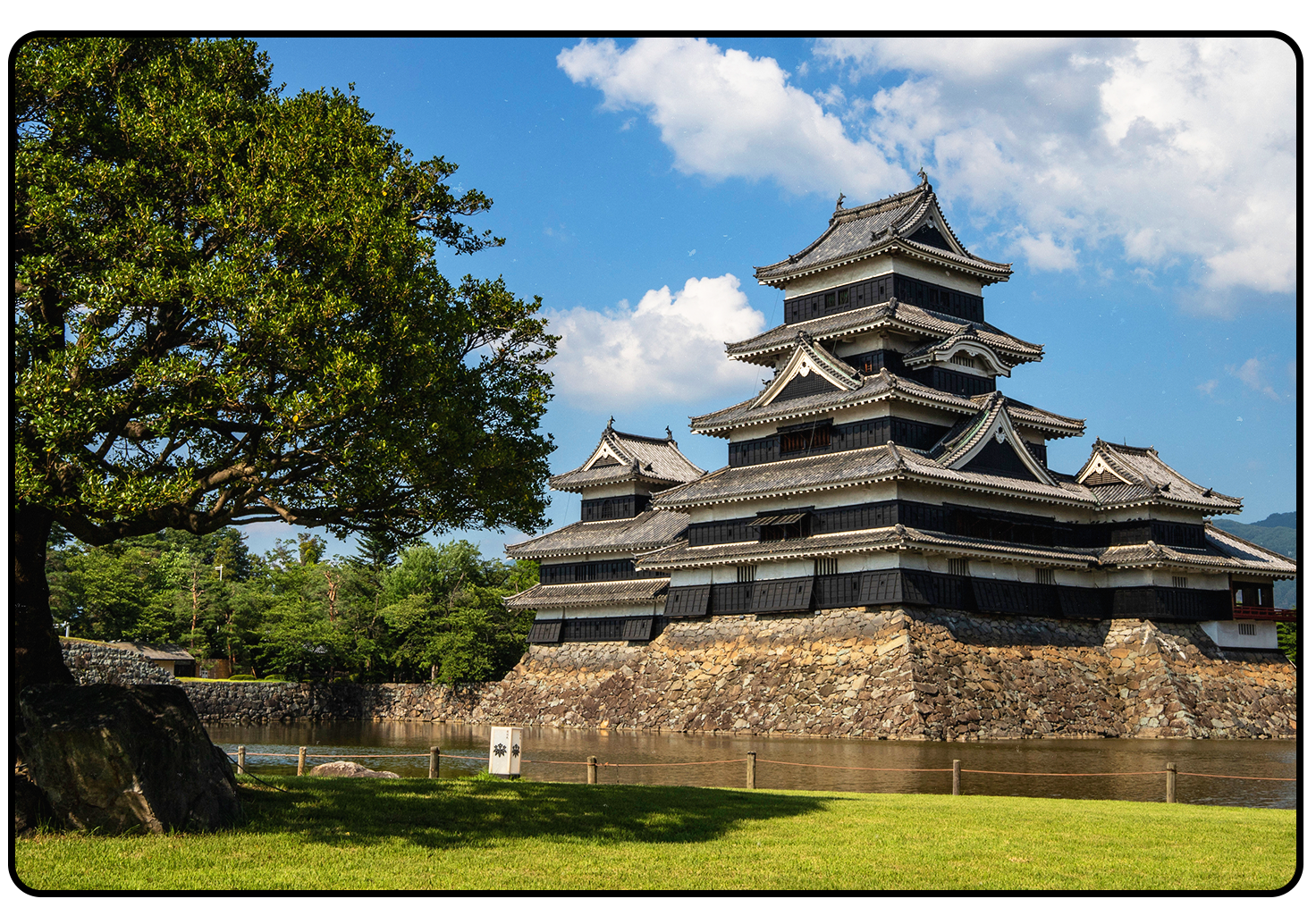
Matsumoto Castle
Matsumoto Castle is a beautiful, massive, black-walled fortress that stands as one of Japan’s most iconic — and oldest — castles.36
Matsumoto Castle is impossible to miss. Its black-and-white exterior and moat make it one of Japan’s most photogenic castles. Inside, the steep wooden stairs and preserved interiors give a sense of how samurai life might have unfolded centuries ago. For planning, I consulted the Japan Guide entry for Matsumoto Castle, which offers practical tips on hours, ticketing and exhibits.
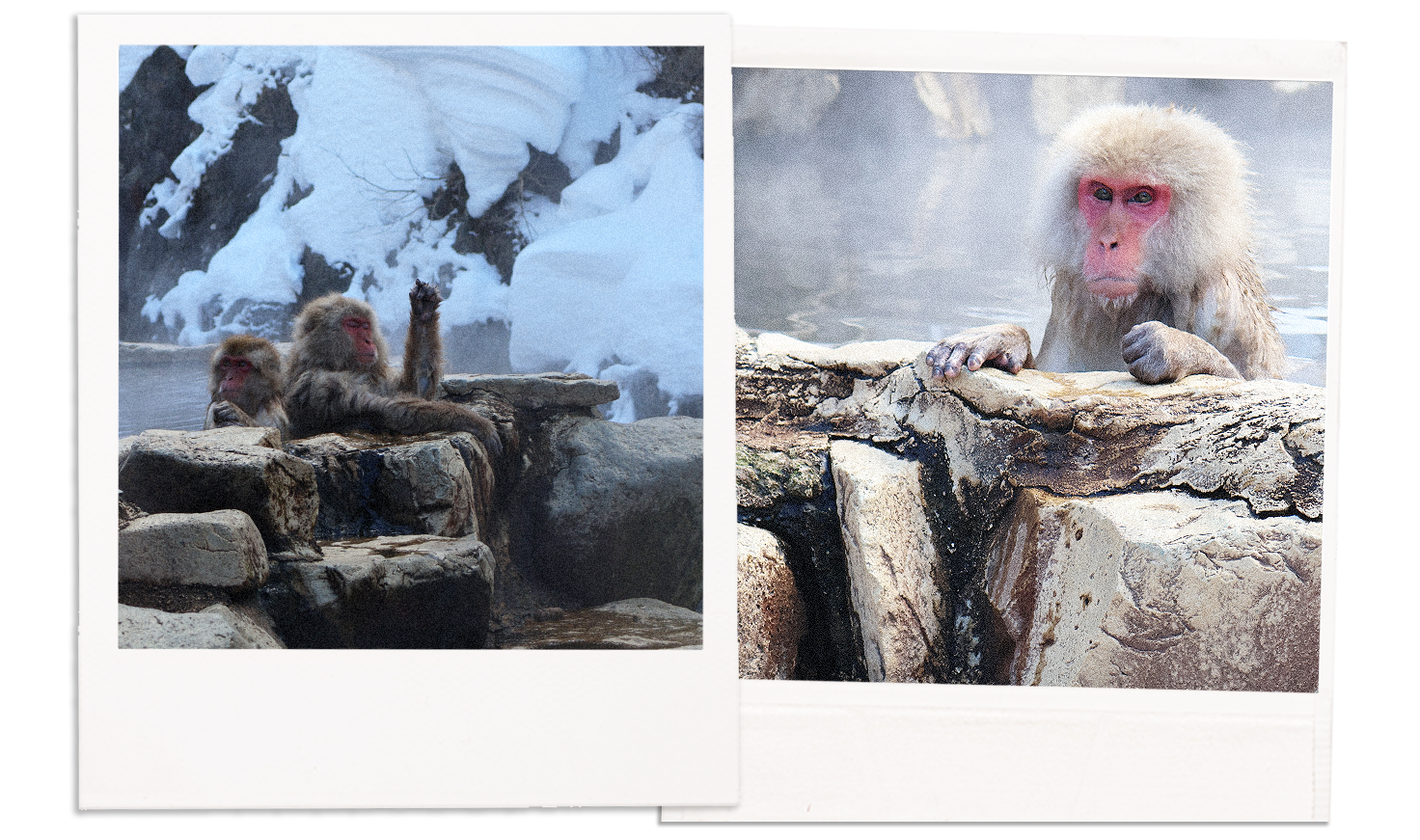
Snow Monkey Park
A must-visit for wildlife enthusiasts. Watching the wild macaques soak in natural hot springs against a snowy backdrop is crazy.37
Visiting the Snow Monkey Park in Nagano is one of those experiences that feels like a once-in-a-lifetime photo op, but the reality is even better. Watching the macaques soak in the hot springs, seemingly unbothered by the winter chill or the crowd of humans, is oddly mesmerizing. I referenced the official Jigokudani Monkey Park website ahead of time for the latest info on trail conditions, shuttle schedules and admission.
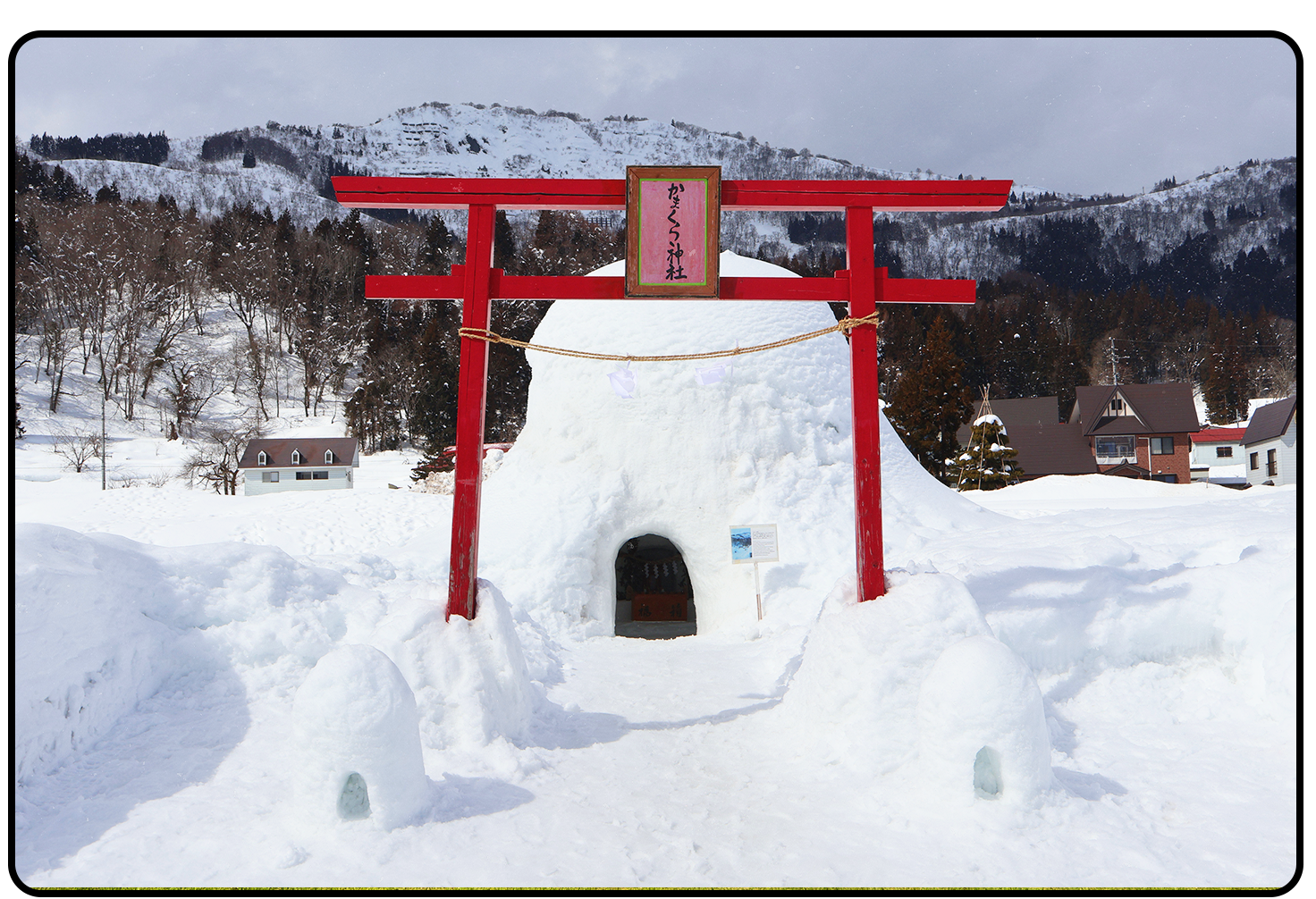
Restaurant Kamakura Village
Restaurant Kamakura Village offers a cozy winter escape, complete with igloo seating, steaming hot pots and unparalleled mountain views.38
Should you find yourself in Nagano in late January or February, Restaurant Kamakura Village is an absolute delight. Think snow-dusted paths, cozy little igloos serving hot pots and myriad winter activities. I like to check local event calendars and seasonal guides for the lowdown on what’s happening and when crowds are lighter.
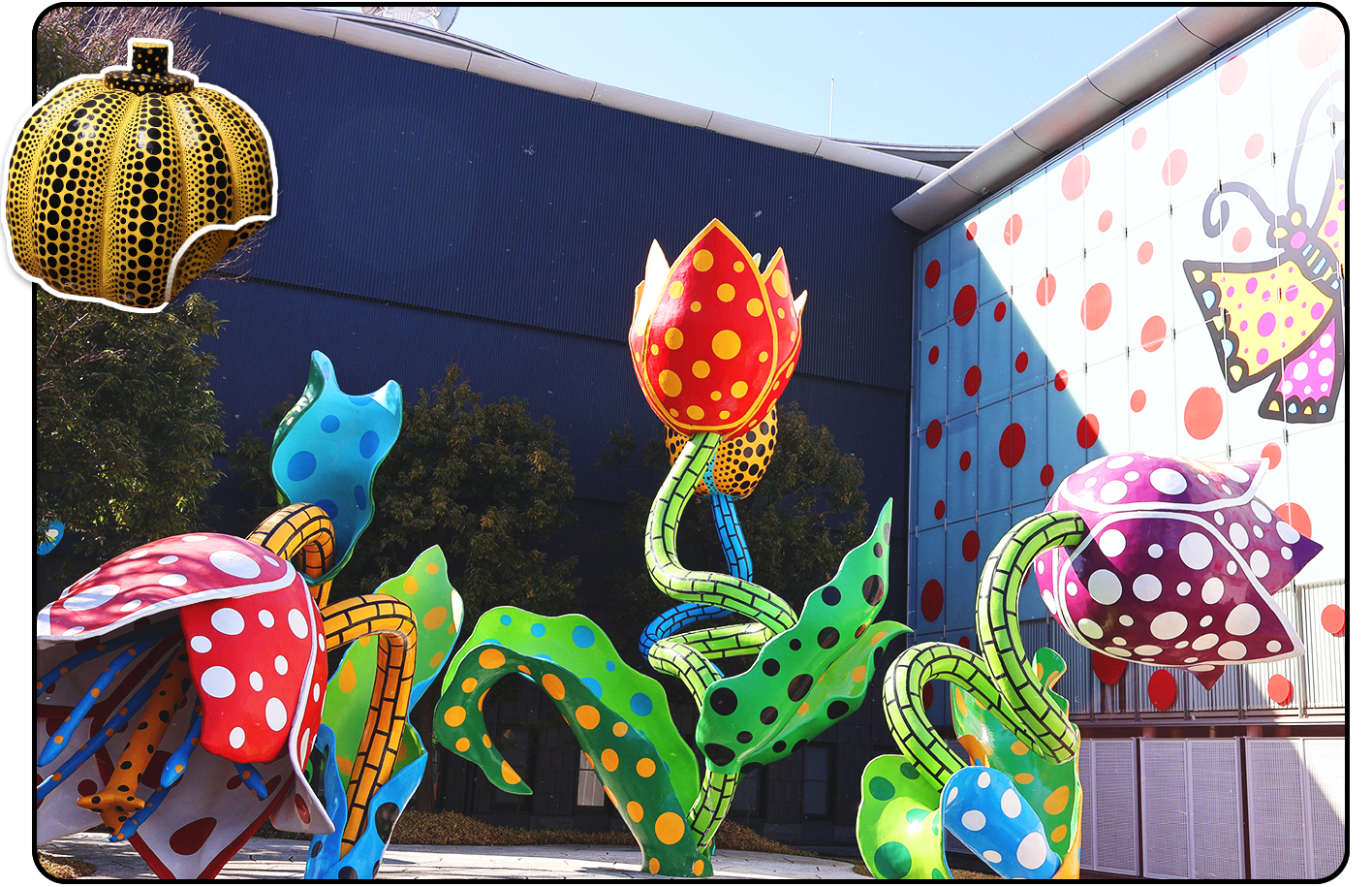
Matsumoto City Museum of Art
A hub of contemporary creativity where you’re guaranteed to get your fill of Yayoi Kusama, even before entering the building.39
I didn’t get a chance to go inside the Matsumoto City Museum — it happened to be closed that day — but I was thrilled to see that the Yayoi Kusama exhibit was on display. Even from the outside, it’s clear the museum puts on engaging, colorful shows worth noting. And this, folks, is exactly why we plan: Checking museum websites and arts-focused publications ahead of time gives you the scoop on exhibitions, ticketing and timing so you can tweak your itinerary before you show up and leave empty-handed.
Take the JR Hokuriku Shinkansen (Kagayaki/Asama)
from Nagano → Tokyo
(1.5-2 hours)

More Like This
We're always on the scene eating, drinking and traveling near and far to bring you the best of what's happening out in the real world. Sign up for IRL now.