A Perfect, Hidden Corner of Spain: All the Charm, None of the British and German Tourists
From pincho bars on Calle Laurel to traditional Riojan restaurants and the wine spots locals love

Mention traveling in Spain to pretty much anyone and you’re likely to get a response like this: “I’ve been to Spain. Madrid and Barcelona!” Spain’s two largest cities are wonderful, but…yawn. They’re so overcrowded with fellow tourists. Spain is crammed with incredible destinations and travelers should venture far beyond just Barcelona and Madrid to discover the essence of this magical country.
Case in point: Logroño, the capital of La Rioja in northern Spain, about a two-hour drive from the Atlantic coast, is a city of 150,000 people that is one of the great underrated, and largely undiscovered destinations in Spain — particularly if you like good food and drink. La Rioja is famous for its wine, most commonly, its robust, full-bodied Tempranillo-forward varietals. And to pair with the shockingly affordable wine, the city of Logroño boasts five wonderful Michelin-starred restaurants, taverns serving hearty fare like tender beef cheeks braised in local wine, and narrow cobblestone streets that are lined with tapas bars where locals debauch themselves nightly.
It’s a gem of a city, dripping with authenticity, charm and pleasures. I speak from experience: Logroño happens to be my wife’s hometown, and I’ve visited a dozen times.
On my most recent trip, I decided to do something different and build an itinerary based solely on locals’ recommendations. I asked my in-laws and several local friends where I should eat, shop and drink, and then asked the same question of a Logronian at the next place, and repeated the process again and again. Think of it as an insider’s daisy chain. Eat your heart out, Fodors.
Where to Stay
I asked my mother-in-law what she thinks is the nicest hotel in town. She pointed me here, posh Áurea Palacio de Correos, a five-star hotel with the rates of a three-star hotel in Madrid or Barcelona — from €130 to €400 per double room, depending on the season. An erstwhile post office since 1932, the centrally located, 41-room hotel has a spa with a focus on local grapeseed oil treatments. The hotel is situated in the historical center and perfectly set for guests to get in on the Rioja-style debauchery of Logroño.
Places That Come Highly Recommended by Locals
Barrio Bar
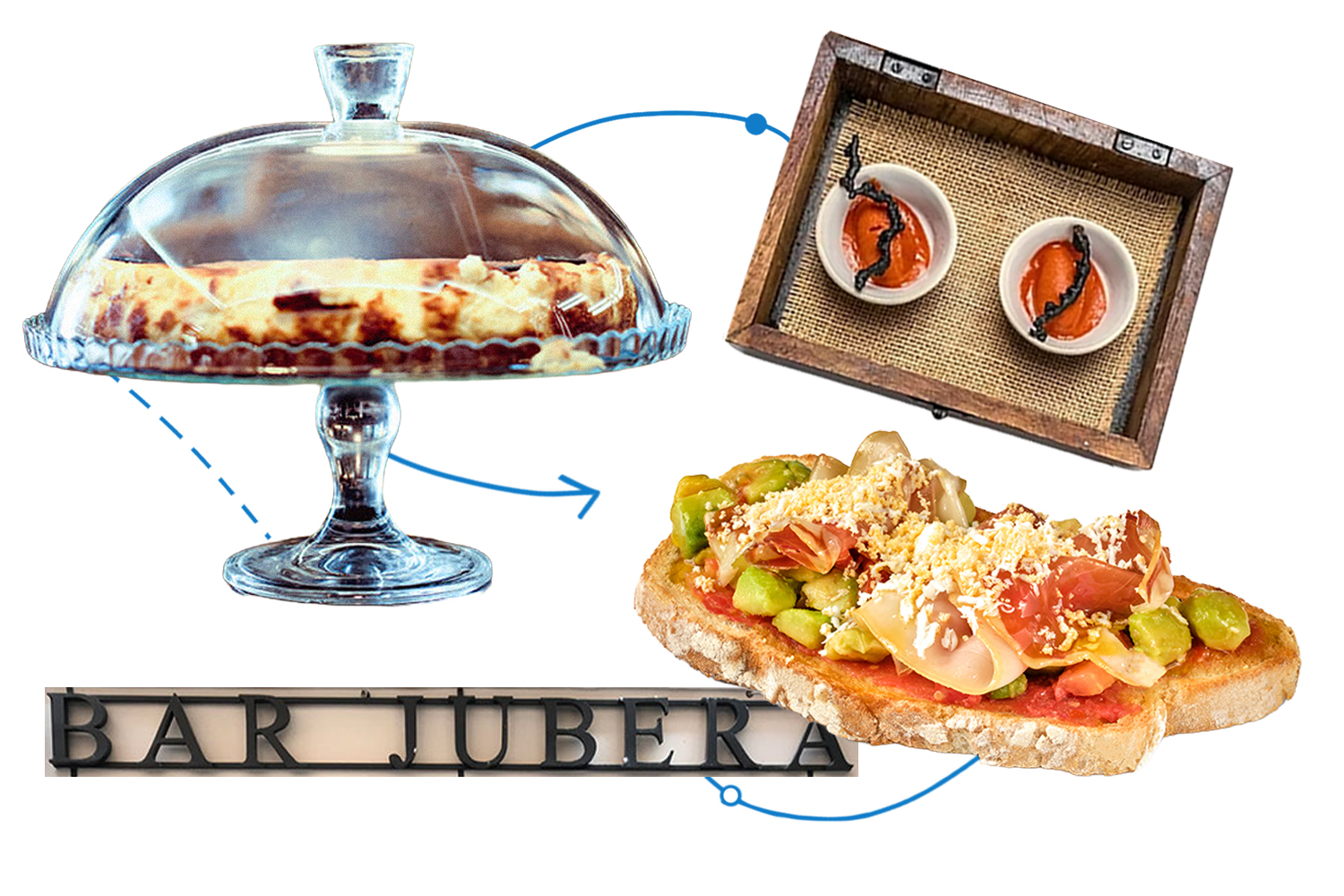
A receptionist at the Áurea Palacio de Correos recommended I stop in at Barrio Bar. Effortlessly cool, it attracts a wide range of locals, but it is the closest Logroño might come to a hipster bar. Not that this should detract you. After all, Barrio Bar offers €5 Negronis, Vermouth on tap and very affordable draught beer (for €3). On my first night back in Logroño, I met two good friends here, both born and raised in Logroño: Jesus del Rio, founder of the La Rioja digital news and lifestyle publication, Nueve Quatro Uno, and his wife, Rosa Larrea, whose family owns a great small winery, Caecus, in Rioja Alavesa, just outside of Logroño.
Over cocktails and beers, they advised me on where I should go in the morning. Jesus, who goes by the diminutive Chus, suggested Cafe El Pato, one of the few cafes in town that roasts their own coffee beans. Rosa suggested Cafe La Tertulia for their very Spanish breakfast offerings.
Cafe La Tertulia and Cafe El Pato
I pointed myself to 20-year-old Cafe La Tertulia first. With a floor-to-ceiling glass facade and huge illustrations of old Logroño streets on the walls, the cafe bustles with locals getting their morning caffeine fix. Grab a marble-topped table or a place at the wooden bar counter. The person behind the bar may not know your name, but she knows the name of everyone else who frequents the place. I ordered a Campero Desayuno, a set breakfast with coffee, orange juice and toasted bread topped with tomato sauce and olive oil. When I asked the woman behind the bar where they source their bread, she refused to tell me.
On to Cafe El Pato, the spot that Jesus del Rio recommended, where I hoped they might be more open to my questions. Located across a narrow lane from the city’s nearly-century-year-old Mercado San Blas, Cafe El Pato (aka “The Duck”) has been here since 1998, but the family-owned business goes back to 1923 when they began roasting beans. Today the fifth generation of the Martinez family runs the place. I cozied up to the marble bar and ordered an espresso. Nuria Santodomingo, the woman behind the bar, an employee for 15 years, said that originally the name was meant to be El Gato (the Cat), but because of a name licensing dispute, it became El Pato (the Duck).
There are glass display cases along the bar where you can order croissants, bocadillos (small bun-shaped sandwiches stuffed with eggs and jamon Iberico) and emperidados — a name that is particular to La Rioja: sandwiches made with white sandwich bread and filled with tomatoes, cheese, ham and mayonnaise (not unlike tramezzini, the Turin-created breakfast sandwich now found at bars all over Italy).
Nuria Santodomingo suggested that I head to De Torre Gourmet next, a classic La Rioja gourmet food market, a seven-minute walk from there.
De Torre Gourmet
Open since 1962, De Torre Gourmet is a provision shop that is also a gourmand’s version of heaven: think jamon Iberico, olive oil from La Rioja, foie gras, truffles, goat cheese from a nearby farm in La Rioja and chocolate-covered marzipan called Riojanitos, among countless other local delicacies. You can also pick up a gift basket of La Rioja-produced food products here.
Alvaro, the manager, said I should have lunch at La Chispa Adecuada.

The Journey by InsideHook
Join over 100K travelers seeking trip ideas, the latest travel news, and all the inspiration you need for your next vacation.
La Chispa Adecuada
I’ve eaten at La Chispa Adecuada a small handful of times and I always welcome another reason to come here. Helmed by talented owner and chef Oscar Torres, La Chispa Adecuada has a menu inspired by Toress’ travels around the world. He infuses worldly ingredients with Spanish technique and recipes. So, expect dishes like red shrimp tartar infused with kimchi and green curry on a shiso leaf, a lentil-and-duck stew spiked with ginger and smoked sesame oil, and a meatloaf filled with pig’s trotters and ears and glazed with an apple-and-star-anisse mole sauce. La Chispa is the best restaurant in Logroño, if not in the entire region of La Rioja, to not (yet) have a Michelin star.
When I asked Chef Torres where I should go next, he said, “Go to Baco, a new-ish wine shop nearby. The owner, JuanJo, “es muy majo” — translation: very nice.
Baco Vino y Experiencias
Opened in Autumn 2024, Baco Vino y Experiecias recently was awarded Specialty Wine Shop of the Year at the International Wine Challenge Industry Awards. Owner JuanJo Muñoz earned a master’s degree in sommelier training in London and studied at the Basque Culinary Center in San Sebastian. Baco stocks bottles from about 1,000 different wineries, the lion’s share of which come from La Rioja. For the wine-loving visitor to Logroño, Baco is worth seeking out to discover a bottle from a small grower, of which JuanJo — short for Juan Jose — is happy to help. They also have a nice selection of locally made olive oil.
Juan Jose eschewed the Michelin-starred restaurants and the obvious choices for a good dinner and suggested I go to Iruña, an old-school restaurant in the historical center of town.
Iruña
Begun as a bar in 1956, the founders of old-school Iruña quickly expanded the space into a full-blown restaurant. Iruña is the Basque word for the city of Pamplona, known more for its weeklong debauched bull-running festival than for its food. But have no fear, Iruña is a great spot to sit down and have a hearty dinner — crispy and juicy roasted suckling pig, a stew with creamy white beans and mussels, and hake in a slightly tangy salsa verde.
I asked Mateo Velasco, a server at Iruña, where he likes to go in the morning and he immediately said Bar Tizona. Good choice, Mateo!
Bar Tizona
In Logroño, as well as the region it is the capital of, La Rioja, and other swaths of northern Spain, when friends suggest meeting up, they say, “Let’s go for a pincho,” or tapa. And the pincho in question is the tortilla de patatas.
Winner of the best tortilla in Spain multiple times, 61-year-old Bar Tizona is top dog in town for the tortilla. It lives up to the hype: It’s creamy; It’s mocosa (runny), as it should be; and it has a wee bit crispy texture from the roasted potatoes. In Rioja fashion it comes with a dollop of chili sauce to add a bit of a kick. Like in Ireland when you ask for “a pint,” and the bartender starts pouring a Guinness, at Bar Tizona (which serves about a dozen other pinchos or tapas dishes), you can simply say you want “un pincho” and you’ll get a slice of the best tortilla in Spain.
You don’t have to reserve the mornings for a tortilla at Tizona — people gravitate here at all times of the day to feast on a tortilla — but morning is as good as any.
When I asked master tortilla maker and Tizona owner, Carlos Olabuenaga, where I should have lunch that day, he didn’t hesitate to say Ikaro.
Ikaro
Husband-and-wife team Iñaki Murua and Carolina Sanchez are the chefs at this inventive Michelin-starred spot. The menu at Ikaro is a fusion between Murua’s Basque upbringing and Sanchez’s heritage in Ecuador. (She’s also a judge on MasterChef Ecuador.) The result is culinary fireworks. The menu changes with the seasons, but expect flavor-popping dishes like tuna belly with pine nuts and leeks and Rioja red peppers with goat buttermilk and trout roe.
It was my second time at Ikaro and I enjoyed it even more than my previous visit. When Chef Iñaki came out to say hello, I popped the question: where should I go next, perhaps for dinner tonight? “Five minutes from here is Calle del Laurel, so I’d suggest you do a tapas crawl there, but make sure to hit Bar El Perchas and Soriano — those are my two favorite places on Laurel.”
Calle del Laurel
About the length of two football fields, narrow Calle del Laurel is flanked by about 80 different, diminutive tapas bars where you can pop in, order a glass of wine (think: €2 to €5 for a high-quality Rioja), and eat a pincho. When you’re done, pop into another place and do it all over again. You can make an entire night of this, plus nearby is Calle San Juan which is the less famous, but equally fun and delicious pincho-bar-crammed street.
At Bar El Perchas, they only have two items on the menu: a battered and fried pig ear sandwich and a spicy pig ear sandwich. This small spot is exemplary of the spirit of Calle de Laurel: a pinchos bar that specializes in just one thing.
Chef Inaki Murua’s other favorite Laurel spot is Soriano, which also specializes in just one thing: grilled garlicky mushroom caps. And they are a must for anyone. The mushroom caps, stacked high and stabilized with toothpicks, arrive on a slice of a baguette, which soaks up all the buttery, garlicky goodness.
A few other places on Laurel to go include Bar Sebas for one of the best tortilla de patatas in town, and Bar Jubera, which specializes in crispy patatas bravas.
The Gems I Found Myself
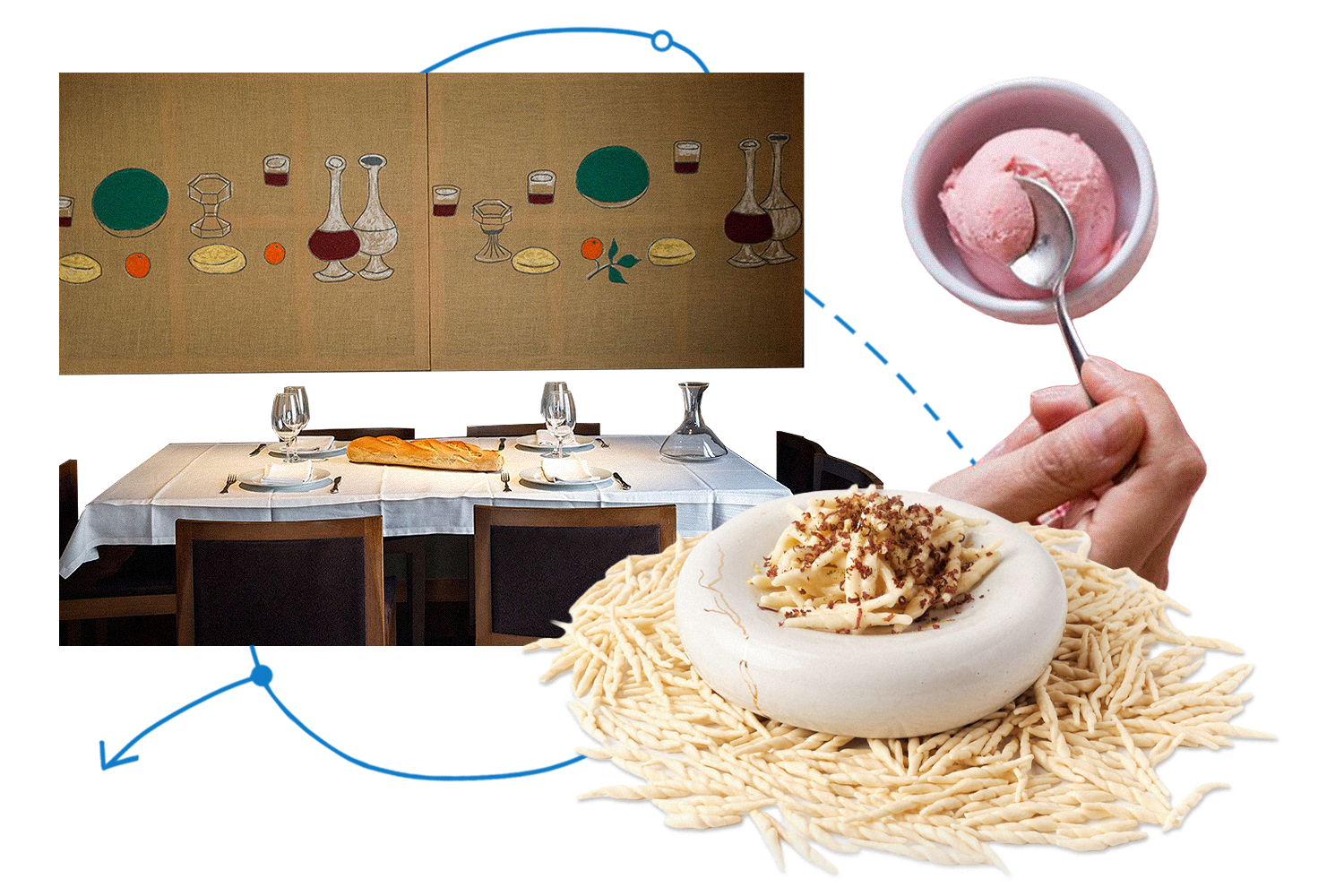
Because I’ve made a dozen or so visits to Logroño (sometimes spending four to six weeks here per trip), I have my own list of favorites that I’ve found, thanks to recommendations from local friends.
Wineries of Logroño
You can’t visit La Rioja without hitting a winery or two, right? Right. Fortunately, there are a handful of Rioja wineries right in Logroño. You can find bottles of Arizcuren in 30 different Michelin-starred restaurants on four different continents. Or you can find bottles at the winery in the center of Logroño. Javier Arizcuren is the fifth generation to be making wine in La Rioja. For €35, you can take a tour, seeing how the wine is made, strolling through the cellars, and, of course, tasting the wine (up to four different varieties). The winery has a reputation for making great wine with lesser-known Rioja grapes, such as mazuelo and maturana.
Just across the Ebro River is Franco-Españoles Winery, which has been producing vino here since 1890. Hemingway even mentioned the winery in his book, “Death in the Afternoon.” For about $30, you can get a tour of the vast complex, plus a tasting.
Just behind Franco-Españoles is Viña Ijalba, an organic winery that has been rescuing nearly extinct heritage grapes for three decades. For under $30 per person, you can take a tour of the facilities, including the vineyards, a museum, the winery and taste three premium wines and snack on slices of chorizo and queso camerano, a local goat cheese.
Check out Bodegas de Logroño to see the rest of the wineries in Logroño.
The Journey Awards
It’s a big world out there. Here are the boutique hotels, unforgettable destinations and singular travel experiences worth your time.Juan Carlos Ferrando
Elegant, understated and sophisticated, Juan Carlos Ferrando’s eponymous restaurant in the center of Logroño is one of the best fine dining experiences you can have in the region. There are two prix-fixe menus to choose from — one short and one longer — as well as an a la carte menu. Menu items not to miss include the breaded lamb sweetbreads, the boneless pig’s trotters and, if it’s on the menu, the chuletón (the thick, juicy ribeye — one of the best versions in town).
DellaSerra
Fernando Saenz is an ice cream wizard, like the Ferran Adria of ice cream. And his centrally located ice cream shop, DellaSera, has won numerous awards, including best sweet shop in Spain at the prestigious Madrid Fusion food conference. Flavors change with the season, but expect six-month-aged goat cheese and blueberries, raspberries and vinegar, organic matcha and mint, and grilled pineapple. Saenz is also inspired by scents — evidenced by his ice cream flavor with fig, fennel and fenugreek, all smells you might pick-up when walking on the Camino de Santiago, which goes through Logroño.
Sala Amos Salvador
Opened in 1979, Sala Amos Salvador is a fantastic exhibition space housed in part of an erstwhile convent from the 14th century. Exhibitions are constantly changing — they’ve shown the work of Pablo Picasso, Joan Miró, Richard Serra and Concha Jerez, among others — but whatever is on, it should be good. Plus, entrance is free.
Taberna Herrerias
Housed in a 16th-century palace in the center of town, 90-seat Taberna Herrerias doesn’t have a menu. Instead, a server will show up at your table with a large placard on an easel listing that day’s edible offerings. There’s usually a chuleton on the menu, a thick ribeye that is barely cooked yet oh-so-edible. If the huevos rotos con trufas — eggs on a pile of fries and sprinkled with black truffles — happens to be offered that day, don’t hesitate. Same with the fried anchovies from Cantabria.
Hedonista
Opened in Summer 2024, Hedonista is one of two serious cocktail bars in Logroño (the other is nearby Clandestino). Rioja-born cocktail master Gorka Peciña is behind the bar here, shaking and stirring up an array of inventive and classic cocktails, such as local Rioja wine mixed with lychee liqueur, rose syrup and grape fruit soda. Service can sometimes be slow — even on slow nights, bartenders can walk by an empty cocktail glass 17 times before a patron has to flag them down to ask for another — but the high quality of the drinks make up for it. Plus, the gin and tonics — or gintonic, in the local parlance — are very nice and refreshing here.

More Like This


We're always on the scene eating, drinking and traveling near and far to bring you the best of what's happening out in the real world. Sign up for IRL now.