“Indie Sleaze” Fully Infiltrated Paris Fashion Week
Brands including Ann Demeulemeester, Rick Owens and Yohji Yamamoto rule the Paris runways and louche after parties

David Lynch once declared: “I hate slick and pretty things. I prefer mistakes and accidents.” Such a statement rings true for Silencio: the filmmaker’s fictional-turned-reality club which he designed three storeys beneath Paris’ bustling Rue Montmartre. Tunnelled walls of rough, gold-painted blocks connect each of its cavernous rooms, within which you’ll stumble across some of the most unique characters from the city of light. Last week, however, they came more from the city of sleaze — indie sleaze, that is — as the subcultural segments of fashion week flocked to the club for a night of messy yet stylish disarray.

Despite originally rising outside of the French capital (specifically in the US and UK with the success of bands like The Strokes and The Libertines), the grimy, leather-coded wardrobe found its way in Paris through French electronic groups like Daft Punk and Justice. Marrying its guitar-driven foundations with more punky, technological touches, its heyday years of 2006-2012 marked a key fusion between modern fashion and music: one that balanced both through an imperfect (and perhaps accidental, as Lynch so fondly loved) state of DIY artistry.
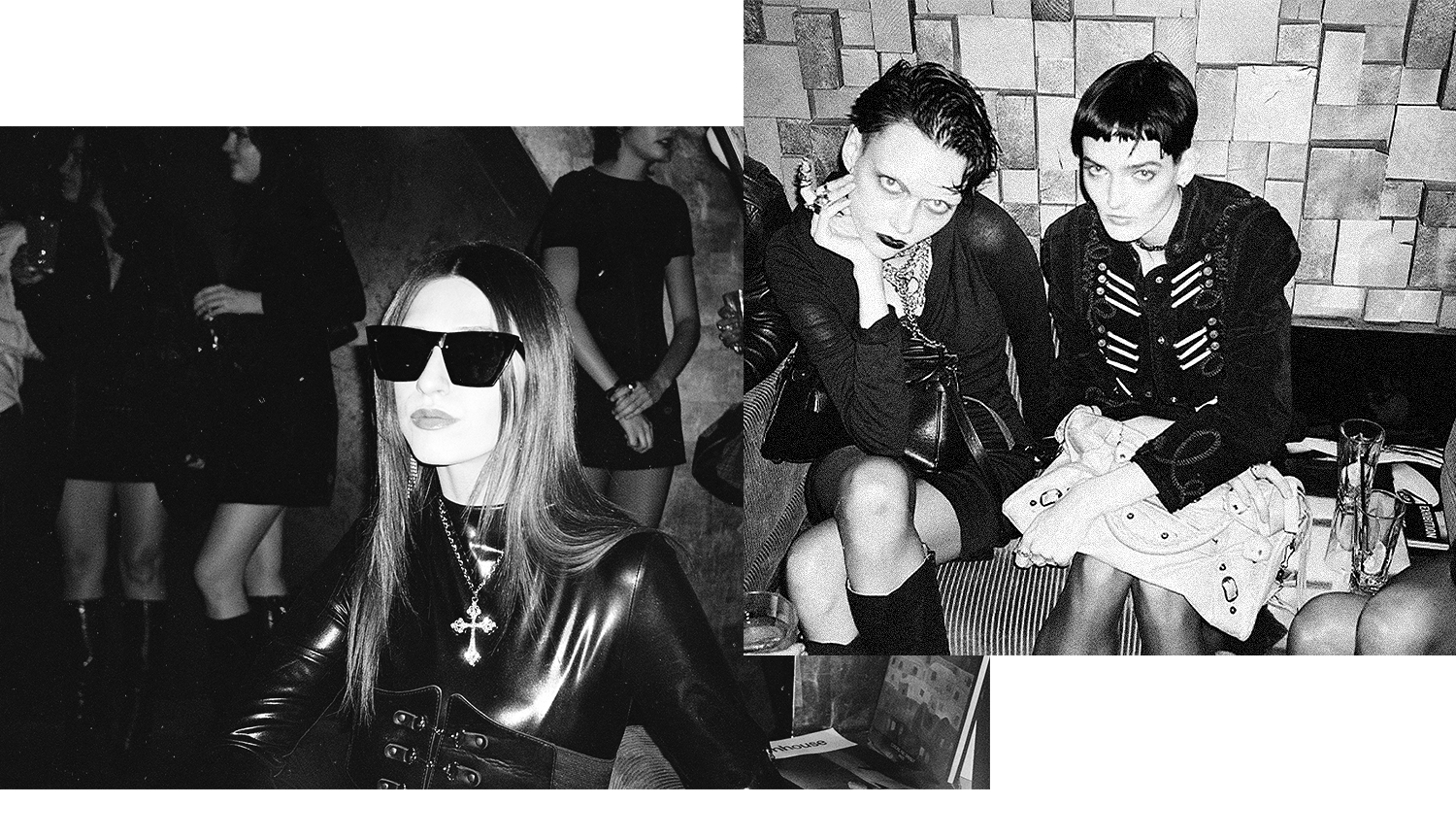
This specific zeitgeist shifted parts of both industries to a point of higher accessibility, and more than a decade later, the collaboration continues. Only this time, the solidified roots of indie sleaze are assuming their aura in a newfound setting: the luxury fashion calendar.
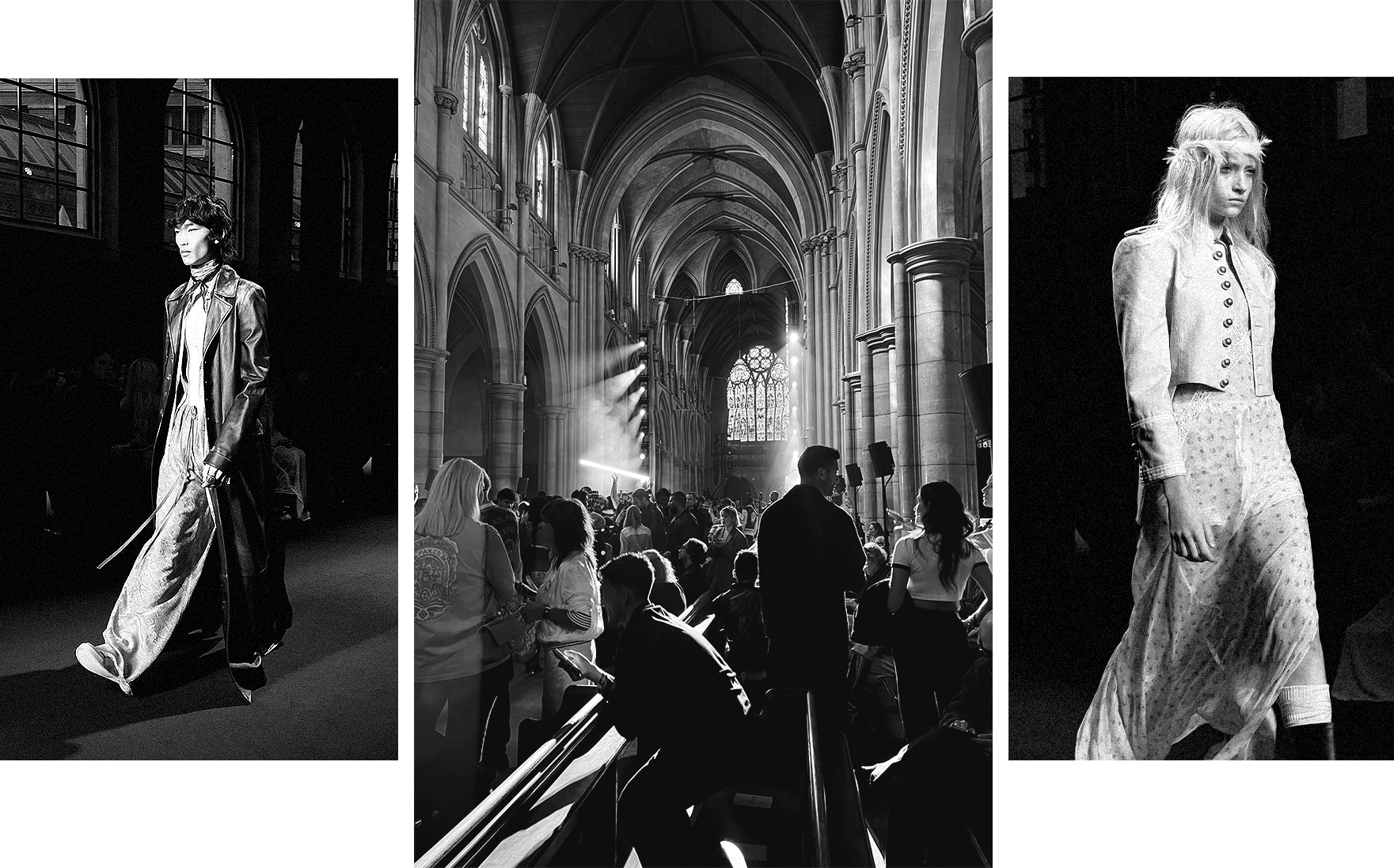
Back to Silencio, the place where this point became clear. The host for the night was Ann Demeulemeester, a cult Belgian brand defined through darkly romantic and intentionally distressed silhouettes. With many design sensibilities synonymous with indie sleaze culture, the love for the label amongst Paris’ youth has accelerated even more since the 2023 appointment of Stefano Gallici, a Creative Director whose penchant for alternative music is just as strong as that for alternative clothing. Bringing a community of real rock and punk enthusiasts to the luxury label, his Spring/Summer 2026 afterparty welcomed a sea of black-textured guests — expressing their left-field senses through cropped leather jackets, teared up t-shirts, baggy waistcoats, skinny jeans, distressed knitwear and silver chained jewelery. There they danced as DJs blasted all kinds of songs from the aforementioned era.
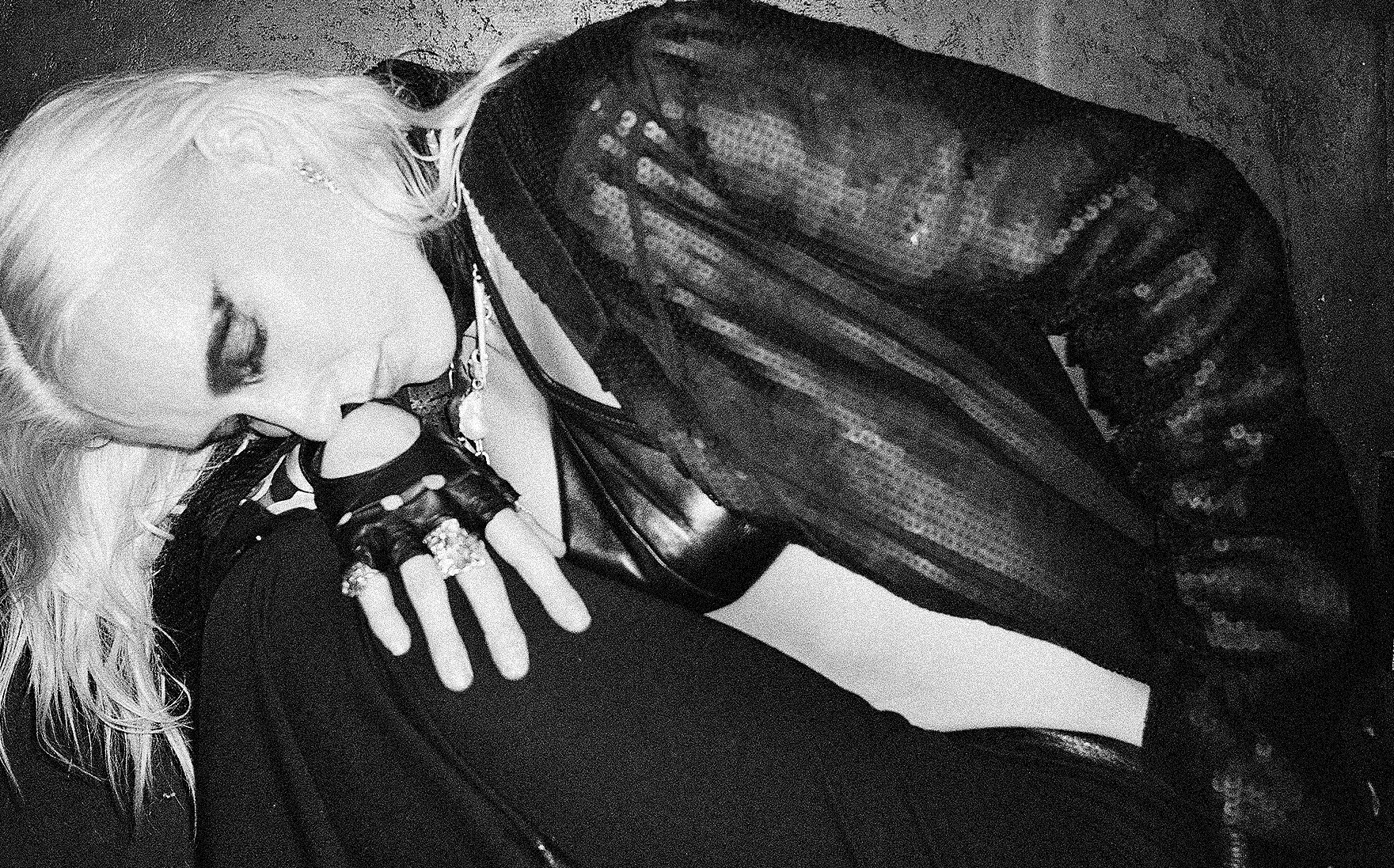
While it undoubtedly thrived during this night, the presence of indie sleaze at Paris Fashion Week was far from limited to the Lynchian club. In the days leading up, the same cultural crowd made their identities clear for similarly-devoted brands like Rick Owens, Enfants Riches Déprimés, Yohji Yamamoto and John Richmond. With it, the division between what has long felt like two separate style segments — luxury and DIY — eroded in an instant. It was a refreshing moment to feel both for fashion and for Paris itself, as the impact of the artist — high- and low-brow alike — has long been inherent to the charm of the city. To feel this representation for the alternative (and genuinely stylish) type during the most officially stylish week marked an exciting moment for the future of the fashion industry.

That being said, the presence of this style is evident well outside of Fashion Week, as they’re all actual Parisians who swarm the French capital with their angular sense of dress. Easy to spot on any night at the terraced café’s of Pigalle, Le Marais or Strasbourg Saint-Denis, the authentic appeal of this grunged-up youth only serves to remind us that Paris is still (and will likely always be) on the pulse with coolness and culture. So do yourself a favour and embrace a dose of the dress code yourself – that is, if you’ve got the musical knowledge to go with it. After this, Paris awaits.
Photography by Faye Fearon