
What’s the one thing your dad cooked that you still think about? It’s a question I asked 39 chefs across the country in anticipation of Father’s Day this month. I wasn’t necessarily looking for recipes, but rather memories, a dish that made an impact on them, even if it was as simple as a slice of buttered toast.
For me, this dish is undoubtedly birdie in the nest. My dad is an excellent cook, but this simple morning meal is still my favorite. When I was a kid, breakfast wasn’t typically something my dad prepared. So when he made birdie in the nest — an egg cooked in a hole cut out of a slice of bread — it felt really special. He still sometimes makes it for me when I visit my childhood home, and it’s just as wonderful as the first day I tried it.
So many chefs have similar stories, which I’m very excited to share below.


The Fresh Catch
“Some of my earliest memories are out on the cold, bright waters of Sweden, fishing for mackerel with my father. Maybe he was trying to teach me about patience, but what I remember most is simply having that time together, sharing stories and enjoying the quiet moments between catches. To this day, whenever I make pan-seared mackerel, I think of my dad. I like to keep it simple and delicious, serving it with a wild fennel potato salad and brown lemon butter. It’s a dish that reminds me of where I come from and how food has the power to connect us to the people and memories that shape us.” — Chef Marcus Samuelsson, Hav & Mar and Metropolis
“When we lived in Mississippi, fishermen from the Gulf would come up to Jackson, set up a small stand in a grocery store parking lot and cars would line up to get the fresh catch. My dad would get tuna or swordfish steaks every time. He’d throw them on the grill and hit them with a ton of fresh lemon juice. We’d sit outside on the back deck and have a simple family weekend dinner with this incredibly fresh fish, and those were always the best meals during the summertime.” — Zach Engel, chef of Galit and Cafe Yaya
“The most special meals were on our summer vacations spent camping on the beach in Montauk. We boiled lobsters on the campsite, and my dad shucked clams and oysters by the dozen, sometimes with fried fluke from our day trip on a fishing boat called The Lazy Bones. It’s where my love of the sea and the food we harvest from it began.” — David Standridge, executive chef and partner of The Shipwright’s Daughter
“In late spring, my father would wake me before sunrise to drive from the Detroit area to Lake Erie. We’d done a bit of deep-sea fishing together, so perch fishing seemed both cold and anticlimactic. The reward came when we got home, cleaned and gutted the perch and put my great-grandmother’s cast iron on the stove. My dad would coat the perch with salt and breadcrumbs and pan-fry them in oil and butter. We’d stand by the stove and eat them as soon as they were cool enough, with just a squeeze of lemon. It’s my favorite food memory, and I miss him every day.” — John Manion, chef of El Che Steakhouse & Bar and Brasero
“Some of my strongest childhood memories revolve around two things: cooking and fishing. My dad taught me how to fillet fish at a very young age, and we spent countless hours on the water together. In the summer, we’d eat a lot of what we caught and what we grew in our garden. The dish I think about most was freshly caught striped bass, lightly dredged in Wondra flour and sautéed with bacon, sweet corn, tomatoes, basil and Parmesan. It was simple, seasonal and tasted like summer. Dad would almost always serve it with his cornbread soufflé, baked in a cast-iron pan on the grill.” — Nicholas Dixon, chef and owner of Dalia
“I was born and raised in Kumamoto Prefecture, Japan, and some of my fondest memories are of sharing meals with my father. He loved fishing and spending time enjoying the mountains, forests and sea, and his favorite fish to catch was white fish, especially snapper. After a successful day on the water, he would bring the fish home, skillfully butcher it and prepare sashimi for our family to enjoy together. The sashimi was always accompanied by shoyu, a fermented soybean sauce that my grandmother made by hand each year.” — Takashi Hayashida, chef de cuisine of WAKUDA
“Growing up in the mountains of Colorado, my most impactful food memory with my father was his brook trout. Trout fishing was a cornerstone of my childhood, and my dad had mastered the preparation. Whether stuffed with garlic, lemon and herbs from our garden or smoked over the woodfire, it was always cooked to perfection and stuck with me for life. The respect for nature and its preservation, finding balance and a sense of adventure in life are just some of the lessons that trout taught me, and I will forever be grateful to my dad for that.” — Benjamin Martinek, executive culinary director of Pendry Newport Beach
Roast Chicken
“One of my earliest and most vivid food memories is of my father making a simple roast chicken cooked over potatoes. As the chicken roasted, all of its juices would drip onto the potatoes, making them incredibly flavorful and crispy. It was a very simple dish, but it always felt special. My father showed me that great cooking doesn’t need to be complicated. With good ingredients, patience and care, you can create something memorable.” — Cédric Vongerichten, chef of Wayan and Ma•dé
Chicken Curry
“One of the dishes that has stayed with me most is my father’s chicken curry served with cumin pulao. Even after losing his right hand at the age of 21, his passion for cooking never wavered. His chicken curry was fragrant and vibrant, while the aromatic cumin pulao, made with aged basmati rice from our family’s fields in Dehradun, was the perfect accompaniment. It was honest, comforting food that reflected my father’s generosity, resilience and love for our family.” — Mayank Istwal, chef of Musaafer
Lamb
“My dad cooked a lot growing up, but one dish I always looked forward to in the winter was lamb kapama, a traditional Greek braised lamb dish. The lamb is slowly cooked in a tomato-based sauce seasoned with cloves, cinnamon and bay leaves, giving it a rich flavor with warm aromatic notes. As it simmers, the meat becomes incredibly tender and absorbs all of the spices. My dad would serve it over rice, making it the perfect comforting meal for a cold winter day.” — Jon Karis, executive chef at Chambers
“Dad wasn’t the primary cook in the house — it was either my mum or me. So when dad cooked, it was always really special. He’d slow cook lamb shoulder chops with onion, garlic and regular white potatoes fried in lard. Whenever he had a day off, which were few and far between, he’d make that for dinner. I was probably the most excited kid in my neighborhood.” — Paul Carmichael, chef of Bar Kabawa and Kabawa
Pav Bhaji
“Sunday dinners back home in India were always something I looked forward to because they were cooked by my father, Milind. We’d watch cooking shows together and then try new recipes for our family dinner. One dish that stands out is pav bhaji, a beloved Indian street food. It’s a rich, flavorful vegetable mash cooked with aromatic spices, finished generously with butter and served alongside toasted bread rolls. Some of my strongest childhood memories are from helping him in the kitchen, whether it was peeling potatoes or picking cilantro leaves for garnish. I recently made pav bhaji for a staff meal at Twin Tails, and it instantly brought back those memories of cooking with my father.” — Aditya “Adi” Kangutkar, executive chef at Twin Tails
Dzirdzi
“Growing up in Georgia, cooking was traditionally led by the women in the family, so my mother prepared most of our meals. That’s why it felt so special when my father stepped into the kitchen. There was one particular dish that only he would make, dzirdzi, a traditional, ancient specialty from Western Georgia, rooted in the Megrelian and Abkhazian culinary traditions. It’s made with matsoni (Georgian yogurt), fresh cilantro, mint, green onions, megrelian adjika [a savory, garlicky chili paste] and salt. It is a simple yet deeply comforting dish that is served cold and is traditionally enjoyed with hot elarji, Georgian grits with cheese. It remains one of the most memorable and delicious meals of my life because of what it represented — time with my father, family togetherness and a rare tradition that belonged uniquely to him.” — Tengo Eteria, executive chef at Askili Orchard
Biryani
“I have vivid memories of my father making biryani. It wasn’t something he cooked often, but whenever he decided to make it, it was a full-day project that included the entire house. My father would start the biryani process by taking over this massive stone dining table in the center of the house. He would spread a large linen out, then carefully spread the rice, creating an even layer so it could air-dry properly. He would use saffron to infuse color into the rice, creating streaks of gold and orange across the white grains. Growing up in the 1980s, it wasn’t common to see fathers take such a fierce interest in cooking, but for me, it was completely normal. It’s one thing to eat a great biryani, but an entirely different emotion to watch your father devote that much time and attention to every layer and detail.” — Roni Mazumdar, restaurateur behind Unapologetic Foods

“The Way He Ordered It Was the Whole Thing”: The Stories Behind Dad’s Favorite Drink
An NFL legend’s golf course cocktail, a bourbon historian who made his son “designated shaker” and other tales of fathers and their signature drinksBratwurst
“My dad’s side of the family was all from Madison, Wisconsin, and he was an avid fan of bratwurst and would make them in what he called ‘Sheboygan style.’ This is when you grill the brats first and then put them in a warm beer bath, like an old-fashioned sous vide. Before my dad died, he told me about the ‘real brats’ we couldn’t get in Connecticut: Wisconsin red brats. These are smoked and made with beef instead of pork. After a quick search online, I found State Street Brats in Madison that delivers across the country. They were, of course, excellent.” — Matthew Hyland, founder and culinary director of Emmy Squared Pizza
“In my hometown, the quintessential culinary memory of my father revolves around traditional homemade bratwurst, locally known as ‘roster.’ The ritual was precise: roasting the sausages over white-hot charcoal, then pairing them with a crisp bread roll, hot mustard and a cold beer in hand. Whenever fat dripped from the meat and ignited a flame, my father would immediately extinguish it with a quick splash of beer. The resulting scent of evaporating beer and smoked meat mingling in the air remains a priceless, indelible sensory memory.” — Ralf Schlegel, executive chef of Hotel Bel Air
Veal Blanquette
“One of my childhood memories that is closely connected to food is my father’s veal blanquette. It was a dish he often cooked on Sundays, especially for family gatherings with my grandparents, cousins and other relatives. Veal Blanquette is a traditional French dish, usually served with rice and vegetables such as leeks and carrots. What I remember most, however, is the sauce. When it was done well, it was absolutely delicious, and my father always knew how to make it perfectly.” — Remi Chevallier, executive chef of Bagatelle Montauk
White Asparagus
“I was at an event that my father was cooking at in the Greenbrier Hotel. I must’ve been seven or eight years old — it was my first time wearing a tuxedo. I’ll never forget when I tasted his baby white asparagus in ambush, made with beurre blanc, morels, tomato, Smithfield ham and Crowley cheese. I said to the person next to me, ‘I didn’t know food could taste like this,’ and the person told me it was my dad’s dish. I got made fun of in school because everybody else said hamburgers and hot dogs were their favorite foods, and I raised my hand and said baby white asparagus in ambush.” — Marc Forgione, founder of Respect Hospitality (Forgione and Peasant)
Ful Medames
“My dad rarely cooked dinner at home, but when he did, it was always ful medames. He’d open a couple cans of fava beans, season them with cumin and paprika, bloom garlic and onion in olive oil, fry the mashed-up beans, and finish with diced tomato and a big spoonful of tahini. On the way home, he’d stop at an Egyptian bakery and pick up hot loaves of aish baladi wrapped in newspaper. We were in Doha, and this was how he kept my sister and me connected to the Egyptian food he grew up eating. I still think about it.” — Ham El-Waylly, executive chef at Strange Delight and author of Hello, Home Cooking
Braised Rutabaga
“In high school, I came home to a smell I had never smelled before — and it wasn’t a pleasant smell. I asked my dad, who was standing at the stove, what it was, and he quickly, with much assurance, responded ‘Dinner!’ I reluctantly did the best I could to enjoy ‘dinner’ that night, which was diced rutabaga braised in pork stock until tender and served with hot cornbread and pepper sauce. My dad cooked several meals during my childhood, and I realize now that many of those meals reminded him of his childhood. I will never forget that experience because rutabaga is now one of my favorite things to eat and cook.” — Rob McDaniel, executive chef of Bayonet
Burnt Chicken
“One of the reasons I had to teach myself to grill is my dad was pretty terrible on the barbie. I distinctly remember his blackened chicken cutlets — not in the Cajun blackened spice way, but in the burnt exterior way. Ironically, I still love really aggressive char on my foods and prefer my chicken on the dried side. I know it’s sacrilegious for a chef to say that, but I think the core memory and childhood association wins out over super moist yardbird!” — Jess Pryles, founder of the Hardcore Carnivore BBQ line, author of the cookbook Prime Cuts (October 2026) and judge on the Food Network series Pitmasters
All-American Breakfast
“A simple but delicious breakfast. He always had two fresh eggs, fried bacon or sausage, and we didn’t own a toaster when I was little, so the toast was made in the oven with four pats of homemade butter on each slice of bread. Every time I see a piece of toast, I think of him — a hard-working man who provided for his family. He always said breakfast was the most important meal of the day.” — Kent Rollins, host of Outdoor Channel series Cast Iron Cowboy
Fantasy Fudge
“The old-school Fantasy Fudge recipe from the back of a marshmallow cream jar was a fixture in my family’s home because it was both reliable and memorable: rich chocolate, sweet marshmallow cream and crunchy walnuts coming together in a batch that felt special enough for the holidays. For me personally, the smell of the sugar and chocolate cooking on the stove is as much a part of the memory as the fudge itself. The ritual of watching my dad make it, waiting for it to set, sneaking a piece from the pan and seeing it appear year after year was a tradition I will never forget.” — Erik Sandven, executive chef of Alisal Ranch
Short Ribs
“My dad grew up in Bolton in the north of England, and during the winter months, he would slow-cook short ribs in an English dark ale broth with root vegetables, creating a proper Northern English winter stew — simple, hearty and full of flavor.” — Richard Priestland, head chef of Christine’s on Blackcomb at Whistler Blackcomb
Breakfast Tacos
“Whenever my mom was away, my dad would make breakfast tacos for my brother and me: crispy fried tortillas filled with scrambled eggs, sautéed potatoes and onions, served with ketchup and pickled jalapeños. It was a simple meal that became a cherished family tradition. Most Sundays started the same way: sleeping in, sharing breakfast together and spending the day relaxing while watching a game or a favorite movie. It’s a humble dish, but every bite brings back some of my fondest memories and reminds me that the simplest moments are often the most meaningful.” — Gustavo Pinet, executive chef of Waldorf Astoria Los Cabos Pedregal
Fried Bread
“Growing up, my dad wasn’t much of a cook, but there was one breakfast he absolutely perfected: fried bread. Made with a slice of sandwich bread crisped in a buttered pan, it had the same golden, buttery crunch as the perfect grilled cheese. It was simple, comforting and always felt special.” — Gavin Fine, chef and owner of The Bistro at The Cloudveil
Homemade Salsa
“Growing up, my parents always had a garden, no matter where we lived. One of the staples of every harvest season was homemade salsa made from tomatoes, peppers and other ingredients grown in our backyard. Watching it go from a seed in the ground to a finished jar on the shelf gave me an appreciation for where food comes from and shaped many of the culinary values I carry today. One year, my dad made a batch with our homegrown habaneros that was so spicy, the capsaicin filled the house and we had to clear everyone out. Another year, he entered a local salsa competition, which exposed me to countless different styles and flavors. Those experiences taught me to appreciate seasonality, craftsmanship and the connection between growing food and sharing it with others.” — Kyle Perkins, executive chef of Salt & Meadow at Tides Inn
Grilled Burgers
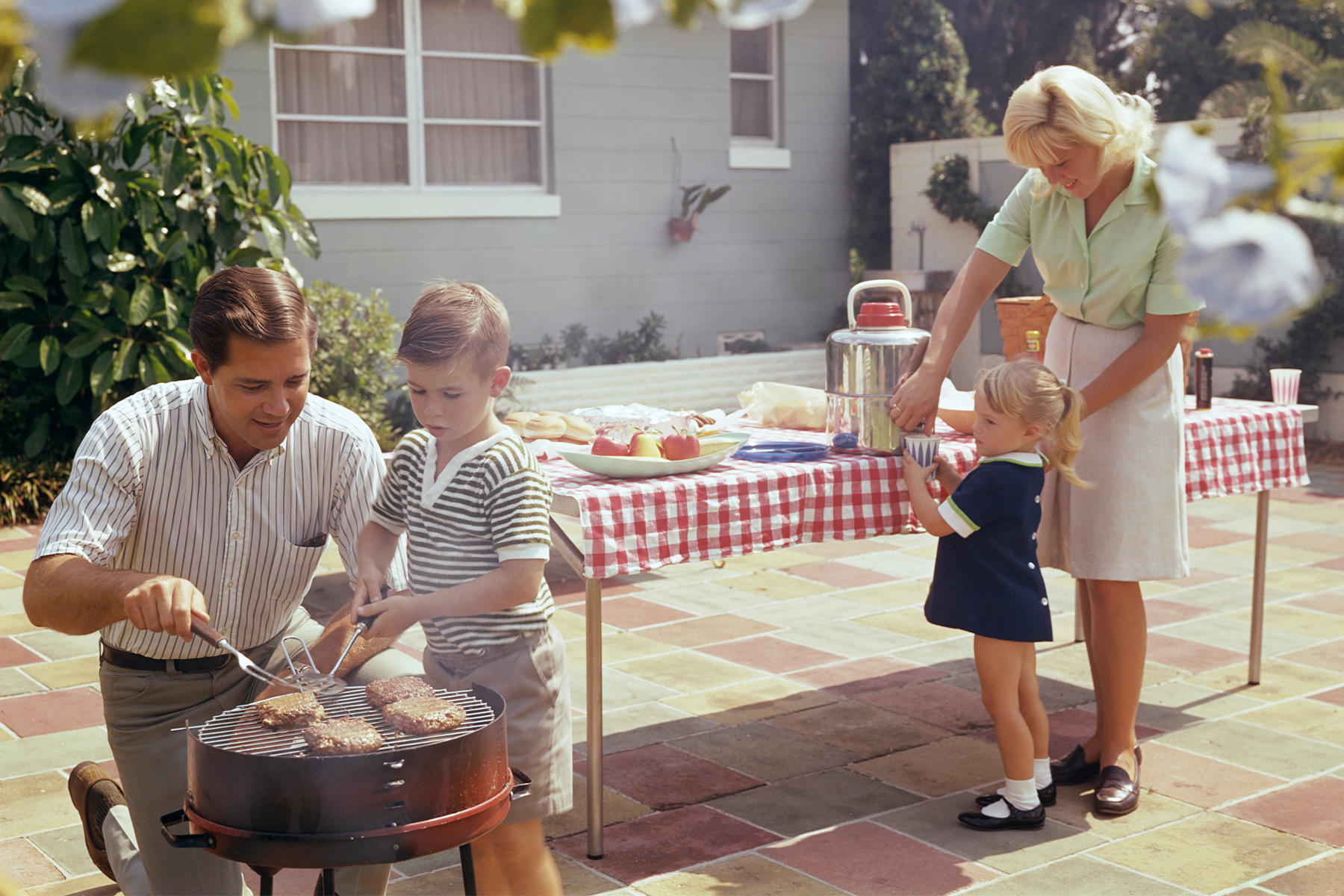
“My dad’s backyard grilled cheeseburgers were always on the menu growing up. They started with fresh, hand-formed patties — most likely a blend of chuck and just the right amount of fat to ensure they didn’t dry out — then seasoned with his blend, usually a base of Lawry’s Seasoned Salt and black pepper. These burgers were grilled to perfection and always finished with American cheese. He buttered and toasted the buns on the grill, too. That cheeseburger to me is a memory of childhood: no school, summertime fun and little responsibility for a couple months. It was perfect.” — Kyle St. John, executive chef of Harvest at The Ranch Laguna Beach
“My dad wasn’t much of a cook, but grilled burgers were one of the meals he made for our family. He had one strict rule: absolutely no onions. I grew up never eating them and avoided them for years. Those burgers and that rule ended up sticking with me in a way he probably never expected. Learning to work with an ingredient I’d spent my whole childhood avoiding was definitely a challenge, but it taught me to always keep an open mind in the kitchen.” — Stephen Greer, chef of The Rally Hotel
Fried Rice Omelet
“Growing up with a split household, I saw my father mostly on the weekends and breaks from school. I still remember the dish I would look forward to eating every weekend with him: his fried rice omelet. Although it was a very simple dish, he used a lot of technique making it. As a child, I never realized the amount of practice you need to make a massive French trifold omelet, and only after attending culinary school would I learn the skill level needed to cook that way.” — Shawn Nakagawa, executive chef of Hideout at The Laylow Restaurant
Easy Shepherd’s Pie
“My dad is probably the worst cook I know, so his meals were about as simple as it gets. Growing up with my parents separated, I would spend every other weekend at his place, and he always did his best to put something together. There’s one meal that’s very nostalgic for me, though I’m not even sure it has a real name beyond what I’ve always called ‘easy shepherd’s pie.’ He’d cook a pound of ground beef and season it with Lawry’s. Then he’d warm up a box of instant mashed potatoes and mix the meat right into them. It was far from fancy, but after a long day of playing outside, it always hit the spot.” — Brandon Sloan, executive chef of Pendry San Diego
Chicken Soup
“I would get excited walking in the door when that steamy wall of chicken broth hit my nose. It felt like a warm hug. Upon entering the kitchen, I’d see that old pot sitting a little off-kilter on the burner while my dad skimmed the fat from the top. The chicken would be picked, the thin noodles cooked and everyone could serve themselves with a loaf of good bread on the table. That’s how he did it, and that’s how I do it today.” — John Ondo, executive chef of Peninsula Grill at Planters Inn
Sancocho
“One dish I still think about is sancocho. Growing up in Colombia, my dad and I would make it together outdoors over a wood-burning fire. We would gather many of the ingredients from my grandmother’s finca, where she grew yuca, plantains, herbs and vegetables. I can still remember spending the day with my father preparing the ingredients, tending the fire and watching the pot slowly simmer while family and friends gathered around. It wasn’t just about cooking — it was about learning from him, connecting with my family and appreciating where our food came from. Even today, the smell of wood smoke and a pot simmering over an open flame immediately takes me back to those unforgettable days.” — Juan Cabrera, chef of Marela and Farmhouse Inn
Braised Pork Loin
“Braised pork loin with mashed potatoes was my father’s favorite comfort meal and a staple in our home growing up. It was one of those meals that felt special every time we had it, and it’s one of the dishes that shaped the way I think about food today. I learned that every ingredient has a purpose and every step matters. More than anything, it taught me that food is love. It’s about bringing people together, showing care through the time and effort you put into a meal and creating memories that stay with you long after the table is cleared.” — Yulissa Acosta, chef de cuisine of Mountain Shadows Resort Scottsdale
Bombay Goat Keema Pav
“Bombay goat keema pav is a classic comfort dish made with minced goat meat slowly cooked with onions, tomatoes, ginger, garlic and warming spices. It is traditionally served with butter-toasted pav, fresh onions and lime. Every Sunday evening, my father would bring home fresh pav from the neighborhood bakery. The goat keema would simmer while cricket played in the background and the family gathered around the television. I was fascinated by his attention to detail — the pav had to be toasted with just the right amount of butter, the onions freshly chopped and the lime squeezed at the very last moment.” — Abhishek Botadkar, executive chef of Bhaijaan
Dumplings
“Back in China, my grandfather and I used to make pork and fennel dumplings together, and he taught me the most important cooking technique is stuffing. Stuffing is about understanding the balance between starch and flavor. Compared to cooking with fire, which is often about watching, listening and feeling the heat, stuffing is about touch. You learn how to fill something, how to wrap it and how much pressure to use with your hands. Even now, when I teach my line cooks how to make these dishes, I have to teach hand-to-hand. They are not just recipes, they are techniques passed down through touch, memory and family.” — Cody Mao, chef of 28 Nomad
Crab Fried Rice
“Crab fried rice is a pretty common Thai dish, but my grandpa’s preparation was pretty unusual. His secret weapons — curry powder and butter — gave the dish a unique flavor and aroma. My grandma usually cooked every meal for my family, but let grandpa take care of crab meat fried rice because she knew he made the best. We all loved it. Using butter was rare and really uncommon for Thai cooking back in the day. That’s why this dish is such a special treat that brings back such warm childhood memories.” — Chuck Valla, chef and owner of Valla Table
Meatballs
“I spent my childhood with my paternal grandparents in Catania at the base of Mt. Etna in a house where they produced hazelnuts. Nonno Nino was known as the ‘king of hazelnuts,’ but what I remember the most were his meatballs. He made them with veal, eggs, milk, parsley, breadcrumbs and lots of love. He would cook them in a tomato sauce that took him six hours to make. To this day, they take me back to my childhood in Sicily.” — Salvo LoCastro, chef and owner of Casasalvo
Portuguese Prawns
“I remember my father cooking carabineiros, large Portuguese scarlet prawns, similar to tiger shrimp. Carabineiros were a very premium ingredient, and we did not come from a lot, so having them on the table meant something. He would broil them and make an intensely flavorful broth from the heads. He cooked them with garlic and bourbon, creating this deep, rich flavor of the sea. Every time I eat them now, I remember those days — sitting at the table with my family, eating these incredible prawns and watching my father cook something that felt rare and important.” — Nuno Sousa, chef of Leitao

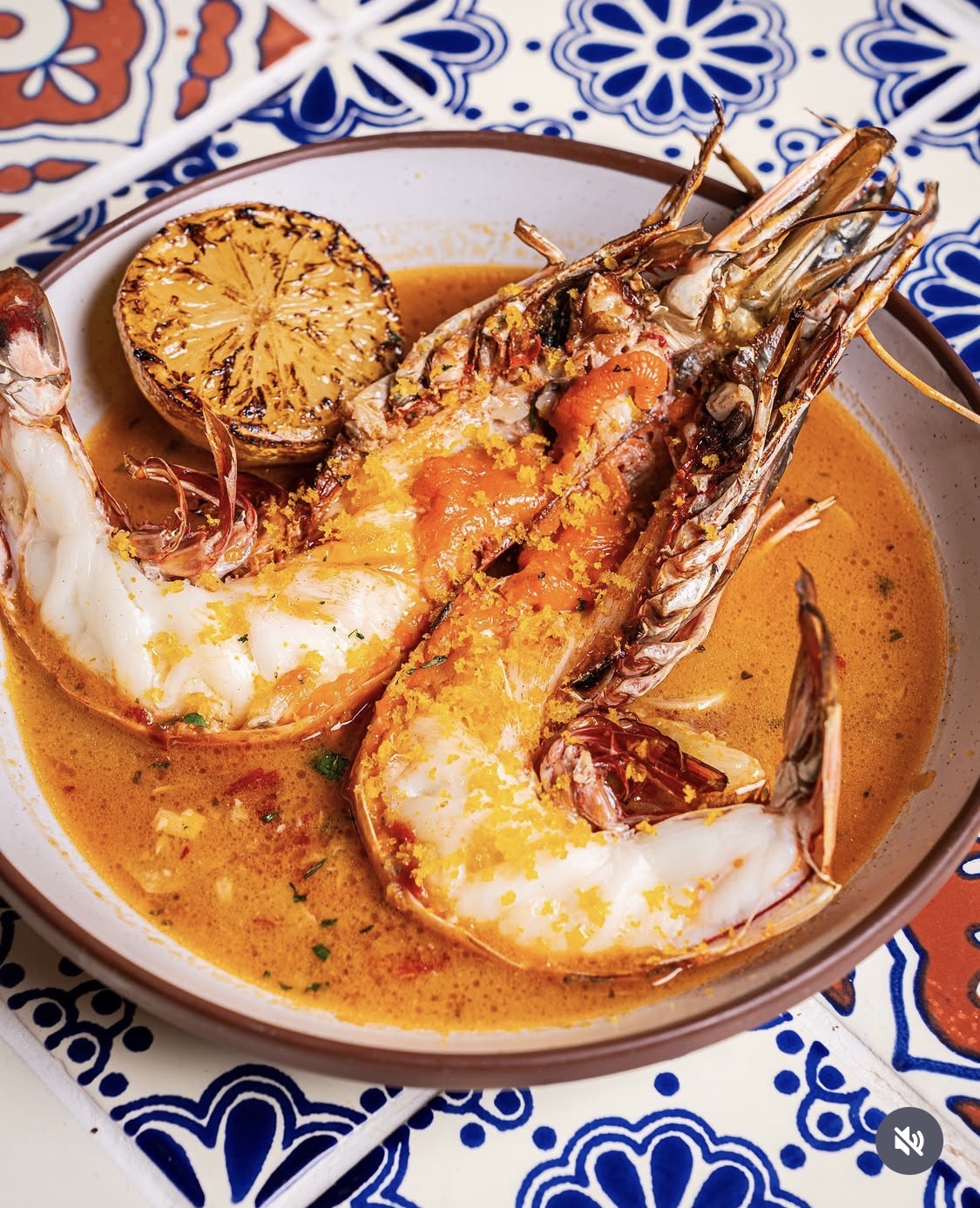
Leitao's Portuguese Garlic Prawns
Servings: 4
Ingredients
- 8 large head-on prawns or carabineiros
- 6 garlic cloves, sliced
- 2 bay leaves
- Olive oil
- .5 cup beer
- 1 tsp. Portuguese piri-piri or Calabrian chili oil
- 2 Tbsp. butter
- Maldon sea salt
- Lemon
- Bottarga or cured fish roe, for finishing
- Crusty bread, for serving
Directions
-
-
Remove the heads from the prawns and set them aside. Season the prawn bodies with olive oil, garlic, bay leaves, Maldon sea salt and a touch of piri-piri.
-
In a hot pan, roast or fry the prawn heads with olive oil until deeply aromatic, pressing them to release their juices. Add garlic, bay leaves and beer, then reduce slightly. Blend everything into a sauce, strain it and finish with butter, lemon, Maldon sea salt and a little more piri-piri, if desired.
-
Grill or sear the prawn bodies over high heat until just cooked. Spoon the sauce over the prawns and finish with grated bottarga or fish roe.
-
More Like This

This article appeared in an InsideHook newsletter. Sign up for free to get more on travel, wellness, style, drinking, and culture..