The Drinking Culture of China
Baijiu, craft beer and a scene quite unlike its Western counterparts

To celebrate the incredible drinking cultures of Asia, we dove deep into eight different countries to get to know a little more about what’s in their glasses and how it got there in the first place. Click here to see them all.
Day-to-day life in China is as seamless as a steel ball, characterized by unparalleled efficiency, from almost-instant delivery of everything from dry-cleaned clothes to dandan noodles, cashless payments via apps and high-speed transportation you can set a clock to.
But for westerners observing China, penetrating and understanding Chinese life and culture can be as challenging as penetrating a steel ball with a fingernail. We don’t have the right tools. Comparing what passes for drinks culture in China to what passes for drinks culture anywhere in the West is the wrong approach.
“We approach alcohol in China very differently than Western cultures do,” says Fongyee Walker, Master of Wine, educator and wine judge based in Beijing. “Chinese people don’t understand how Westerners drink, and Westerners don’t understand how Chinese people drink. Alcohol has been present in Chinese culture for thousands of years, but it hasn’t been consumed in the same way, because we had tea.”
Indeed, the lack of central, safe water systems across the world thousands of years ago presented safety challenges that were overcome in different ways in the West and China. In Medieval times, even children in Europe were given very weak cider or beer, because the alcohol killed the bacteria in the water.
Tea was “invented” in ancient China by Emperor Shen Nong in 2737 BCE, according to legend. In China, the act of boiling water for tea eliminated bacteria, and even though alcohol was produced and present, it never became embedded in everyday culture in the same way it did in the West.
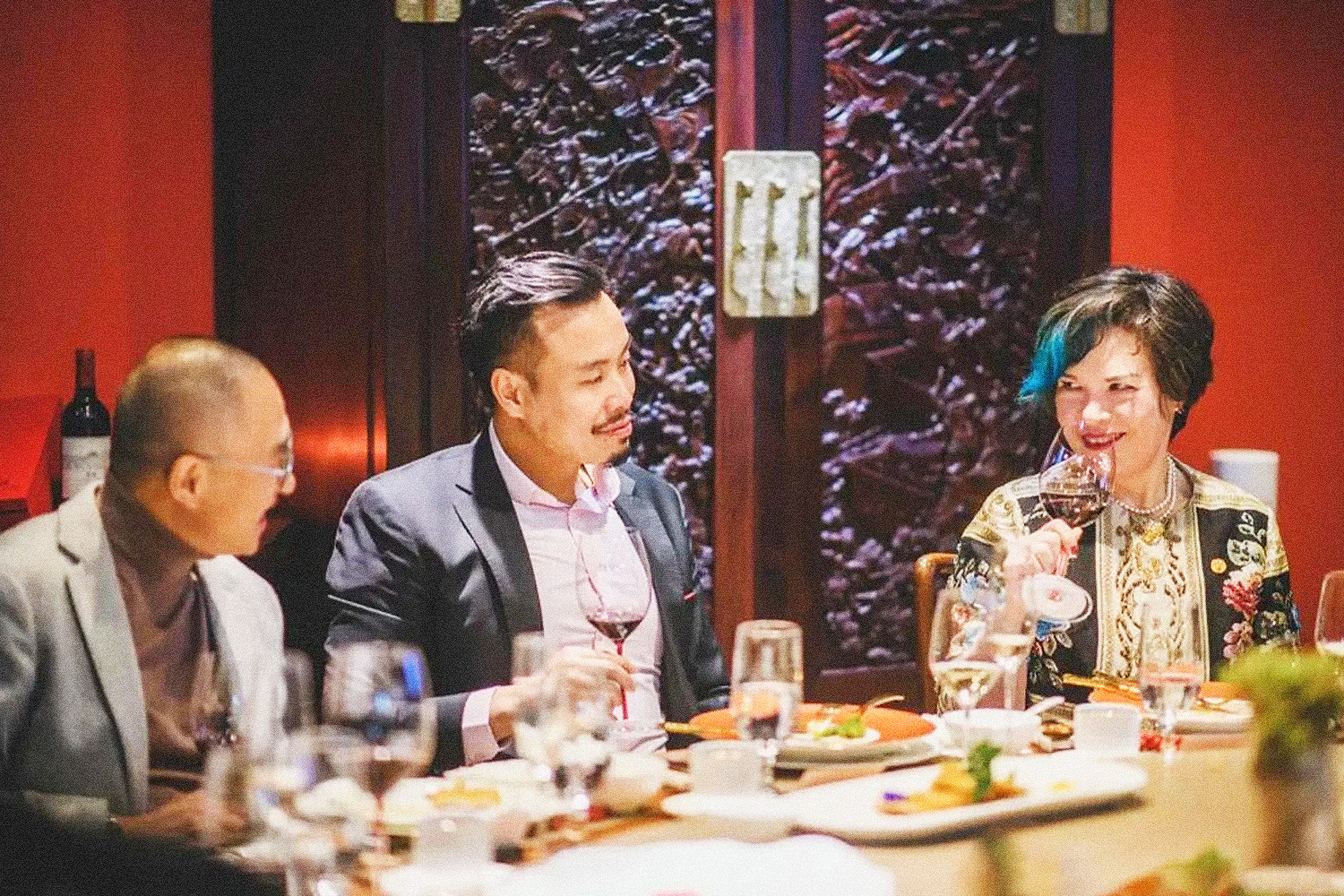
“No one in China comes home from work, opens the fridge and pours themselves a glass of Pinot Grigio,” Walker says. “That would just never happen. Alcoholism is not a social problem in China. For us, alcohol is always consumed with other people. Tea has always been the everyday staple and ceremonial, communal drink that alcohol was and is in many Western cultures.”
Alcohol has exerted a presence in China for thousands of years, just in a different form than we’re used to in the West. As early as 10,000 years ago, people were brewing beer from rice in the Lower Yangzi River Valley.
Historical events, Walker explains, have shaped the production and consumption of wine in China more than it has in many other nations.
“During the Imperial period, wine was not made from grapes, but was instead made from rice or other fruits, like plums,” Walker says. “It was something you did socially, with neighbors or friends. Distillation was born during the Ming Dynasty [1368-1644], but it was largely the drink of the people, to get results.”
In 1949, when the People’s Republic of China was born, this distilled drink, known as baijiu, was elevated.
Iconic Beverages That Define the Culture
Baijiu
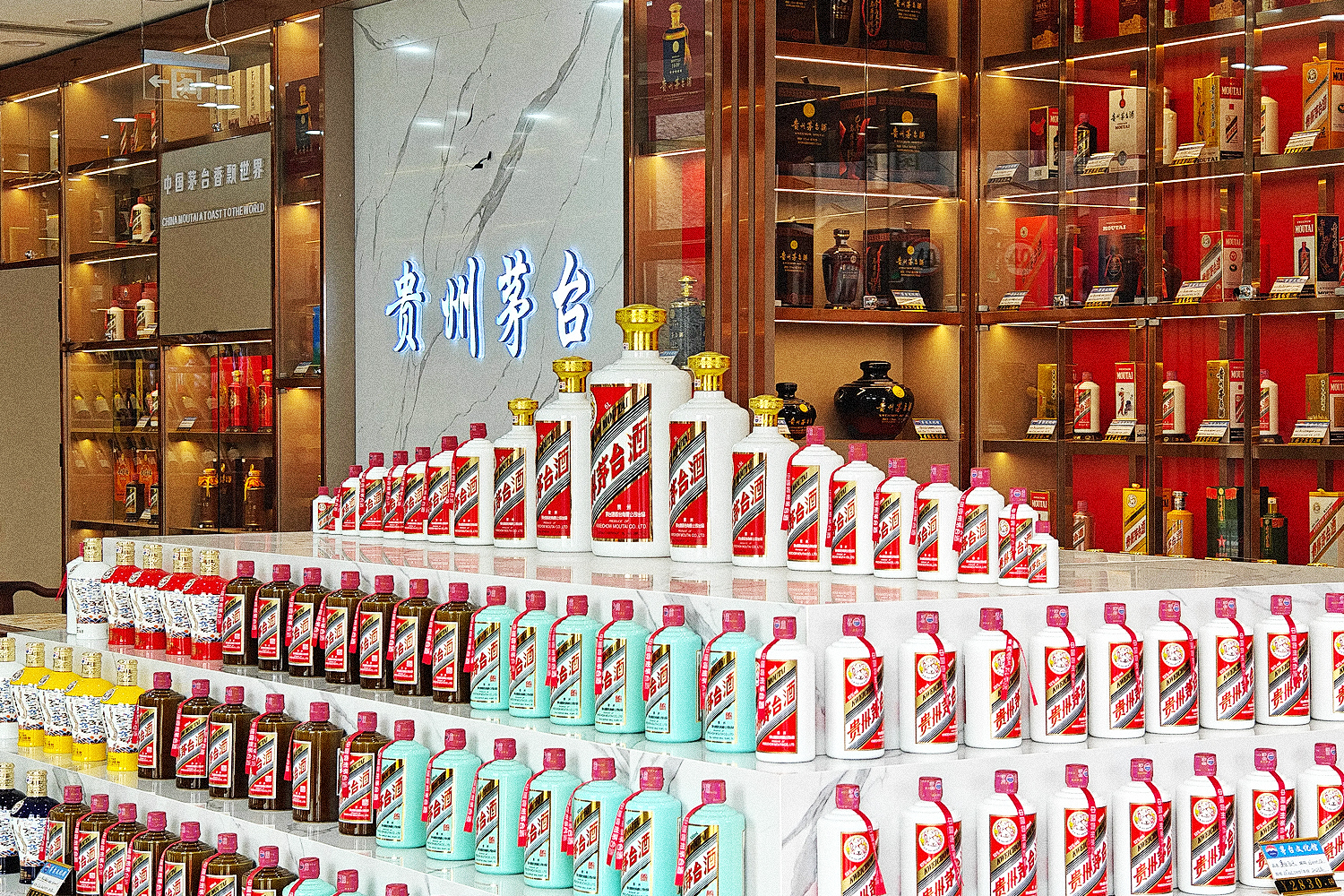
Typically distilled from sorghum, rice or wheat, Baijiu comes in many forms and is very high in alcohol. Kweichow Moutai is one of the most elevated variations of the spirit. In 2021, a Sotheby’s auction in London of 24 bottles of the 1974 vintage garnered a record $1.4 million.
“Baijiu is the traditional spirit of China,” says Marco Milani, CEO of Silver Heights Vineyard. “It is deeply tied to celebrations and business rituals.”
Walker confirms that Baijiu has a prominent role in Chinese professional culture. “The biggest problem we have with alcohol is competitive drinking among business people,” she says. “No one is going out to clubs and getting pissed. But people are going out to business dinners and using alcohol to break down barriers and consolidate their positions. There’s a lot of forcing people to drink super-high proof alcohol to excess, and there have been deaths because it’s considered a huge insult to not accept a toast.”
Beer
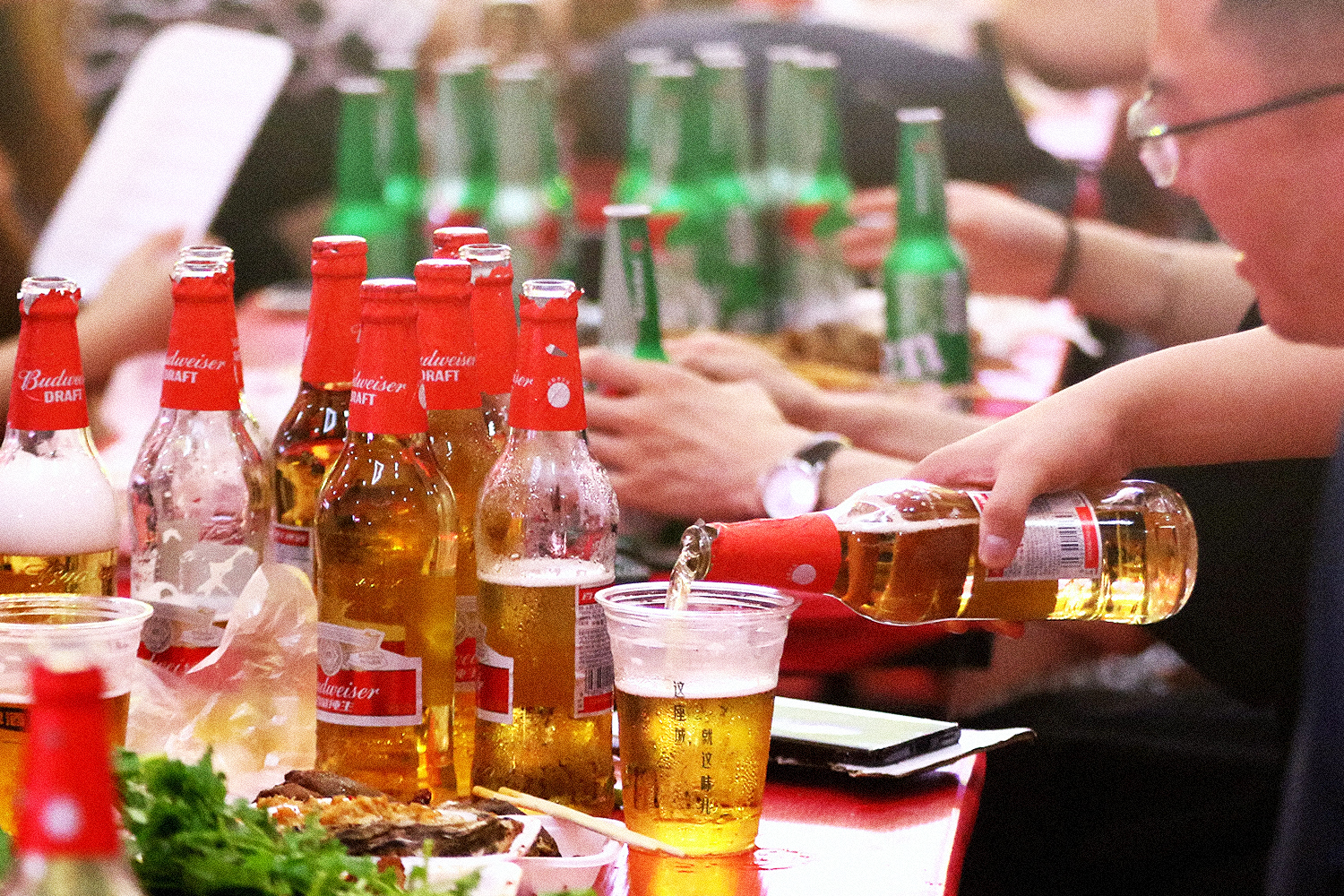
“Beer is the same price as Coke here, so it’s hugely popular,” Walker says. But the craft beer scene is heating up.
Younger and middle-income people are driving a craft beer boom, Walker notes, adding that “in major cities, there are more great craft beer places than you can shake a leg at. It’s hugely popular.”
Huangjiu
A traditional Chinese wine fermented from rice, wheat and millet, that can be aged for up to 20 years.
“Huangjiu, or yellow rice wine, is among the oldest in Han Chinese culture,” says Chef Guojin Du, a Quanzhou native from southern Fujian, who now helms Waldorf Astoria’s Michelin-starred HOKKLO in Xiamen. “Originating from Shaoxing, Zhejiang, it’s made from rice, glutinous rice and wheat. Its variant, Nu’er hong, or ‘bride wine,’ is traditionally buried after a daughter’s birth and served at her wedding banquet.”
It is typically consumed with traditional dishes like hairy crab in Shanghai, Hangzhou and Zhejiang.
Western-Style Wine
“In Ningxia, wine is becoming iconic, representing modern China’s connection to the world,” Milani says.
Silver Heights, perched on the eastern slopes of Helan Mountains in Ningxia, with one of the highest vineyards in China at 1,200 meters, is helmed by Bordeaux-educated vintner Emma Gao, and is considered by many, the pinnacle of east-meets-west in a bottle.
While premium wine, largely hailing from world-famous brands like Screaming Eagle, Opus One, Penfolds and all the Grand Crus, has been consumed for decades as part of high-ranking corporate culture in China, Walker says, and Chinese-made wine is on the rise, she is most excited about the increased availability of cheap, trendy wines.
“China is finally having its two-buck-chuck moment,” Walker enthuses, referencing the $1.99 Charles Shaw wines that sold at Trader Joe’s and became a cultural phenomenon in the U.S. in the early aughts. “People are seeking out and finding cheap wines from across the world, and getting excited about them, even if they are also still a little frightened of wine culture.”
Plus, the Homemade Thing
The production and consumption of alcohol at home in China is widespread, especially in rural areas. It is also produced communally, but informally.
Typically dubbed unrecorded baijiu, it is made informally, often by a town or village distiller. About 25% of the alcohol consumed in China is believed to be unrecorded and lightly regulated, if at all. The ABV of this baijiu is typically 35.7% to 61.4% ABV, with the vast majority hovering above 40% ABV.
Yearly Events That Are Around Drinking
Chinese New Year
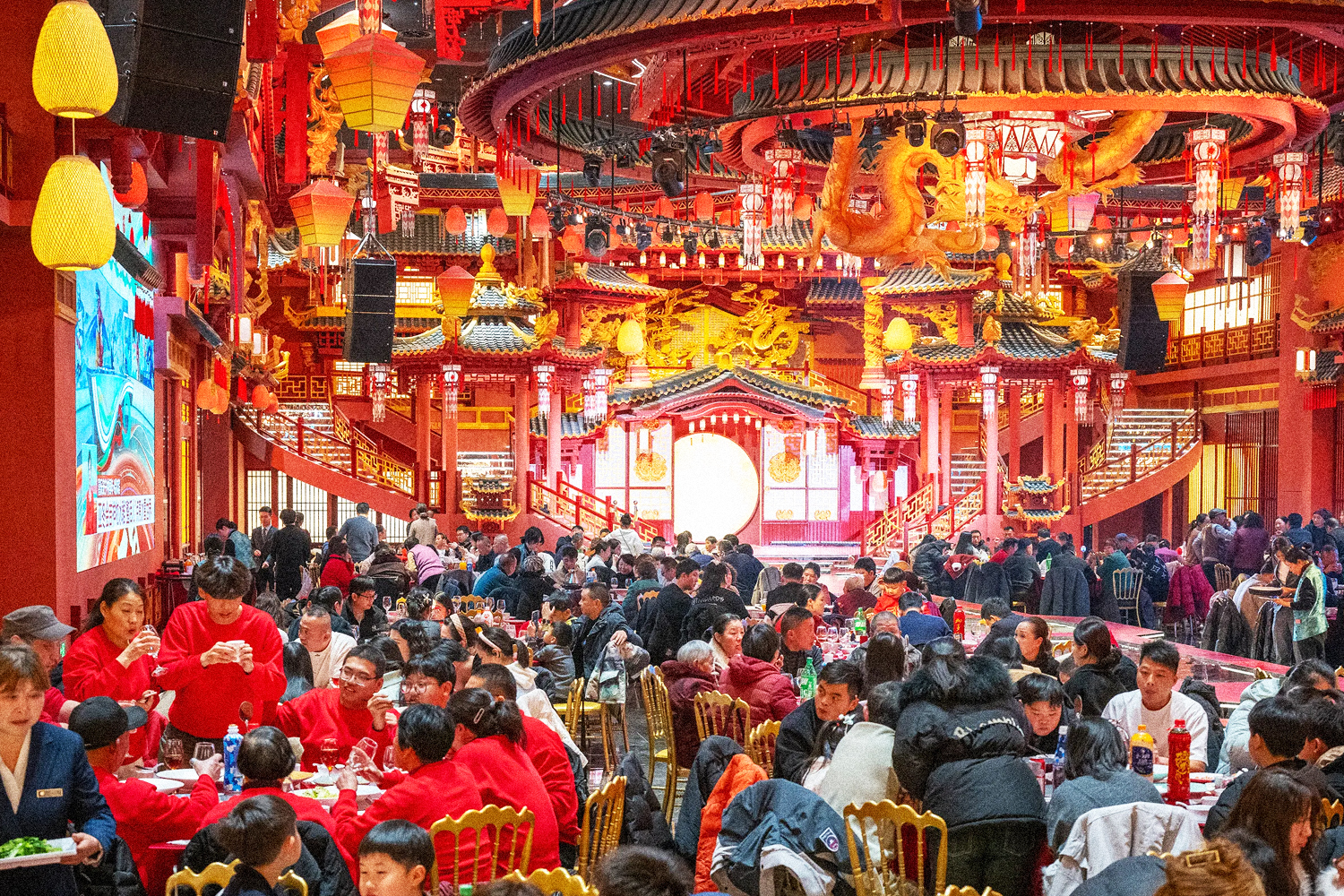
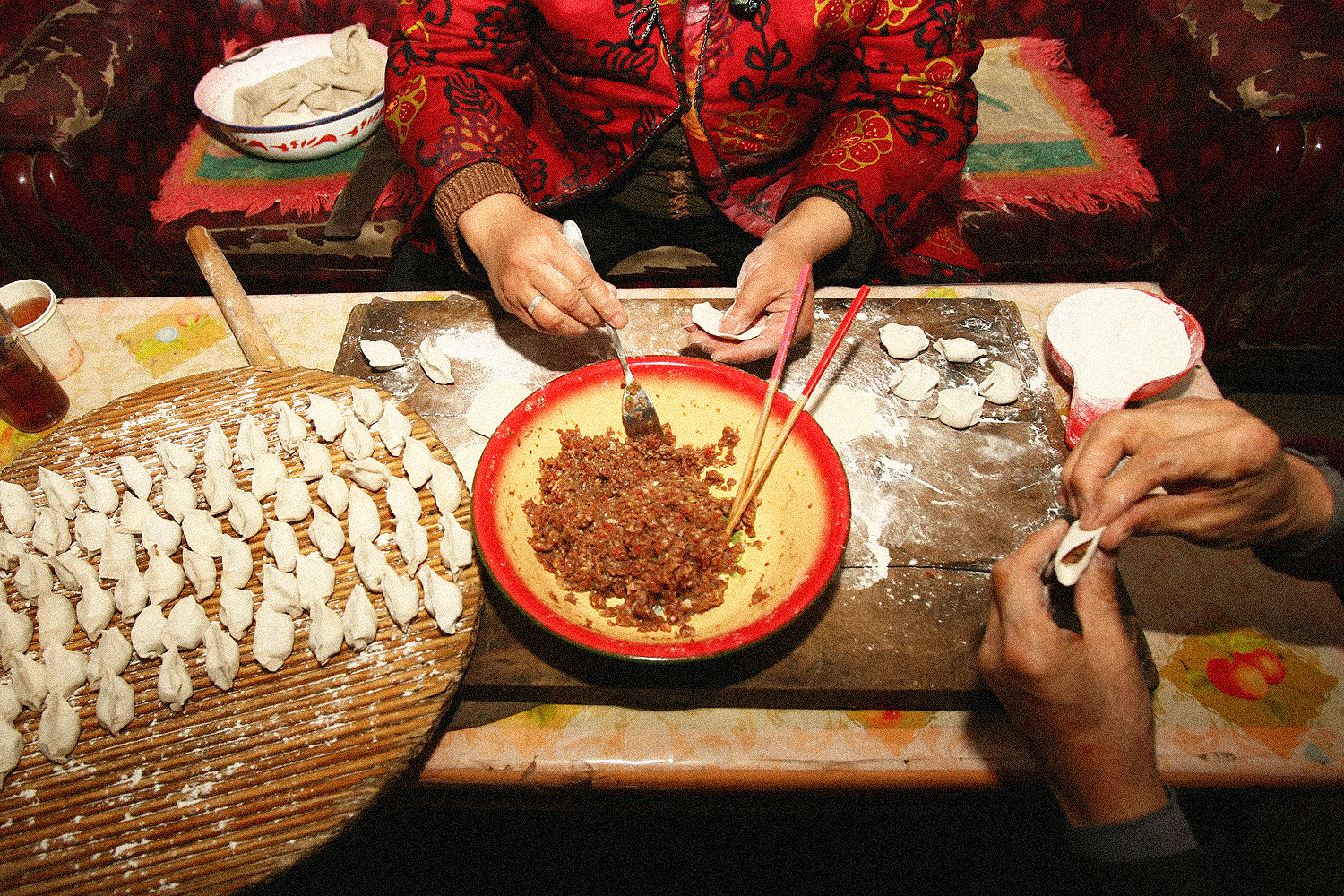
Also known as the Lunar New Year or the Spring Festival, this is the most important annual celebration in China. Typically falling between January 21 and February 20, it marks the end of winter and the beginning of spring, and lasts for 15 days. It is a time of great communion and gathering, and alcohol—from cider to beer to wine to baijiu—is consumed in great quantities, alongside symbolic foods like whole fish for surplus, dumplings and spring rolls for financial success, and tang yuan or sweet rice balls for family togetherness.
Mid-Autumn Festival
Also known as the Moon Festival, the Mid-Autumn Festival is held on the 15th day of the eighth month in the Chinese lunisolar calendar, which typically lands between mid-September and early October. The moon is typically at its brightest during the celebration, with celebrants toasting with weak baijiu flavored with sweet osmanthus flowers.
These days, grape wine is also often paired with mooncakes, a symbol of completeness and togetherness, says Milani.
Ideal Drinking Snacks
Alcohol is never consumed without food in China. The notion is antithetical to their culture, Walker says.
“One of the best ways to enjoy the drinking and eating culture of China is to go to Qingdao, China, and buy a beer taken straight from the tank,” Walker says. “They sell it in plastic bags with the straw in it. And you sit there with this plastic bag of beer, sucking the beer from a straw, and then eating prawns with your other hand. You’re like on these little plastic school stools, and you get really drunk and shout at friends, then eat more prawns, then suck on beer.”
As in most nations, alcohol and salt is often where it’s at when it comes to happy hours and patrons. “Roasted sunflower seeds are a classic pairing for beer,” says Milani. “And spicy peanuts.” Huamei peanuts paired with dried plums, roasted and salted squid, spicy duck necks and candied sweet potatoes are also considered xiàjiǔcài, or “food for drinking.”
Tangy, spicy, sweet and sour dishes are also common, from dumplings and spring rolls to smashed cucumber salad.
“Cold sliced beef, or lamb tossed in chili oil are perfect with red wine,” Milani says.
Iconic Drinking Establishments
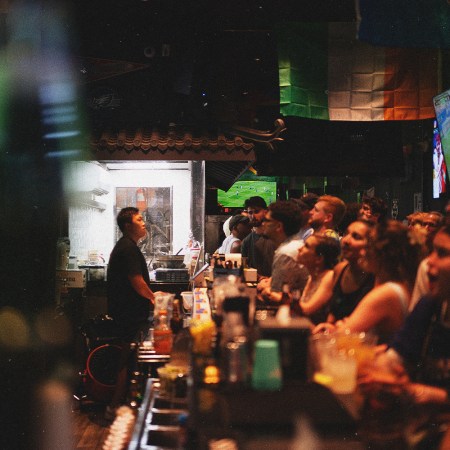
The watering holes in China are as diverse as the vast country, meeting the needs of a razor-sharp urban professional class, up-and-coming wine nerds and old-school beer and baijiu hounds.
For a taste of old-school Chinese culture, hit the Hutongs of Beijing, Milani advises. Hutong is the term used for alleys or tiny streets between one-story Siheyuan apartments that splay out like a chessboard around the city’s Forbidden City.
Originally built in the Yuan Dynasty (1271-1368), many have been razed for redevelopment, but the ones that remain now house rustic bars, street food and boutiques.
“If you’re looking for more of a Western-style experience, go out for cocktails in Shanghai,” says Walker. “It’s a very different vibe in Shanghai.”
Icons include the aptly named Epic, known for its dazzling cocktails, and living up to its “Do epic shit!” motto with a sense of play of laid-back fun amid the technicolor glam. For a taste of contemporary Shanghai in three parts, head to Sober Company, which houses a cafe offering brunch and ice cream, Sober Society with creative cocktails featuring Chinese ingredients, and Tipsy, a secret bar that you have to hunt down.
Milani also recommends the natural wine bar scene in Shanghai, which caters to a knowing local and tourist crowd, and up-and-comers alike.
Just Grapes serves up bistro vibes with a wine store, lounge and bistro offering a broad range of wines and shockingly good pizza and lasagna. Vinism, Shanghai’s first natural wine bar, is small, intimate and deeply devoted to the intricacies of wine culture.
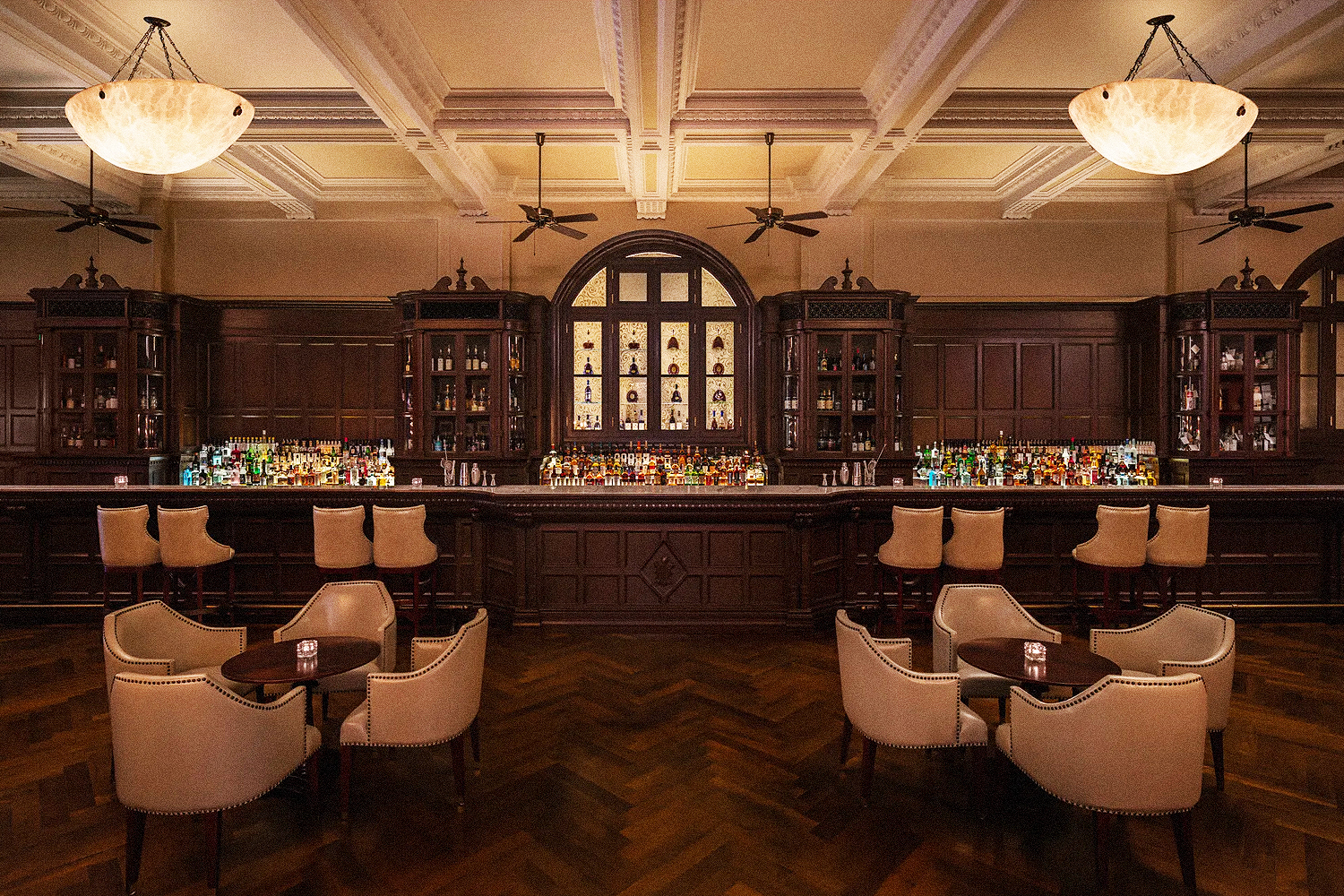
For a taste of history, head to the Jazz Bar at the Fairmont Peace Hotel in Shanghai, the oldest continuously operating jazz bar. Opened in 1929, the Art Deco setting and house jazz band, served up alongside classic cocktails.
A legendary social landmark is the Long Bar at Waldorf Astoria Shanghai on the Bund. This year, it unveiled a new cocktail experience that blends heritage and innovation. The Shanghai Buck, first crafted there in 1911, has returned, alongside other new and old classics.
5 Rules for Drinking Like a Local
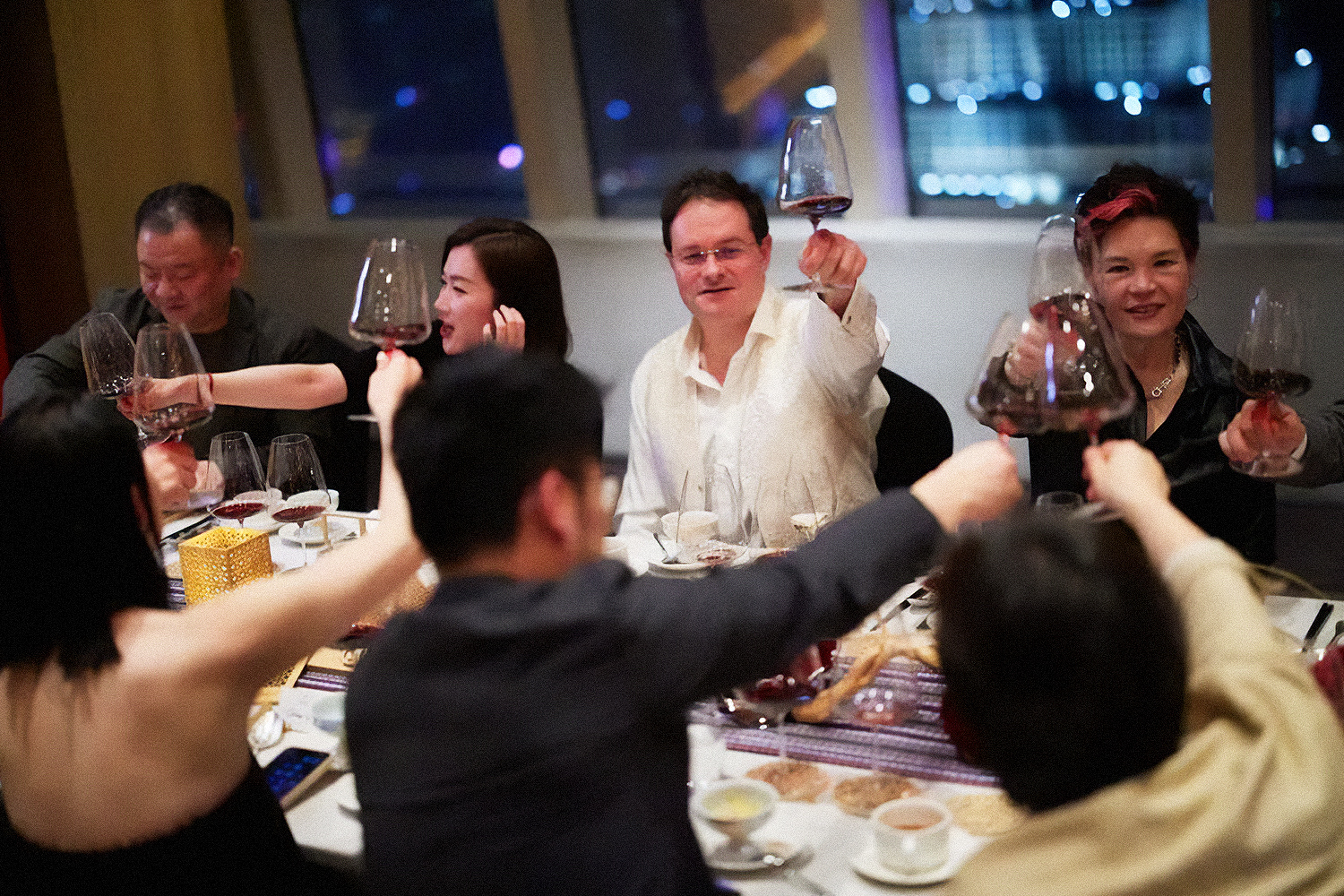
1. Always drink with someone else, and with food. “Alcohol in China is about cementing relationships,” Walker says.
2. Never “just” take a sip of wine, Walker cautions: “Always raise your glass first and propose a toast, like ‘here’s to friendship!’”
3. Mind your glass’ height. “Always hold your glass slightly lower than an elder’s out of respect,” Minari says.
4. Don’t be a wet blanket. “Never refuse a toast unless you have a serious reason,” warns Minari.
5. Pace yourself. “It’s about bonding, not rushing,” Minari says.
Cocktail Recipes
Baijiu Sour
- 2 oz. baijiu
- 1 oz. lemon juice
- 1 oz. honey syrup
Shake all ingredients with ice in a cocktail shaker. Shake and strain into an Old-Fashioned glass, over ice or neat with a twist of lemon.
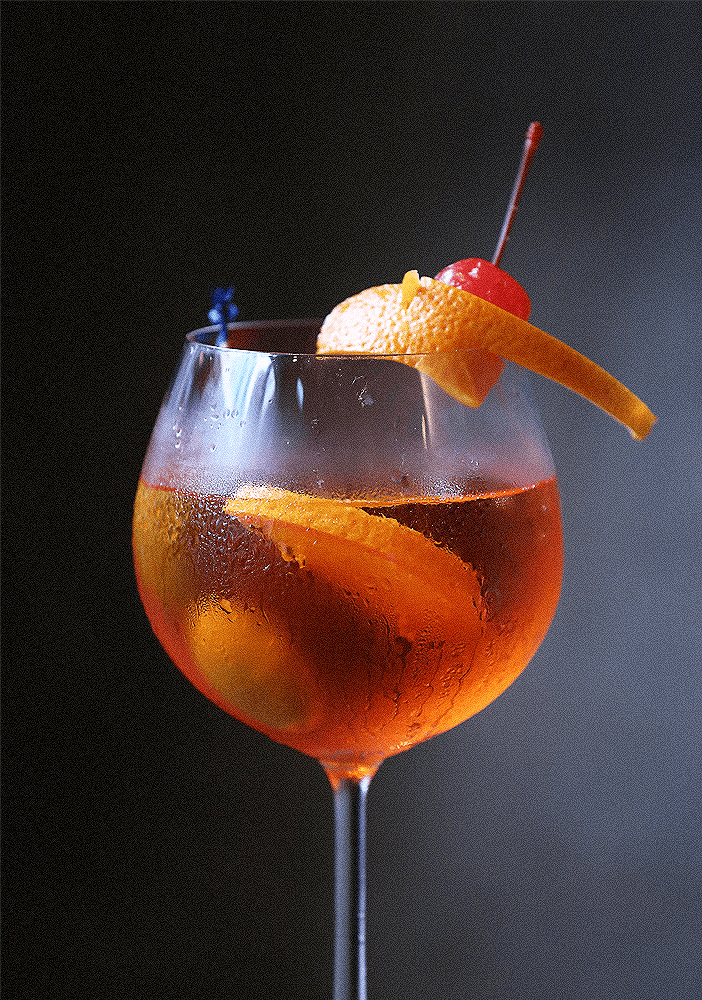
Chinese Spritz
- 3 oz. Ningxia sparkling wine
- 1 oz. plum liqueur
- 2 oz. soda
Pour ingredients, in order, over ice into a wine glass, with a slice of plum or a lemon.

More Like This

We're always on the scene eating, drinking and traveling near and far to bring you the best of what's happening out in the real world. Sign up for IRL now.