
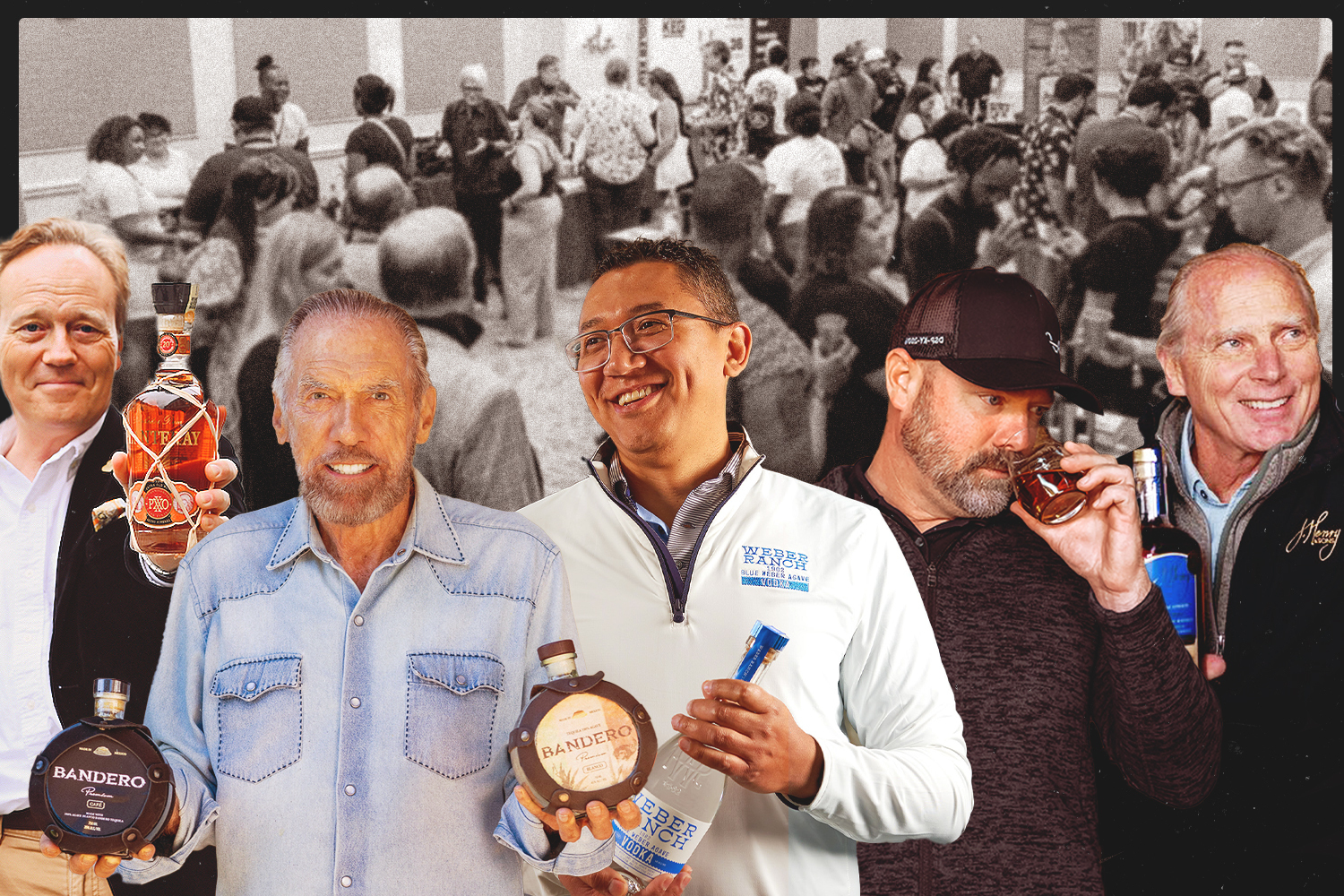
With all the parties, panels and tastings going on next week in New Orleans for Tales of the Cocktail, my favorite event is fairly low-key: It’s called Meet the Distillers.
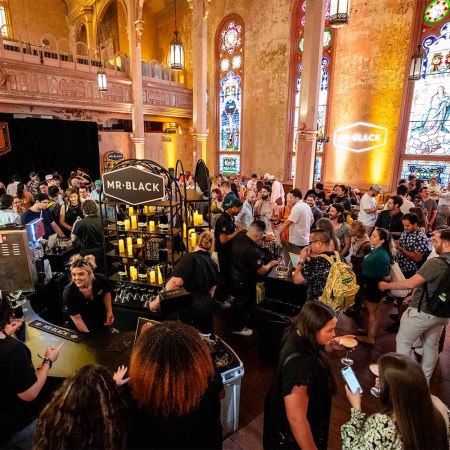
An immersive, large-scale tasting event, Meet the Distillers allows attendees to connect directly with the distillers, blenders, founders and makers behind spirits ranging from whiskey to vodka to tequila. Held in the drinks conference’s home base of the Ritz-Carlton, MTD will take place in two sessions on Thursday, July 24: from 10 a.m.-1 p.m. and then from 2-5 p.m.
As the media sponsor of Meet the Distillers, we reached out to some of this year’s participants and asked them a few questions about their jobs, drinks trends, what else they’re looking forward to at Tales, and more. Do you have a question you’d like to raise yourself? Stop by the Ritz on the 24th and talk to these drinks makers directly. (And say hi if you see us!)
Craig O. Nicholson, Senior Blender and Quality Control Manager of Worthy Park Estate
How did you get into distilling?
I had the pleasure of growing up beside a distillery and had the opportunity while studying in college,to work at the distillery for a couple summers. I developed an appreciation for the craft, particularly fermentation, because it gave me the opportunity to apply my biochemistry studies. After graduating in 2008, I joined the company full time, and I’ve stuck to the rum industry ever since.
What is your favorite part of the job?
There are two sides of the job I absolutely love equally. First is that feeling of achievement when you get your desired results after adjusting your fermentation or distillation operations or when working on a blend. Second is having opportunities to educate others about distillation and blending and watching them soak up the knowledge I’m delivering.
Looking ahead to the rest of 2025 and into early 2026, what do you think the biggest trend in spirits is going to be?
Even with the current economic climate worldwide, I believe consumers are prioritizing quality of spirits over quantity, so I believe we will continue to grow on premiumization of spirits.
What’s something at Tales that you’re looking forward to?
This is my first time attending Tales, so I’m super excited to see all that’s on offer. I am particularly jazzed about our seminar on Jamaican rum and the Tales Spirited Awards.
What is one bottle/product you make that you want people to try?
Worthy Park White Overproof Rum. This product is the realization of a vision I had when I started at Worthy Park Estate four years ago. It’s the first Jamaican overproof rum that’s a blend of molasses and cane juice-based distillate. It’s blended to carry the drinker on a journey from grass to glass with elements of fresh sugar cane, cane juice, molasses and all the flavors developed during fermentation.

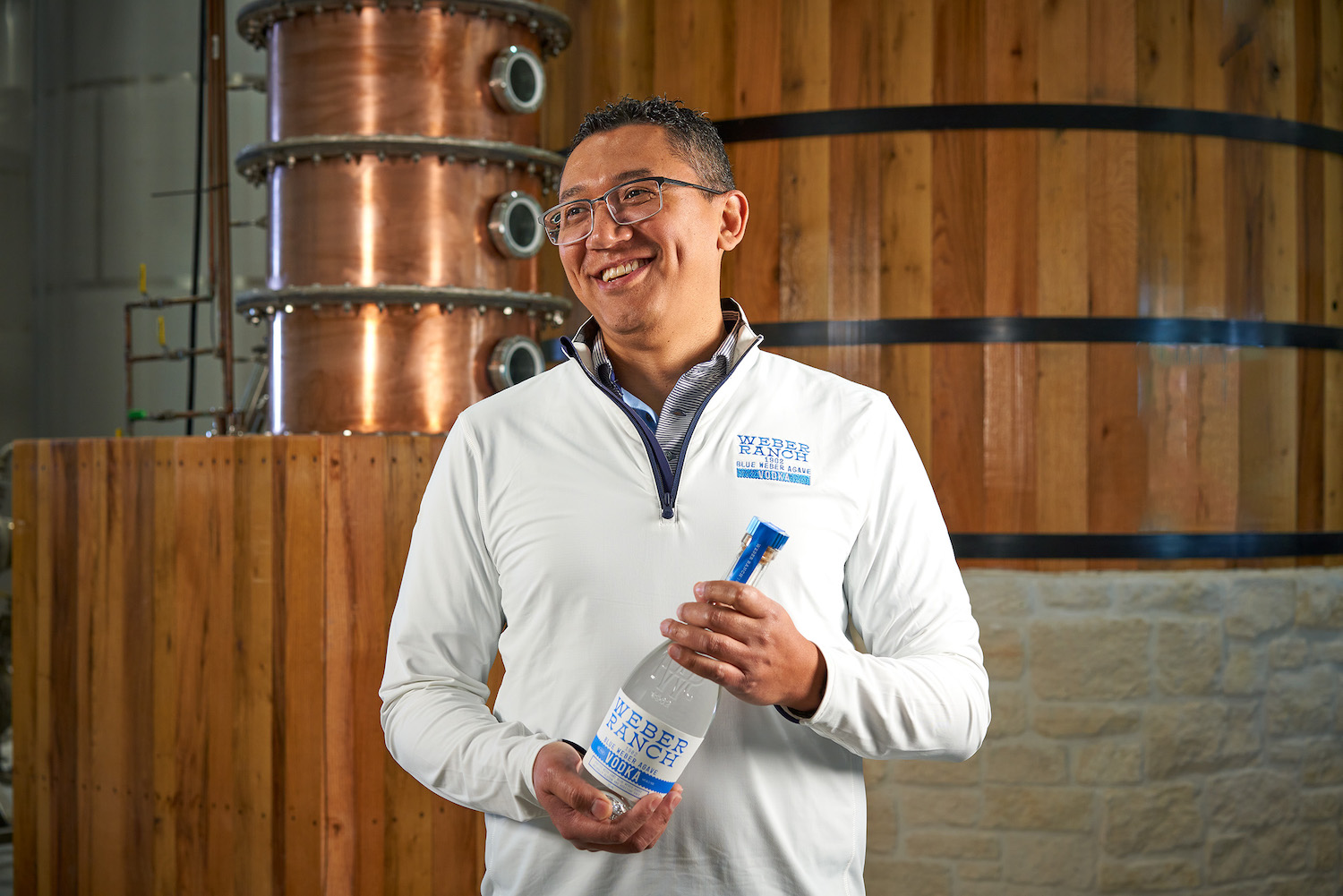
Antonio Rodriguez, Master Distiller for Weber Ranch Vodka
How did you get into distilling?
I needed a job! I started my career in the spirits industry by chance right after I earned my degree as a chemical engineer from the University of Guadalajara in 2006. I didn’t set out to work in spirits — I was leaning towards the paper industry — but then I received a life-changing phone call shortly after graduation to join the team at Patrón Tequila. I think about it often, what a fateful call that was, and I’m so thankful I allowed myself to be flexible (even with the high level of uncertainty I had at the time).
What is your favorite part of the job?
One of the best parts of my job is to see people enjoying what we created! Above all, you have to enjoy what you do, and working among friends and people you respect is a critical thing. It’s human nature — if you are happy, your mind will be open to discovery and creativity, and your results are going to be much better.
What’s the most difficult part of your job?
Fighting the misconception that vodka is boring. Most of the time when I ask people to try a neat pour of Weber Ranch Vodka for the first time, they look at me like I’m crazy and say, “Sorry, I don’t drink vodka.” But then after I explain that Weber Ranch is distilled from agave and convince them to try it, they completely change their energy and are surprised to realize they do like vodka.
Looking ahead to the rest of 2025 and into early 2026, what do you think the biggest trend in spirits is going to be?
It’s not a new trend, but I think interest in craft spirits will continue to get much stronger. During the COVID years, people retreated to the big brands they knew, but now we’re seeing renewed interest in smaller craft brands.
What makes your product unique?
Most vodka is typically made from wheat, corn or potato, but we distill from 100% Blue Weber Agave, grown in Mexico. Not only is agave a higher-quality base ingredient, it also imparts a natural sweetness to our vodka without any vegetal notes and creates a silky and smooth mouthfeel without any aftertaste or “bite.” It takes about seven years from garden to glass to create Weber Ranch Vodka (versus just months for vodka and other unaged spirits made from wheat or corn) because that’s generally how long we must wait for agave to mature.
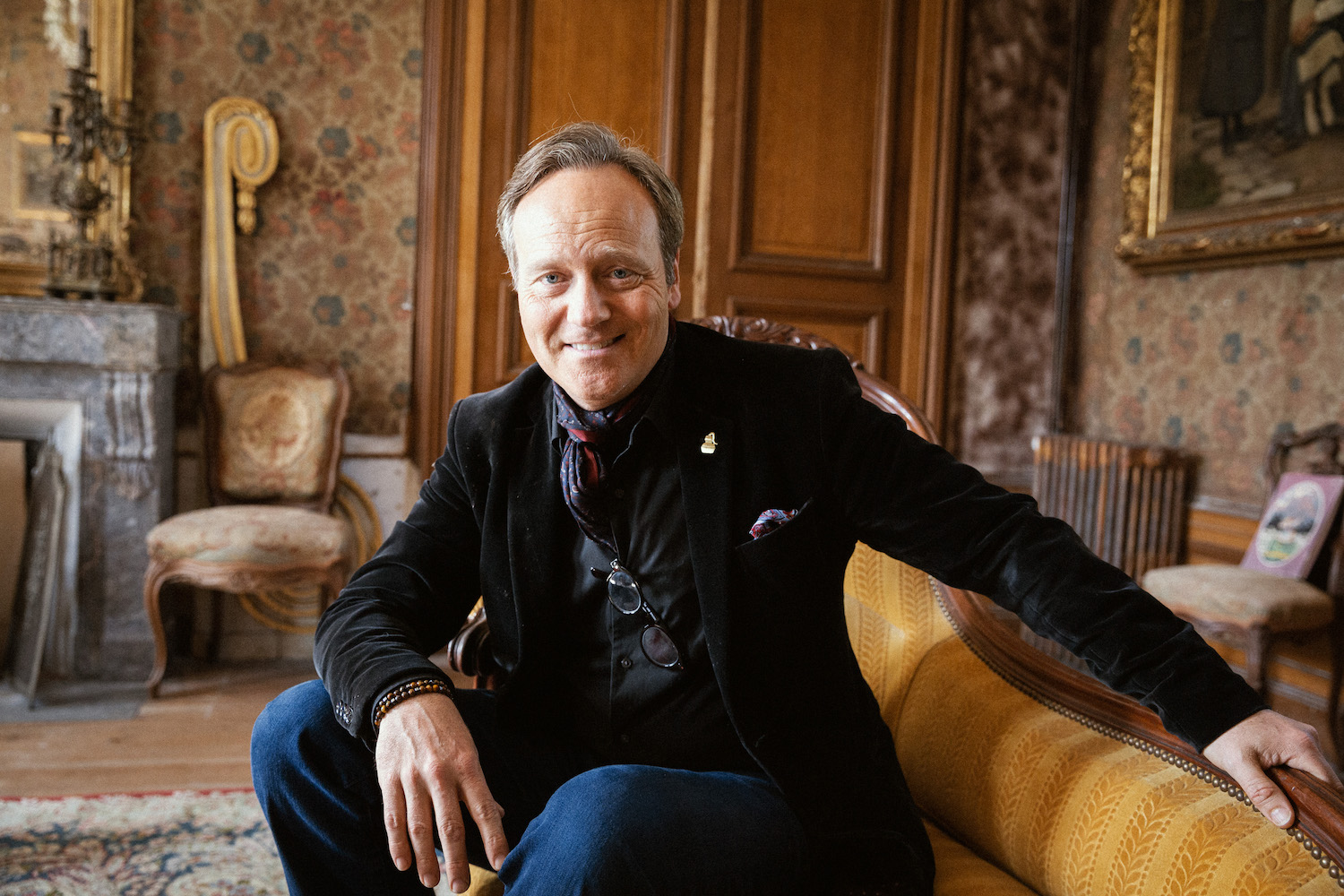
Alexandre Gabriel, Owner and Master Blender of Maison Ferrand and Stade’s West Indies Rum Distillery
How did you get into distilling?
I grew up on a small farm with a vineyard where we harvested grapes by hand each year to make wine. My grandfather was also a bouilleur de cru, meaning he had the legal right in France to distill his own harvest. I’ll never forget the day he decided to teach me the basics of distillation. I was 10 years old, and he was distilling Marc de Bourgogne. My grandfather, a tough, no-nonsense farmer who had fought in World War II, looked at me and said, “First, you have to taste the marc with your ears.” After a moment, I said, “I can’t hear anything.” And he replied, “Exactly, there should be no sound. No buzzing insects. That tells you the raw material is fresh and intact. Of good quality. Always taste with your ears first.” It took me years to fully grasp how deeply that moment shaped me — not just his respect for the land and for tradition, but the lesson that great spirits begin with the finest raw materials.
What is your favorite part of the job?
I truly love the creative process, crafting new expressions. That moment when my creation team and I start tasting something that gets closer to the idea in our heads is incredibly satisfying. I also love the unexpected inspirations that come from friends. Like when [drinks historian] Dave Wondrich calls and says, “Alexandre, I’m digging through these Chinese archives and found a still design from the 1400s, wood and copper. You could build it.” And we do build it. We distill with it. Sometimes the spirits we create never reach the market, but the process is thrilling.

How Beyond the Bar Became a Vital Resource for the Drinks Community
Developed at Tales of the Cocktail, the BTB platform is tackling wellness, substance abuse and mental health issuesWhat’s the most difficult part of your job?
Honestly, one of the most difficult aspects, even after all these years, is logistics. Getting everything in the right place, at the right time, across countries and time zones — it’s a constant puzzle. I’m still learning. And yes, it’s hard!
What’s something at Tales that you’re looking forward to?
I love the education, the sharing, the incredible exchange of ideas and passion. That’s the real magic of Tales. It’s what makes it so special and unlike anything else in our industry.
What’s your alcohol hot take?
If a gin doesn’t taste like juniper, it’s not gin. Gin may have a short legal definition, but at its core, it must have a dominant flavor of juniper berries. That fresh, zingy, distinctive note is what defines the category. So when I taste a “gin” that doesn’t showcase juniper, it really gets under my skin. It might be a good spirit, but it’s simply not gin.

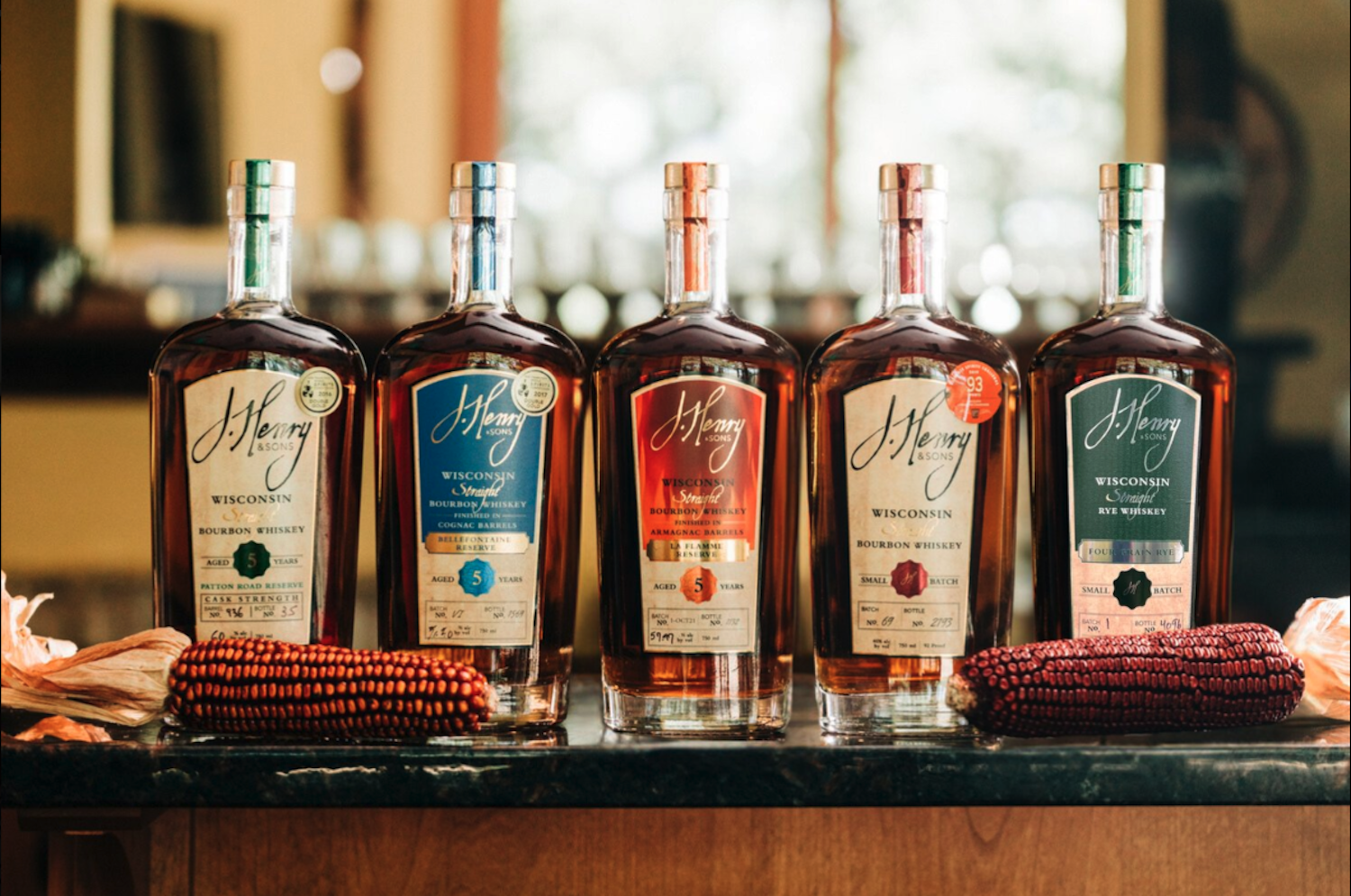
Joe Z. Henry, Owner and Master Blender of J. Henry & Sons
How did you get into distilling?
I started out in farming — our family has been working this land in Dane, Wisconsin, since the 1940s. But back in the early 2000s, I started thinking about how we could preserve the legacy of our farm and create something uniquely Wisconsin. I’ve always had a passion for bourbon and saw an opportunity to do something bold: make a true Wisconsin straight bourbon using our own heirloom red corn, wheat, rye and time-honored methods. J. Henry & Sons was born out of a desire to combine tradition, agriculture and craftsmanship into a world-class bourbon.
What is your favorite part of the job?
Watching someone taste our bourbon for the first time and seeing that moment of surprise and appreciation — there’s nothing like it. I also love the aging process. There’s a kind of quiet pride in watching our bourbon rest in the Wisconsin seasons for five, six, even eight years.
Looking ahead to the rest of 2025 and into early 2026, what do you think the biggest trend in spirits is going to be?
Provenance and authenticity. I think more people are looking past flashy labels and celebrity brands. They want to know where something was made, how it was made and why it was made. People are craving a real story in their glass.
What’s something at Tales that you’re looking forward to?
Tales brings together people who live and breathe spirits, and every year I come away energized. Whether it’s a late-night bar conversation about grain selection or a seminar on emerging flavor profiles, it’s that exchange of passion and ideas that makes it special.
What makes your product unique?
It starts in the soil. We grow our own heirloom red corn, which gives the bourbon a distinct sweetness and creamy mouthfeel. We age it slowly in Wisconsin’s wildly fluctuating climate, which draws the spirit deep into the barrel wood and pulls out rich vanilla, cherry and baking spice notes. It’s not Kentucky bourbon, and it’s not trying to be.
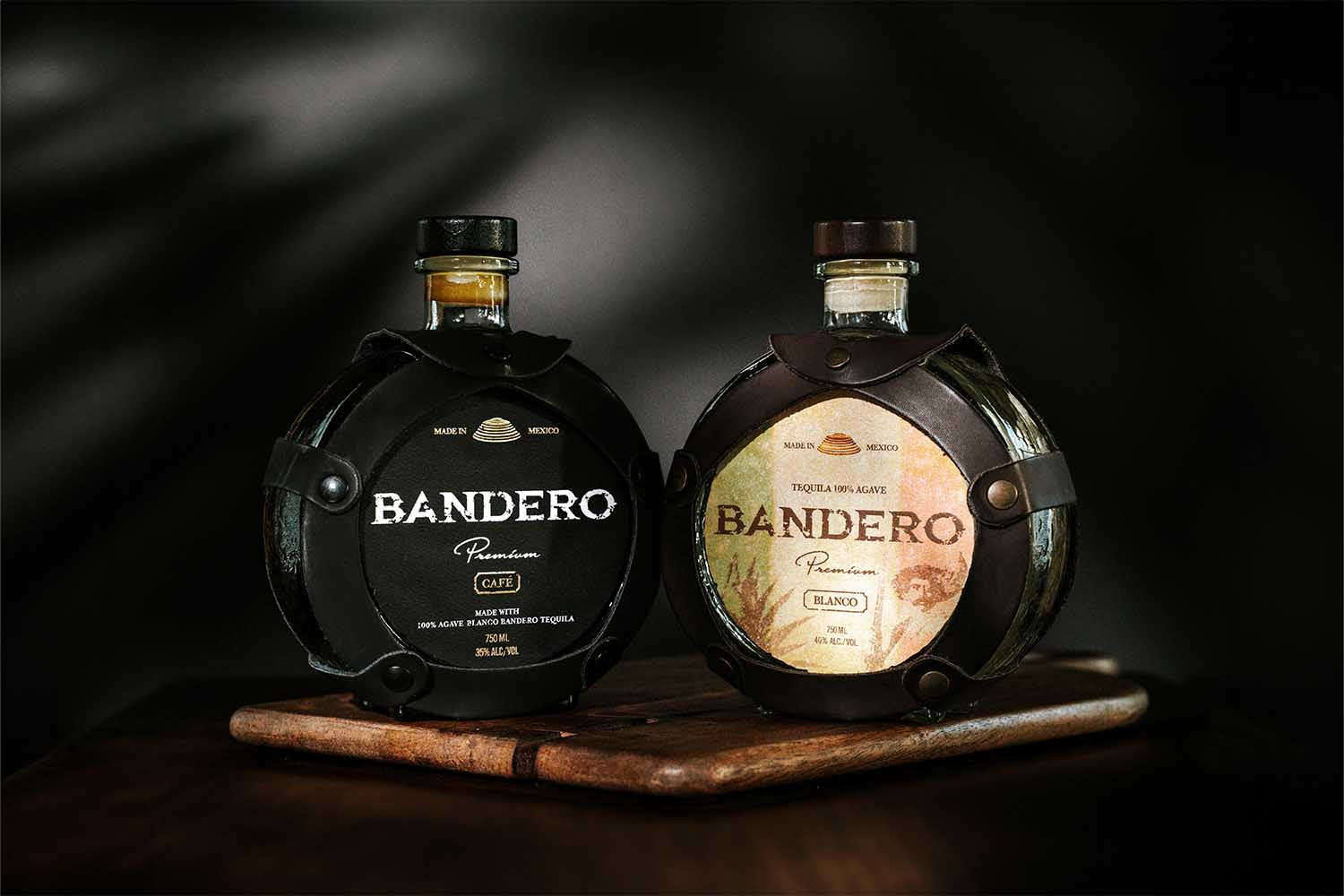
Lee Palleschi, Master Distiller of Bandero Tequila
How did you get into distilling?
Many years ago, this guy I never met before came into my office with a little still and said, “We are going to make alcohol.” Turns out he was a popular ’80s musician, and he liked to make moonshine. Less than a week later, we were watching alcohol drip out of the little still. The next thing I know, I’m hooked on learning about distilling, working my career by day and my hobby by moonshine. Soon, I was going to distilleries and eventually went to Kothe and the American Distilling Institute. It became a passion, and I consumed all the knowledge I could find.
What is your favorite part of the job?
I still get a little giddy when I see something I made on a store shelf or when I hear strangers talk about it and they don’t know who I am. I really enjoy having a hand in something other people enjoy. It’s a lot of fun when people ask, “You made this?”
What’s the most difficult part of your job?
Research and development. You come up with things that are great — you love them — but they will never make it to the neighborhood bar or store shelf for any number of reasons. Maybe it’s a product that’s not popular with the public, but you love it.
What’s something at Tales that you’re looking forward to?
The tasting events and making new friends, of course. That glimmer in people’s eyes when they try something they like.
What is one bottle/product you make that you want people to try?
Bandero Blanco Tequila in a wide-mouthed glass, neat. I am a purist at heart.
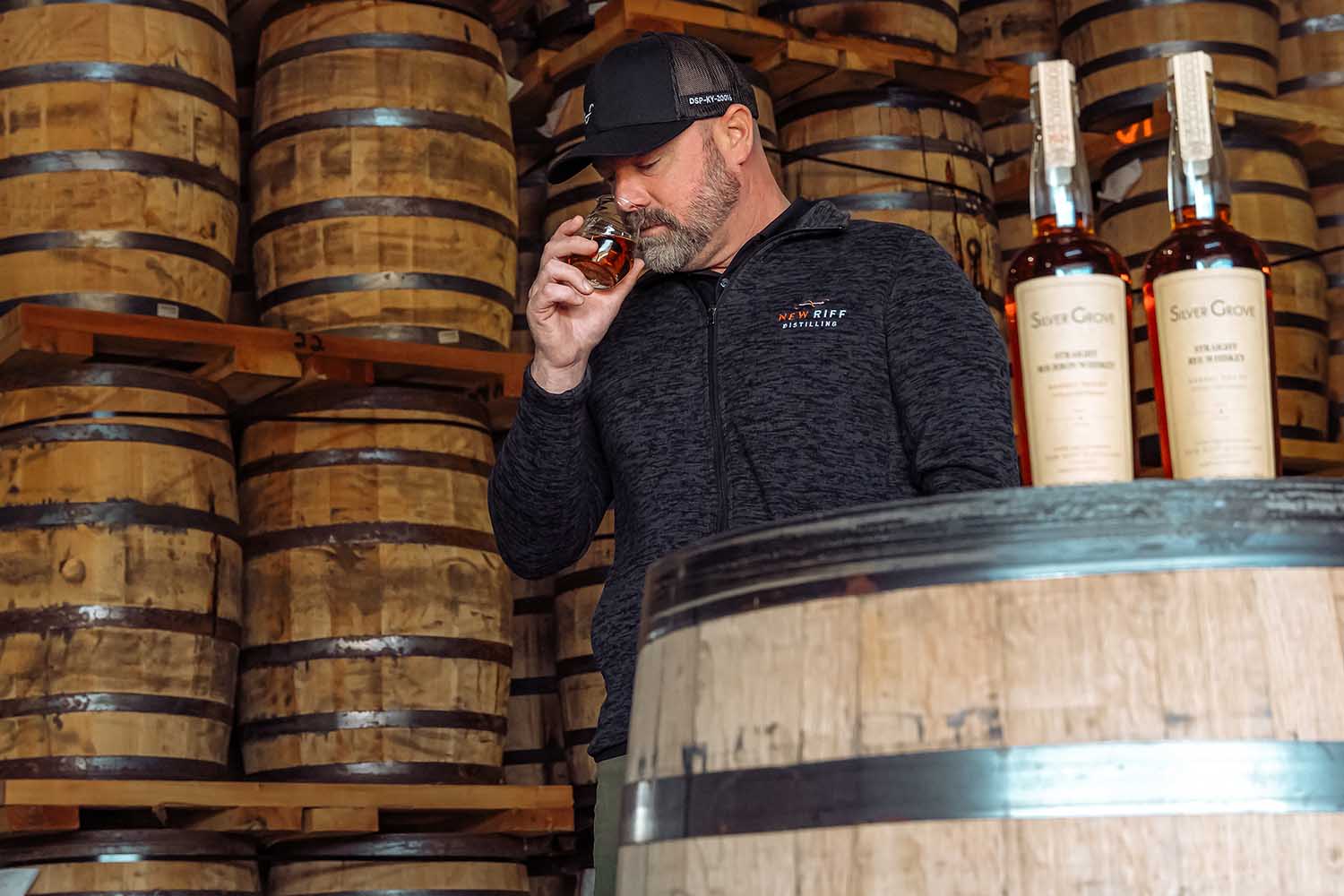
Brian Sprance, Master Distiller of New Riff Distilling
How did you get into distilling?
I was a brewer for about 15 years before deciding on a career change and entering the whiskey world. (Thank you, Ken Lewis!)
What’s the most difficult part of your job?
We’ve created quite a few nontraditional mash bills that incorporate different grains and difficult production techniques. “Self-inflicted” would be accurate!
Looking ahead to the rest of 2025 and into early 2026, what do you think the biggest trend in spirits is going to be?
Hopefully the single malt space continues to evolve as new distilleries continue to release new projects.
What’s something at Tales that you’re looking forward to?
Honestly never been before, but the Meet the Distillers event sounds quite fun!
If you had one bottle/product you make that you wanted people to try, what would it be?
New Riff Single Malt Whiskey.
What makes your product special/unique?
It incorporates a lot of what I learned in my brewing career, but allowed me to take it to the next level utilizing interesting mash bills, casks and, of course, the final blending exercise that saw us putting a jigsaw puzzle of whiskeys together into one cohesive blend.
The Key to Health in the Drinks World Starts With Breathing
The calming power of breathwork (and ice baths), as taught by a drinks industry vetAlberto Partida, Master Distiller and Agavero of Amatiteña
How did you get into distilling?
We are a family business — my parents are the founders of the company. I began working in the fields and the factory as a child. Over time, my interest in the tequila process began to grow.
What is your favorite part of the job?
My favorite part is the field. For me, it’s very important, from selecting the land, preparing it, choosing the plants and coordinating all the activities for each of our properties to be planted. I love watching our crops grow and having healthy, high-quality agaves. My favorite pastime is touring each of our properties in the mornings, accompanied by my pets and my coffee.
What’s the most difficult part of your job?
The most difficult thing for me is strategic field planning. We have many natural factors that we cannot control, like rain, drought and pests. We have to adapt to work within them.
What is one bottle/product you make that you want people to try?
Blanco Amatiteña is important for you to understand the foundation of all our other expressions. The original flavor is the best way to appreciate the primary flavors of the process.
What makes your product special/unique?
We take care of each of our processes. They are slow processes, we don’t rush each one and we have small batches.
Rob Forman, Director of Spirits for Dalla Terra
How did you get into distilling?
Dalla Terra is a national agent/importer of Italian wine and spirits. Our foray into representing spirits began with the amazing Elena and Luca Currado producing an ultra-premium Piedmontese craft gin.
What is your favorite part of the job?
Because we represent many different Italian spirits and many of them are new to our portfolio, it is a combination of the curation of those spirits and subsequent cocktail experimentation with them.
What’s the most difficult part of your job?
The most challenging part is creating awareness and bandwidth for our portfolio because it is still all relatively new. Meet the Distillers is one excellent opportunity to help do this.
Looking ahead to the rest of 2025 and into early 2026, what do you think the biggest trend in spirits is going to be?
The rise in elevated quality options and alternatives in categories historically dominated by a handful of commercial brands.
What is one bottle/product you offer that you want people to try?
Kapriol Grapefruit and Hibiscus Gin. It is all-natural and remarkably aromatic and seductive.
Other brands appearing at Meet the Distillers: Booker and Dax, Spiribam, Back Bar Project, BCI Bonneté, CHOYA Umeshu USA, Darco Spirits, León Y Sol, Merlet, Port Jerry, ROKiT Spirits and Ghostwood Distilling Co.
More Like This

This article appeared in an InsideHook newsletter. Sign up for free to get more on travel, wellness, style, drinking, and culture..