
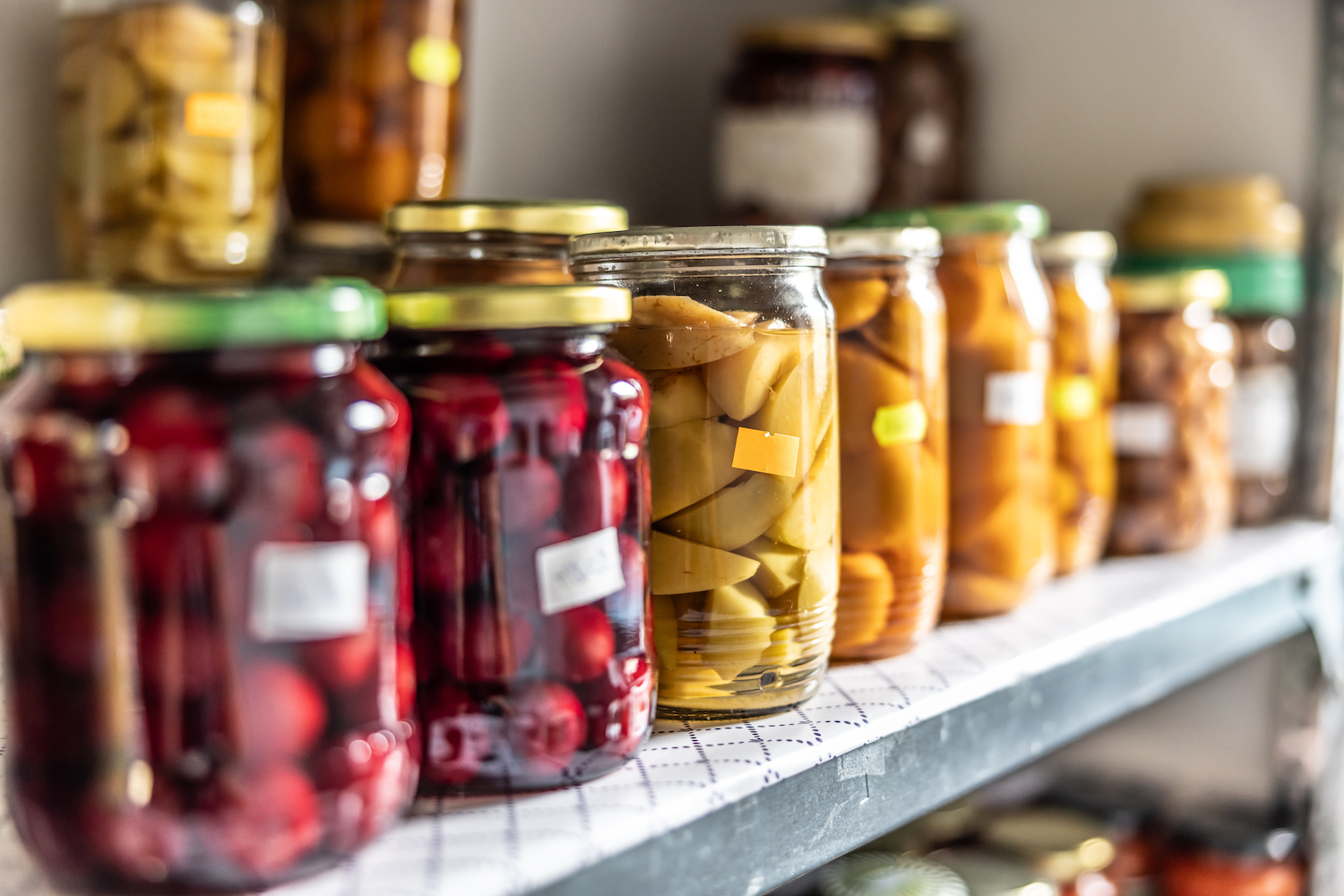
When we think of a pickle, 99% of the time we conjure an image of a brined cucumber. But the technique of pickling is a dark horse in the kitchen, a method to bring new flavors and textures into otherwise one-note foods. Fruits can pop with sweet and sour complexity, overlooked vegetables can transform into crunchy snack heroes and proteins can take on another level of umami-packed flavor. Pickling isn’t just preservation — it’s creativity in a jar. These techniques and recipes for fruits, veggies and proteins will help you get started on your brining journey.
Sweet and Sour: Why Fruit Deserves a Brine
Strawberries, watermelon rind, peaches and even grapes all thrive in a brine. The acidity sharpens their sweetness and adds unexpected depth and can also mask any sourness from underripe and out-of-season produce. Pickled fruit brings a lively contrast to cocktails, is a welcome addition to cheese boards and brings brightness to ice cream like no other.
The standard formula I prefer for fruit brine is 2 parts vinegar, 1 part sugar and 1 part water, plus light herbs and spices. The fruit formula contains more sugar than most brines, which preserves the fruit’s natural sweetness while preventing the vinegar from overwhelming. The water tempers the acid, while light herbs and spices, like mint or tarragon, lift the flavors without masking the fruit’s character.
Pickled fruit is wildly versatile and has applications in both sweet and savory recipes. Award-winning pizzaiola and gelato artisan Anna Crucitt has applications for both. “Pickled peaches would go amazing on a panino with porchetta, ricotta and fresh mozzarella,” she says. “Pickled strawberries would pair nicely with a mild fior di latte gelato.” She notes that the fruit plays well with other flavors, like the peppery notes of the porchetta and salty, creamy notes of the cheeses.
Strawberries are one of the more versatile fruits to pickle, good in everything from a bourbon cocktail to a bowl of gelato.
Pickled Strawberries
Servings: About 4 cups
Ingredients
- 2 cups halved strawberries
- 1 cup white wine vinegar
- .5 cup water
- .5 cup sugar
- 1 tsp. kosher salt
- 4 sprigs fresh tarragon
Directions
-
-
Bring vinegar, water, sugar and salt to a boil. Pour hot brine over strawberries and tarragon in a heatproof jar. Cool and refrigerate overnight. Kept chilled, they will be best within 14 days.
-

The Homemade Bar: How to Pickle Your Own Gibson Onions
This savory garnish may be the key to your new favorite MartiniVegetable Pickles Beyond the Cucumber
Cauliflower, okra, radishes and sweet potato slices might not be your first thought for pickling, but that’s what makes them exciting. The acid brine transforms bitterness into complexity, pulls earthy notes forward, and adds a color and crunch that complements hearty dishes. A veggie brine will usually follow a formula of 1 part vinegar, 1 part water, 1 Tbsp. of salt per 1 cup liquid and bold spices. It balances vinegar and water one-to-one, which keeps the acid strong enough for food safety but mellow enough for layering spices. A steady dose of salt seasons the vegetables as they crisp up, while bolder spices like garlic, mustard seed or chili flake create a punch that stands up to roasted meats or fried foods.
Radishes, with their earthy, spicy flavor shine in a pickle. Use them to top a salmon bowl or grilled sausage for an unexpected pop.
Pickled Radishes
Servings: About 4 cups
Ingredients
- 2 cups thinly-sliced radishes
- 1 cup apple cider vinegar
- 1 cup water
- 2 Tbsp. kosher salt
- 1 Tbsp. sugar
- 2 garlic cloves, smashed
- 1 tsp. red chili flakes
Directions
-
-
Combine vinegar, water, salt, sugar, garlic and chili flakes in a saucepan. Bring to a simmer, stirring until the salt and sugar dissolve.
-
Pack the sliced radishes into a clean jar and pour the hot brine over the radishes, making sure they’re submerged. Let the jar cool to room temperature, then cover and refrigerate. They’ll be ready to eat after a few hours, though the flavor and color deepens beautifully overnight. Stored in the fridge, they keep for about a month.
-

Pickled Seafood Is Unexpected — and Delicious
Seafood, particularly shrimp and scallops, takes beautifully to pickling in a ceviche-style brine. Instead of long pickling, the acid in citrus juice and vinegar does the work quickly, lightly “cooking” the protein while infusing it with fresh aromatics like onion, cilantro and jalapeño. This works because proteins don’t need the salt-heavy preservation formula that vegetables do. Instead, the protein brine leans heavily on citrus for brightness, vinegar for stability and a short soak time to keep textures delicate. The result is a clean, briny flavor with a tender bite that pairs perfectly with avocado or a cold beer. This brine can differ, but I start with 2 parts citrus juice, 1 part vinegar and fresh aromatics.
Ceviche is a favorite of Latin chefs like Francisco Lara-Ruiz, who loves the versatility of the dish. “The fun part about ceviche is there’s really no rules,” he says. “You can always add or switch different elements.” Lara-Ruiz also notes that the resulting liquid, a Peruvian delicacy called leche de tigre, is almost better than the fish itself. So when making the shrimp ceviche below, reserve some of the leche de tigre for shooting as a clean finish to the meal.
Shrimp Ceviche
Servings: 2
Directions
-
-
Lightly poach the shrimp in simmering water until just pink, 1 to 2 minutes. Drain and set into an ice bath to halt cooking.
-
Once cooled, submerge the shrimp in lime juice, orange juice, vinegar, onion, jalapeño, salt and cilantro stems. Refrigerate for 2 hours. Serve chilled with avocado, tortilla chips and a cold beer.
-
More Like This




This article appeared in an InsideHook newsletter. Sign up for free to get more on travel, wellness, style, drinking, and culture..