
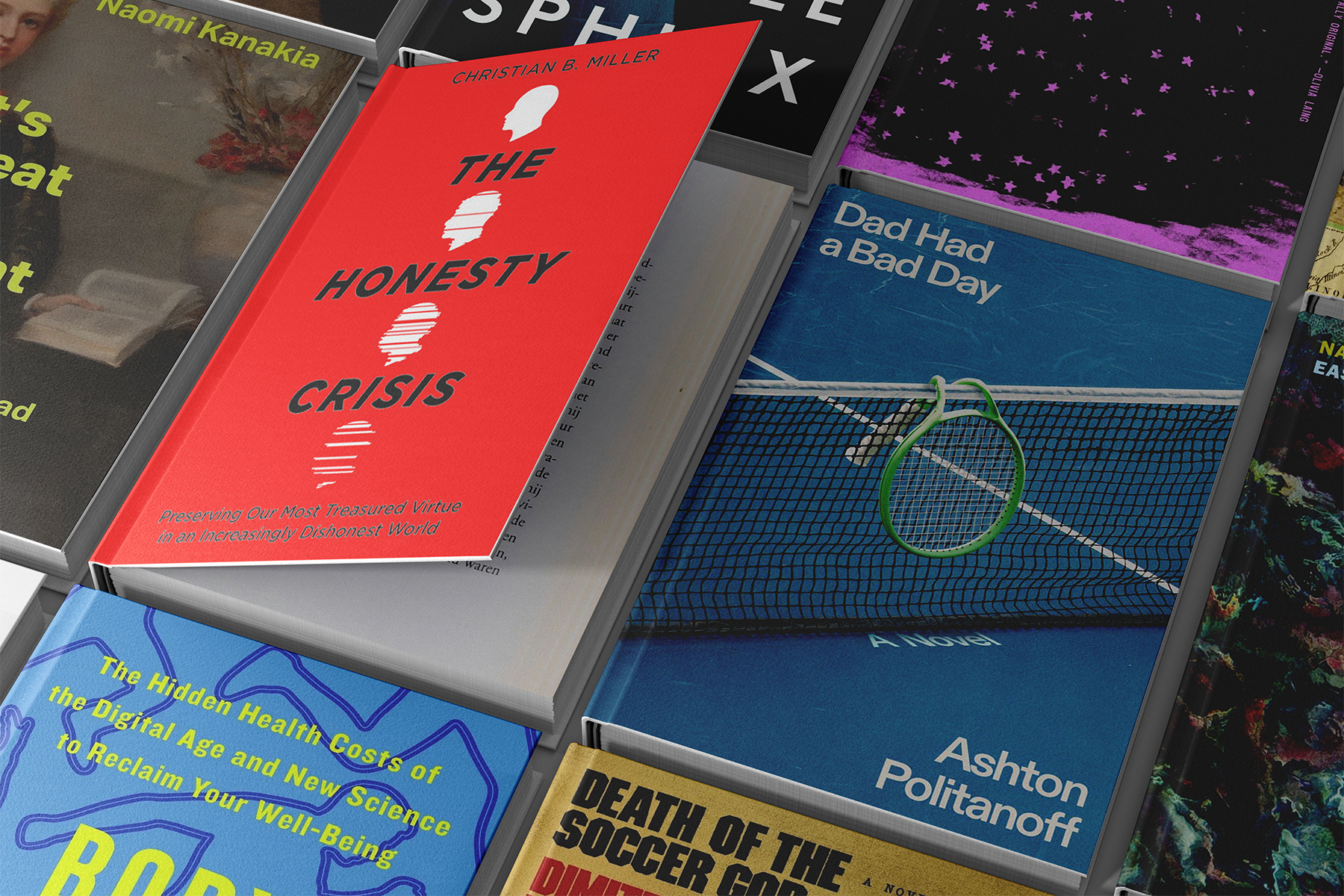
What’s on your mind at the start of this month? Maybe you’re asking big questions about technology or have the state of the nation on your mind. You could be in search of a thrilling, escapist tale set in another time and place or are looking to explore everyday life far from where you live. Our recommended books for May 2026 cover plenty of ground, from fiction to whet your appetite for the World Cup to one author’s enthusiastic case for classical literature. We have all that and more, below.
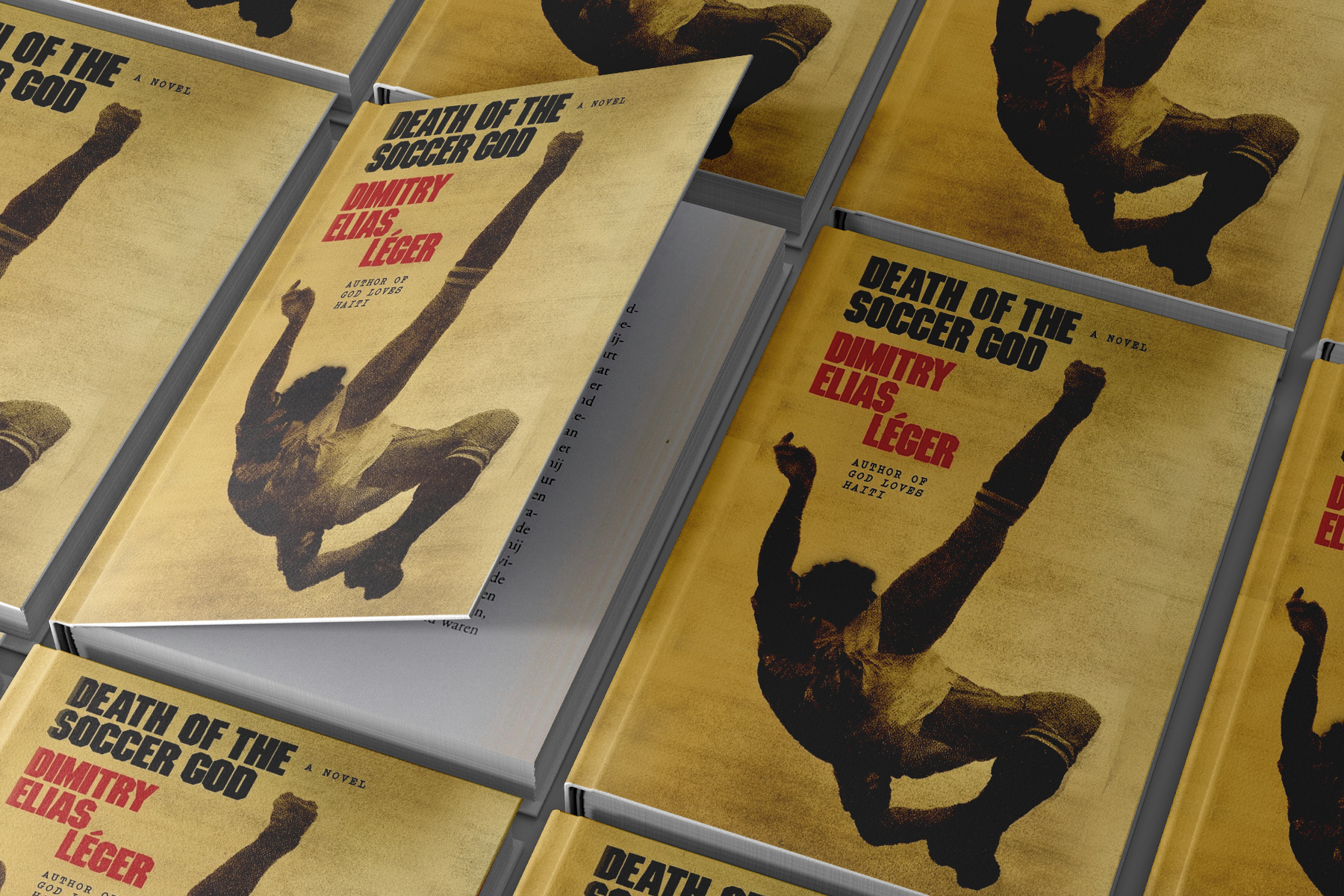
Dimitry Elias Léger, Death of the Soccer God (May 12)
Given this summer’s World Cup, it’s no surprise that a fair number of books with soccer at their core are set for publication in 2026. In the case of Dimitry Elias Léger’s novel Death of the Soccer God, a bygone iteration of that tournament is the backdrop for the story told. Léger’s novel follows the story of a young immigrant who competes in the 1950 World Cup and struggles with changes in fortune as his career peaks.
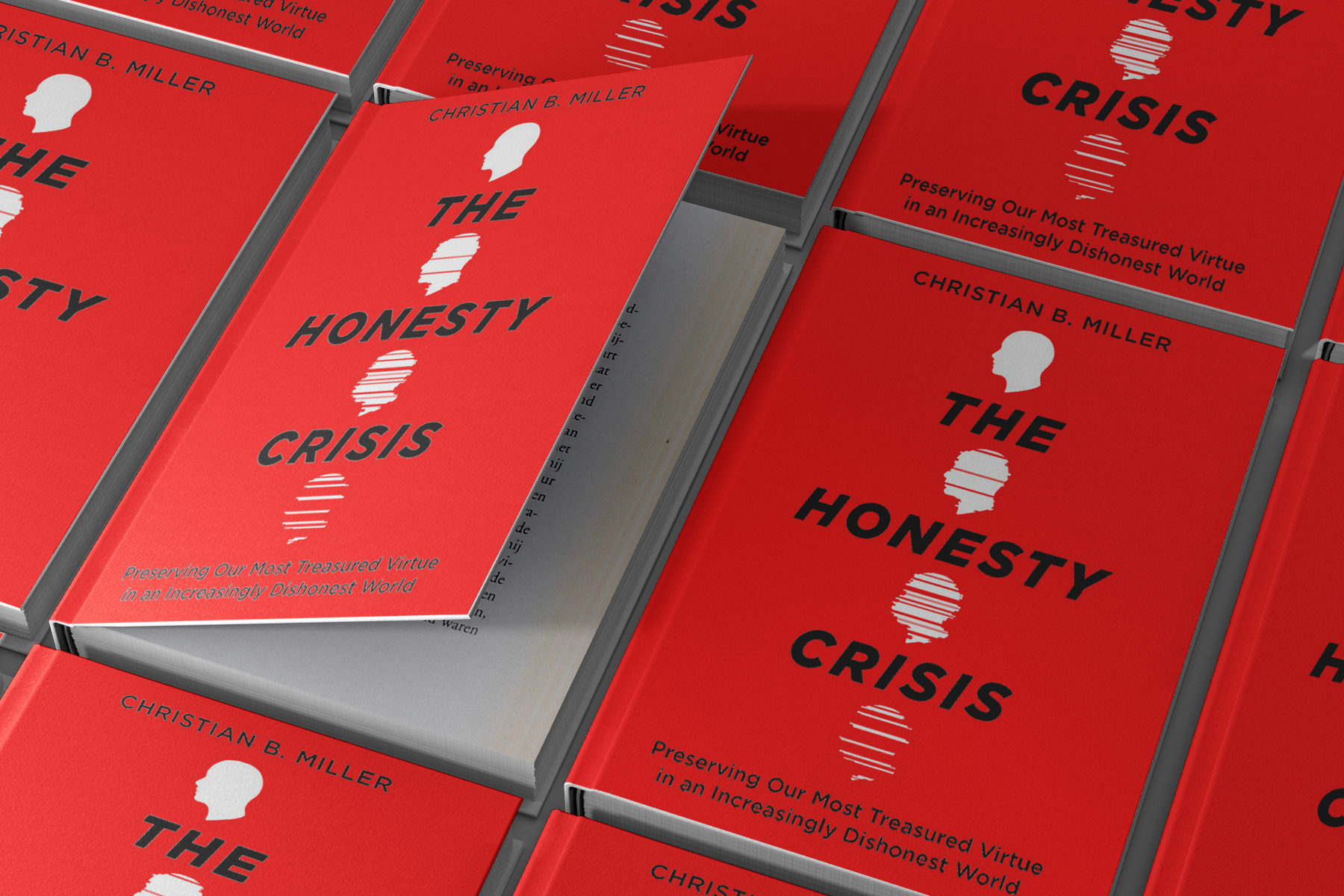
Christian B. Miller, The Honesty Crisis: Preserving Our Most Treasured Virtue in an Increasingly Dishonest World (May 19)
Here’s something you may have noticed: It’s increasingly easy for people — celebrities and otherwise — to lie without facing any consequences. Christian B. Miller is something of an expert on honesty, as he heads the Honesty Project, an effort to quantify its impact on the world. In this new book, Miller explores precisely how we’ve found ourselves at a decisive moment with respect to truth and falsehood.
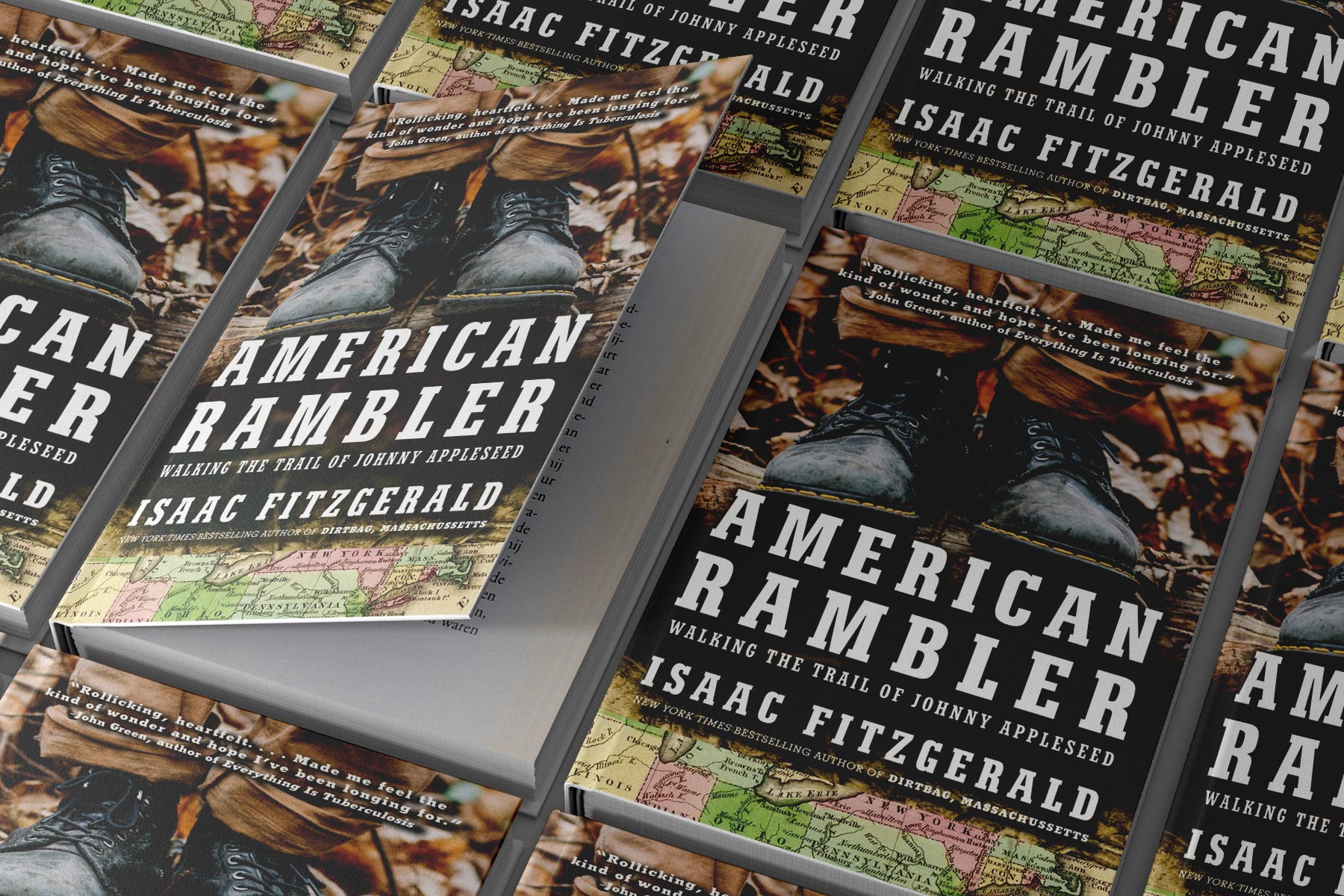
Isaac Fitzgerald, American Rambler: Walking the Trail of Johnny Appleseed (May 12)
Isaac Fitzgerald knows how to tell an enthralling tale. In his memoir Dirtbag, Massachusetts, he told the story of his own youth. In American Rambler, he revisits the route Johnny Appleseed took across the eastern Unites States and chronicles the people and places he encounters along the way. In his hands, it looks to be a mesmerizing yarn, as Fitzgerald has a talent for finding memorable moments wherever he travels.
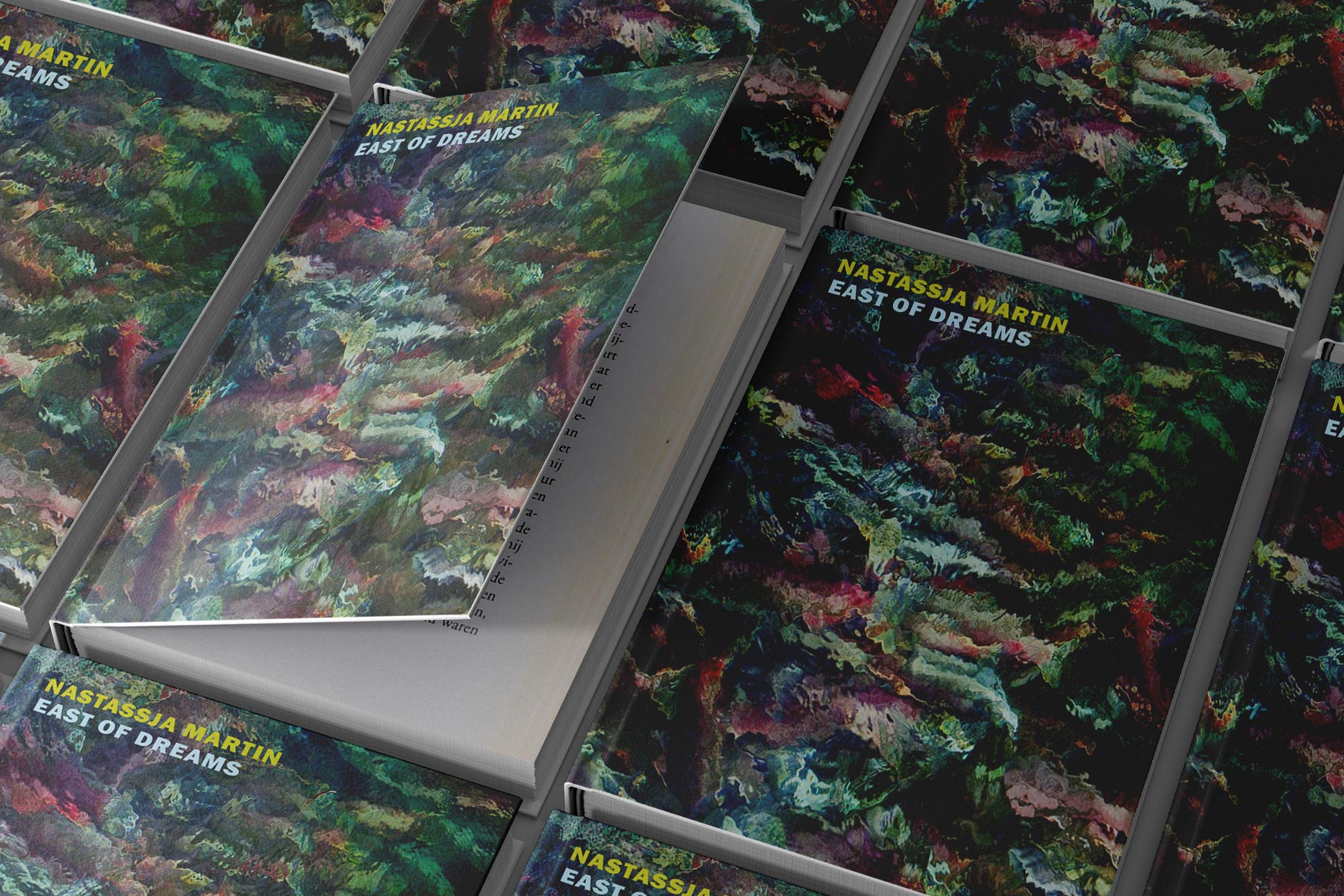
Natassja Martin, East of Dreams (May 19)
In her earlier book In the Eye of the Wild, Nastassja Martin wrote about her life in the aftermath of a harrowing bear attack. (Is there any other kind?) For this new book, translated by Sophie R. Lewis, Martin takes the reader on a very different journey. Here, she explores the lives of two Indigenous communities on opposite sides of the Bering Strait, delving into the ways their fortunes and connections have shifted because of Cold War tensions and more recent struggles.
Alan Moore, I Hear a New World (May 26)
During the course of his writing career, Alan Moore has done plenty — from helping transform the medium of comics to evoking his hometown of Northampton, England in the monumental Jerusalem. His current project, the Long London series, is some of his most accessible work. It’s also an absolute blast, following its characters through alternate versions of London. It’s a thrilling voyage through one city’s uncanny history.
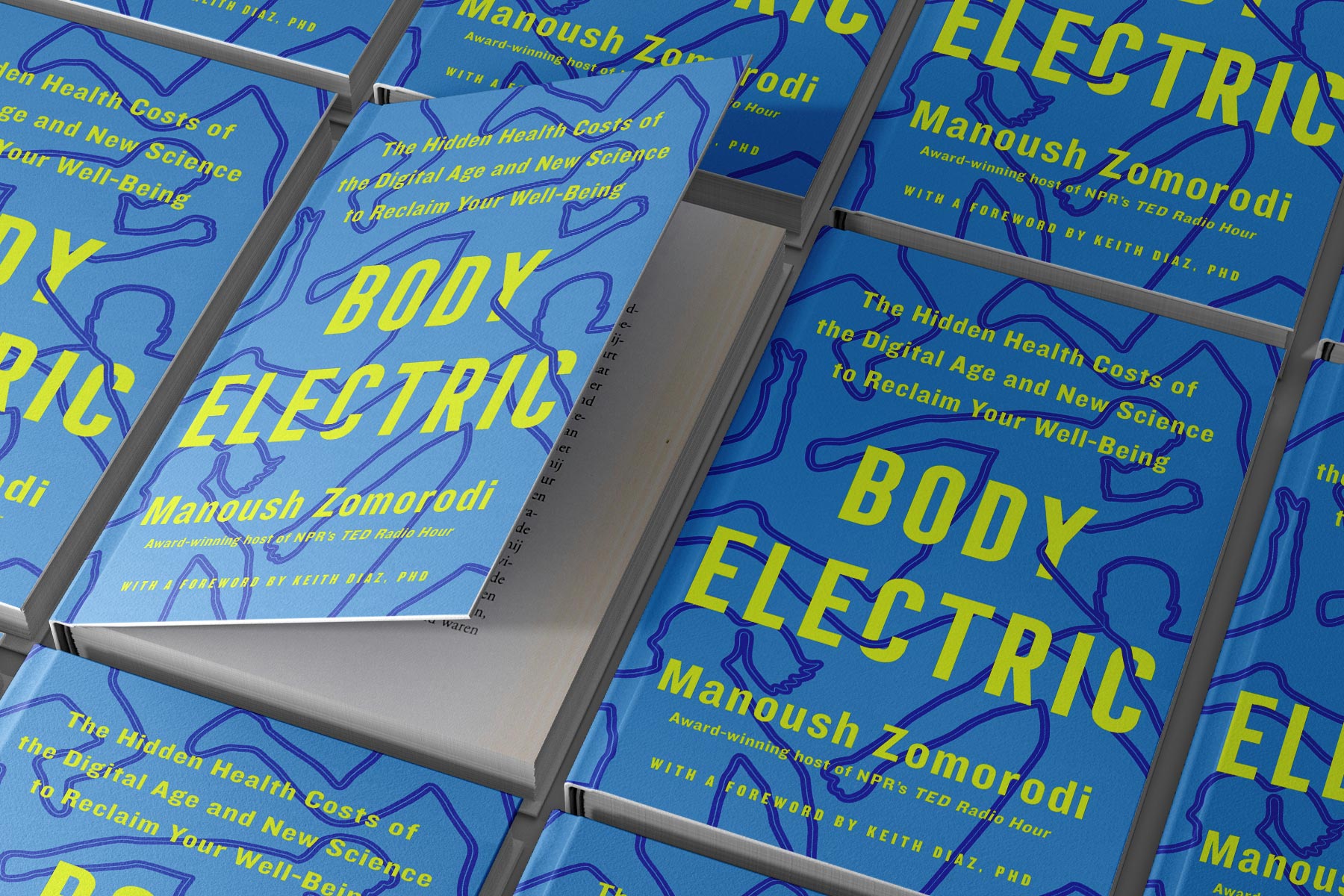
Manoush Zomorodi, Body Electric: The Hidden Health Costs of the Digital Age and New Science to Reclaim Your Well-Being (May 5)
You might know Manoush Zomorodi from her writing and reporting about technology or her work as the host of TED Radio Hour on NPR. Her new book, Body Electric, takes on a subject that will likely resonate with anyone who spends much of their days on a computer: What effect is this having on our health, and — more broadly — on our perceptions of the world? Zomorodi offers clarifying advice while also dispelling some myths about technology and health.
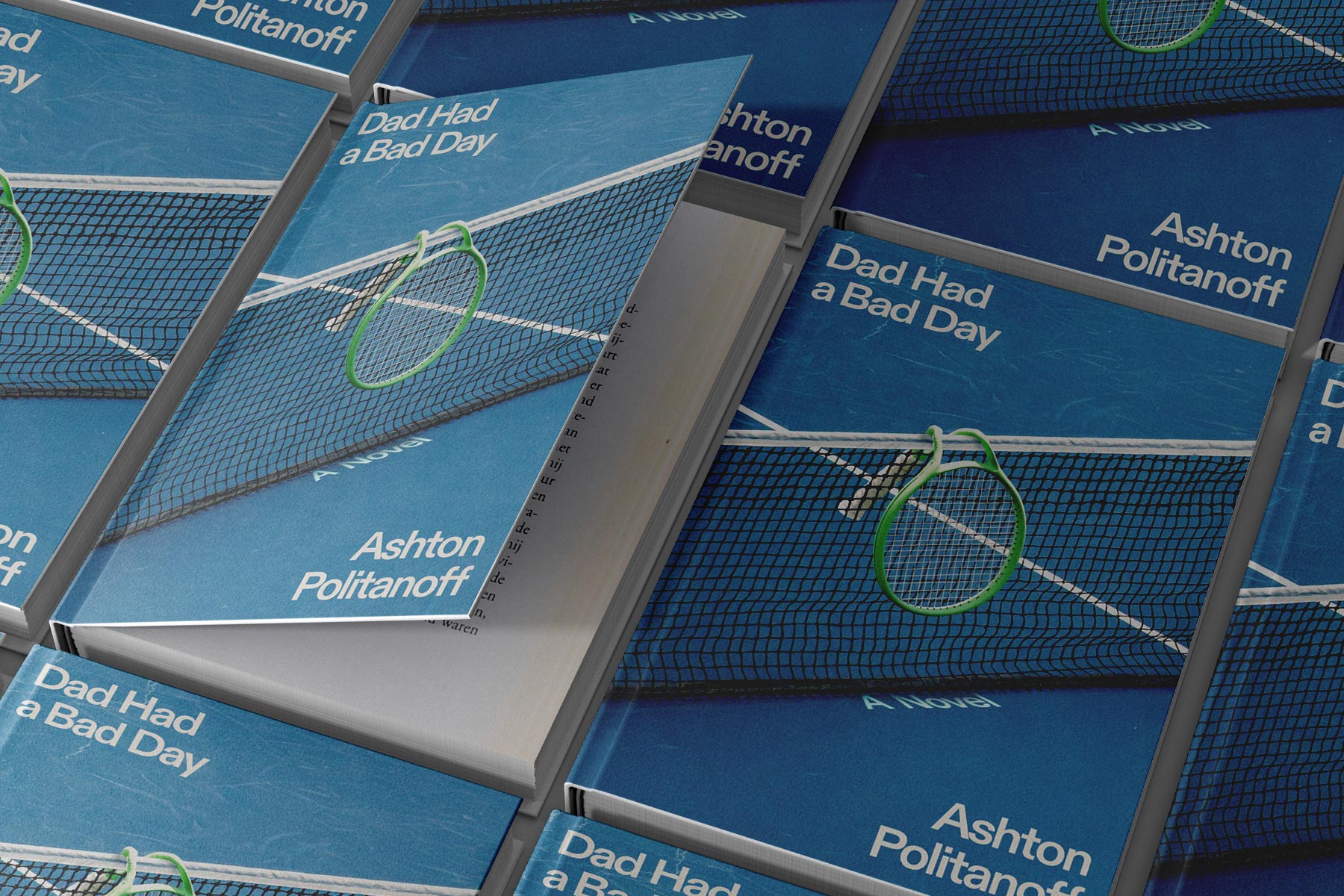
Ashton Politanoff, Dad Had a Bad Day (May 19)
What’s not to like about a novel in which a vintage Slazenger tennis racket sets the plot into motion? Ashton Politanoff’s new novel follows the misadventures of a father rediscovering his passion for tennis and making some questionable decisions along the way. One recent review notes that “Politanoff’s primary preoccupation is the fraught relationships between fathers and sons,” a subject that offers plenty of ground to cover.

9 Books You Should Read Right Now, According to Cool Men
This month, our panel recommends pandemic fiction, a literary role-playing game and a haunted-house novel from the author of “Bird Box”
Naomi Kanakia, What’s So Great About the Great Books? Why You Should Read Classic Literature (Even Though It Might Destroy You) (May 26)
Besides one of the most fascinating literary newsletters out there, Naomi Kanakia is also the author of the tech-world satire The Default World, among other books. Her next tome is a foray into nonfiction — specifically, a book about the appeal of classic literature and the rewards and pitfalls of reading centuries-old works. The title poses a compelling question, and Kanakia is a talented guide to find the answer.
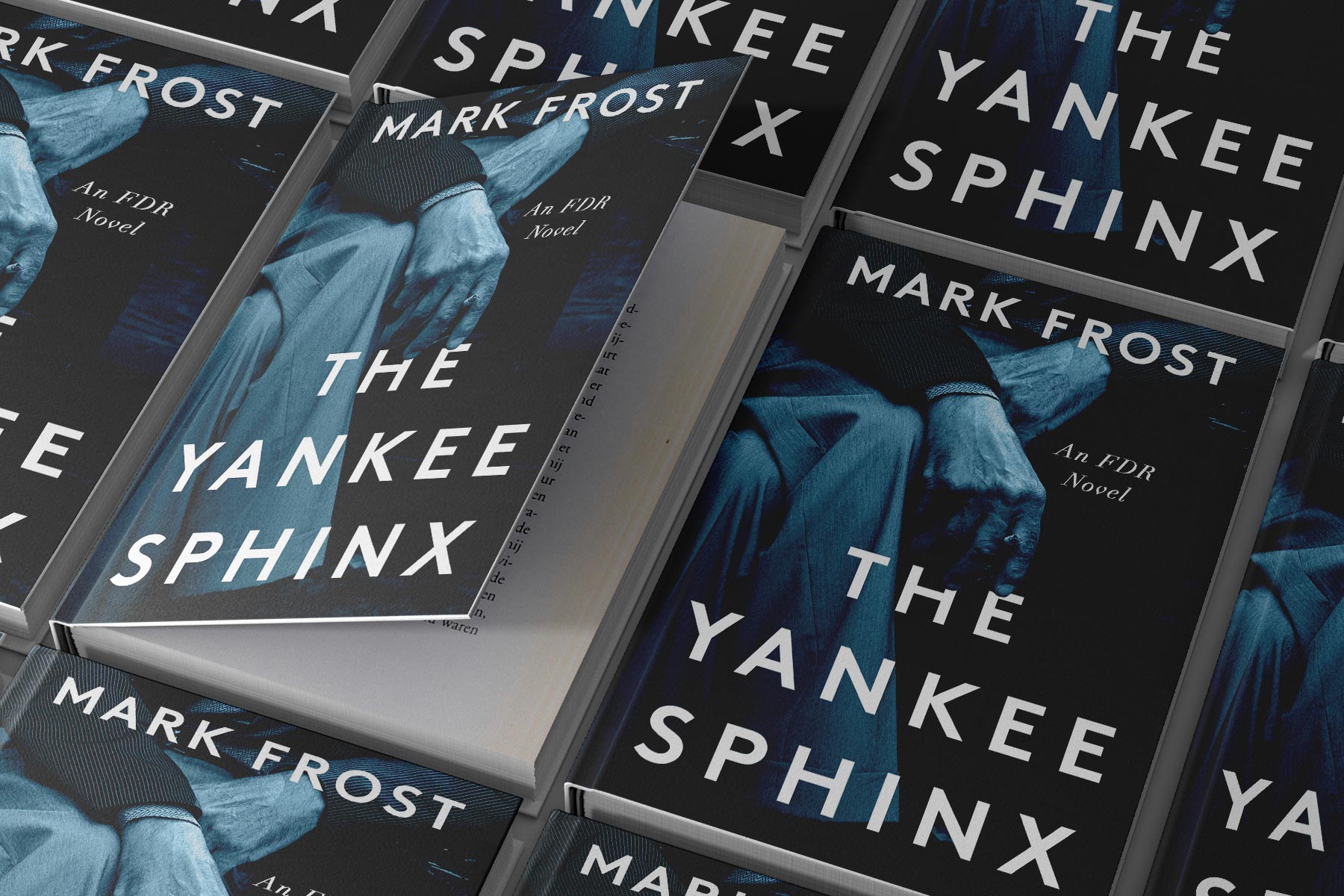
Mark Frost, The Yankee Sphinx (May 5)
You probably know Mark Frost through his collaborations with David Lynch, including Twin Peaks and the short-lived On the Air. But Frost’s own artistic pursuits have also led him to some wide-ranging places, from espionage thrillers to the history of golf. His latest book’s subject is Franklin Delano Roosevelt and focuses on the challenges he faced leading his country through the Second World War.
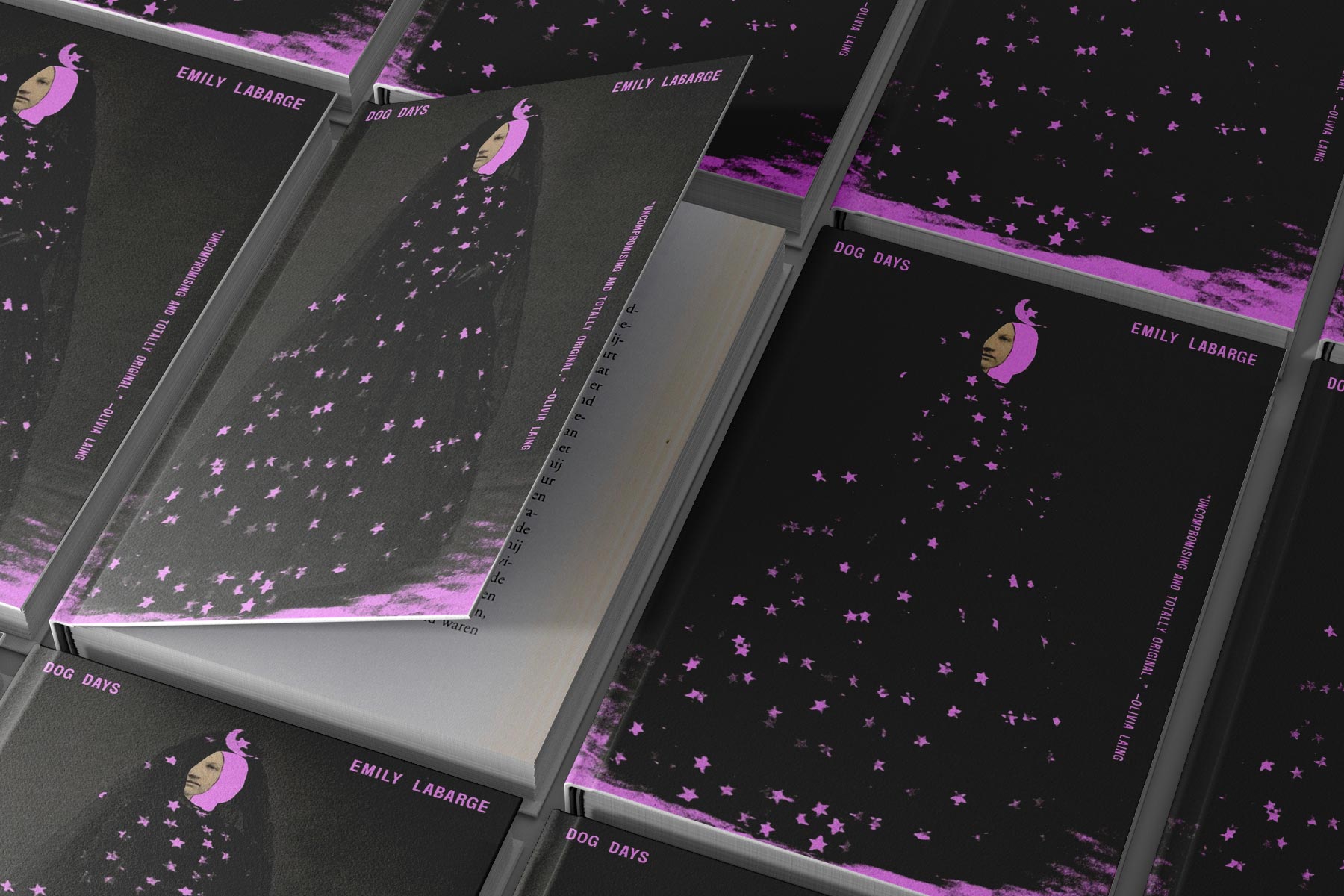
Emily LaBarge, Dog Days (May 19)
If you’re reading about the current state of the art world, it’s likely you recognize Emily LaBarge’s name from her coverage of it. For her first book, she’s chosen a disquieting subject: her experience of being held hostage, along with her family, more than a decade ago. That violent act and its aftermath form the core of Dog Days and sparks a meditation on memory and storytelling.
More Like This

This article appeared in an InsideHook newsletter. Sign up for free to get more on travel, wellness, style, drinking, and culture..