Engagement Rings 101: Everything You, a Man, Need to Know Before Buying
Should you shop together? Spend three months’ salary? Real or lab-grown diamonds? We called up a panel of experts to guide you through it all.

Welcome to The Groom’s Guide, our expert-led handbook to help you navigate the proposal, the wedding and everything in between. Find all the stories here.
There comes a time in a man’s life where he must get down on one knee, fish a tiny box from his pocket and propose marriage to the person standing in front of him.
This is supposed to be one of the happiest moments of his life. He’s planned everything to a T. The location. The celebratory bottle of champagne. He enlisted a friend to ensure his partner’s nails are done. There’s even a photographer hiding in the bushes.
What is going to ruin this perfect day? If he opens that box and inside sits the wrong ring.
As the saying goes, “Wrong ring, wrong guy.”
To help you avoid this fate, we tapped six experts to get the lowdown on engagement rings, not only to ensure your proposal is accepted, but because there are endless questions that need answering.
Should you shop with your partner or surprise them? Do you get a natural or lab-grown diamond? How big should it be? How much should it cost? Every question you were too embarrassed to ask, or didn’t know to ask in the first place, we’ve answered below, along with a breakdown on cuts, alternative gemstones and the best retailers to find that perfect ring.




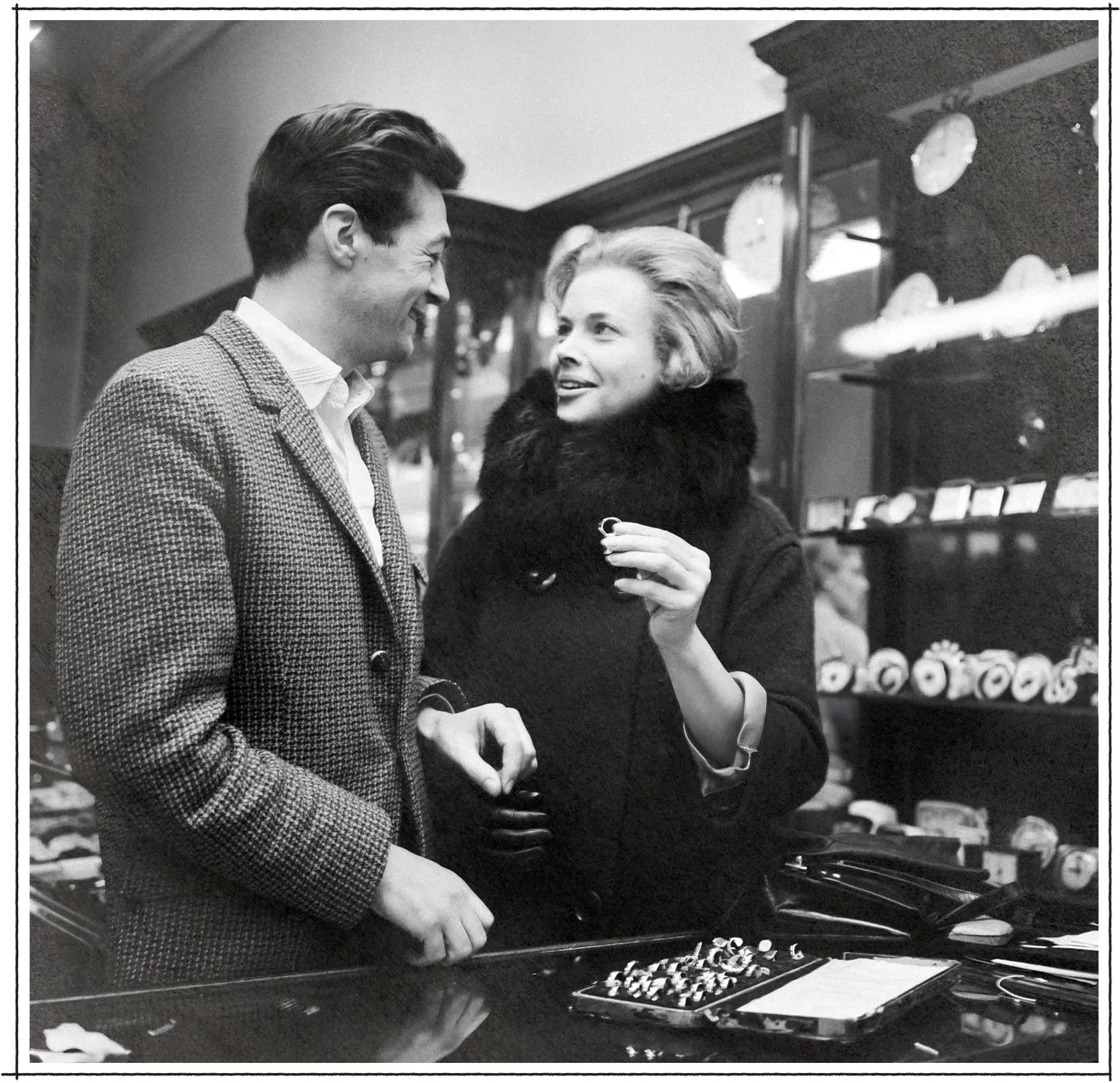
Yes, you should shop together
There is an internal debate here at InsideHook HQ about whether or not your partner should be a part of the ring selection process. In short, should they have a say?
Interestingly, we’ve found ourselves in a gender divide. The men of the office believe that if you’re about to marry someone, you should know their preferences and, hence, be able to choose the perfect ring without their input. While the women of the office agree with this general sentiment, they are unwavering in the belief that your partner — the person who is going to wear this piece of jewelry forever — should be part of the process. Luckily, we’ve found the perfect compromise, and our experts agree: you must shop together.
“An engagement ring is a reflection of your relationship,” says Brooklyn-based jewelry designer Bliss Lau. “When couples share the process, the ring becomes something much deeper than a surprise. It becomes part of the story you’re creating together.”
“I encourage couples to come in together for the first appointment, select a few favorite design styles and gem or diamond shapes. This way, the final ring and the proposal can still be a surprise. Once we’ve narrowed things down to a few favorites, she can step away and let you take it from there.”
Jennie Yoon, founder of the jewelry brand Kinn, argues that engagement ring shopping is more romantic when done together. “You’re not just picking a ring, you’re starting a conversation about your life together,” she says. “Knowing your partner will love it forever is better than hoping they’ll get used to it.”
“Many couples separate the ring from the proposal,” adds Kylie Bee, the jewelry lead for Quince. “You can explore styles together beforehand, narrow down a few favorites and then make the final selection yourself. Some couples shop together, others share inspiration or preferences ahead of time.”
“There’s no single ‘right’ approach,” she says, “the goal is simply to choose something that reflects her style and your shared story.”
Jeweler Spotlight: Bario Neal
A women-owned jeweler known for distinctive handcrafted designs, meticulous customization options, and working with recycled and traceable diamonds and gemstones.
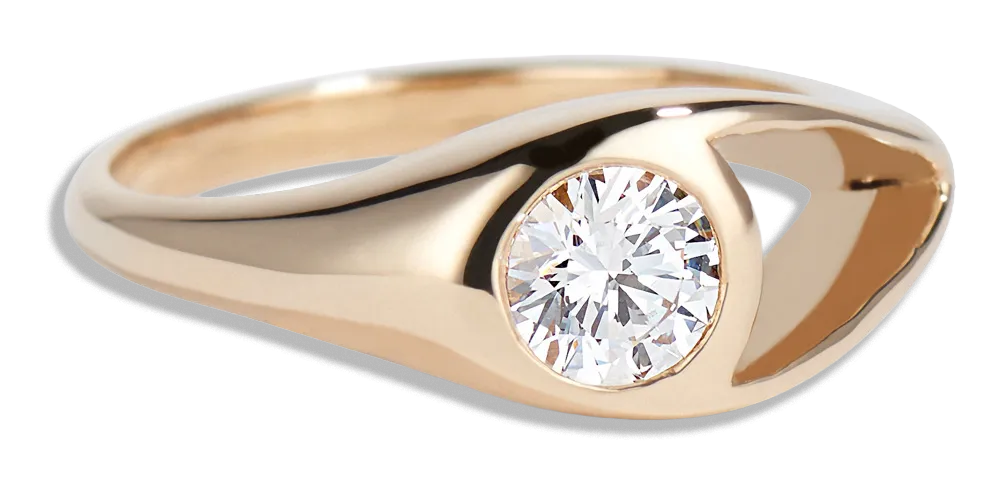
Aira Diamond Ring .50ct
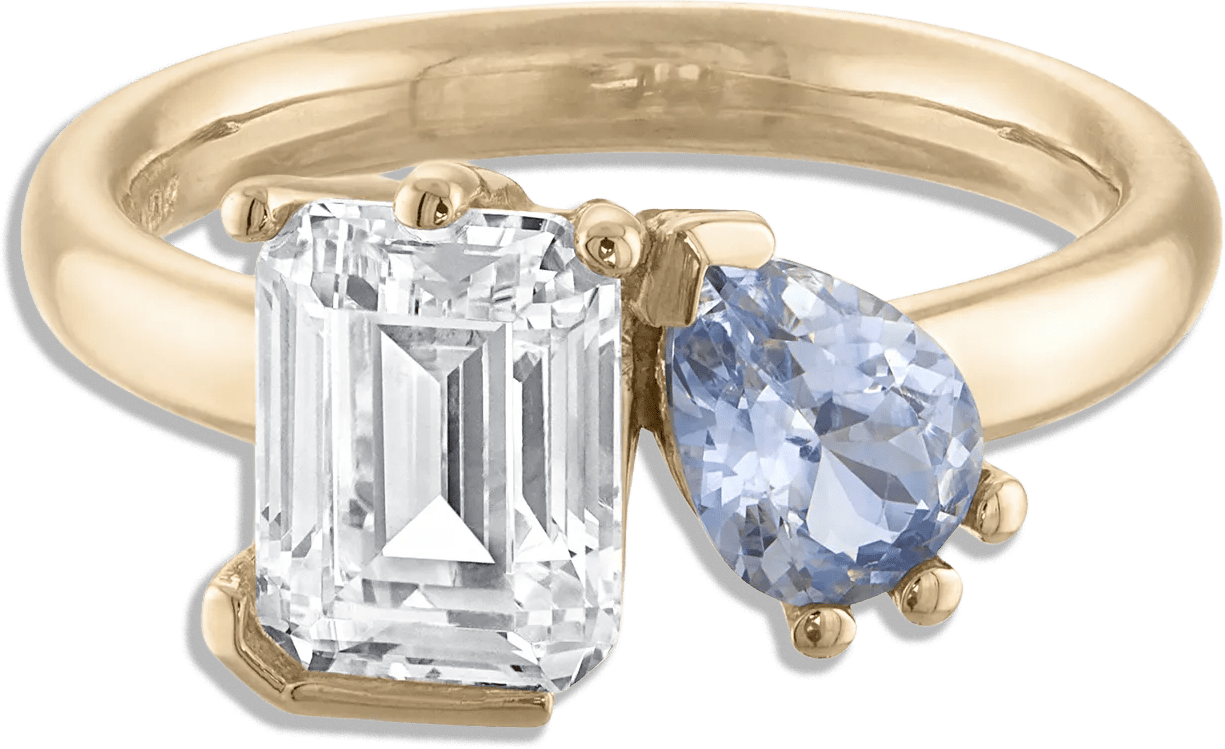
Toi et Moi Diamond and Sky Blue Sapphire Ring
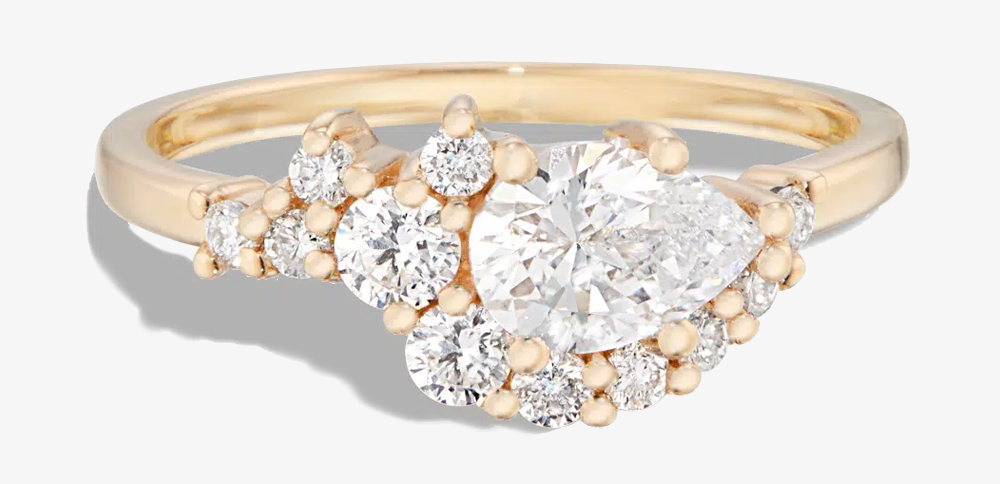
Sway Cluster Diamond Ring
Before you start shopping, pay attention
All of this to say, if your partner explicitly wants you to take the reins — giddy up. In the event that you do surprise them, all our experts agree that you’d better be taking note of a few things.
“What does your partner already wear?” asks Yoon. “Yellow gold or silver? Delicate or bold? Minimalist or detailed? Their existing jewelry tells you almost everything.”
Remember those times they sent you shopping links or TikTok videos of engagement rings they’ve liked? Those were hints, which will lead you in the right direction. “Look at rings she’s saved or liked online, as those clues can be surprisingly helpful,” adds Bee.
Not only is knowing their style crucial, but don’t forget to take into account their lifestyle, says Jenny Seeger, the founder of Eliette, which specializes in engagement rings with lab-grown diamonds.
“Is she very active with her hands and therefore needs a setting that’s not dainty? Is she a fan of modern architecture, or is she brownstone or bust? There’s lots to consider,” says Seeger. “Ultimately, if you’re having trouble deciding, go simple and go with an elongated stone — emerald-cut and oval-cut centers are our best-sellers for a reason.”
This is not the time to clam up, either. Whether you’re shopping with a boutique brand or at the jewelry emporium in your town, consult the experts that are right in front of you.
“Don’t be shy about asking for help. This is where working with an independent designer can really make a difference,” says Lau. “When someone comes to me wanting the ring to be a surprise, I spend time getting to know their partner through them. I’ll ask about their style, what they do for work, what they love to do in their free time and the kinds of jewelry they already wear. Those details often reveal more than people realize.”
Jeweler Spotlight: Brilliant Earth
Start with a setting, diamond (real or lab-grown) or gemstone, and let your imagination run wild — the jeweler makes it easy to customize their award-winning designs to your liking.
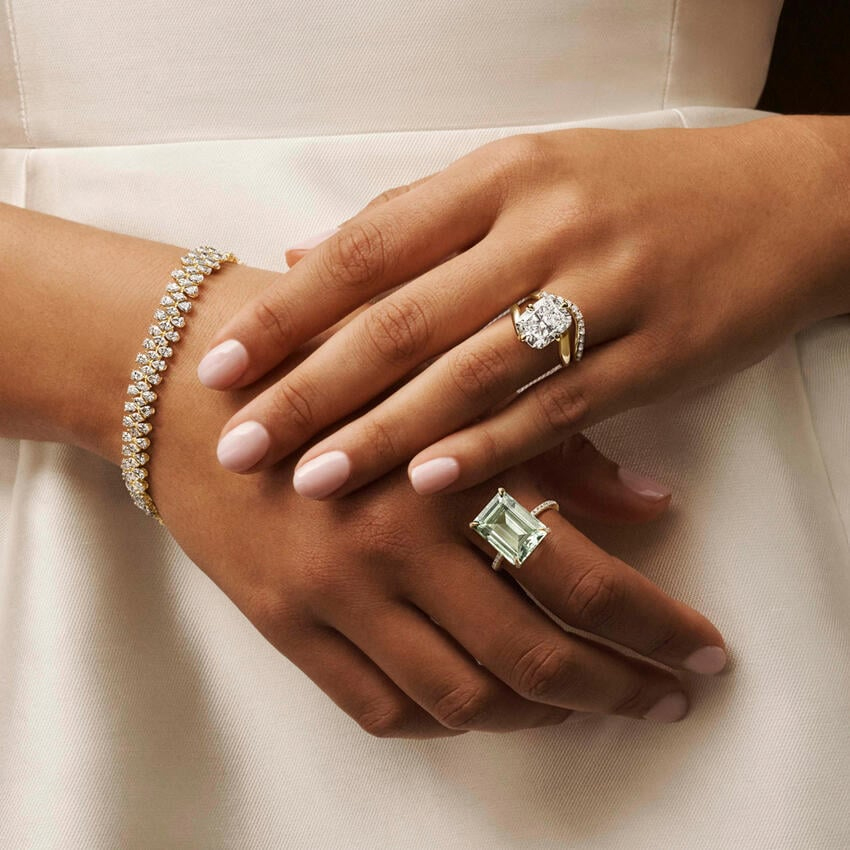
Atelier Solitaire Ring (Setting)
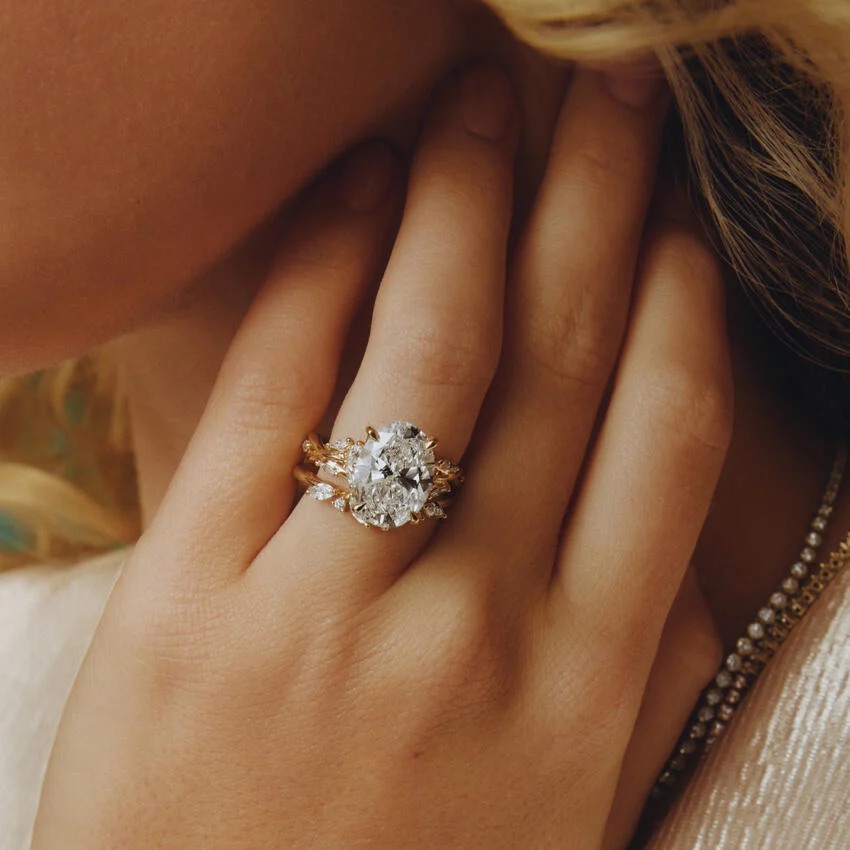
Secret Garden Diamond Ring (Setting)
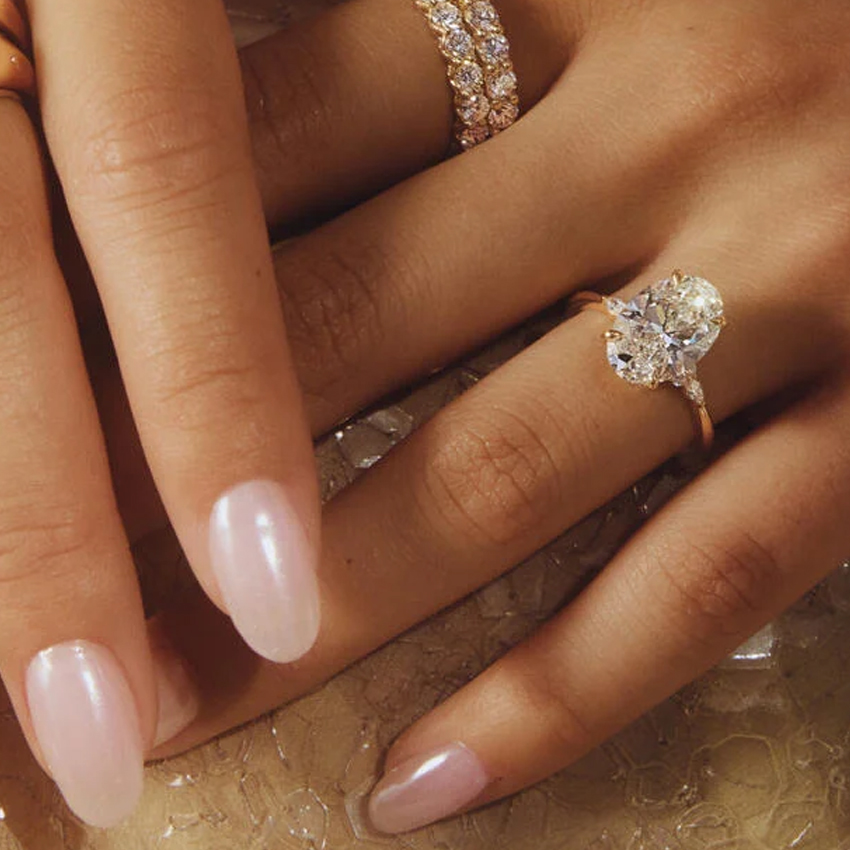
Nadia Diamond Ring
Proposing in six months? Start looking now.
You’re planning to propose — congratulations! When should you begin shopping? Our experts say to get the process started three to six months in advance, depending on what you’re looking for.
A three-month buffer allows time for research and any potential resizing, says Bee. If you’re customizing, budget four months, especially around the holidays when jewelers are at capacity.
“Six months is the sweet spot in my opinion,” offers Seeger. “It’s close enough where pinning down their style and preferences won’t be such a moving target. If you shop one to two years in advance, that’s not a guarantee. Most companies will be able to turn around a ring within six to eight weeks, tops.”
Just don’t commit the cardinal sin of waiting until the last minute. “Rushing a ring purchase is how mistakes get made,” cautions Yoon.
Jeweler Spotlight: Catbird
The Brooklyn-based brand offers a wide selection of vintage-inspired designs from its own label, as well as pieces from other smaller designers like Wwake and Jennie Kwon.
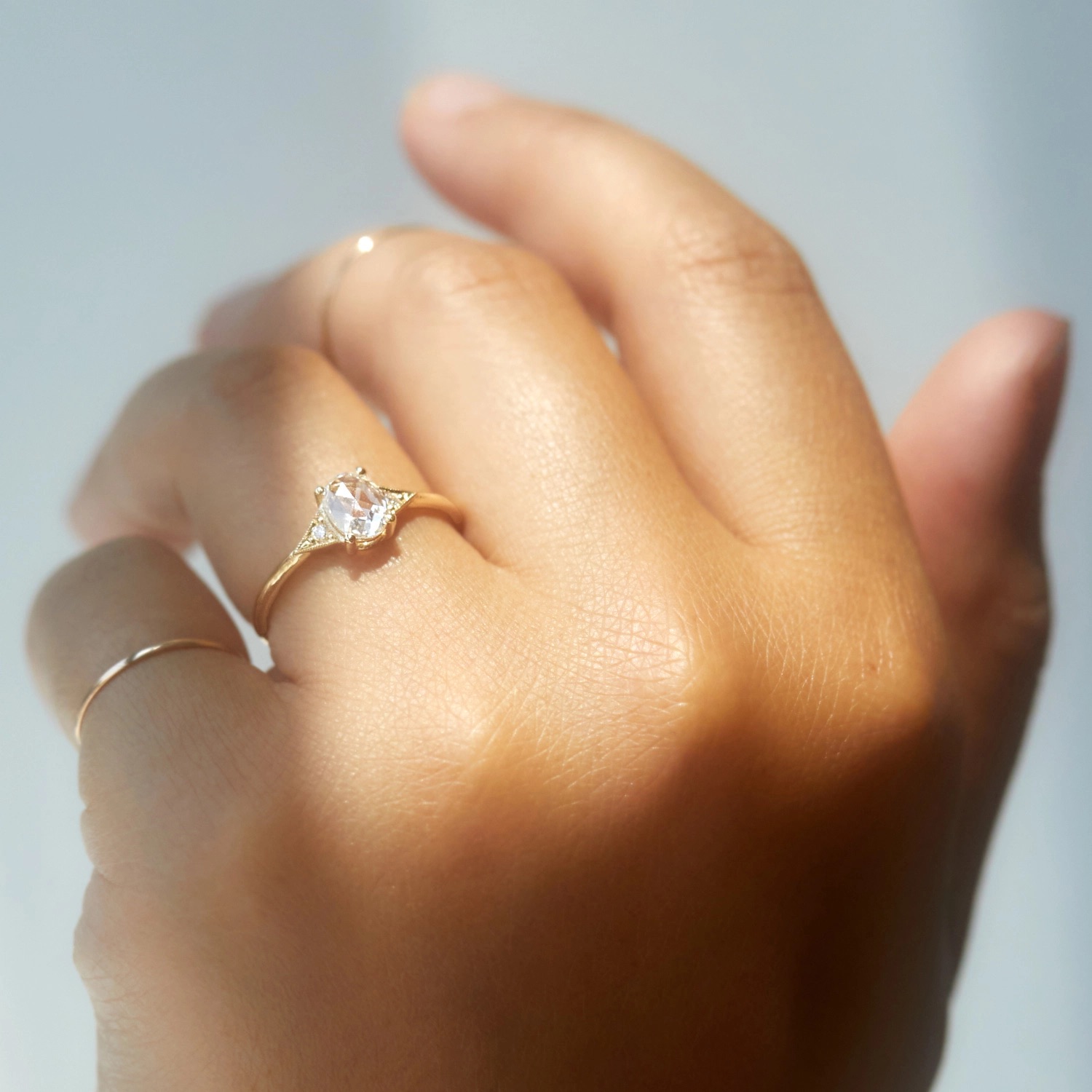
Rose Cut Deco Diamond Ring
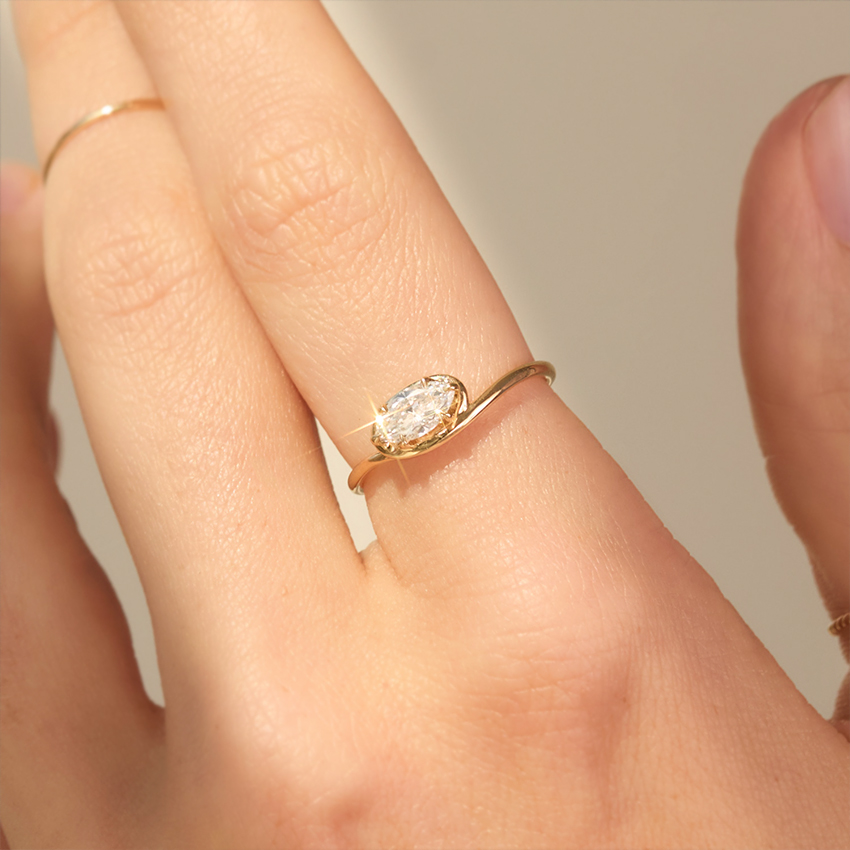
Cinema Lab-Grown Marquise Diamond Ring
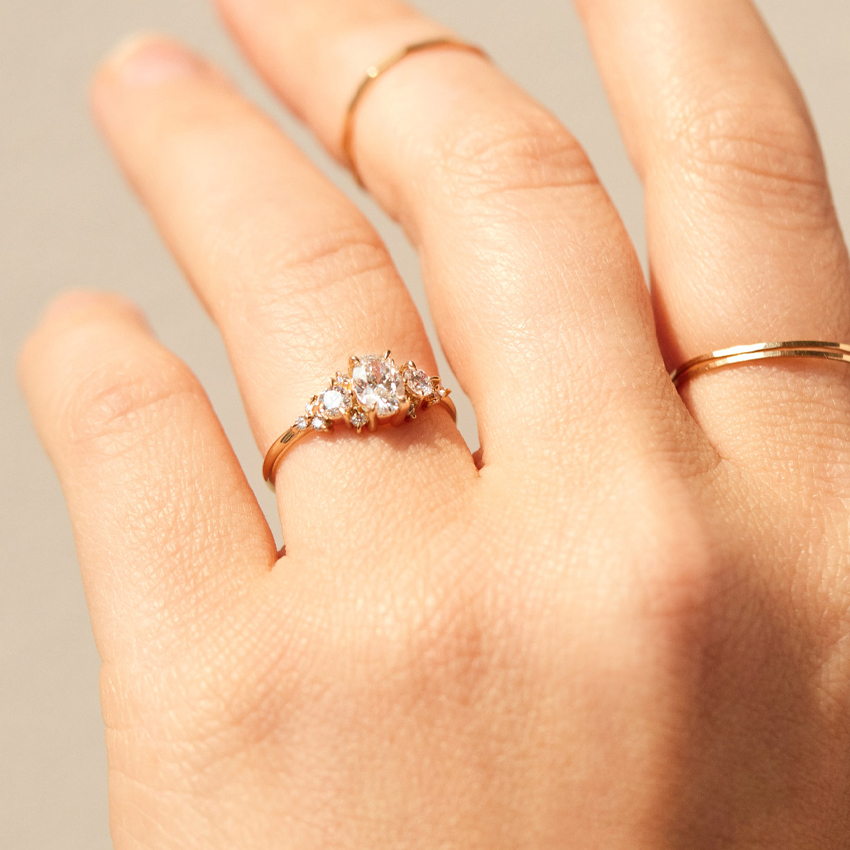
Loggia Diamond Ring



Settling the debate: real or lab-grown diamond?
It’s the question on the tip of everyone’s tongue: “Is it real?”
Lab-grown diamonds have exploded in popularity over the last decade, with many people actively seeking conflict-free, environmentally friendly engagement rings. Compared to natural diamonds, these lab-grown gems are also more approachable in terms of cost.
“[Lab-grown diamonds] are physically, chemically and visually identical to mined diamonds, but they typically come at a more accessible price point and have a lower environmental impact,” explains Bee. “That means you can often choose a larger or higher-quality stone for the same budget.”
Still, ain’t nothin’ like the real thing, baby. While some partners may prefer size over provenance, others may be adamant about a real diamond on their finger.
“I prefer real diamonds and real gemstones. There is something so truly magical about natural diamonds,” says Seth Maynard, the New York City manager at Bario Neal, a jeweler that works with recycled and traceable diamonds and gemstones. “They were created somewhere between 900 million and 3.5 billion years ago, 27 to 32 miles below the Earth’s surface and brought up through ancient volcanoes. They’ve gone through all of that to just be in your ring, and that’s pretty amazing.”
Still, Maynard says it ultimately comes down to what makes you and your partner the happiest.
“I also understand that sometimes [a natural diamond] is out of the price range, and you want to get a larger diamond to really showcase the special love that you have for each other,” he says. “That’s when I think lab-grown diamonds can be a great option.”
Jeweler Spotlight: Eliette
The women-owned bridal jewelry brand specializes in lab-grown engagement rings with diamonds sourced from labs that use renewable energy. Looking for a timeless, romantic ring for a fraction of the price? Start here.
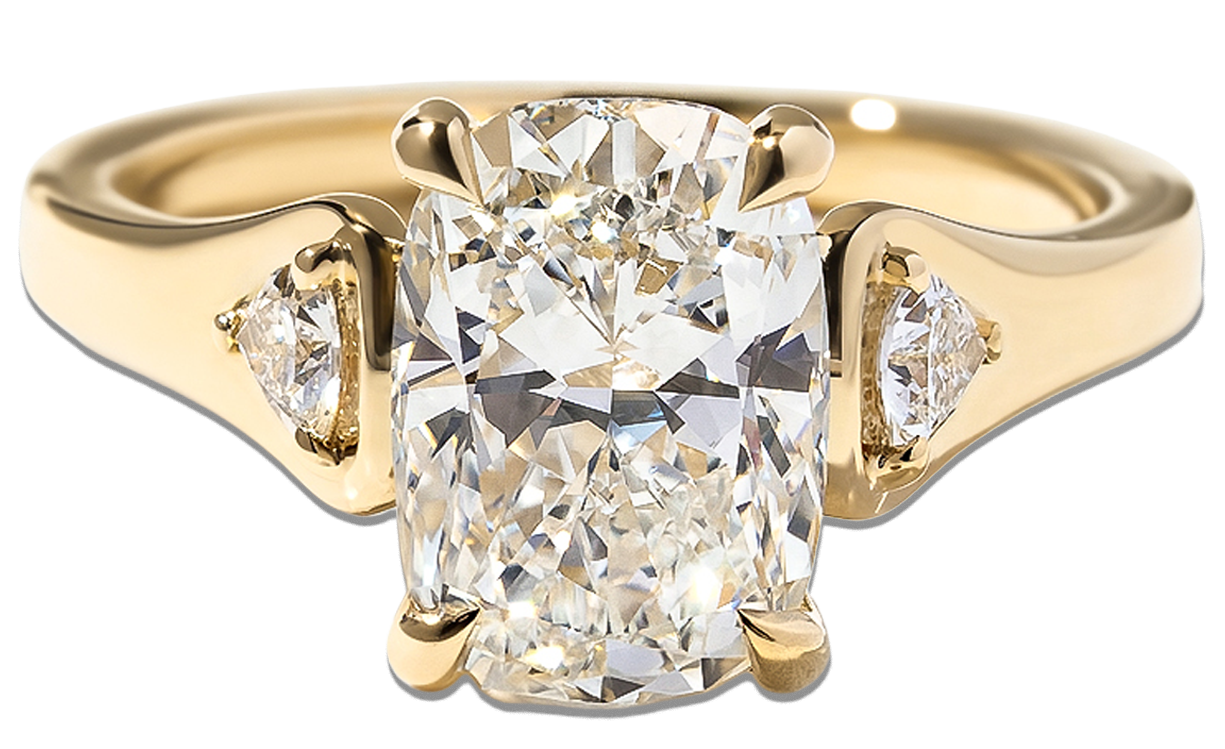
Cleo Cushion
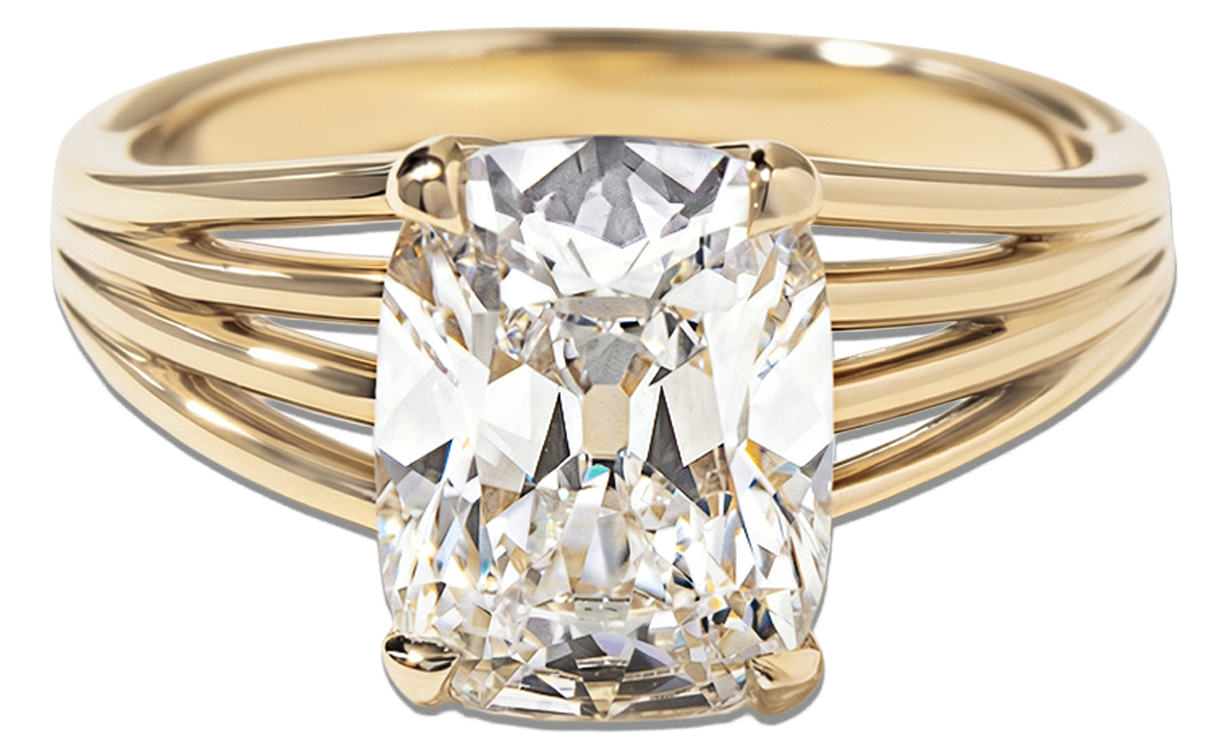
Scarlett Antique Cushion Solitaire
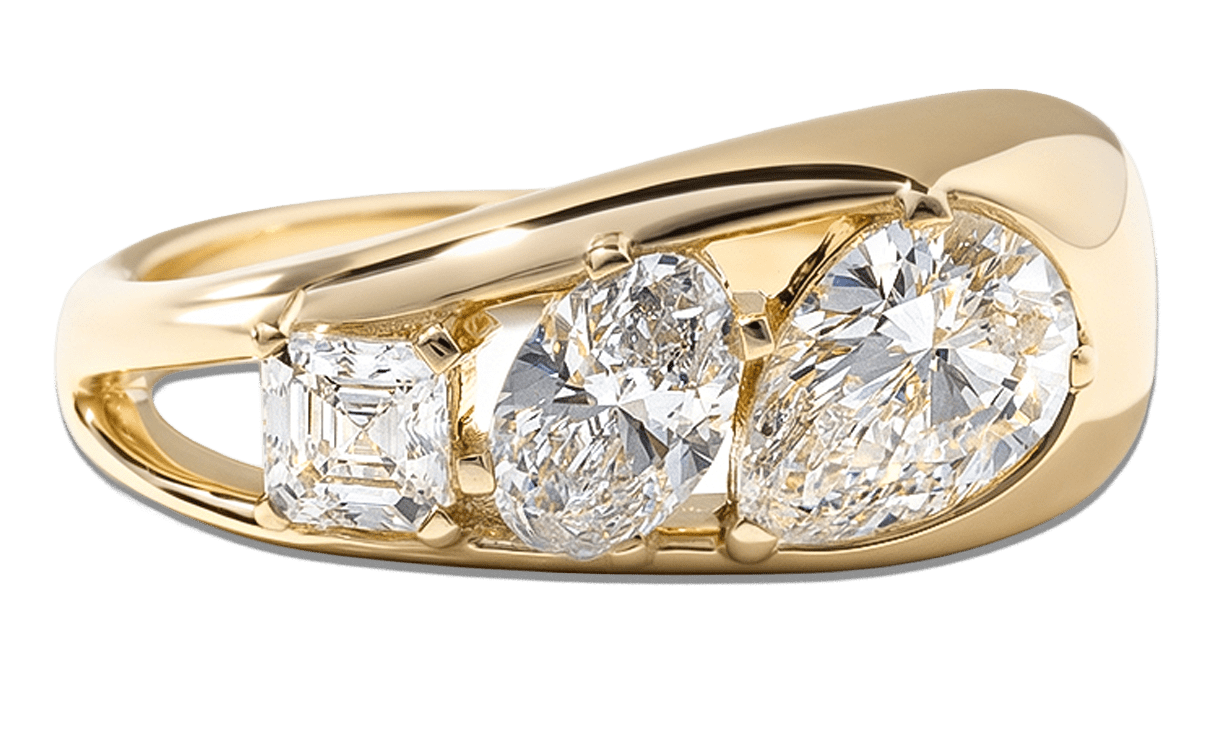
Maeve Pear
Don’t buy the wrong metal
When you’re buying any piece of jewelry for someone else, you should always take note of what they already wear. If you buy a silver ring for a person who only wears gold, you’re going to have a problem on your hands.
“If her jewelry is mostly yellow gold, staying consistent often feels natural,” says Bee. “White gold and platinum offer a cooler tone, while rose gold brings warmth and a vintage feel. Durability and lifestyle can also factor in. Platinum, for example, is especially strong and long-lasting.”
“For everyday wear, I always lean toward solid 14k or 18k gold,” adds Yoon. “It ages beautifully and doesn’t require the same level of maintenance.”
More From The Groom's Guide
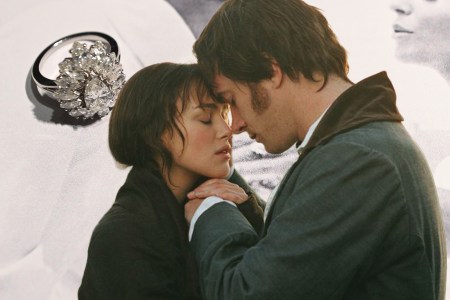
What Men Can Learn From 17 Unforgettable On-Screen Proposals
From the airplane performance in “The Wedding Singer” to a less successful singalong in “Shrinking,” there are real lessons to draw from these fake engagements
One Thing I’d Change About My Wedding, According to Newly Married Men
Heed these 11 pieces of advice so you don’t make the same mistakes these grooms didWhat about custom rings?
No ring speaking to you, or her? You can always create your own.
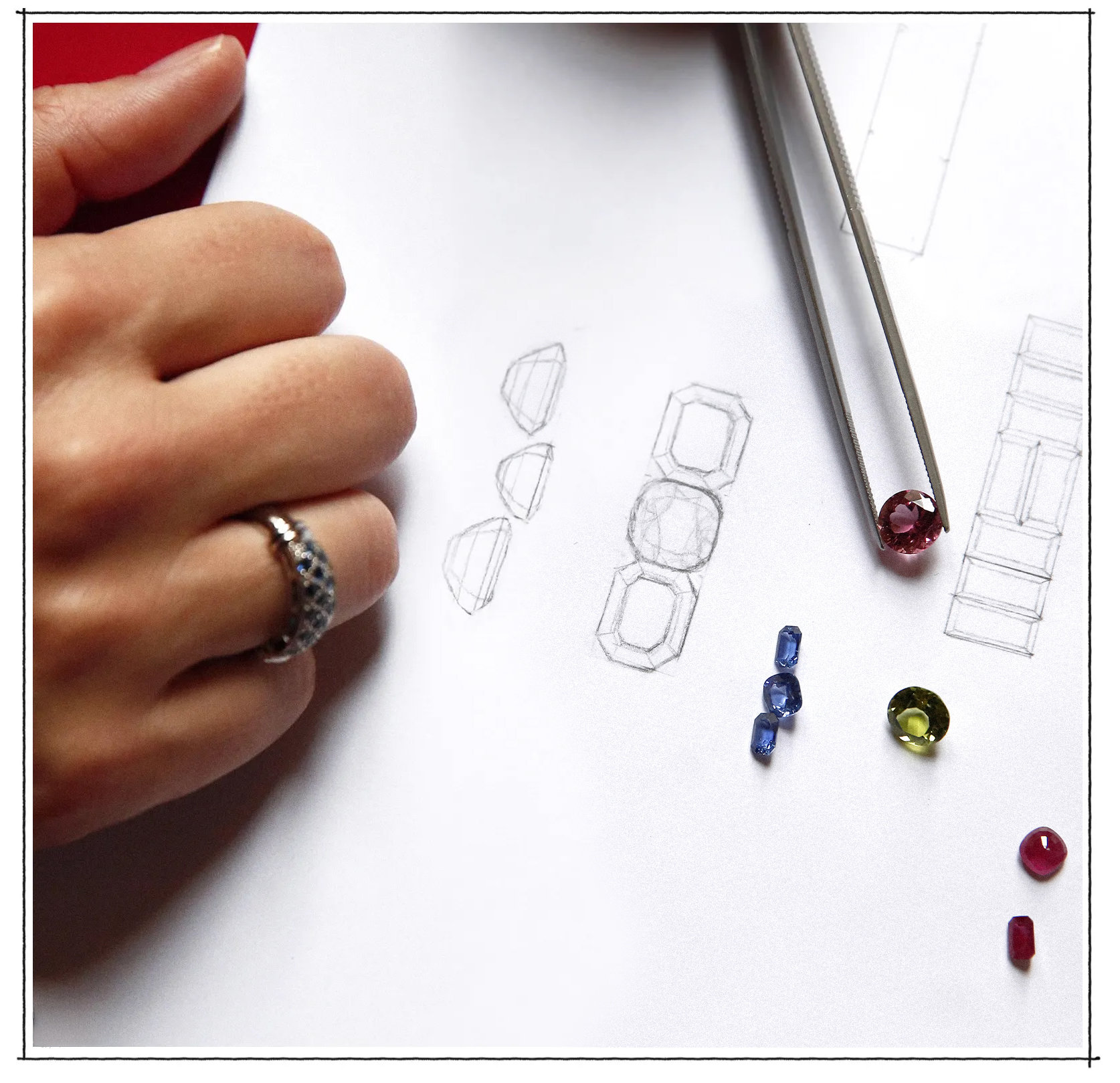
Customizing your dream ring starts with a conversation about style, shape, setting, metal and your budget, explains Yoon. From there, your jeweler will create sketches or CAD renderings for you to approve. Once you sign off, the ring goes into production, which typically takes four to six weeks. “Budget extra time if you’re proposing around the holidays,” she adds. “The more specific you can be up front, the smoother the process.”
“At Bario Neal, there are a few ways we can customize your engagement ring,” says Maynard. One way is to choose a style you like and get help sourcing a different diamond or gemstone. “Otherwise, we have full custom abilities as well, which means the sky’s the limit. We can design whatever your heart desires.”
You might even want to add a sentimental engraving on the inside. “We love engravings as a way to personalize your ring without much fuss,” says Seeger. “There’s something special about a secret engraving that only you and your loved one know is there.”
On the other hand, don’t feel pressured to inscribe just because the option is there.
“If you have something real to say, yes,” says Yoon. “A date, an inside phrase, something that would mean something to her specifically. But don’t engrave for the sake of it — a generic ‘Forever Yours’ doesn’t add much.”
She has one final word of warning: “Wait until you know the ring fits before getting it engraved.”
Jeweler Spotlight: Kinn
After her parents’ house was robbed of their antique jewelry, Kinn founder Jennie Yoon set out to create modern heirlooms to replace the loss. These exquisite pieces are designed to be passed down.
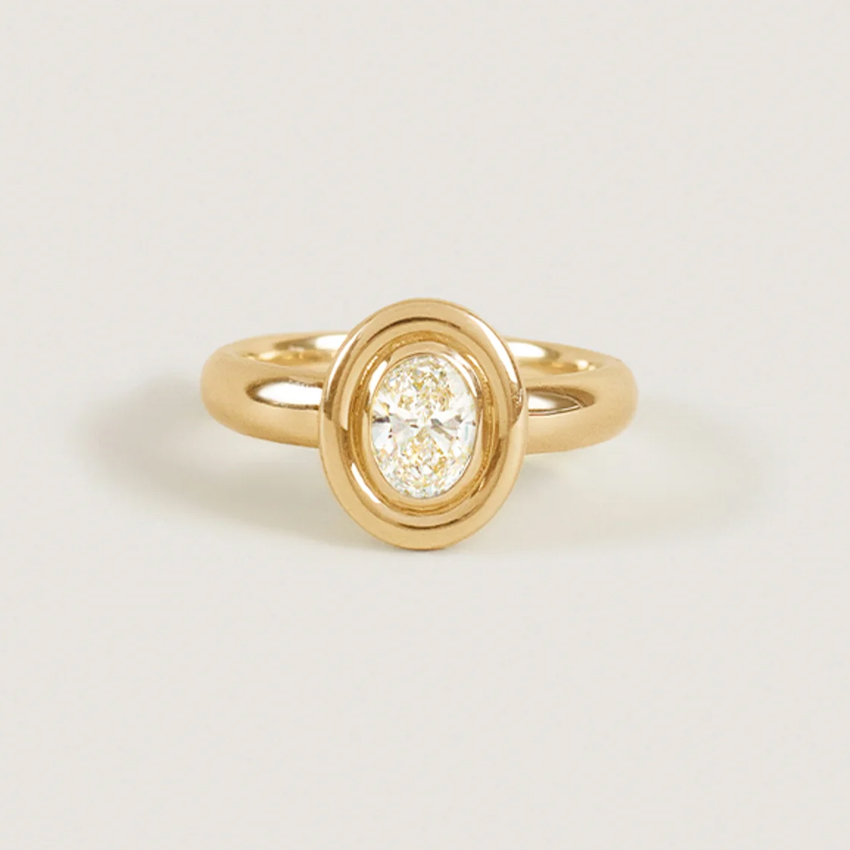
The Jardin Ring
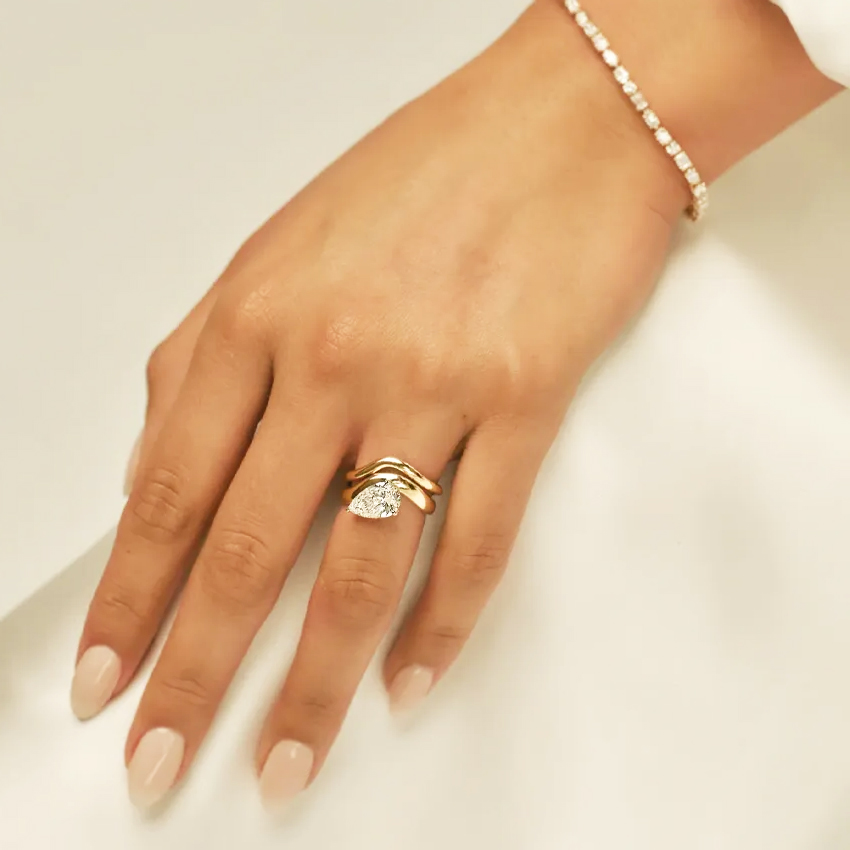
The Kira Ring
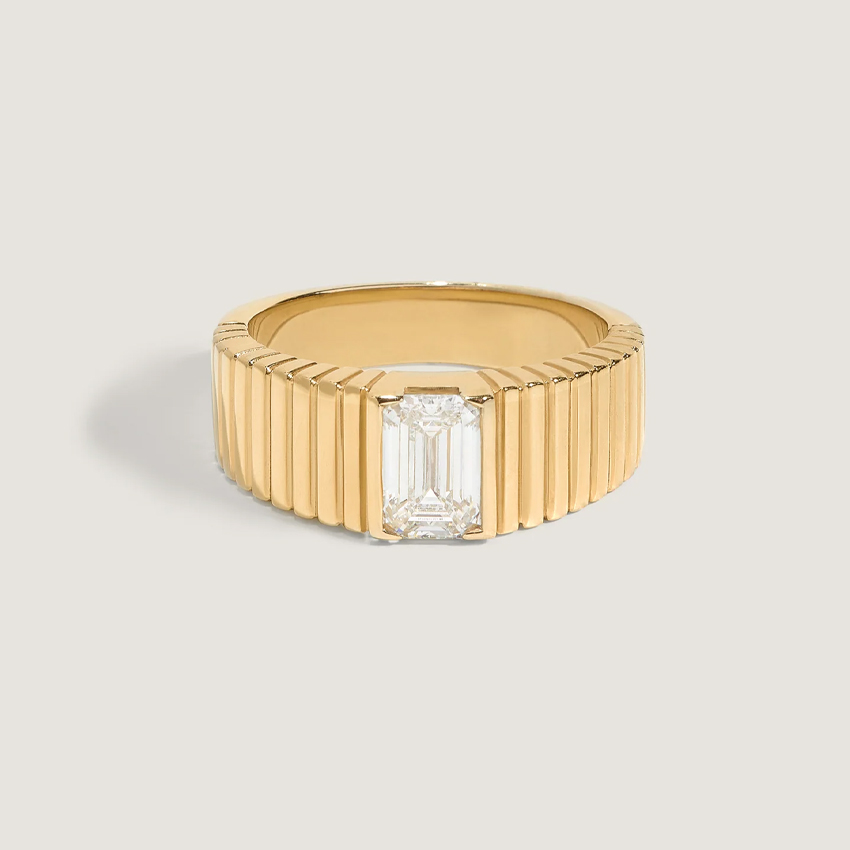
The Solis Ring
How to get their ring size
The trickiest part of buying an engagement ring might be making sure it’ll fit on their finger. But our experts have a few tricks you can use to get their ring size without tipping them off.
The first and likely most accurate way is to take one of their rings to your preferred jeweler to have it sized. If that’s not possible, trace the ring on paper, or phone a friend.
“My favorite is to enlist one of her best friends,” says Lau. “Have them casually try on rings together and take note of the size. It works surprisingly well.”
“If all else fails, the average ring size is 6, and you want to size it slightly larger, because it’s much easier to size down than up,” says Yoon. “Resizing after the proposal is completely normal and nothing to stress about.”
Jeweler Spotlight: Quince
Yes, the giant e-commerce brand even sells engagement rings. Specifically, lab-grown diamond rings.
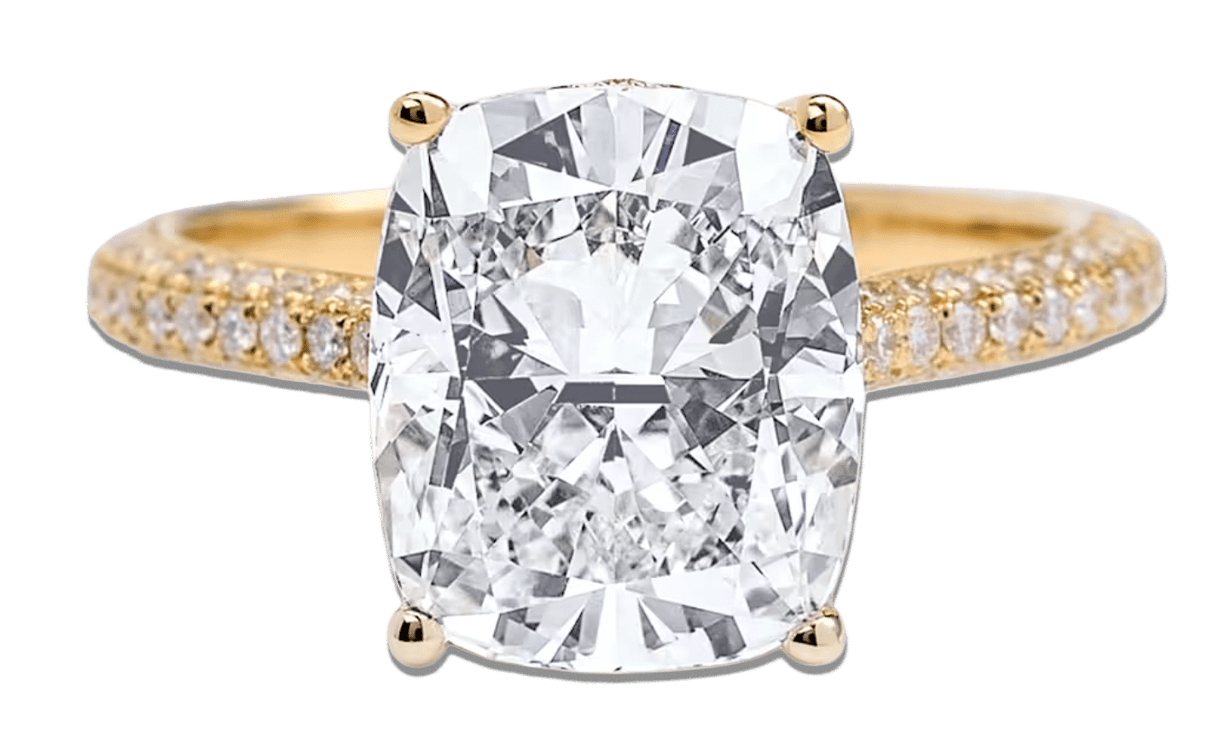
Cathedral Engagement Ring
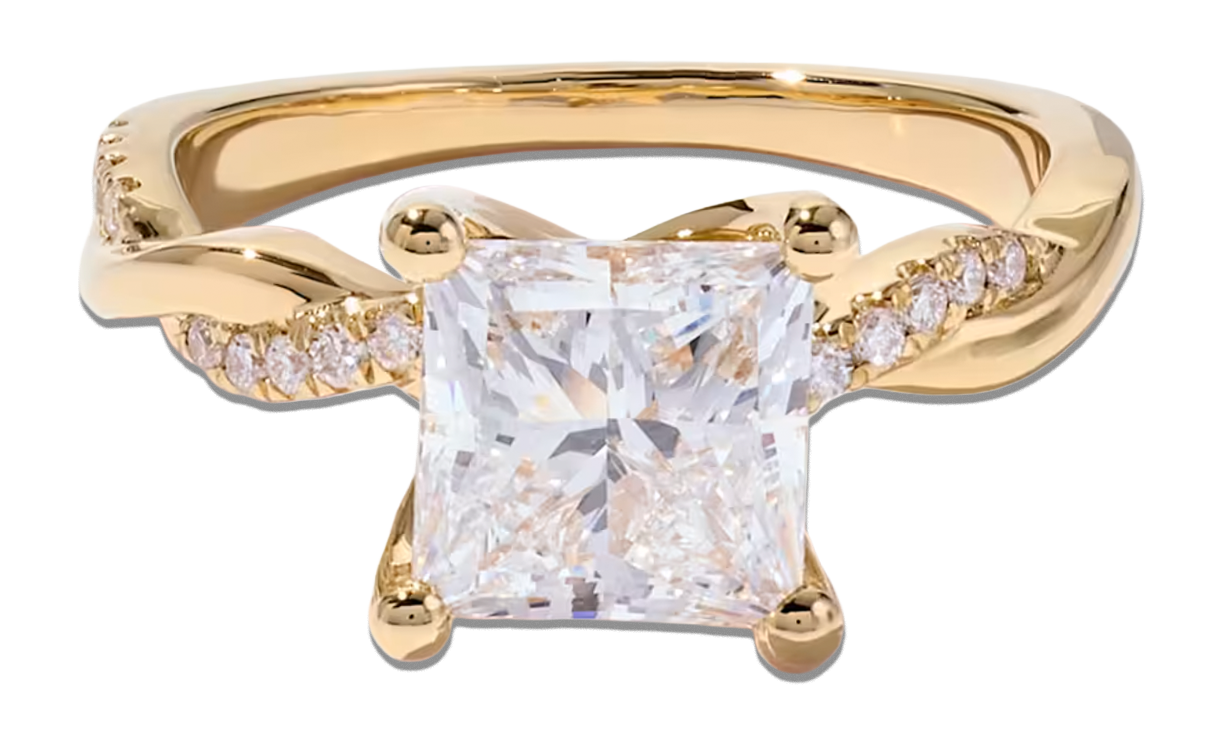
Princess Twisted Engagement Ring
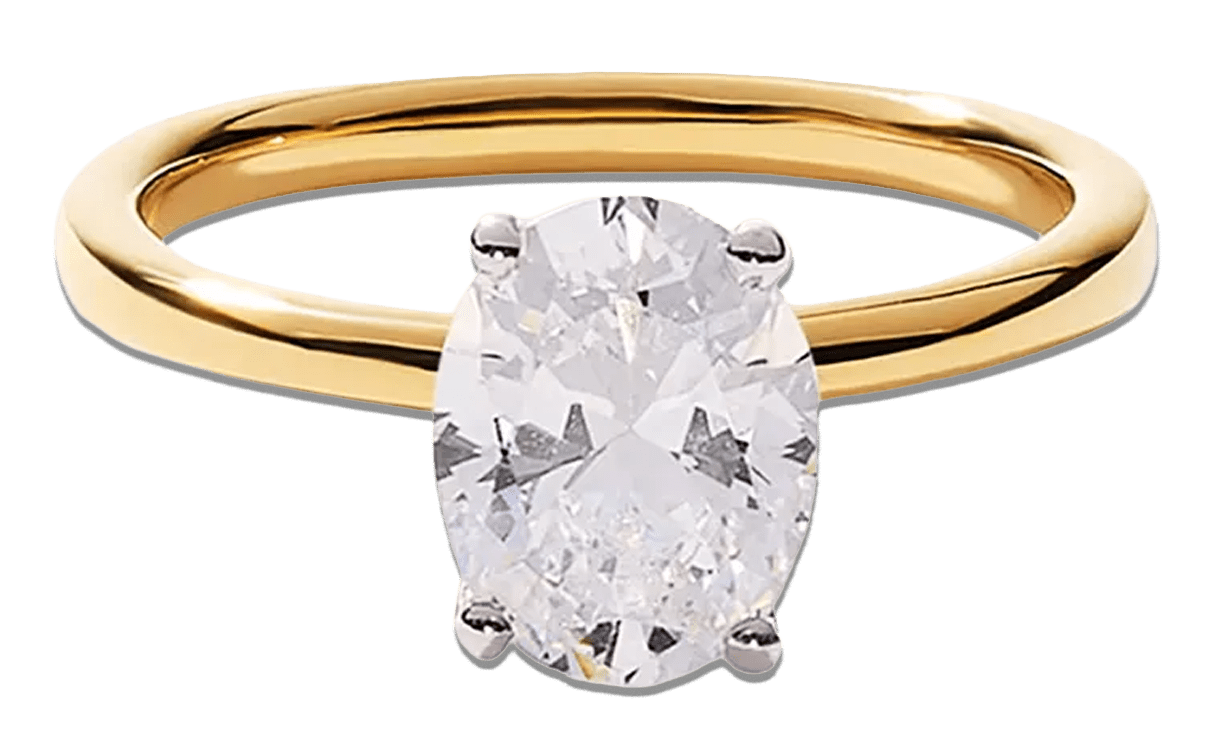
Oval Comfort Fit Engagement Ring
Know the 4 Cs
“Understanding the 4 Cs — cut, color, clarity and carat — helps couples navigate the diamond-buying process with confidence,” says Tammy Steed, VP of Customer Service at Blue Nile. “These factors can dramatically influence a gem or diamond’s appearance and overall quality.”
The cut determines how well the diamond’s facets interact with light. “The sparkle, the fire, the ‘Wait, is that a diamond?’ from across the room,” says Yoon.
Think of clarity as the measure of a diamond’s birthmarks, which can be inclusions (internal flaws) or blemishes (external flaws). “Most are invisible to the naked eye and frankly nobody is inspecting her ring with a loupe,” she adds.
Carat is the element you likely already know. “Carat is weight, which people translate to size,” she says, “but a bigger stone with a bad cut will sit there looking expensive and doing nothing.”
Color is the intensity, or lack thereof, that you can see, explains Maynard. “I personally love a really bright white diamond, but there are hues of warm yellows and sand tones that are really magical as well.”
Of the four, which should you pay the most attention to? (Read: spend the most money on.) According to Yoon, the cut.
“It’s the only one that’s entirely determined by human craftsmanship, and it has the biggest impact on how the diamond actually looks,” she says. “You can sacrifice a little on carat or go slightly lower on clarity — most inclusions are invisible to the naked eye — but never compromise on cut. That’s what makes a diamond come to life.”
Jeweler Spotlight: Bliss Lau
Shop small and discover truly singular engagement rings at Bliss Lau, a jeweler that designs wearable pieces of art. Book an appointment with Bliss to discuss custom requests, or just to find the perfect piece.
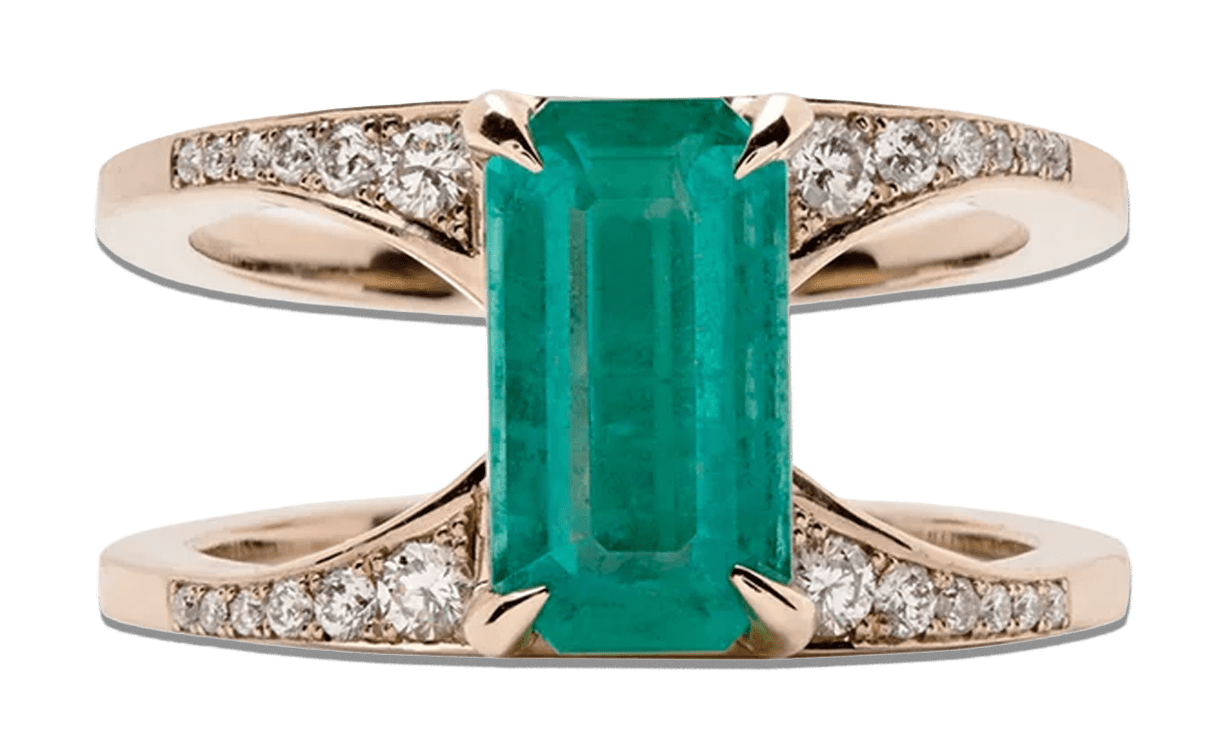
Mirage Ring
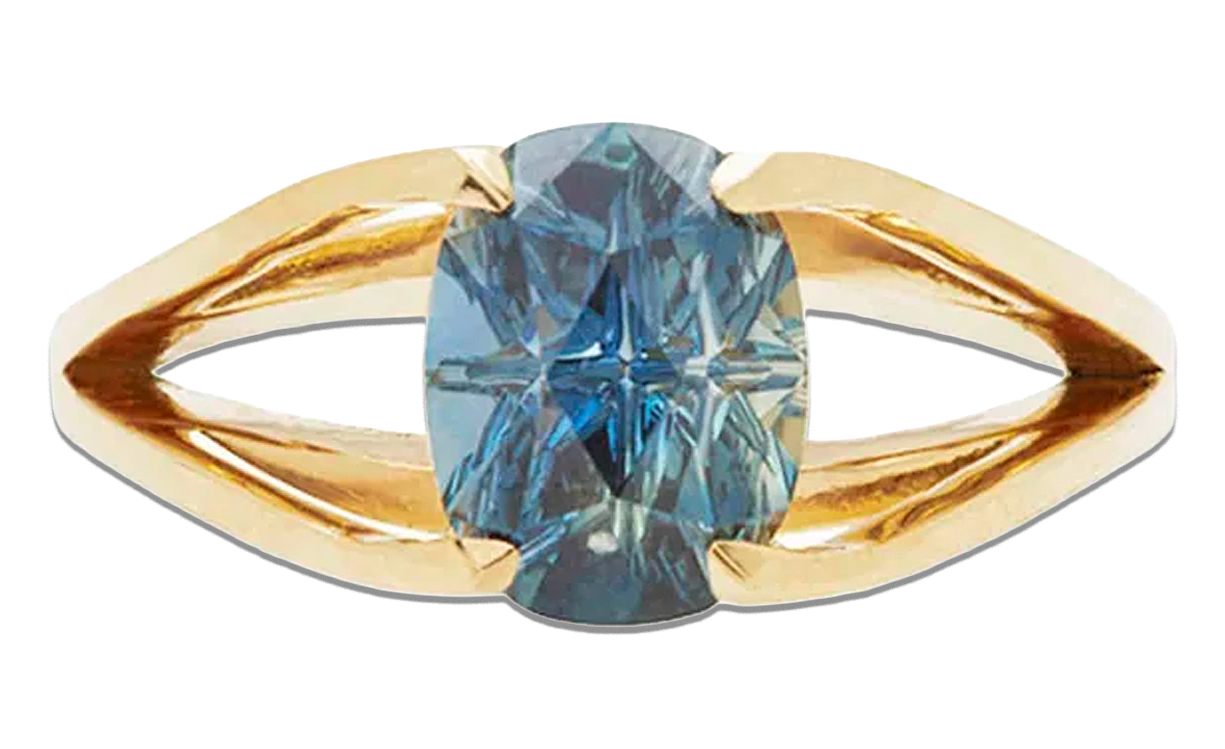
Centered Engagement Ring
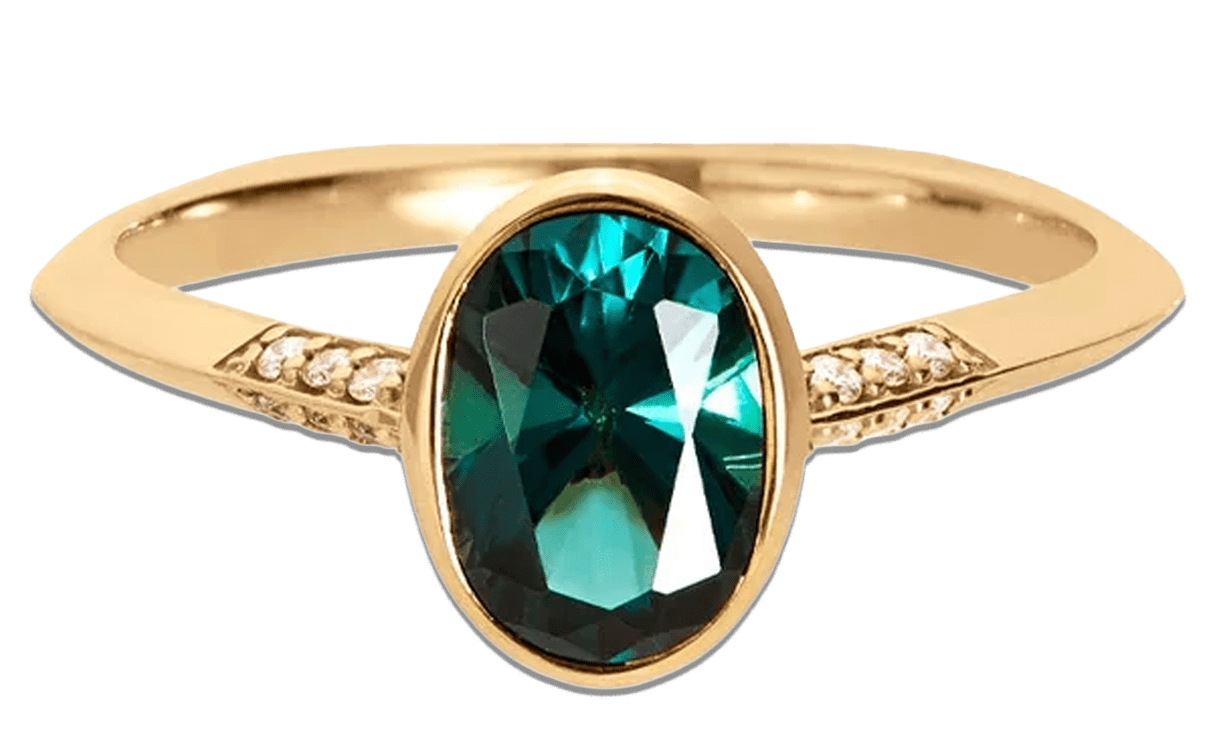
Acoustic Engagement Ring
Common diamond cuts
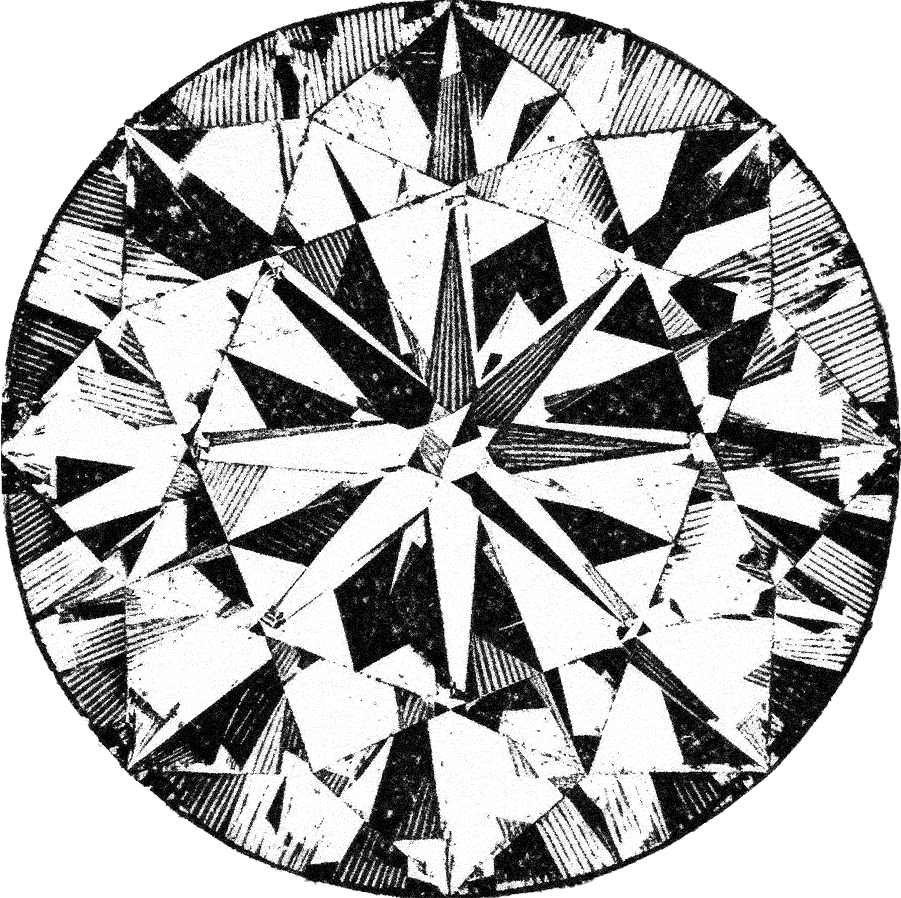
Round brilliant
“The most classic and the most light-reflective. It’s the standard for a reason.” — Yoon
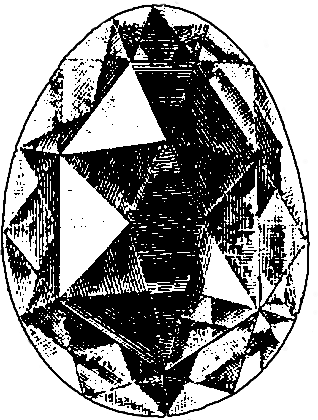
Oval
“The dominant choice for the modern bride. It’s elongating on the finger and has a softness that feels current without being trendy.” — Yoon
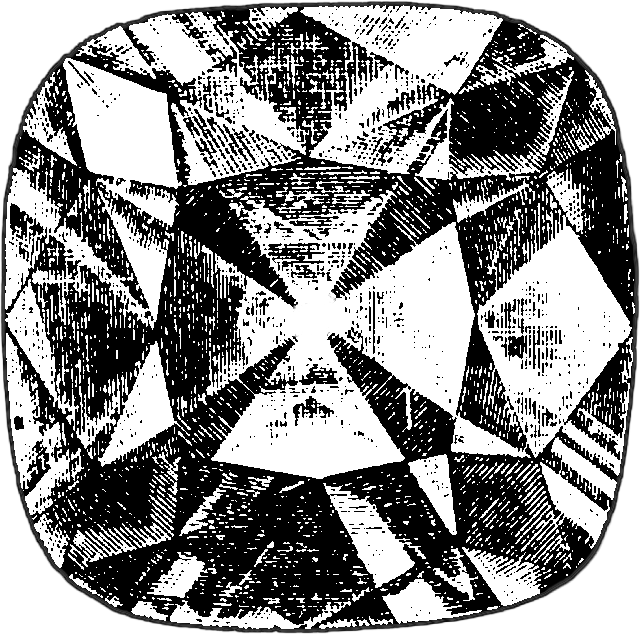
Cushion
“Cushion (and elongated cushion) cut sits right between classic and romantic — slightly vintage, very wearable.” — Yoon

Emerald
“A sophisticated, step-cut style with clean lines and subtle brilliance.” — Bee
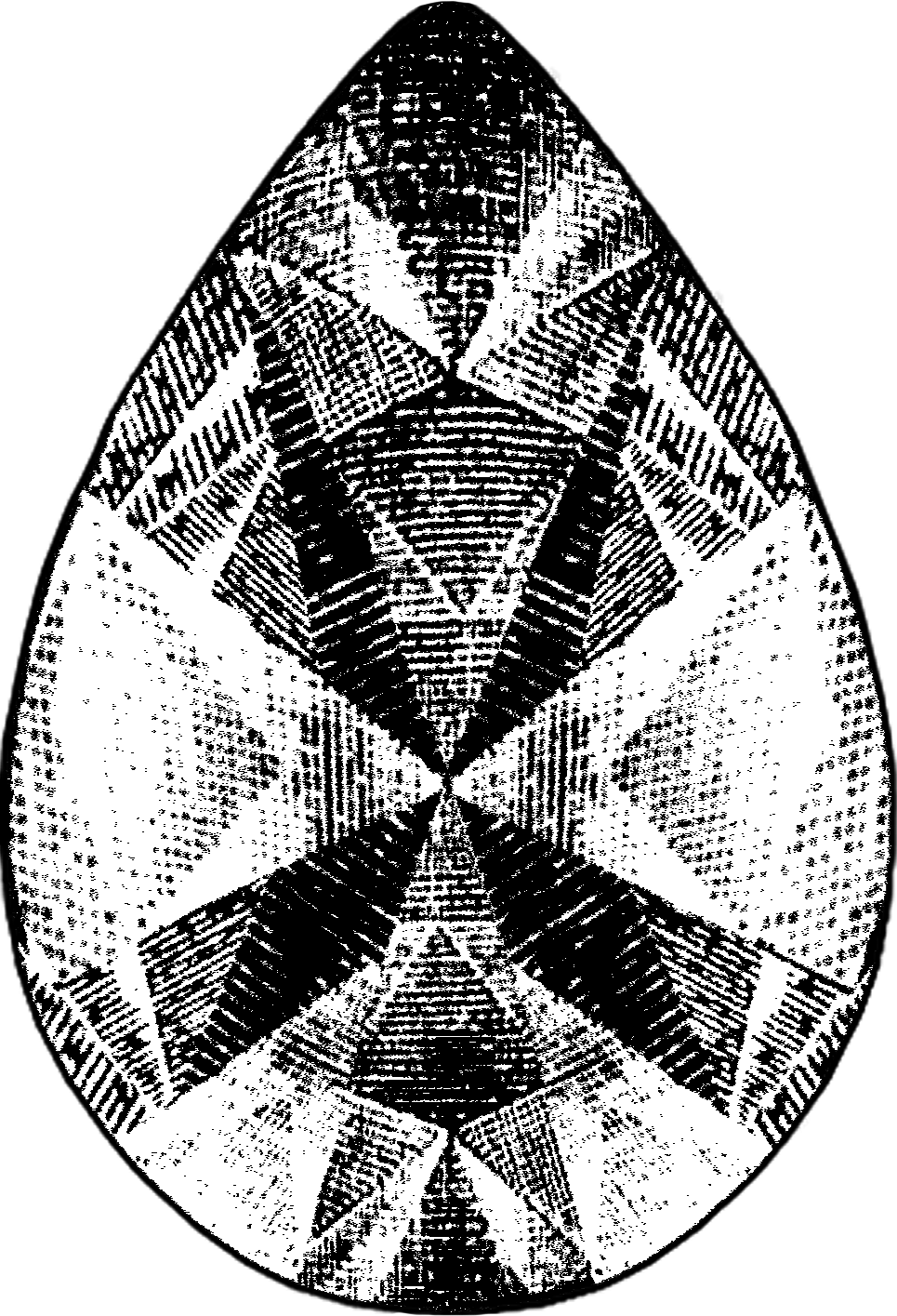
Pear
“I’m seeing a lot of interest in elongated shapes. Many couples today are drawn to stones that feel a little more distinctive and architectural, something that stands out from the traditional round brilliant.” — Lau
Alternative gemstones
Sapphires (white or color) | “Sapphires are one of my favorite alternatives. Many people don’t realize they come in nearly every color of the rainbow, not just blue. If your partner loves a particular color, there’s a very good chance you can find it in a sapphire. They’re also one of the hardest gemstones after diamonds, which makes them beautiful and practical for everyday wear.” — Lau
Emerald | “Stunning but softer, so it requires more care.” — Yoon
Ruby | “Bold and timeless.” — Yoon
Birthstones | “If she’s drawn to something unique, consider her birthstone — it adds another layer of meaning.” — Yoon
Jeweler Spotlight: Blue Nile
The premier online jeweler offers ethically sourced, customizable pieces that are priced competitively. Take their Creative Studio out for a spin and build the perfect ring from scratch.
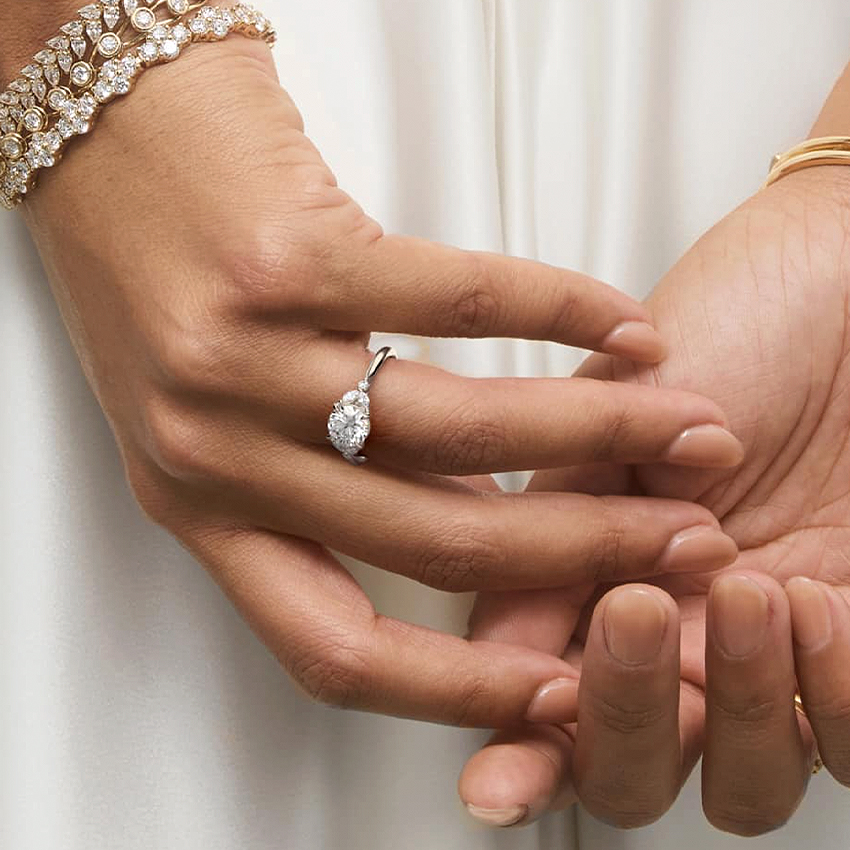
Floral Marquise Diamond Engagement Ring
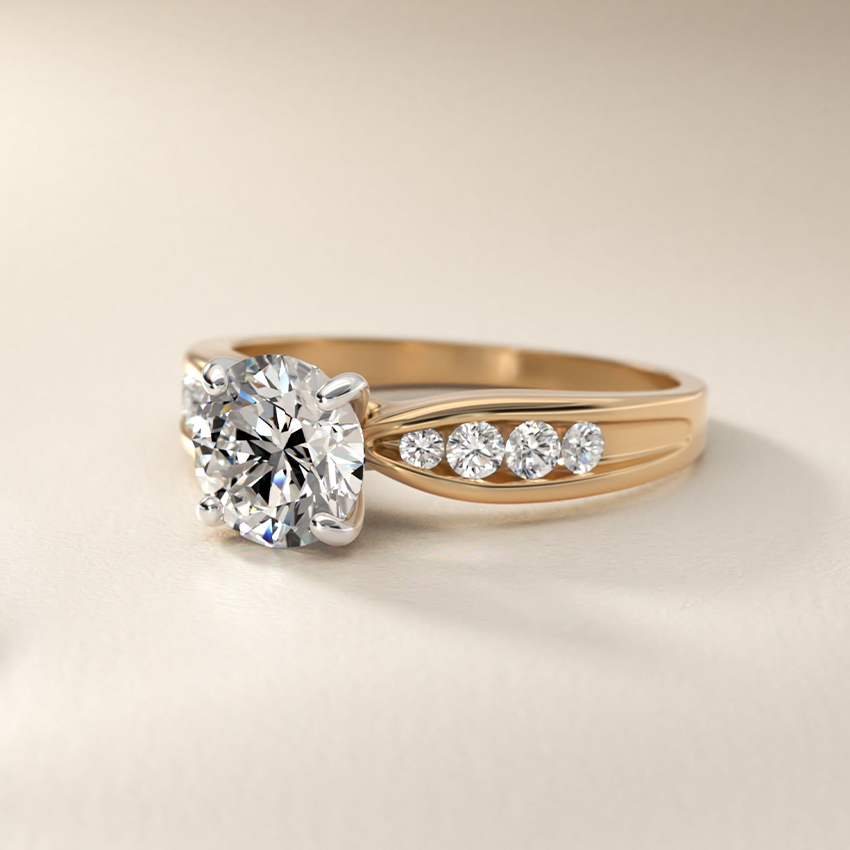
Bow-Tie Engagement Ring
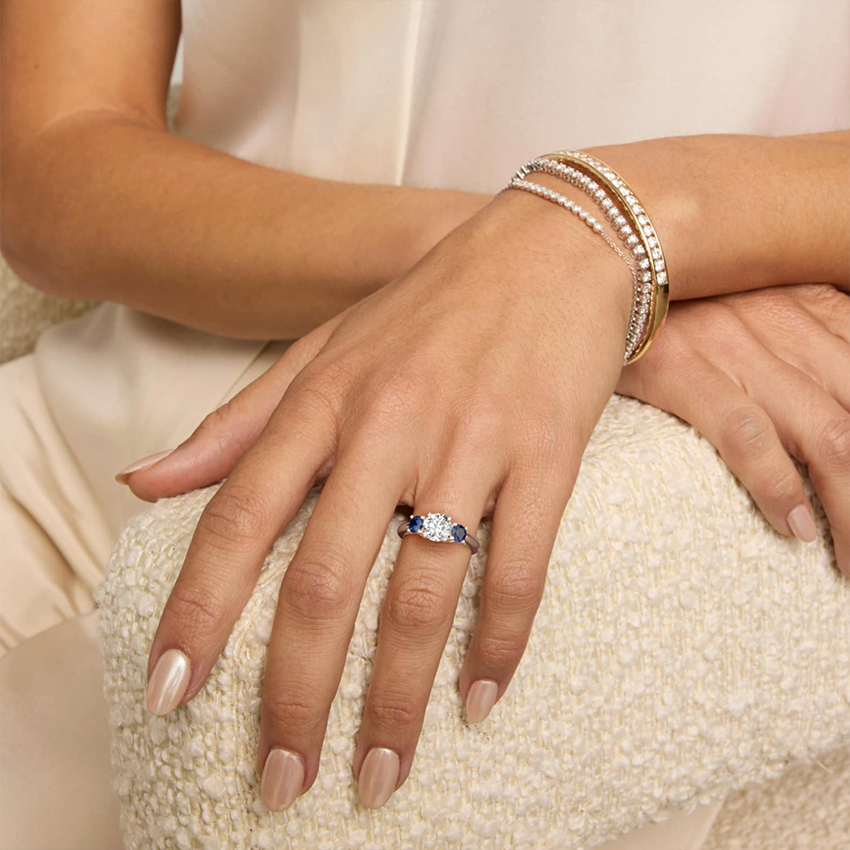
Round Blue Sapphire Three Stone Engagement Ring



Should I get the ring insured?
“An engagement ring is not only deeply meaningful, but it’s also a valuable asset that should be protected. Fine jewelry is meant to be worn and lived in. Because it’s worn so often, pieces naturally experience wear over time, and accidents can happen. Insurance gives you peace of mind so you can actually enjoy wearing the ring every day. I usually recommend a dedicated jewelry insurance policy rather than relying on a standard homeowner’s policy. Many homeowner policies place fairly low limits on jewelry coverage and often have high deductibles. A specialized jewelry policy allows the ring to be individually documented and insured for its full value. Think of it as protecting something that holds both financial and emotional value.” — Lau
How much do I spend? Is three months’ salary still a thing?
“The three-month rule was invented by a diamond company in the 1980s. Let that sink in. Spend what makes sense for your financial situation without starting your engagement in stress. What matters is that the ring is thoughtful and well-made — a beautiful, solid gold ring with a smaller stone will always outlast a flashy piece that was a financial stretch.” — Yoon
Should I show anyone else the ring?
“Keep your circle tight. Too many cooks in the kitchen make the process confusing.” — Seeger
I have the ring, but I’m not ready to propose yet. How do I store it?
“I’m a fan of the old back-of-the-closet trick, in a shoebox that no one would suspect or dig up. Do not keep it in your backpack or anything that can be forgotten during a commute.” — Seeger
Nota bene: All products in this article are independently selected and vetted by InsideHook editors. If you buy something, we may earn an affiliate commission.
Meet your guide

More Like This
The Charge will help you move better, think clearer and stay in the game longer. Subscribe to our wellness newsletter today.