Why Lima Is More Than a Stopover to Machu Picchu
An insider’s guide to the Peruvian capital

The Gist
Beyond its reputation as a mere stopover, Lima is a city that slowly reveals its profound character, rewarding those who seek out its unique blend of coastal desert, ancient complexity and burgeoning modernity.
Key Takeaways
- Lima's identity is shaped by its paradoxical nature as a desert city perched on the ocean, offering a deeper understanding of Peru's past and future.
- Despite recent political instability, the capital fosters a vibrant creative bohemia, celebrated for its world-class gastronomy and emerging arts scene.
- The city provides diverse experiences, from surfing on urban beaches to exploring pre-Hispanic ruins and desert oases on day trips.
Some cities trade on first impressions — think Italy’s usual hotspots, where travelers are swept up in the romance of dolce far niente and guided from one Instagram-worthy landmark to the next. You won’t find that kind of easy seduction here. In Lima, things reveal themselves more slowly, tucked behind a locals-first sensibility. It’s a place you have to seek out. But I promise — once you do, you’ll want more.
Coming out of Jorge Chávez International Airport, I’m excited to see Lima for a second time. I find my driver, Juan, posted up on the hood of his beat-up Foton minivan. The aftermarket exhaust puffs black smoke; the window is cracked near the dash. Juan speaks only when spoken to. He seems unfazed by another tourist looking to experience his city. Unlike the people in other South American places I’ve been to, Juan is reserved in his Peruvian identity. He appears to be off-duty and doing me a solid — more focused on the road, the route, than any comfort I might desire.
We cruise together through the town of Callao heading for the city center. The scenery in Callao could be mistaken for parts of the Middle East. Concrete buildings buried in sand, the unbearable heat yielding to the sea breeze. Then I see it emerging on the horizon: The curve onto the Costa Verda — the long, seaside highway that stretches the entire coast. The roadside beaches are engulfed by staggering cliffs under the fading daylight; the highrises are glimmering over the gardens of Miraflores. It’s this view I remember exactly. The moment Lima appears as a mirage of pink, green and blue — a stark contrast from the streets of Callao.
“Even in summer, the waters are so cold that the vegetation doesn’t come,” Juan tells me. Perhaps he feels inclined now to put his guide cap on. “Most people don’t come for long. They stop over on their way to Machu Picchu or the Sacred Valley.”
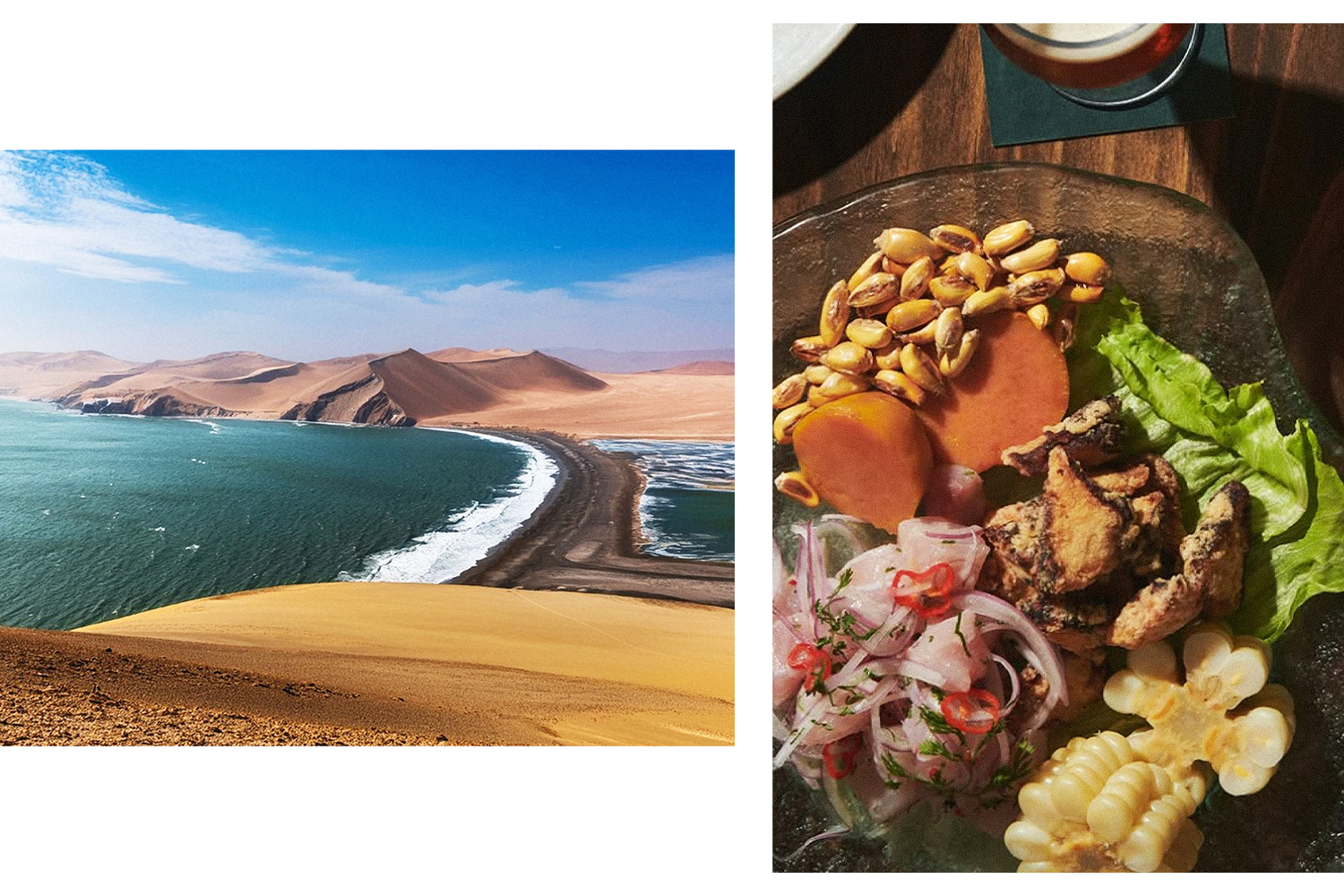
It’s true, I thought. Lima is a paradox — a desert city perched on the ocean. It doesn’t bloom like most tropical South American cities do. It’s a place you need to visit during the summer months (December to March) to avoid the everlasting grey. Most people arrive jetlagged, book a night by the airport and set off to Cusco the next morning. But I’d argue that to skip Lima is to skip the contradiction that makes the country whole. If the jungle offers answers to Peru’s ancient past, then the coastal capital offers insights to her future. It’s here in Lima that everything connects — you’ll see how far Peru has come, and how much of its ancient complexity still pulses under its growing modernity.
One thing I notice on my second trip to Lima is the echo of its recent instability. In December of 2022, when I first arrived in the country, I found myself in the middle of a political crisis. The country was in a state of emergency. Protests erupted after President Pedro Castillo attempted to dissolve congress. He sought asylum in the Mexican Embassy before he was ultimately arrested. Castillo’s abrupt episode triggered widespread unrest across Peru with organized marches in Centro and the Andean regions. I was given warnings at every corner, though in reality I felt nothing but safe and welcomed.
That said, it’s still hard to talk about Lima without addressing this issue. The dissatisfaction most residents feel towards their government is part of their identity. But despite this sentiment, or perhaps because of it, there’s an emerging generation of creatives carving out a vibrant counter-narrative — especially among young people turning to music, fashion and community-driven culture in defiance of ongoing political turmoil.
As a whole, Lima has folded and unfolded over the decades. In Miraflores, everything is sculpted and safe. In Centro, things fall apart. And yes, the food is world-famous — it’s hard to find a bad restaurant. But what’s more interesting than the food is what grows around it: a creative bohemia that thrives in small rooms and late-night bars. The city is unexpected in the best ways, often dismissed for its grey, moody weather or lack of immediate impression. It’s the perfect city to disappear in. Even the tourists — the ones that stay — seem to understand this. Whenever I met an expat in a cafe or cocktail bar, they appeared to be some reincarnation of Indiana Jones or Martha Gellhorn. They were more experienced, more engaged. The same could be said for the van-lifers parked on the coastline. Lima doesn’t try to be cool. It just is.
“Lima is a gastronomic destination coveted by kitchen lovers,” Chef Gaston Acurio says. “Not only because of its restaurants, which compete equally with Europe, but because behind this recognition there is something deeper — a city that has made its cuisine parallel to everyday life. From award-winning restaurants to carts, from ceviche shops to chifas, eating in Lima is one way to travel the entire country in a single day.”
Chef Acurio is famous in Peru. He’s credited for paving the way for modern cuisine in the country. His group of restaurants include Astrid & Gaston, La Mar Cebicheria, Tanta and Panchita, to name a few. It’s not just the established places making noise either. There are a string of new eateries and bistros popping up that deserve attention.
Peruvian creator and producer Tiara Roman suggests stopping in at Rastro in Miraflores, a striking new author’s kitchen launched in early 2025 by Chef Luciano Saco. The inspiration for Rastro was to cook from personal memory, family tradition and national identity, while taking bold, contemporary steps forward. There, you can expect Saco’s take on Peru’s lomo saltado, leche de tigre and squid-ink causa.
The best part of Lima, however, is what happens after dinner. If you’re anything like me, you’ll need an intimate and cozy late-night bar to digest the ceviche overload. Luckily for us, there are tons of options to choose from.
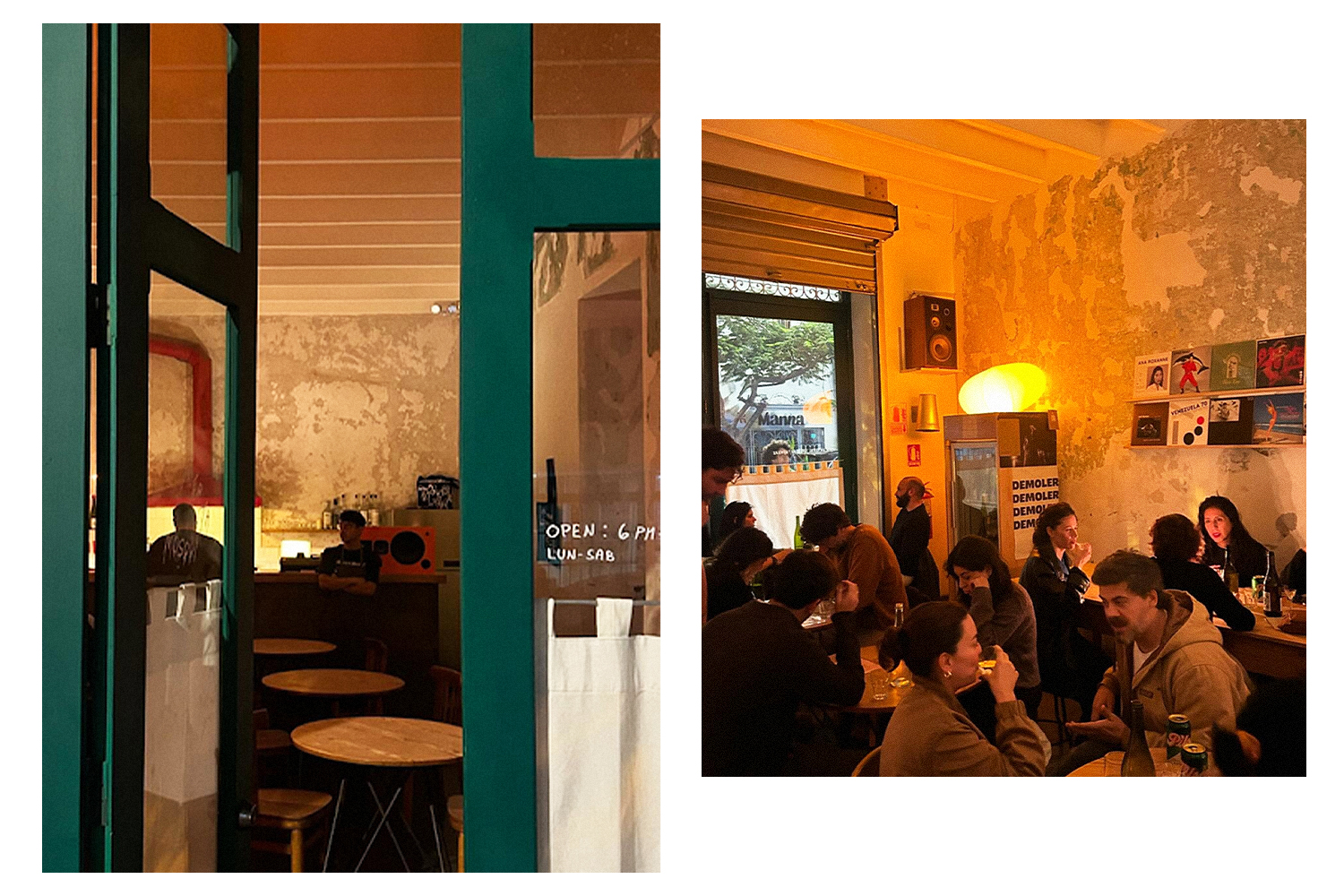
I’m told by Noheli Ortega, a resident of Magdalena del Mar, that stopping into La Vermut is a good place to start. La Vermut is a long-time Barranco favorite known for its DJ mixes and vermouth-inspired drink selection. There are no shortages of small-room establishments pumping out smooth electronic tunes for laidback guests, but La Vermut seems to be leading the pack in this arena. If you’re looking for something even more intimate, Ortega recommends a small colonial-style place called Mosquita! Muerta! in Miraflores. Here, you’ll find the perfect vibe for a small group of friends in an environment that feels akin to hanging out in your neighbor’s living room. (My kind of place.) The menu is wine- and mezcal-heavy, and to soothe your post-dinner coma, Mosquita! Muerta! will spin classic vinyl records until last call. More than ever before, music plays a huge part of the Lima experience.
Juan and I arrive at an old building on San Martin nestled beside Hotel B, a luxury go-to for Barranco’s who’s-who. Juan helps me with my bags, and I take the open-air elevator to the fifth floor. Inside, I unpack my belongings and open the window. Just a few blocks from the ocean, I can see over a green alley to the water. Having been spoiled by Lima’s food scene for weeks, I find myself in the mood for something more adventurous. I’ve heard about surfing in Lima — it’s the first thing you see — but I’ve never gathered the courage to tackle it. With so many miles of coastline, it seems a disservice as a traveler to ignore the opportunity.
Planning a Trip to Peru? Do Yourself a Favor and Skip Machu Picchu.
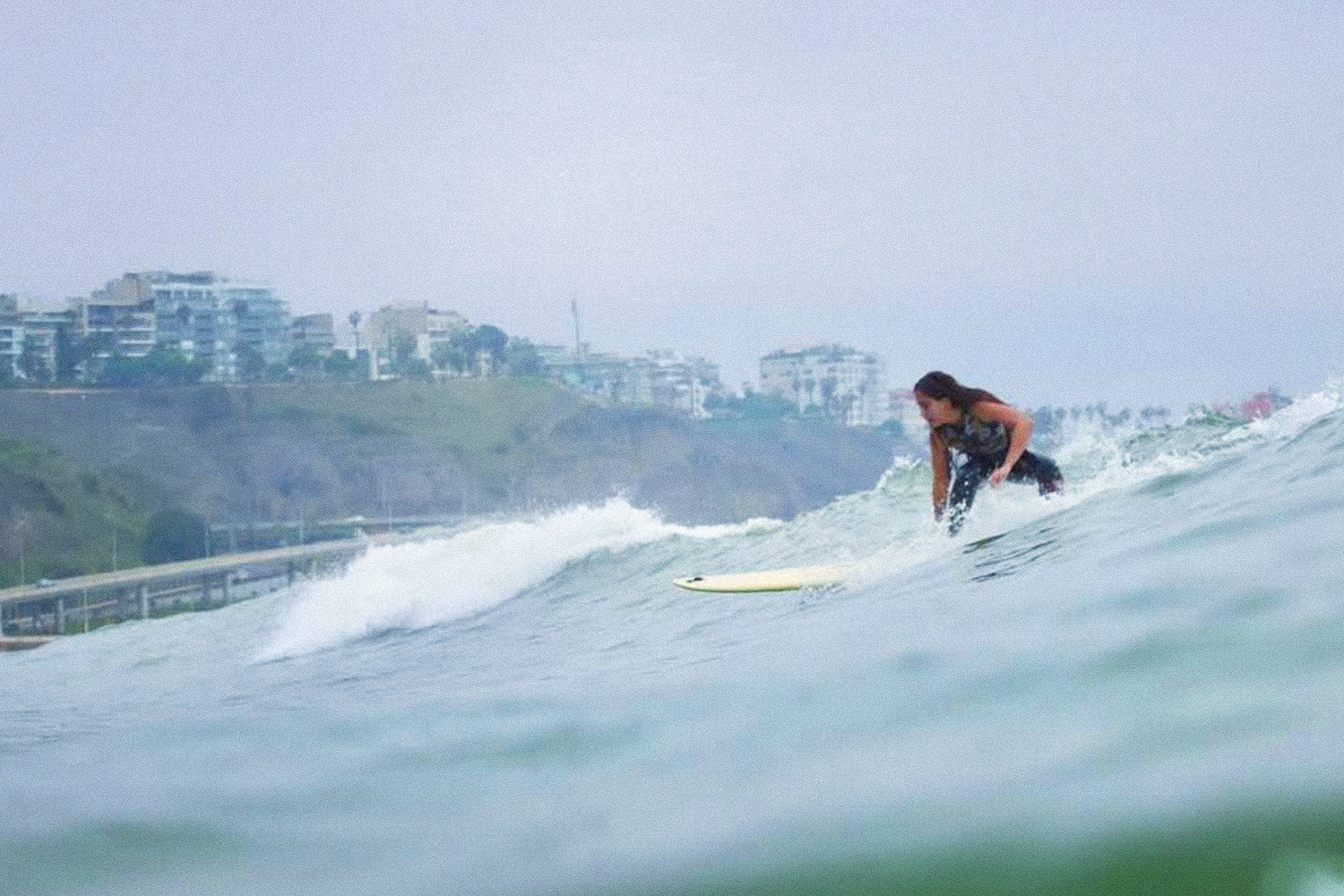
If you like authentic food, conversations with locals and real cultural experiences, we have something better for you.With two left feet, I get some insider help from Nicole Abanto, an Oxford-educated biologist, conservationist and teacher who also happens to be an avid surfer and rock climber. Abanto is the founder of Sonrisa De Mar, a natural sunscreen brand curated for life on the water. For beginners like me, Abanto suggests starting my surf journey at Playa Makaha. Tucked under the Miraflores district, Makaha offers surfing lessons right in the city. And thanks to an artificial reef beneath the surface, Makaha’s waves are only about 1.5 meters, making it the perfect spot to learn the ropes. If you don’t have a board, you can rent one from the dozens of surf schools along the edge including Pukana, Olas Peru and Rasta Surf. You can even hire on-location photographers to snap some Instagram-worthy pictures to take home.
For a better surf experience Abanto suggests venturing out to Punta Hermosa or San Bartolo, about one hour south of the city. San Bartolo is part surf town, part sleepy suburb with a mix of retro beachfront apartments and boxy weekend homes. Young Peruvians come here to surf, drink and unwind, making it the perfect day trip if you’re looking to catch better waves in a less crowded environment.
Once you’ve hit the restaurants and museums in Lima, the next step is to take a day trip south of the city. The town of Lurín offers the pre-Hispanic ruins of Pachacámac. The town’s patchwork of farmland, rustic beaches like San Pedro and traditional countryside restaurants makes it a refreshing escape from Lima’s concrete sprawl. Further south you’ll find Paracas, the famous desert-meets-sea escape that offers otherworldly scenery for those on their way to Haucachina, where you can experience sandboarding in a tiny desert oasis. Both Paracas and Haucachina deserve their own separate itineraries, both launching points for some of Peru’s ancient wonders.
Lima is far more than a layover. It’s the overlooked entry point to understanding Peru’s depth. While most travelers rush onward to Cusco and Machu Picchu, those who linger in the capital discover a city that rewards curiosity. A place where colonial history, modern bohemia and coastal grit coexist. Lima might take some digging to find, but once you do, you’ll discover a new generation of creative energy helping define Peru’s future.
Where to Eat and Drink
The menu is intentionally compact — just a few signature dishes that showcase bold reinterpretations of classic flavors, like ceviche served with purple corn leche de tigre, squid-ink causa with trout tartare and a truffle mushroom risotto with lomo fino.
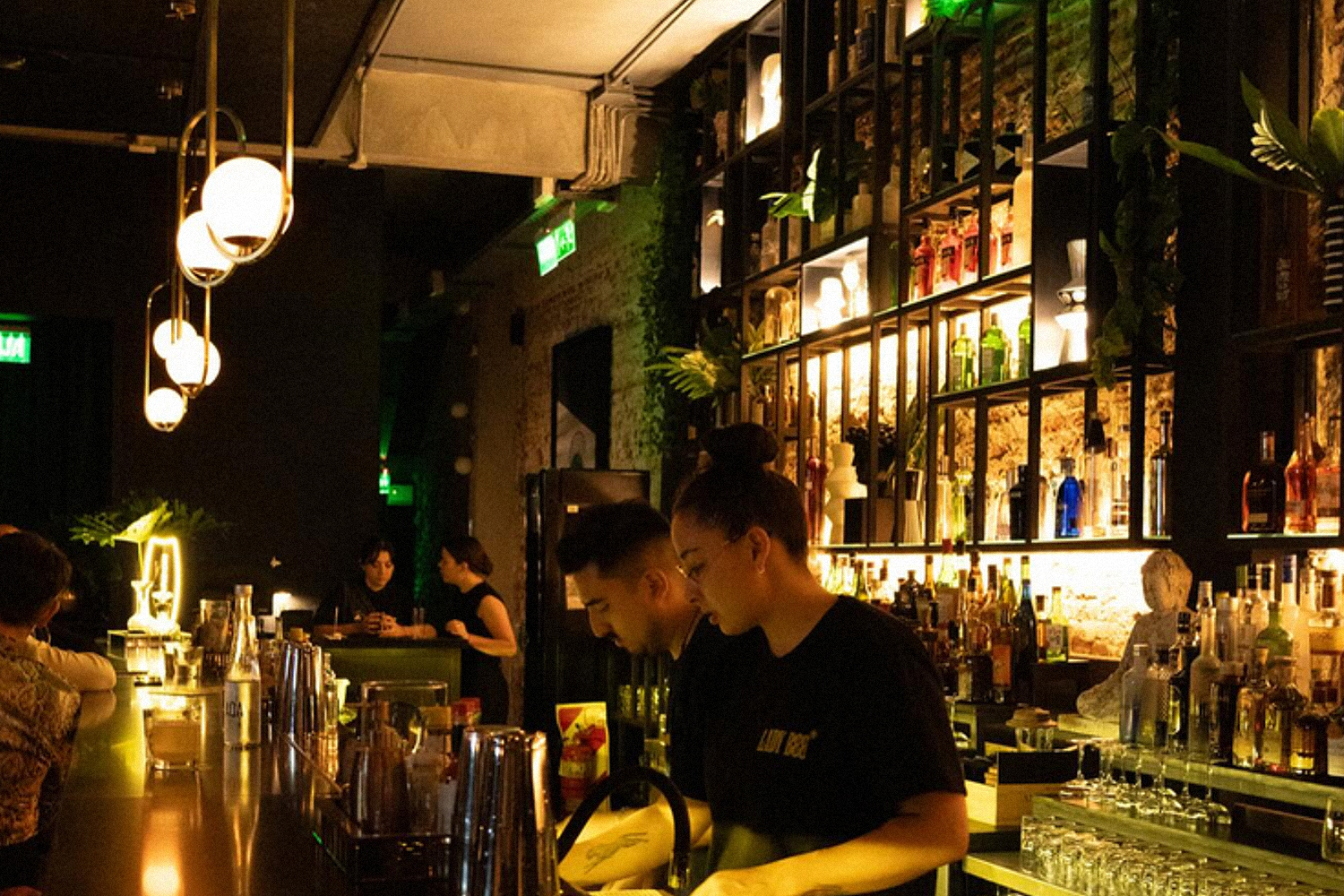
Lady Bee is a bijou gastro-bar in Miraflores, striking a perfect balance between inventive cocktails and fine-tuned small plates. Opened in 2021 by bartender Alonso Palomino and chef Gabriela León, the bar has earned its place at No. 16 on The World’s 50 Best Bars list 2024, celebrated for its sustainable, Peru-first ethos.
Tucked into Barranco at Bolognesi 235, La Vermut is a cozy, dimly lit vermútería that feels as if you’ve stepped into a relaxed Madrid tavern right in the heart of Lima. Open Wednesday through Saturday from 7 p.m. to 2 a.m., it’s a beloved local spot where vermouth takes center stage alongside casual bites and easy conversation.
Quilca Rules is a laid-back, underground-style bar nestled on Jirón Quilca — one of Lima’s most bohemian streets. It’s not a restaurant, but rather a creative hub where vinyl DJs spin soul, funk, ska and Latin grooves directly from record crates to dance floor crowds, and the music is the main draw.
The perfect spot for a small group of friends with a menu focused on wine and mezcal along with classic vinyl spins.
Isolina Taberna Peruana, tucked in a charming early‑20th‑century house in Barranco, is a powerhouse of traditional Peruvian comfort food. Chef José del Castillo opened it in 2015 as a tribute to his mother, reviving recipes from old family notebooks; it’s earned a place among Latin America’s top restaurants for its soulful take on criollo cuisine.
El Bodegón is a warm, family-style taberna criolla in Miraflores that brings traditional Peruvian comfort food into the modern spotlight. Founded by Gastón Acurio’s culinary group and led by chef Cinzia Repetto, it pays homage to classic household recipes with dishes like chicken chicharrón, zucchini gratin, rigatoni huachanos and hearty stews.
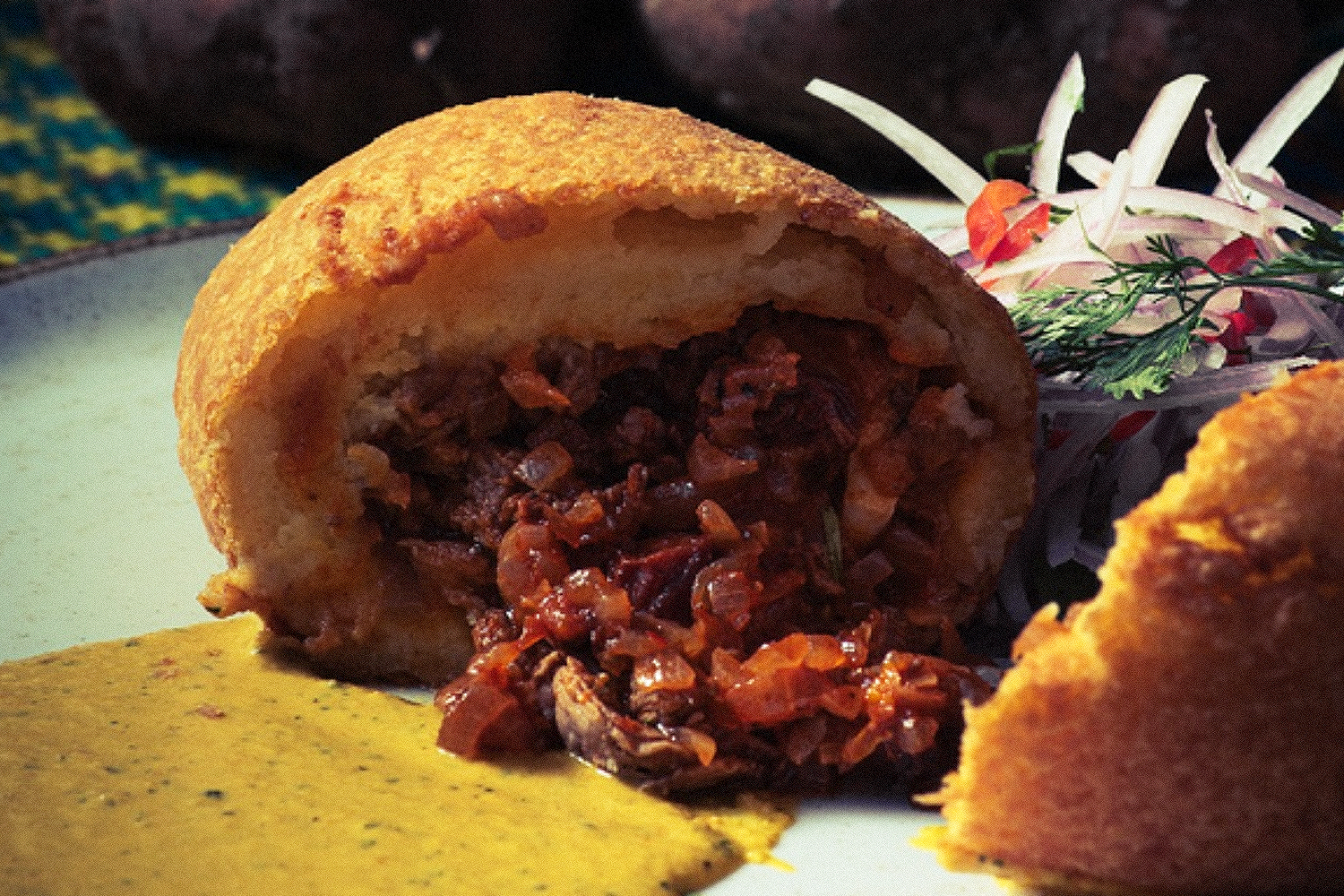
Panchita revives the festive spirit of Peruvian street and home cooking with large portions, friendly service and a menu that reads like a celebration of local classics.
Casa Tambo is a stunningly restored colonial‐era mansion in Lima’s historic center that combines cultural heritage with refined Peruvian cuisine. Following a four‑year restoration, it reopened in November 2022 as a museum-restaurant hybrid, aiming to revive traditional recipes and local history within an artful, sustainable space.
El Morocho is a family-run cevichería in Chorrillos, Lima’s historic fishing district, with roots dating back to 1988 under founder Arturo Guardia. Perched on the Malecón Grau, the restaurant offers stunning coastal views up to four floors, making it a local favorite for casual seafood meals.
Panadería Cultivo is a delightfully modern artisan bakery and café tucked into Miraflores at Marqués de Torre Tagle 311. A local favorite — garnering a solid 4.7–star rating — this spot serves an array of freshly baked goods daily, from classic croissants and baguettes to more inventive fougasse, olive focaccias and decadent chocolate-guanábana brioche twists.
Punto Café is one of Miraflores’s rising specialty coffee destinations, founded in 2022 by barista-entrepreneur Chiara Nicolini, who spent nearly two decades working and competing in Spain before bringing her expertise back home.
Chung Tong is a legendary Chinese-Peruvian restaurant tucked away in Lima’s historic Chinatown. Known for its chill dining room, massive portions and old-school charm, it serves up some of the city’s best chifa — Peru’s beloved fusion of Cantonese and Criollo cuisine. It’s not trendy, but locals swear by it.
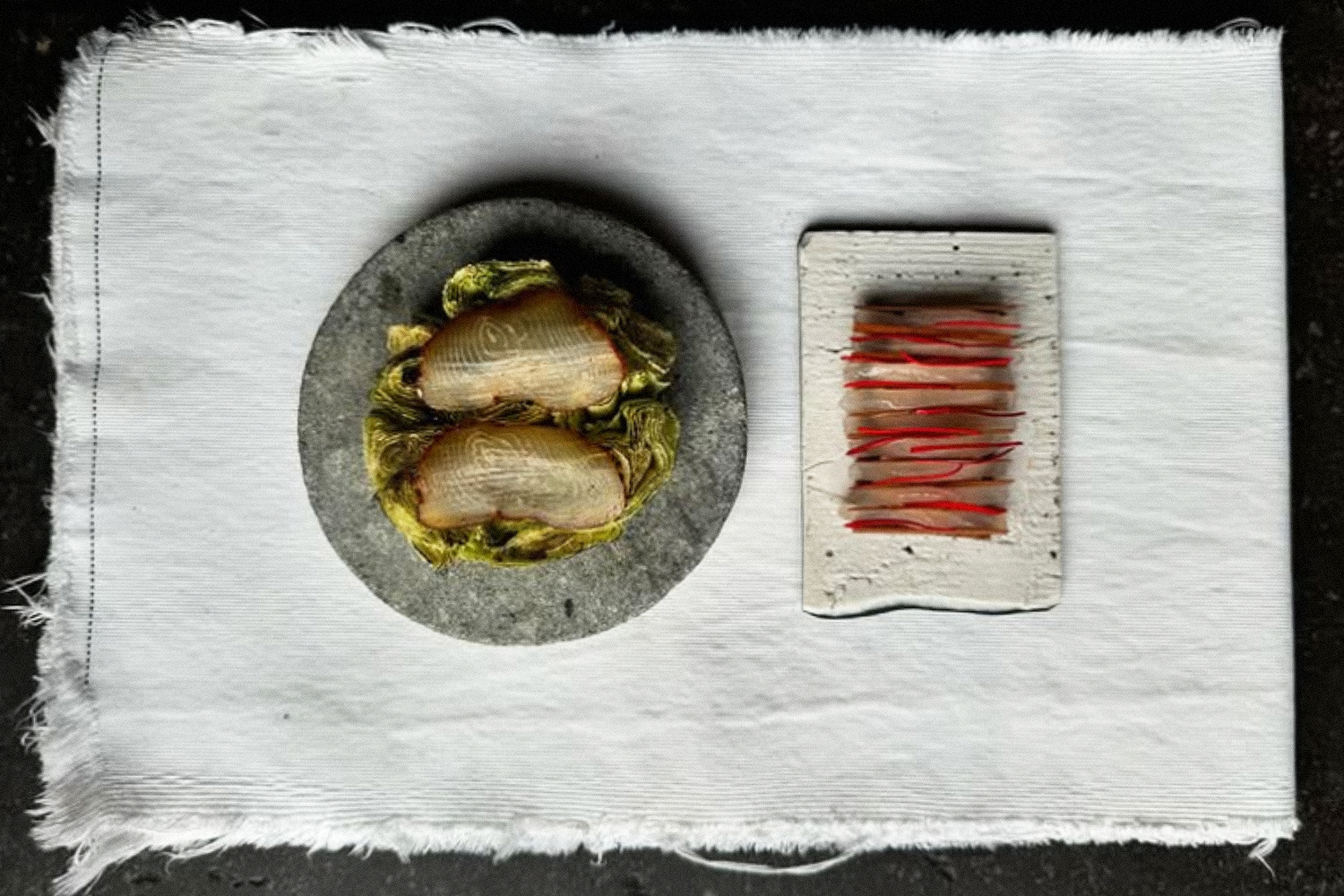
Mérito is a Peruvian‑Venezuelan fusion spot nestled in Barranco, Lima. Opened in 2018 by chef Juan Luis Martínez (formerly of Central), the restaurant offers an intimate, two‑story space, with just four seats at the chef’s counter, centered around a coal oven that elevates every dish.
Cordial is an intimate wine bar and creative culinary spot tucked into a beautifully restored centenarian house on Grau in Barranco. Opened in 2022 by Andrés Marroquín and Vanessa Touzard, it’s equal parts cozy home, art gallery and vinoteca, complete with natural‑wine cellar, vinyl records and warm candlelight ambience.
Museums and Galleries
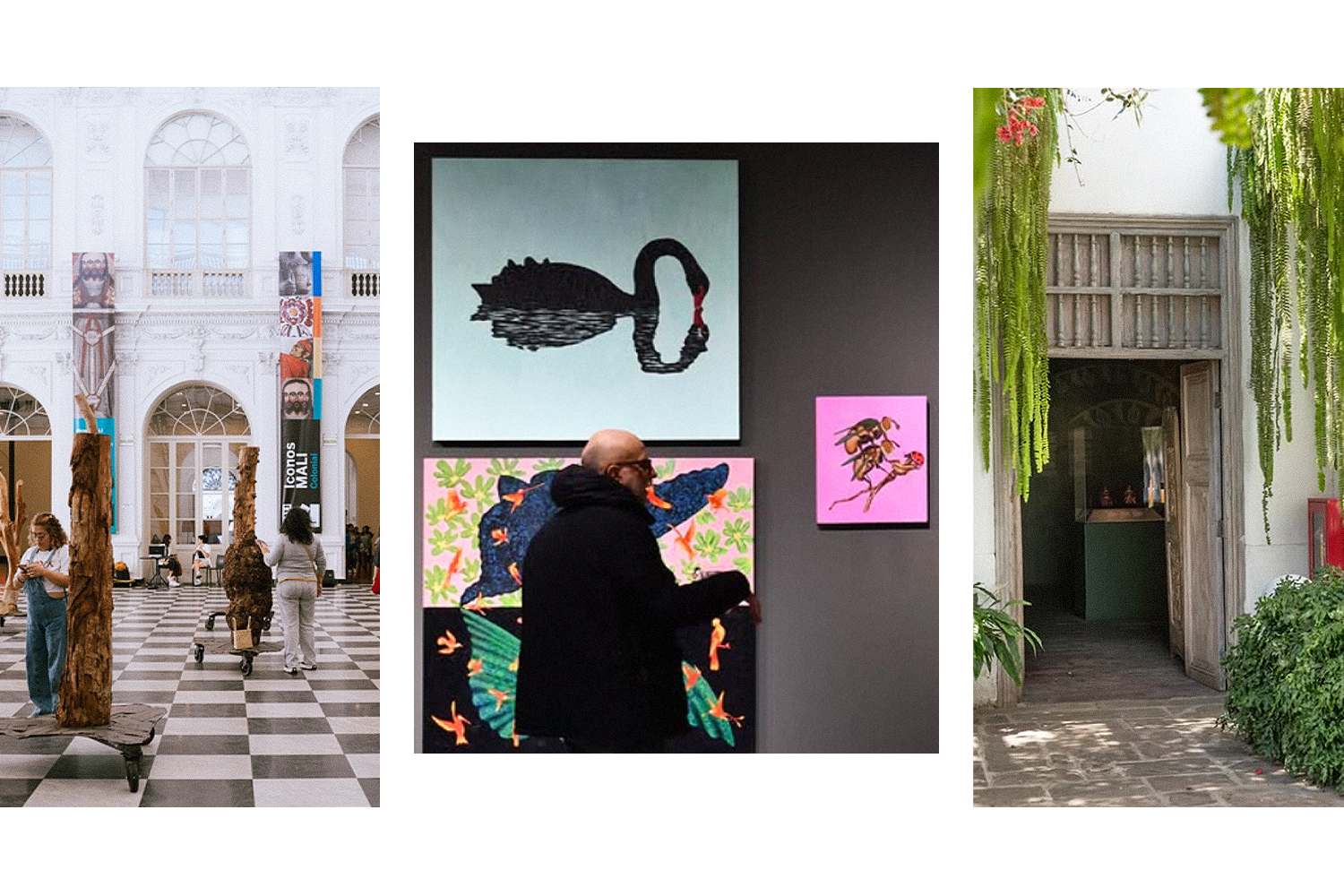
A broad sweep of Peruvian art from pre-Columbian to modern, MALI is housed in a beautiful beaux-arts building and offers a chronological walk through Peruvian visual culture — colonial altarpieces, republican portraits and contemporary photography alike.
Dedicated to famed Peruvian fashion photographer Mario Testino, this gallery features his portraits of Kate Moss, Diana and Hollywood elites, alongside vibrant exhibits of traditional Peruvian dress.
Housed in an 18th-century vice-royal mansion, this is Lima’s most famous museum, and for good reason. The collection spans 5,000 years of Peruvian history, from Moche erotic pottery to intricate Inca textiles. The setting (with bougainvillea-draped courtyards and a lush café) makes it a must.
Located in an opulent French-style mansion, this museum showcases 16th–19th century religious art, silver and furniture. The building and grounds are as impressive as the collection.
MAC features rotating exhibits from emerging and established artists. The space is light-filled, open and offers an engaging glimpse into Lima’s growing contemporary scene.

More Like This
We're always on the scene eating, drinking and traveling near and far to bring you the best of what's happening out in the real world. Sign up for IRL now.