
When I first stumbled on the term “volume eating,” I assumed it just meant chewing loudly. Dad jokes aside, volume eating is a dietary approach that involves consuming large amounts of low-calorie foods like cucumbers, watermelon and cottage cheese, often for weight loss.
Unsurprisingly, 2025’s top weight-loss strategy was GLP-1s. The drugs work by mimicking hormones that regulate blood sugar and signal fullness to the brain, leading people to eat fewer calories overall. Volume eating aims for the same outcome but has a different approach: instead of shrinking your plate, you rethink what’s on it — and stuff your meals with fiber and protein. That way you can eat large, satisfying dishes while maintaining a low calorie count.
The habit has morphed into a movement. There’s lots of content from men about volume eating, and the subreddit r/volumeeating has 155,000 weekly visitors. There are even memes.
On the surface, there’s nothing wrong with shoveling in a giant salad or an enormous bowl of lean protein and vegetables. However, board-certified bariatric surgeon Dr. Hector Perez, MD, warns that volume eating is one of the most misunderstood weight management strategies he’s seen yet. While eating high-volume, low-calorie meals can be a helpful intervention for transitioning away from diets of highly processed foods, insisting on volume eating all the time could be a sign of deeper psychological issues.
“Volume eating has a darker side,” Dr. Perez tells me. Specifically, people may use volume eating “in ways that drift into disordered patterns.”
Although eating disorders are more common in women, as experts uncover how boys and men experience unique symptoms, a growing number of males are being diagnosed with variations of anorexia, like bigorexia, a disorder characterized by an unhealthy preoccupation with cutting fat and building muscle that often includes calorie restriction. In fact, research indicates that boys and men now make up about a third of those diagnosed with an eating disorder.
That said, for guys who want to utilize volume eating as a weight-management tool, Perez offered more insight on how to do so — without becoming obsessed with extra-large, low-calorie meals in the process.
What Does Volume Eating Do for Your Body?
Aside from obviously filling more space in the stomach, high-volume meals make people feel fuller sooner, by stabilizing appetite hormones, Perez explains. Volume eating achieves this by using fiber and water-rich foods to stretch the stomach walls. “This activates baroreceptors that tell the brain to stop eating,” he says. “Which helps people naturally reduce calorie intake.”
High-volume foods also are typically digested more slowly than ultra-processed meals, which prevents blood sugar spikes and crashes. For people who snack throughout the day, eat too much sugar or struggle with late-night cravings, that sustained physical fullness could “buy them time to build more balanced habits without feeling starved.”

How to Eat More Fiber — Without Spending More Money
Only 5% of American men meet daily fiber recommendations. Here’s how to join them.Incorporating High-Volume Foods
There are many recipes related to volume eating on social media platforms like TikTok and Reddit — and many of them come from people who personally endorse high-volume meals, instead of nutrition experts with real credentials. Perez stresses the importance of anchoring any of these recipes with 20 to 30 grams of protein.
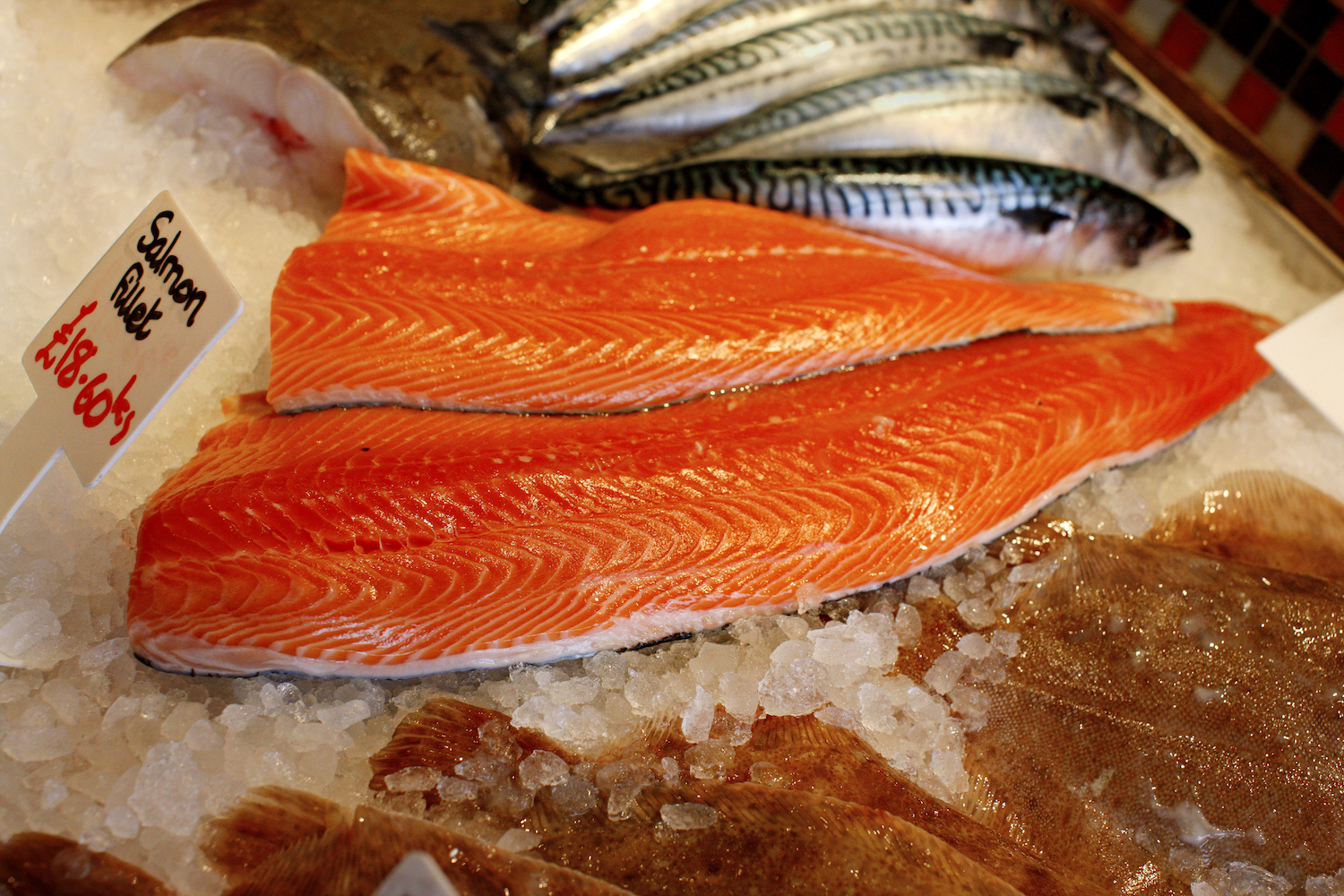
“A huge salad paired with salmon or beans works far better than a huge salad alone,” he notes. Perez also recommends roasted vegetables, lentil soups, chia puddings, berries, bean-based chili and high-water fruits like citrus or watermelon, as they’re rich in nutrients. Fortunately, even with rising grocery costs, many high-volume foods are relatively affordable. Look to beans and frozen produce.
When Volume Eating Is a Problem
Let’s say you tried volume eating, and it was one of the few things that worked for you. Maybe people have even complimented you on your weight loss. That’s great — but sometimes this success can compel people to only consume high-volume foods, and that’s where a habit can become concerning, warns registered dietitian Amy Goldsmith.
“A consistent reduction in calories can lead to a significant weight reduction, and if the person receives praise, that positive feedback could lead to a desire for restriction,” Goldsmith says.
Also important to keep in mind: increasing fiber intake from high-volume foods can cause bloating, diarrhea and gas, while consistently consuming low-calorie foods may lead to binge and emotional eating.
The good news for people who enjoy buckets of salads and vegetables? Perez and Goldsmith agree that volume eating has its merits. The key is recognizing when you’re avoiding foods that are denser in calories, or experiencing anxiety about food or feeling full — all of which may be signs of a deeper, disordered relationship with food. “When someone starts bragging about eating five pounds of zucchini noodles or consuming massive salads that barely hit 200 calories, that’s a sign that their hunger cues and fear of food are tangled,” Perez adds.
But as long as you’re able to deviate from high-volume foods and enjoy a sandwich now and then, volume eating can be an effective way to quiet food noise.
More Like This






Twice a week, you'll find guinea pig features, personal essays and expert interviews on living better — for however long you’re here. Subscribe to Champ now.