
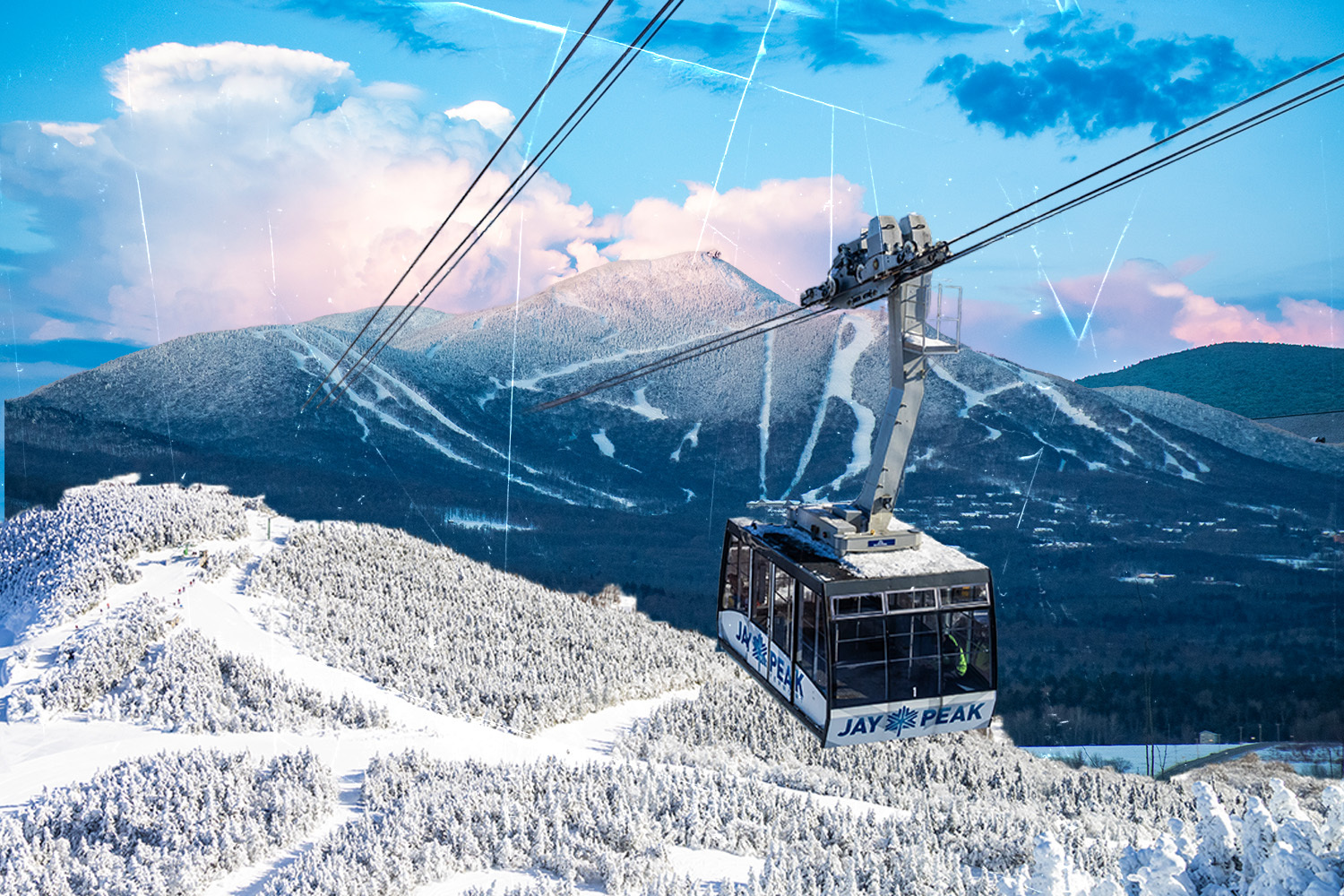
Vermont is a lesson in perspective. Folks “from away” see a monolithic little state known for pretty leaves and mountains, quaint villages and cows. Lots of cows. But it actually resembles California — not because of its beaches but due to its distinct regions. For example, Burlington correlates to the Bay Area. And in the Northeast Kingdom, where I grew up, we classified everything below White River Junction as “Southern Vermont.” Down there, half the towns seem to channel Boston or New York City, kind of like Santa Barbara to L.A., which makes the Kingdom something like Humboldt County — rural and spectacular, with a recalcitrant outlaw streak.
On the stump in the town of Lyndonville in 1949, U.S. Senator George Aiken coined the term “Northeast Kingdom” to capture the bucolic charm of Caledonia, Essex and Orleans counties, and to gin up tourism. Even then, the N.E.K. was struggling, and today it remains the poorest and most sparsely-populated area of Vermont. These distinctions are two more reasons to visit, however, firstly because your dollars help support the local economy, and secondly because the low density of humans reinforces the raw beauty.
For those seeking retail therapy or hip nightlife, the Northeast Kingdom is unlikely to scratch the itch. You can find cool shops and live music, but compared to the Stowes of Vermont, the choices are fewer and opportunities rarer (it’s been over 21 years since Phish played Coventry in 2004!). We used to get excited for trips to Burlington, to the Church Street Mall and Pure Pop, the big-city record store (where I purchased such bangers as Hüsker Dü’s New Day Rising). As a teenager, I couldn’t split from the Northeast Kingdom fast enough. But as an adult, it’s the home I pine for, one of my most beloved places in the whole world.
The first thing people ask when I start on about the N.E.K. is, “But it’s such a far drive, right?” They have a point. Departing Boston, you’ll travel three hours before reaching Burke. If you drive from Central Park, it’s about twice as long. But the farther north you get, the easier the driving. (Just watch out for deer. And moose.) You’ll also pass many perfectly good ski mountains and Nordic centers along the way.
What follows are just four reasons to spend that extra hour or two behind the wheel.
Burke Mountain
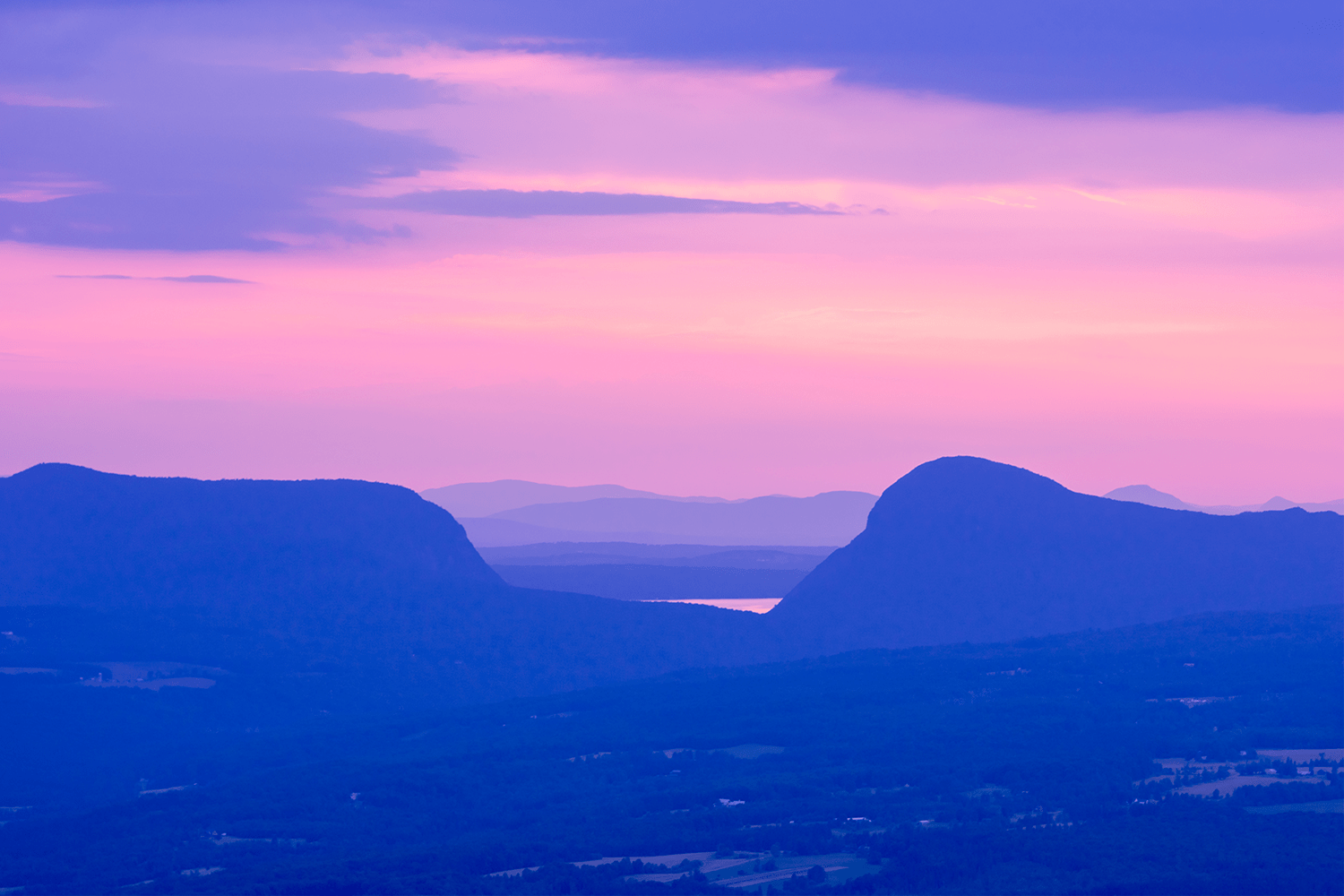
For northbound adventurers, Burke is the first major destination to hit in the N.E.K. It’s also the mountain that connects me to Mikaela Schiffrin — I learned to ski on its steeps, and she took her skills to world champion levels after graduating from Burke Mountain Academy, the ski school that has produced 36 Olympic skiers over its first 55 years. Aside from its international reputation, Burke defines the quintessential family ski mountain to the point where a group of local investors purchased it in 2025. The Bear Den Partners have already invested $11.5 million into snowmaking improvements and have plans for future trail expansion. With a nod to the community, they have also rebranded by reintroducing the mountain’s original bear logo. Burke may seem like a small mountain, but with nearly 2,000 feet of vertical and challenging runs like Doug’s Drop, it skis like a much bigger one.

A Winter Weekend Guide to Woodstock, Vermont
The idyllic New England town is wonderful in all seasons but particularly magical when blanketed in snowKingdom Trails
Also headquartered in East Burke, Kingdom Trails Association is the right coast’s pre-eminent mountain biking destination and a non-profit. During the winter, K.T. grooms trails for cross country skiing and for fat biking. The summer trail network twists and loops for 100 miles from the village, up the mountain and into the neighboring towns of East Haven and Lyndonville. Due to the generosity of 100 landowners who allow riders on their property, K.T. sets a gold standard for community engagement. In addition, the organization generates over $10 million annually for the local economy.
Visit K.T. in the summer, and you’ll find these little hollows teeming with mountain bikers of all ages. Mike’s Tiki Bar and The Orange Rind have dozens of brews on tap, and I love grabbing dinner at Tacos Del Reino after a post-ride dip in the east branch of the Passumpsic River. For either breakfast or lunch, my favorite is Café Lotti, a converted church that maintains the warmth of the building’s original purpose. I always feel at home here, and along with a double-shot of espresso, their turkey, bacon, avocado sandwich is the perfect midday refuel.
Jay Peak
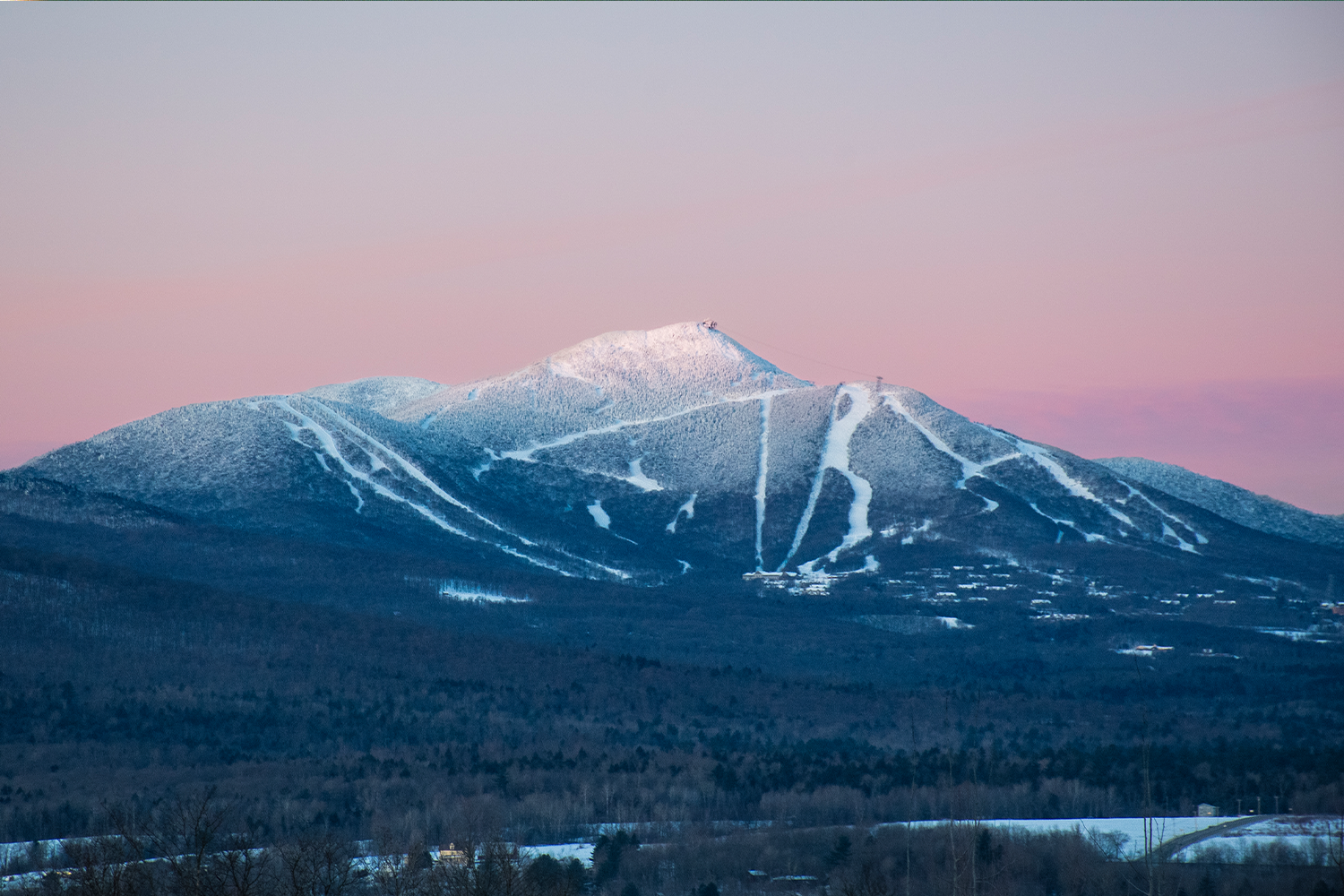
Bolstered by the mysterious but reliable Jay Cloud, Vermont’s northernmost ski mountain harvests more snow than anywhere east of Colorado. At Christmas, Jay had already received 200”, or as the resort’s ski report put it, “More than three Danny DeVitos.” A north-facing mountain just four miles south of Canada, Jay can get chilly, but its woods hold powder like no other. Some days, I’ll ski laps in Timbuktu or in Andre’s Paradise, and I’m still finding untouched stashes at last chair. If you like skiing or riding trees, Jay has no equal in the East, especially given its liberal policy that allows you to go anywhere you want to. (The Mountain Safety guide distinguishes between “glades” that ski patrol open and close and “woods” left to the judgment of skiers and riders. I’ll often combine a woods section with a glade to maximize a run.)
With a water park, climbing gym, hockey rink, golf course, restaurants and other amenities, Jay feels like a true end-of-the-road destination. It’s also your best bet for finding live, internationally touring music in the N.E.K. In the summer they host two music festivals: August West and Jeezum Crow.
Craftsbury
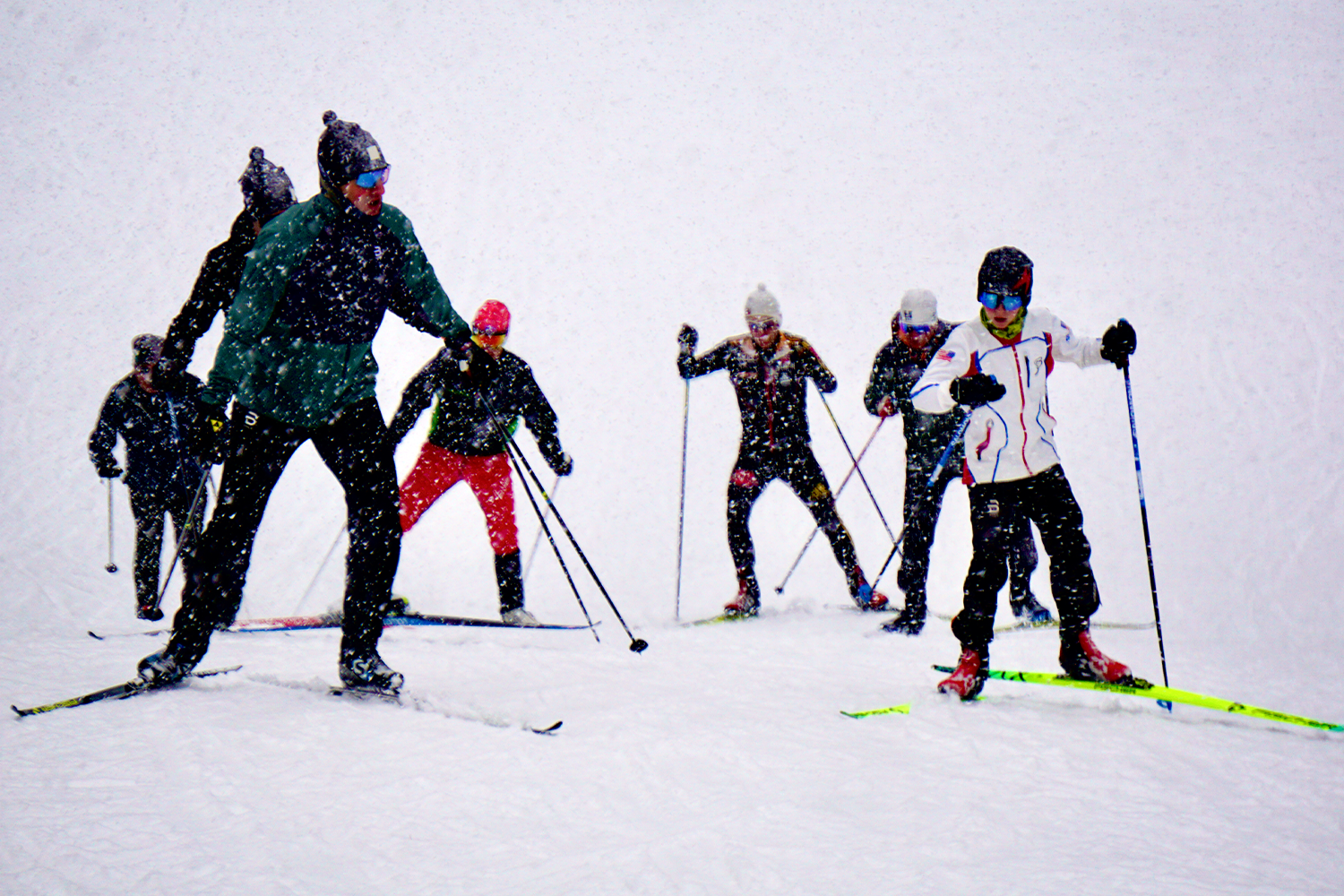
Like Burke, Craftsbury is a playground for families and Olympians. It’s also the prettiest postcard in all of Vermont (and where I grew up from third through ninth grade). Down in the village, Craftsbury General Store, or The Genny, is a destination to itself. Although the store has been around since about 1850, “new” owner Emily McClure reopened to much acclaim in 2013. Success led to expansion in 2021, when McClure opened a second Genny in neighboring Albany. While the old “historic” general store used to be a place to grab something you forgot to buy at the Grand Union over in Hardwick, The Genny is the social hub of town, host to various events and community gatherings. The deli is excellent, and sometimes I’ll drive an hour out of my way just for the Belgian chocolate mousse. But the Craftsbury Outdoor Center is the main course here. Located a couple of miles out dirt roads, past the Common, you’ll find 65 miles of cross-country ski trails that wind around Hosmer Pond or extend all the way to Greensboro (where you can stop by the award-winning Hill Farmstead Brewery or pick up some Jasper Hill cheese). As a kid, Baily-Hazen was always my favorite trail because of its long, steep downhill, but Ruthie’s Run is also exquisite. Out here, you feel utterly removed from the modern world. The wilderness feels complete, and the impeccably groomed tracks lead through untouched forest and past beaver ponds. On a snowy day, if you stop for a moment, there is nothing quieter or more serene.
More Like This
This article appeared in an InsideHook newsletter. Sign up for free to get more on travel, wellness, style, drinking, and culture..